
Shop All-in-One, Hybrid, and Off-Grid Solar Inverters
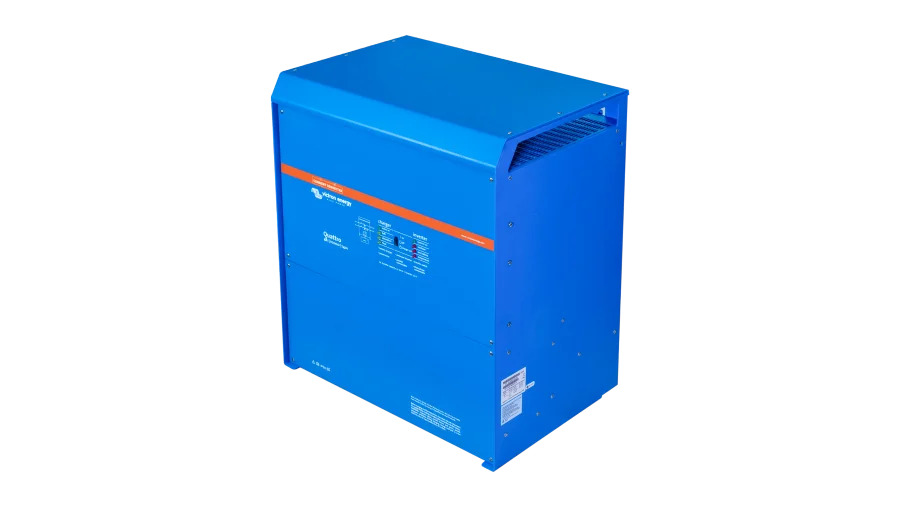
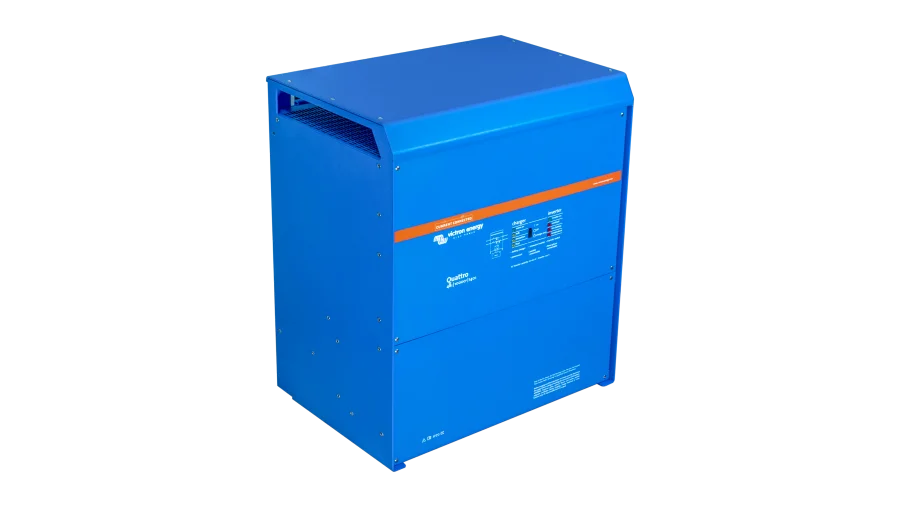
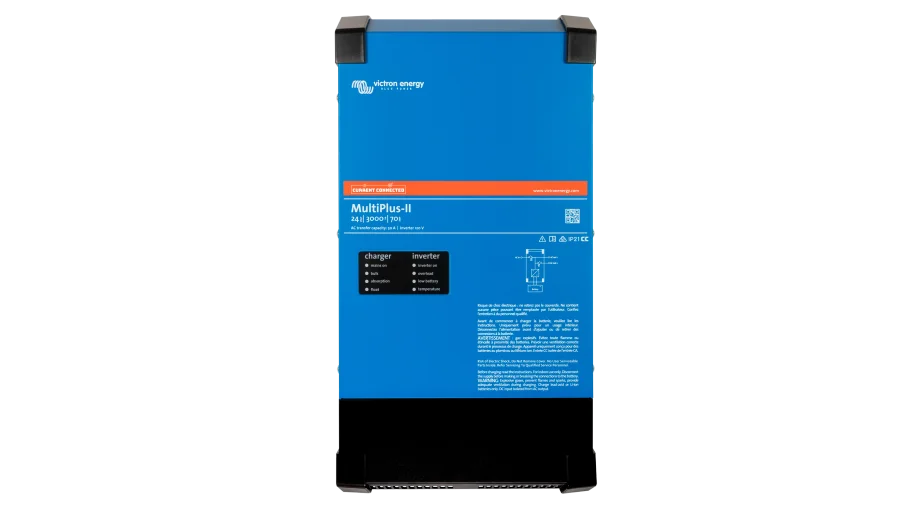
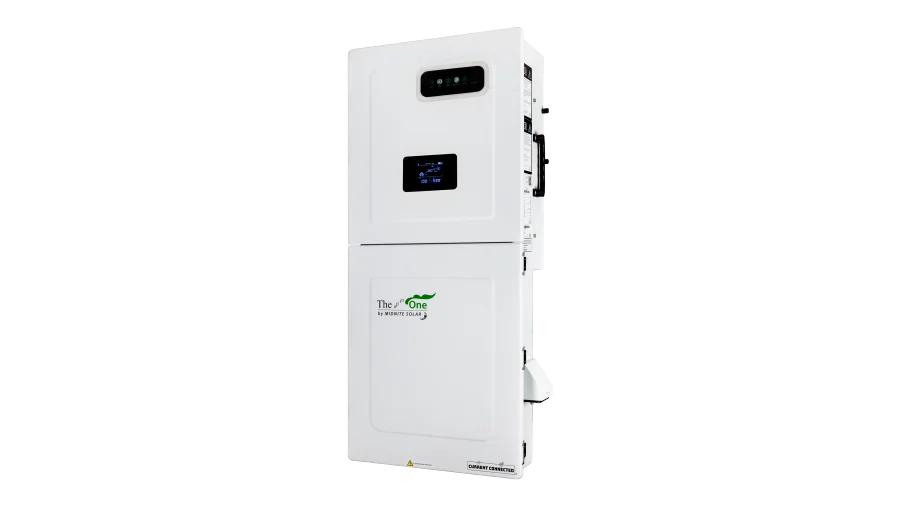
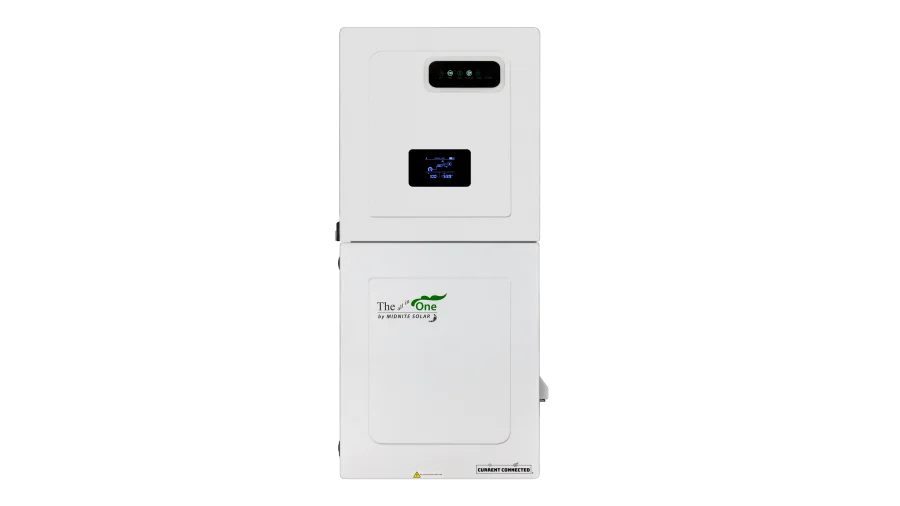
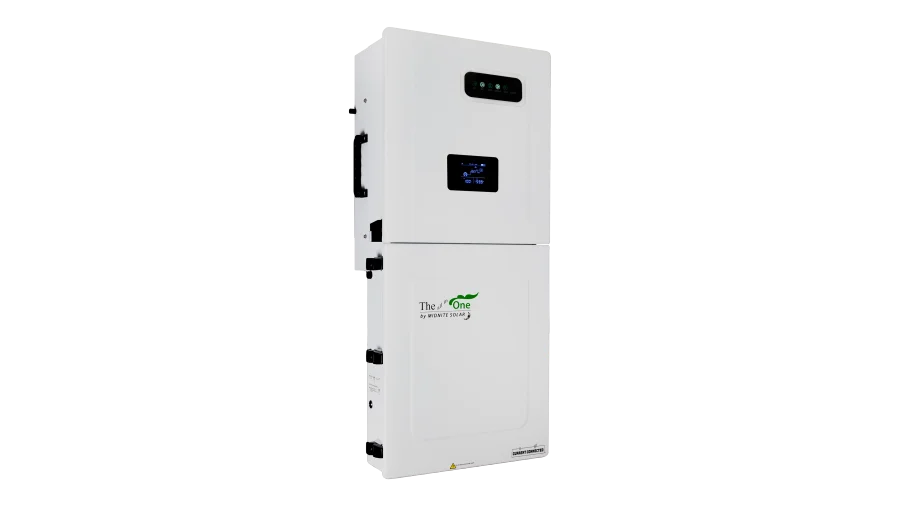
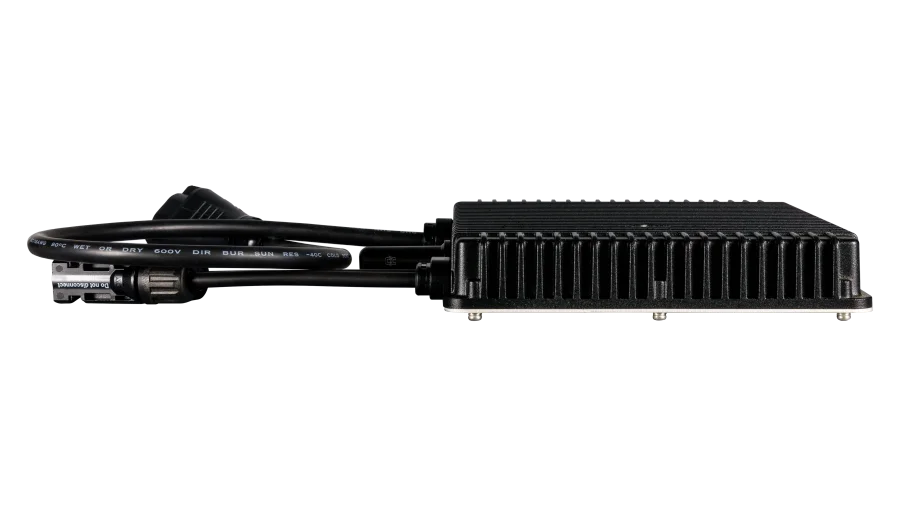
The inverter is the heart of your system, turning battery and solar power into the AC your home or rig runs on. We carry all-in-one, hybrid, off-grid, and inverter-charger models from Victron, EG4, Sol-Ark, Fortress Power, MidNite Solar, and BigBattery, plus Aptos microinverters.
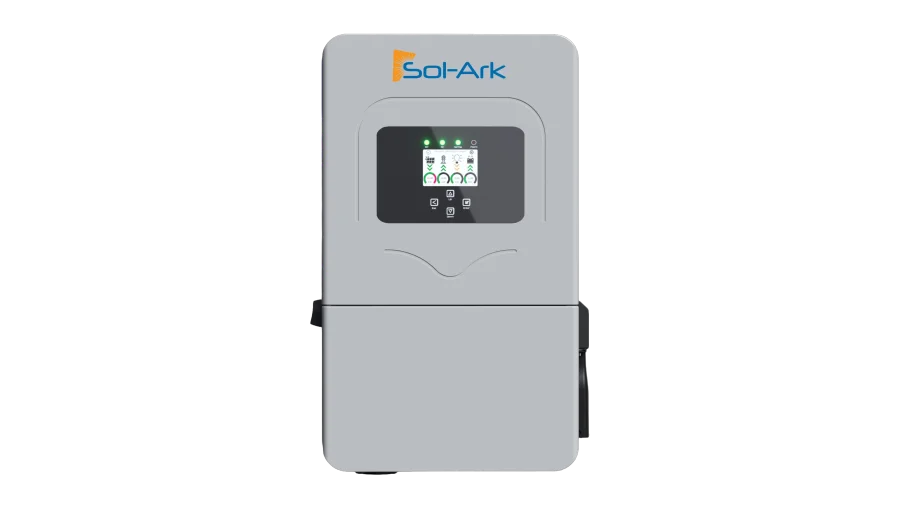
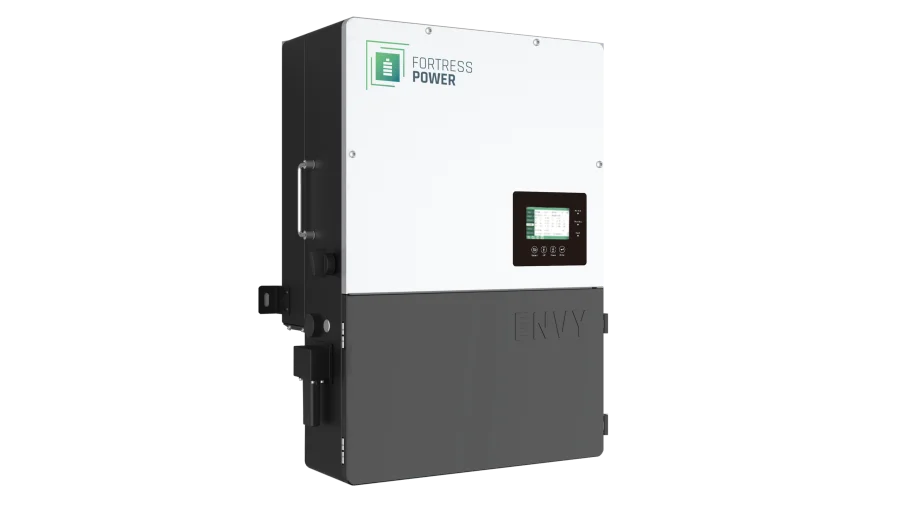
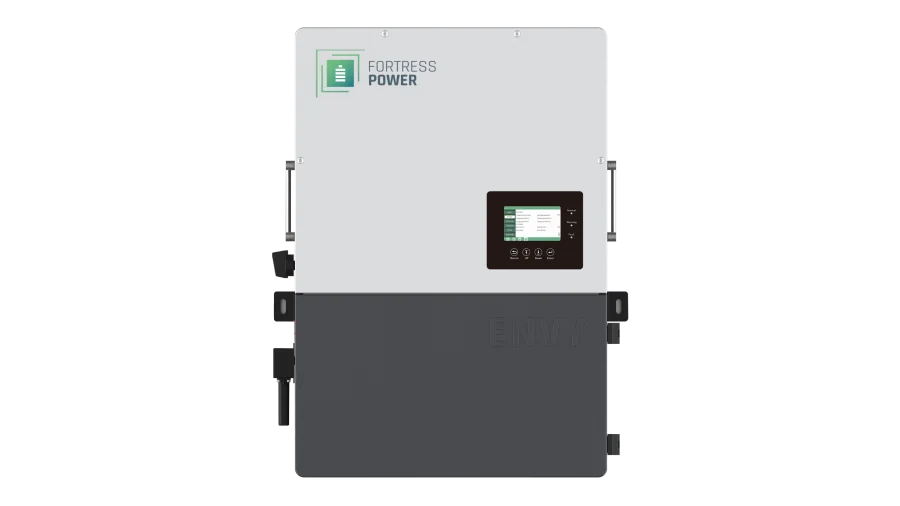
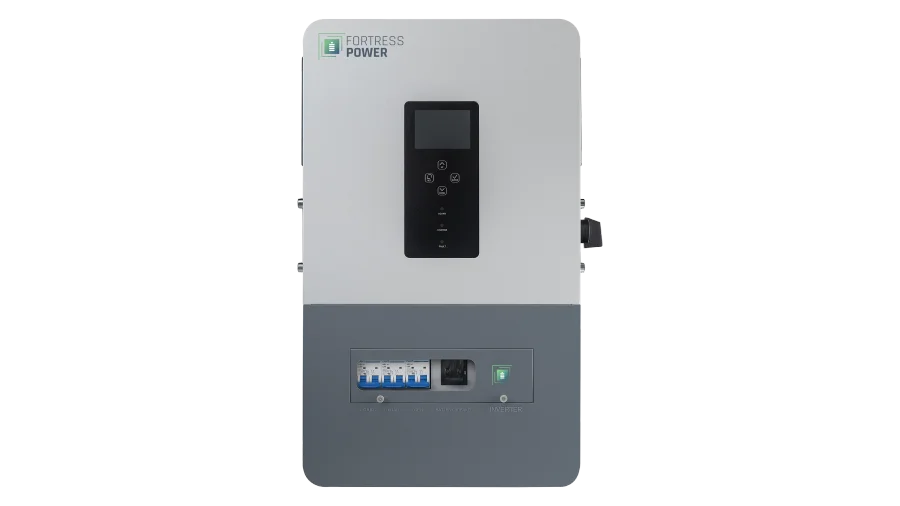
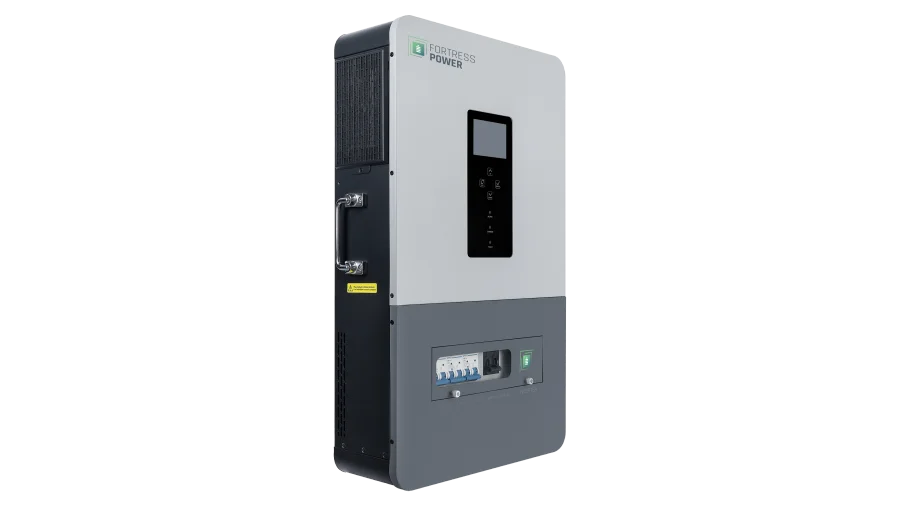
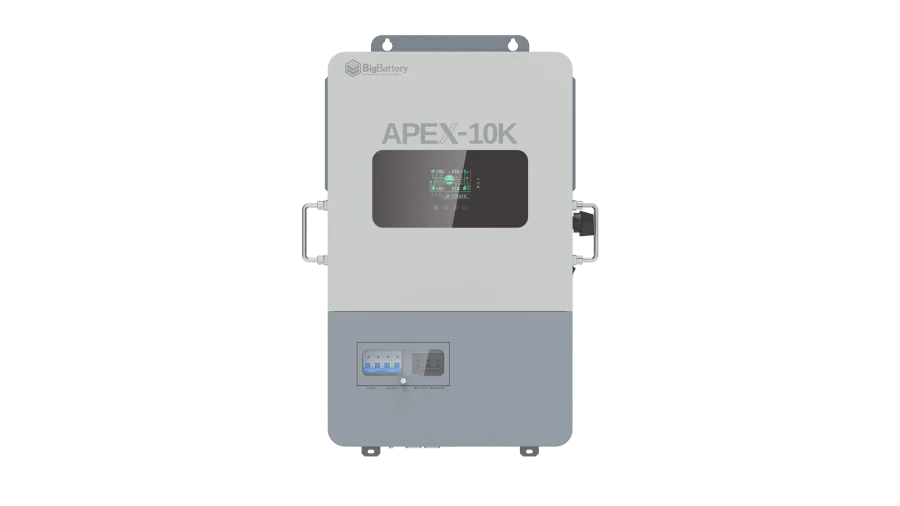
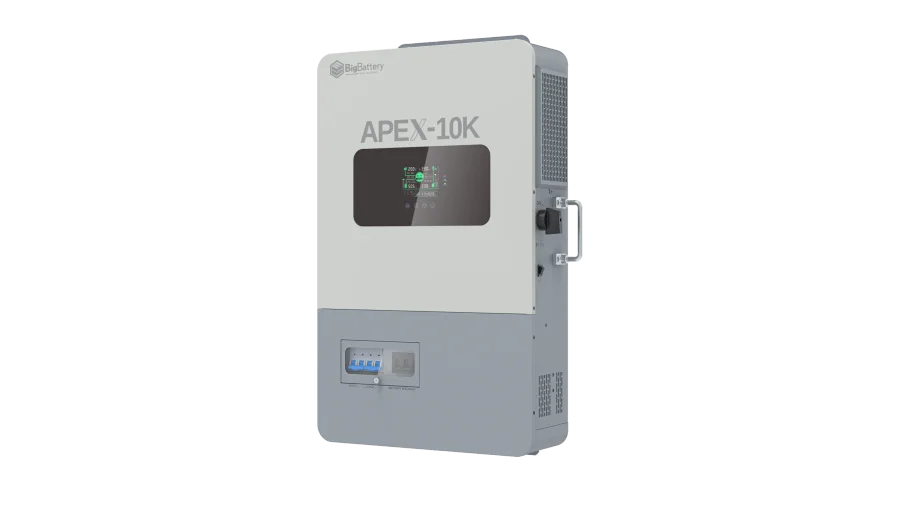
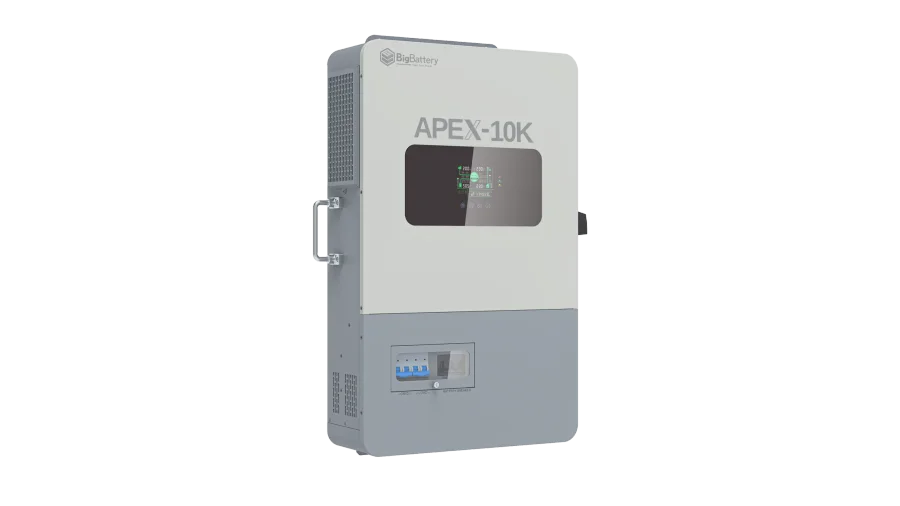
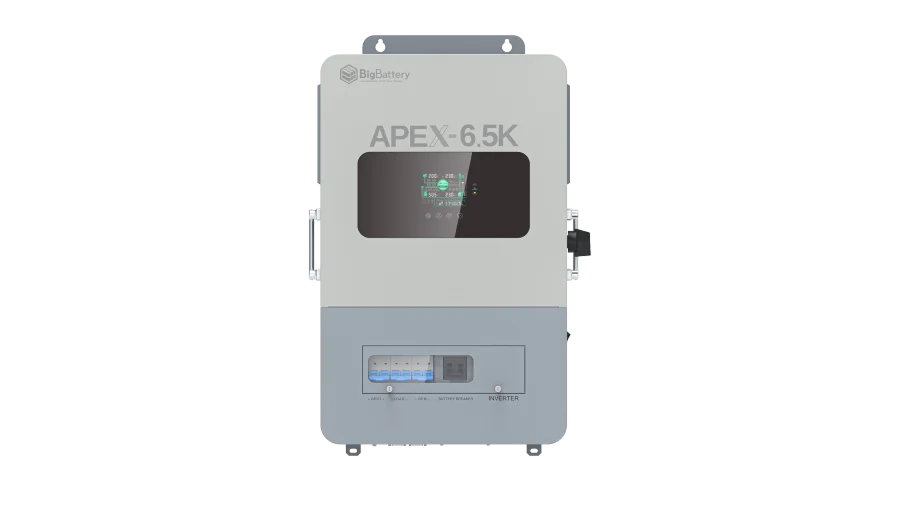
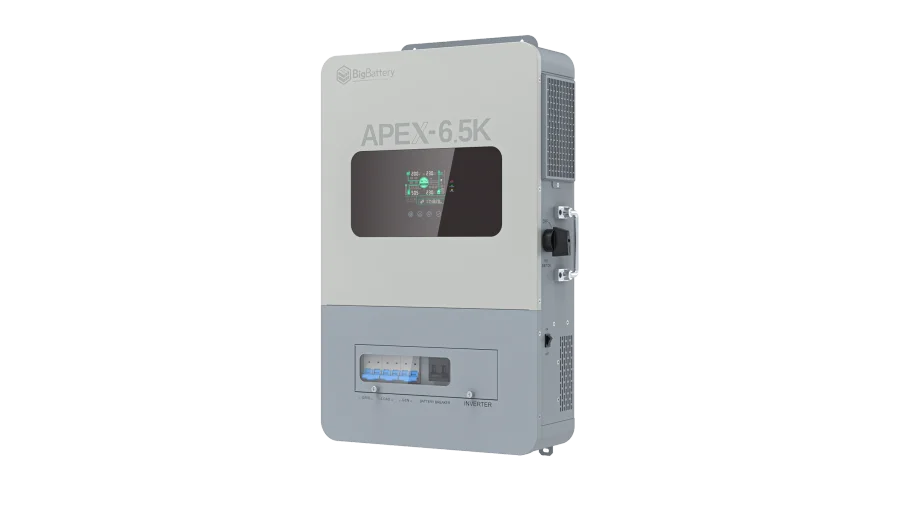
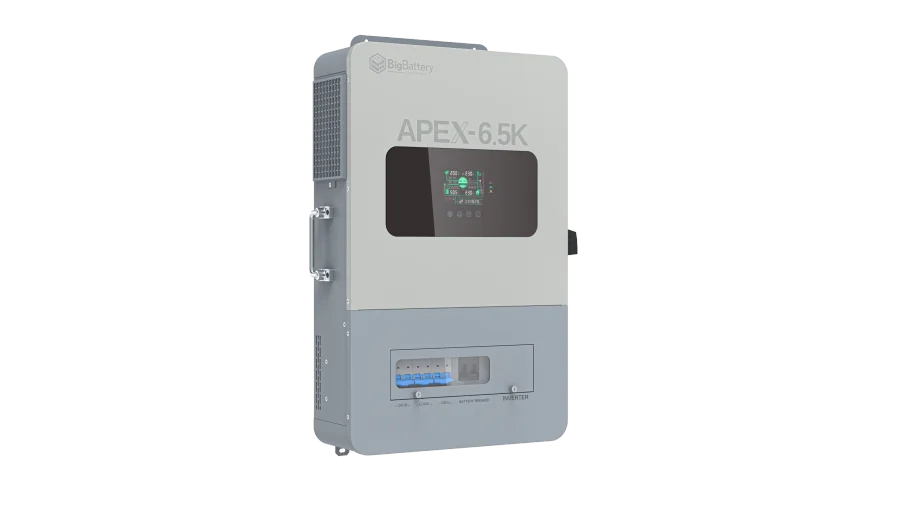
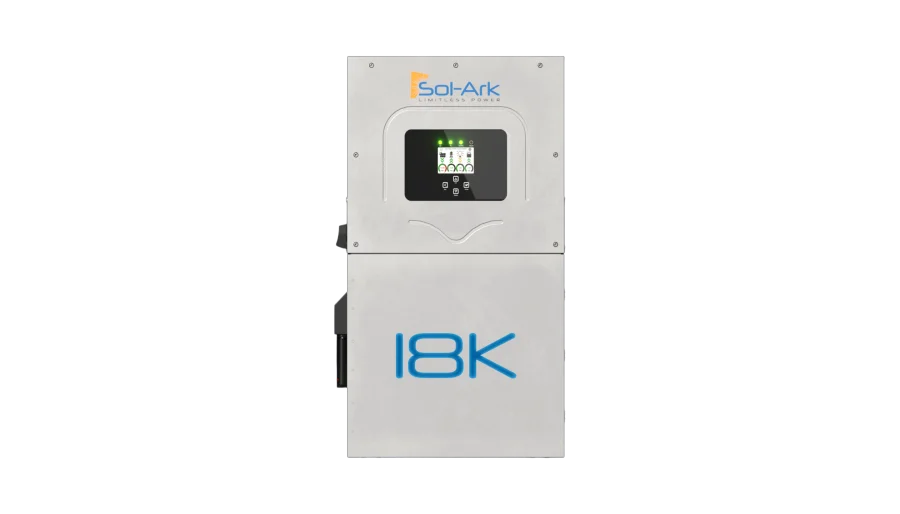
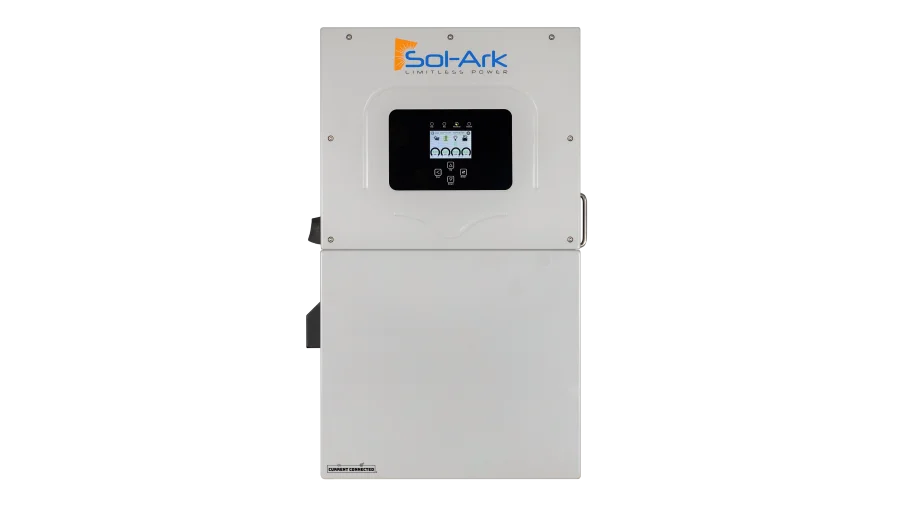
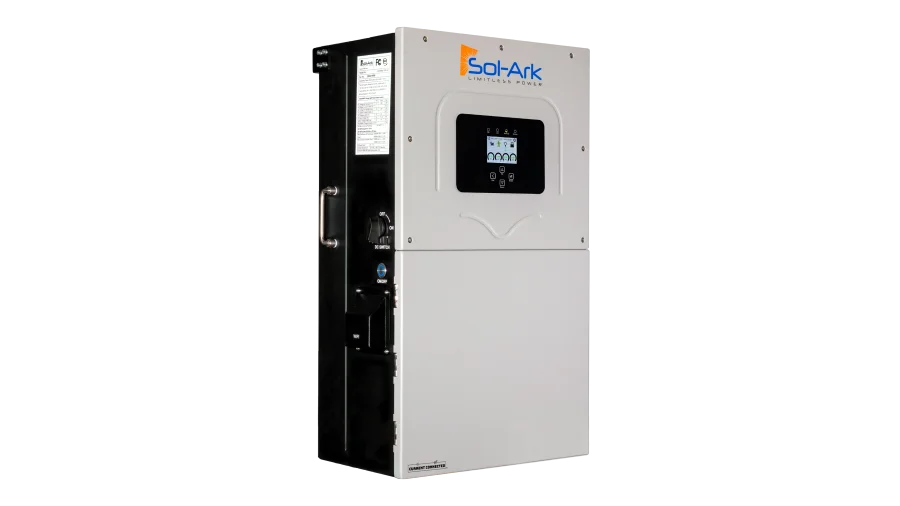
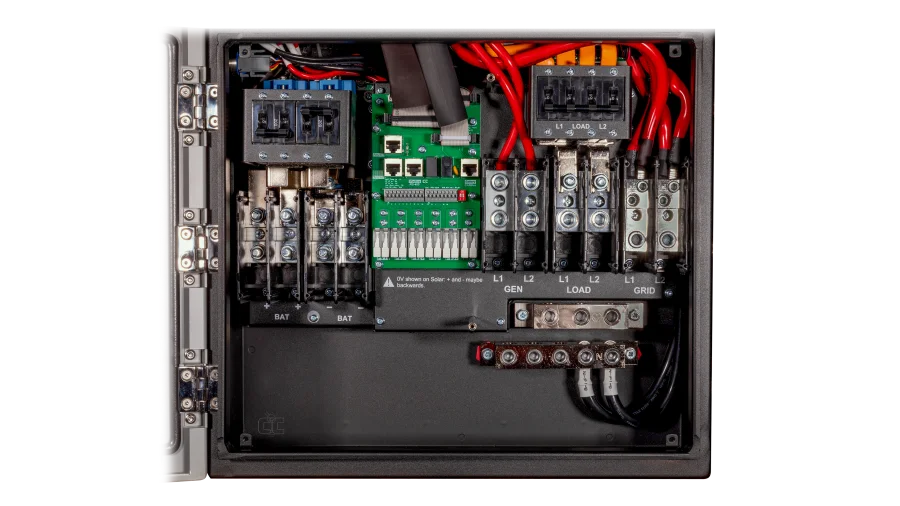
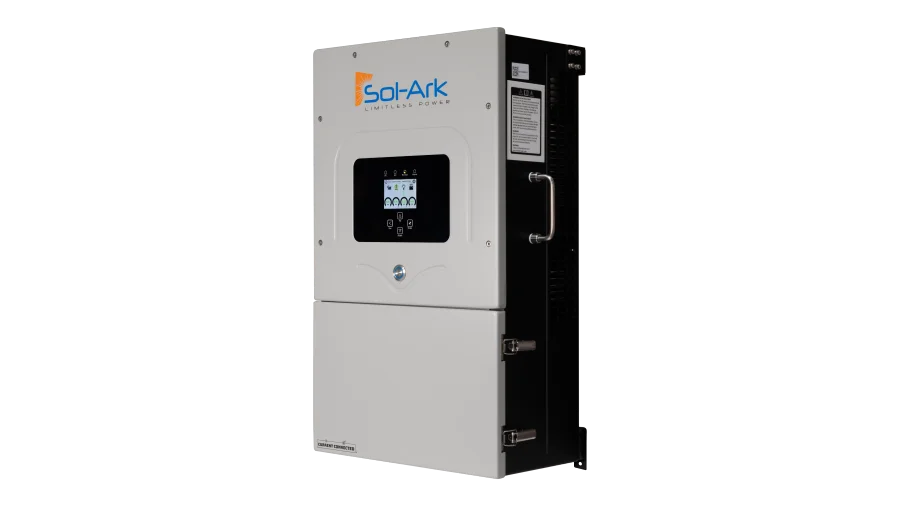
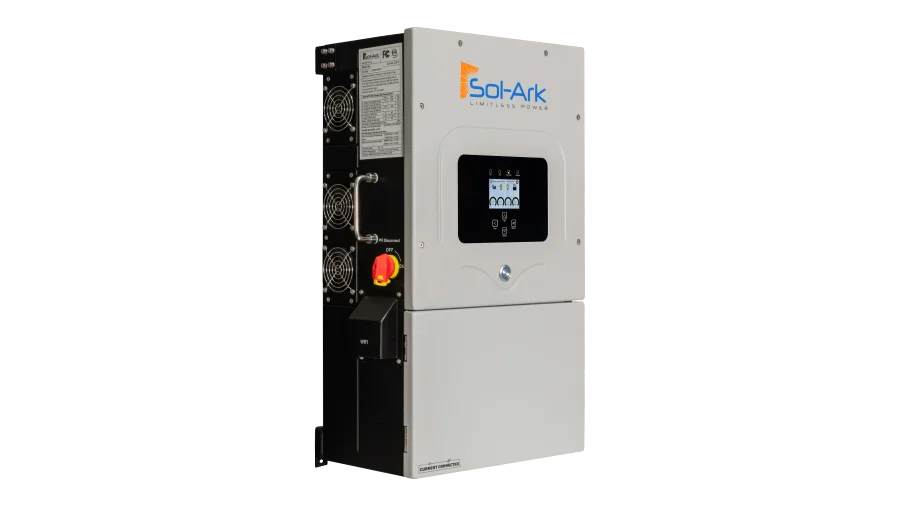
Sol-Ark 15K-2P-N Limitless 15K-LV 48V Hybrid Inverter, 15kW With Solar, 12kW Battery Output, 19.5kW PV Input, 3 MPPT, 200A Pass-Through, UL 1741 SB
Run the whole house from one box, and pick the EMP-hardened build if you plan for the worst.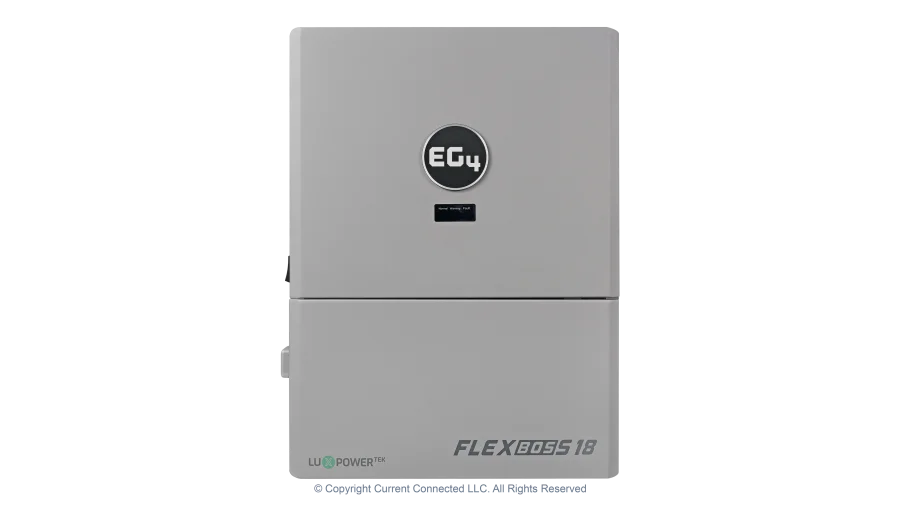
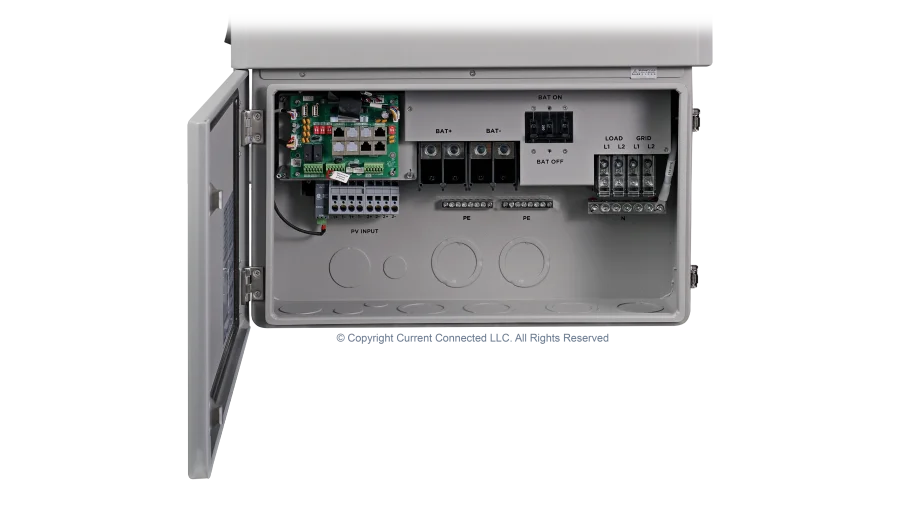
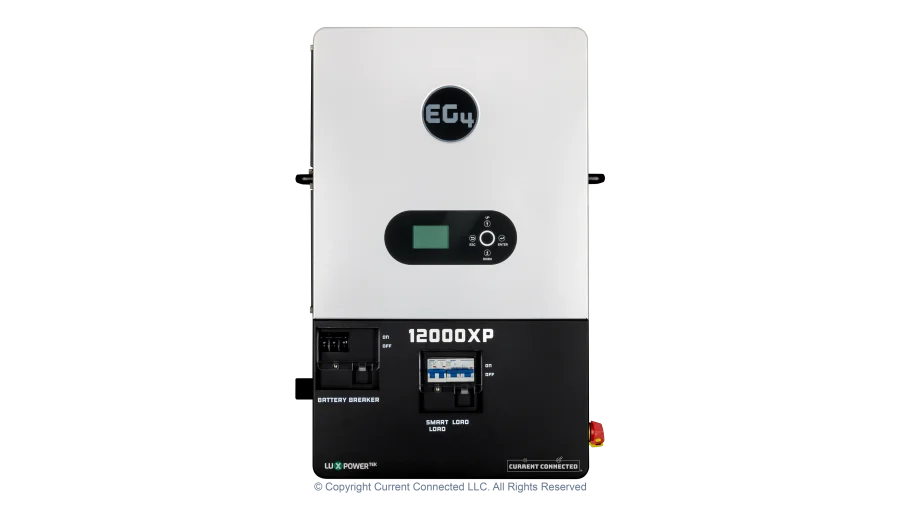
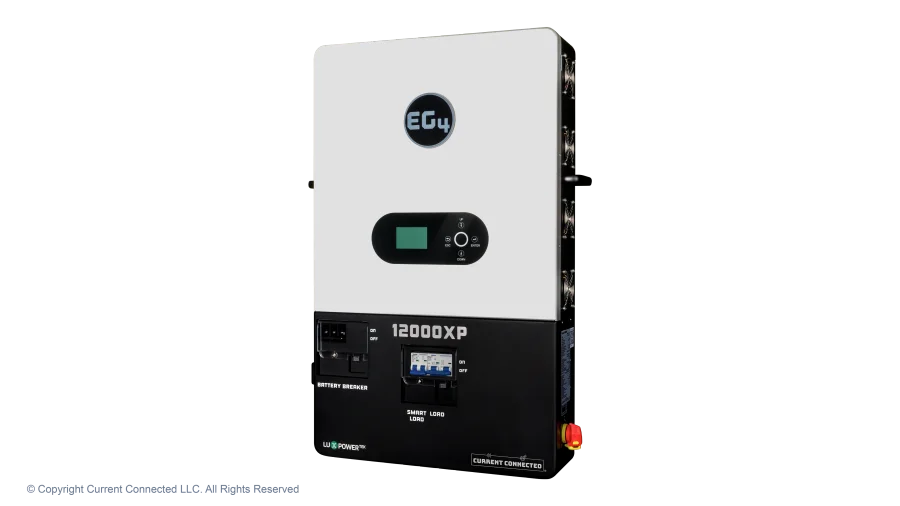
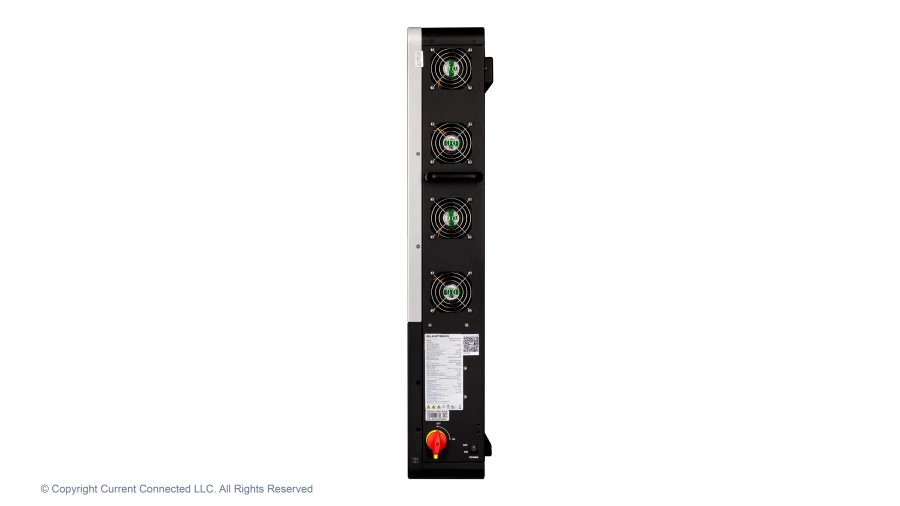
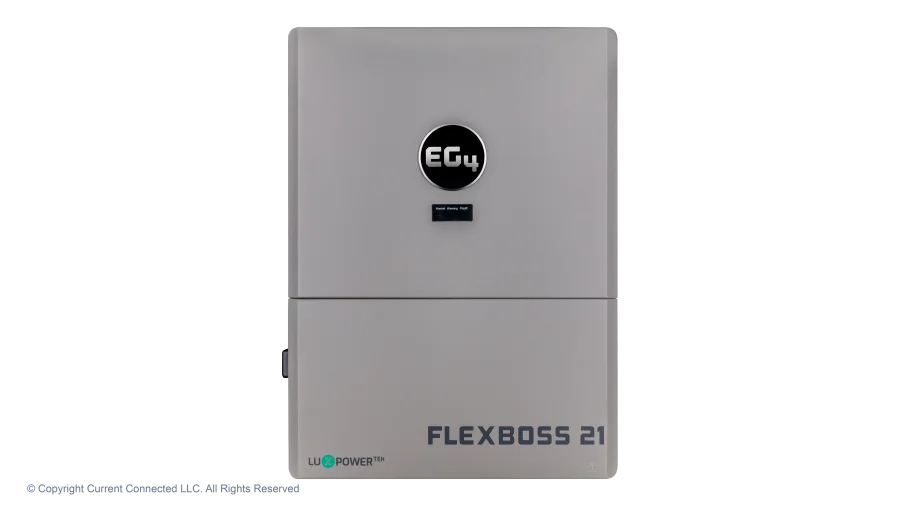
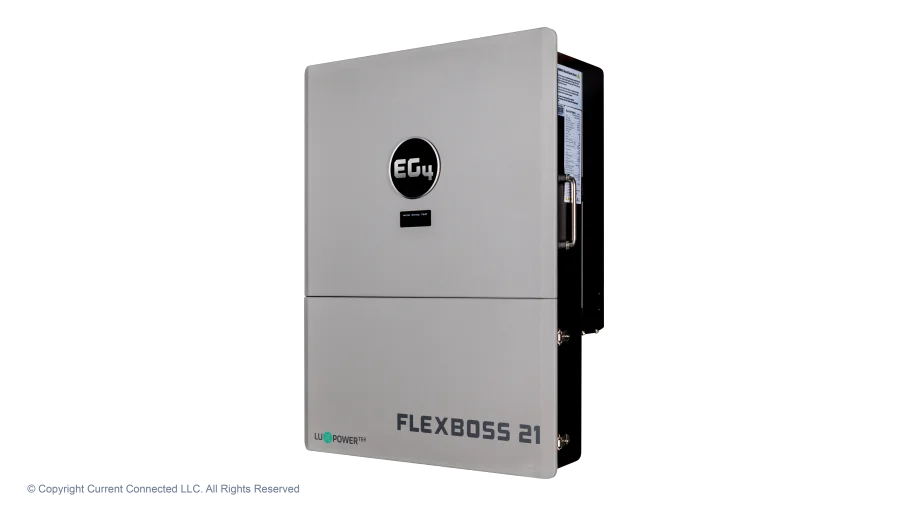
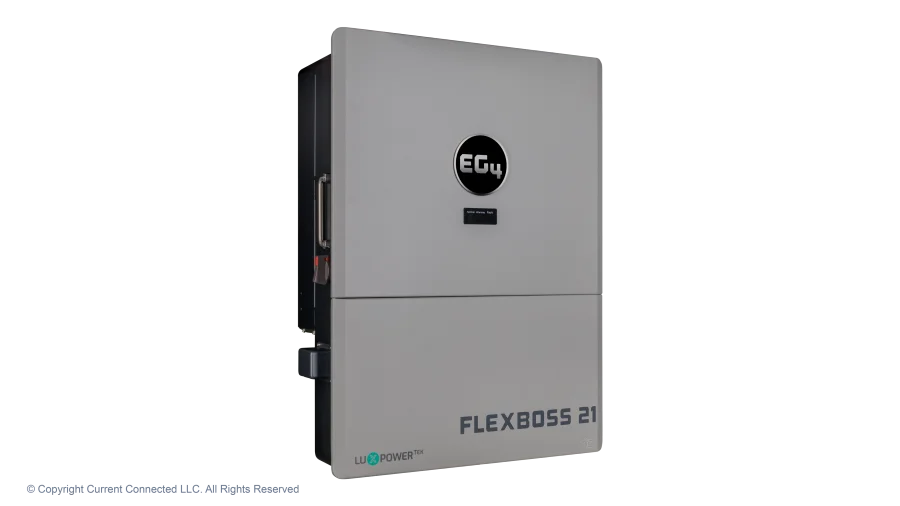

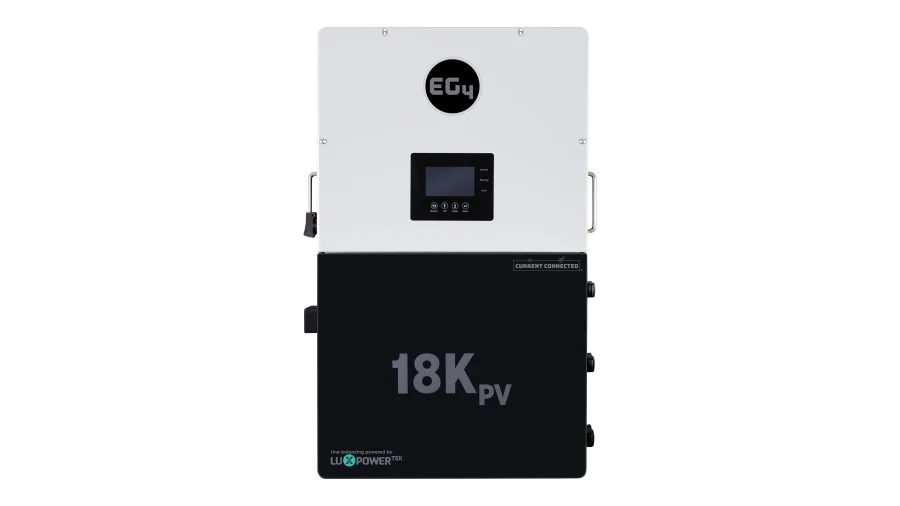
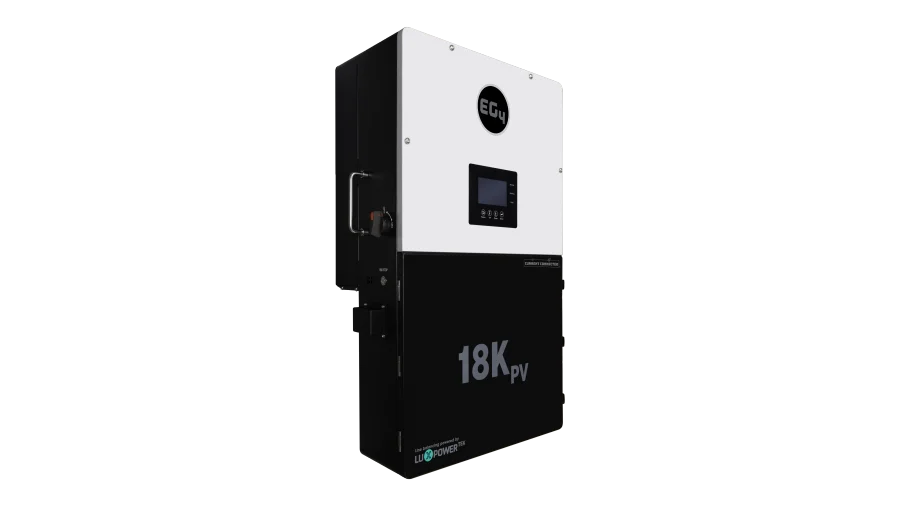
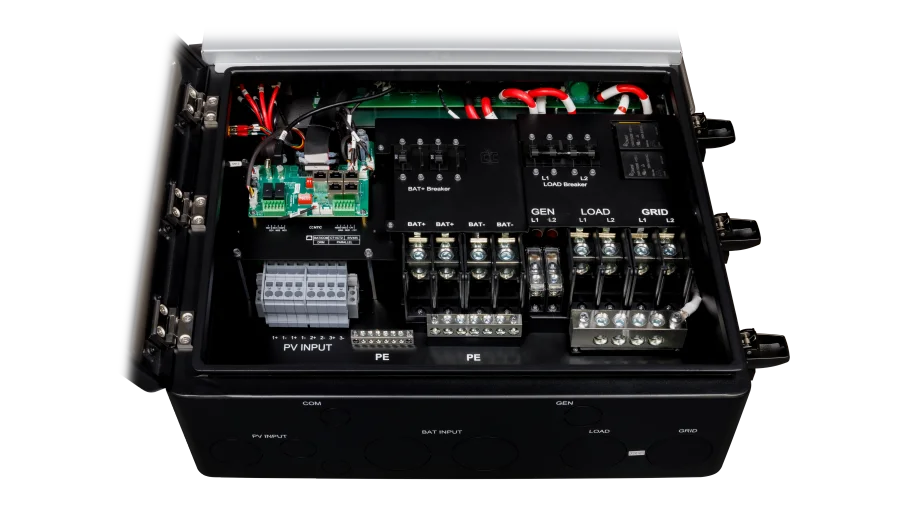
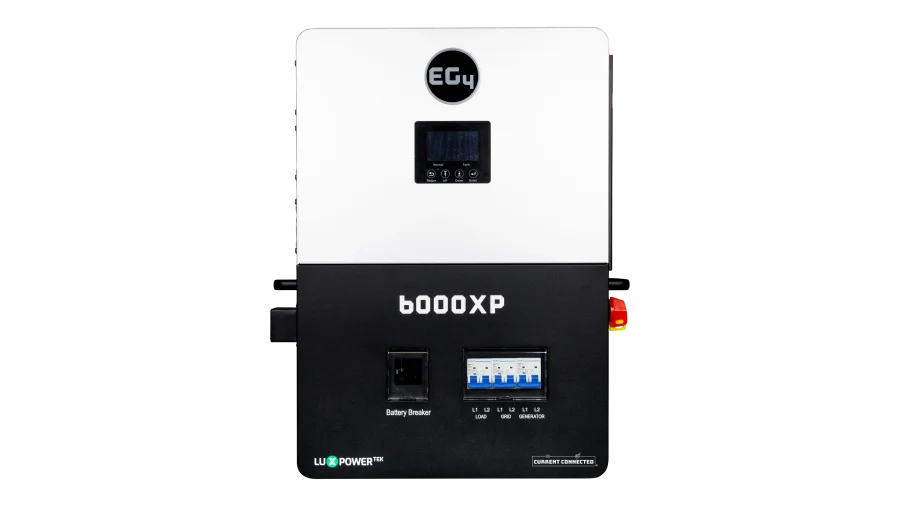
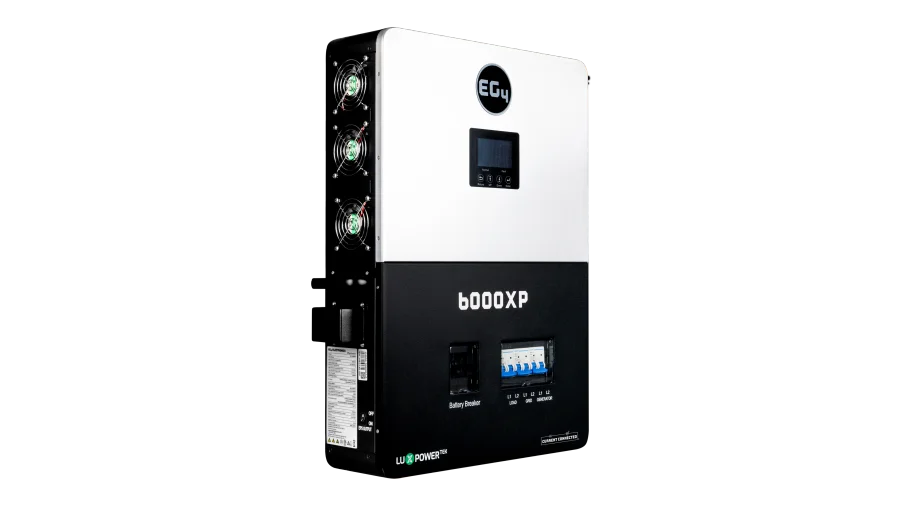
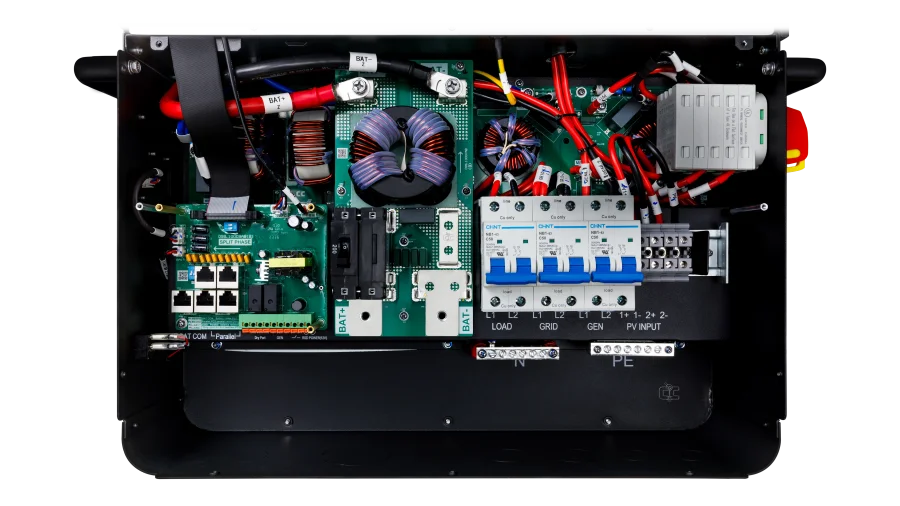
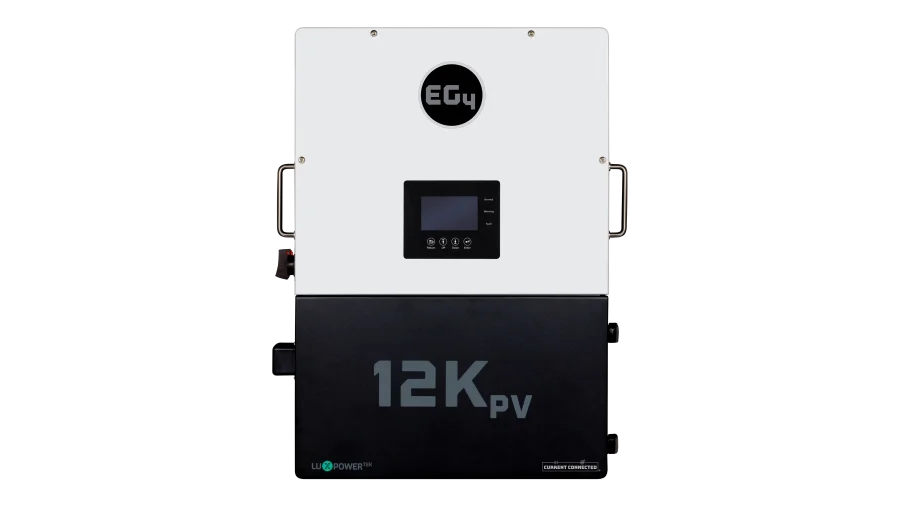
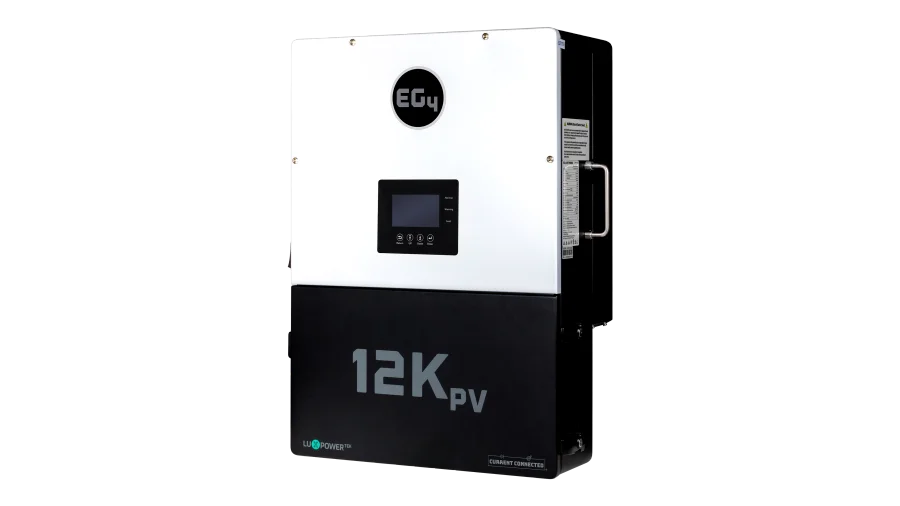
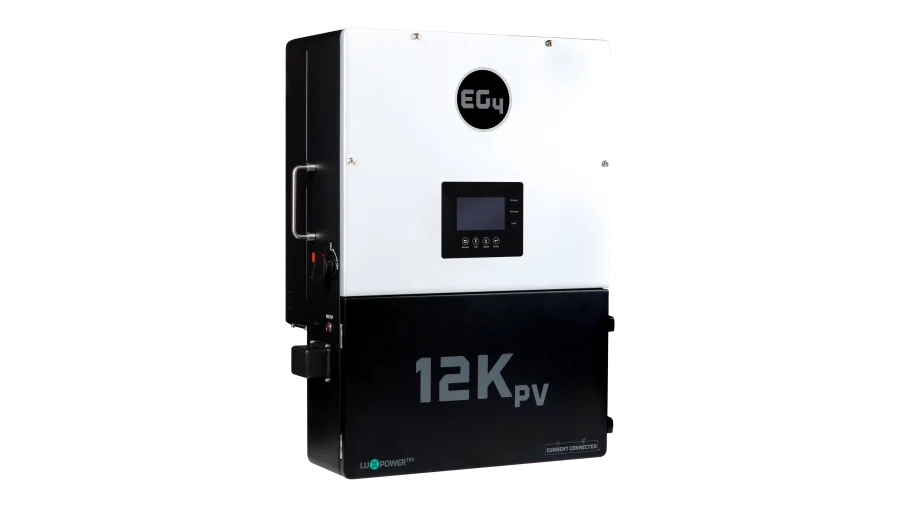
EG4 12kPV 48V 8kW Hybrid All-in-One Inverter, 12kW Solar Input, NEMA 4X, UL 1741 & UL 9540 Solar Inverter
EG4's compact hybrid, still packing 80A of passthroughAsk About This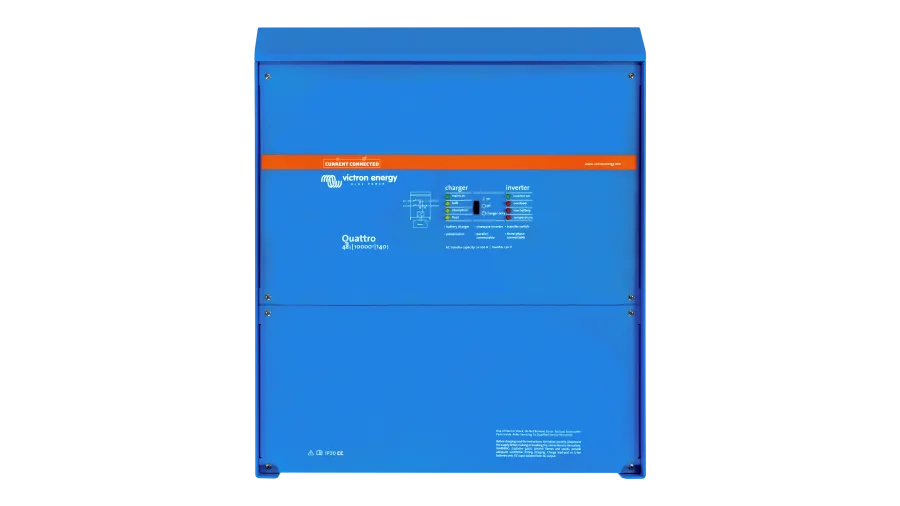
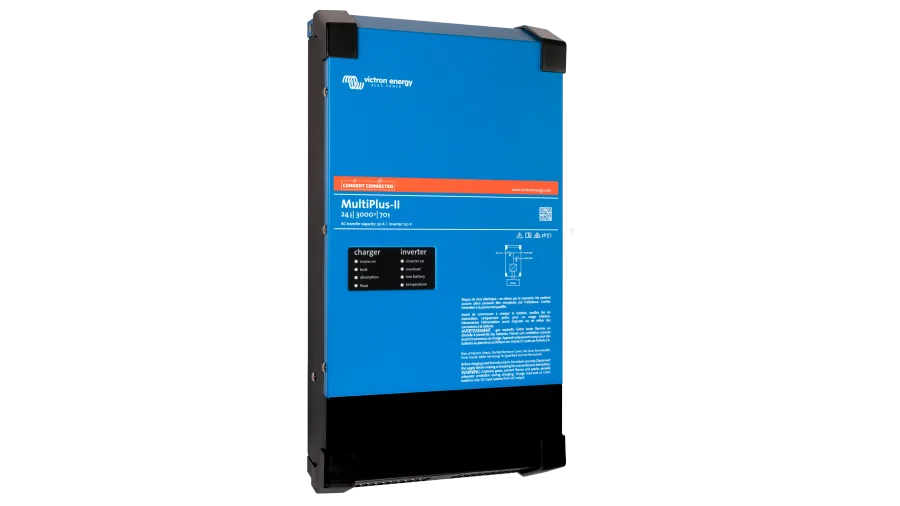
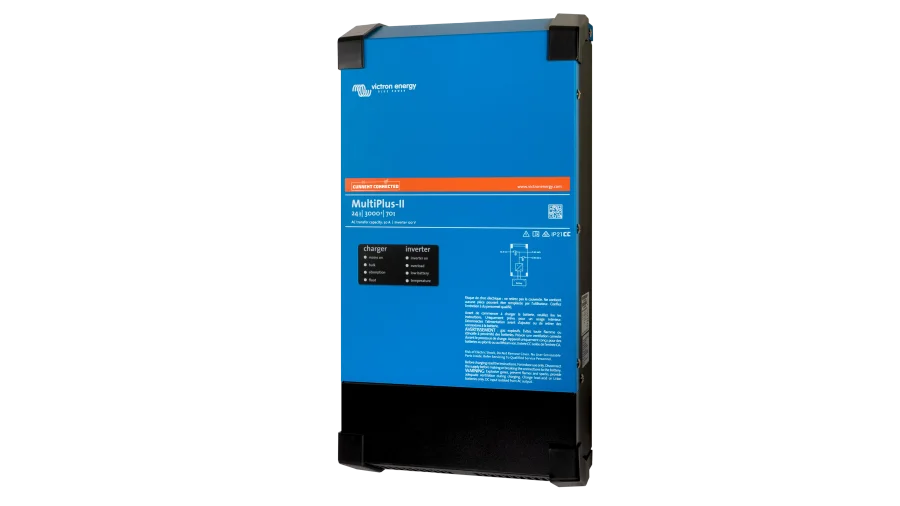
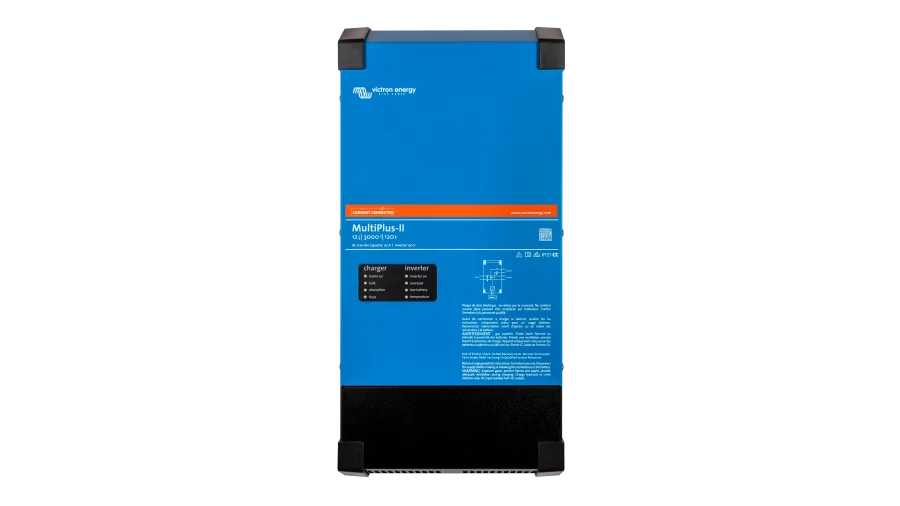
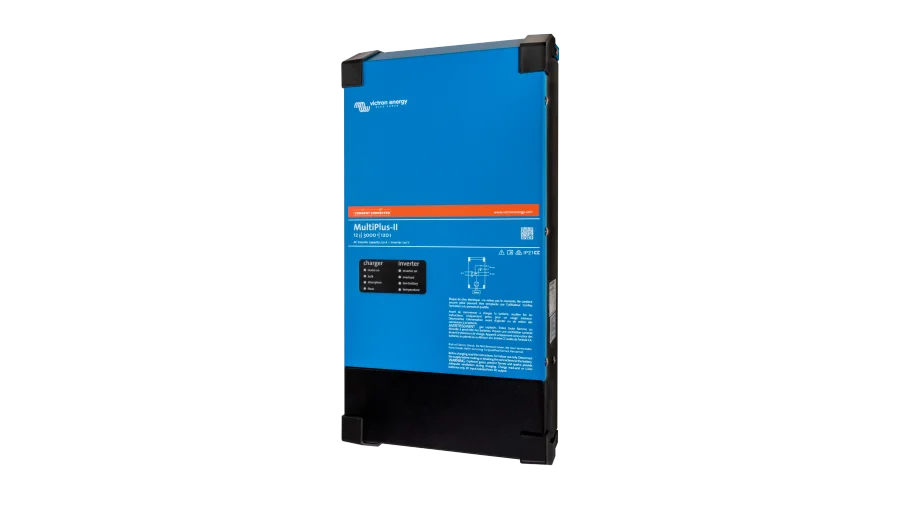
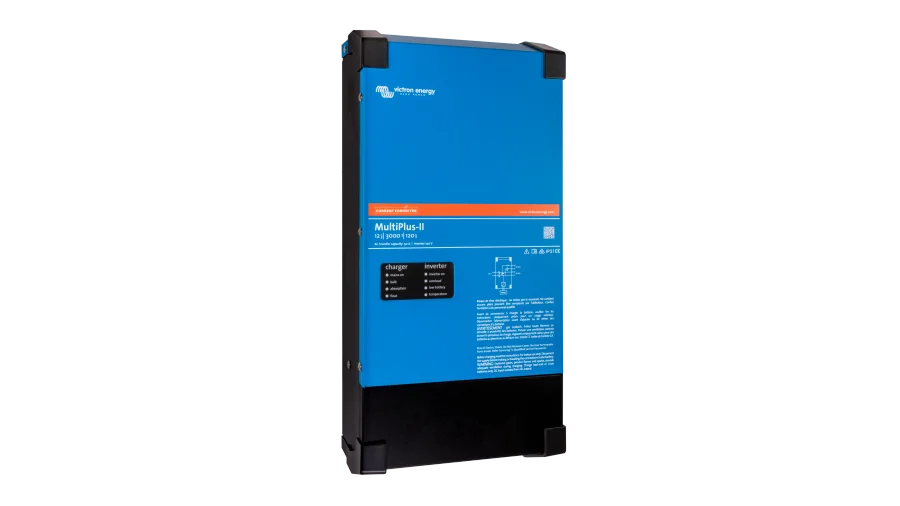
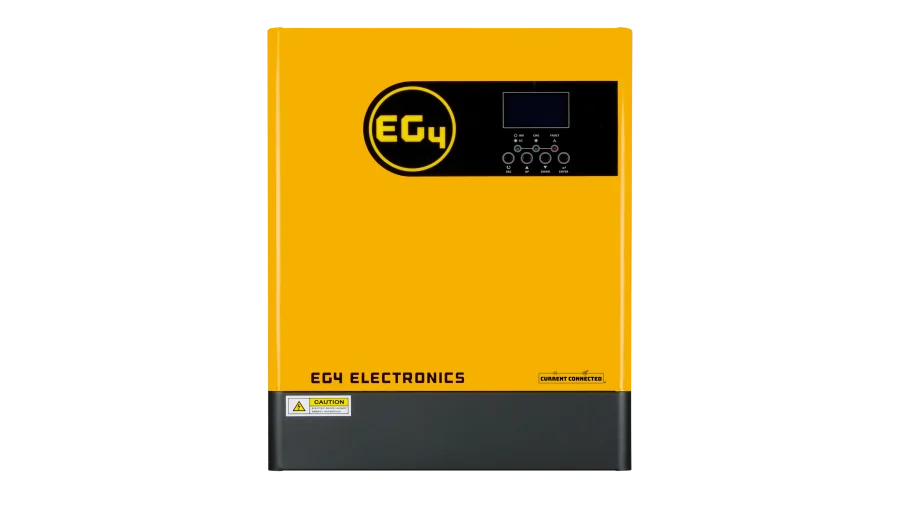
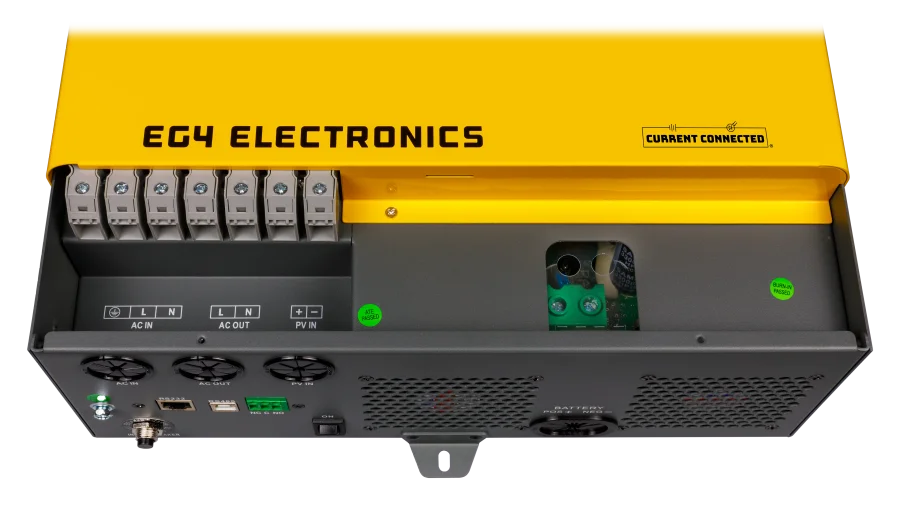
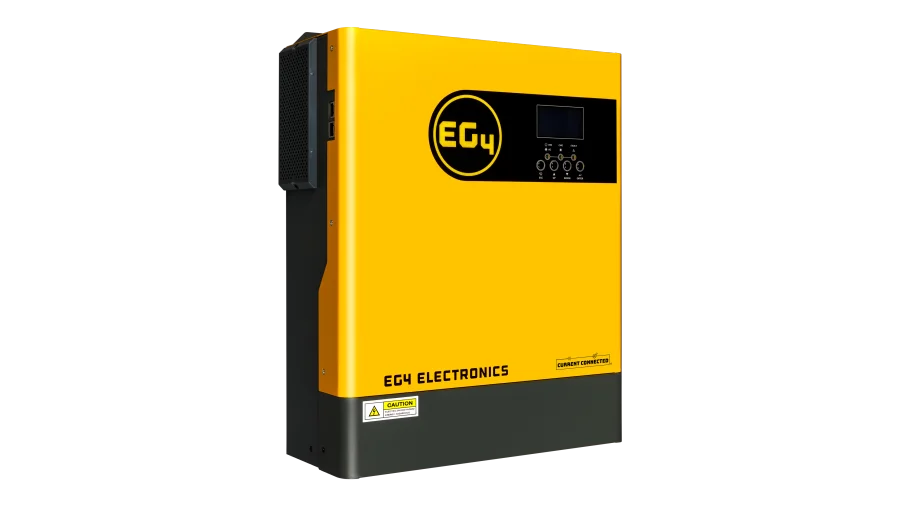
EG4 3000EHV 48V Off-Grid Inverter, Charger & 500V MPPT Controller, 3kW 120V AC Output, 5kW Solar Input
The smallest EG4 inverter, perfect for beginnersAsk About This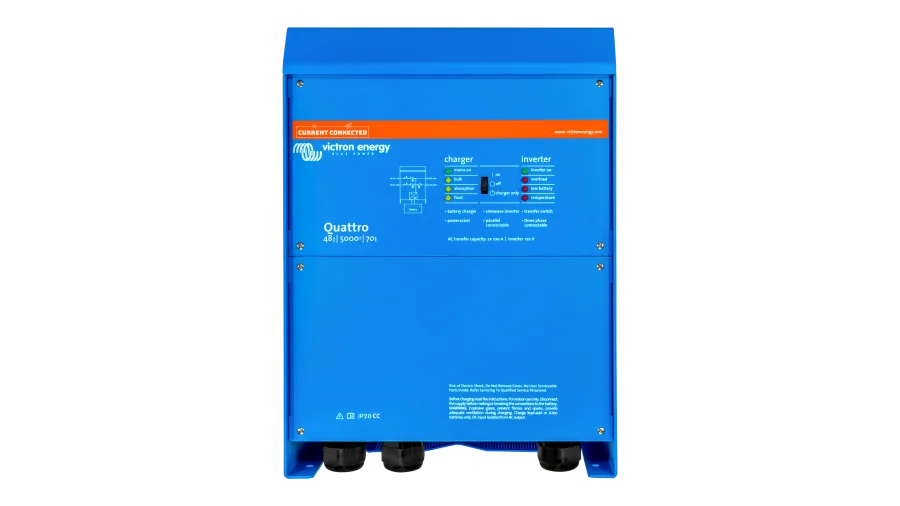
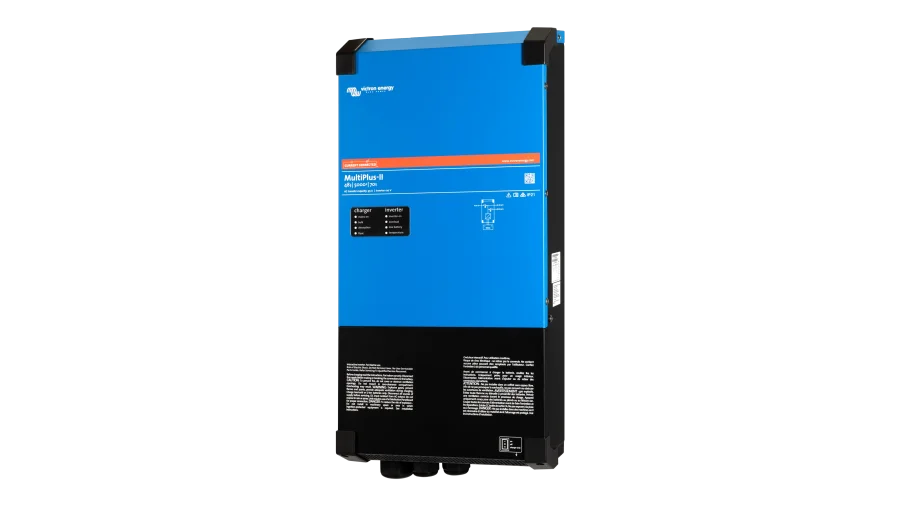
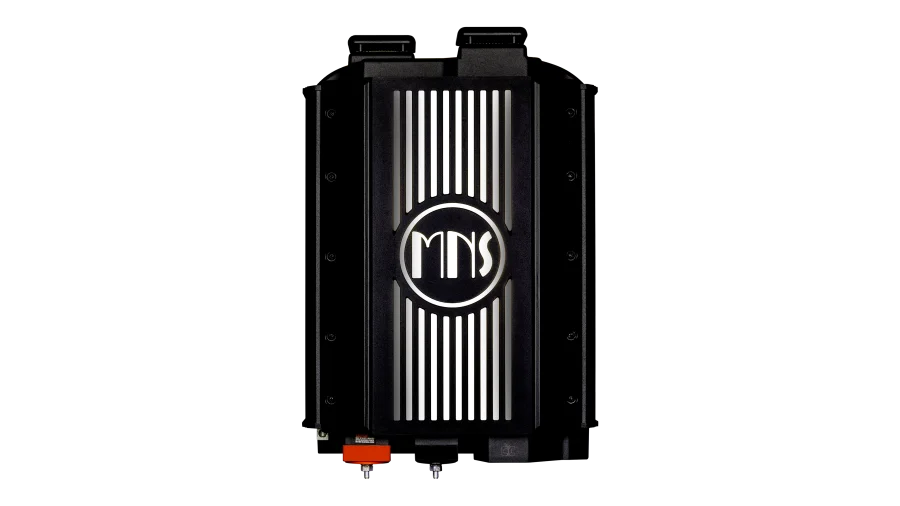
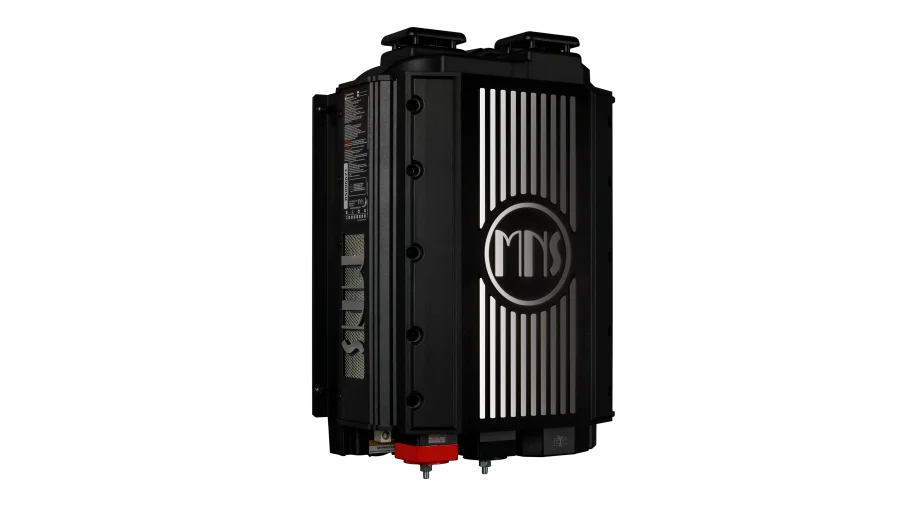
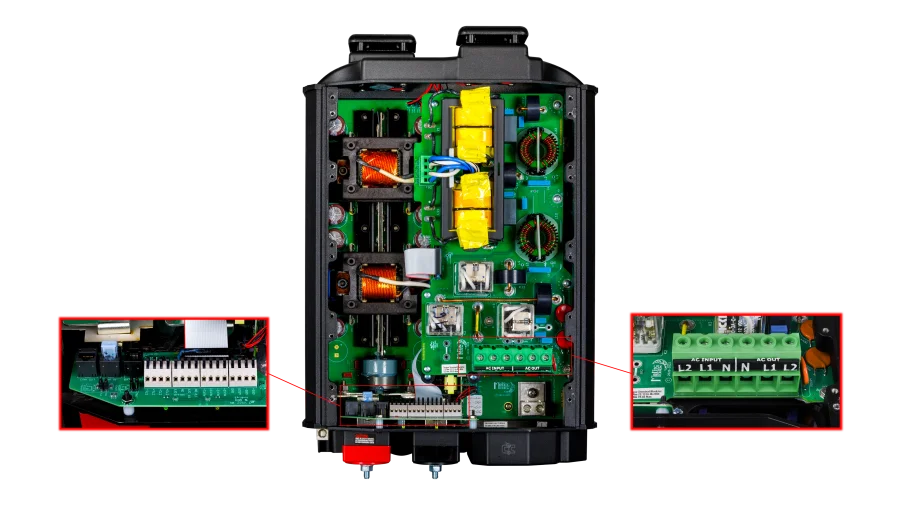
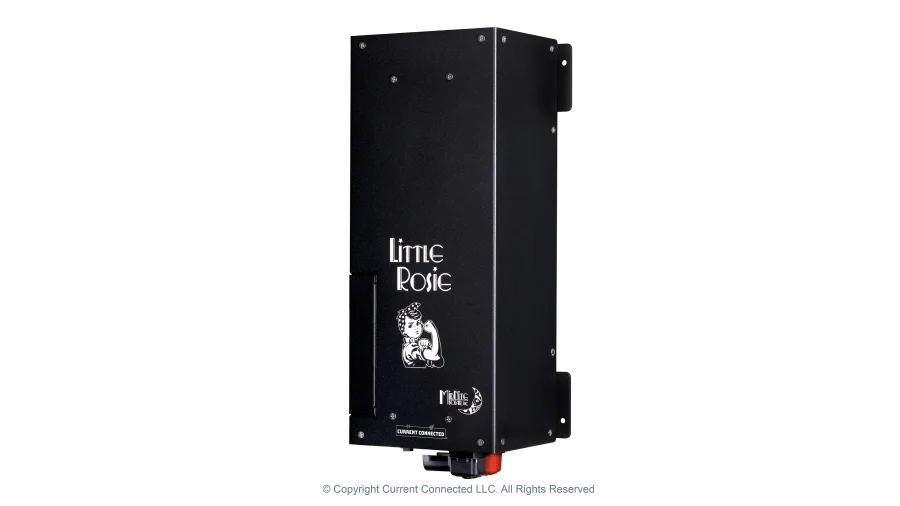
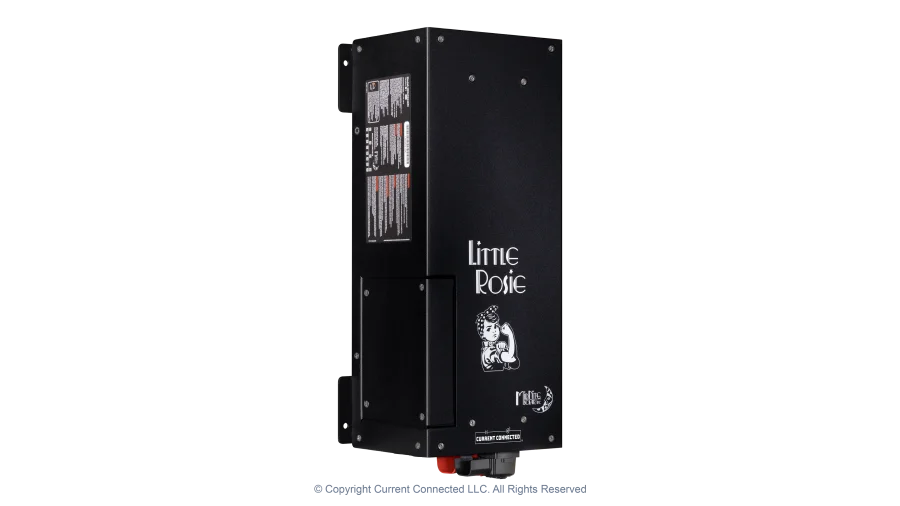
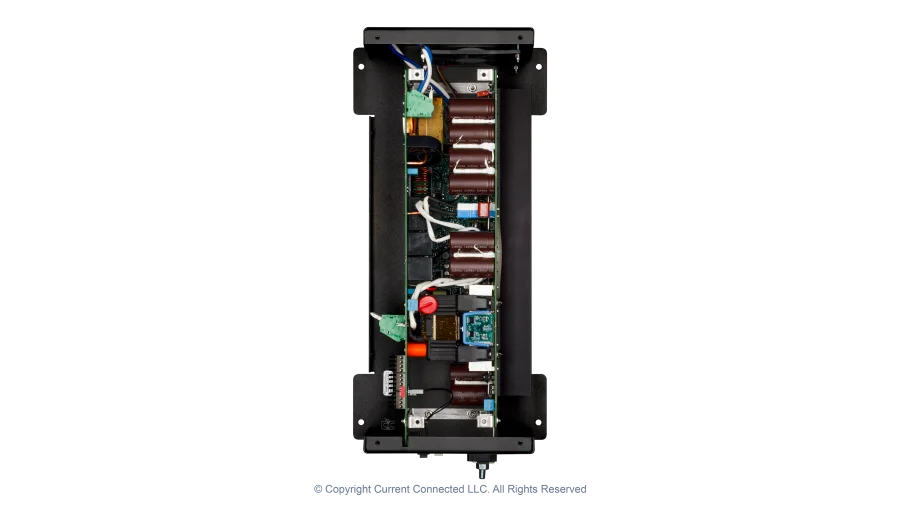
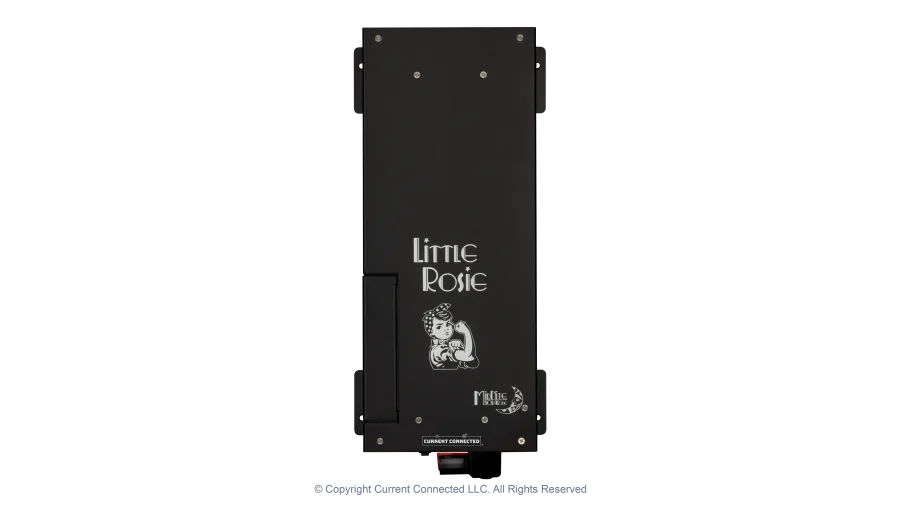
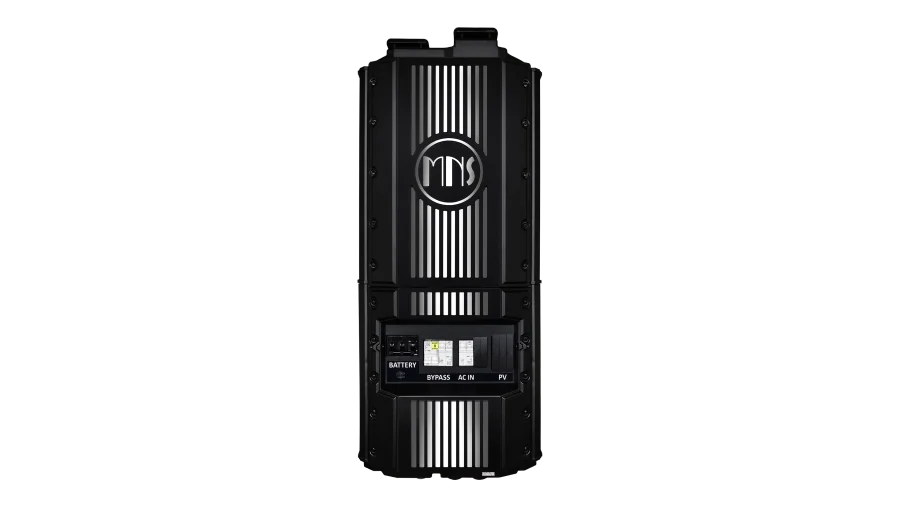
MidNite Solar Rosie 7048 48V 7kW Inverter 120A Charger, High Surge UL 458 Mobile and UL 1741 Residential Inverter-Charger
UL listed and built to surge through heavy loads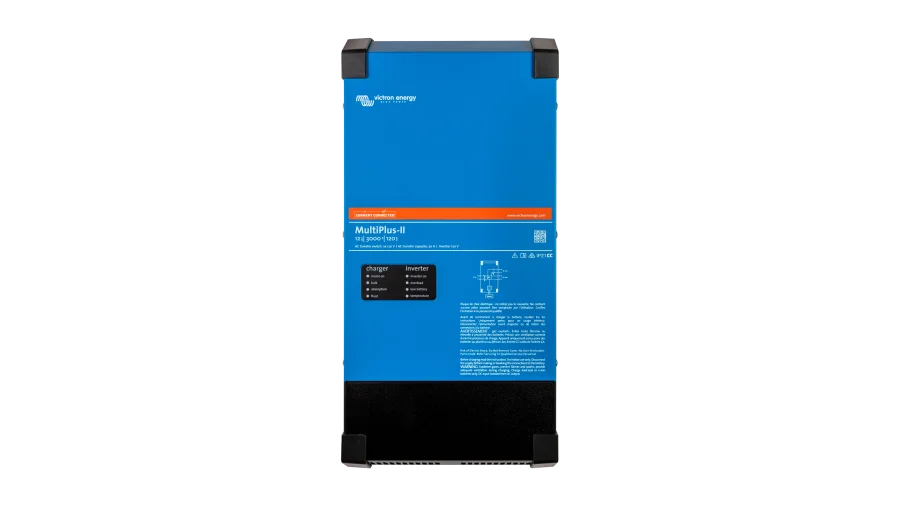
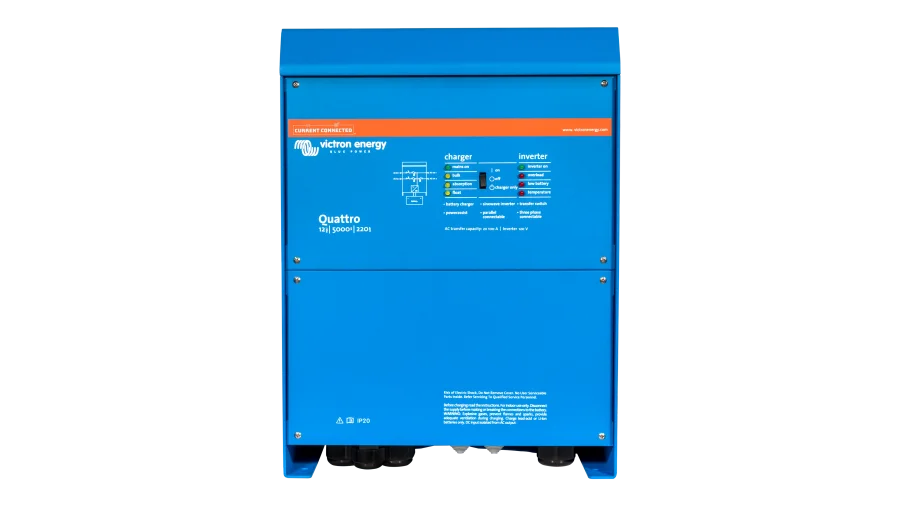
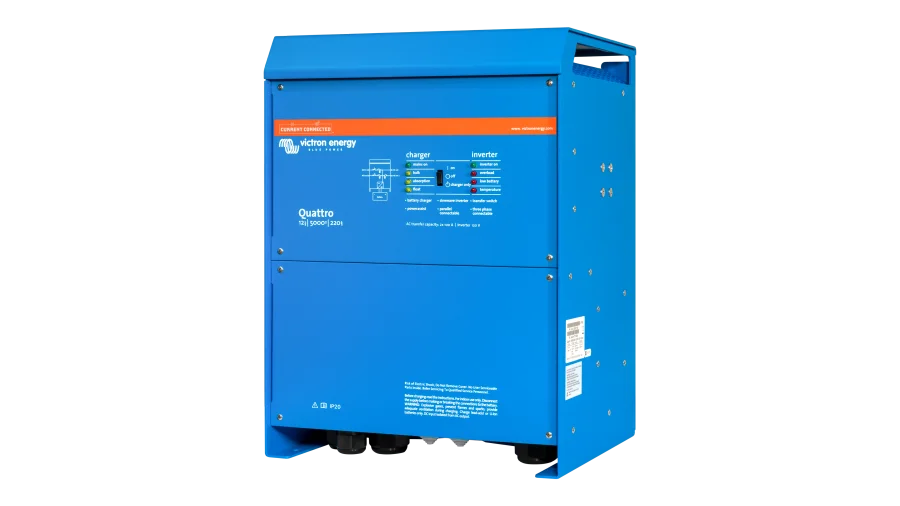
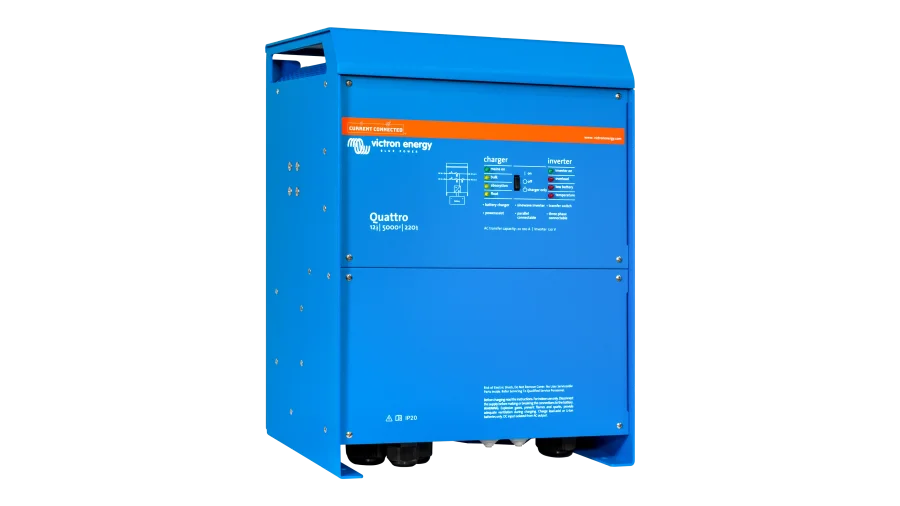
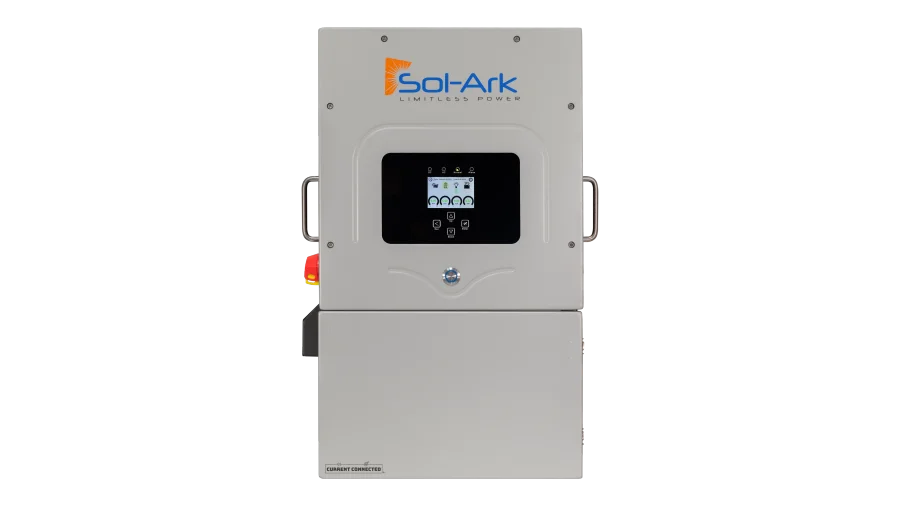
How to Choose a Solar Inverter
1. Pick Your Inverter Type
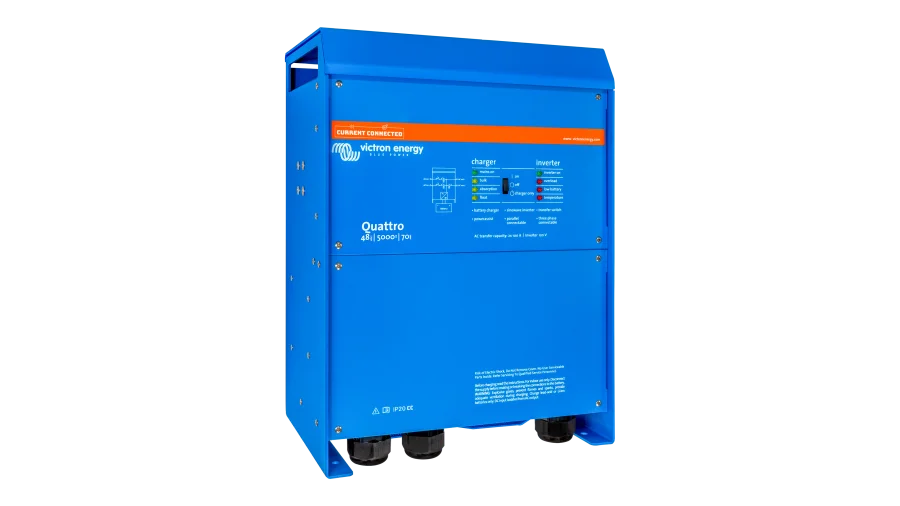
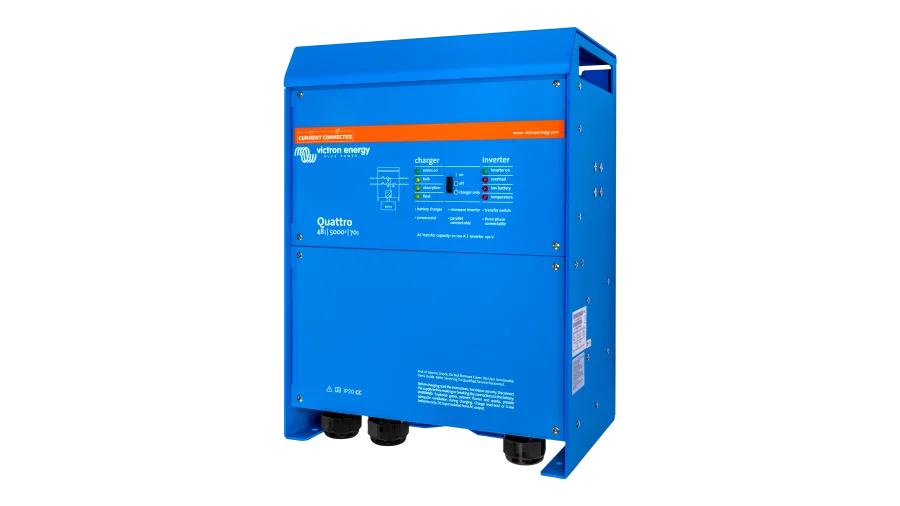
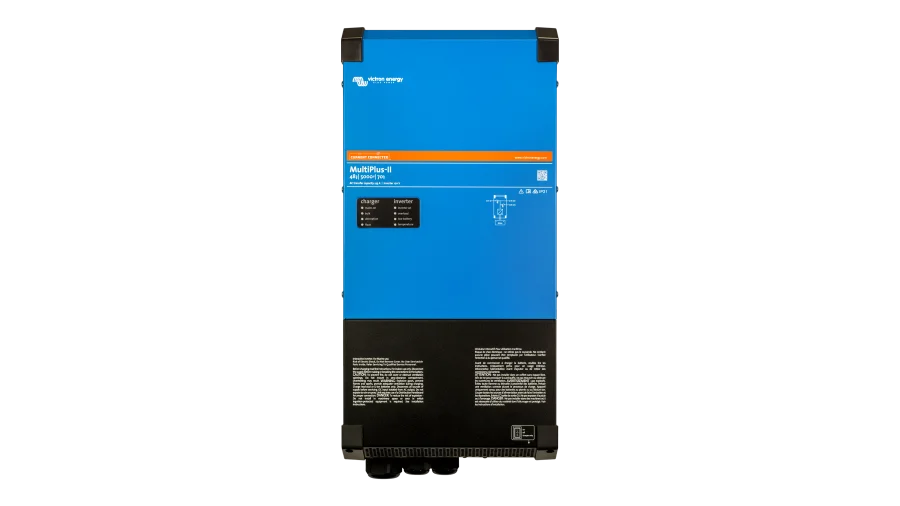
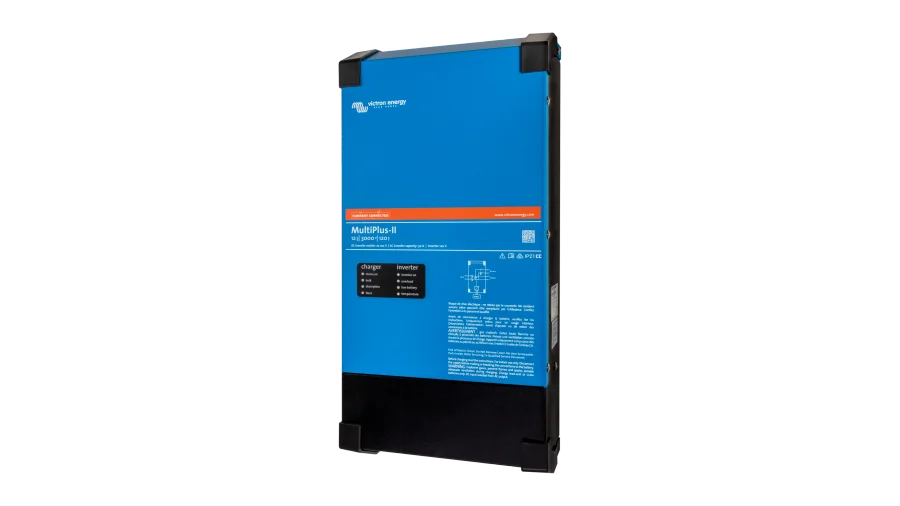
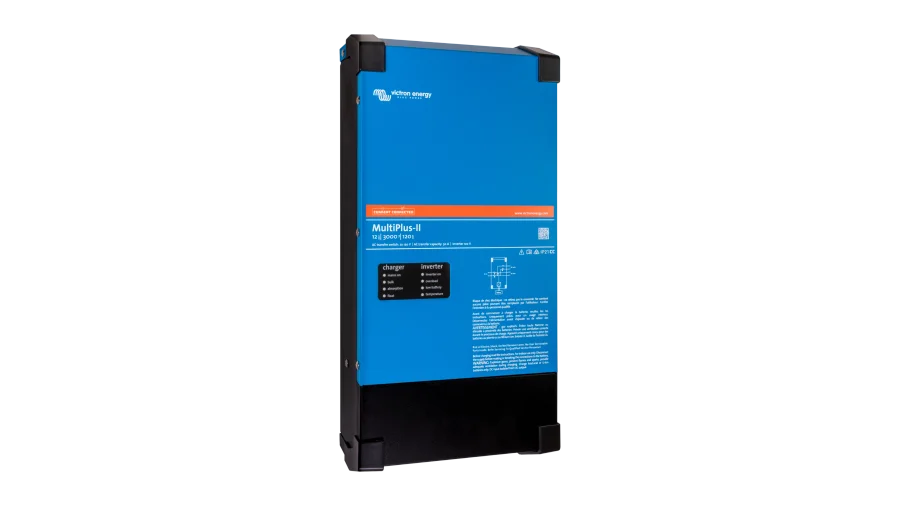
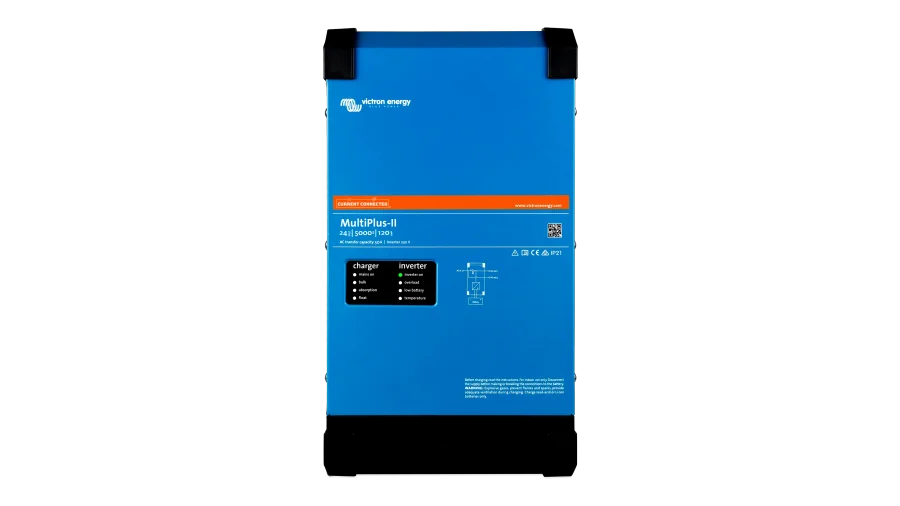
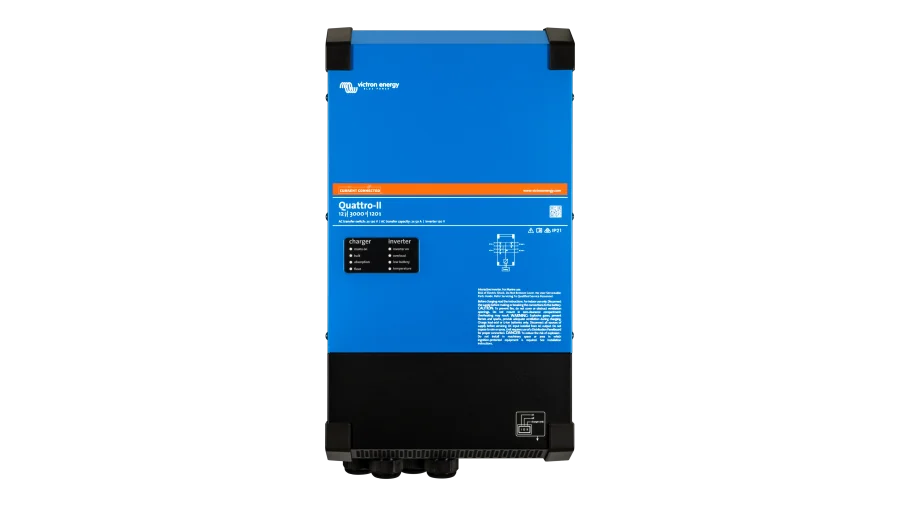
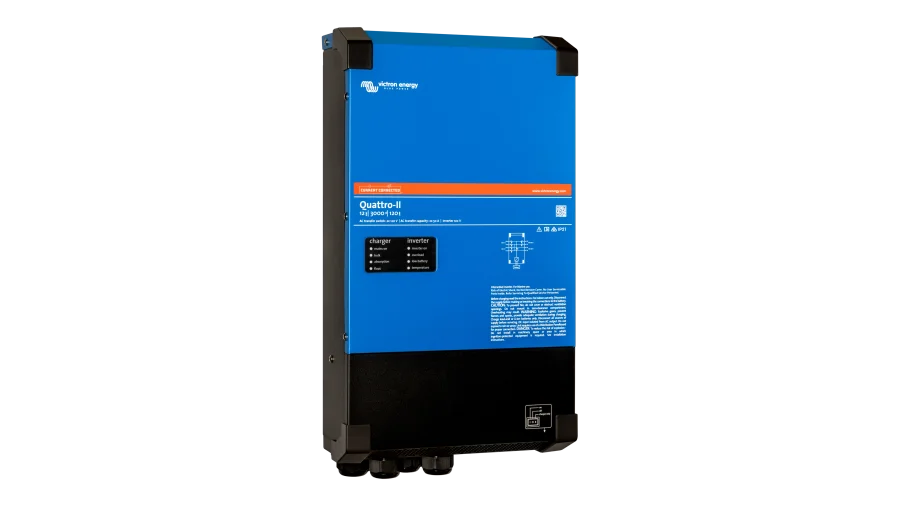
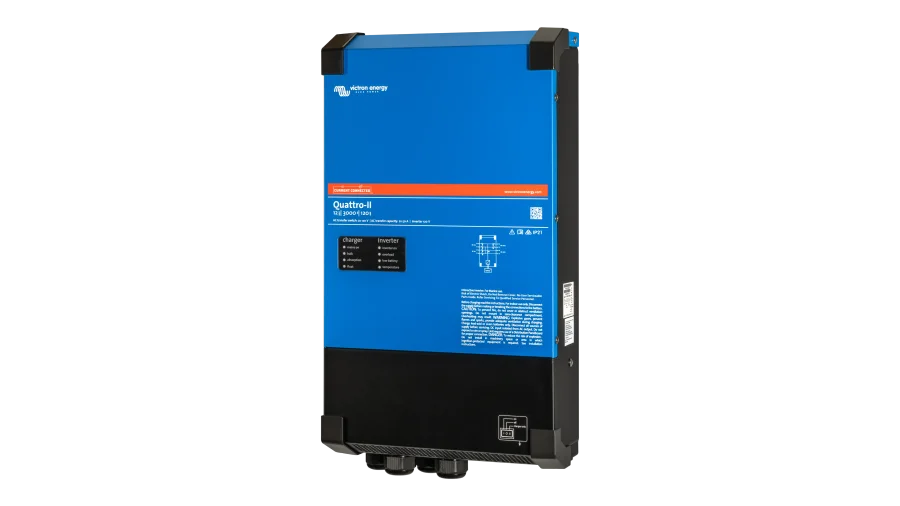
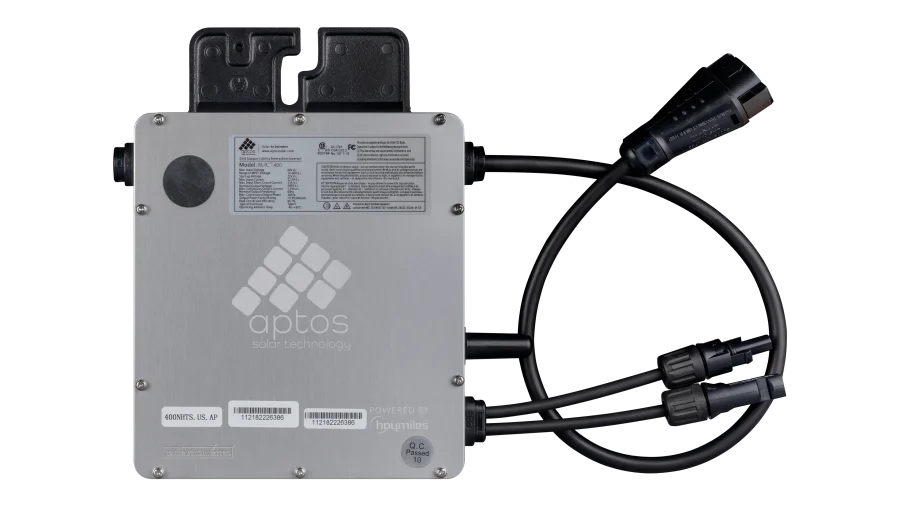
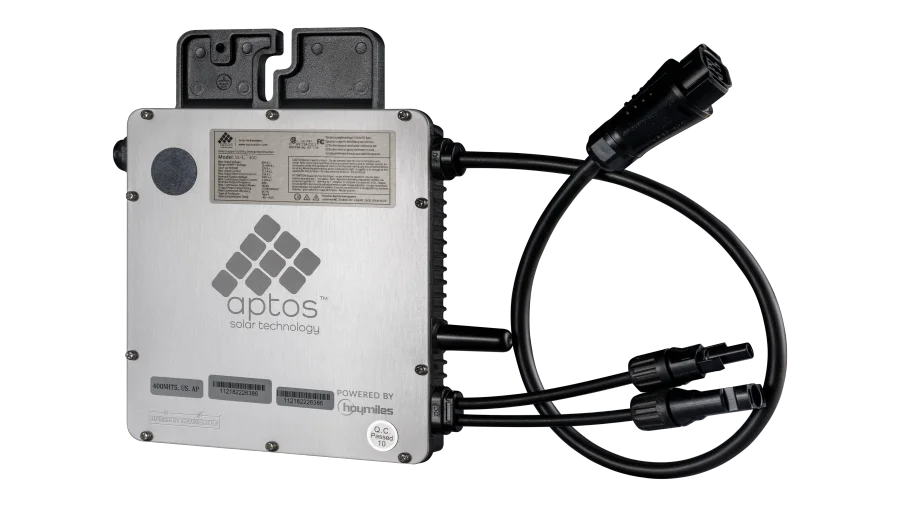
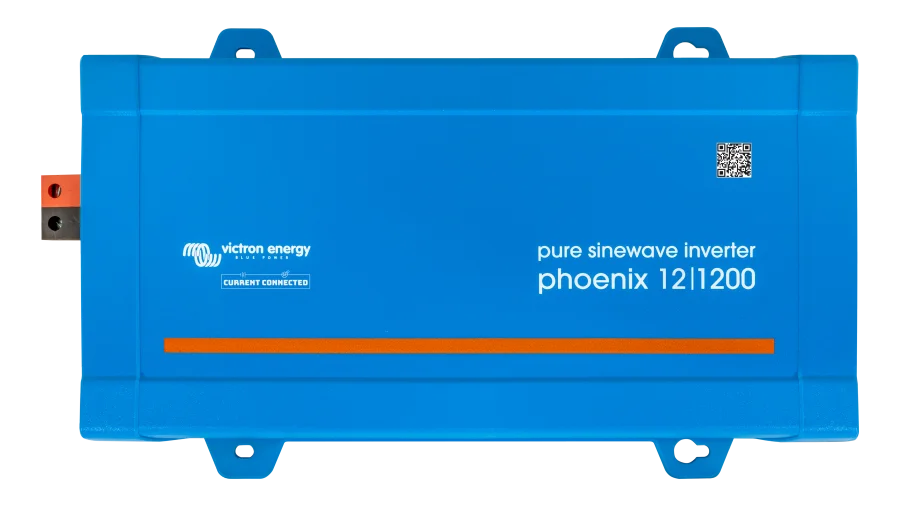
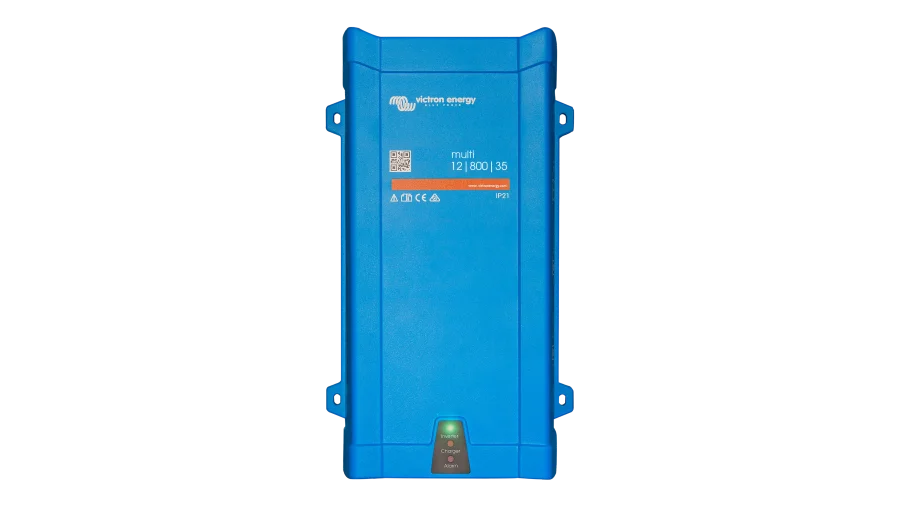
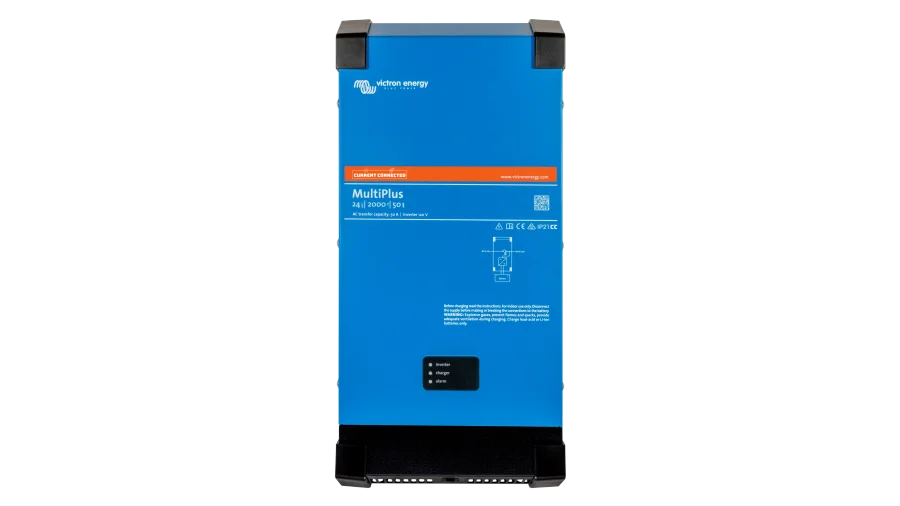
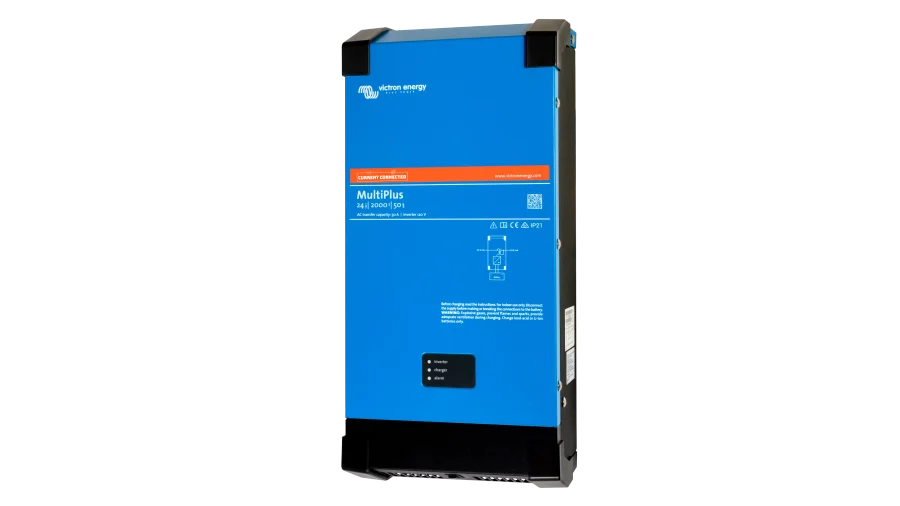
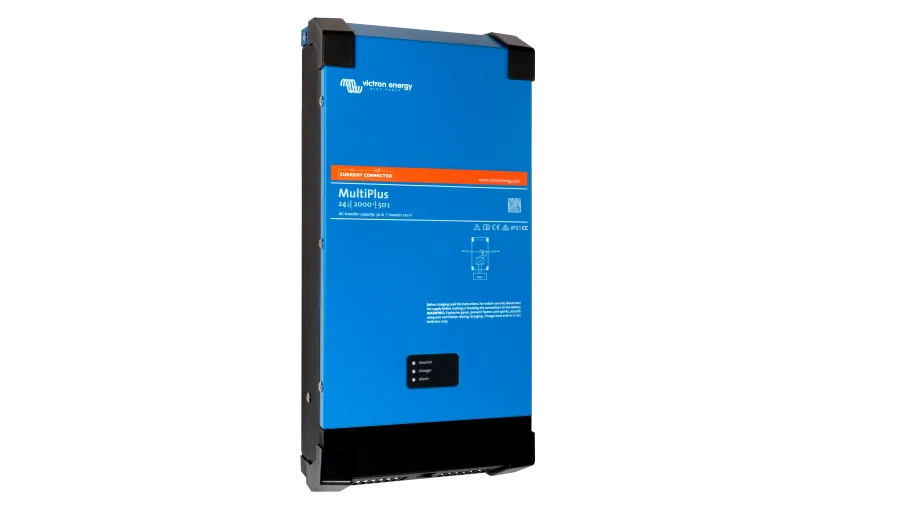
Use the Inverter Type filter to narrow the field. Hybrid all-in-one inverters combine MPPT solar charging, battery charging, and grid interaction in one box, and can send power back to the grid where your utility allows it. All-in-one (no grid export) models do the same job without pushing power to the grid. Inverter-chargers, like the Victron MultiPlus and Quattro, pair with separate charge controllers and shine in RVs, boats, and DC-coupled homes. Standalone inverters only turn battery power into AC, and grid tie only models, like Aptos microinverters, need the grid to run.
2. Match Your AC Output Voltage
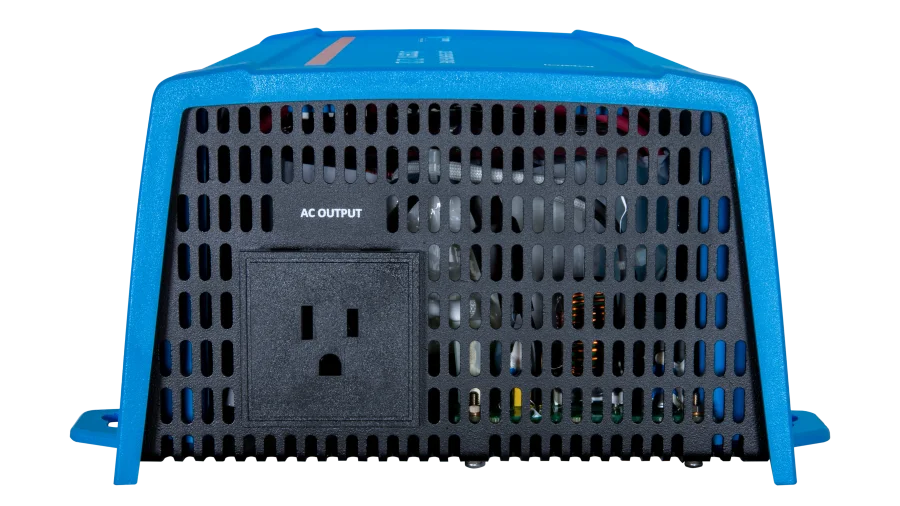
The Native AC Output Voltage filter shows what each inverter puts out. 120V single phase covers RVs, vans, and small cabins. 120/240V split phase is the standard for North American homes and runs 240V loads like well pumps and dryers. We also carry three phase and 230V models for commercial and international systems.
3. Match Your Battery Voltage
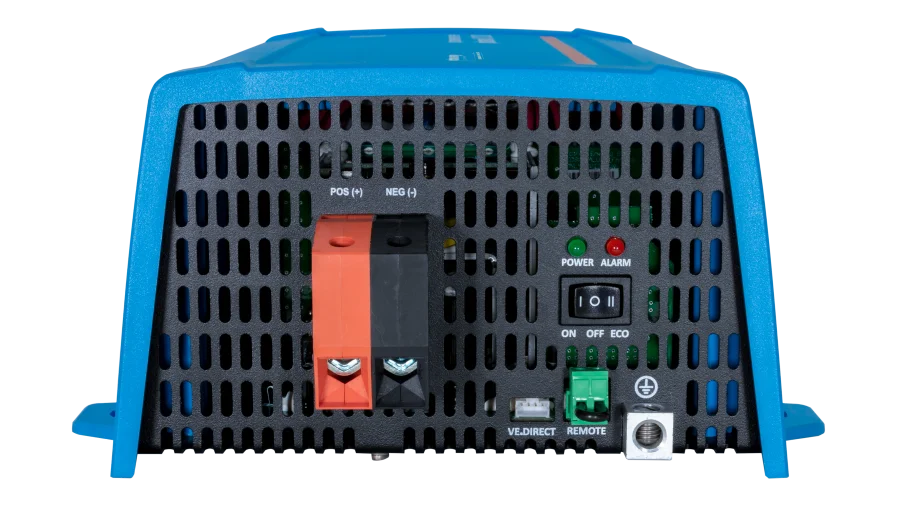
Use the Battery Voltage filter to match your battery bank. Most home systems run on 48V, while 12V and 24V inverters suit mobile builds and smaller cabins. HVDC (300V+) inverters pair with high-voltage battery systems.
4. Pick a Brand and Ecosystem
Use the Brand filter to build around one ecosystem. Victron inverter-chargers tie into GX devices for monitoring and closed-loop battery control. EG4, Sol-Ark, and Fortress Power all-in-ones include built-in MPPTs and app monitoring, and MidNite Solar’s Rosie inverters are built for off-grid and backup homes. Check your battery’s compatibility list so the inverter and BMS can talk.
5. Plan the Rest of the System
Every inverter needs properly sized battery cables and DC overcurrent protection, breakers or a load center on the AC side, and disconnects on the solar side. Shop DC fuses and breakers, AC panels and transfer switches, and PV combiners and disconnects, and check your utility’s interconnection rules before you tie into the grid. Laying out strings on an all-in-one with more than one MPPT? Our string sizing guide covers it.
Solar Inverter FAQ
Add up the watts of everything you want to run at the same time, then pick an inverter with a continuous rating above that number. Check the surge rating too, since motors in well pumps, compressors, and air conditioners can pull several times their running watts for a moment at startup. Our appliance wattage tool helps you add it all up.
A hybrid inverter works with the grid. It can charge from it, pass it through to your loads, and on models that allow export, sell solar power back. An off-grid inverter is built to run without a utility connection, though most can still charge from a generator or the grid as a backup source. For a deeper look, read grid-tied vs. off-grid systems explained.
If you want to run 240V loads like a well pump, dryer, range, or central air, yes. A 120/240V split-phase inverter, or a pair of 120V inverters set up for split phase, powers both legs of a standard North American panel. A 120V inverter can still back up a subpanel of 120V essential loads.
Many of our inverters, including Victron, EG4, and Sol-Ark models, can be paralleled to increase output. Each brand has its own limits on how many units can stack and which cables and firmware are required, so check the manual before you plan an expansion.
Most inverters work with LiFePO4 batteries using voltage-based settings, but closed-loop communication over CAN or RS485 gives the best control and is required by some warranties. Check the inverter maker’s approved battery list and pick up the right communication cable.