
Shop DC Fuses, Breakers, Busbars, and Battery Cables
Everything between your battery and your inverter lives here. We carry Victron Lynx distribution, Blue Sea Systems fuse blocks and switches, MidNite Solar breakers, Littelfuse and Class-T fuses, busbars, and pure copper battery cable bundles from 2 AWG to 4/0 AWG.
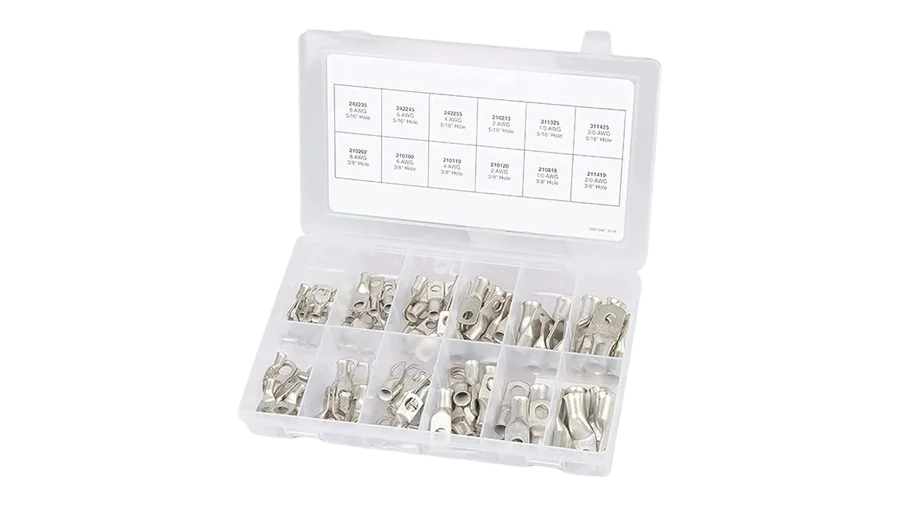
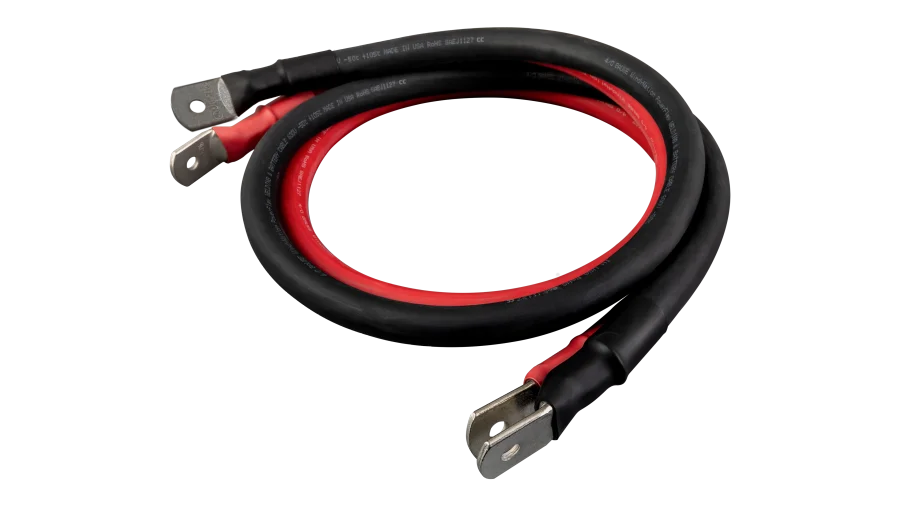
Custom Battery Cables & Inverter Cables, 6 AWG to 4/0 AWG, Made to Order
6 AWG to 4/0 AWG, all made to order!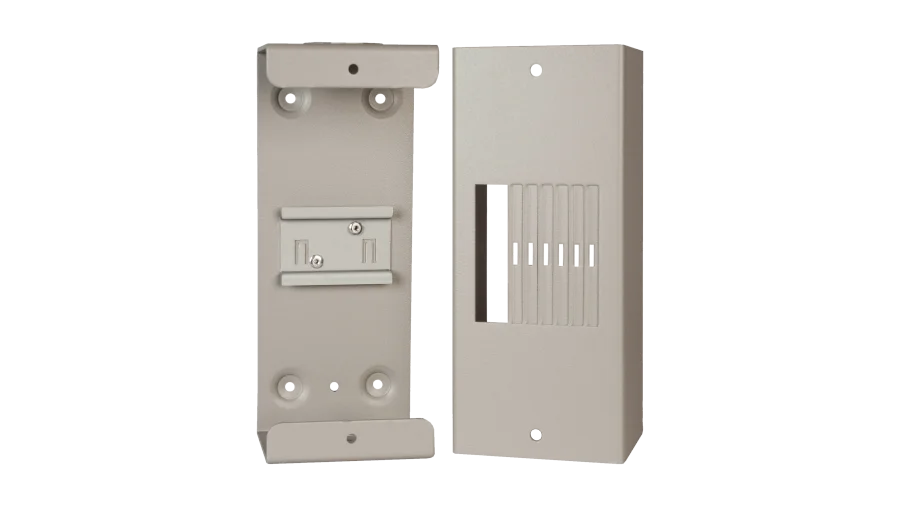
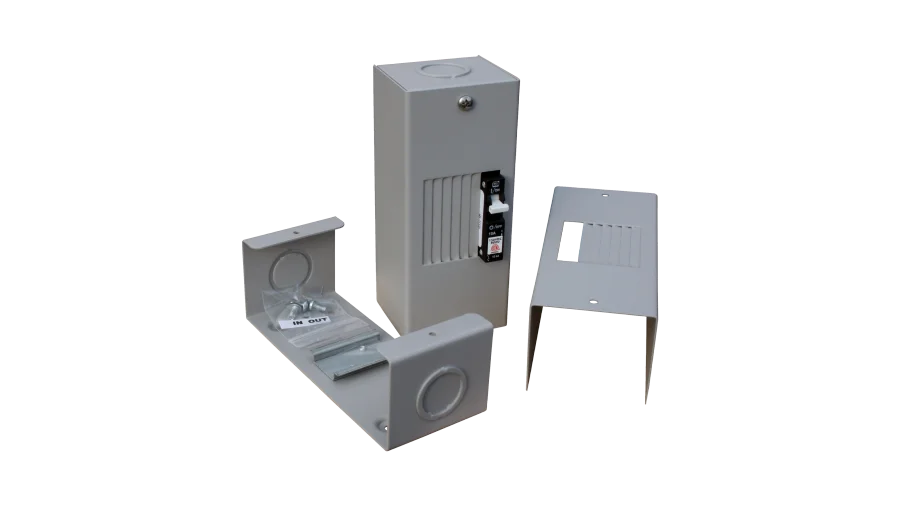
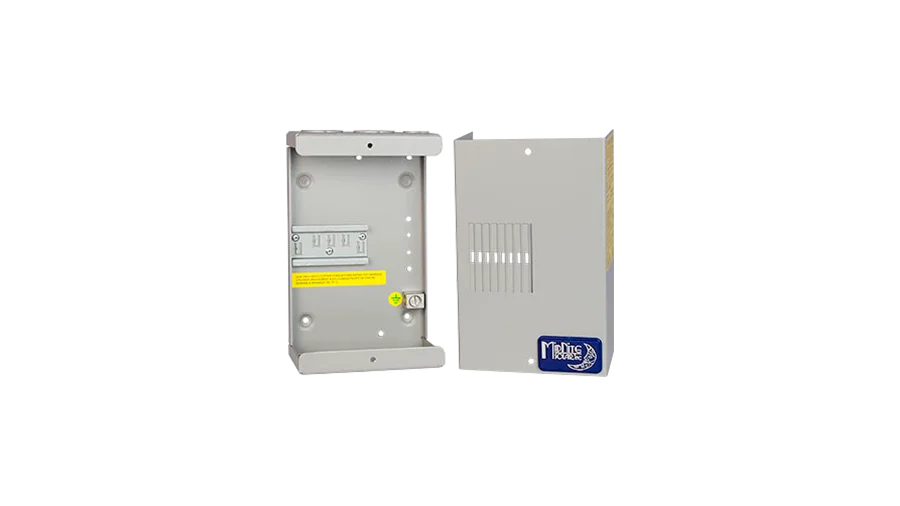
MidNite Solar Baby and Big Baby Breaker Boxes, AC or DC Distribution for Din Mount Disconnects or Breakers
Holds up to 4 DIN mount breakers rated up to 300Vdc or 277Vac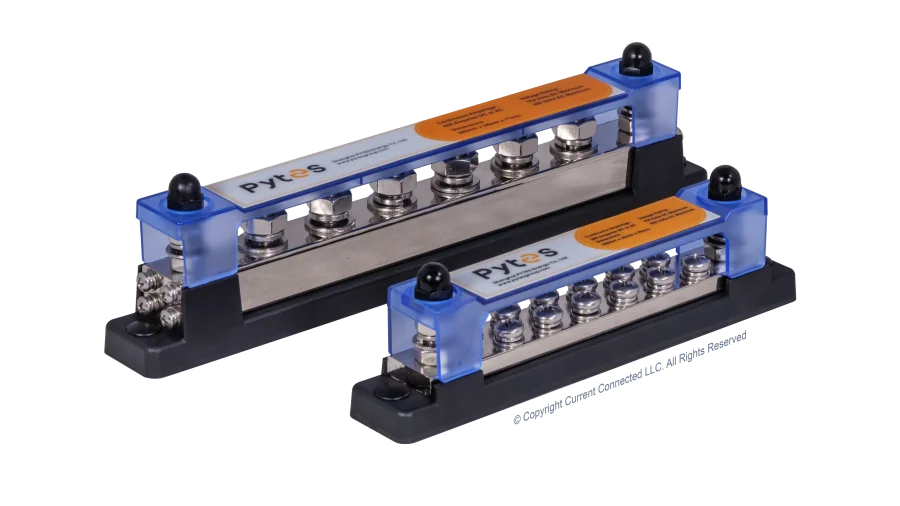
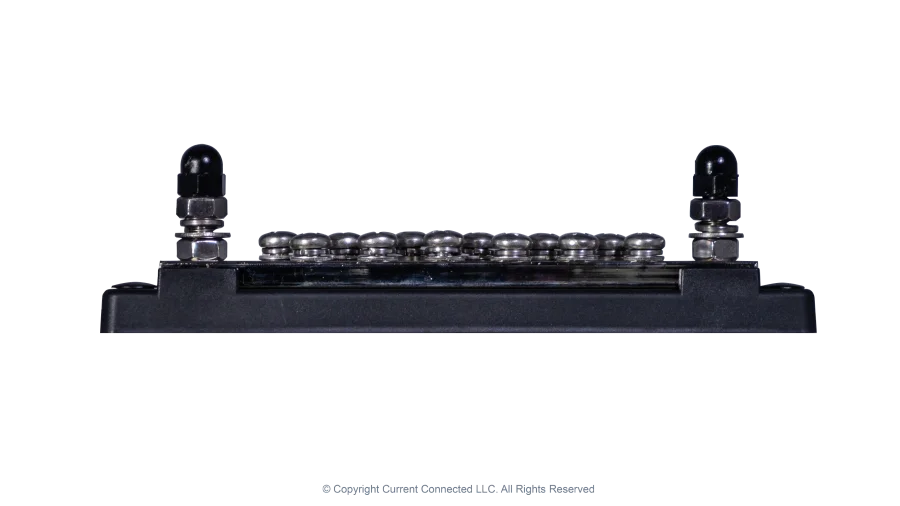
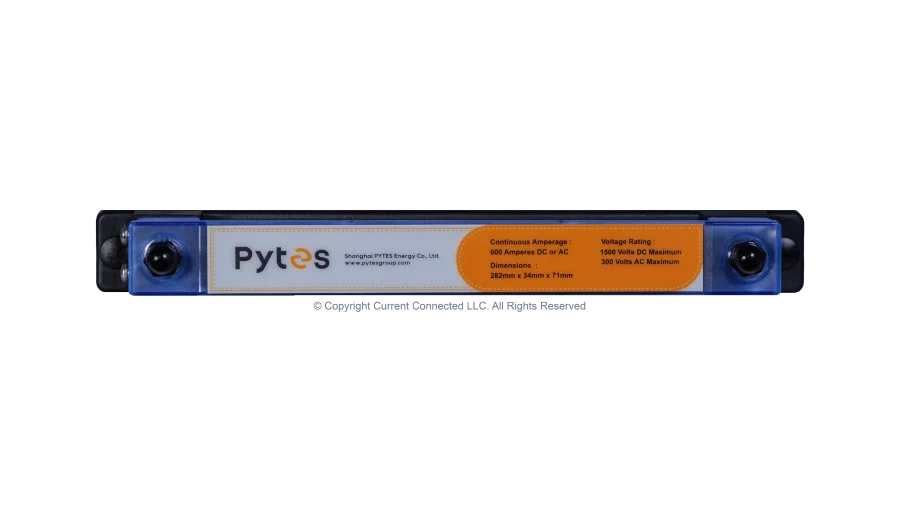
Pytes 300A or 600A Busbars, Rated for 1500Vdc/300Vac, Nickel Plated Copper Busbar with Stainless Steel Terminals
Use this busbar as a central point of power distribution up to 600A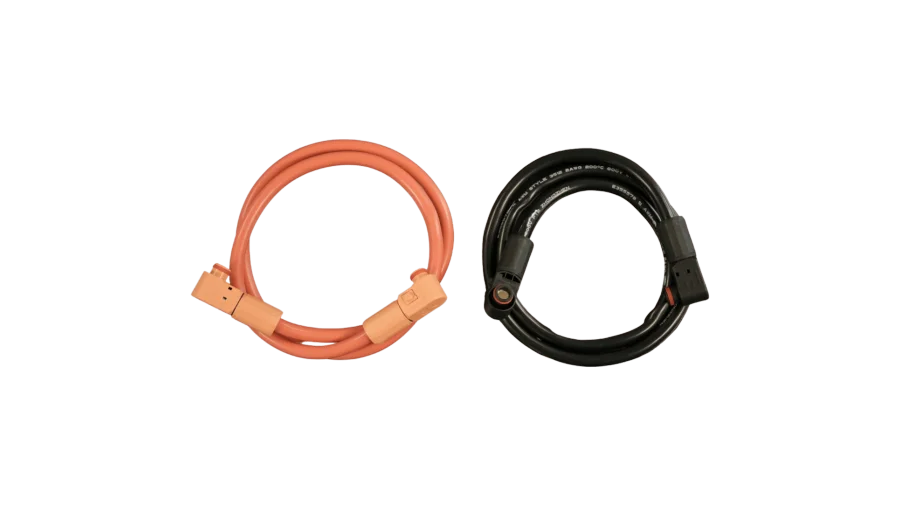
BigBattery ETHOS Cable Pair 4.9ft, Paralleling Cables, Battery to Inverter Cables
Connect an additional stack of ETHOS battery modules with these!Ask About This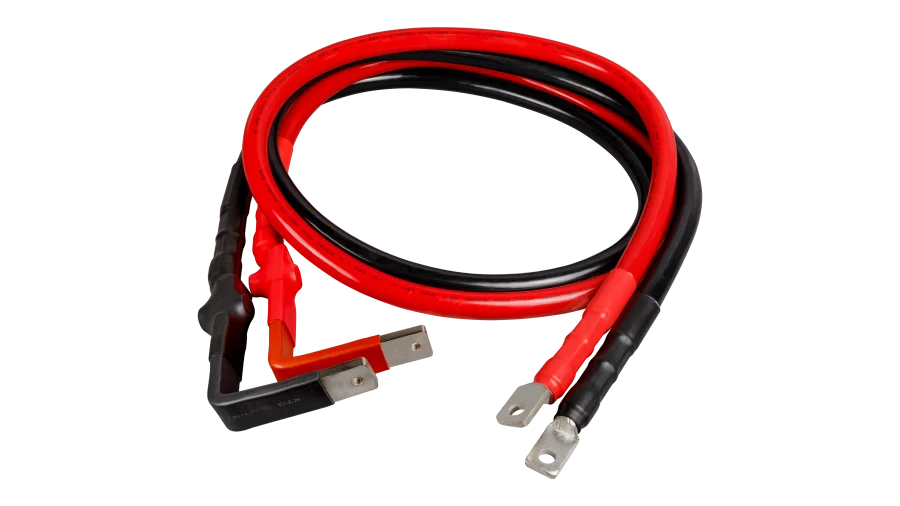
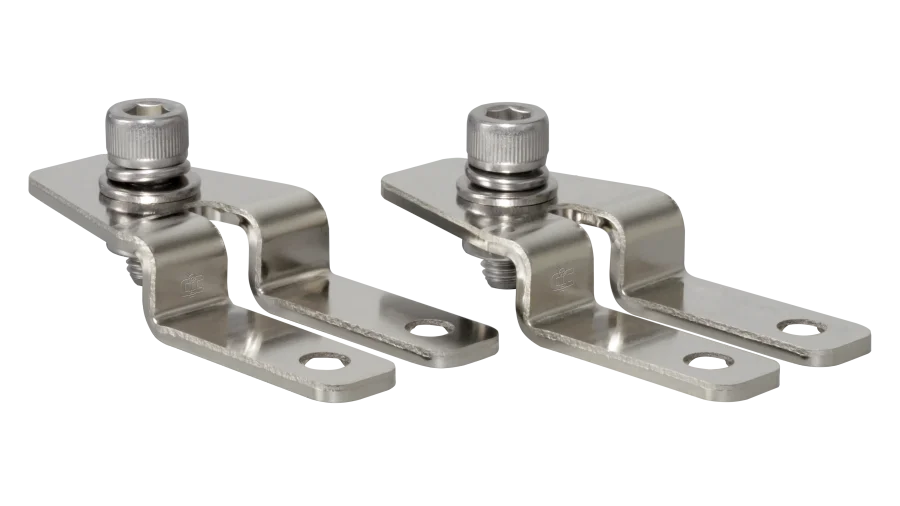
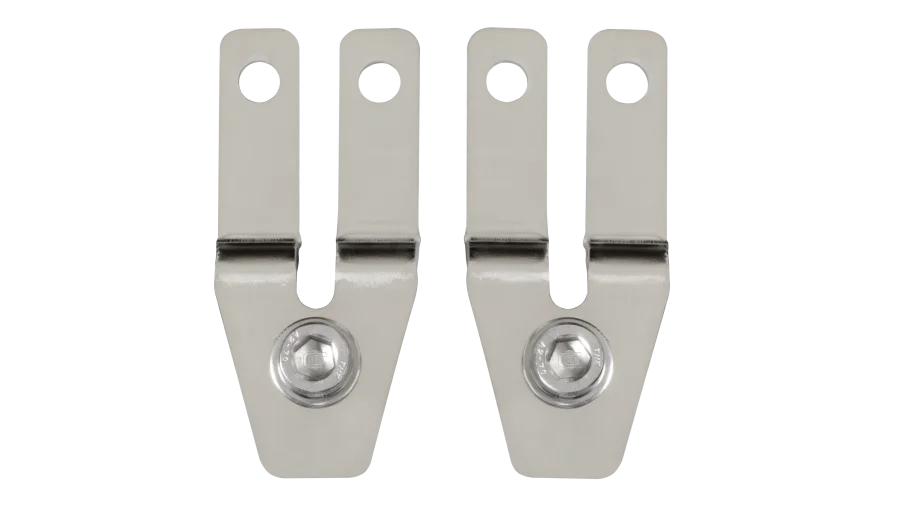
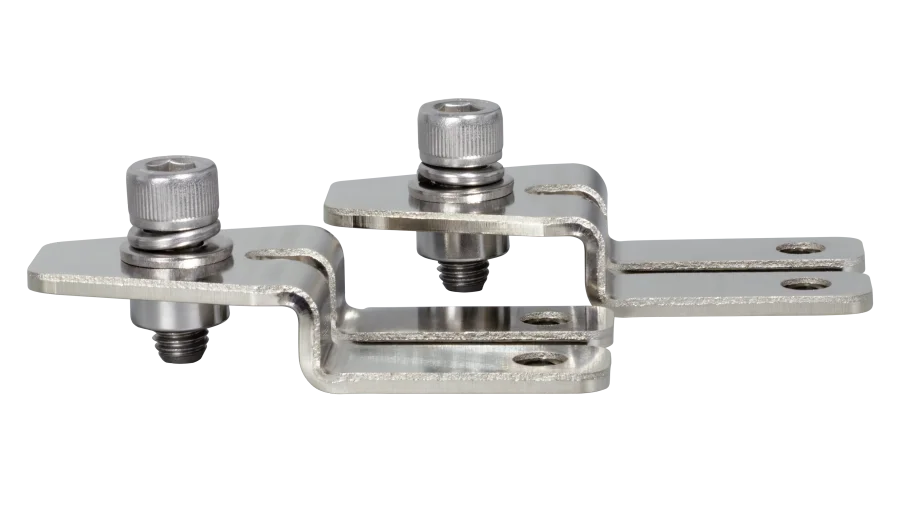
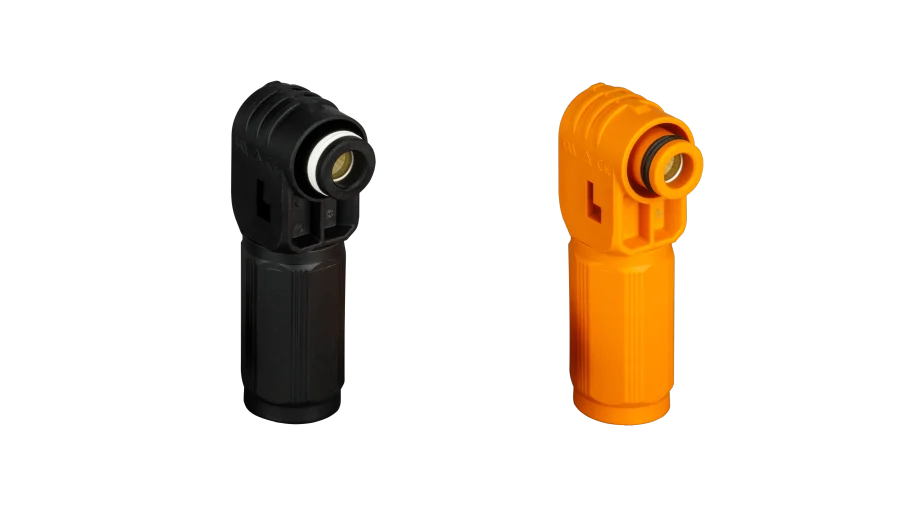
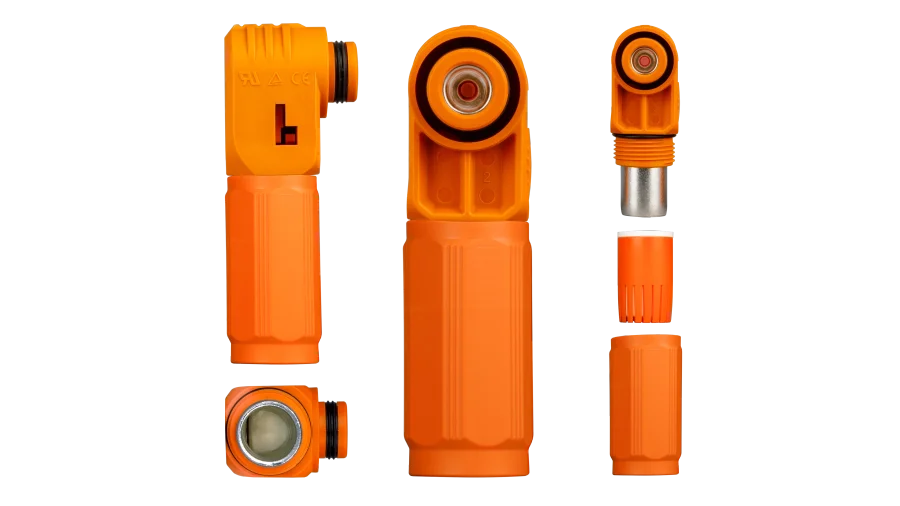
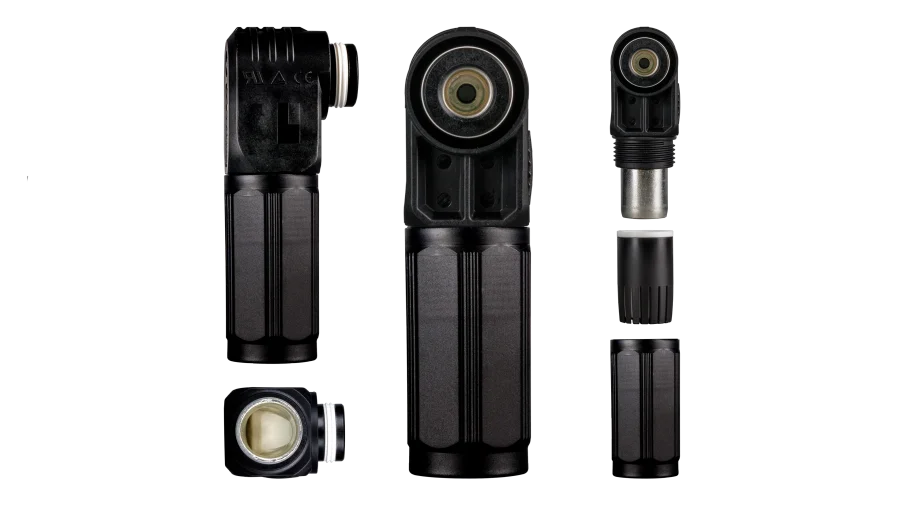
EG4 WallMount Battery Cable Connector, Degson Connector, Polarity-Keyed for EG4 280Ah and 314Ah WallMount Batteries
EG4 WallMount connectors to create custom cables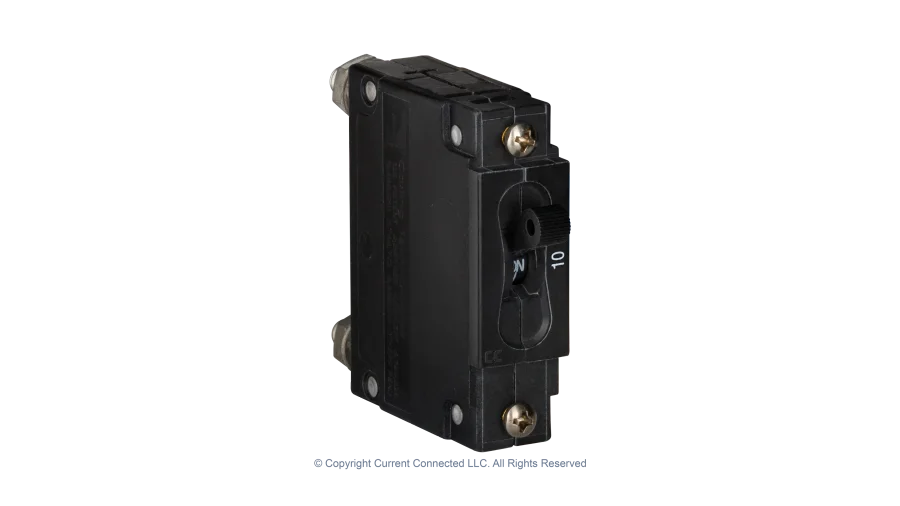
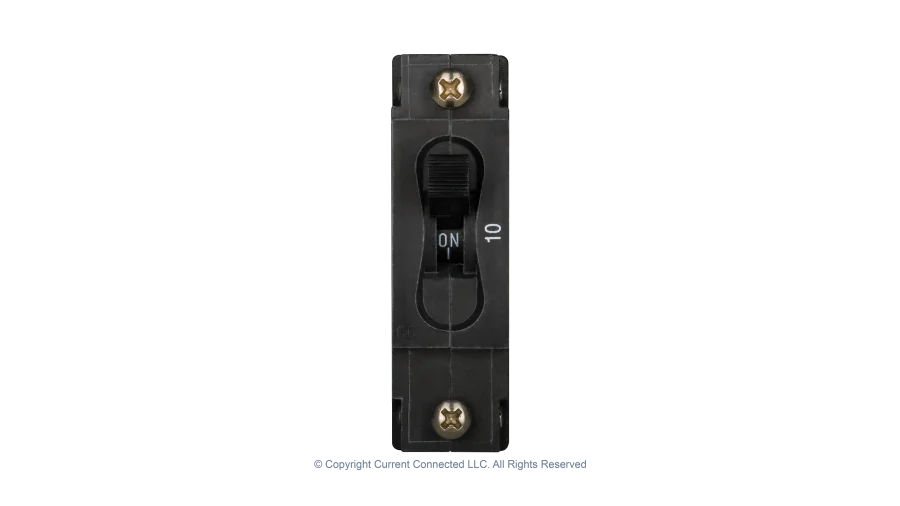
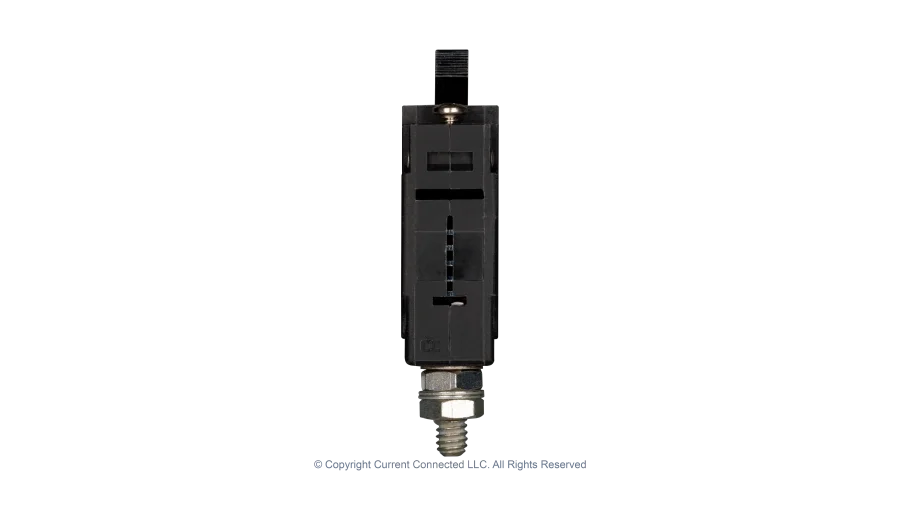
MidNite Solar MNEDC 5A-100A Breakers, Rated for 150Vdc/120Vac, Non-Polarized Panel Mount Breakers, 10kAIC
Panel-mount DC breakers that don't care about polarity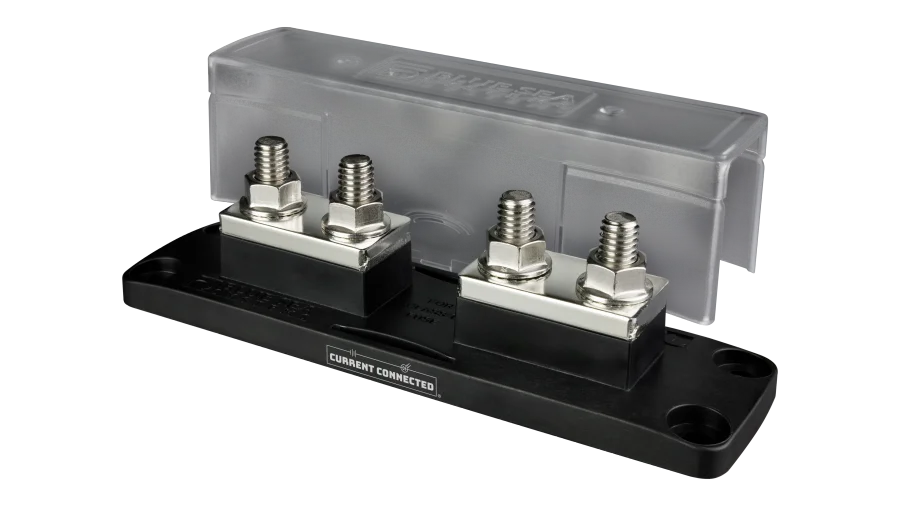
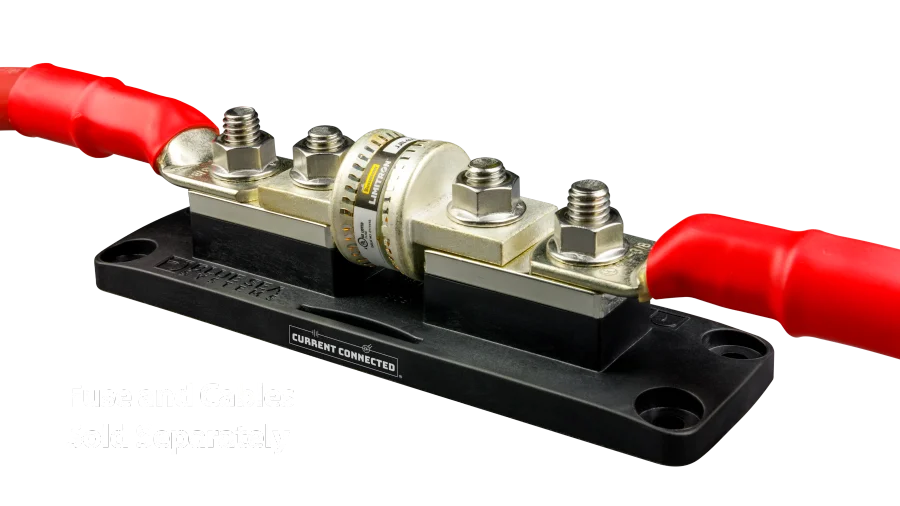
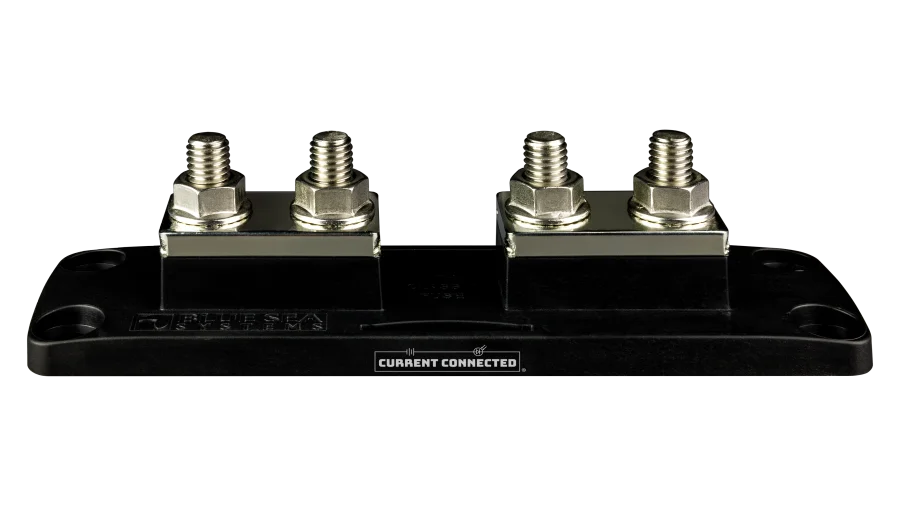
Blue Sea Systems Class-T Fuse Block, Fits 225A-400A Class-T Fuses, Up to 160Vdc, M10 Terminal Studs, for Residential or Mobile Energy Systems
A solid home for your 225A to 400A Class-T fuse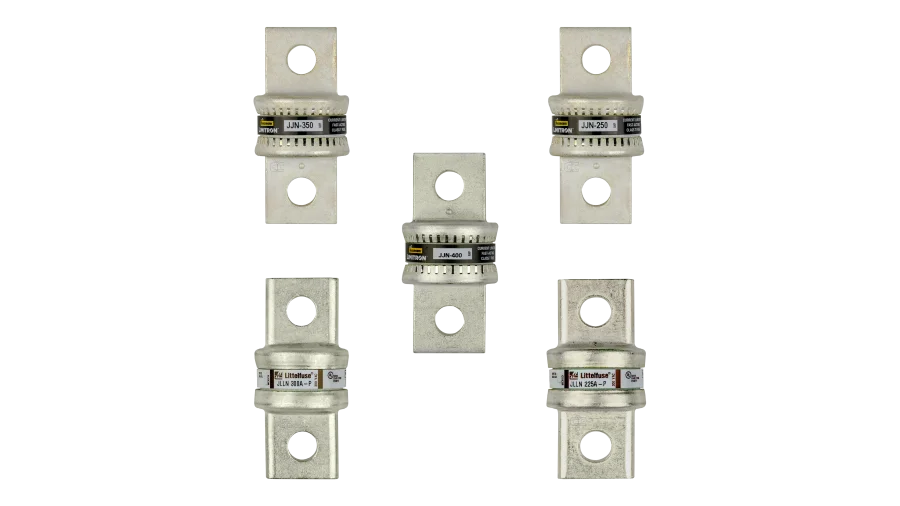
Class-T Fuse 225A-400A, Up to 125Vdc, 20kAIC for Residential or Mobile Energy Systems
The go-to fuse for large lithium battery banks, 20kAIC rated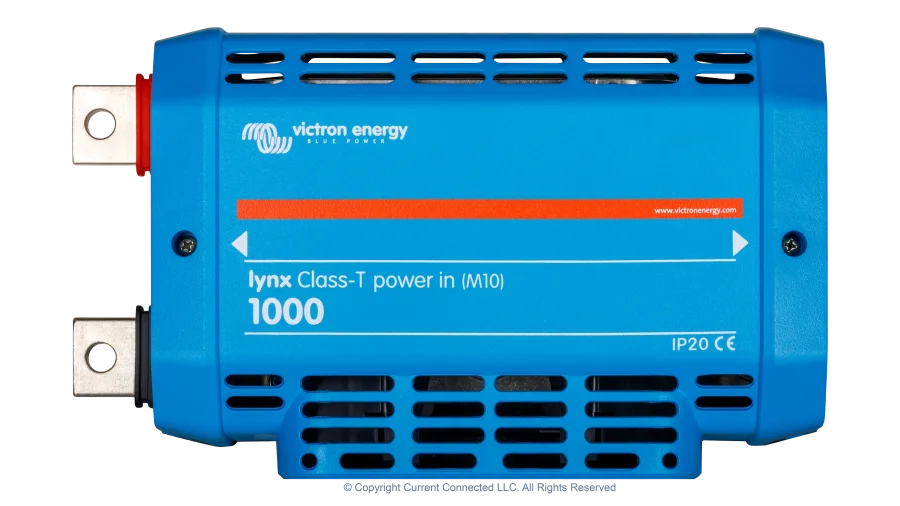
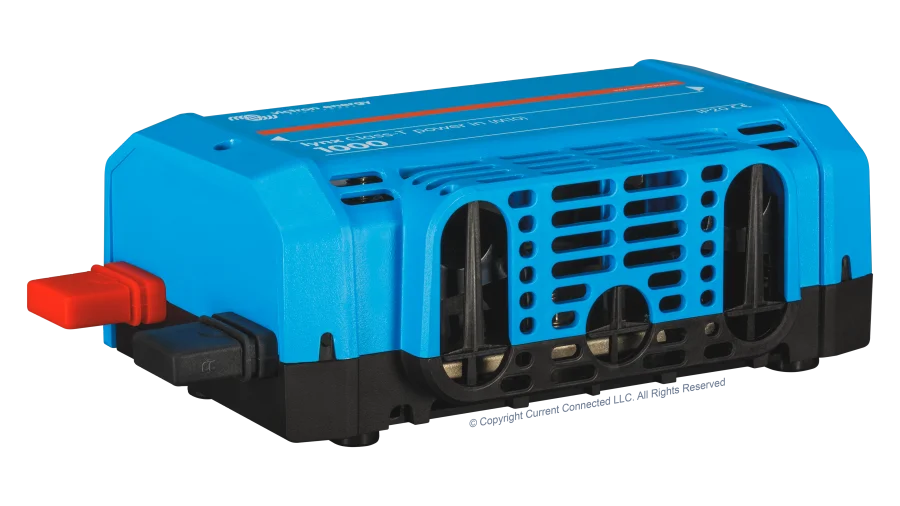
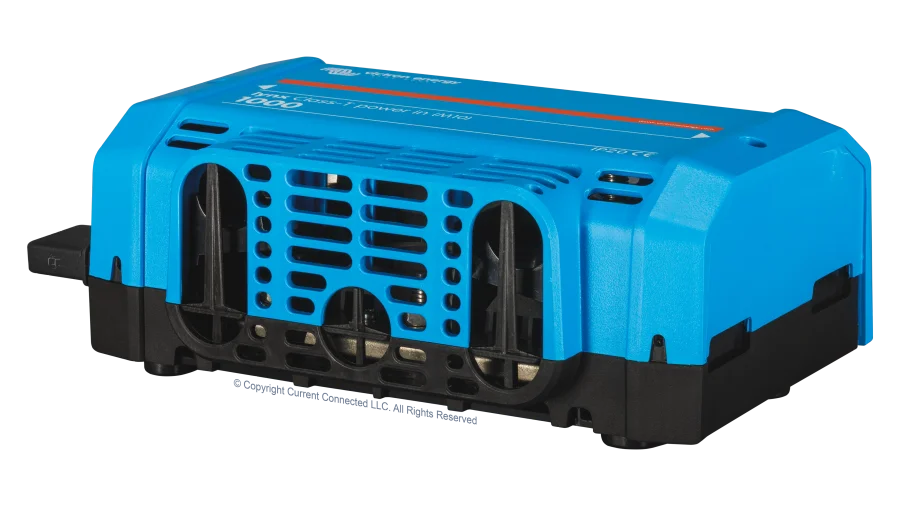
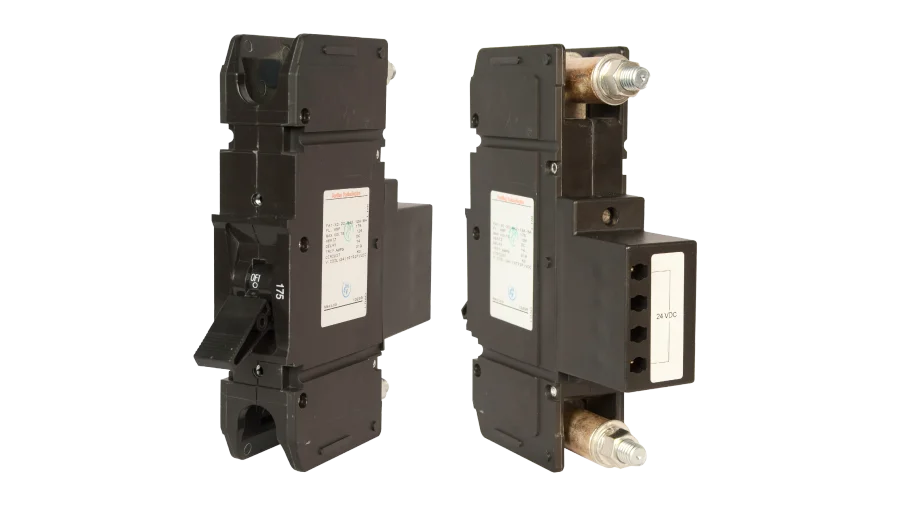
MidNite Solar MNEDC 125A/175A/250A Breakers, Non-Polarized Remote Trip Breaker, 50kAIC at 125Vdc
Remote-trip DC breakers with a stout 50kAIC rating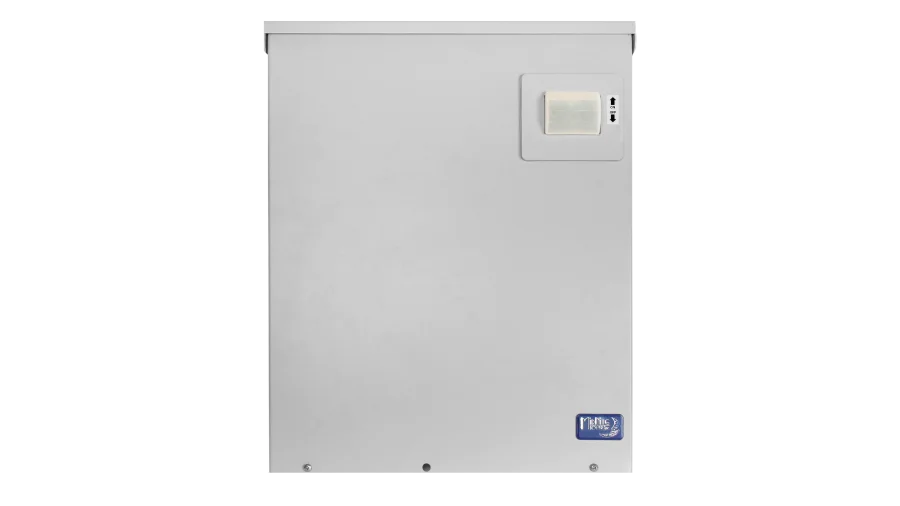
MidNite Solar Lithium Battery Combiner, 10 Strings with Disconnect or 14 Strings without Disconnect
Combine up to 14 battery strings in one box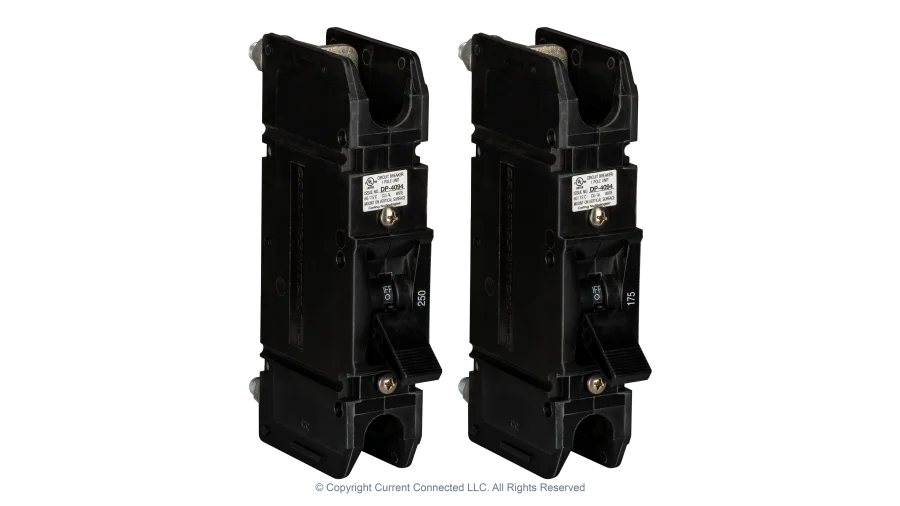
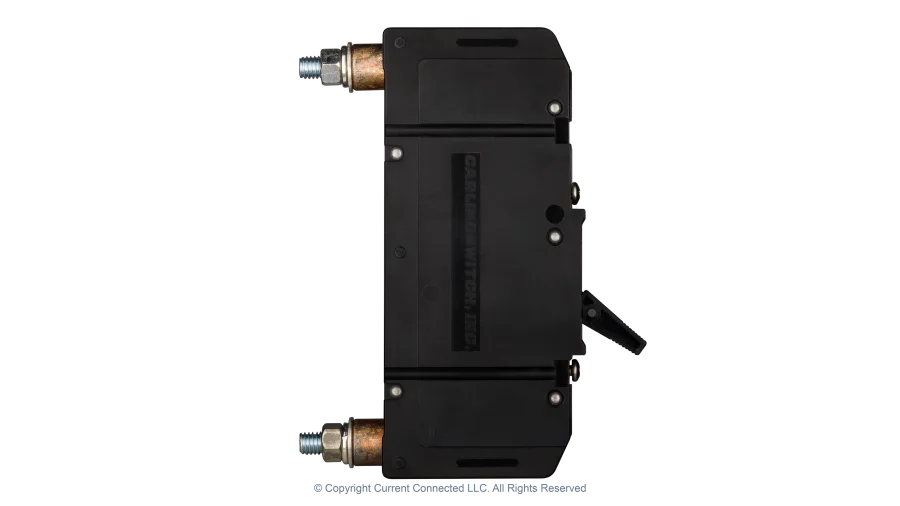
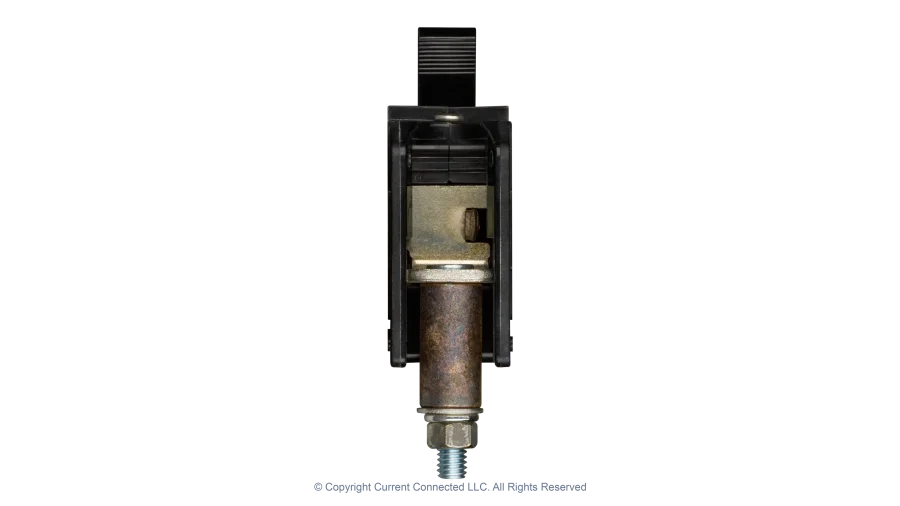
MidNite Solar MNEDC 175A or 250A Circuit Breakers, 50kAIC at Up to 125Vdc, Non-Polarized Panel Mount Breaker, Single Pole
Big 175A or 250A DC breakers, 50kAIC strong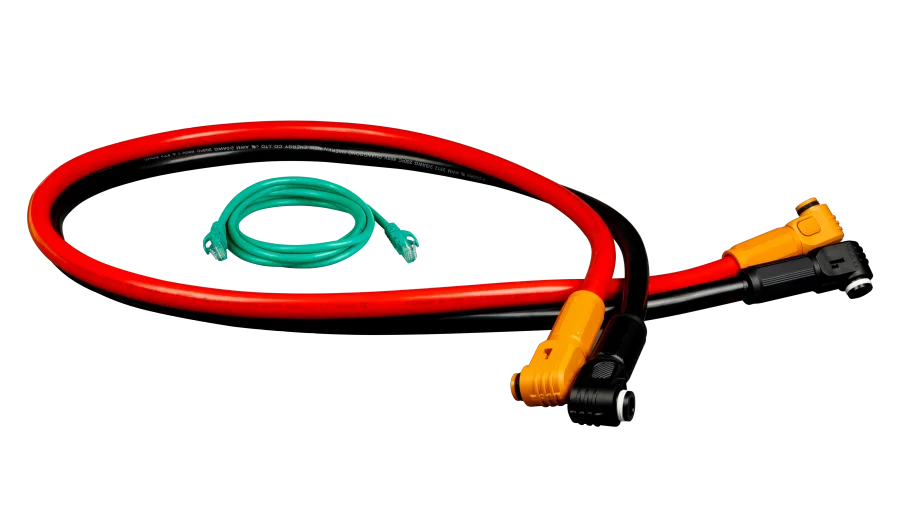
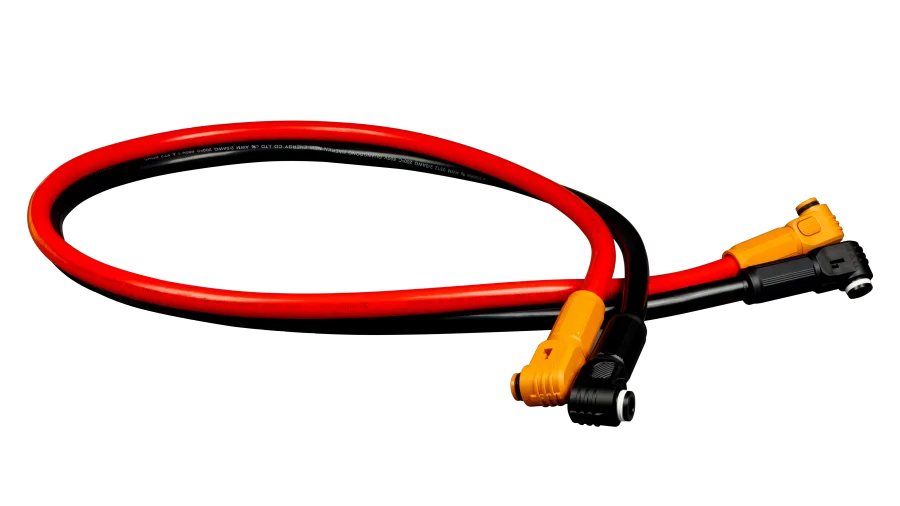
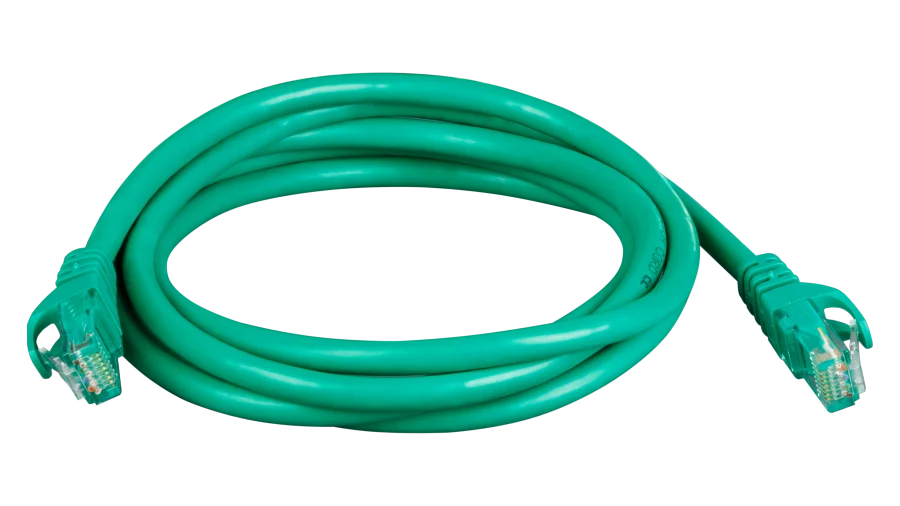
EG4 Battery Parallel Connection Cables for EG4 WallMount 48V Lithium Batteries
Designed specifically for the EG4 WallMount line of batteries!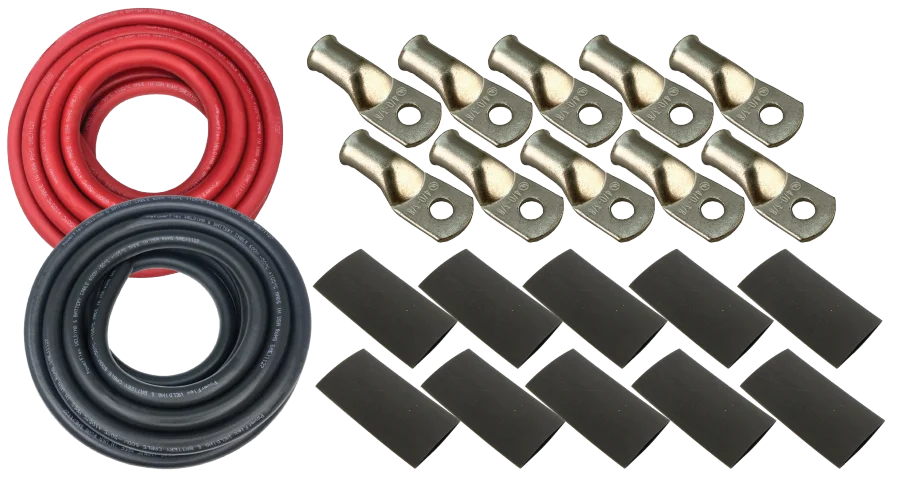
Pure Copper Battery Cable & Lug Bundle - 2 AWG
Build your own cables with this pure copper welding cable!Pure Copper Battery Cable & Lug Bundle - 1/0 AWG (0 AWG)
Build your own cables with this pure copper welding cable!Pure Copper Battery Cable & Lug Bundle - 2/0 AWG
Build your own cables with this pure copper welding cable!Pure Copper Battery Cable & Lug Bundle - 4/0 AWG
Build your own cables with this pure copper welding cable!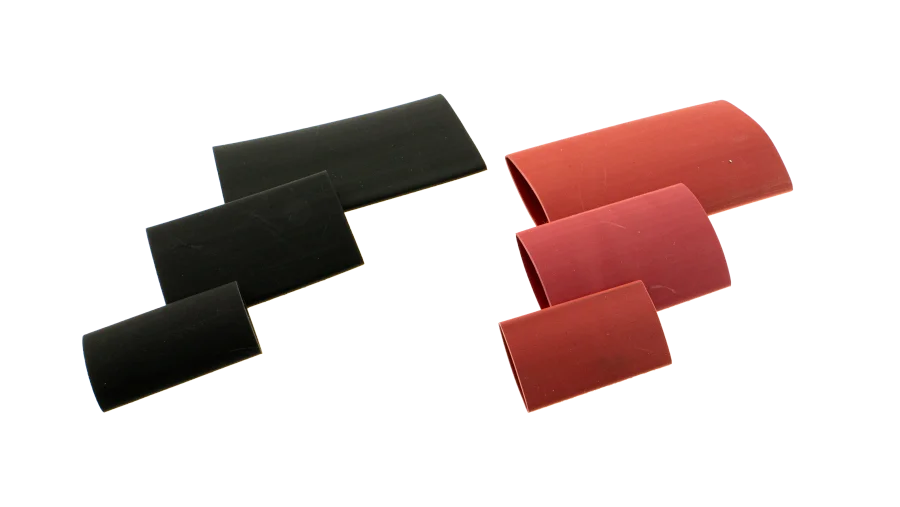
Pre-Cut Heat Shrink Tubing - 20x Pack of Black/Red
Adhesive-lined to permanently affix the heat shrink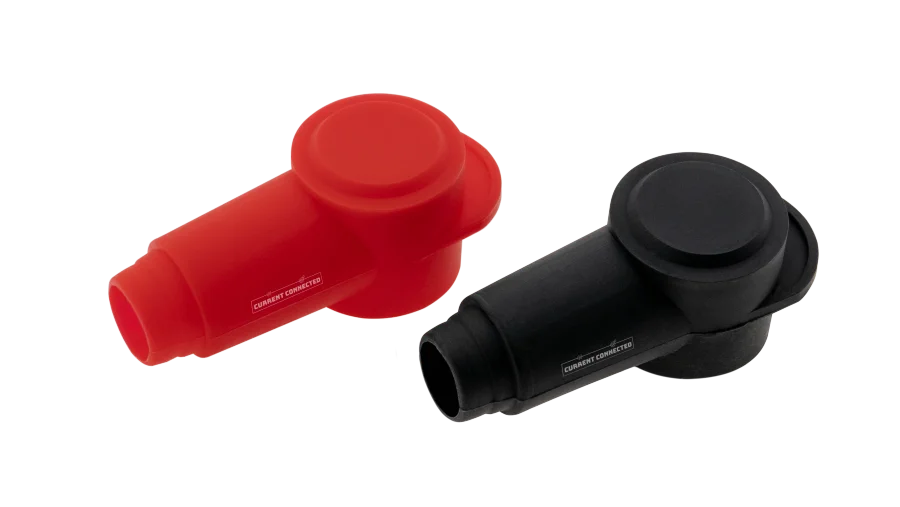
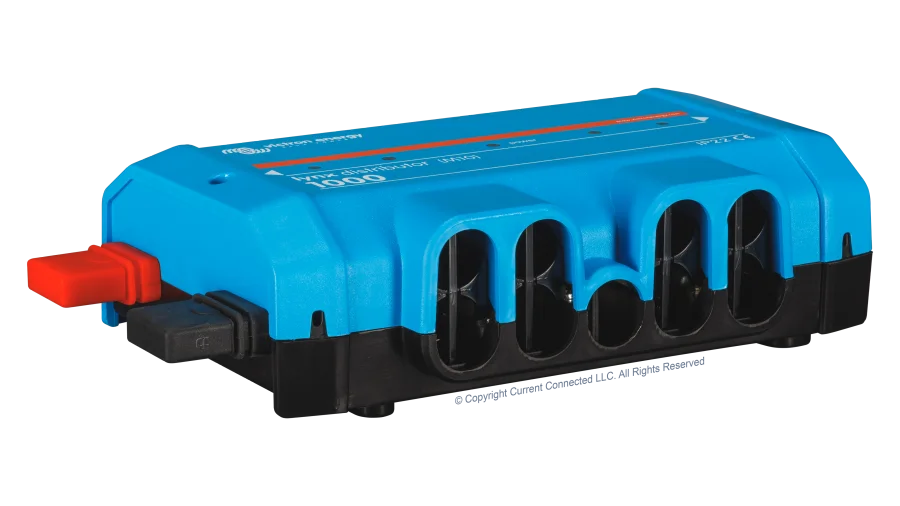
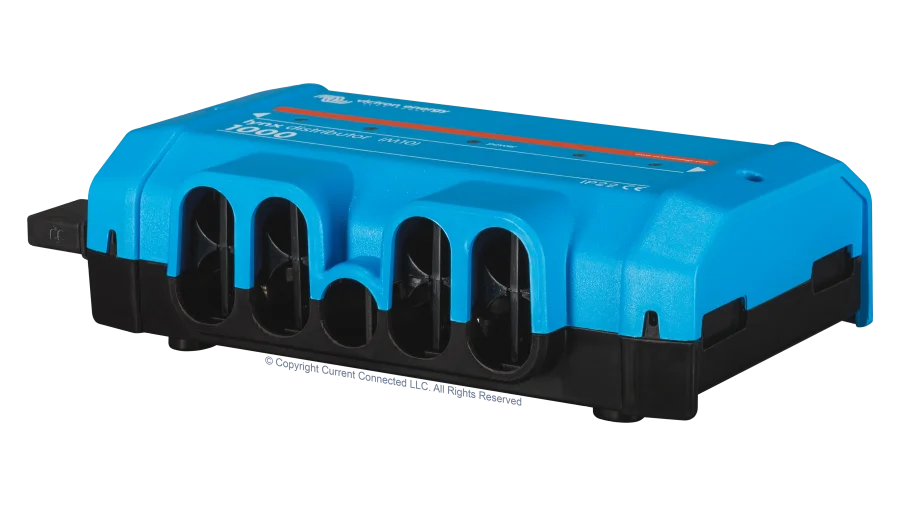
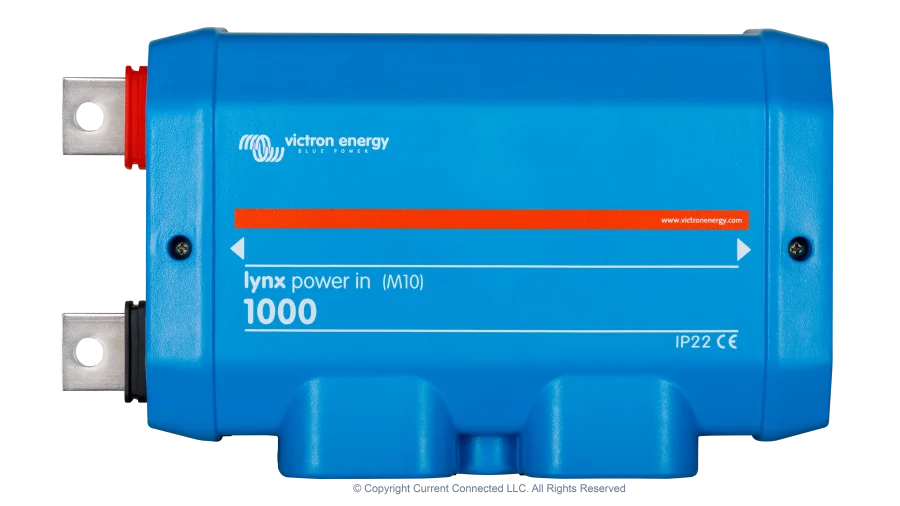
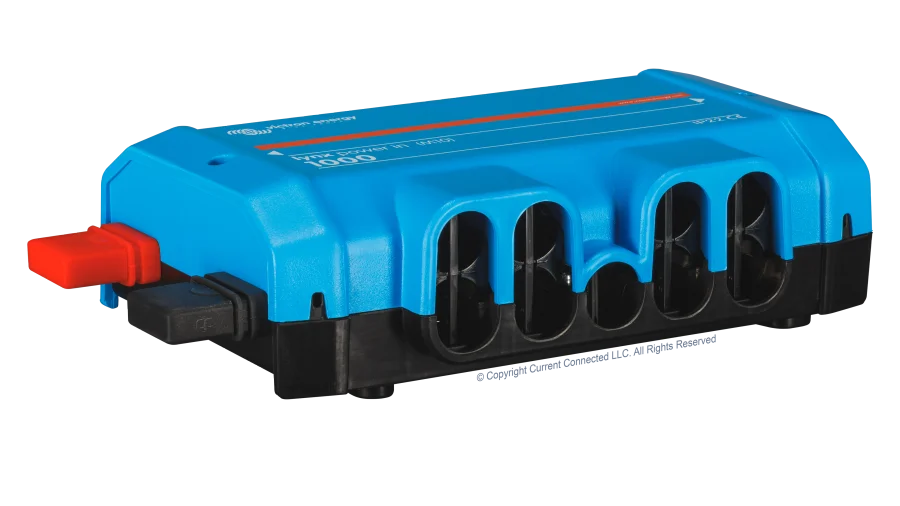
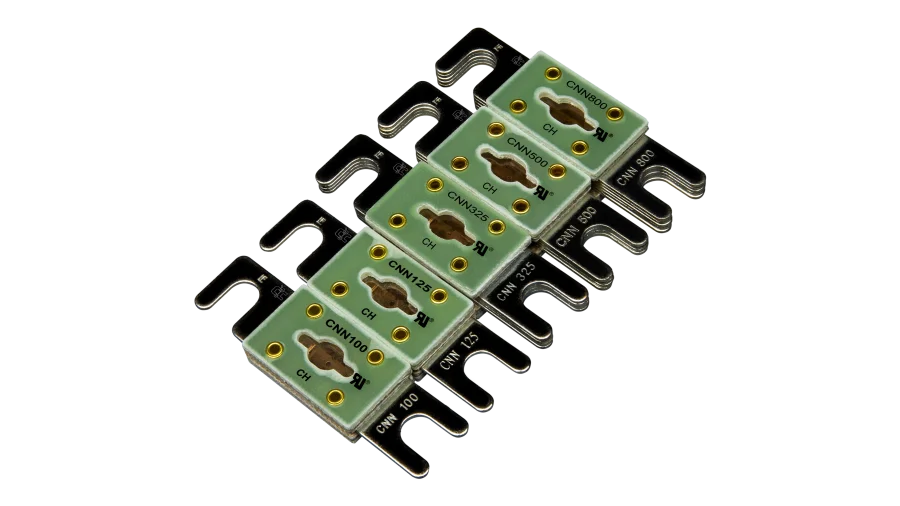
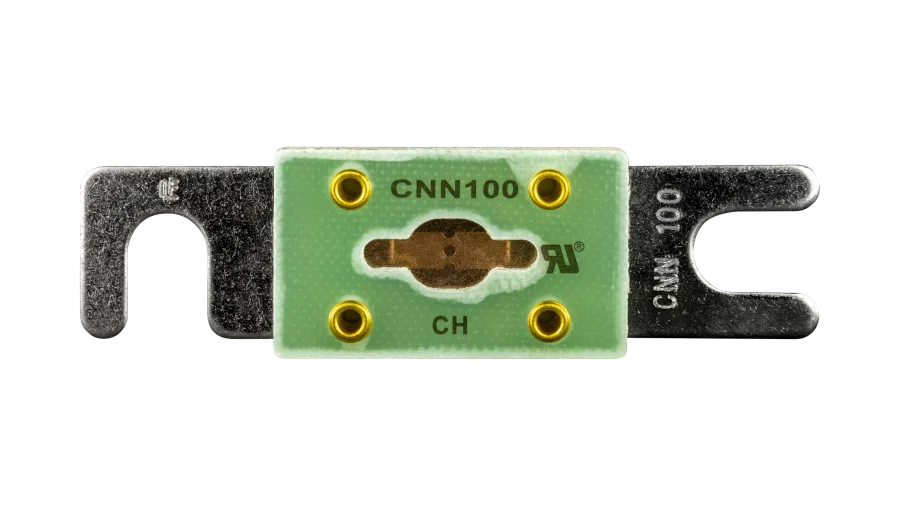
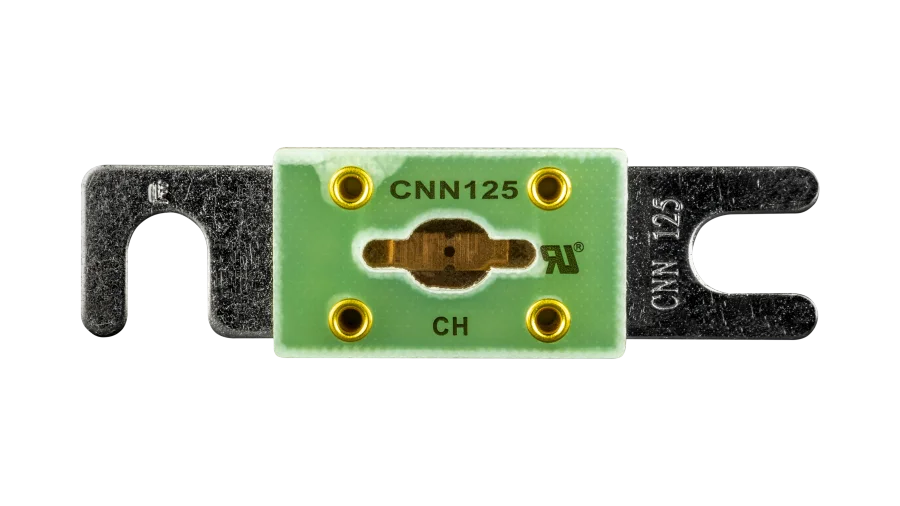
Littelfuse CNNE Series Fast-Acting Fuse, 125A-800A at Up to 80Vdc, for Residential and Mobile Battery Power Systems, 2.7kAIC
Available in multiple sizes - main system fuse that fits the modular Lynx Shunt perfectly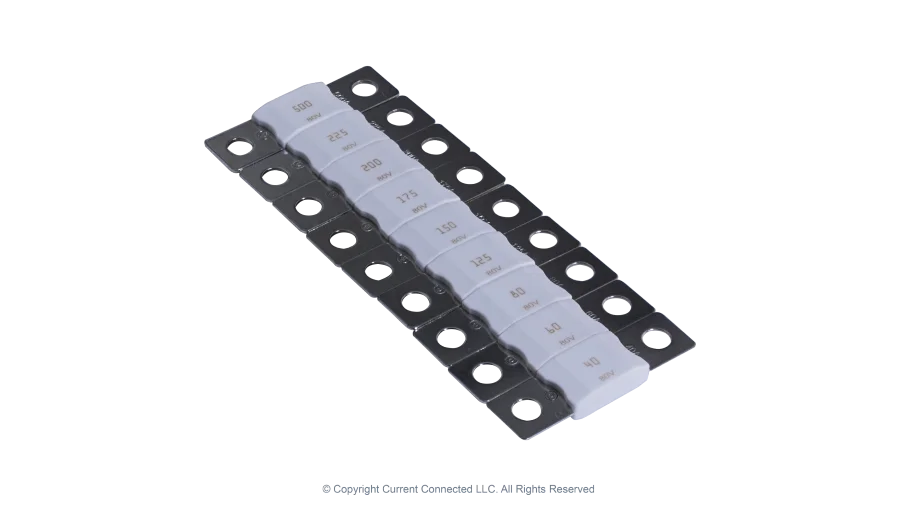
Victron Energy MEGA Fuse 60A-500A, 5 Pack, Works with 12V/24V/48Vdc Battery Systems, Fits MEGA Fuse Holders
Keep your system safe with this simple fusing option by Victron!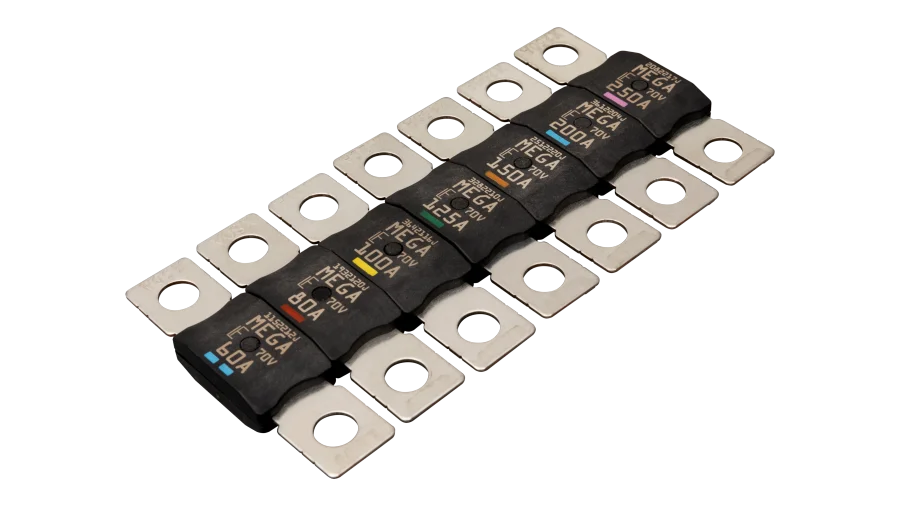
Littelfuse MEGA Fuse 60A-350A, 2 Pack, Suitable for 12V/24V/48V Battery Systems, 2.5kAIC at 70Vdc
Keep your system safe with this quality fusing option manufactured by LittelFuse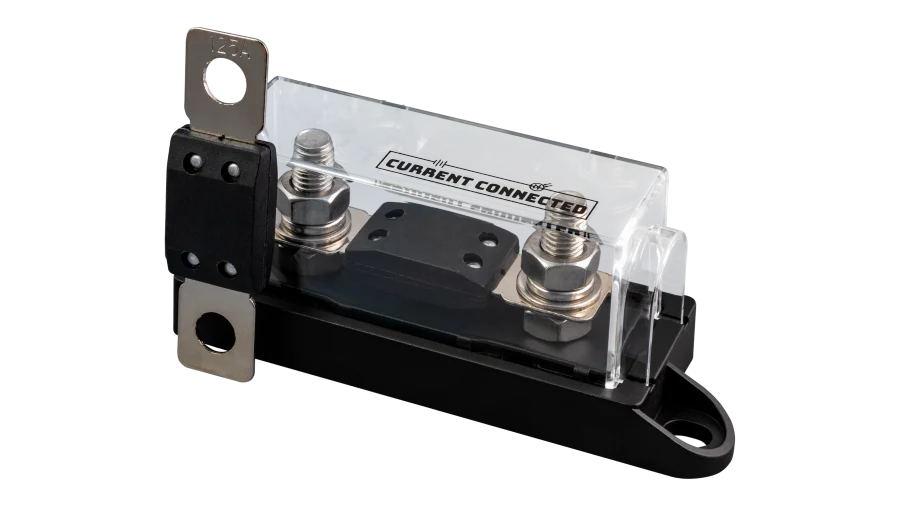
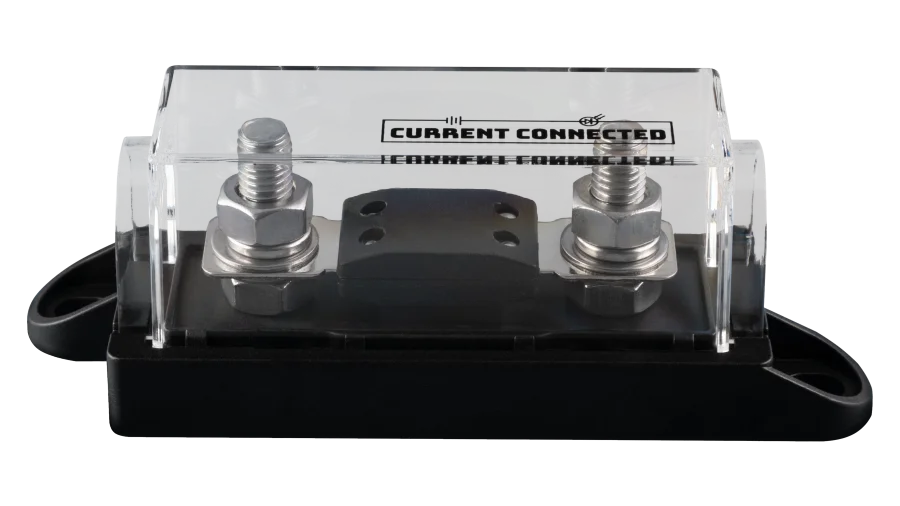
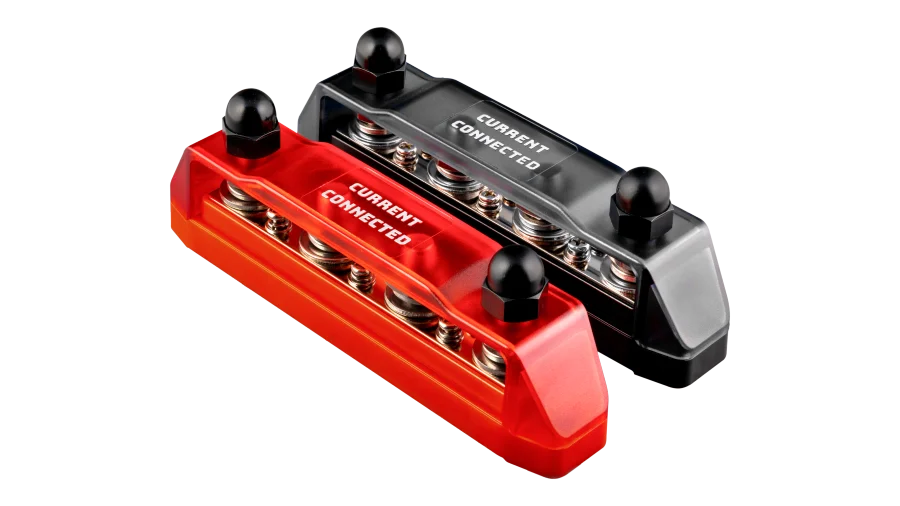
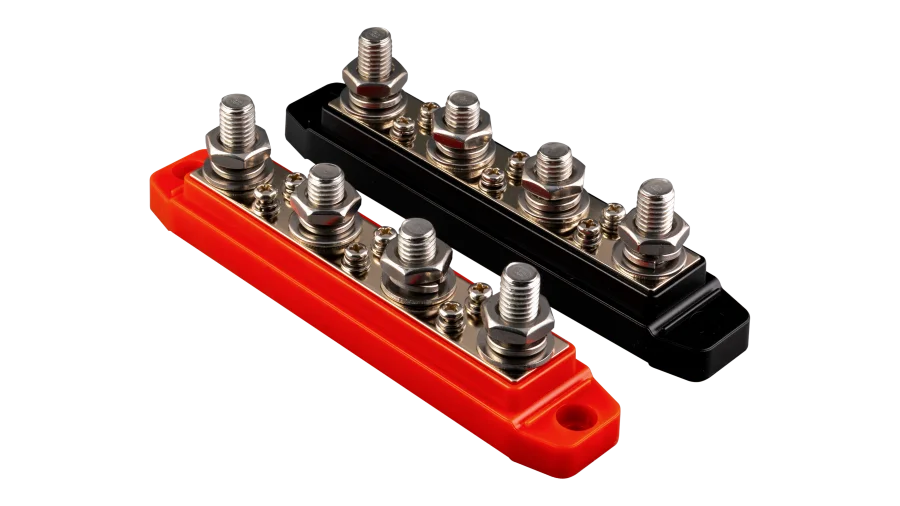
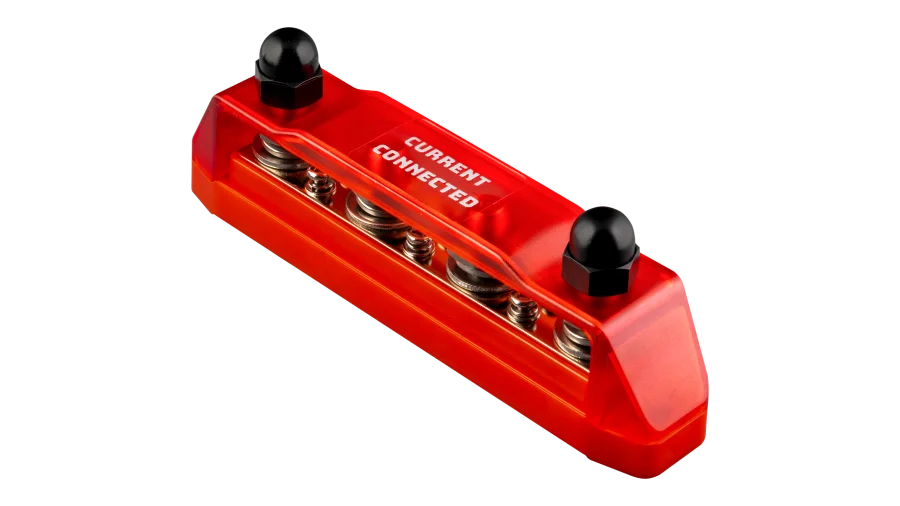
300A 4-Stud Busbars - Distribution Block w/Cover - Red/Black - Up to 64Vdc
Improve system safety by organizing & consolidating your DC connections in one place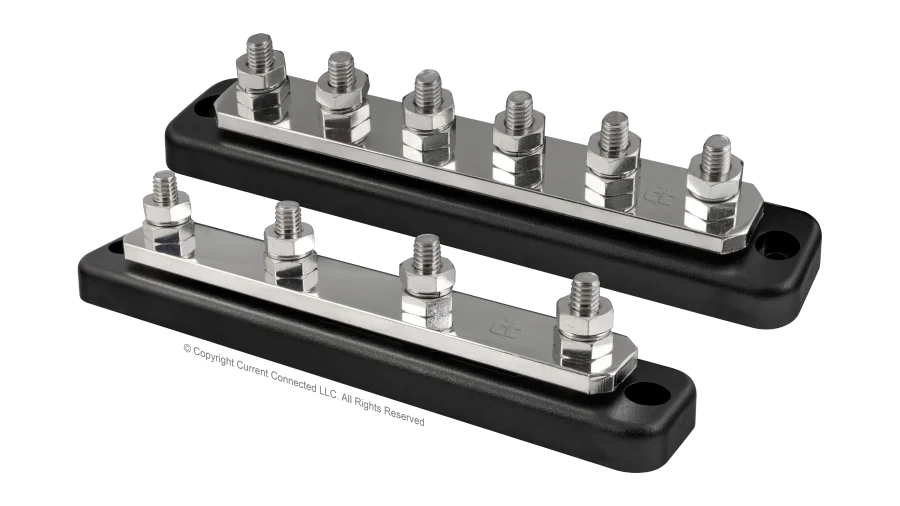
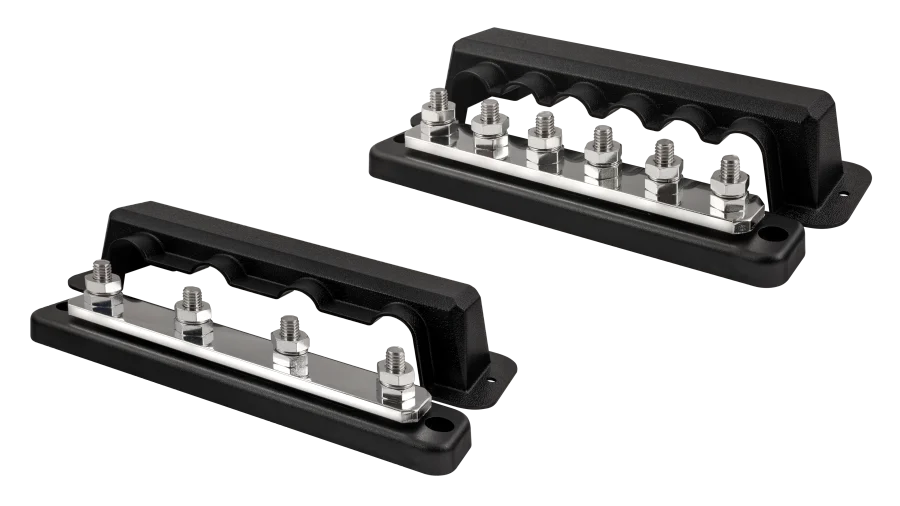
Victron Energy 250A Busbar with Removable ABS Cover, 70VDC Max, 5/16-Inch Stainless Steel Studs, Available in 4 Stud, 6 Stud, or 2 Stud Plus 6 or 12 Screw Terminals
Tin-plated copper busbar with stainless studs and a snap-on cover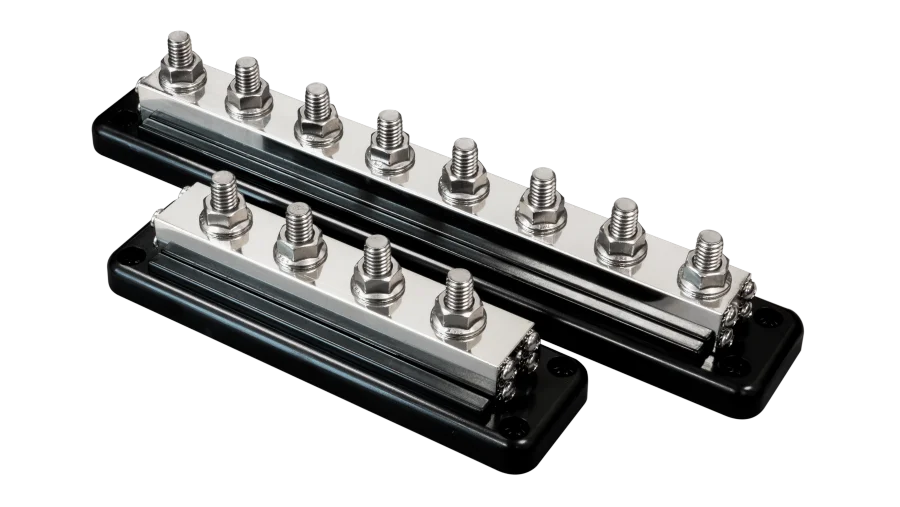
Victron Energy 600A Busbar with 4-Stud and 8-Stud Options, Rated for up to 70Vdc, 3/8in Terminal Diameter Studs
Heavy-duty 600A busbar with a cover included
How to Choose DC Protection and Wiring
1. Size Fuses and Cables Together
A fuse protects the cable, so size the cable for your maximum continuous current first, then pick a fuse at or below the cable’s ampacity. Lithium batteries can deliver huge short-circuit currents, so use a fuse with a high interrupt rating, like a Class-T, right at the battery. Your battery and inverter manuals list the recommended cable and fuse sizes.
2. Build Your Distribution
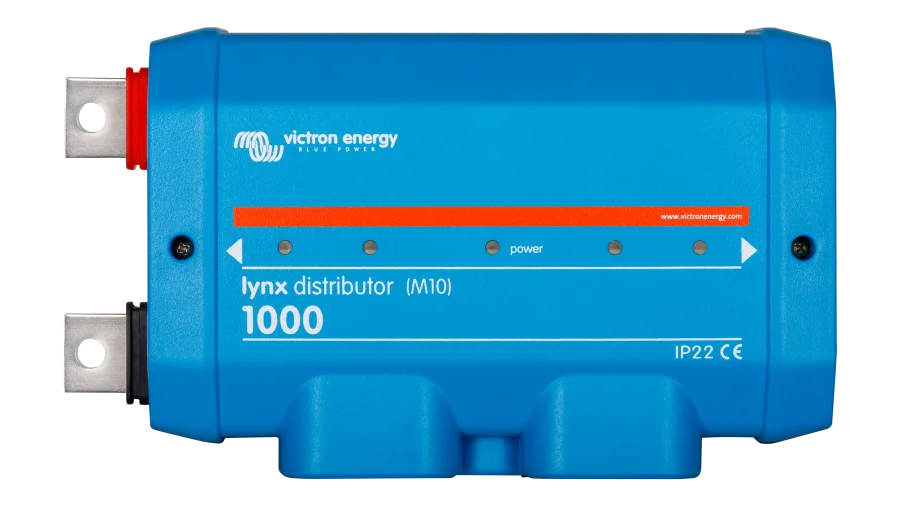
Busbars and distribution systems like the Victron Lynx tie multiple batteries and loads together cleanly, with fused outputs in one assembly. Blue Sea Systems fuse blocks and MidNite Solar breaker boxes handle smaller branch circuits. Filter by Type to compare Busbars and Power Distribution, Fuse Blocks and Holders, and Breakers and Breaker Boxes, or by Brand to stay in one family. Paralleling several batteries? Our guide to series vs. parallel connections covers the wiring basics.
3. Add a Disconnect and Surge Protection
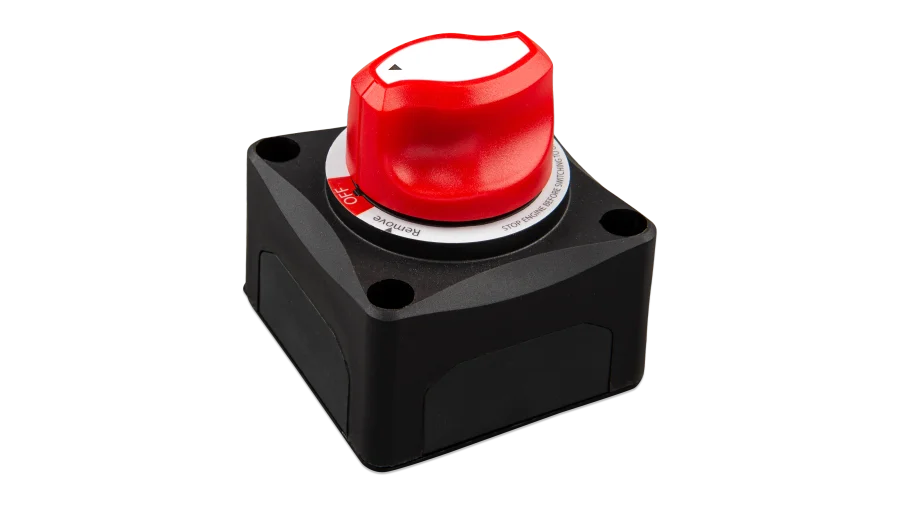
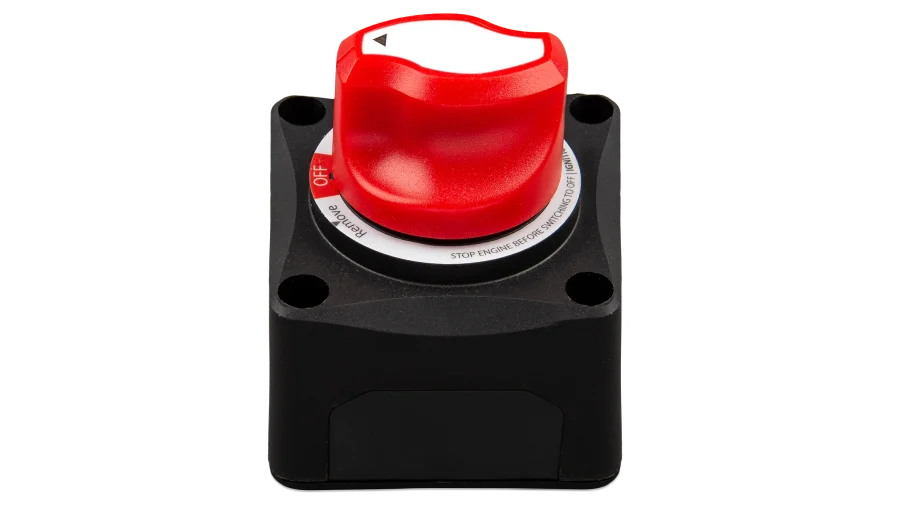
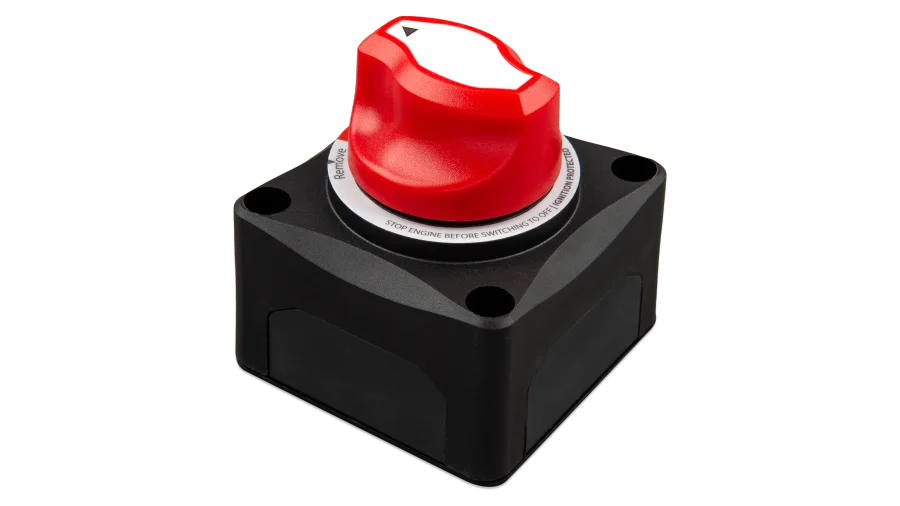
A battery switch, like the Victron 275A switch or the Blue Sea Systems remote battery switch, lets you isolate the bank for service. A MidNite Solar surge protective device clamps voltage spikes before they reach your electronics.
4. Keep Connections Tight and Clean
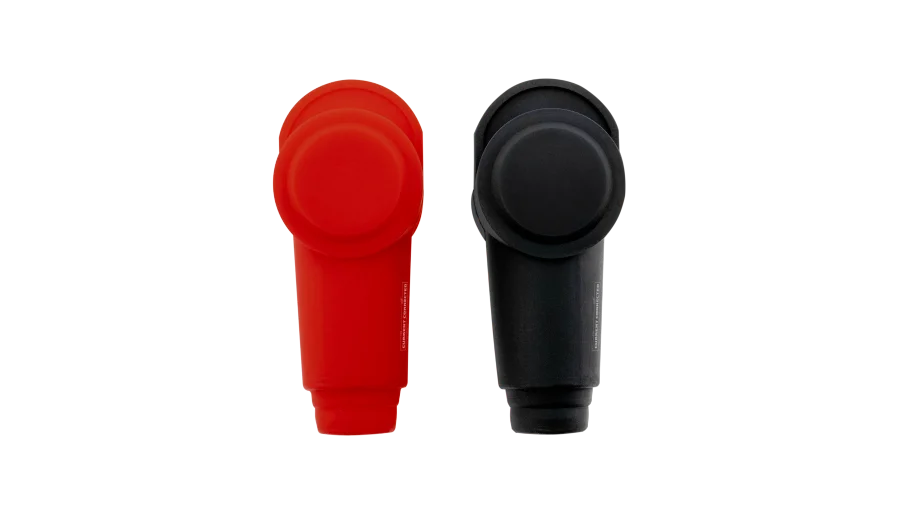
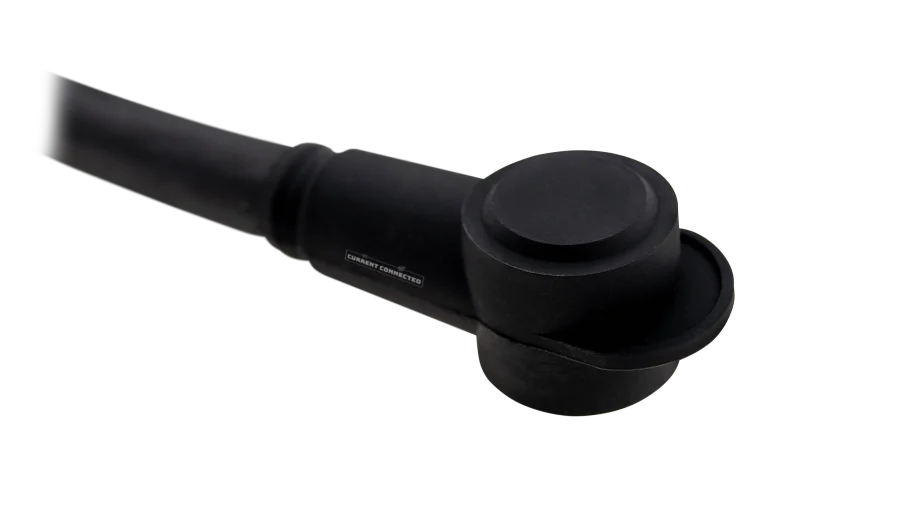
Use properly crimped lugs, heat shrink, and terminal covers, and torque every connection to spec with the right tools. Making your own battery cables? Follow our step-by-step crimping guide.
DC Wiring and Protection FAQ
For LiFePO4 banks, a Class-T fuse at the battery is a common choice because it can safely interrupt the very high fault currents lithium batteries can produce. Check your battery and inverter manuals for their recommended fuse type and rating.
It depends on current and length. Higher current and longer runs need thicker cable to limit heat and voltage drop. Our pure copper cable and lug bundles come in 2 AWG, 1/0 AWG, 2/0 AWG, and 4/0 AWG, and the cable charts in your inverter manual are a good place to start.
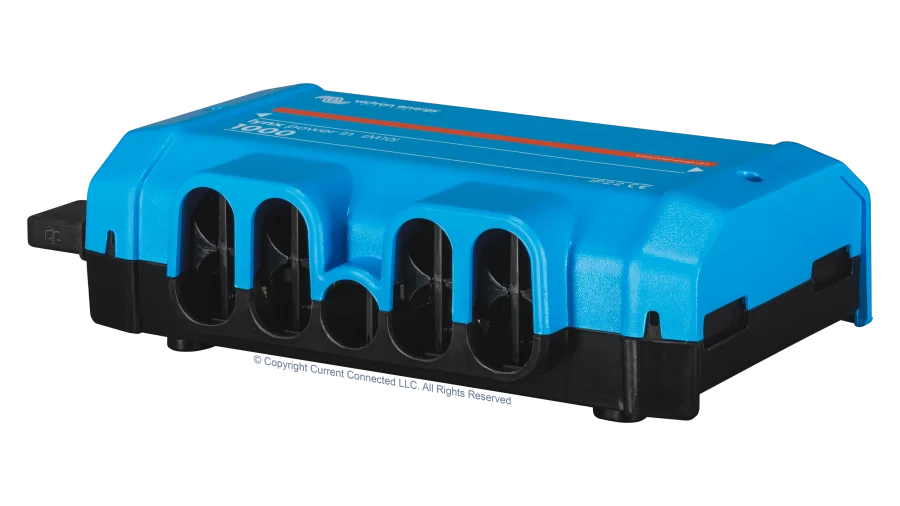
Lynx is Victron’s modular DC distribution system. Lynx Power In, Lynx Distributor, Lynx Class-T Power In, and Lynx Shunt modules bolt together on a common busbar, so you can add fused outputs and battery monitoring in one clean assembly.
Pure copper carries more current with less heat and voltage drop than copper-clad aluminum of the same size, and it holds up better at crimped lugs over time.