
Off-Grid and Grid-Tied Solar Systems – What They are and Why It Matters
Discover the difference between grid-tied and off-grid and what the benefits of each are.
If you’re new to the alternative energy industry, you may have heard the terms off-grid and grid-tied as if everyone already understood them. But here at Current Connected, we know everyone has to start somewhere, and we’re here to explain these terms, help you understand the difference, and choose the best solution for your installation.
Both off-grid and grid-tied systems can use an alternative energy source like solar, wind, or hydro power, but this article assumes you use solar. You can replace solar with another alternative energy source, but if you do, make sure your charge controller works with that source.
Definitions

Off-Grid
An off-grid system exists completely disconnected from the electrical grid. You generate all your own power, and you neither buy from nor sell to the utility company.
Grid-Tied
People use this term in two ways.
- An alternative energy system able to both buy from and sell to the electrical grid.
- An alternative energy system connected to the electrical grid. It can buy power from the electrical grid but may or may not be able to sell power to the electrical grid.
While it’s generally safe to assume a grid-tied inverter can sell power to the grid, it’s best to verify this fact before purchasing.
Benefits
Off-Grid
Installation Cost
Most new homes connect at a low cost to the existing grid, but sometimes new construction exists at the end of a long driveway or miles from an existing powerline. In these cases, it may cost more to install new power lines than to design an independent energy system.
Power Bills
Off-grid energy systems require some up-front costs, but zero monthly power bills. This not only eliminates the monthly payment, but it also protects you against rising electricity costs.
Independence
Off-grid alternative energy systems enable you to remain powered when emergencies or natural disasters disable the grid. Your self-contained energy system continues powering your home when grid-reliant neighbors experience blackouts.
Of course, your independent system may experience issues, but its size and proximity keep you going after a quick repair.
Mobility
Your off-grid eco-system may exist on a boat or RV. In this case, you enjoy nearly limitless freedom. You can travel nearly anywhere with your refrigerator, stove, TV, WiFi, and other creature comforts. For mobile off-grid systems, choose a mobile-rated inverter able to handle road vibration, marine climates, or other challenges unique to your system.
Grid-Tied
Additional Income
When a grid-tied system produces more than your needed power, you can often sell that power to the grid. Check with your local utility company for more information.
Continual Power
Short winter days or long periods of inclement weather often drain the batteries in a solar-only home. A grid connection allows you to pull power from the grid during these times.
Environmental Health
Solar production reduces your carbon footprint, and selling power to the electrical grid reduces your neighbor’s carbon footprint.
Cost
Even if your grid-tied system doesn’t have batteries, the solar power produced on your property reduces your monthly electrical bills.
Note:
Here at Current Connected, we always recommend battery backup so you can remain powered even if the grid goes down.
Code Compliance
Some localities require a grid connection.
Safety
Grid-tied systems must comply with local laws and codes covering important safety features. If you install a grid-tied system, you’ll work with your AHJ (Authority Having Jurisdiction) to meet these requirements.
While off-grid systems can be installed without inspection in some localities, we recommend following all safety protocols as these protect you, your system, and any emergency personnel who may access the system in a crisis.
Required Components
Solar Panels
Solar panels, as you know, convert the sun’s rays into electricity. Once harvested, the power flows to a charge controller or an inverter.
Charge Controller
A charge controller receives power from the solar panels. This power fluctuates based on sun angle or shade, and the charge controller regulates it for optimal battery charging. Since it’s connected to batteries, it’s only needed in a battery system.
Some inverters include a charge controller, or it’s possible to buy an individual charge controller.
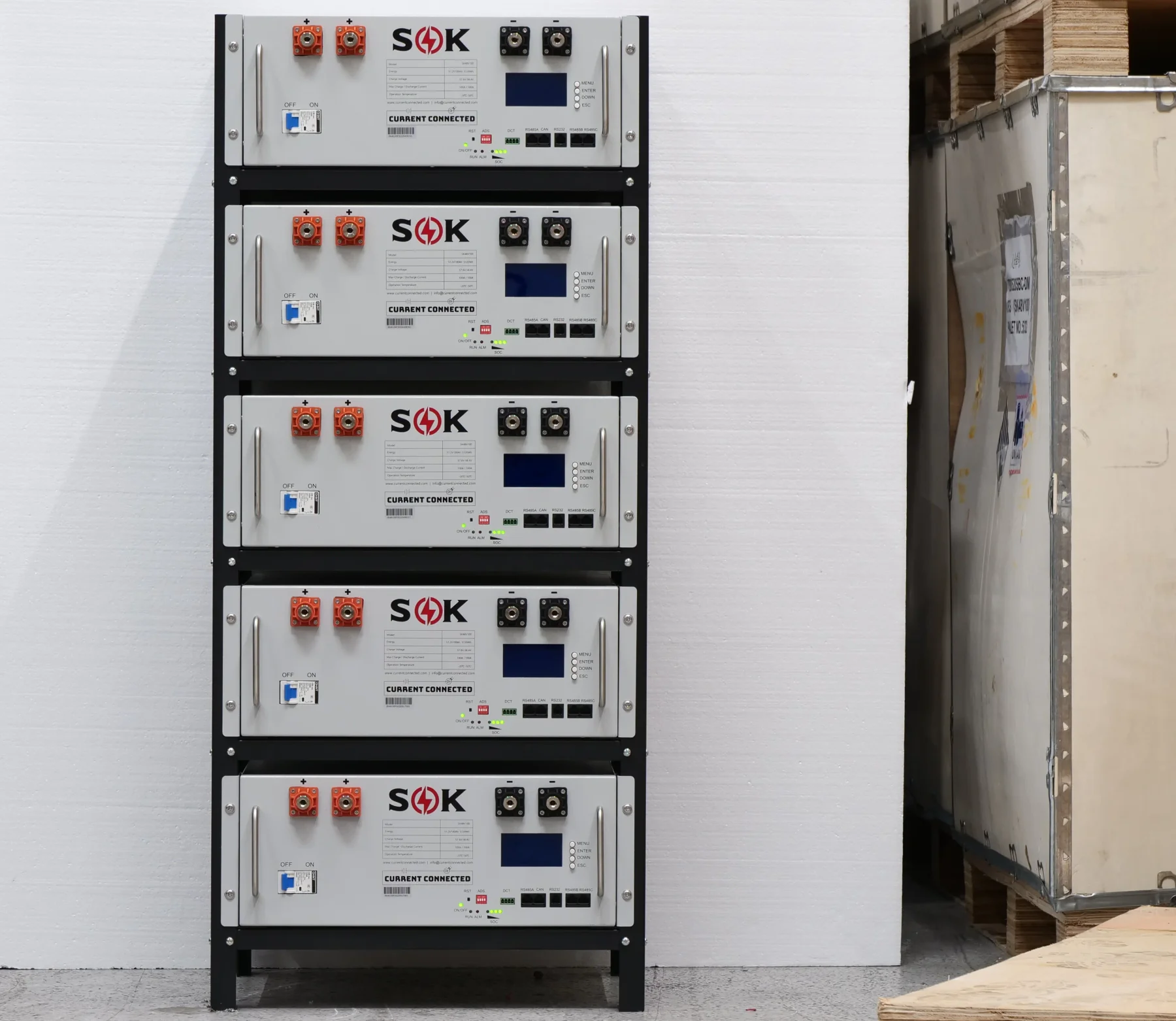
Batteries
Batteries store energy for later use. Power comes from the charge controller to the batteries and then flows out to the inverter.
A system needs batteries to provide power when it’s not available from other sources. In an off-grid system, this is any time the solar panels are not producing. In a grid-tied system, this is when the electrical grid goes down and solar power is not available.
While most modern LiFePO4 batteries include a BMS (Battery Management System), it’s important to double check. The BMS continually monitors the battery for unsafe conditions such as overcharging. These unsafe conditions can lead to battery disfigurement or system fires.
Off-Grid
Quick Tip
All off-grid systems need batteries.
The number of batteries depends on your typical power consumption and your expected power generation.
To estimate your power consumption, see our other articles:
How many watts do my appliances use?
How to calculate power use based on a monthly utility bill
Once you know how many kWh you use in a single day, you can design your battery bank. Battery bank sizing depends on several factors, and we’ll address those in a separate article. However, we typically recommend enough storage for at least one full day.
If you commonly experience multiple cloudy days in a row, you may want a few days of battery storage. People often state 30kWh as the average power consumption in US homes, but here at Current Connected, we often design systems for 40-70kWh.
Grid-Tied
It’s possible to build a grid-tied alternative energy system without batteries. In this case, solar power streams into your home where it’s either instantly used or passed out into the electrical grid. When the grid goes down, your system also goes down.
Batteries in a grid-tied system make it possible to continue powering your home in an emergency. They can also reduce costs in areas with TOU (Time of Use) rates. You can charge your batteries from the grid or from solar during lower cost hours and run your home from strictly battery power during higher cost hours.
Inverter
The inverter converts DC power from batteries or solar panels into AC power for home use.
Off-Grid
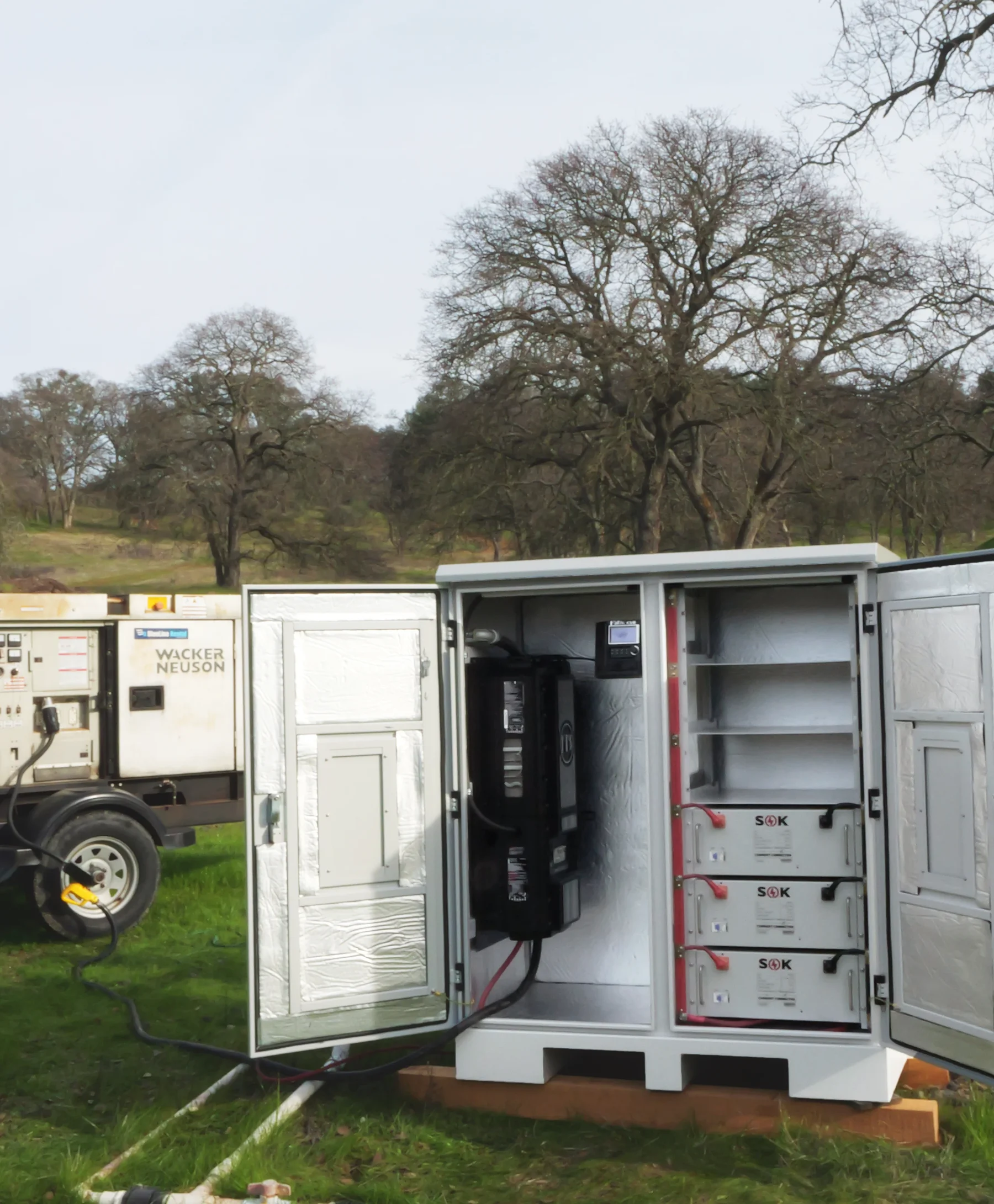
Power flows from the battery bank to the inverter where it’s converted to AC before use in the home. The inverter typically connects to the home’s electrical panel for distribution.
Grid-Tied
In grid-tied systems without a battery bank, the power flows from the solar panels directly to the inverter before distribution to the home and to the electrical grid.
In grid-tied systems with a battery bank, the power comes from the batteries to the inverter and then to the home’s electrical panel.
Different inverters have different capabilities. Some inverters cannot sell power to the electrical grid, some cannot work if the grid is down, and it’s important to work with your AHJ to make sure your inverter and other components follow all local standards and codes. It’s especially important to make sure a grid-tied inverter includes anti-islanding capabilities. This prevents the inverter from sending electricity to the utility grid during a power outage. Should power leak from your home during a power outage, you could seriously injure or kill the linemen working to restore power.
Call us for help selecting the right inverter for your installation.
Other Components
Besides the components mentioned above, an alternative energy system uses items like busbars, wire, shunts, breakers, and fuses to safely transfer electricity between devices, to monitor the system, and to protect your investment. The details for these items are too long to include here, but we’ve created several kits with everything necessary for an installation. Check these out or contact our friendly and knowledgeable support staff for more information on these items.
Other Considerations
Off-Grid
Backup Power
Off-grid systems often experience seasons with limited solar power due to short days or cloudy weather. These seasons require a generator or other additional power source.
Safety
Remote off-grid installations may not fall under jurisdictions adhering to stringent safety policies, but these guidelines exist for a reason. As you design your off-grid system, consider components with UL and other certifications. These components have been tested for fire safety and other important security measures.
Many non-certified components are still safe to use. If you purchase non-certified products, make sure to get them from a reputable distributor. Here at Current Connected, we stand by the safety of all our products, but feel free to contact us for any more details.
Grid-Tied
Grid Export
Some utility companies do not allow any grid export. In this case, it’s best to maintain a continual 300W load on your power to prevent accidental exporting to the grid. Check with your AHJ and utility company for more information.
Conclusion
Now that you know the difference between grid-tied and off-grid alternative energy systems, you’re ready to start designing. People commonly start with solar panels. Check out our guide to learn how many solar panels you need.
For more help, call us anytime. We’re here to help you design an entire system or pick out a single component.