
Solar Charge Controllers
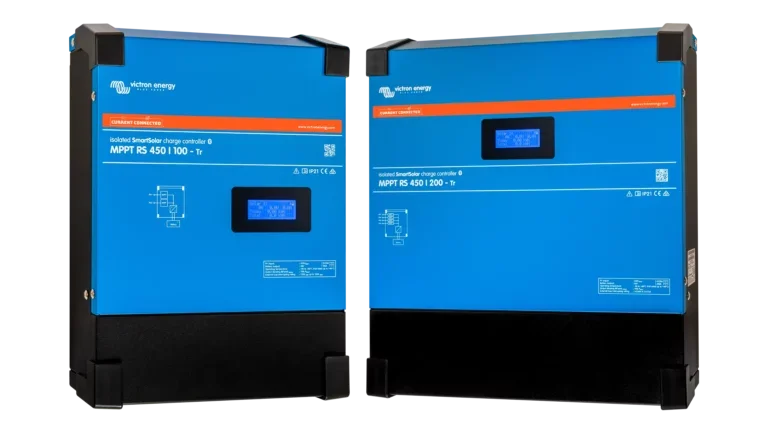
Victron Energy MPPT RS SmartSolar Charge Controller for 48V Lithium and Lead-Acid Batteries, 450V/100A, 450V/200A
5.76 kW & 11.52 kW Solar Charge Controller with 450V PV input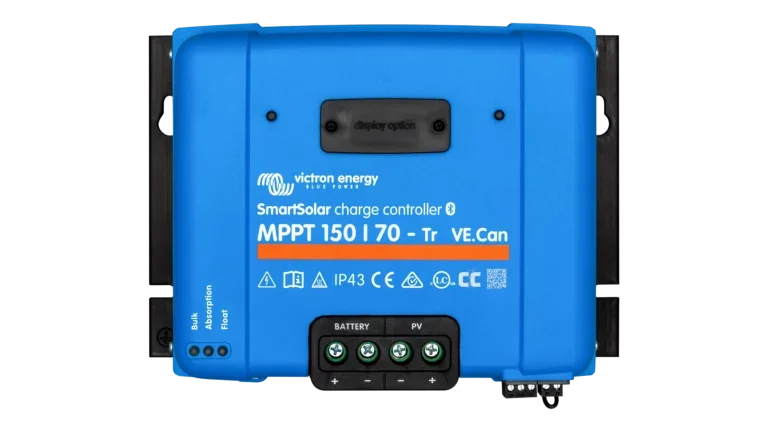
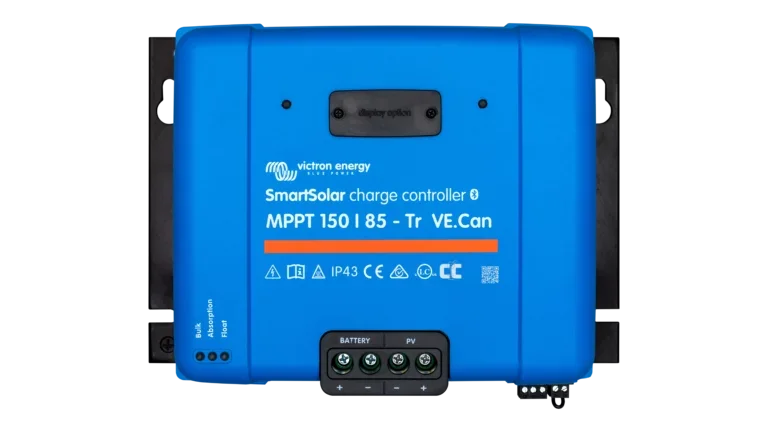
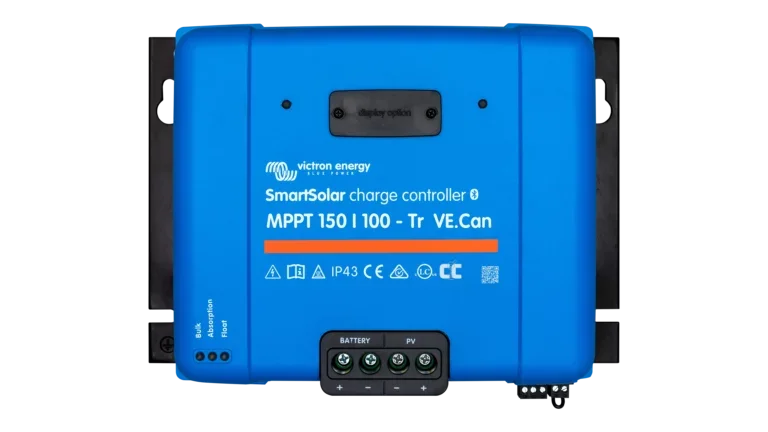
Victron Energy SmartSolar MPPT 150V, MPPT 250V TR VE.Can Charge Controller for Lithium and Lead-Acid Batteries
MPPT VE.Can Charge Controller programmable for lead-acid, LiFePO4, and other chemistries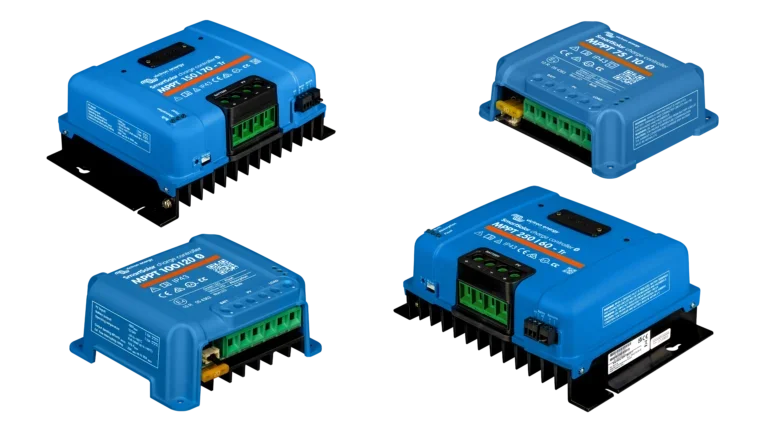
Victron Energy SmartSolar MPPT Charge Controller VE.Direct, 75V-250V Solar Input, 10A-70A Battery Charger
Converts solar energy to optimal form for charging battery banks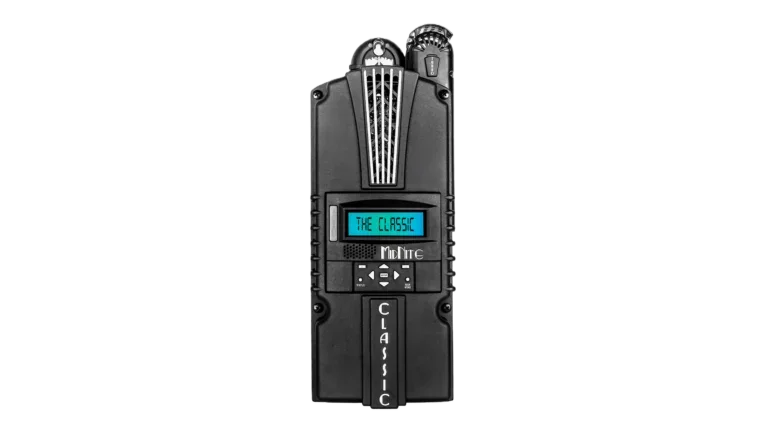
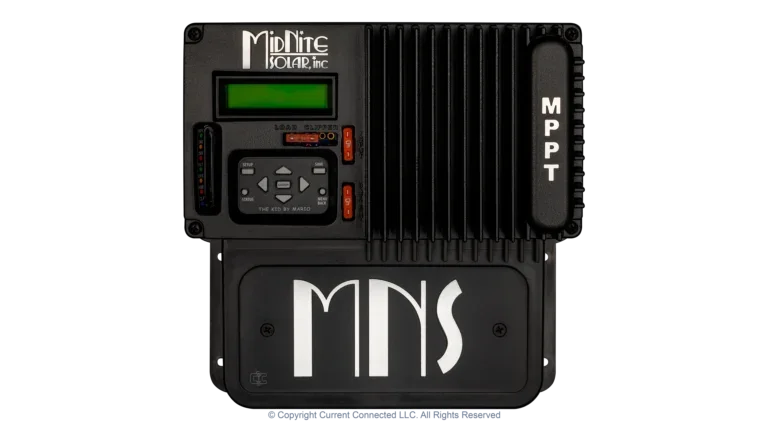
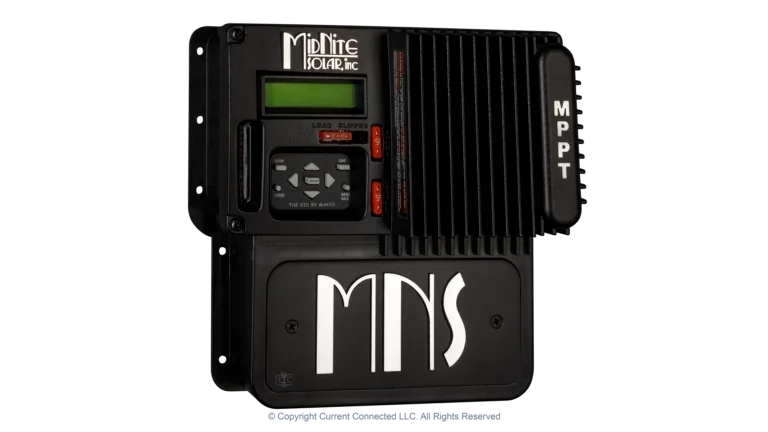
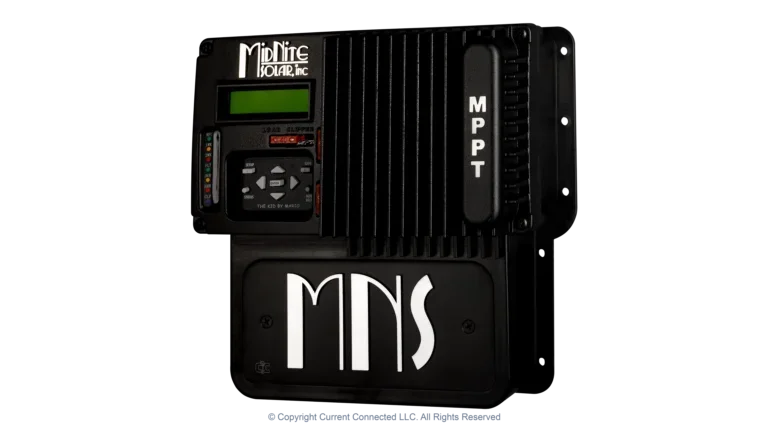
MidNite Solar Classic Charge Controller, Solar, Wind, and Hydro Input up to 150V-250V, Lithium and Lead-Acid Battery Charger
The MidNite Solar's longest running charge controller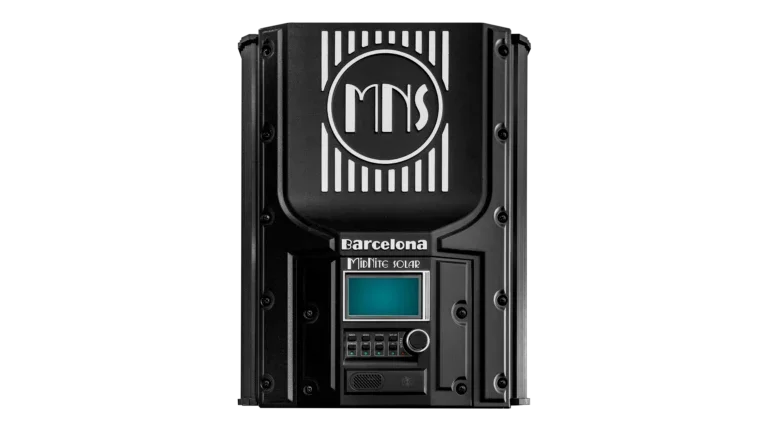
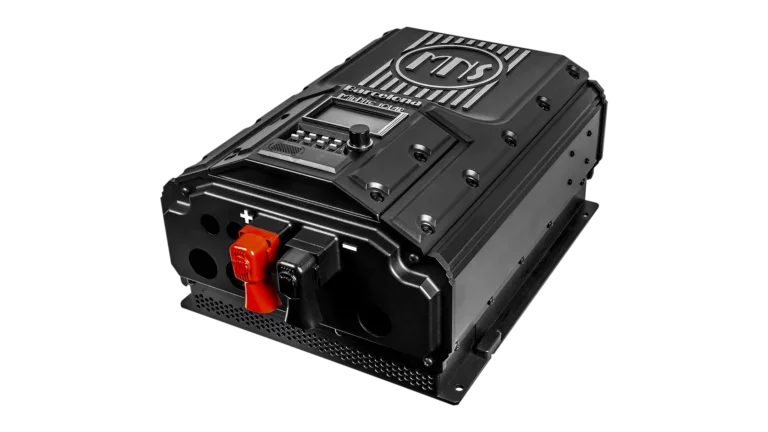
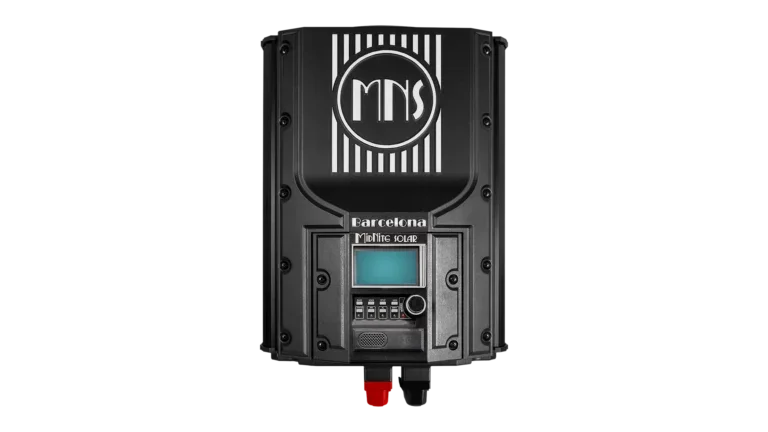
MidNite Solar Barcelona Solar Charge Controller, 200A Charge Controller for 48V Lithium and Lead-Acid Batteries, Pre-Wired or Standalone Components
A 185v TO 500VDC charge controller, pairs great with the Midnite Rosie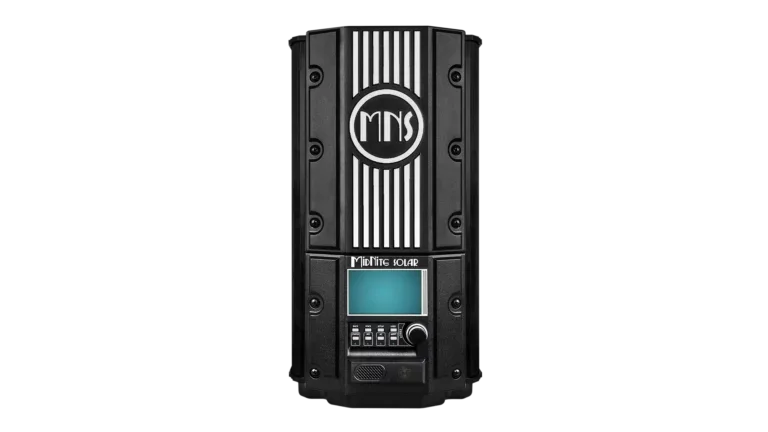
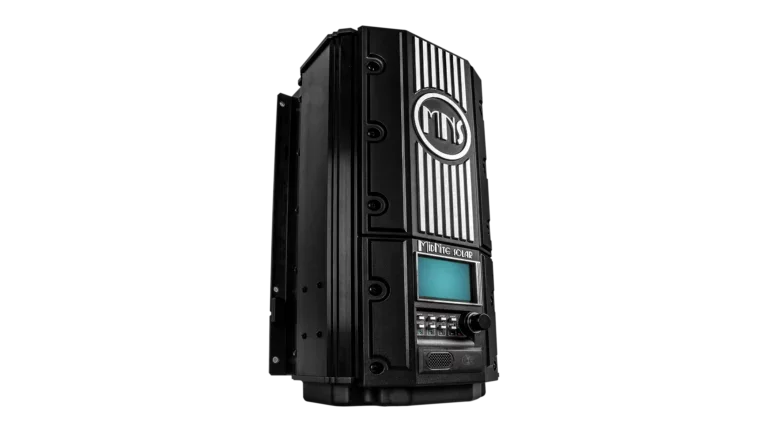
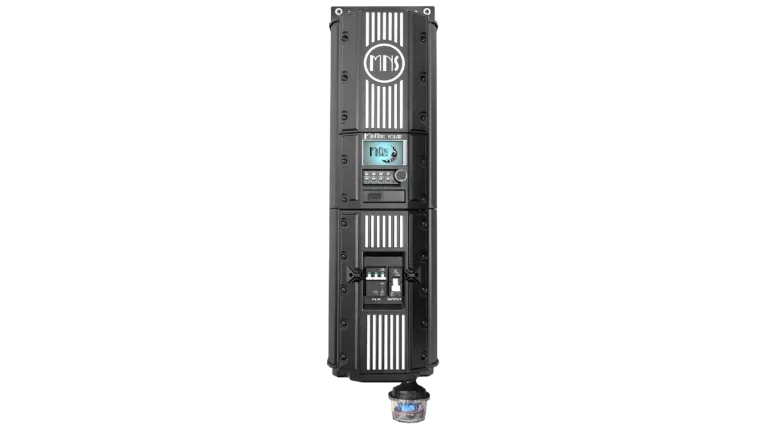
MidNite Solar Hawke's Bay Solar Charge Controller, 90A & 120A Charge Controller, Pre-Wired or Standalone
A 600VDC charge controller, comes with battery overvoltage protection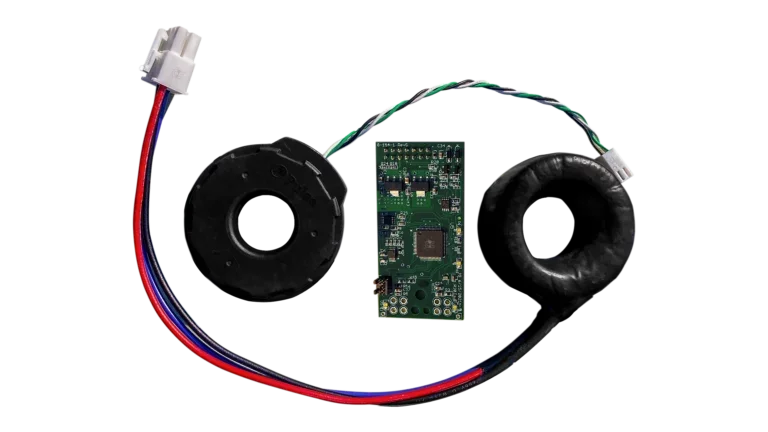
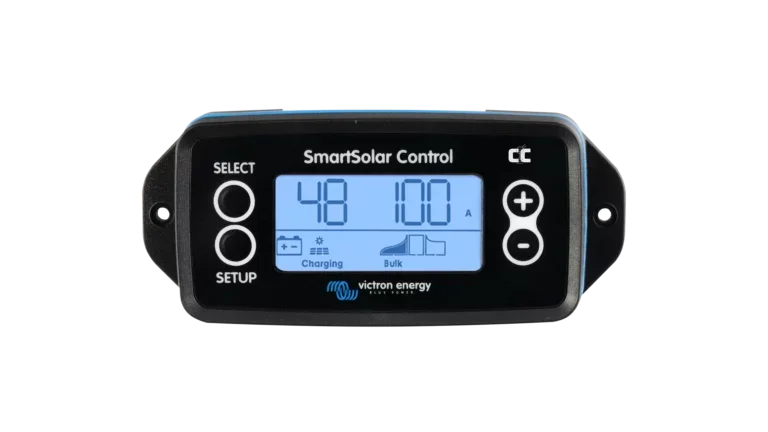
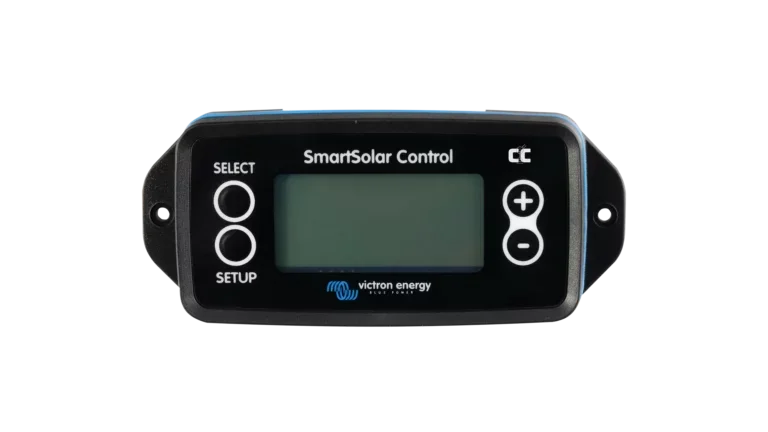
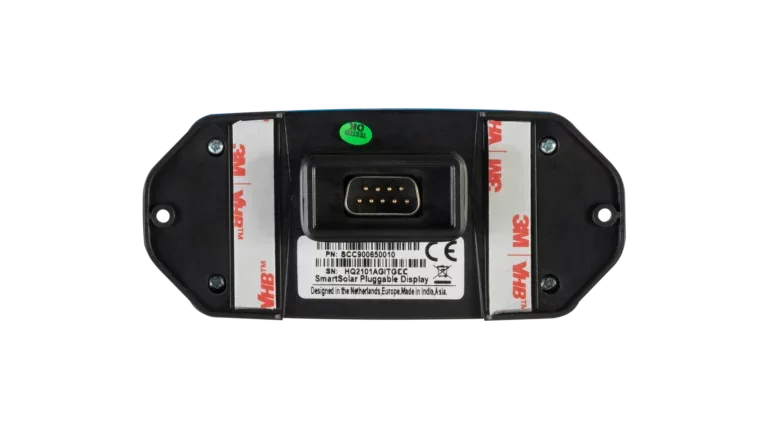
Solar Charge Controller – Optimize Battery Charging Performance
The solar charge controller category features advanced devices that regulate power flow from solar arrays to battery banks, ensuring optimal charging while protecting against overcharge, over-discharge, and electrical faults.
Modern charge controllers maximize energy harvest from solar panels while extending battery lifespan through charging algorithms. Quality controllers deliver reliable performance across varying environmental conditions, supporting both residential and off-grid installations with comprehensive monitoring and protection features.
Controller options include MPPT (Maximum Power Point Tracking) models that extract the maximum available power by converting excess voltage into additional charging current, ideal for systems with higher voltage solar arrays.
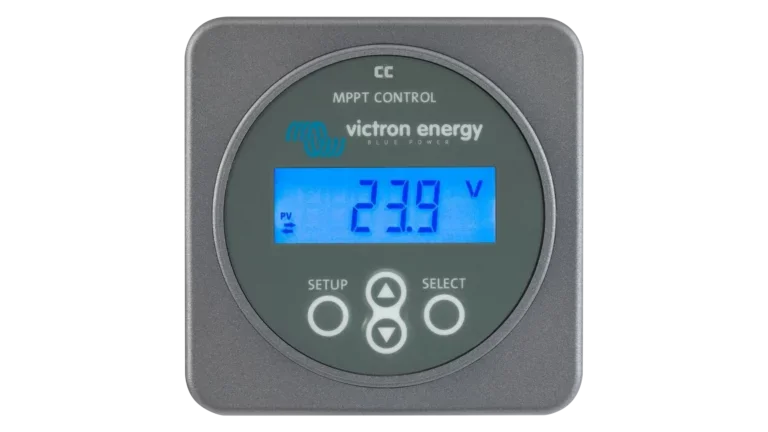
Featured brands include Victron and MidNite Solar, each offering distinct advantages in features and reliability. Advanced capabilities include programmable charging parameters, temperature compensation, battery chemistry selection for LiFePO4 (Lithium Iron Phosphate) and lead-acid compatibility, LCD displays, and bluetooth or WiFi connectivity for remote monitoring.
Multi-stage charging algorithms optimize battery performance through bulk, absorption, and float charging phases.
Controller selection considers charging amperage, battery bank voltage (12V, 24V, and 48V), maximum input voltage, and desired monitoring features.
Browse the solar charge controller category here to find efficient charging solutions for battery-based solar systems.