
Shop LiFePO4 Batteries for Solar, Off-Grid, and Home Backup
Your battery bank decides how long the lights stay on after the sun sets or the grid goes down. We carry LiFePO4 batteries from EG4, Pytes, Epoch, Victron, Fortress Power, BigBattery, and more, from 12V RV batteries to 48V server rack and wall mount banks for whole-home backup.
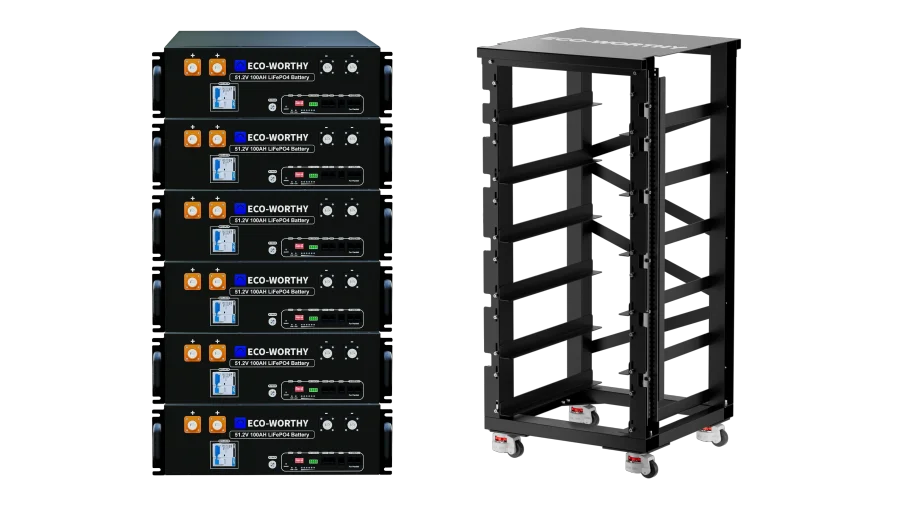
ECO-WORTHY 30.72kWh Server Rack Battery Bundle with 6-Slot Server Rack
30.72kWh of Cubix storage with the rack to hold it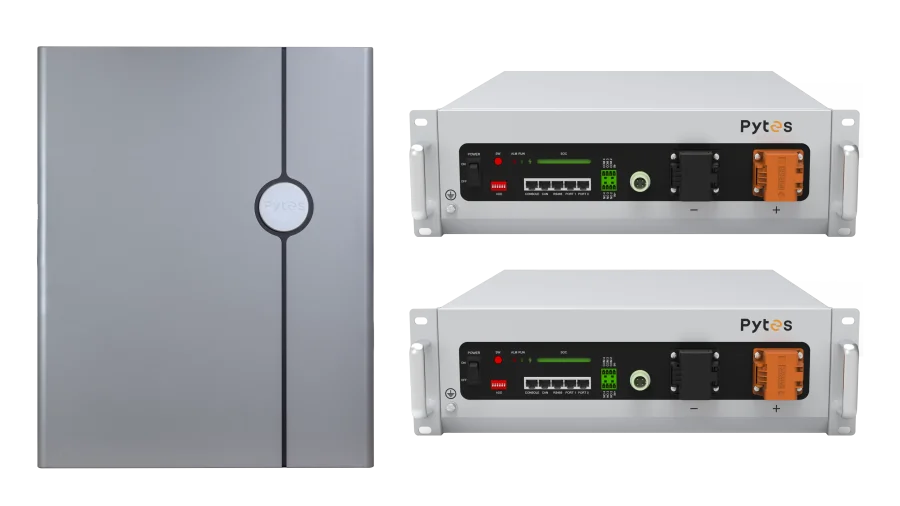
Pytes V5 VR-BOX-IC Bundle, 10.24kWh of Storage for Partial Home Backup and Tiny Home Energy Storage
Two V5s in a wall-mounted indoor enclosure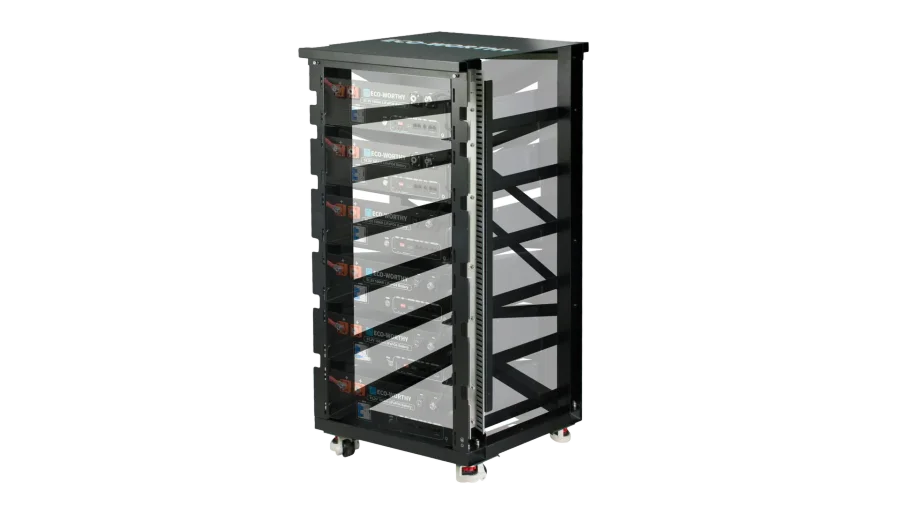
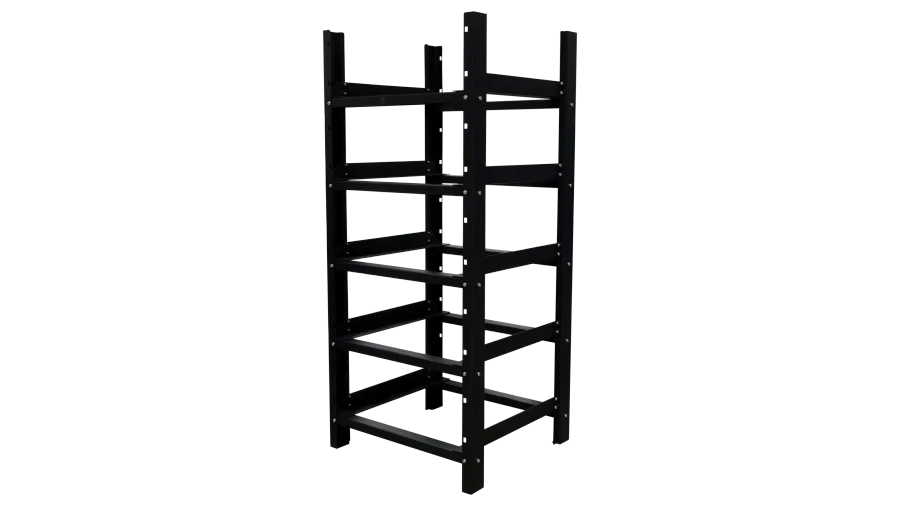
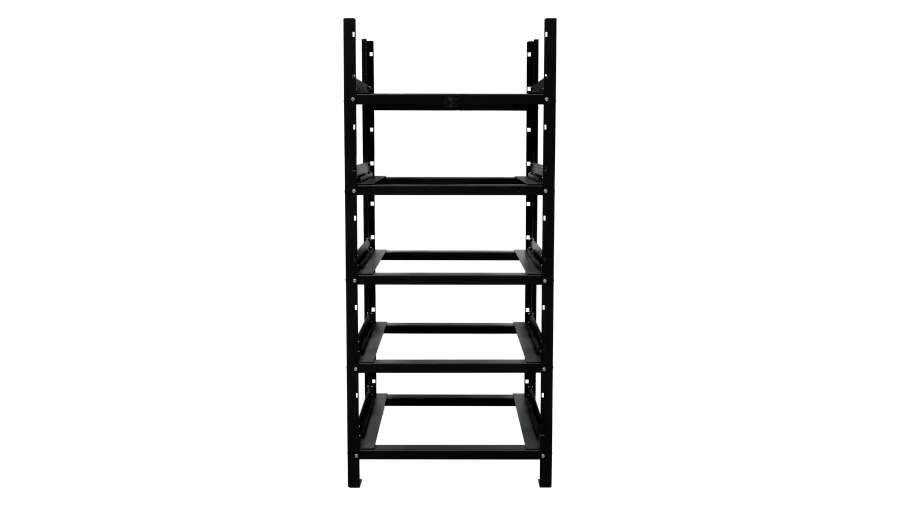
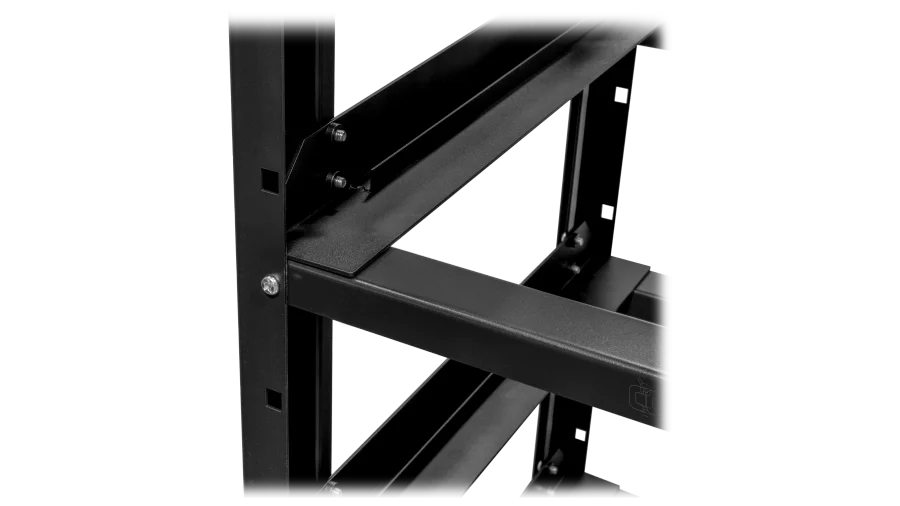
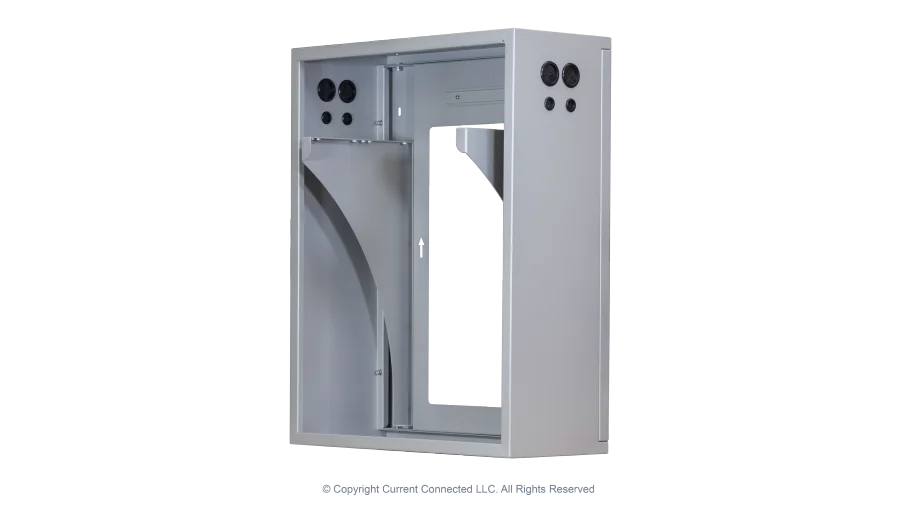
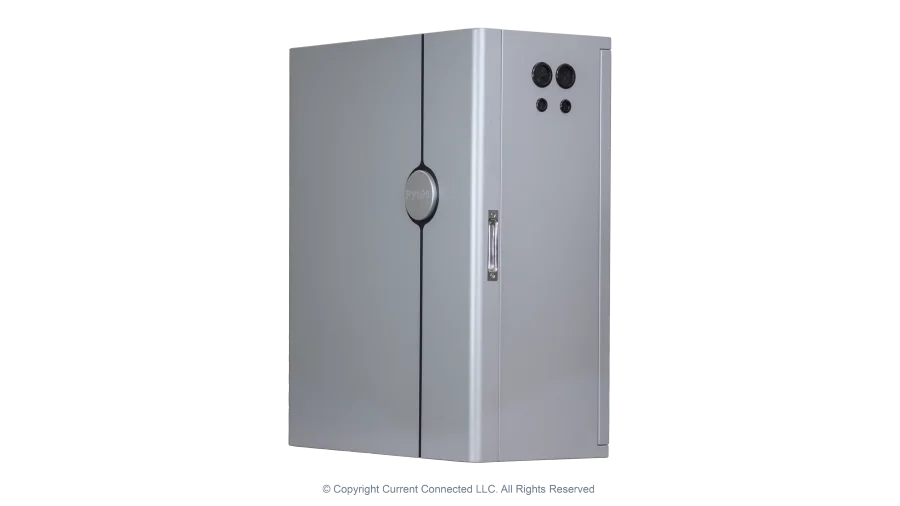
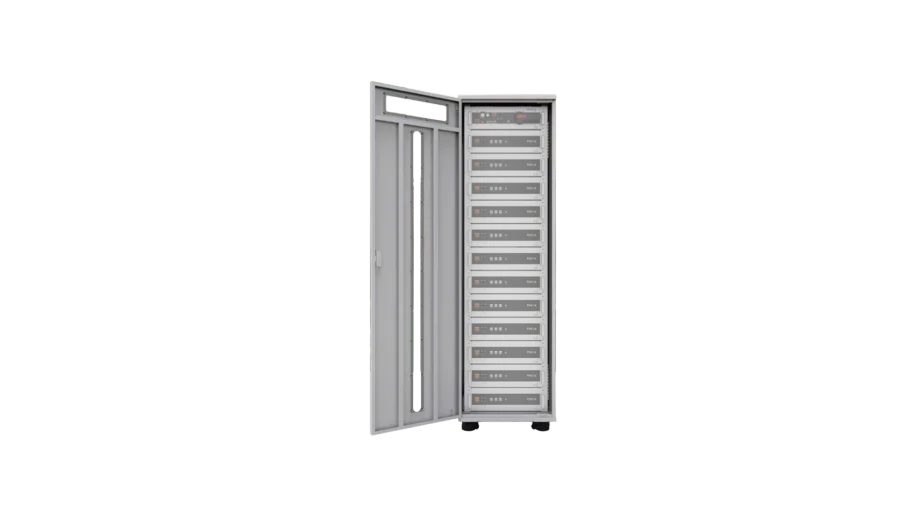
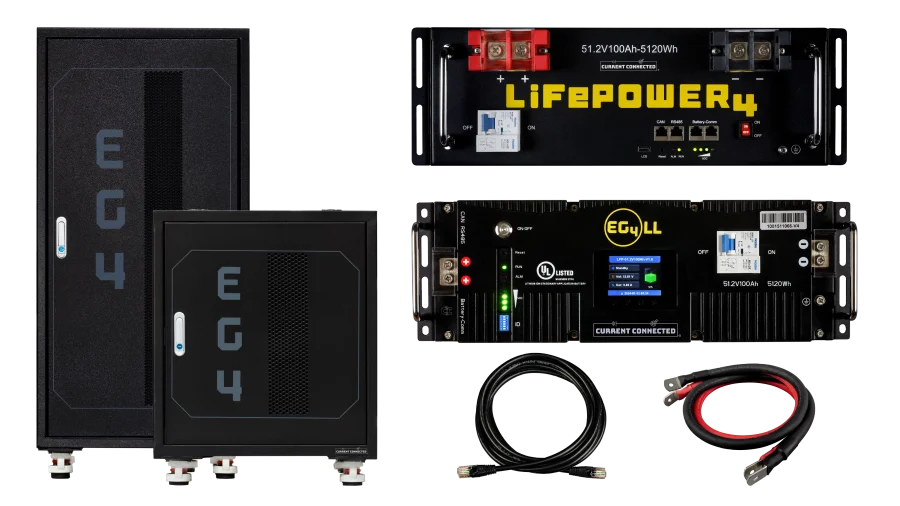
EG4 48V Battery Starter Kit, Choose Between LL-S or LifePower4 and Server Rack of Choice, Up to 30.72kWh of Battery Power
Everything for the battery side, just pick your batteries and rack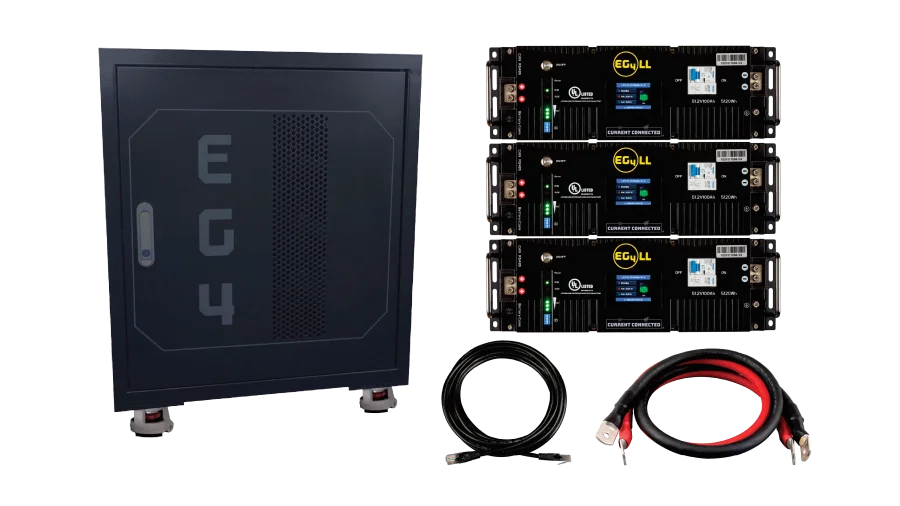
EG4 48V 15.36kWh LL-S Fully Loaded LiFePO4 Server Rack Battery Bundle
Everything the battery side needs, packed with 15.36kWh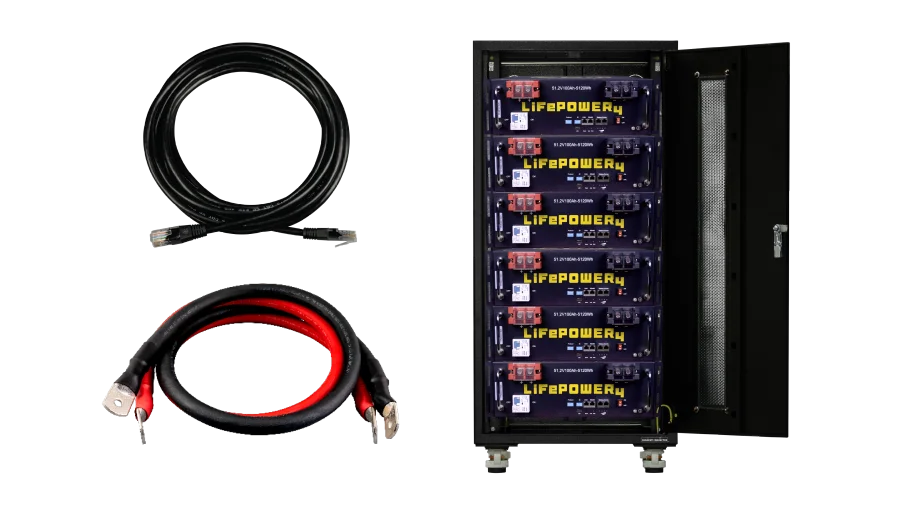
EG4 48V 30.72kWh LifePower4 V2 Fully Loaded LiFePO4 Server Rack Battery Bundle
30.72kWh with busbars and wiring already included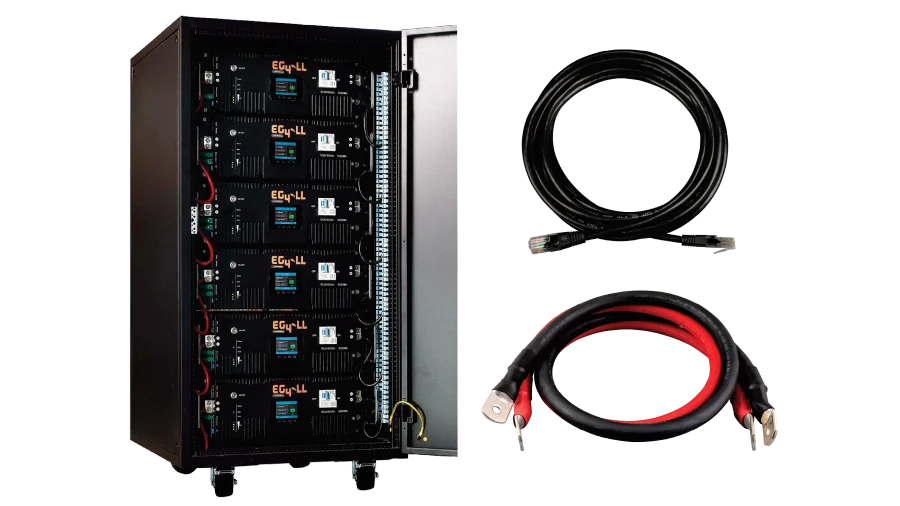
EG4 48V 30.72kWh LL-S Fully Loaded LiFePO4 Server Rack Battery Bundle
Six LL-S batteries, fully loaded in their rack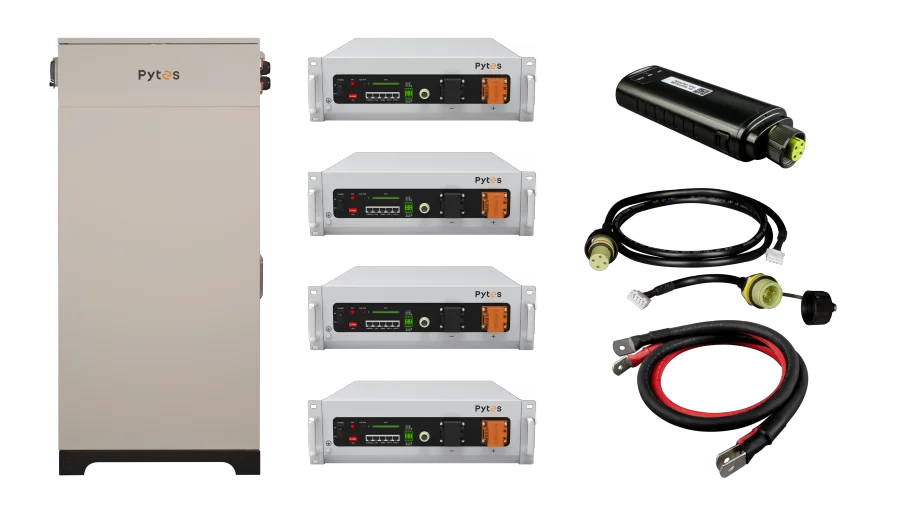
Pytes V5 48V 20.48kWh Outdoor Bundle with V-Box-OC Rack
20.48kWh of V5 storage, built to live outside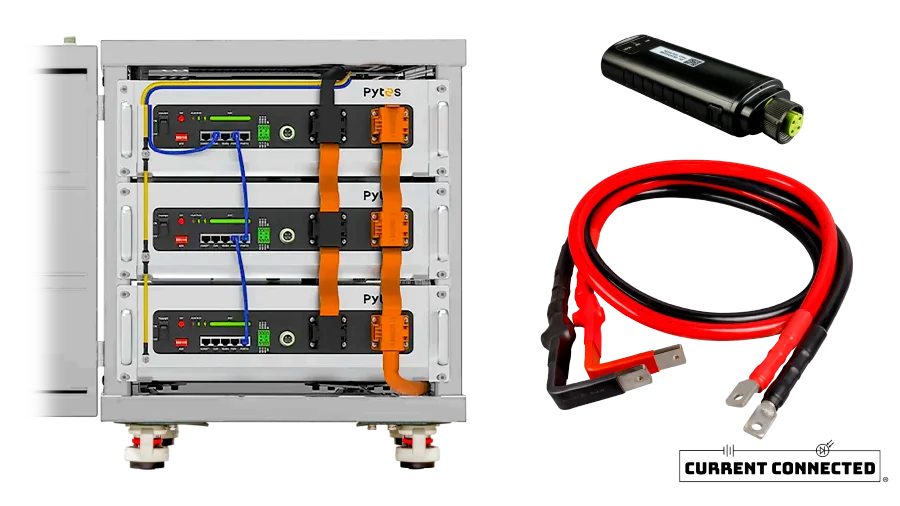
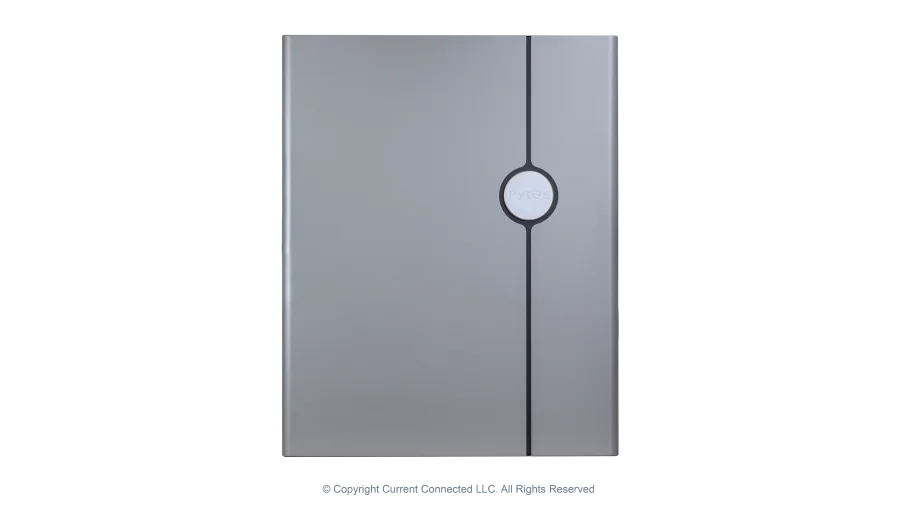
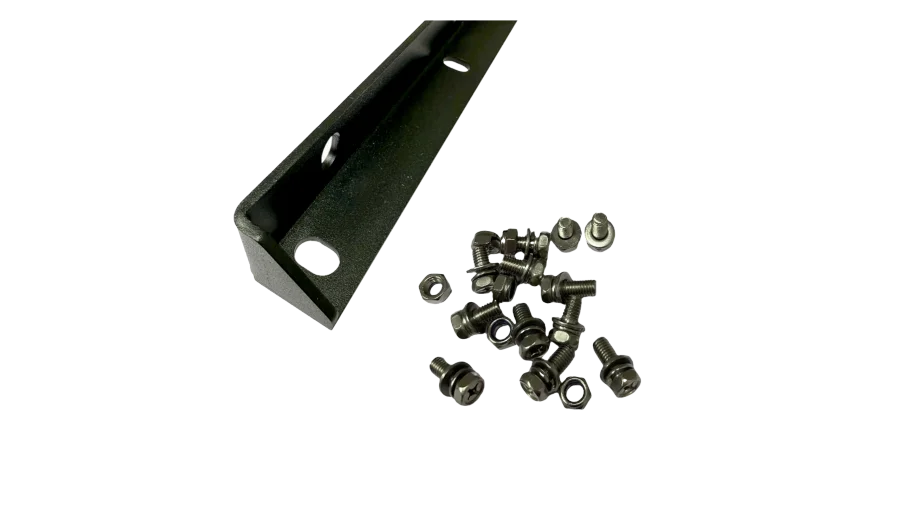
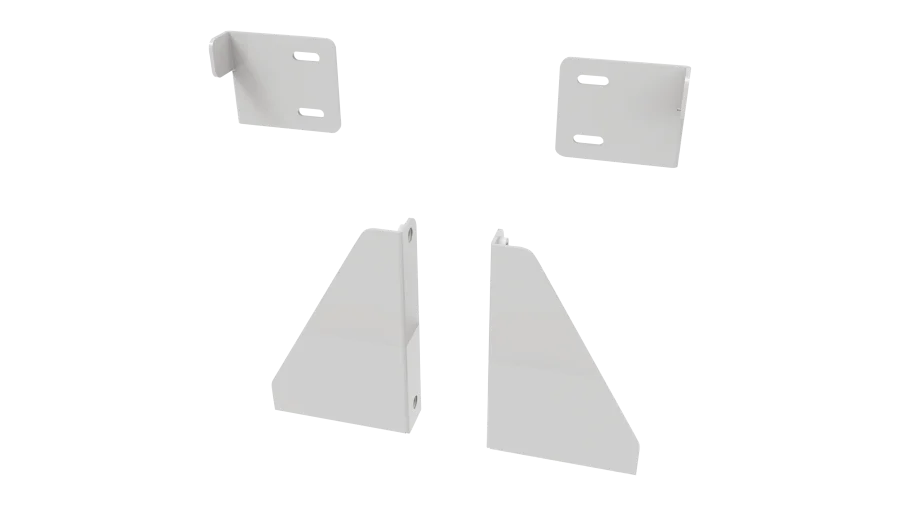
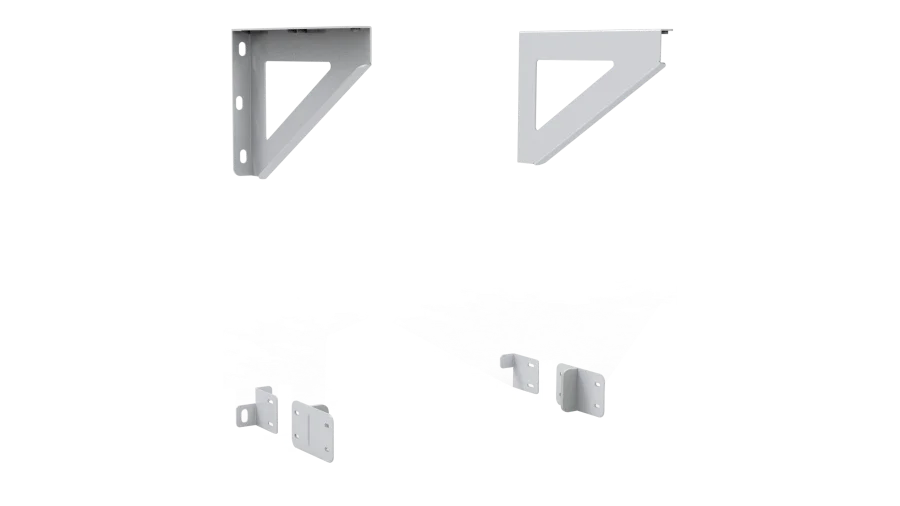
Pytes V5 48V 15.36kWh Indoor Bundle with V-Box-IC Rack
15.36kWh of V5 storage in a tidy indoor cabinet


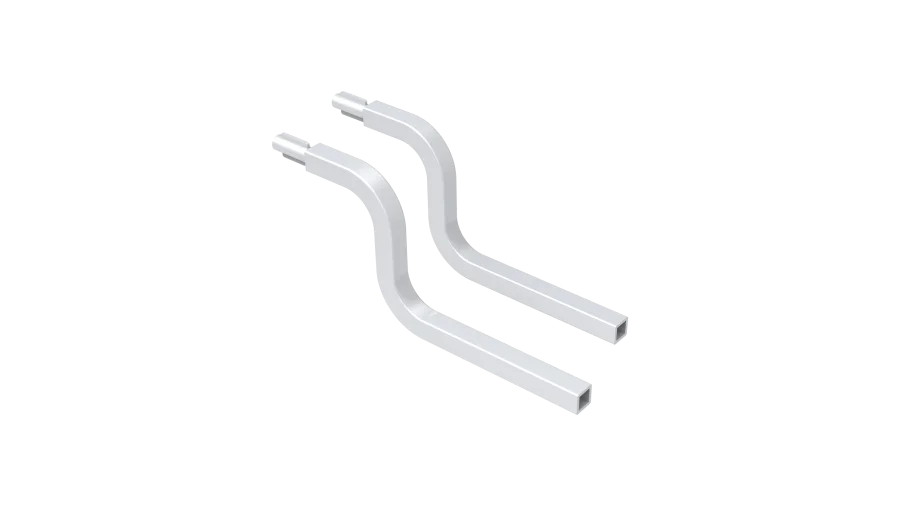
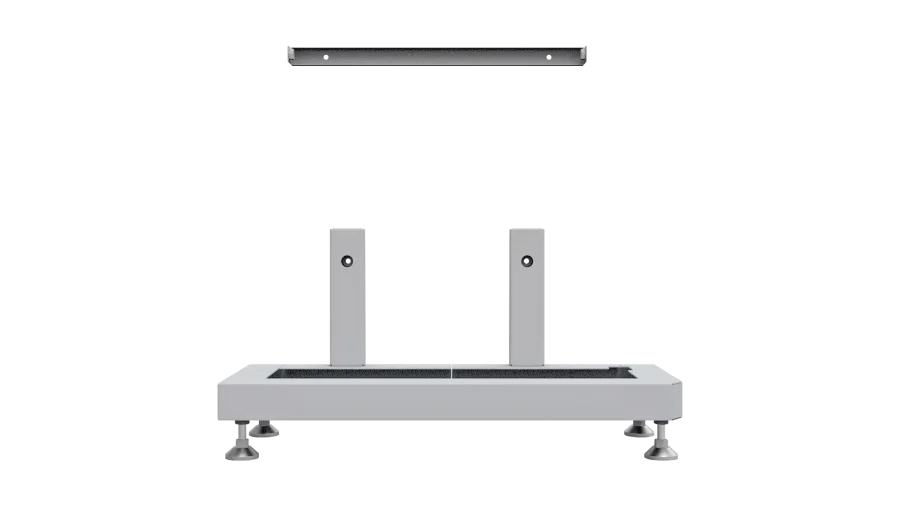
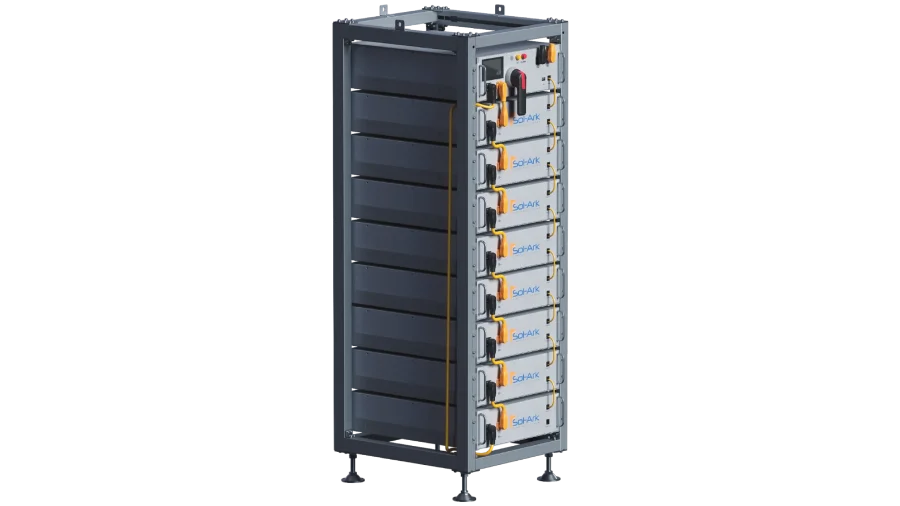
Sol-Ark L3 High Voltage LiFePO4 Batteries for High Voltage Inverters
Serious high-voltage storage for Sol-Ark's HV inverters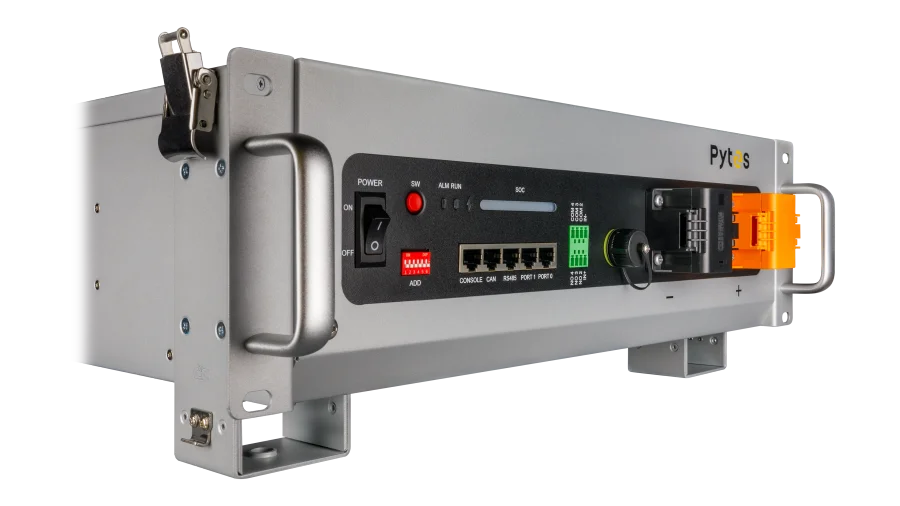
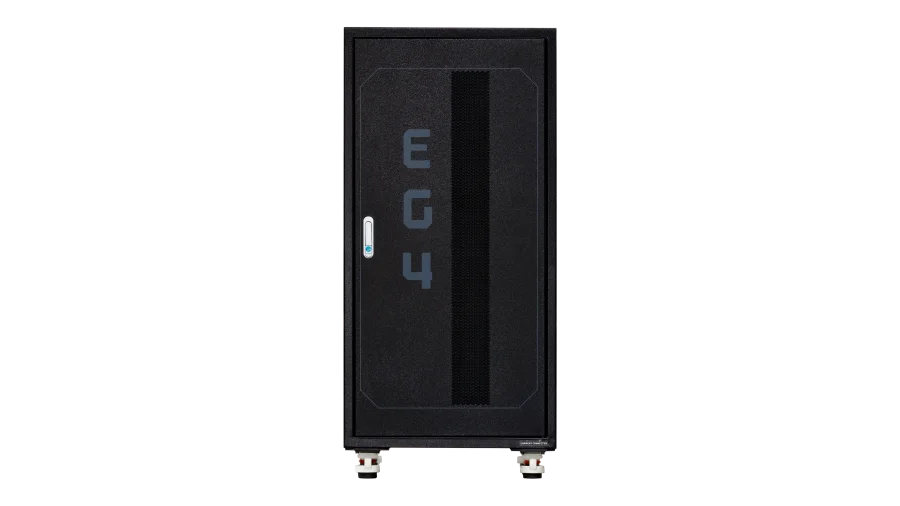
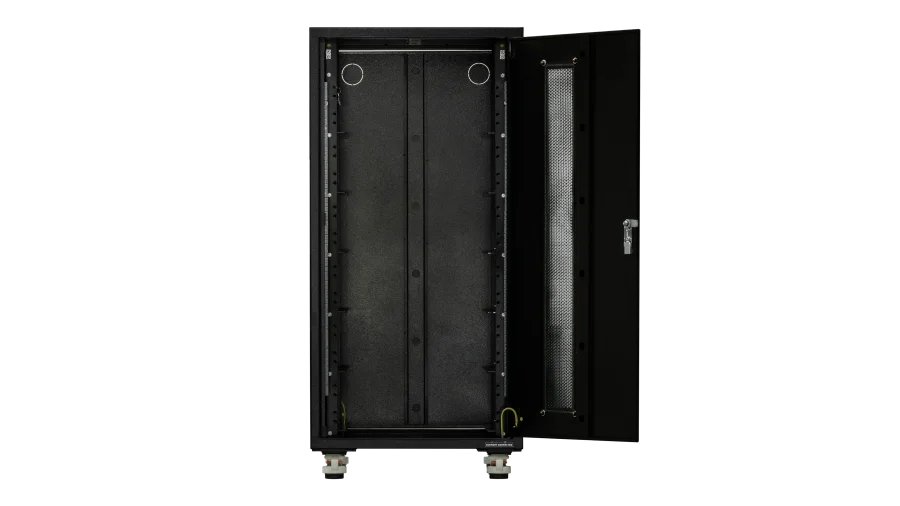
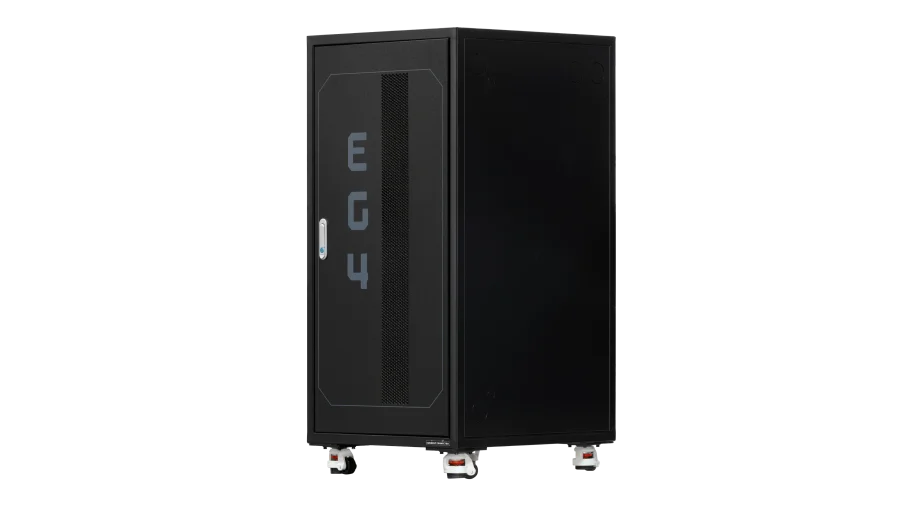
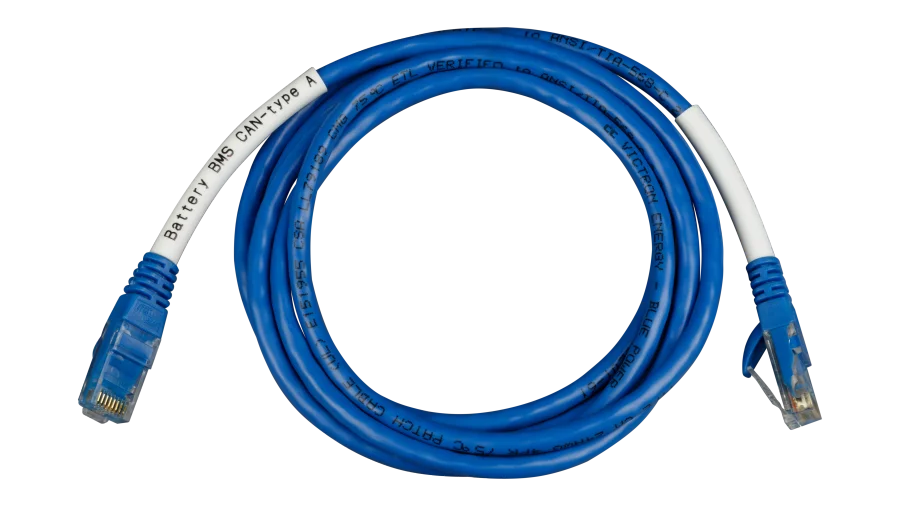
Victron Energy BMS-CAN Type-A Cable for Victron GX Device Communication with Lithium Batteries
Custom mapped cable for closed-loop Cerbo to battery communications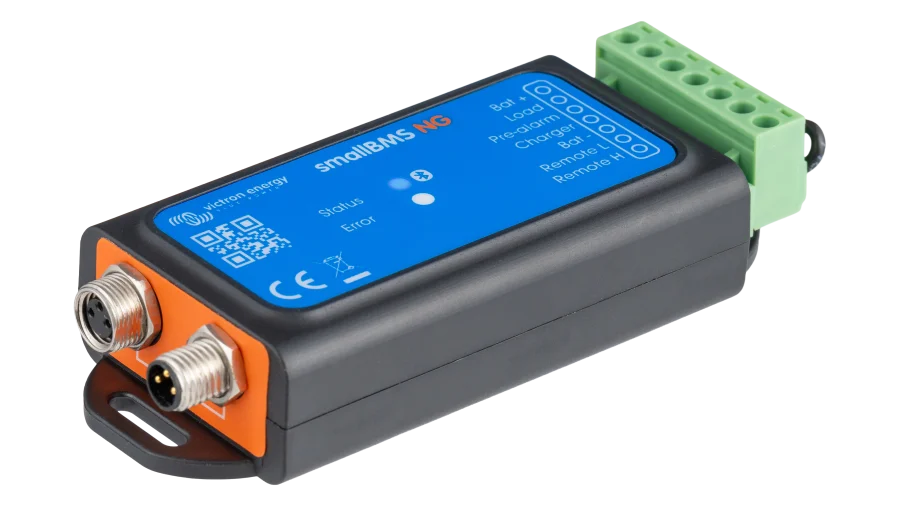
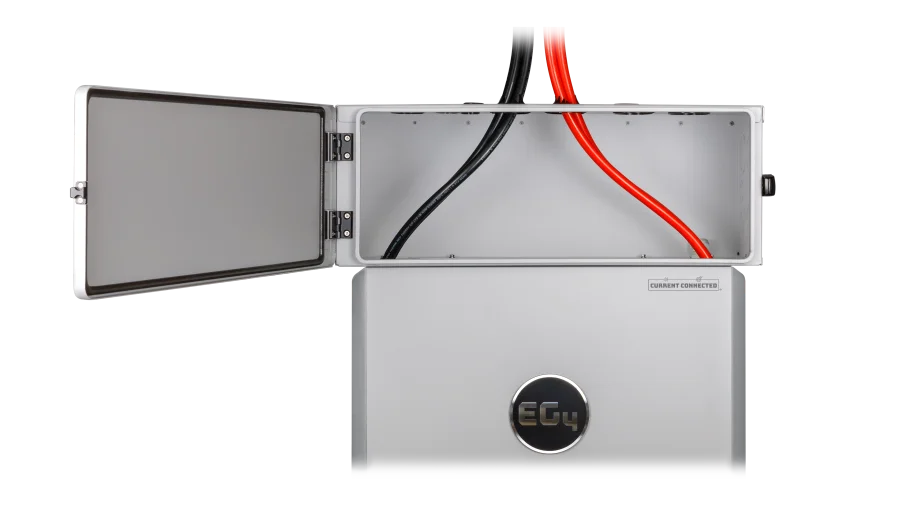
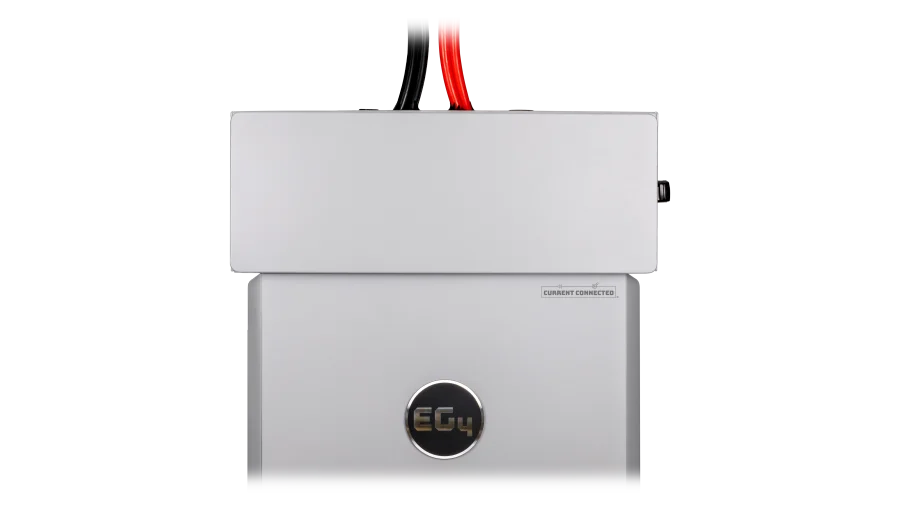
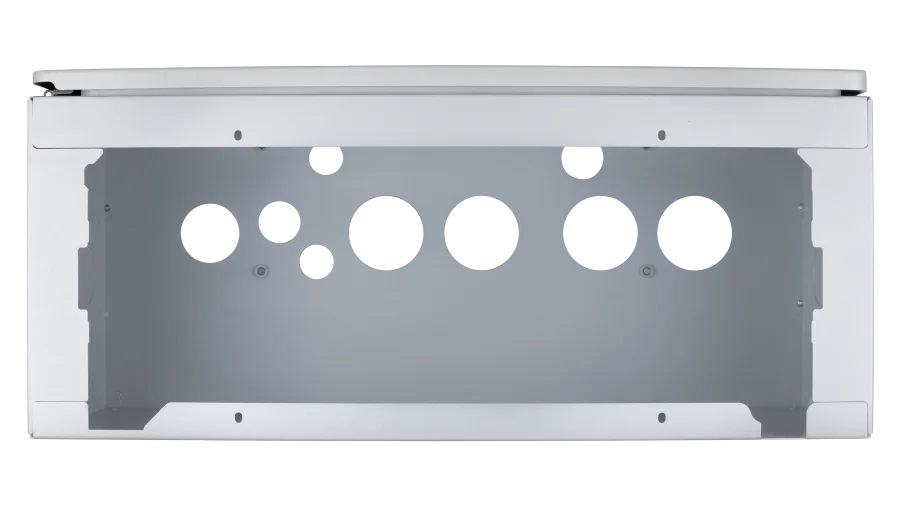
EG4 Electrical Conduit Box for EG4 48V WallMount Batteries and EG4 Inverters
Installs between WallMount batteries and inverters for optimal wire routing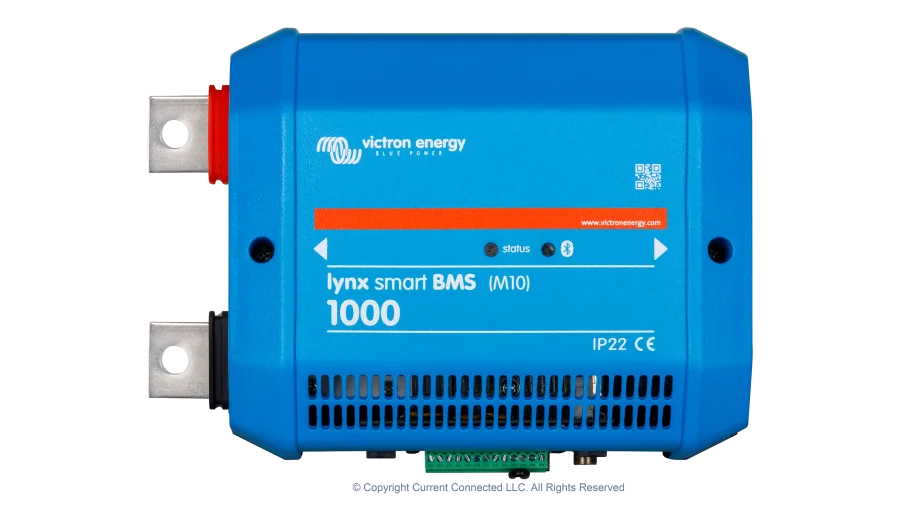
How to Choose a LiFePO4 Battery
1. Match Your Battery Voltage
Start with the Battery Voltage filter, because your battery has to match your inverter or charge controller. 12V batteries suit RVs, vans, boats, and small cabins. 24V works well for mid-size cabins and mobile systems. 48V is the standard for whole-home backup and residential solar, and HVDC (300V+) batteries pair with high-voltage commercial inverters. Wiring batteries in series or parallel changes your bank’s voltage or capacity, so plan the layout before you buy.
2. Pick a Form Factor
The Form Factor filter sorts batteries by how they install. 19" EIA server rack batteries slide into a standard rack and make it easy to grow a 48V bank one module at a time. Wall mount batteries save floor space in a garage or utility room. Group size batteries (Group 24, 27, 8D, and GC2) drop into the same trays as lead-acid batteries in RVs, boats, and golf carts, and standalone units sit on the floor as their own cabinet.
3. Size Your Capacity
Use the Capacity (Amp-Hours) filter to compare storage. Multiply amp-hours by voltage to get watt-hours: a 48V 100Ah server rack battery (51.2V nominal) stores about 5.12kWh, and a 12V 100Ah battery stores about 1.28kWh. Add up the loads you want to run and how many hours you need them, then leave some headroom. Our guide to how many batteries you need walks through the math, and your utility bill tells you how much energy you use each day.
4. Choose a Brand That Talks to Your Inverter
Use the Brand filter to stay compatible. Many of our batteries support closed-loop communication over CAN or RS485, so the battery’s BMS can tell the inverter exactly how to charge it. Check your inverter’s approved battery list before you buy, and pick up the matching communication cables.
5. Plan Racks, Cables, and Protection
Server rack batteries need a rack or cabinet, and you’ll find racks, cabinets, and mounting brackets right here. Every bank also needs properly sized cables, busbars, and overcurrent protection between the battery and the inverter, so shop DC fuses, breakers, and battery cables and add a battery monitor to track state of charge. Your battery and inverter manuals list the recommended cable and fuse sizes. If your battery ever reads 100% and then shuts down early, here’s why that happens.
LiFePO4 Battery FAQ
LiFePO4 batteries last thousands of cycles, can use most of their rated capacity without damage, weigh a fraction of a comparable lead-acid bank, and never need watering or equalizing. LiFePO4 is also one of the most thermally stable lithium chemistries.
Add up the watts of the loads you want to keep running, multiply by the hours you need them, and compare that to each battery’s capacity. For example, running 1,000W of essential loads for 10 hours takes about 10kWh, or about two 48V 100Ah server rack batteries. Our team is happy to answer product questions as you plan.
It’s best not to. Batteries in one bank should match in brand, model, capacity, and age so they share the load evenly and their BMSs can communicate. If you’re expanding an older bank, check with the manufacturer before pairing new modules with existing ones.
Not on their own. Charging LiFePO4 cells below freezing can damage them, so most BMSs block charging in the cold. If your batteries live in an unheated garage, shed, or RV, look for self-heating models that warm the cells before charging.
UL 1973 is the safety standard for the battery itself. UL 9540 covers a complete energy storage system, and UL 9540A is a fire propagation test. Many permitting offices ask for these listings on home installations, so check with your local authority before you buy.
If the BMS shut the battery off after a deep discharge, it usually needs a charger with a lithium wake-up mode or a short boost to come back. Here’s how to wake a sleeping LiFePO4 battery.