How Many Batteries Do I Need?
Simple calculations and in-depth details for calculating the battery bank size for your alternative energy system.
Why Should I Use Batteries in My Alternative Energy System?
Off-grid energy systems can function without batteries if you route harvested power directly to your main electrical box. Power from wind, solar, hydro, or a generator passes through an inverter or other device to convert it to usable power. As long as the sun shines, the wind blows, the water runs, or the gasoline turns the motor, you have continuous power. Whenever your power generation device lacks the needed fuel, your home experiences a blackout. This is why you need batteries.
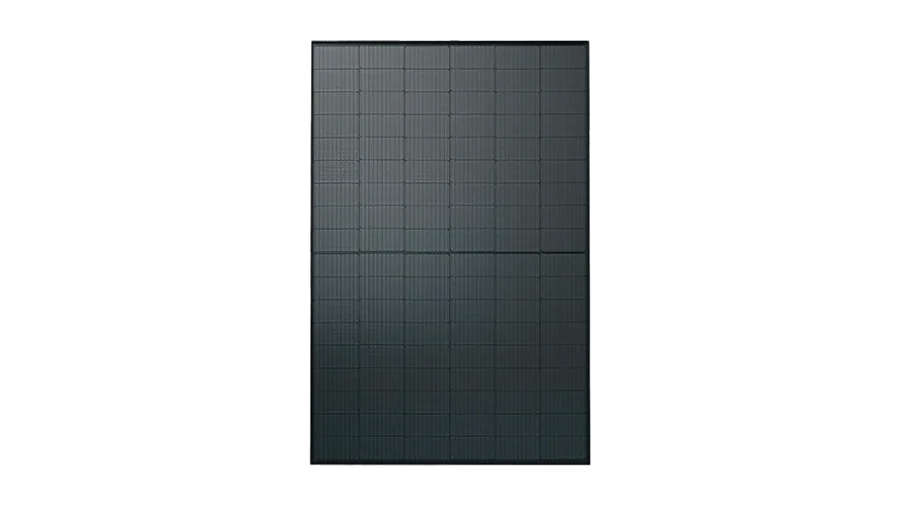
What about a home with solar panels and a grid connection? In this situation, power from solar panels passes through the necessary devices and into your electrical panel. From there, it powers your home loads or passes out into the electrical grid. When the sun doesn’t shine, your grid connection provides the power you need, and when the sun does shine, it reduces your electrical bills. But even homes connected to the electrical grid benefit from batteries.
If your power company charges different rates during different times of the day, batteries can store energy during the cheaper hours, and you can use that power during the more expensive hours. This method reduces costs and provides additional energy independence.
Even if you’re not concerned about TOU (Time of Use) rates, we always recommend batteries for grid-connected systems. Batteries make it possible to remain powered when the grid goes down. Grid-connected systems without batteries shut down when the grid is out to prevent hazardous conditions for linemen. But batteries and a proper system disconnect provide true energy independence.
How Many Batteries Do I Need?
This question sounds straightforward, but it’s actually the wrong question. Since batteries come in various sizes and capacities, the better question is, “How much battery storage do I need?”
Every home and every person differs in their power consumption, so this article provides a general battery sizing guide.
Once you decide how many kWh you’d like to store, you can consider your budget, your battery storage space, the battery’s physical size, the battery capacity, desired features, local climate, and if you’re building a mobile system or a stationary one. Manufacturers design batteries to meet these various needs. If you need help navigating the numerous options, feel free to contact us for customized assistance.
First: The Simple Calculation for Whole Home Systems
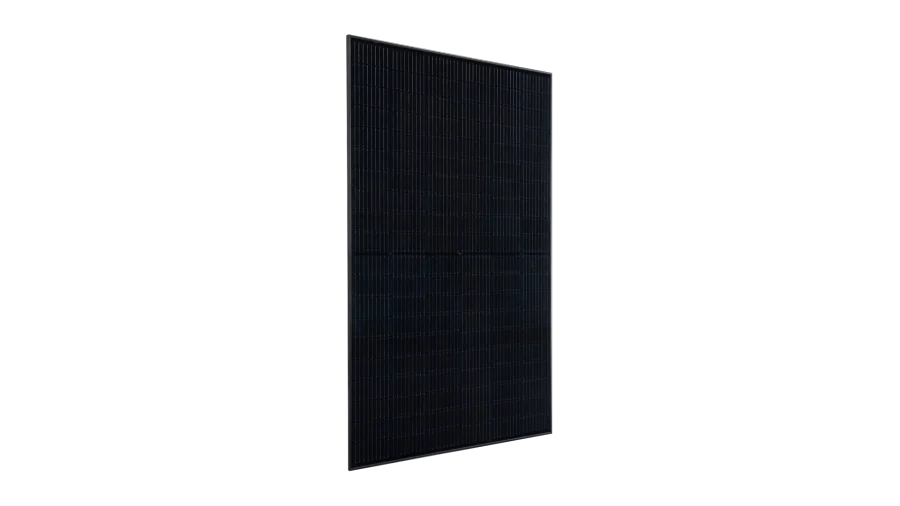
At this point, you’ve probably already determined your average daily power usage and how many solar panels you need. To roughly calculate your minimum needed battery storage, divide your average daily power usage in half and add 5kWh. This usually meets your daily needs most of the year, and you can always add an additional battery or two if you realize you need more backup. We’ll address more specific calculations later in this article.
People generally cite 30kWh as the average daily power consumption of US homes, so we’ve chosen that as our estimated usage in our Hayden, ID office. With this expected consumption, we would use a 20kWh battery bank.
Battery bank size = Average daily power ÷ 2 + 5kWh
30kWh ÷ 2 + 5kWh = 20kWh
During the day, solar power simultaneously powers the office and charges the batteries, so we only need battery power at night while we can’t use solar power.
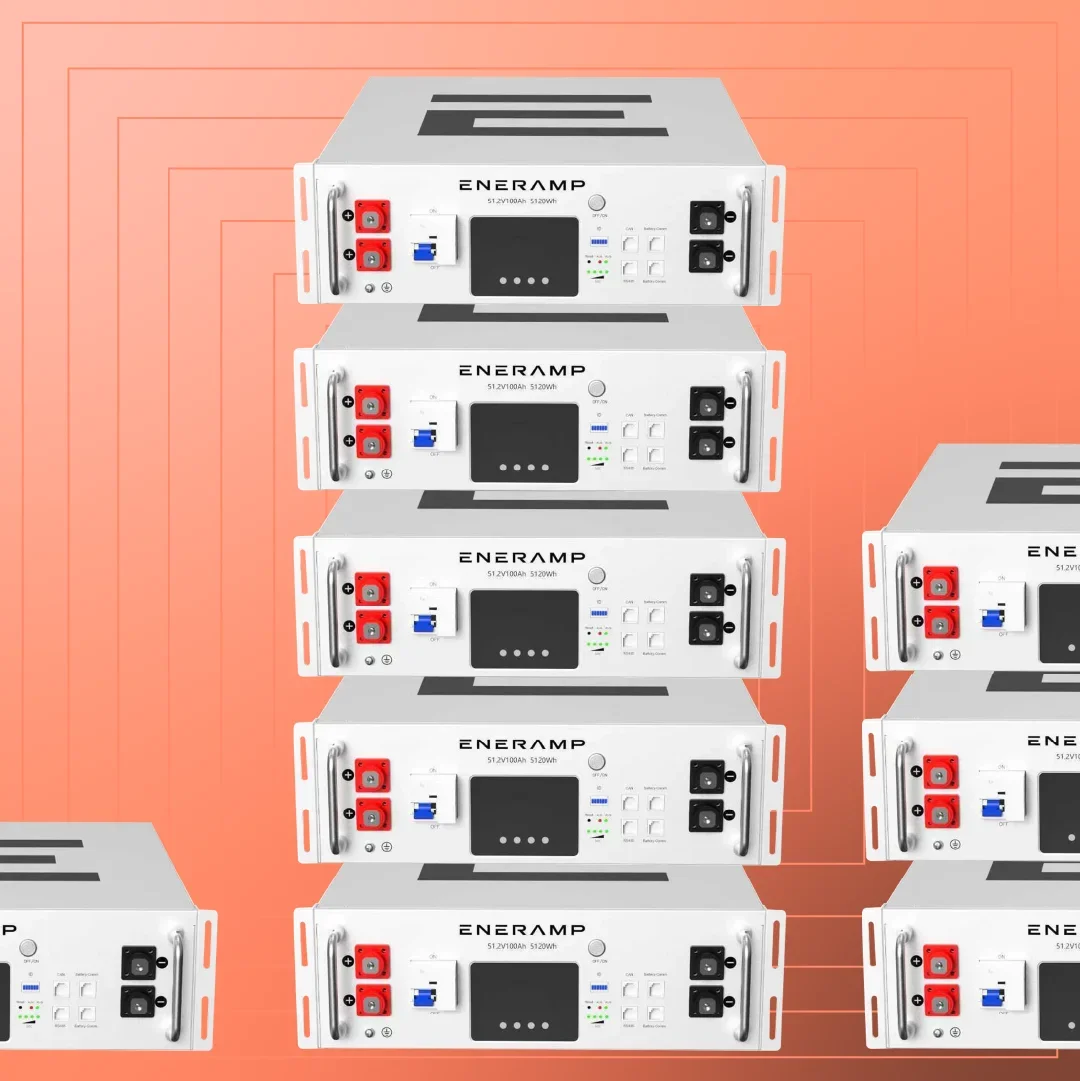
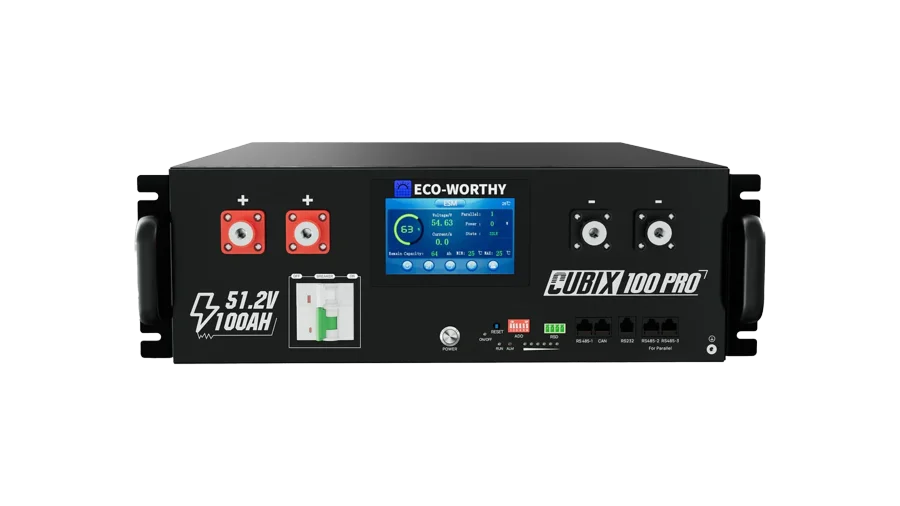
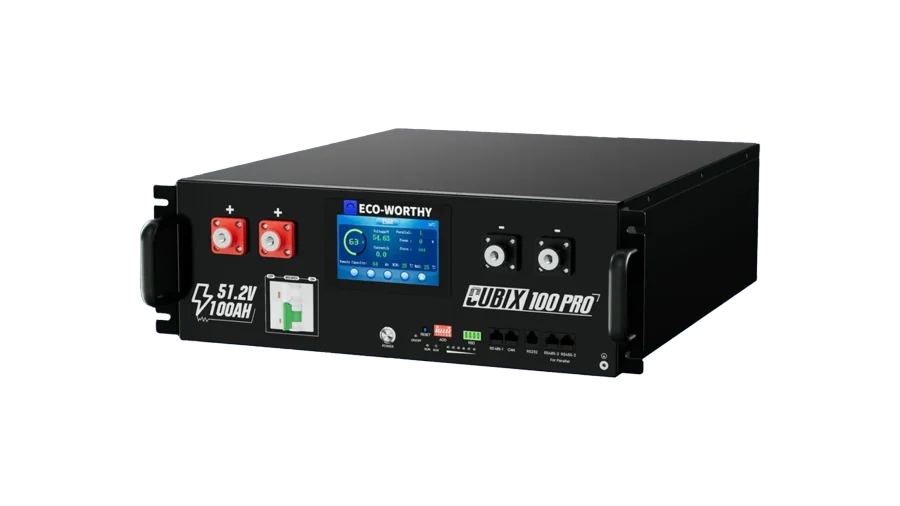
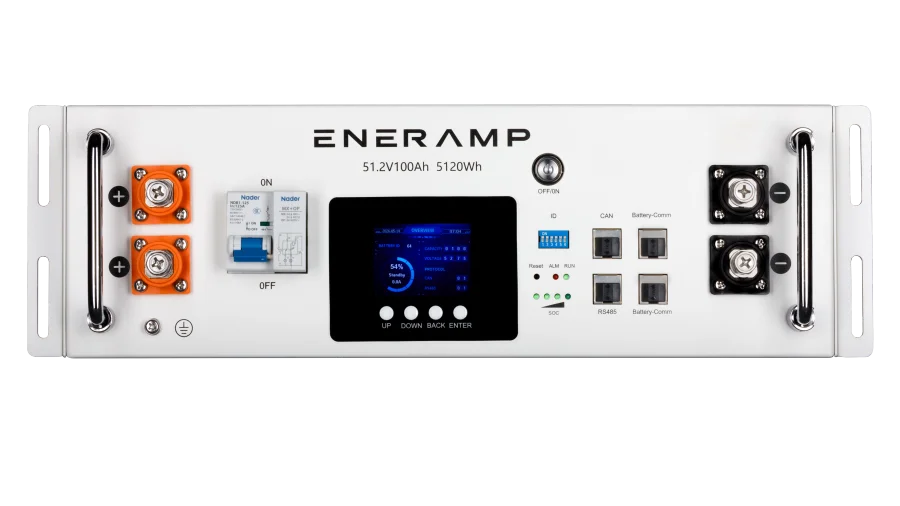
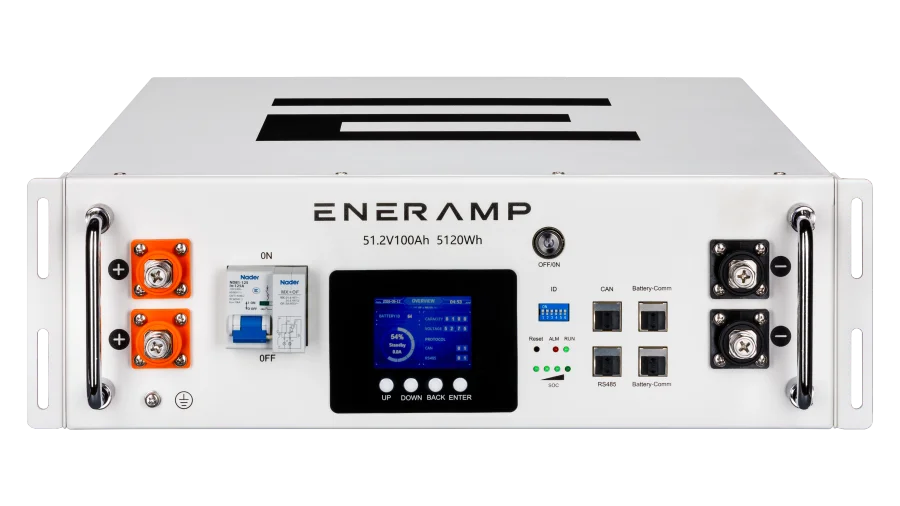
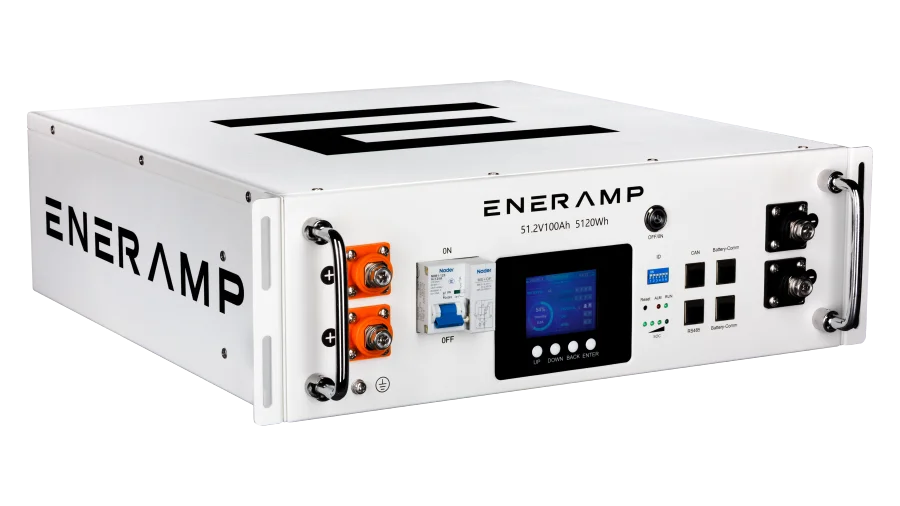
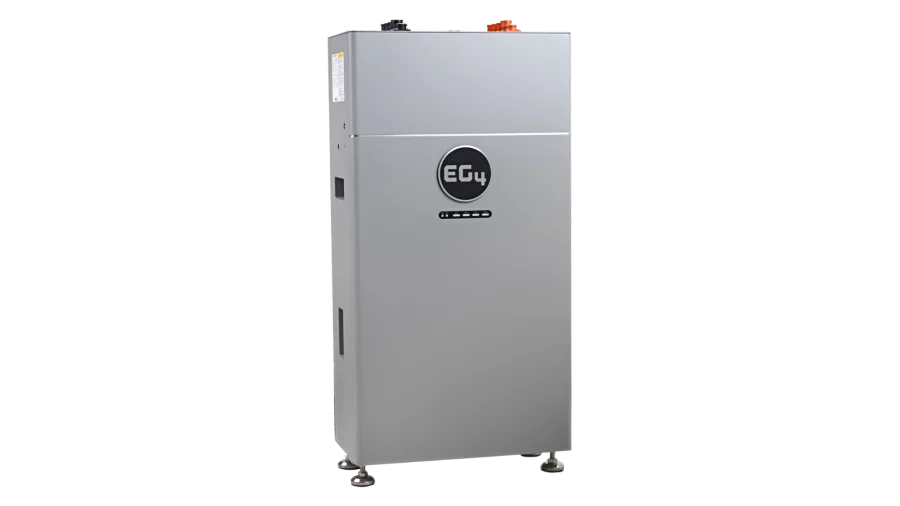
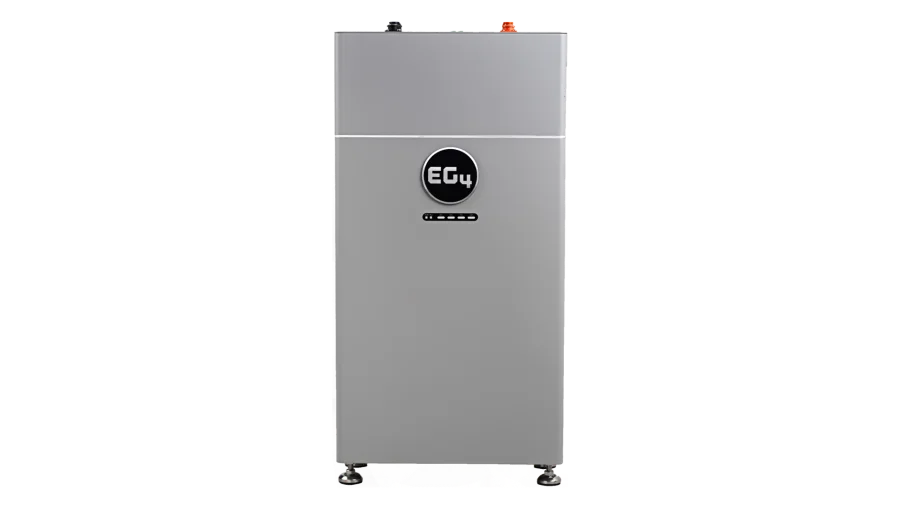
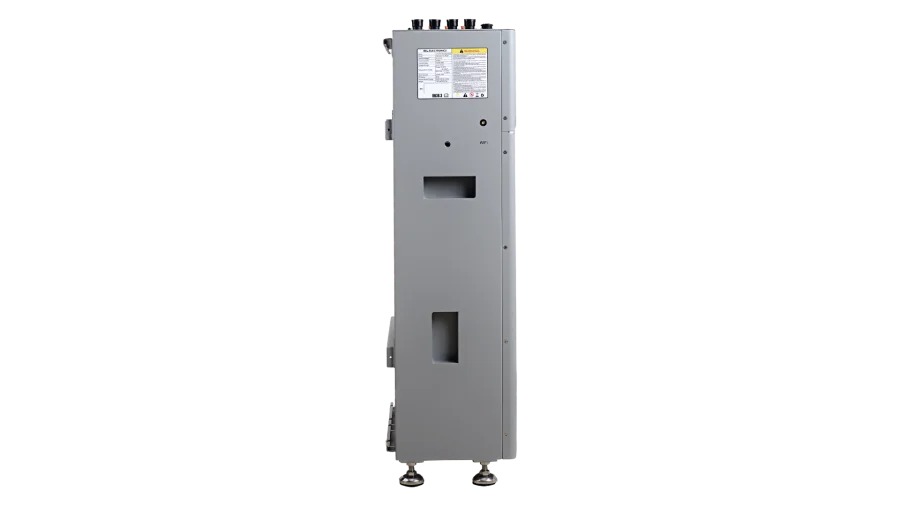
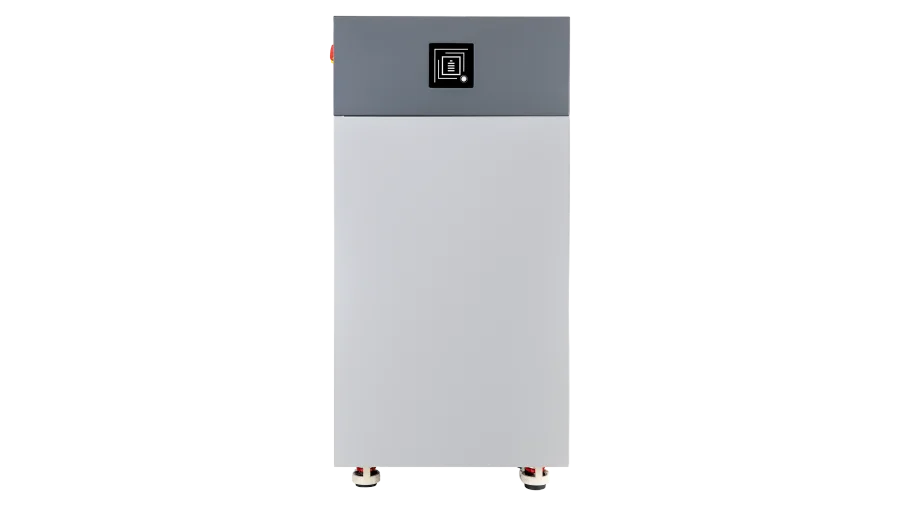
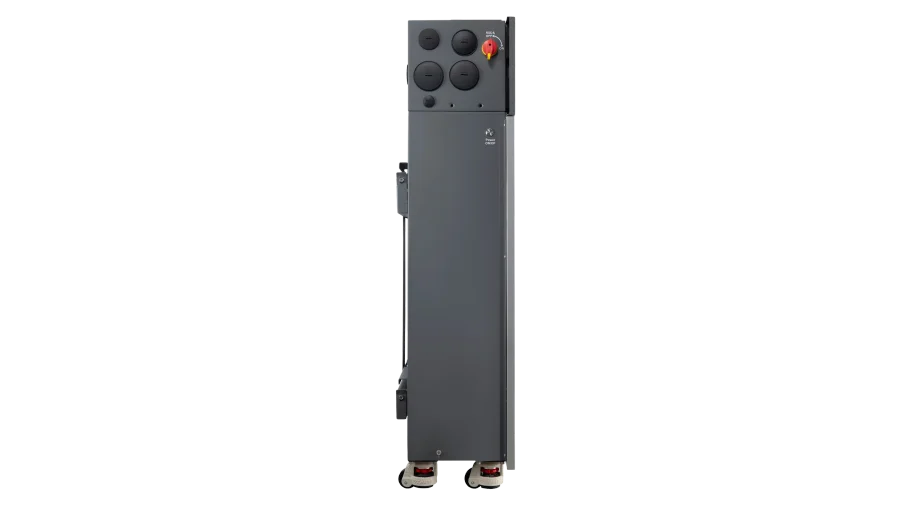
To achieve 20kWh of battery storage, we could use four 5.12kWh server rack batteries or one 16kWh wall-mounted battery. Since the wall-mounted battery almost reaches our target, we could survive with the one battery and a small generator, or we could invest in a second battery.
A 40-50kWh system could use two 16kWh wall-mounted batteries.
The Simple Calculation for Critical Loads
If you’re connected to the power grid, you may only need battery storage for a few critical loads. This could be a refrigerator, a heater, or an A/C unit. In this case, you just need to calculate your critical load power consumption and provide backup for those items.
In our experience, you can run a refrigerator for a full day with about 5kWh of energy storage. To run an A/C unit and a fridge, we recommend 15kWh of storage. Your exact usage may be higher or lower depending on your appliances.

Shop Batteries Now
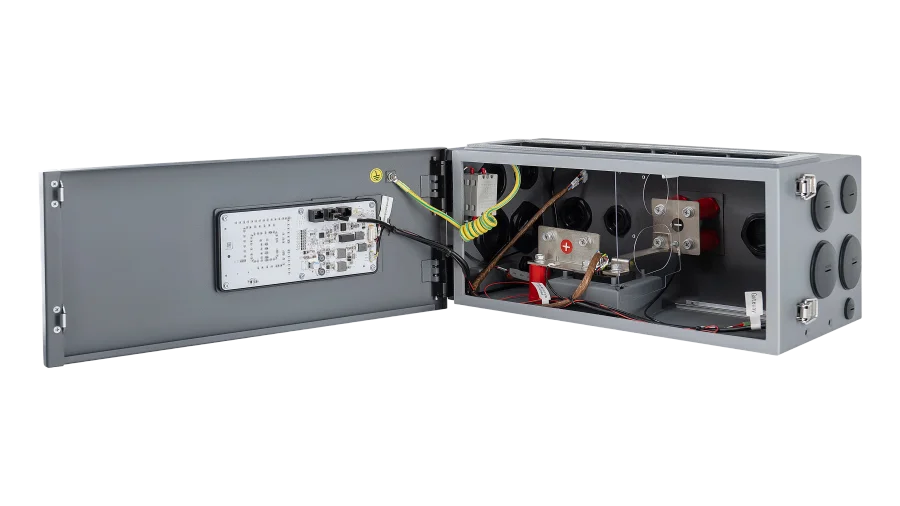
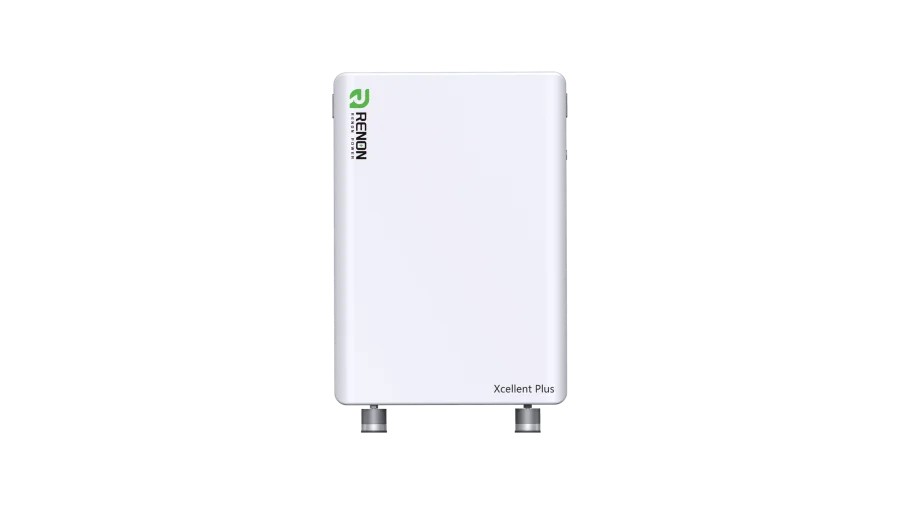
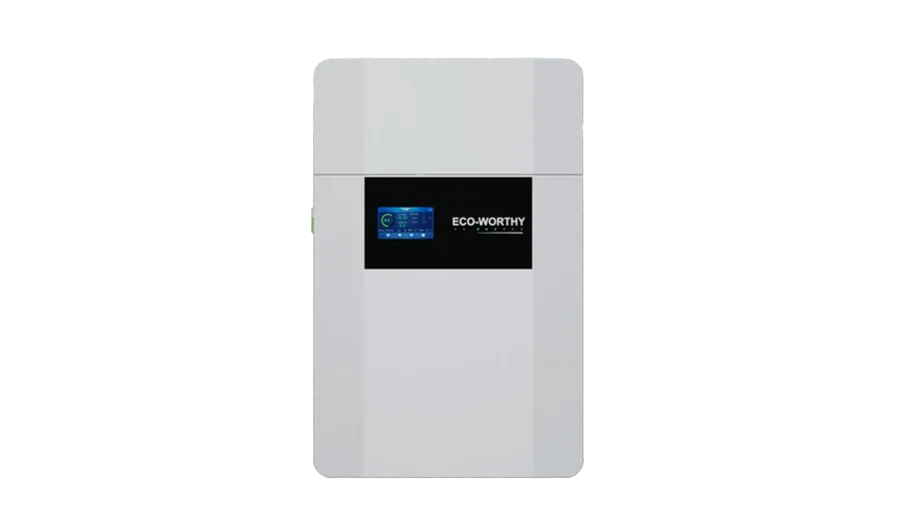
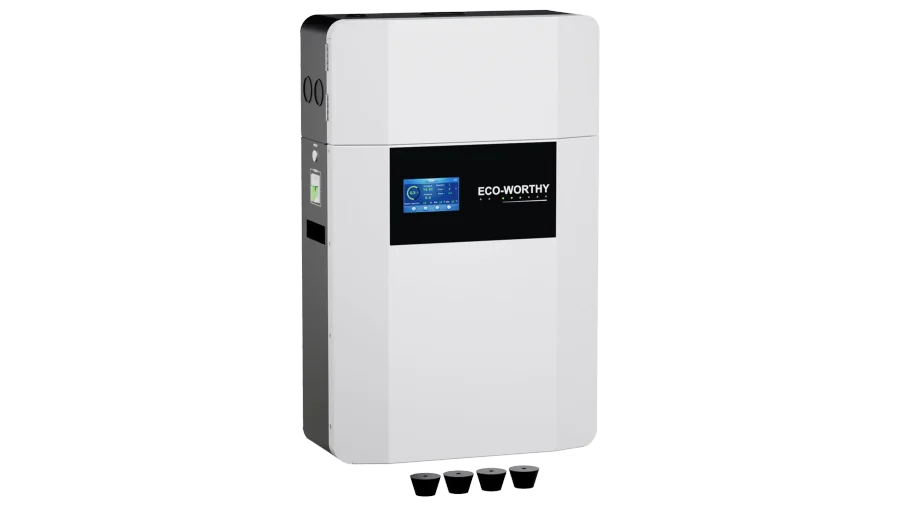
Alternatively: Detailed Considerations for Whole Home Energy Storage
The rough estimate explained above provides a starting point for an alternative energy system, and you can always enlarge your battery bank if needed. This approximation includes the following items, and we’ll break these down in the rest of this article.
- What do you want to power?
- How long do you want power?
- Battery DOD (Depth of Discharge)
- Battery discharge rate
- Additional storage buffer
What Do You Want to Power?
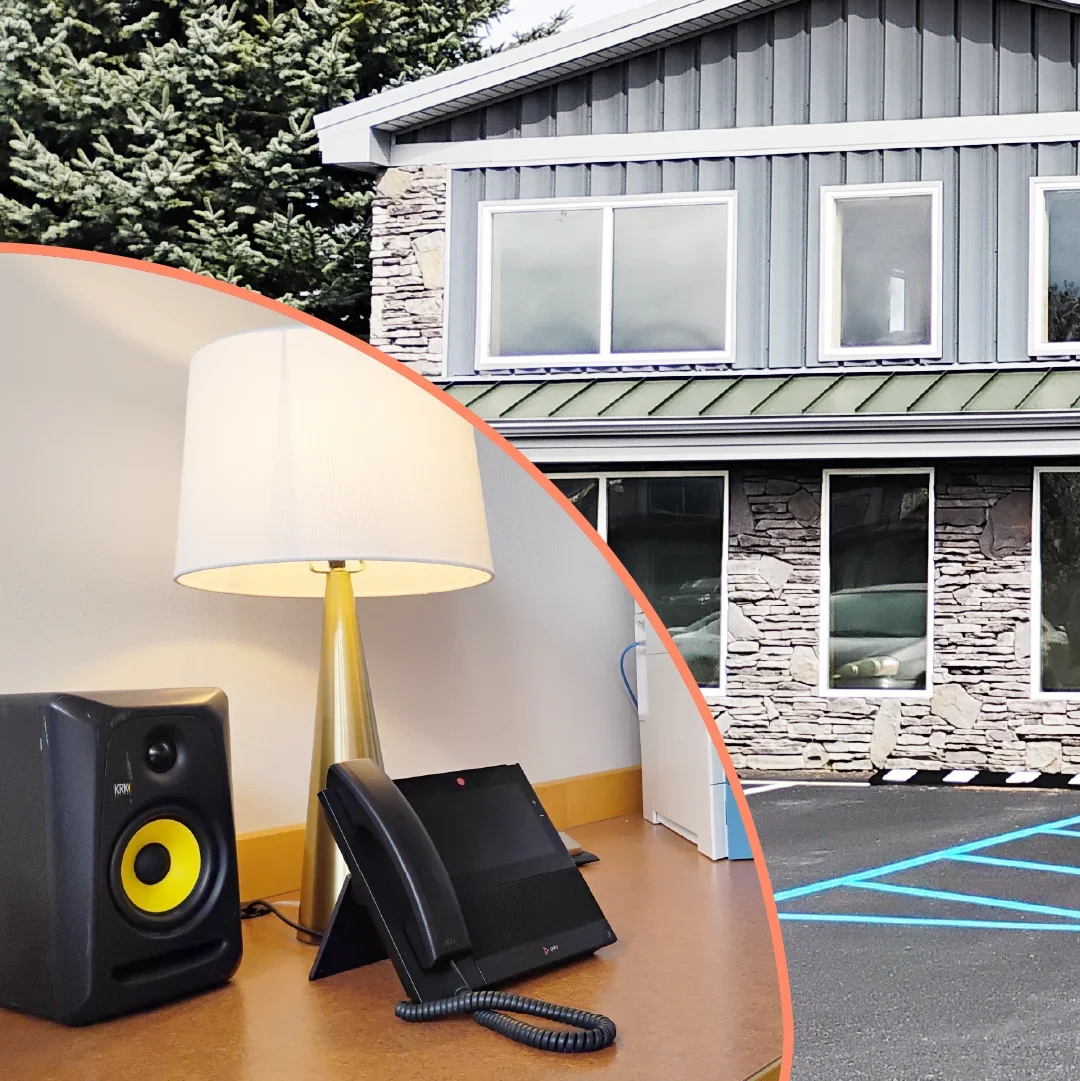
Batteries can power an entire home or only critical loads. Once you know which appliances you want to power, you can calculate how much power they use. We’ve covered this extensively in a previous article.
How many watts do my appliances use?
Divide your appliances into nighttime and daytime appliances with daytime starting at 6AM and nighttime starting at 6PM. While daylight hours change throughout the year, this number gives you a starting point. Since the solar panels produce power when the sun is up, you only need battery power for your night appliances.
“Solar panels produce power when the sun is up,” oversimplifies solar irradiance. Solar irradiance determines how many peak sun hours exist in a given location at a given time and relates to cloud cover, solar storms, sun angle, and other topics outside the scope of this article.
How Long Do You Want Power?
Some people need power backup for multiple days of stormy weather, and others only need backup for a couple hours during an outage.
After you’ve decided which things you’d like to power, you can multiply their total power consumption by the number of hours you want power.
For example, if you’re powering an A/C unit (.64kW), a refrigerator (.15kW), a washing machine (1.3kW), a vacuum (0.8kW), and a microwave (1.2kW), this is a total of 4.09kW continuous power. Of course, you won’t use the microwave for more than a couple minutes, but for this example, we’ll assume you run all of these items continuously. If you run these items for 5 hours, you will need 20.45kWh of battery storage.
Battery bank size = Power used x hours
4.09kW x 5 hours = 20.45kWh

If you’re powering a whole home for multiple days, you won’t need an additional full day’s backup for every cloudy day. Solar panels still produce some power during inclement weather, so you could purchase additional panels or a generator to refill your batteries. If you’d like additional batteries instead, you can start with 5-15kWh and add more power if needed.
How DOD (Depth of Discharge) Affects Battery Bank Size
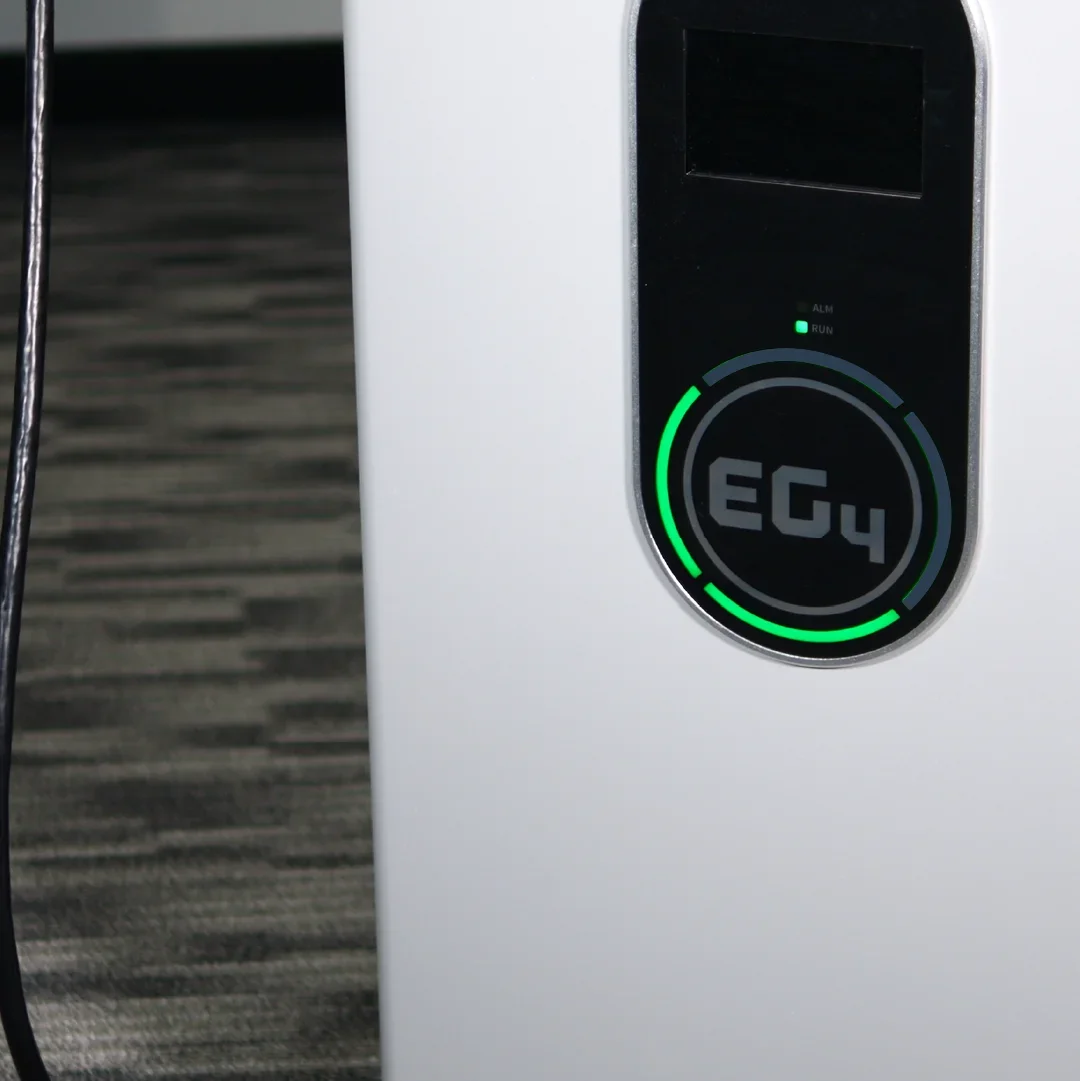
Manufacturers design LiFePO4 batteries to last for a certain number of charge/discharge cycles, usually based on an 80% DOD (Depth of Discharge). This means the batteries last the longest if you only discharge 80% of their total capacity. If you follow these recommendations, the battery will maintain most of its capacity for 15-25 years.
If you want to maximize the battery life, calculate how many batteries you need when discharging them down to 20%.
Needed kWh = Target power ÷ DOD specification
Needed kWh = 20kWh ÷ 0.8 = 25kWh
So, here in the Hayden office, we’d need 25kWh of battery storage to discharge the batteries down to 20% and still have 20kWh of usable power every day.
Battery Discharge Rate
The battery discharge rate limits how much power a battery can supply at once. One 48V battery with a 100A continuous discharge rate provides up to 5.12kW continuous output (51.2V x 100A = 5,120W = 5.12kW).
If your powered appliances surpass the battery discharge rate, your single battery will shut down the entire system. This means that if you want to run many high powered items at once, you will need batteries with a higher discharge rate.
You can alternatively combine multiple smaller batteries in parallel. When paralleled, you can multiply the battery discharge specification by the number of batteries to get the continuous discharge rate of the entire battery bank. Four of the 48V batteries mentioned above provide a total output of 400A continuous power when wired in parallel. This gives a total of 20.48kW continuously (51.2V x 400A = 20,480W = 20.480kW).
Add Some Buffer Power
You probably calculated your expected power consumption based on an average number. This means that sometimes, you will use more or less than that number. If your battery bank only holds enough power for your average power consumption, you will run out of power on higher need days. One or two extra batteries can provide the needed power.
It’s best to maintain consistency between all batteries in a battery bank. So, if you’ve purchased two 48V 314Ah batteries for a total of 32kWh, you should not combine that with two 48V 100Ah batteries for a total of 42.24kWh. Instead, you should add one matching battery for a total of 48kWh.
While it is possible to have different batteries in the same battery bank, it can cause errors, alarms, or other issues as the different batteries may discharge at different rates. If you want to use different battery models, it’s best to put them in separate battery banks which feed power to a busbar or another central distribution point.
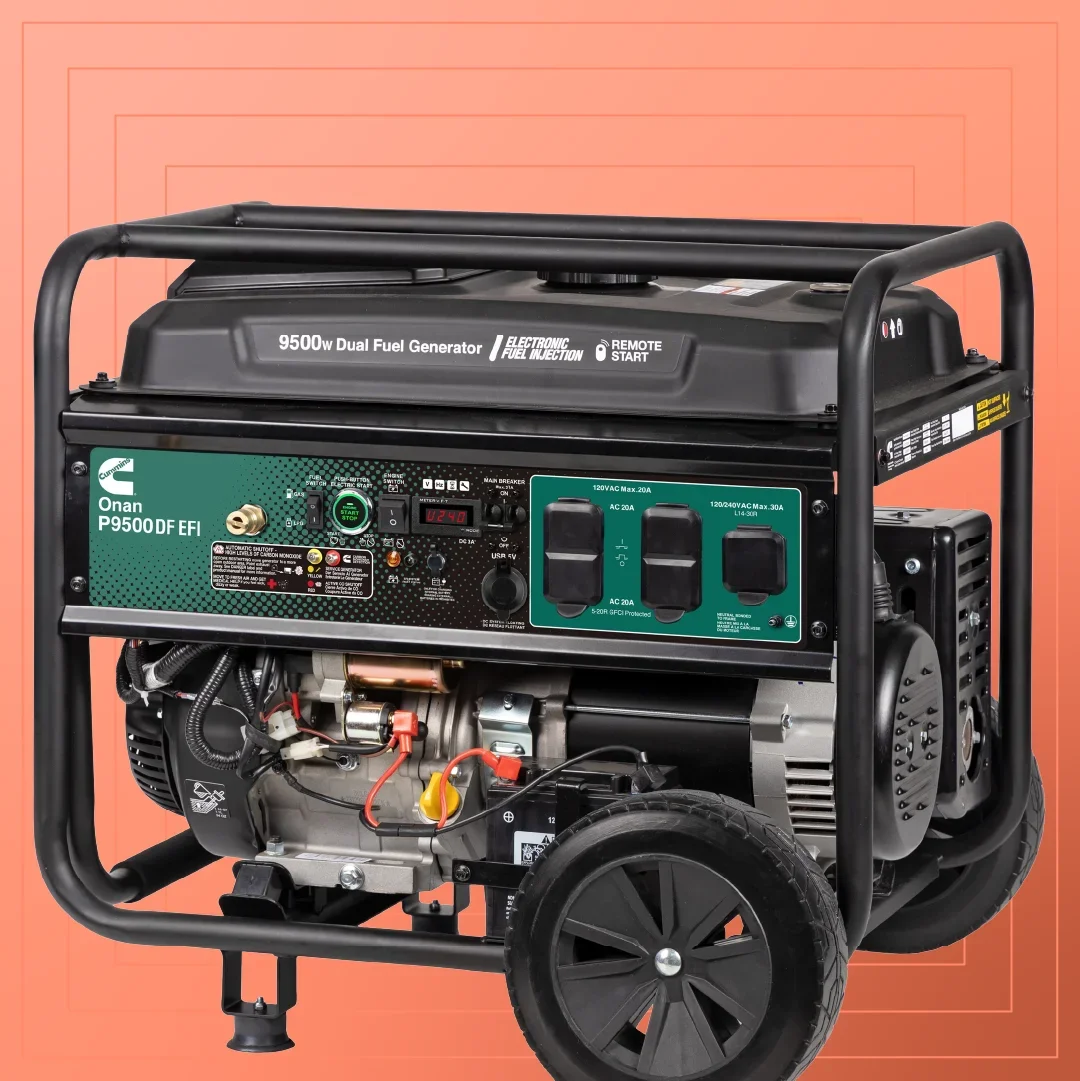
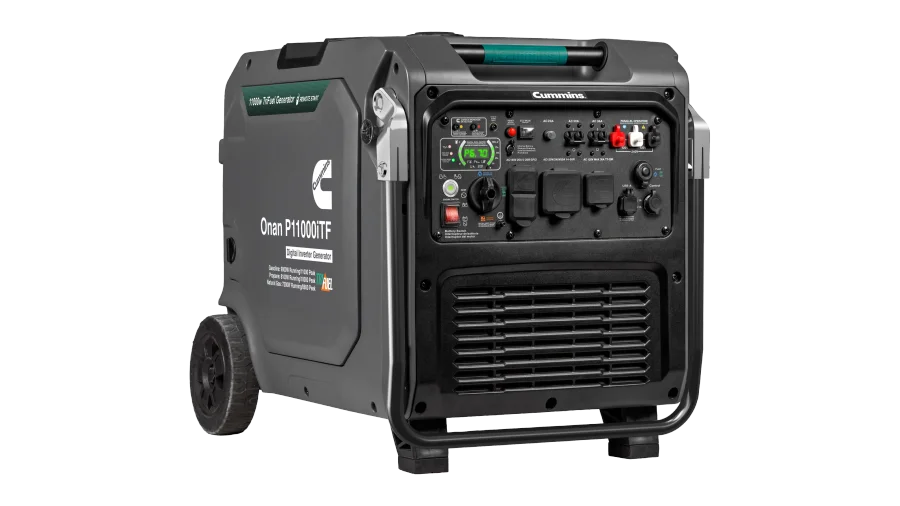
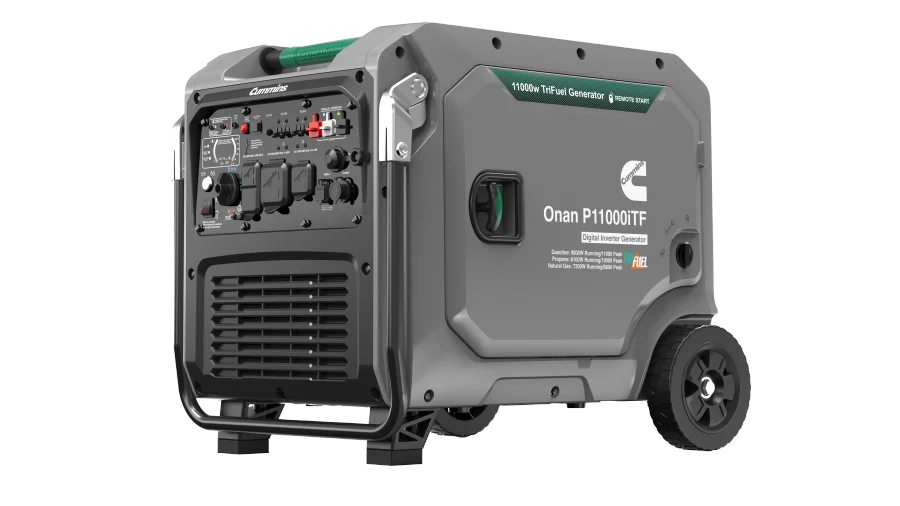
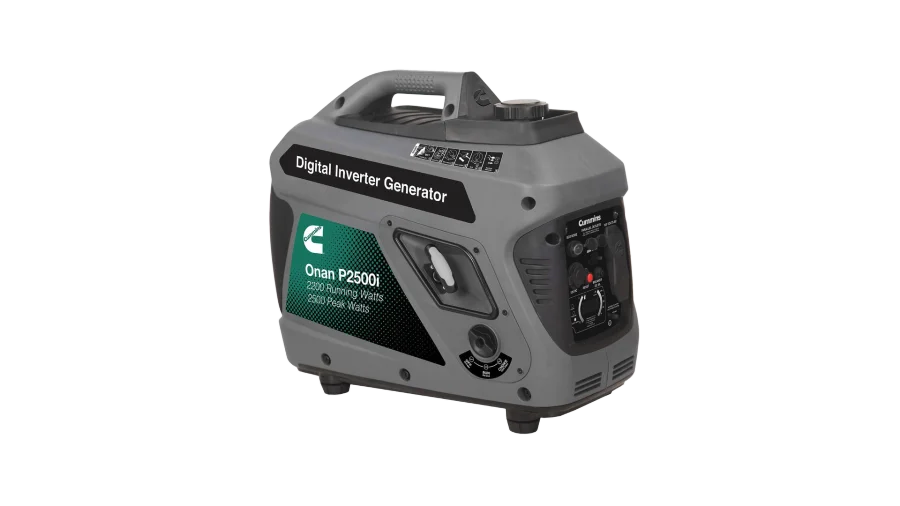
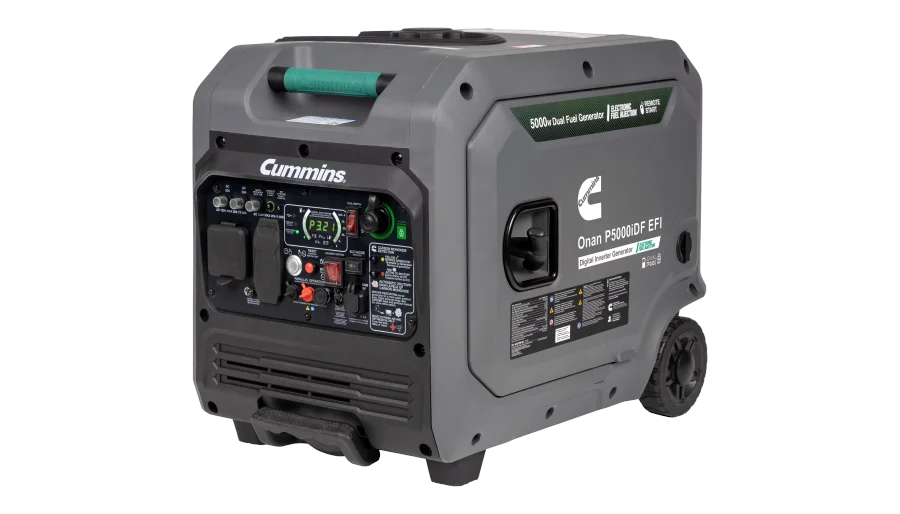
If you don’t have space for additional batteries or you have a limited budget, you can also use a generator as a buffer. Depending on your system components, a generator can connect directly to an inverter, to a busbar, or to a battery charger. This provides an additional power source that can flow directly into your main electrical panel or into your batteries.
It’s also possible to skip the power buffer if you continuously monitor your power consumption and are willing to forgo some comforts to conserve energy. For example, if the weather predicts an incoming storm, you can intentionally use less power so you have additional power stores when the bad weather hits.
Conclusion
It’s important to include batteries in your alternative energy system. They provide consistent power throughout the day and during emergencies. How many batteries you choose depends on your power consumption, how long you want to power your items, battery specifications, installation space, your budget, and other factors.
To roughly size your battery bank, you can divide your expected daily power consumption in half and add 5-10kWh. If you’re only powering critical loads, you can expect to use 5-15kWh per day.
For more detailed help sizing your battery bank, call us anytime. Our friendly and knowledgeable support staff looks forward to helping you.