
RV, Van & Marine Power Systems
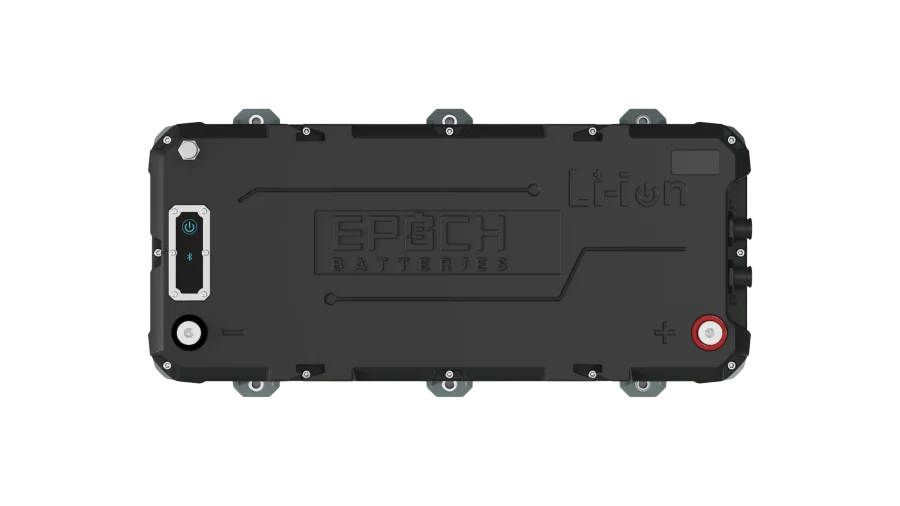
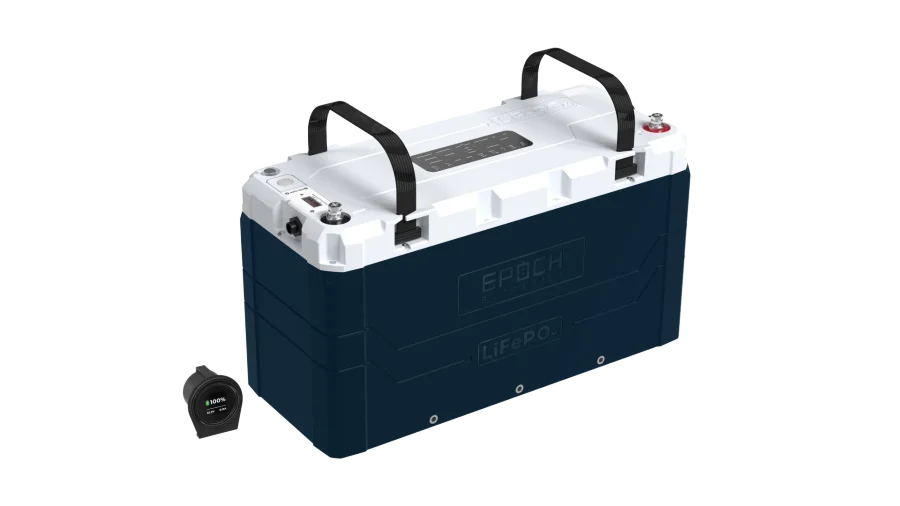
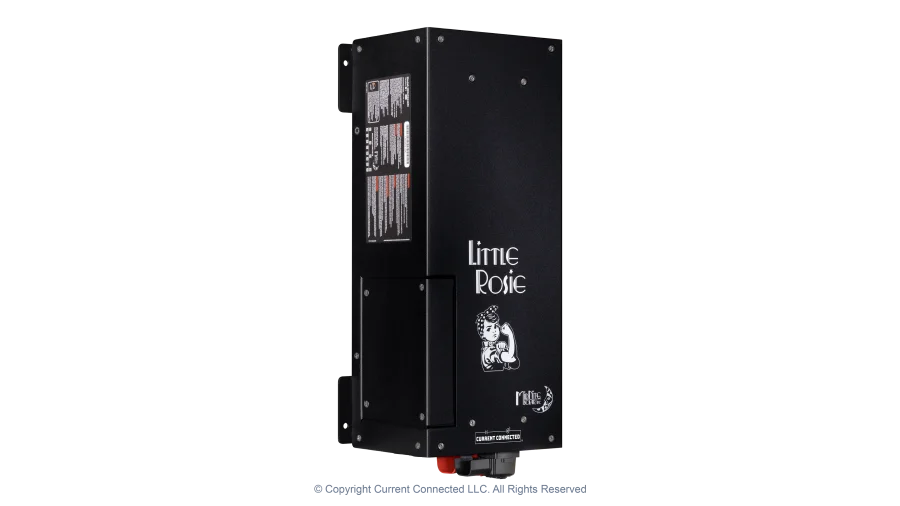
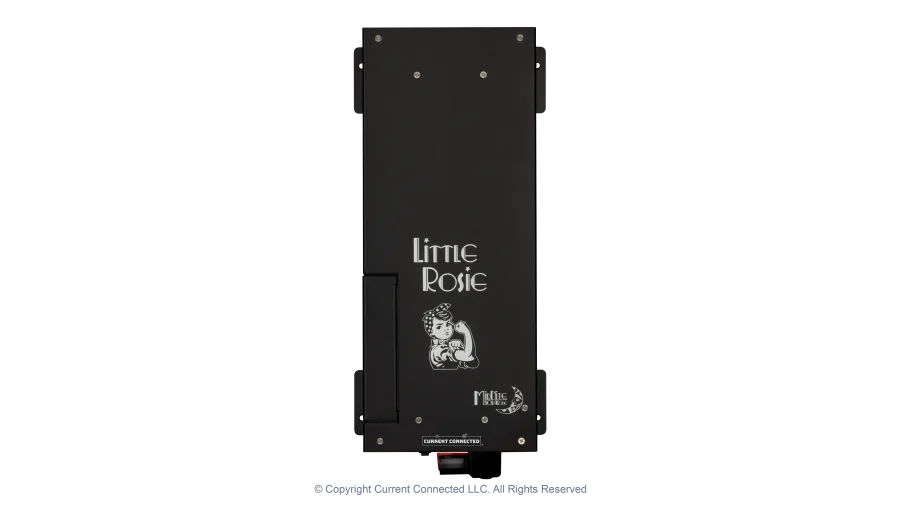
Power for systems that move: Victron inverter-chargers and DC-DC chargers, 12V lithium from Epoch and BigBattery, the MidNite Little Rosie mobile inverter, portable generators, solar panels, and shore power inlets and outlets. Upgrading an RV, outfitting a van, or wiring a boat, it’s all here.
Planning your system? Contact our support team and we’ll help you size it.
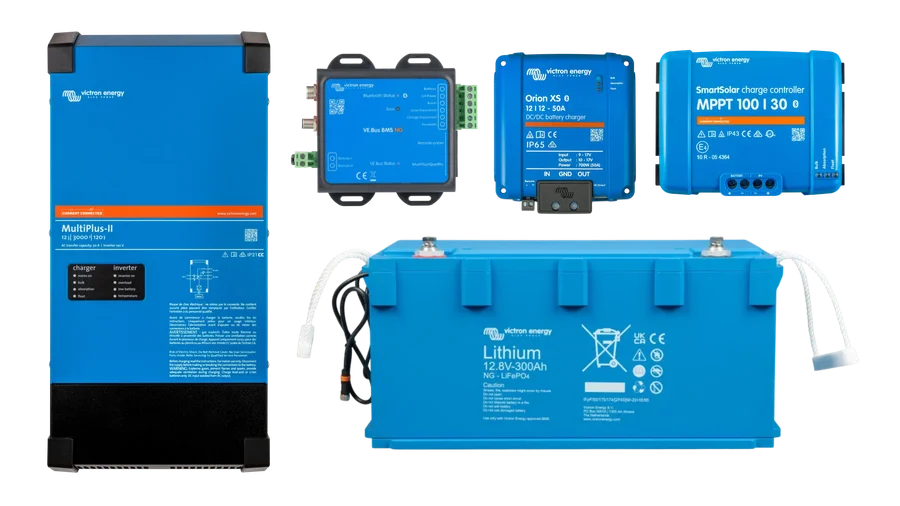
All-Victron Super Blue Bundle with Inverter, DC-DC Converter, Batteries, and More
An all-blue Victron power system for your RV or tiny home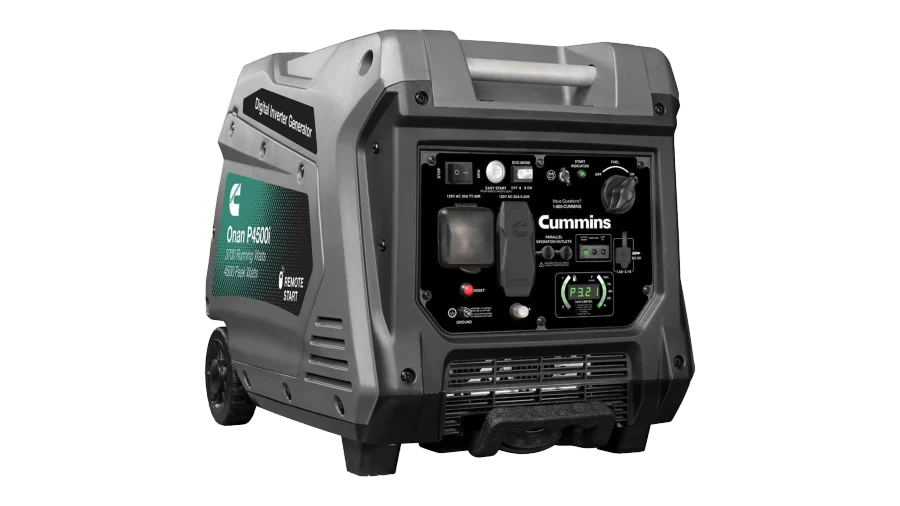
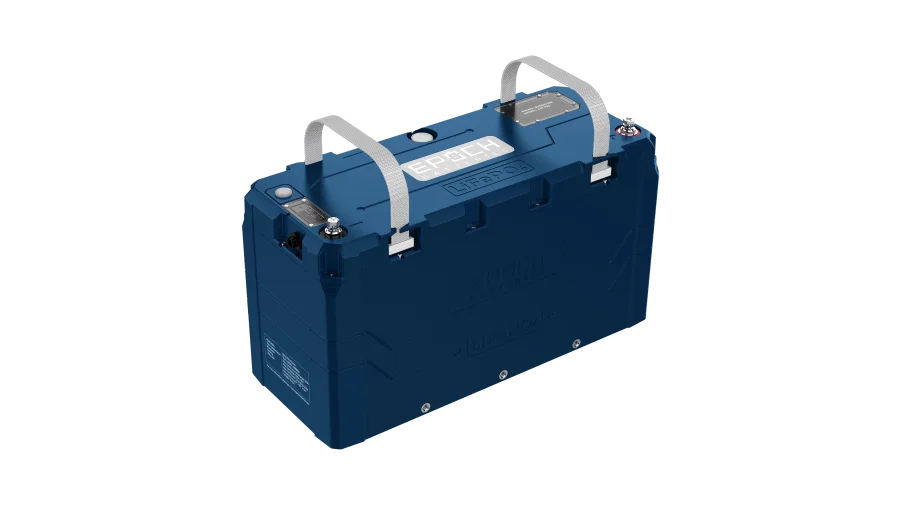
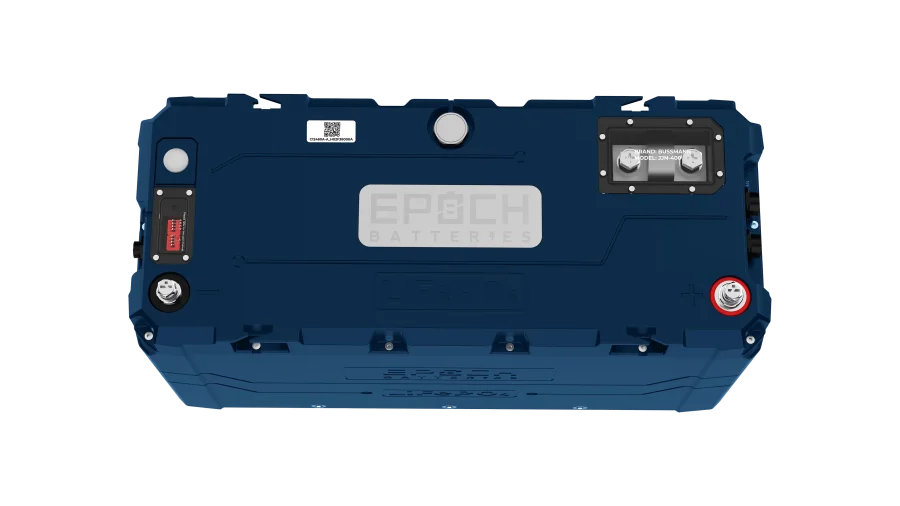
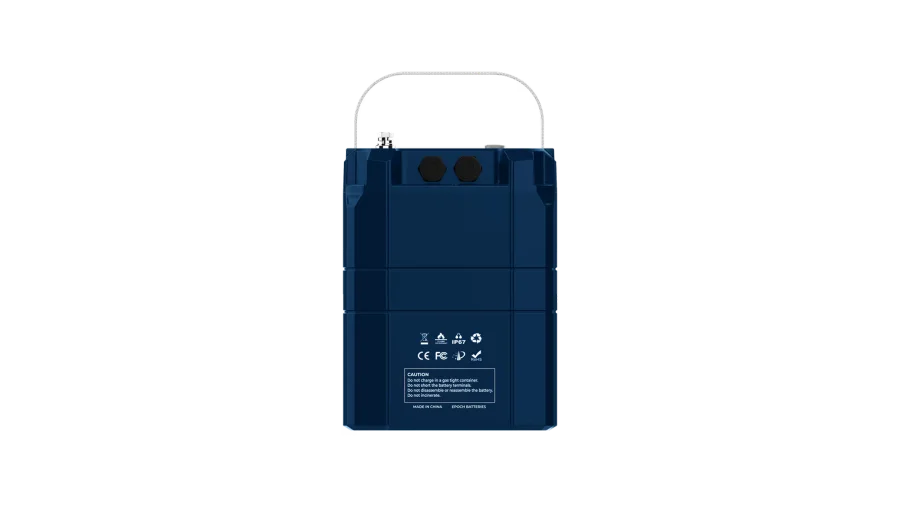
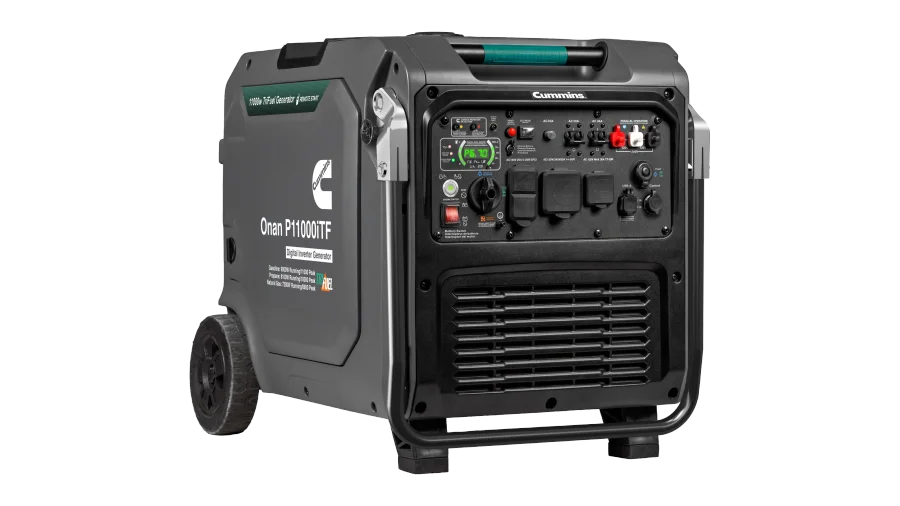
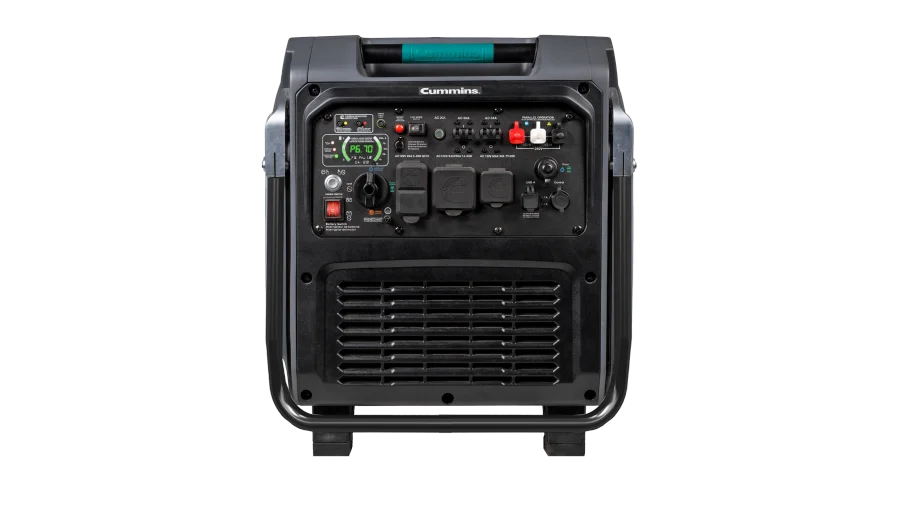
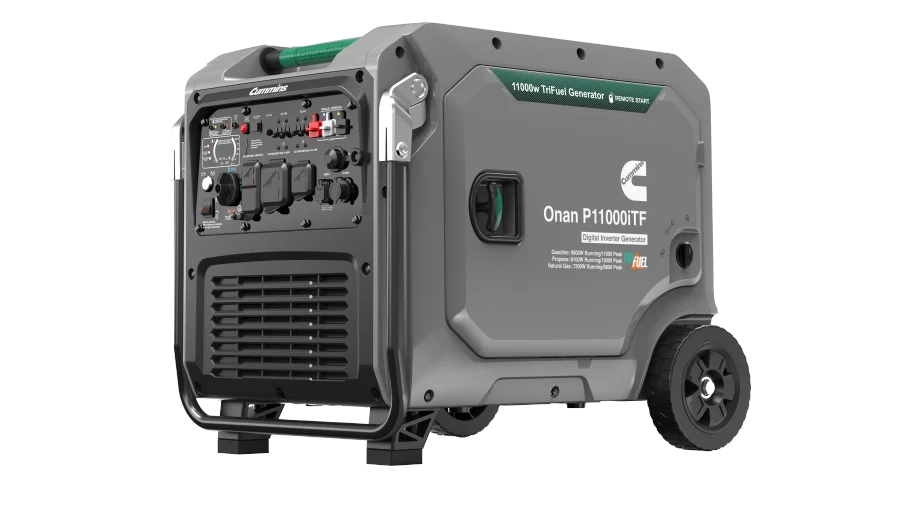
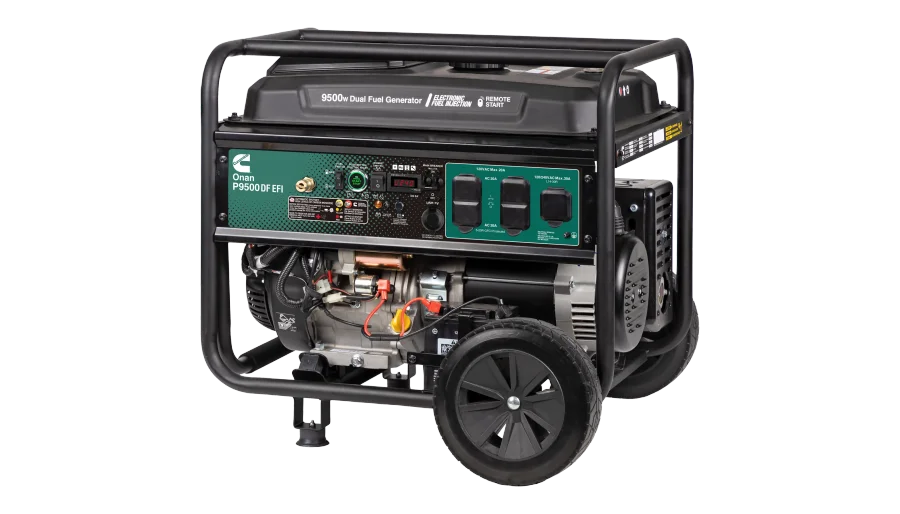
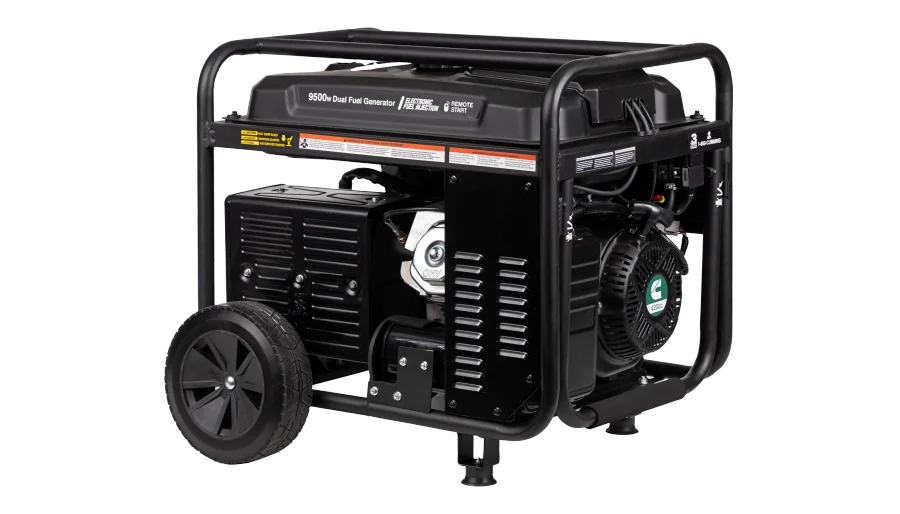
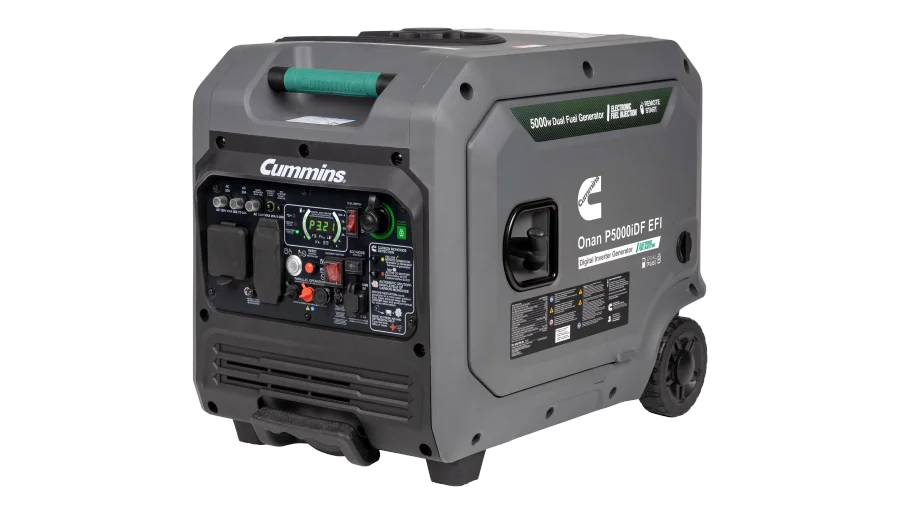
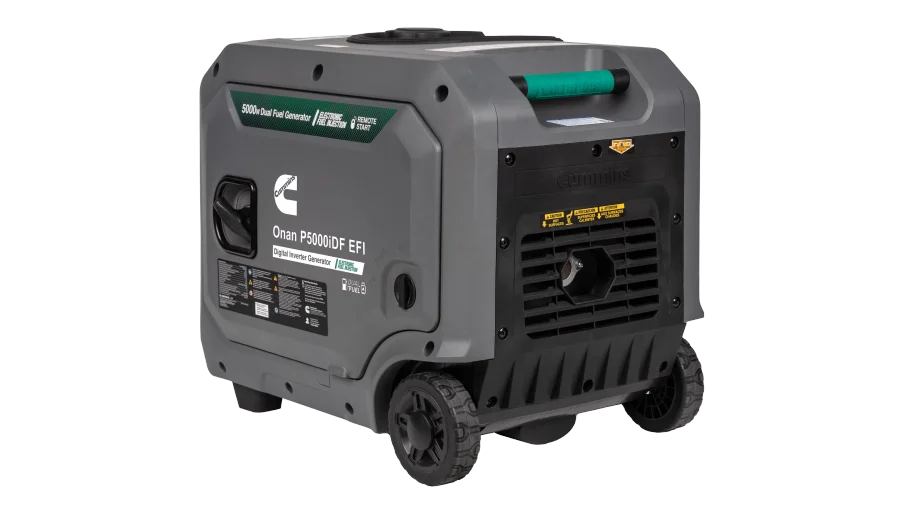
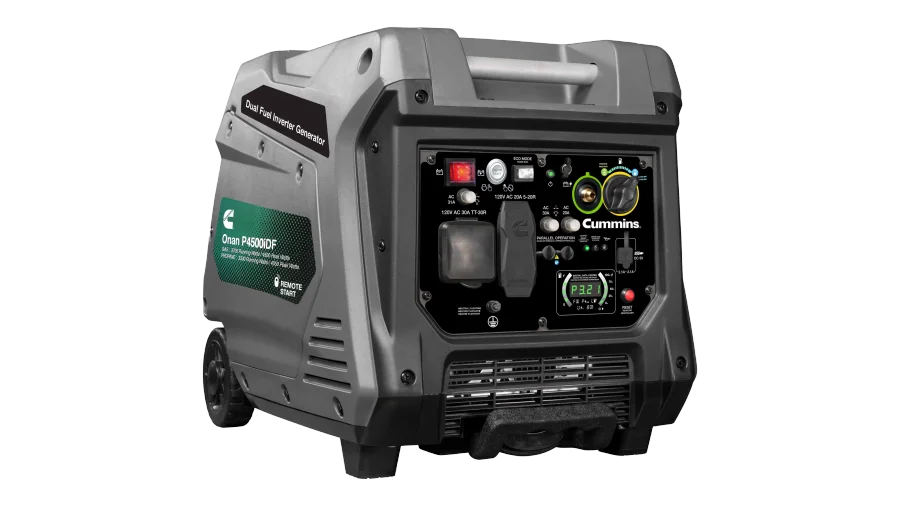
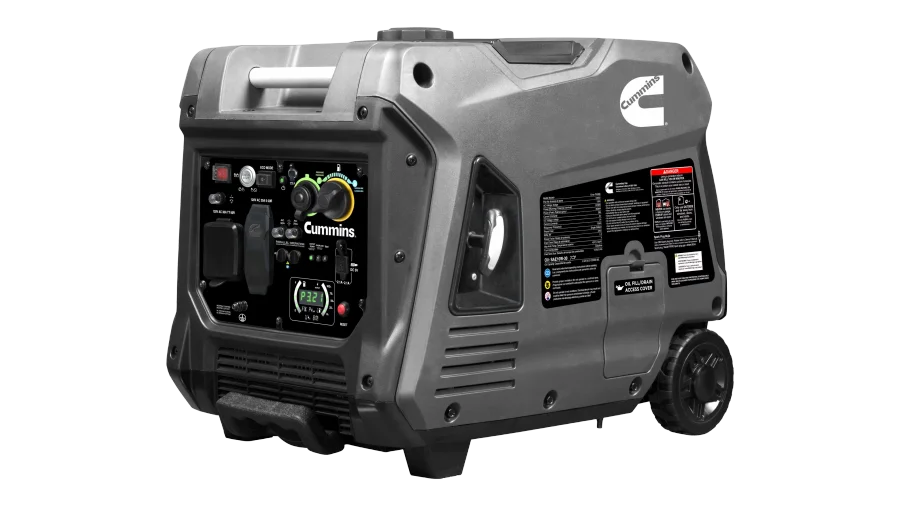
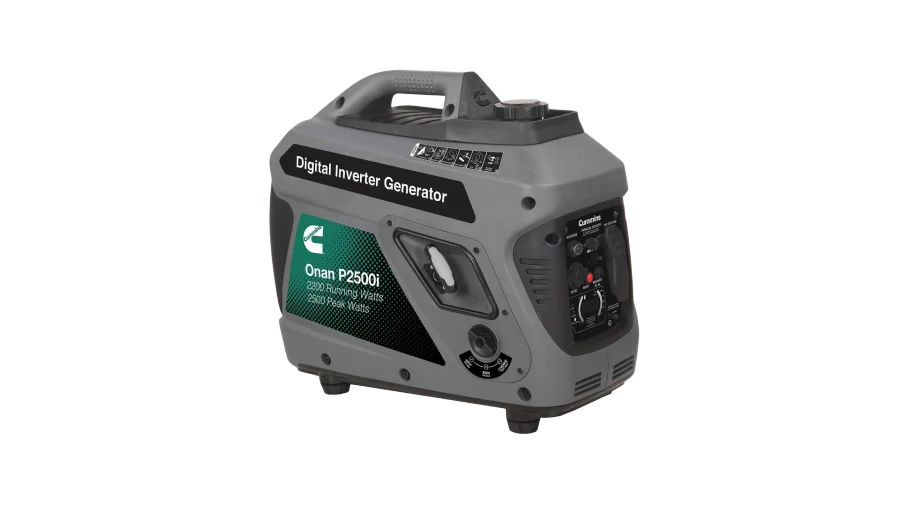
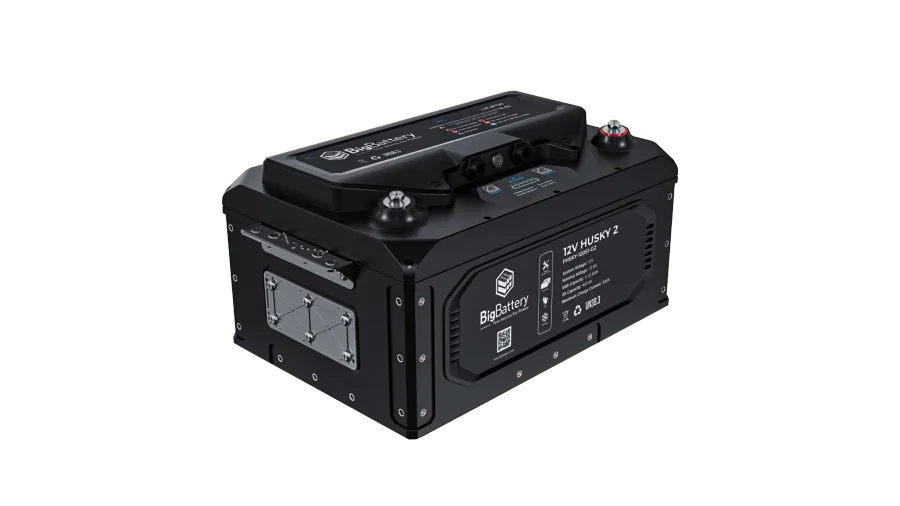
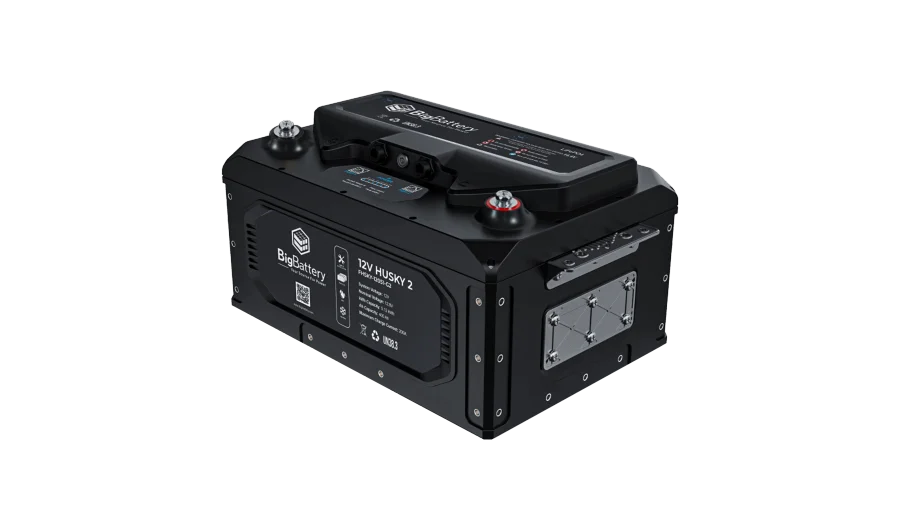
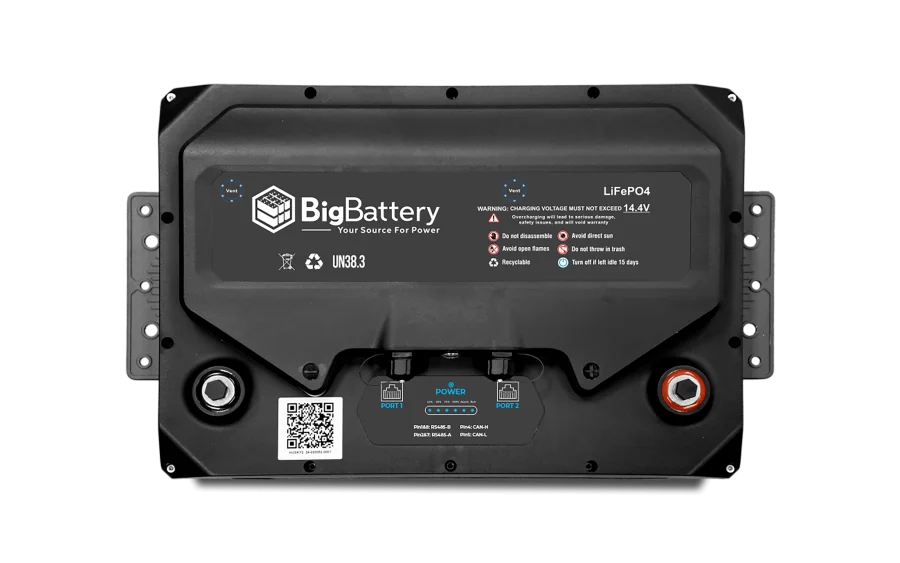
BigBattery 12V HUSKY 2 INV 400Ah 5.12kWh Lithium Battery, Mobile Friendly LiFePO4 Energy Storage
BigBattery's 12V Lithium Battery for all your mobile adventuresAsk About This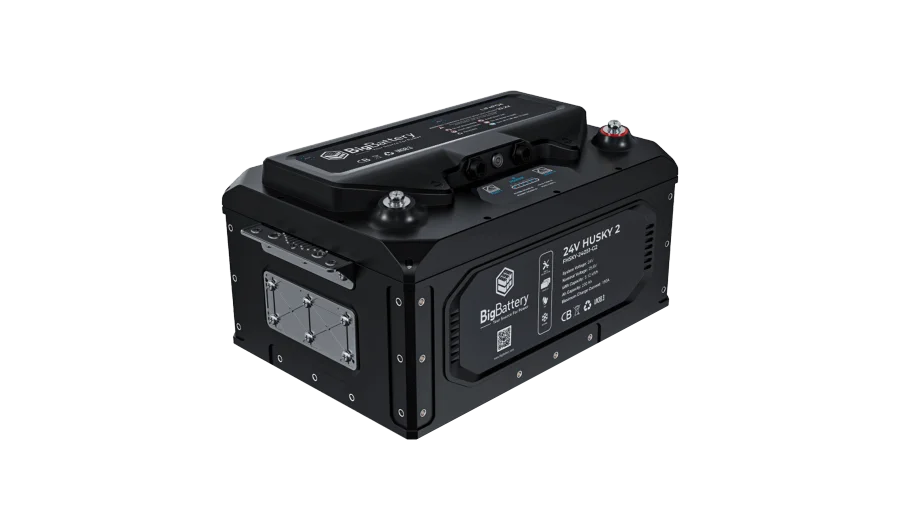
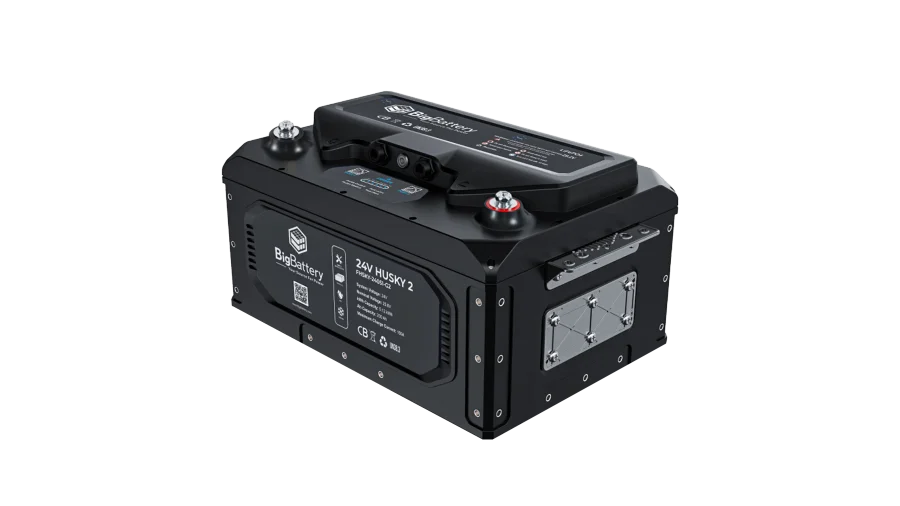
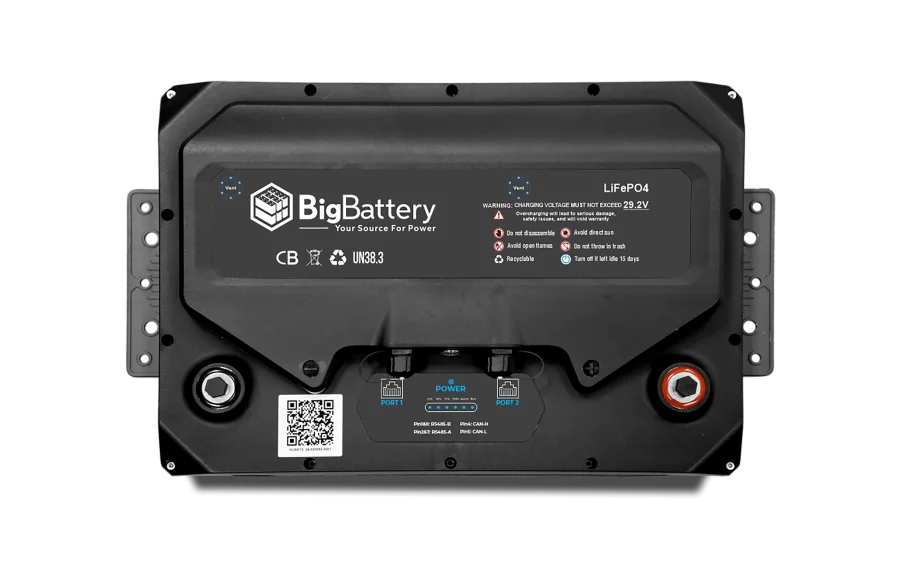
BigBattery 24V HUSKY 2 INV 5.12kWh 200Ah LiFePO4 Battery, Mobile and Off-Grid Lithium Battery Energy Storage
BigBattery's 24V 200Ah mobile-friendly battery can parallel up to 16 units for 81.92kWhAsk About This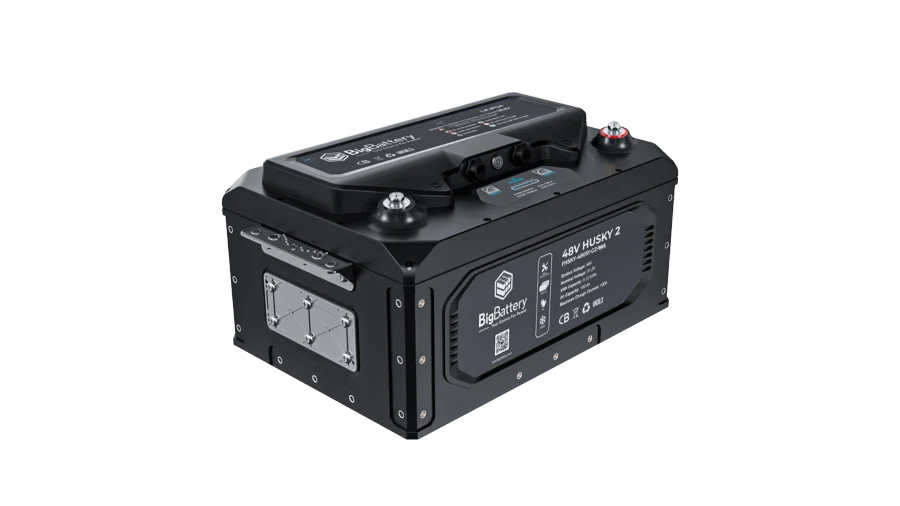
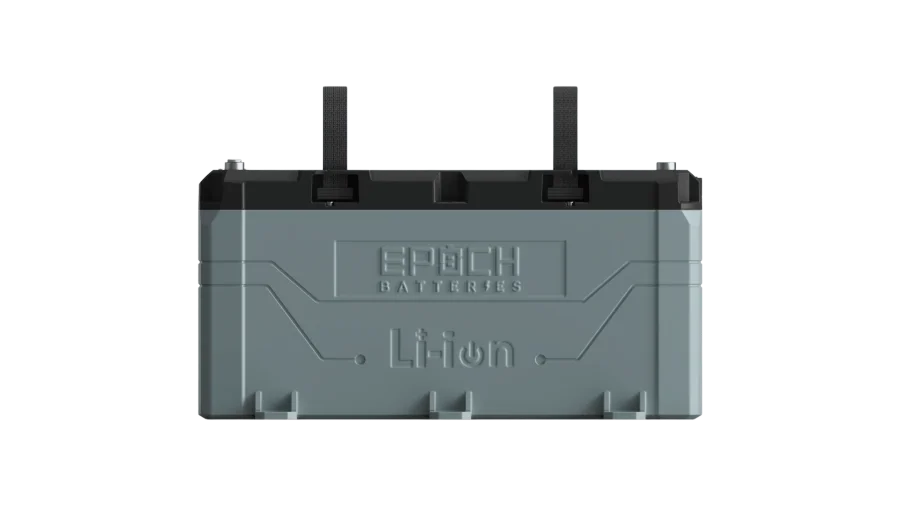
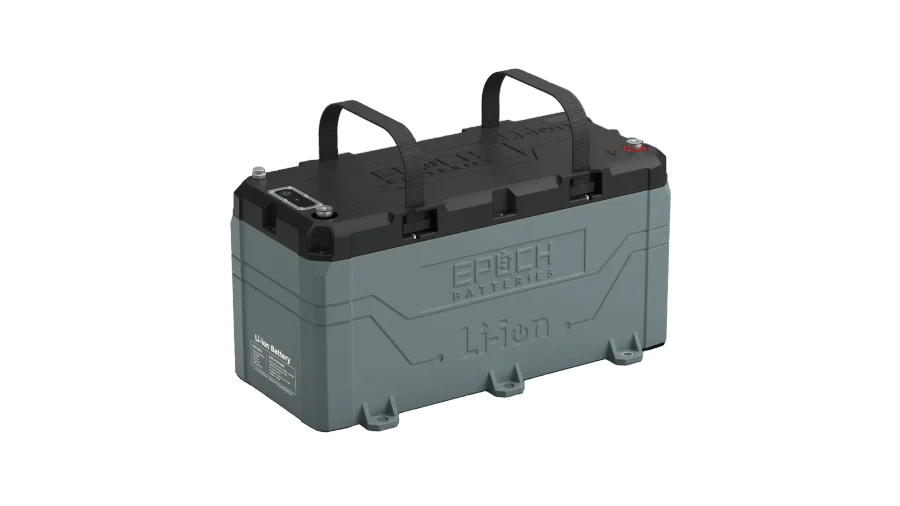

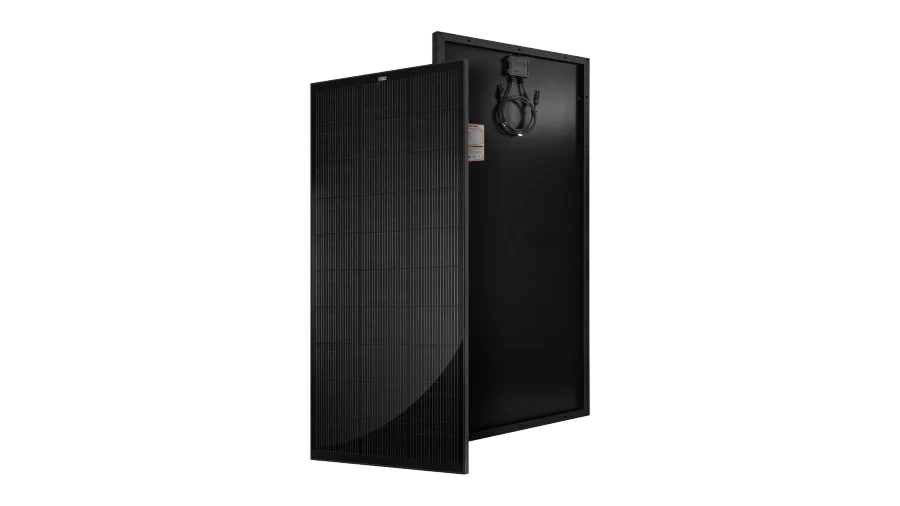
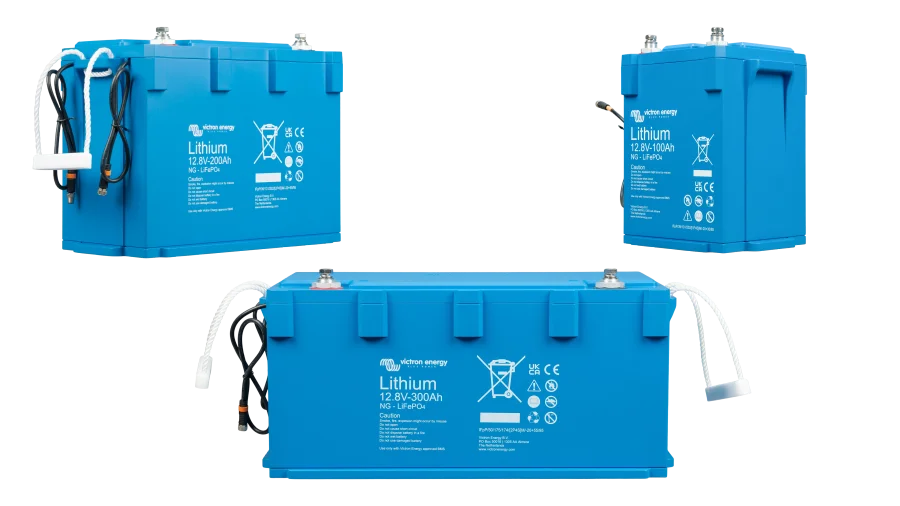
Victron Energy 12.8V Lithium NG LiFePO4 Battery, Available in 100Ah, 200Ah, or 300Ah Capacities, Stackable up to 50 Batteries
Smart 12.8V lithium with a built-in BMS that scales to 192kWh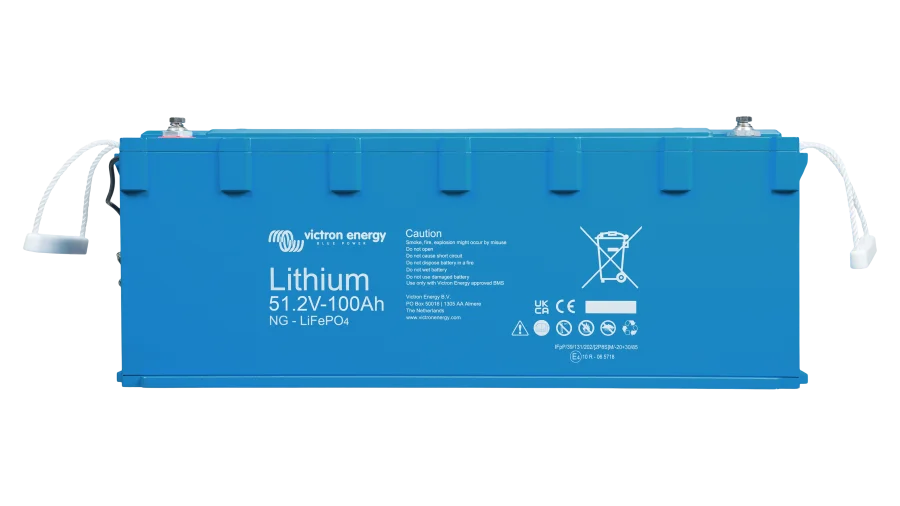
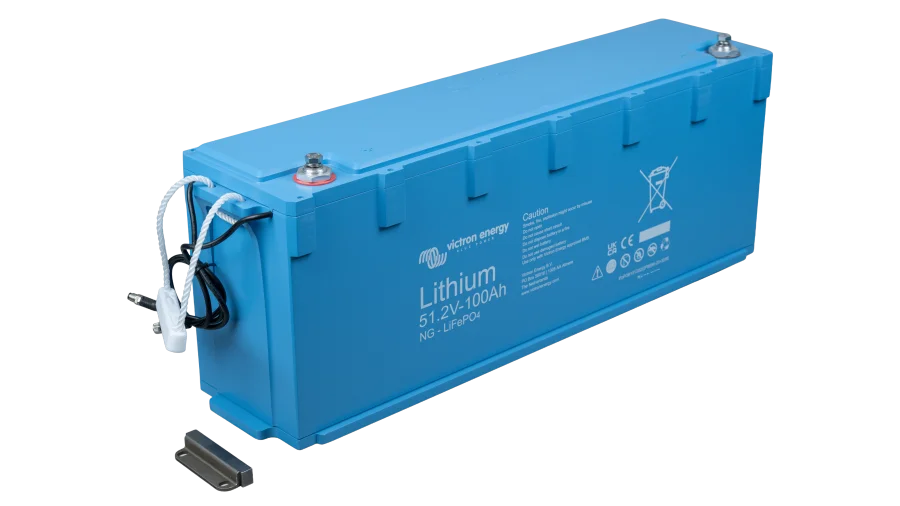
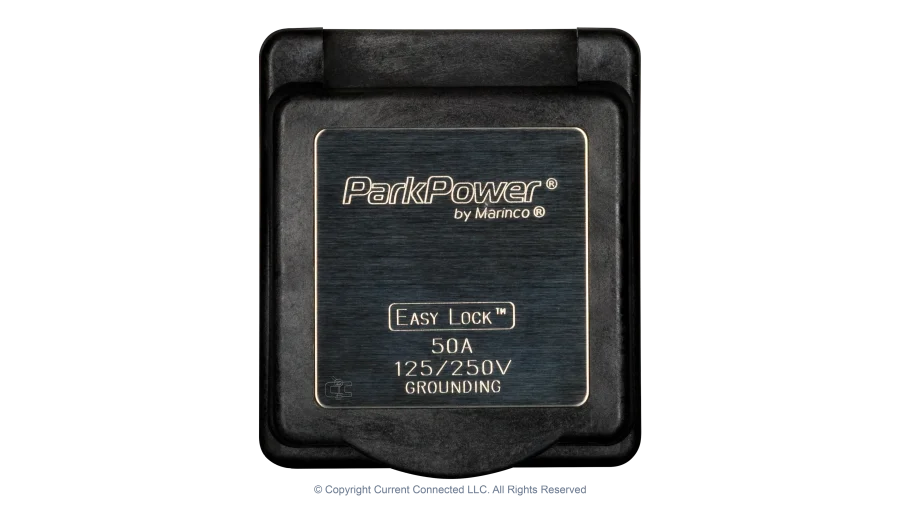
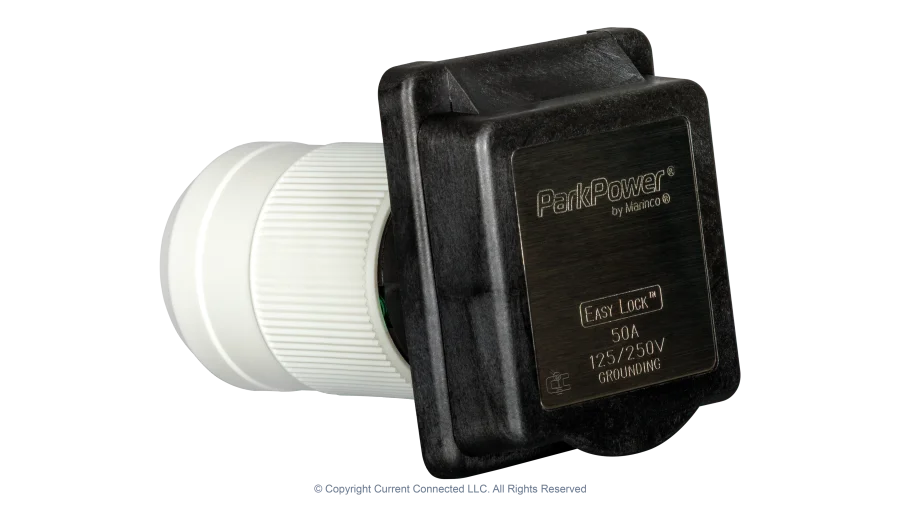
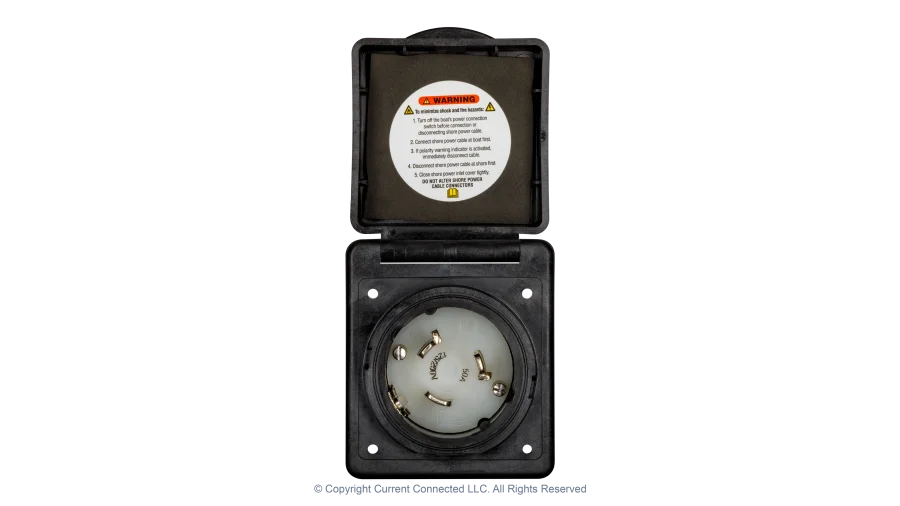
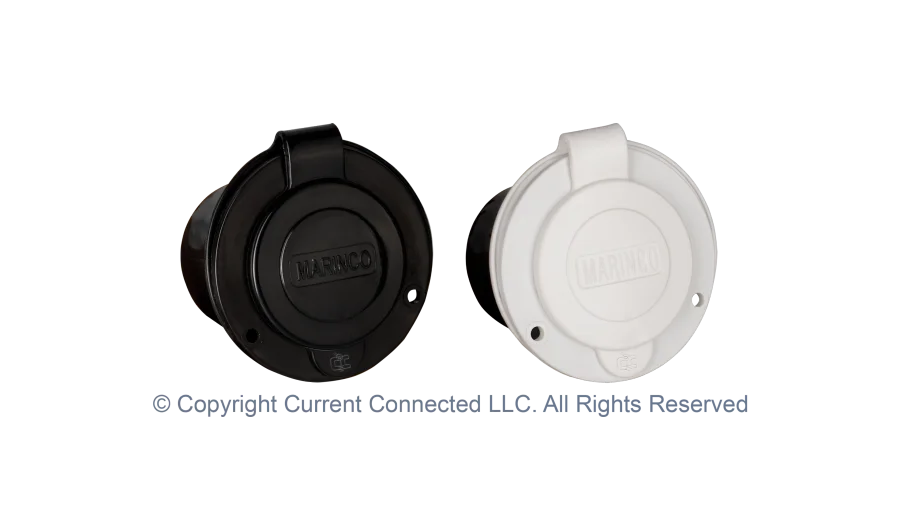
Marinco 15A 125V NEMA 5-15P Straight Blade Power Inlet, UV-Resistant Flanged Inlet for RVs, Boats, and Equipment Enclosures, Black or White
Permanent 15A power inlet for hardwiring a battery charger, inverter, or shore power connection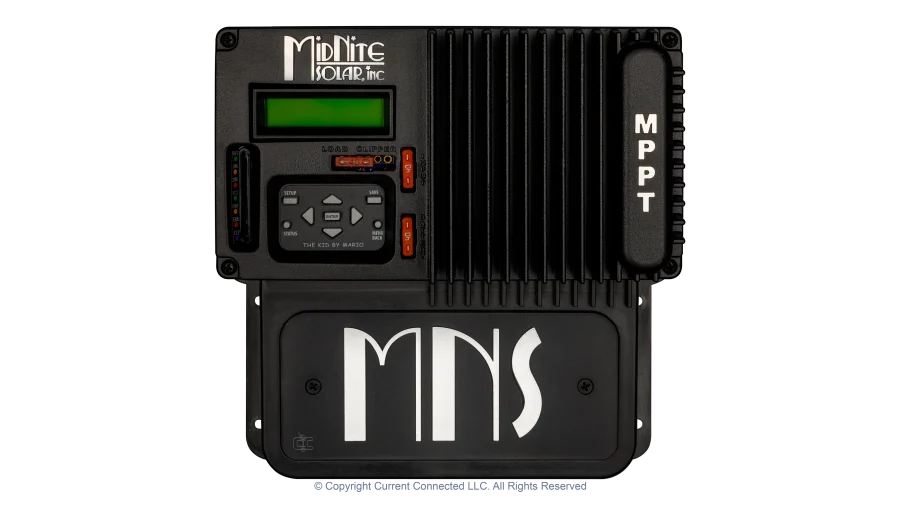
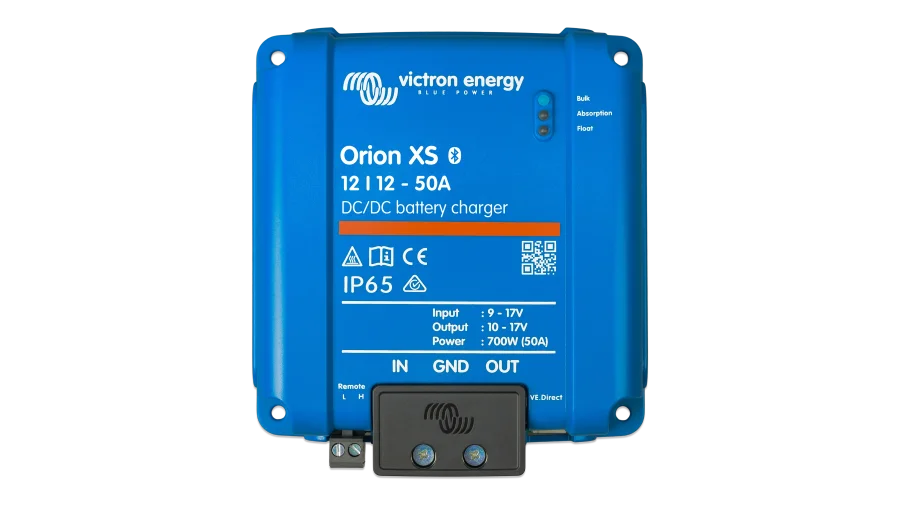
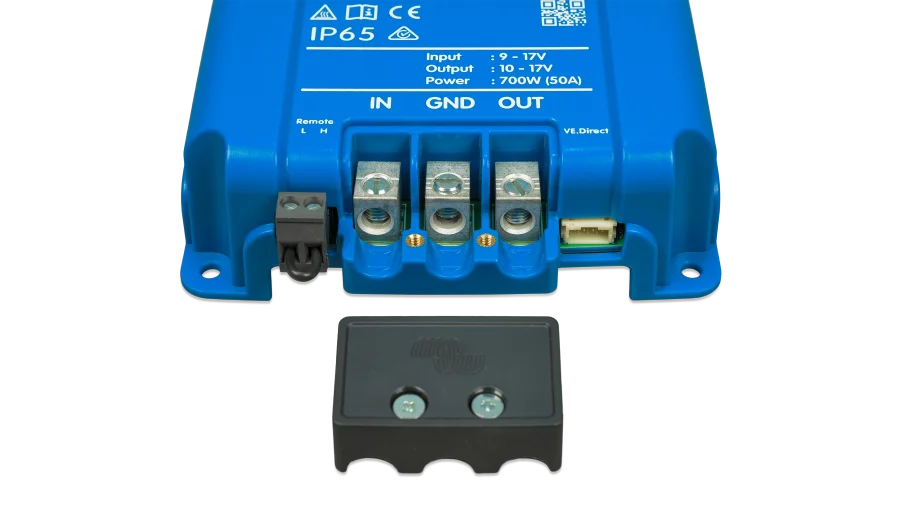
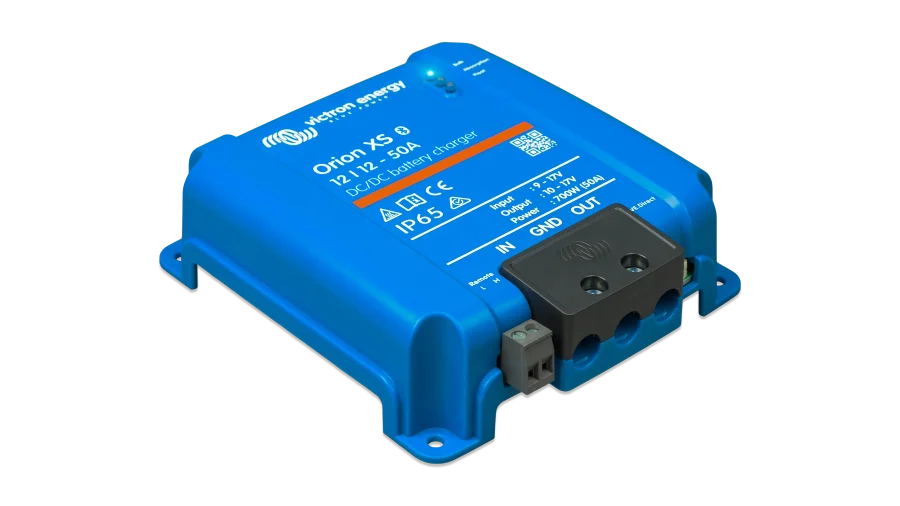
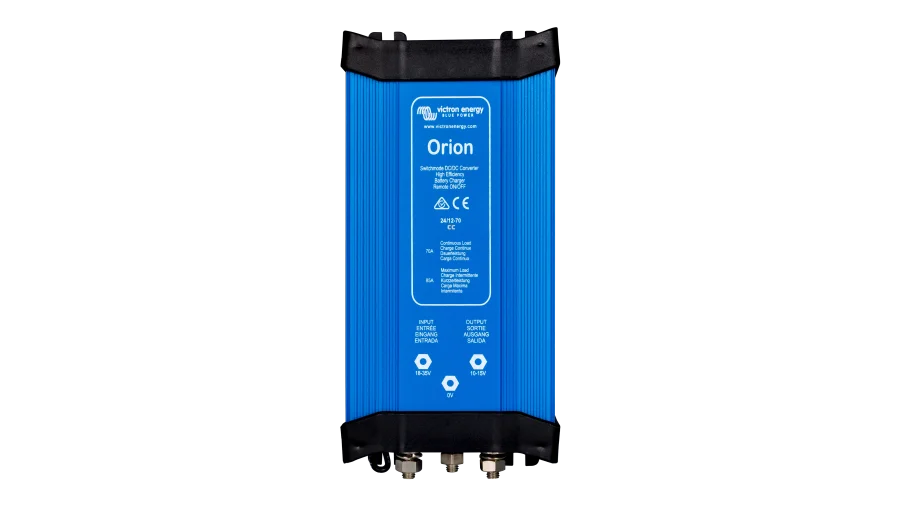
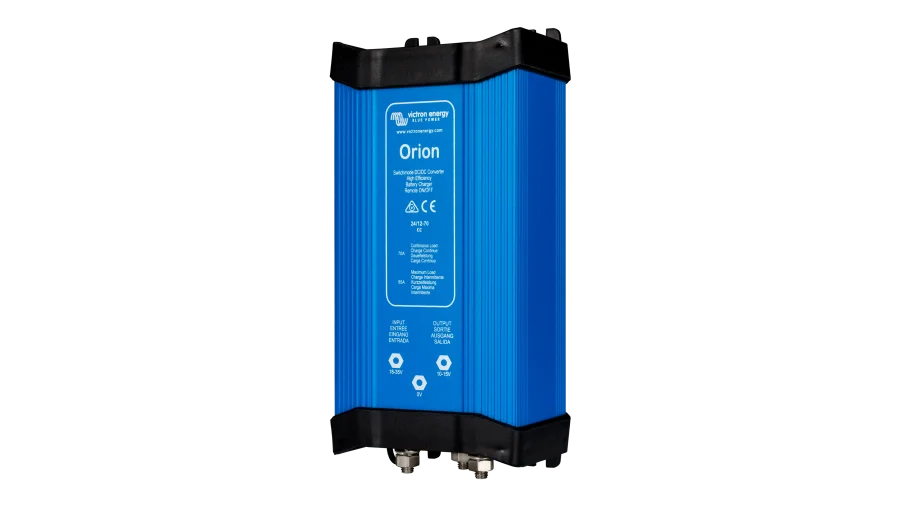
Victron Energy Orion XS DC-DC Battery Charger, XS 12/12-50A, XS 12/12-70A, and XS 1400 Options for 12V or 24V Batteries
Fanless DC-DC charger with smart alternator detection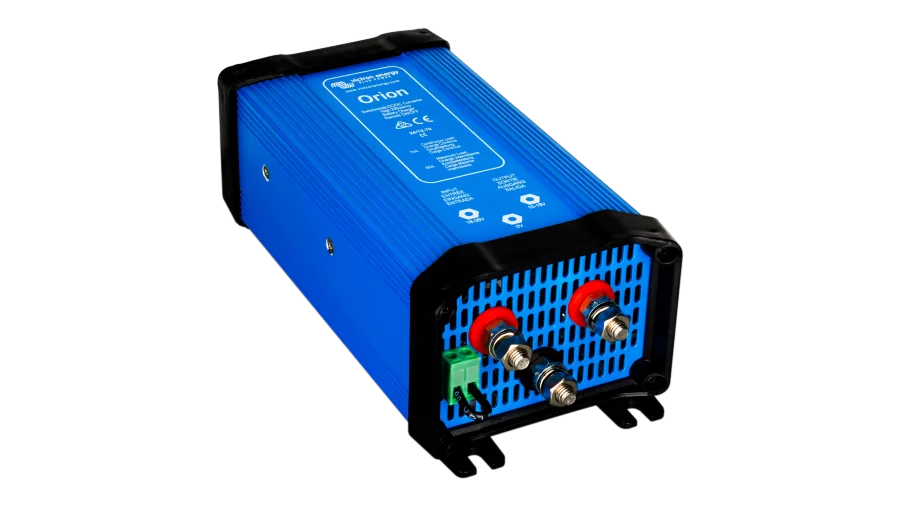
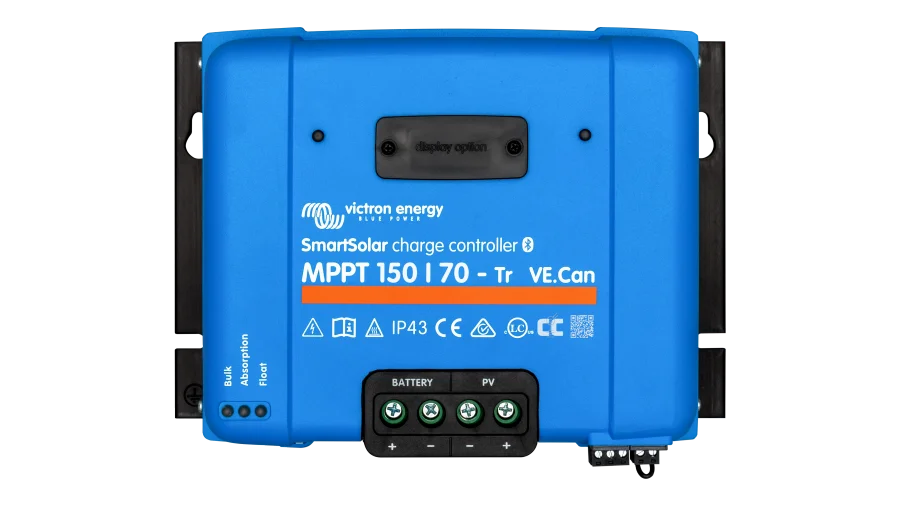
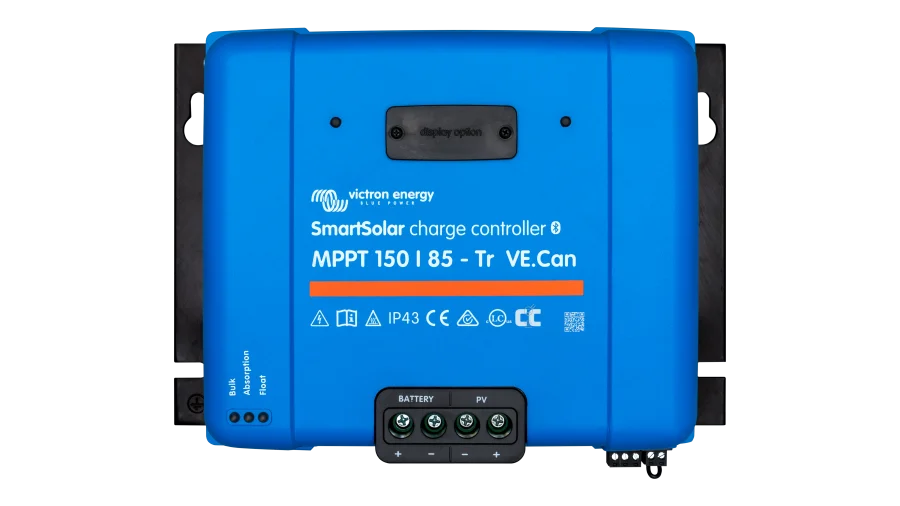
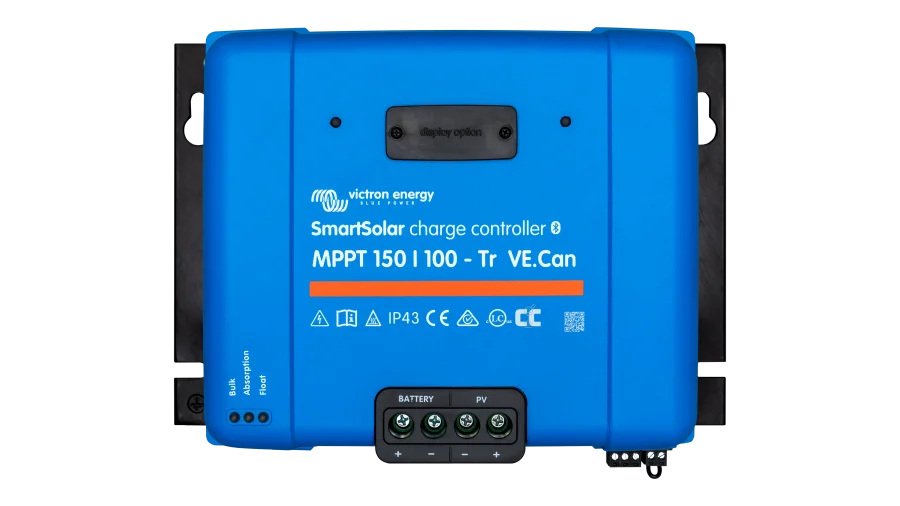
Victron Energy SmartSolar MPPT 150V, MPPT 250V TR VE.Can Charge Controller for Lithium and Lead-Acid Batteries
Big-array MPPT power for lead-acid, LiFePO4, and more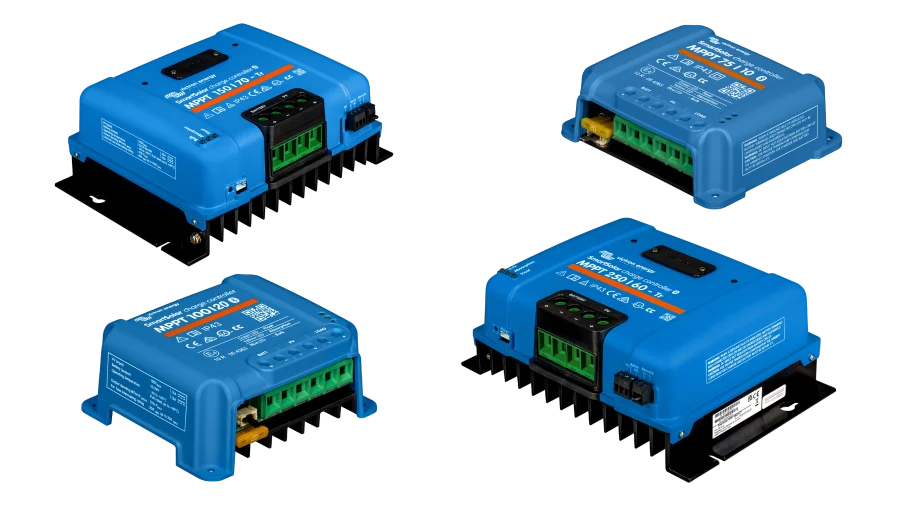
Victron Energy SmartSolar MPPT Charge Controller VE.Direct, 75V-250V Solar Input, 10A-70A Battery Charger
Squeezes every watt out of your panels and into your batteries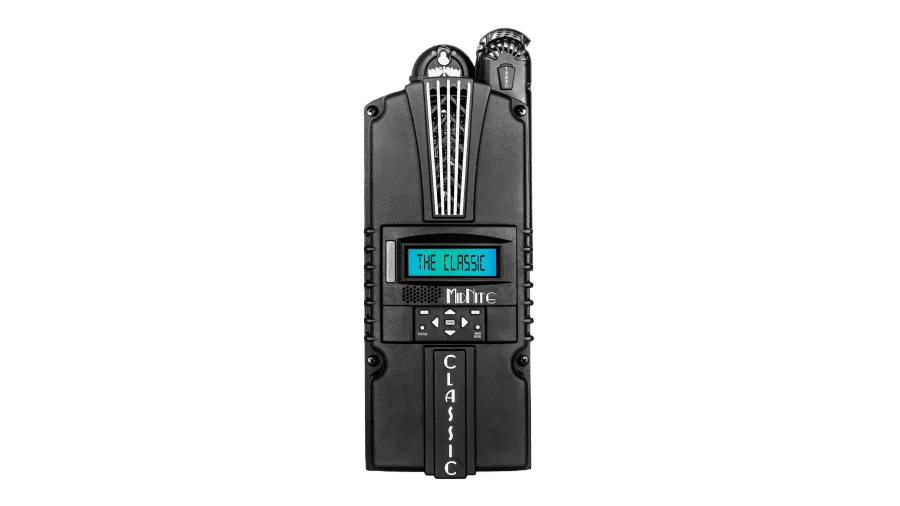
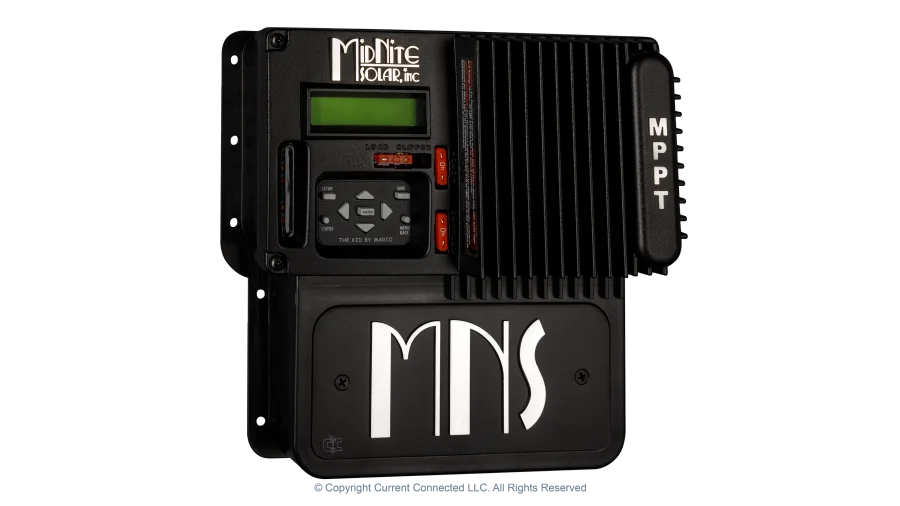
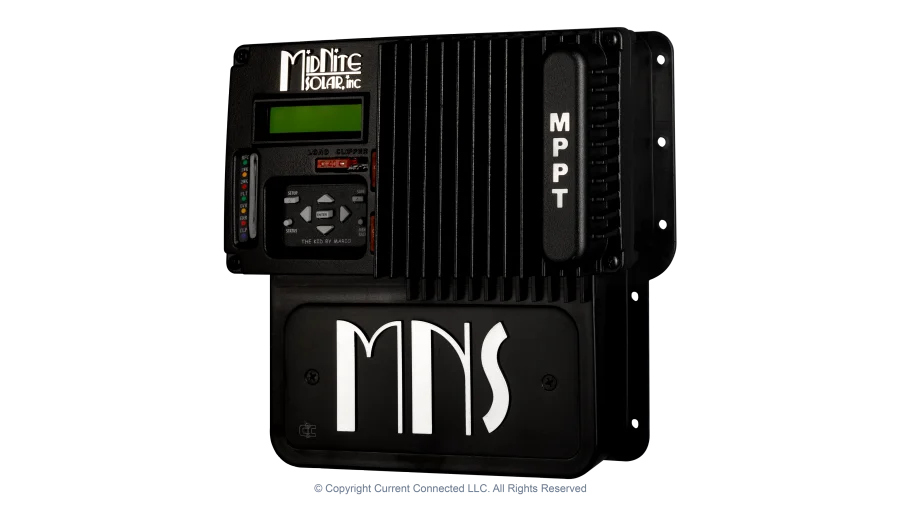
MidNite Solar Classic Charge Controller, Solar, Wind, and Hydro Input up to 150V-250V, Lithium and Lead-Acid Battery Charger
MidNite Solar's longest running charge controller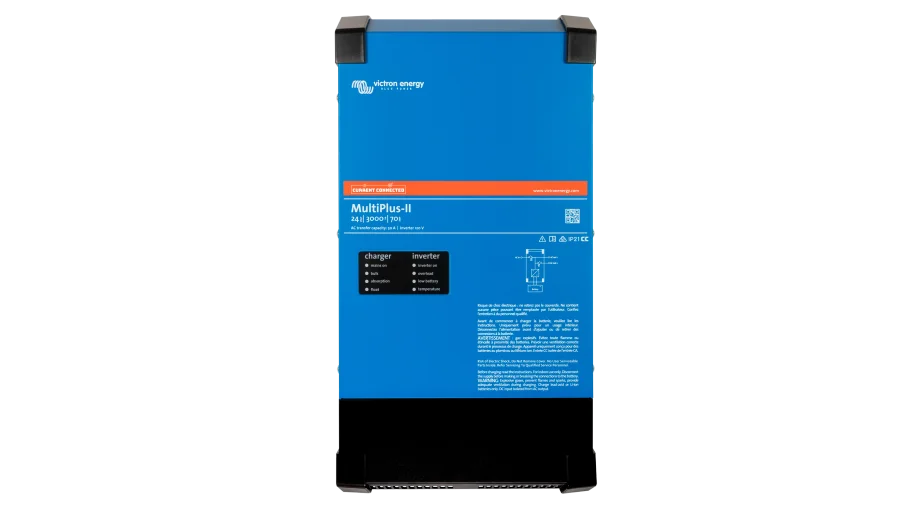
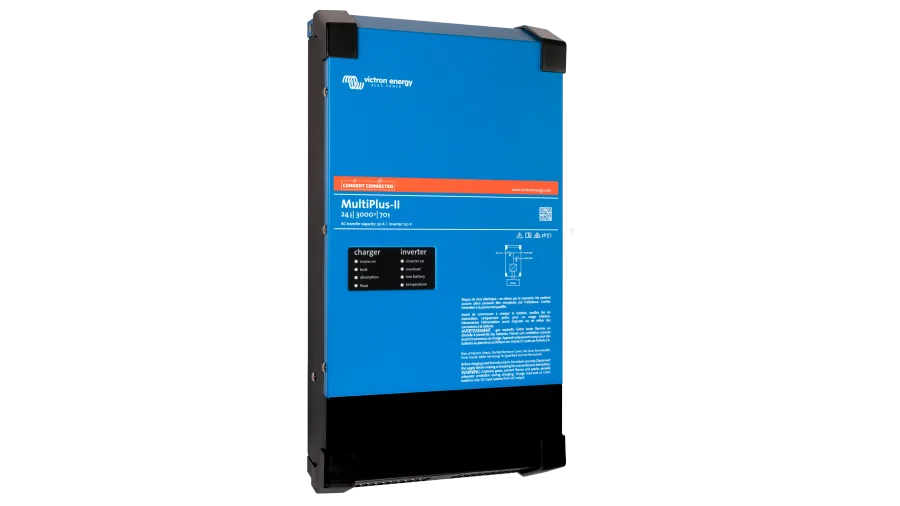
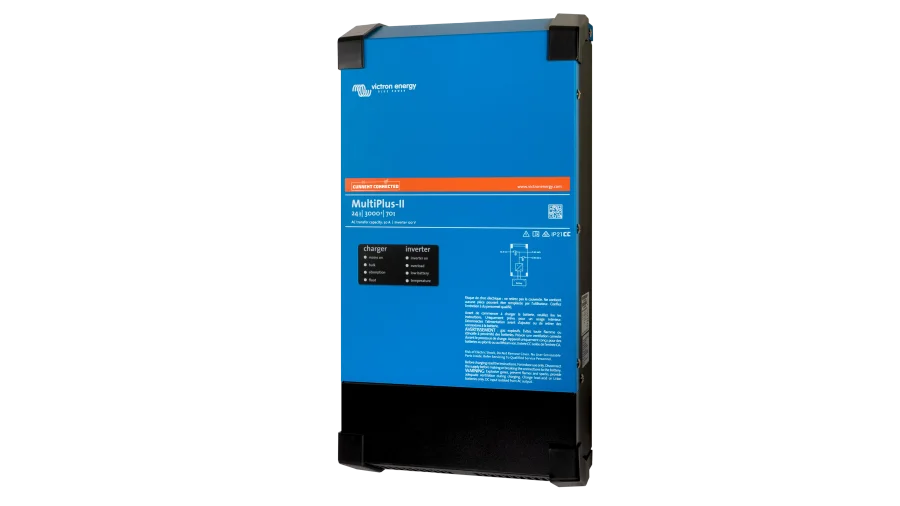
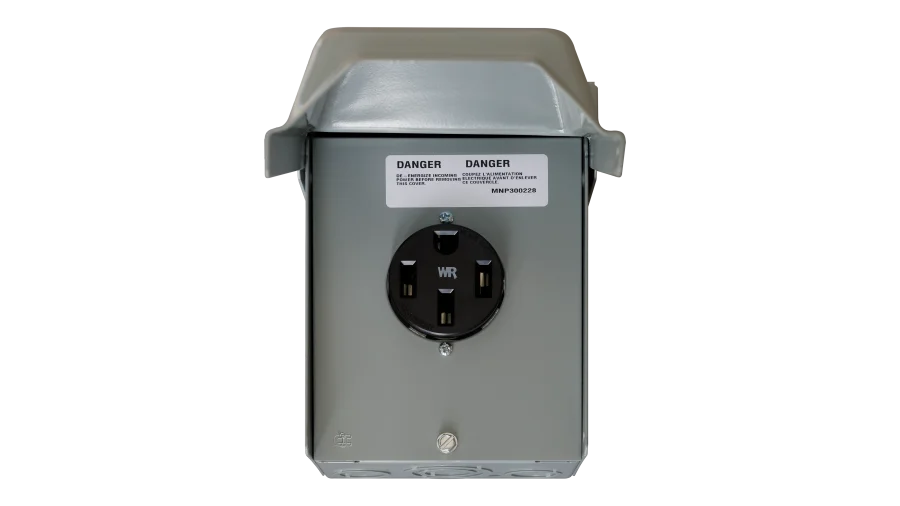
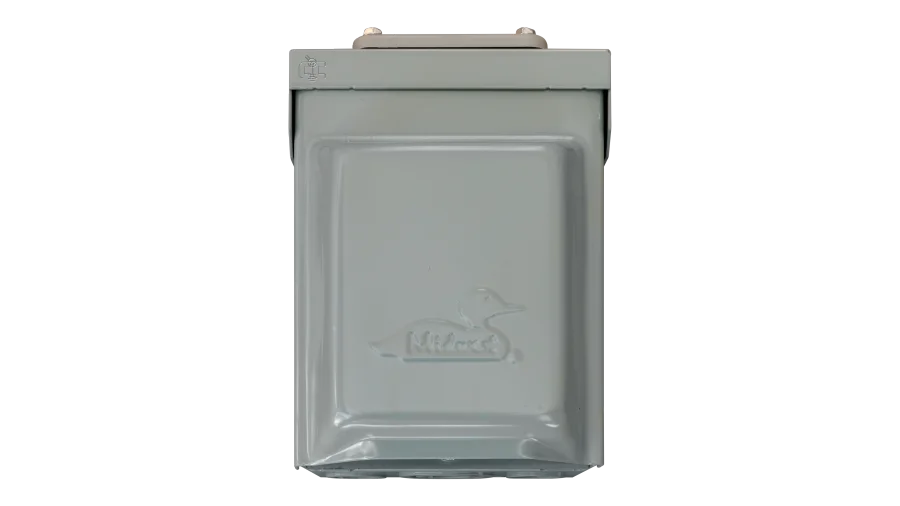
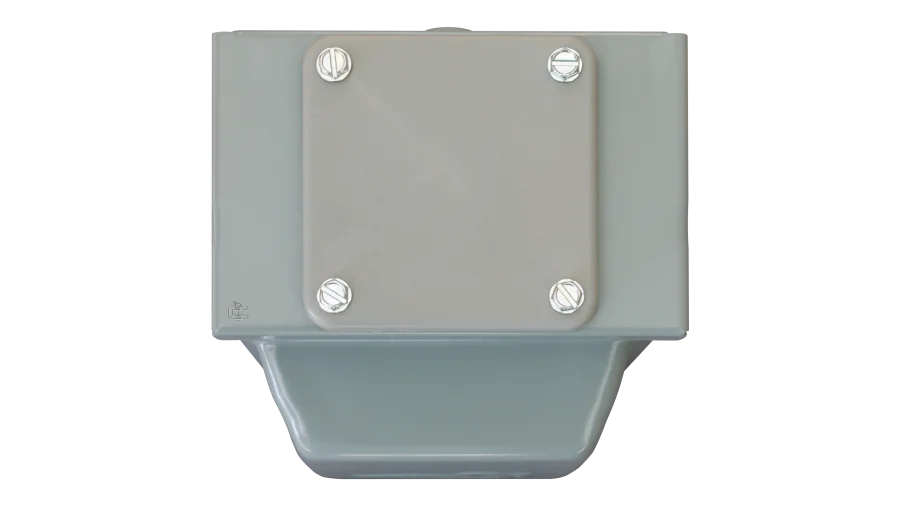
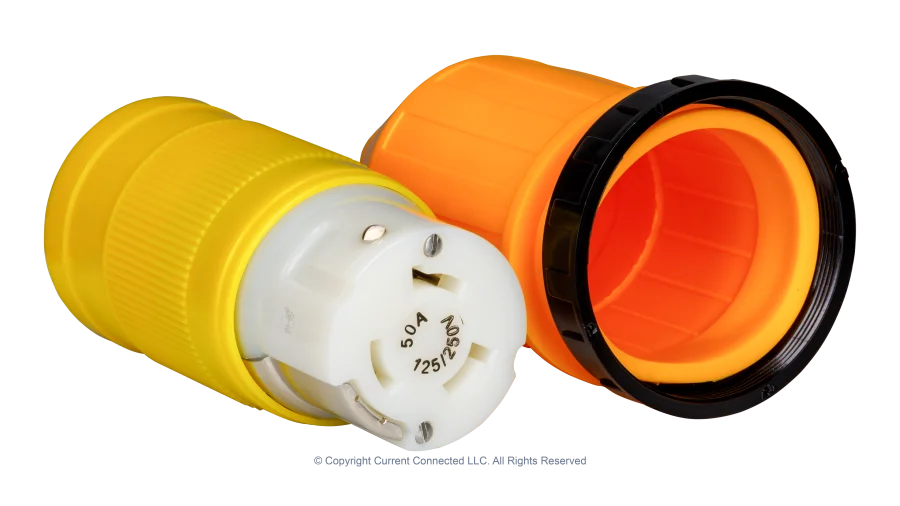
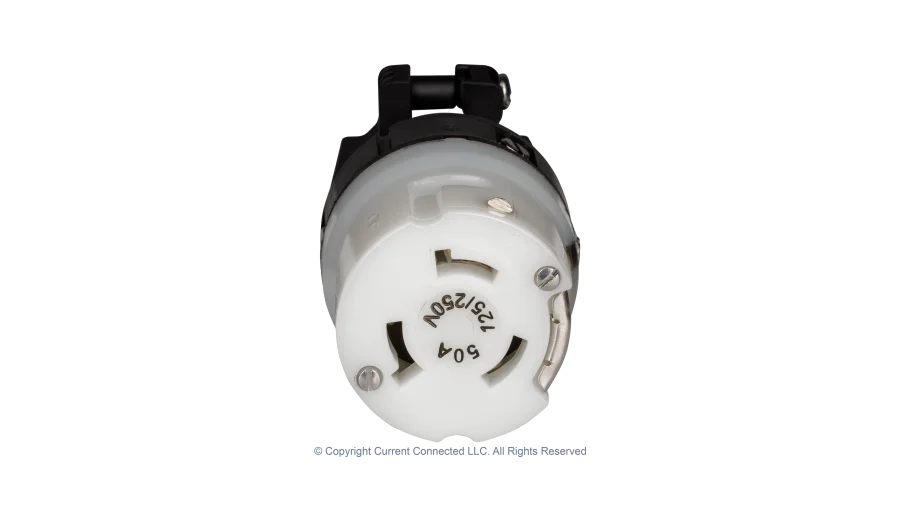
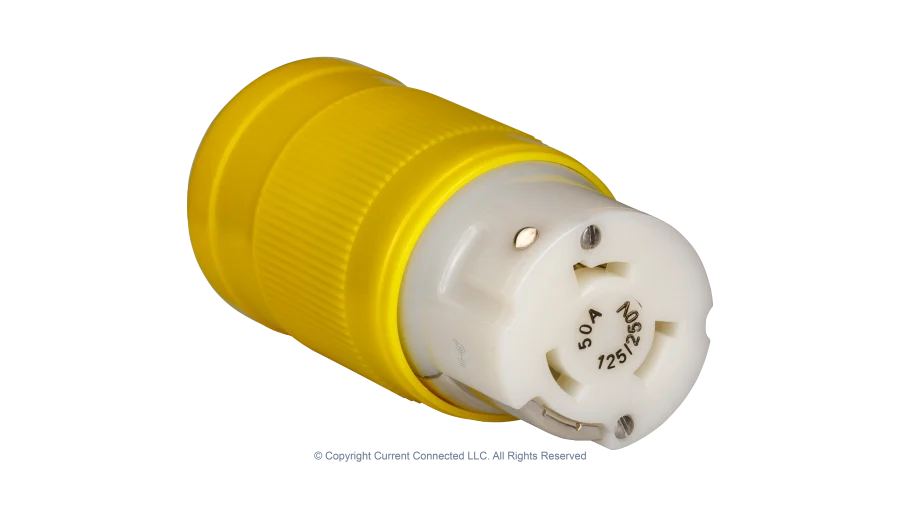
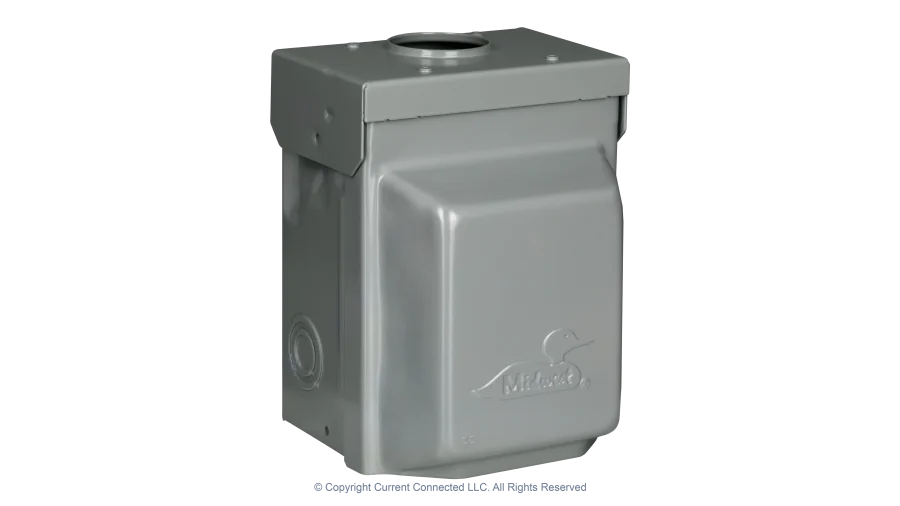
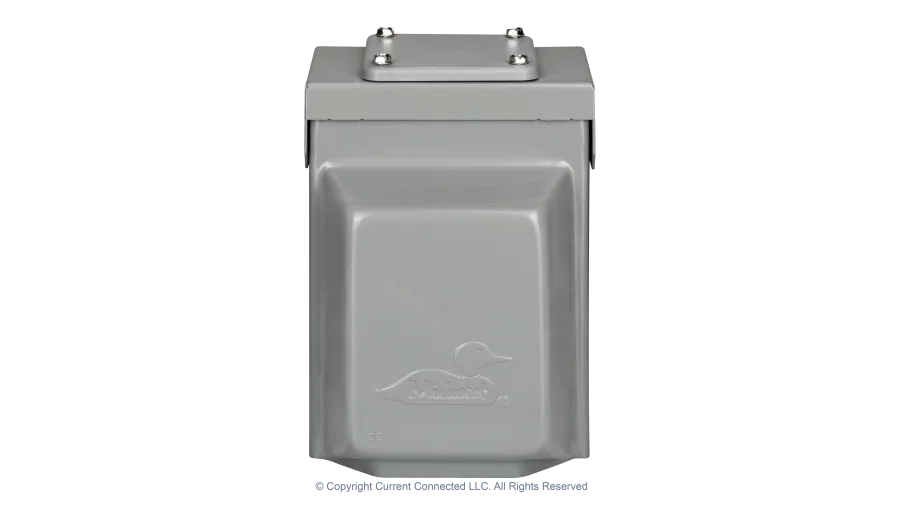
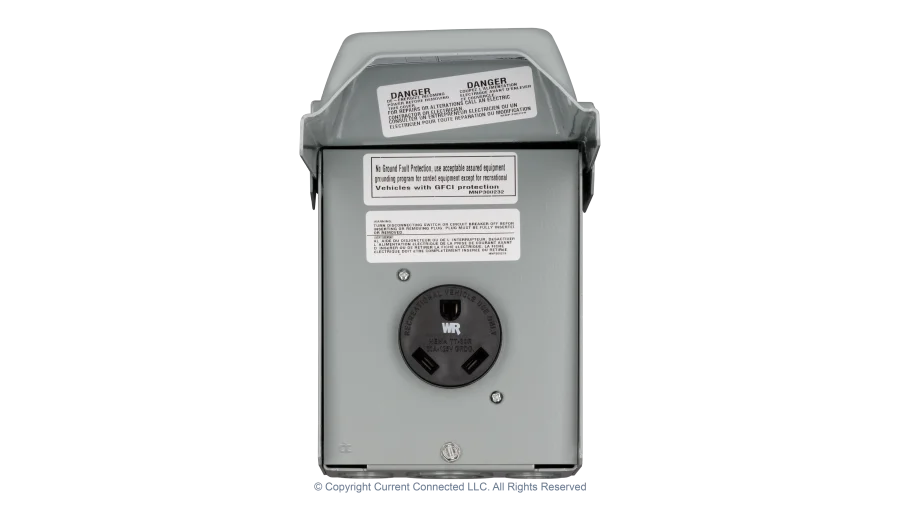
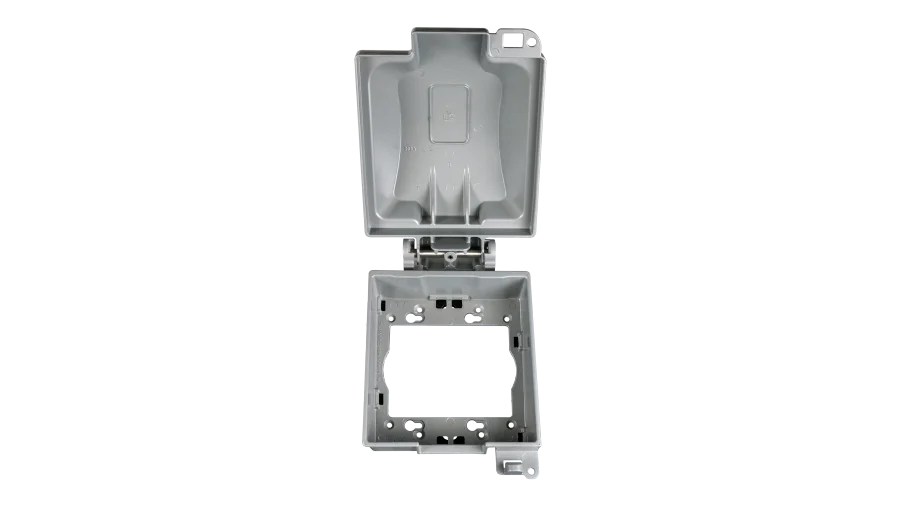
NEMA 14-50 RV Shore Power Outdoor Outlet
A 50A NEMA rated outdoor outlet for RVs and motorhomes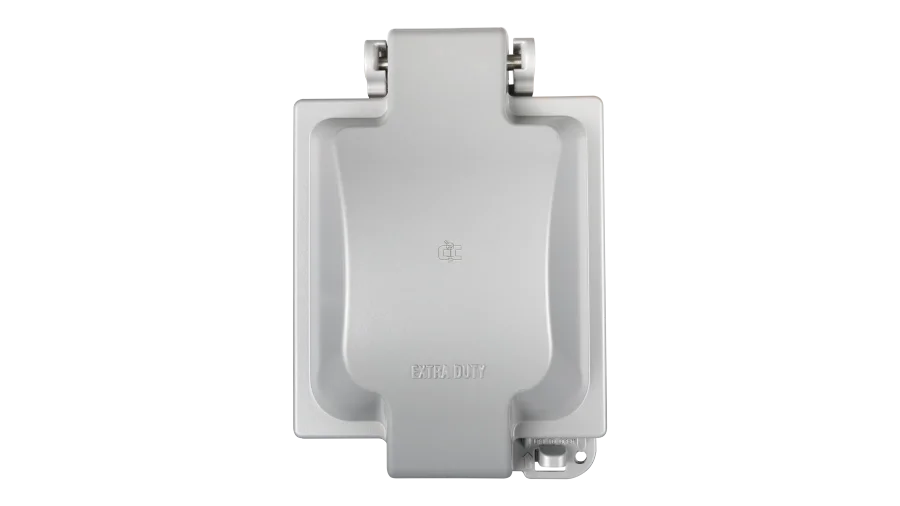

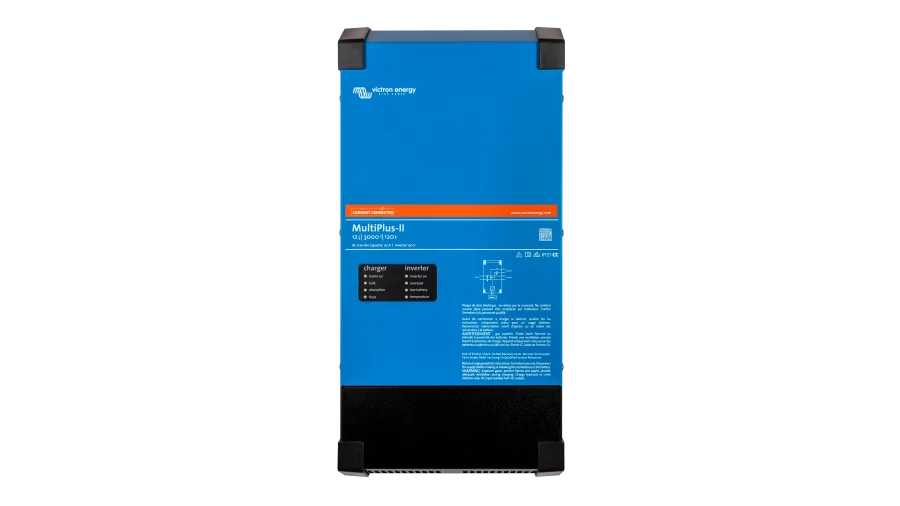
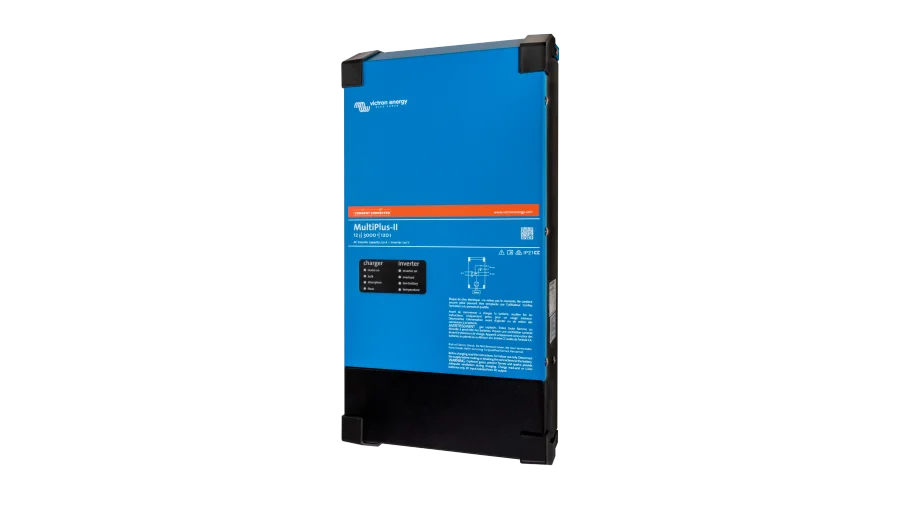
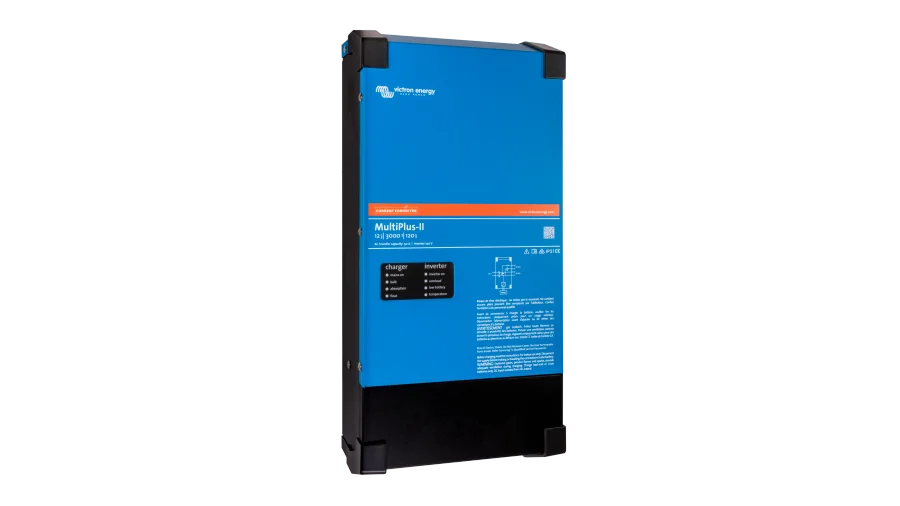
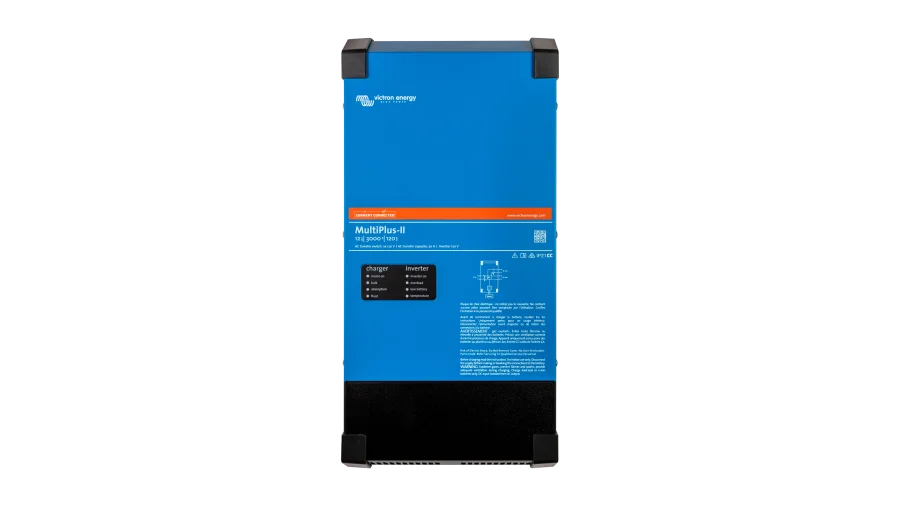
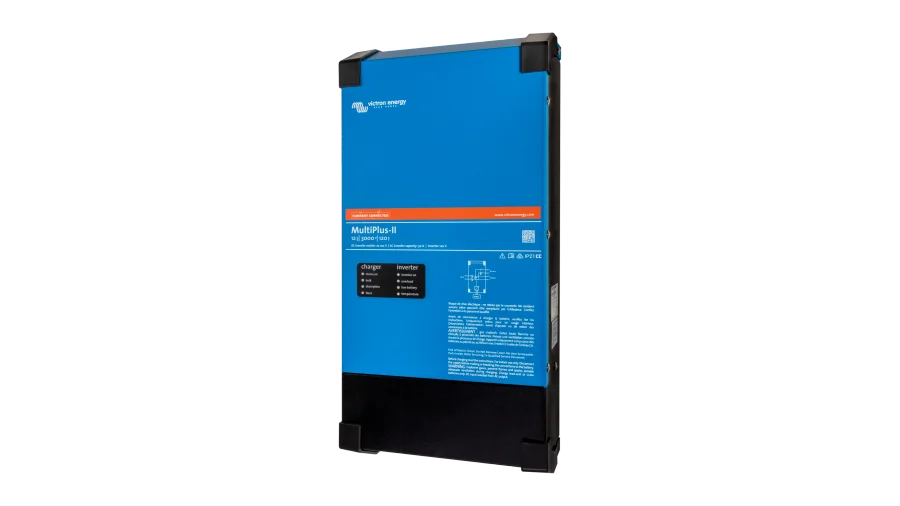
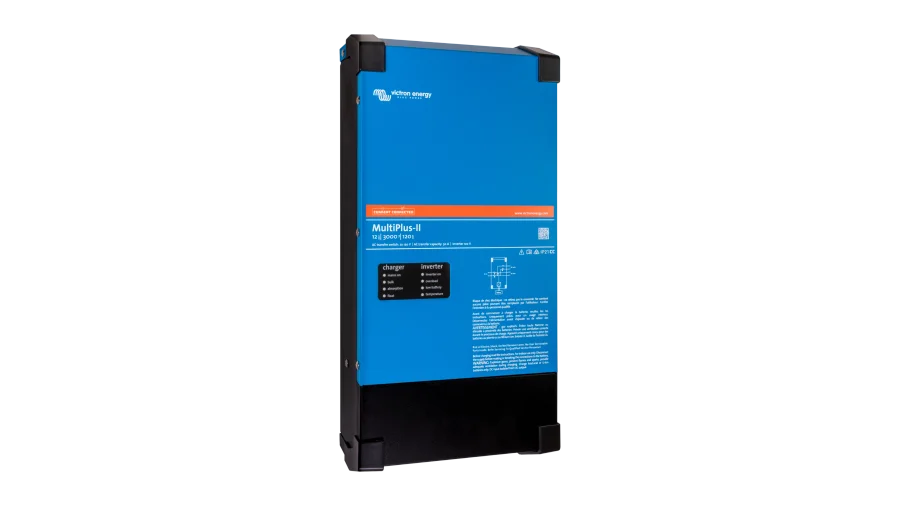
Start With the Core of Your System
Planning a Mobile Power System
1. Pick your battery voltage
12V keeps things simple and matches most RV and boat DC loads. Larger systems with big inverters often move to 24V or 48V to cut current and cable size, then use a DC-DC converter for the 12V loads.
2. Charge from every source
Shore power and generators charge through the inverter-charger, solar through an MPPT controller, and the alternator through a DC-DC charger like the Victron Orion, which limits alternator current and charges lithium with the right profile.
3. Use mobile-rated gear
Look for inverters listed to UL 458, the standard for converters and inverters in land vehicles and marine craft. Many mobile inverter-chargers also switch the neutral-ground bond automatically as they move between shore power and battery.
4. Match your shore power
30A RV service uses a TT-30 connector at 120V, while 50A service uses a NEMA 14-50 at 120/240V. Victron’s PowerAssist can top up a weak shore connection or a small generator with battery power when loads spike. Contact our support team and we’ll help you size it.
Watch: Victron Inverter-Chargers for RVs and Vans
James walks through the Quattro-II 12V 3kVA, which switches between shore power, a generator, and the battery. Then see how PowerAssist lets a small shore connection or generator run big loads.
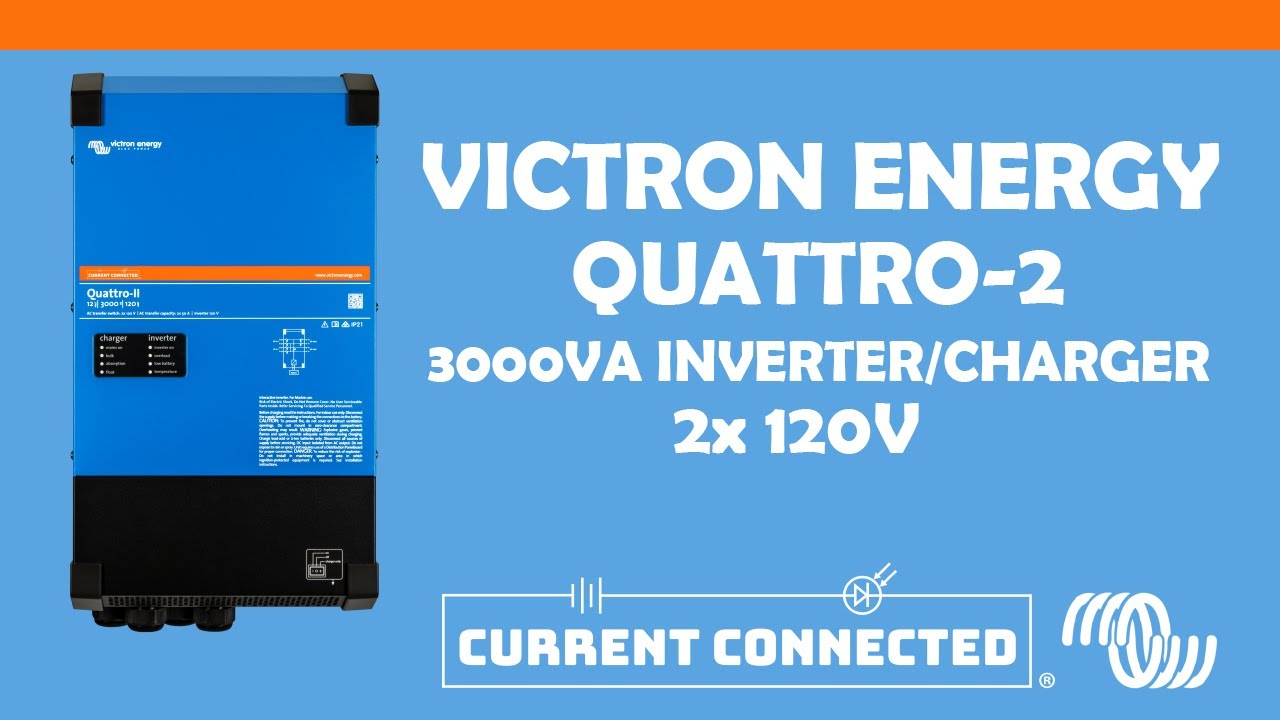
Victron Quattro-II 12V 3000VA 2x120V Inverter-Charger Overview
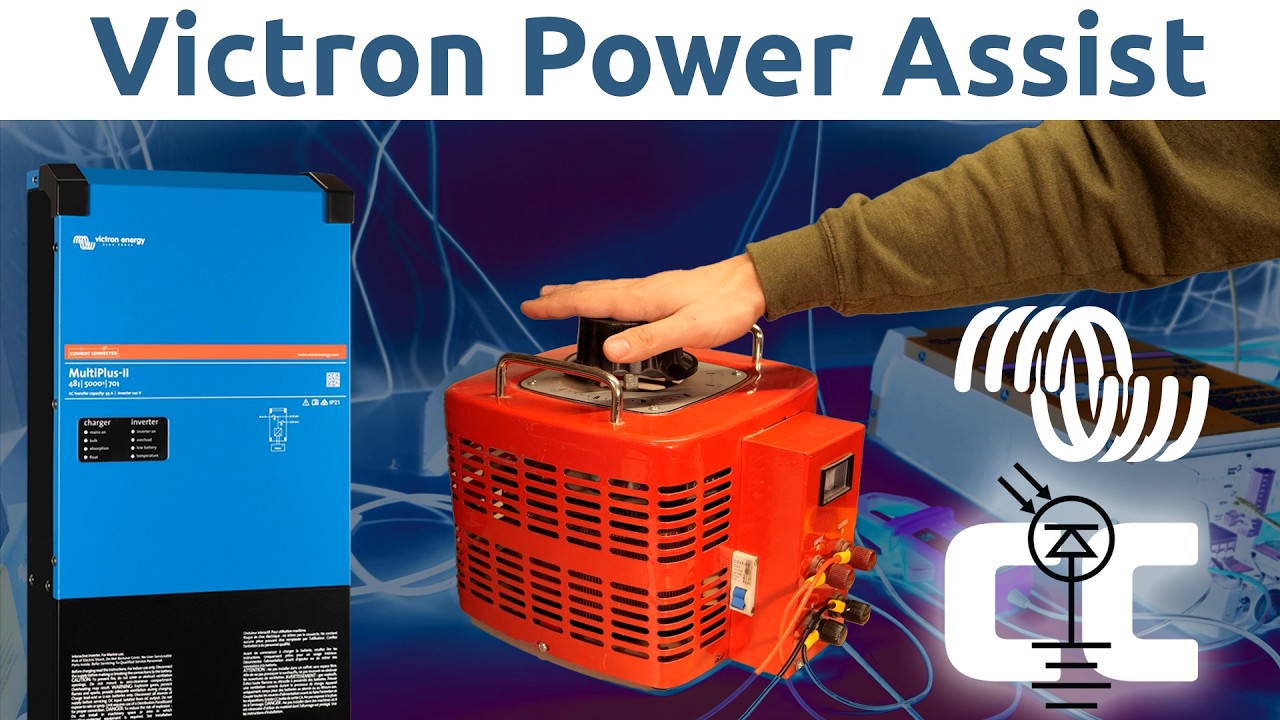
Victron PowerAssist: Power the Largest Loads
RV, Van & Marine Power FAQ
Yes, with enough inverter and battery capacity. A 3kVA-class inverter-charger paired with a soft start kit can usually handle a typical rooftop unit, and you should plan on roughly 1.5 to 2kWh of battery for each hour a 13,500 BTU unit runs. Contact our support team and we’ll help you size it.
Most RVs ship with a converter that only turns shore power into 12V DC. An inverter-charger works both ways: it charges the battery from shore or generator power, turns battery power into 120V AC when you’re unplugged, and has a built-in transfer switch.
If you charge from the alternator, it’s a smart addition. A DC-DC charger limits the current pulled from the alternator and charges the lithium bank with the right profile, which protects both.
Several are built for it. Epoch’s marine and Elite lines are IP67 rated, and Epoch offers trolling motor and cranking models. Check each product page for ratings and dimensions.
Most RVs and vans run 12V, which matches the existing DC loads. Bigger systems, like those running air conditioning for hours, often go 24V or 48V with a DC-DC converter for 12V loads. The MidNite Little Rosie 3648M is a 48V option.