
Shop Class T, MRBF, and MEGA Battery Fuses
A lithium battery can push thousands of amps into a short, so the fuse at the battery has to stop that current before the cable becomes the weak link. We carry Class T, MRBF, and MEGA fuses plus the holders and blocks that mount them, from Blue Sea Systems, Littelfuse, and Victron.
Not sure which type fits your build? The comparison below the products breaks it down.
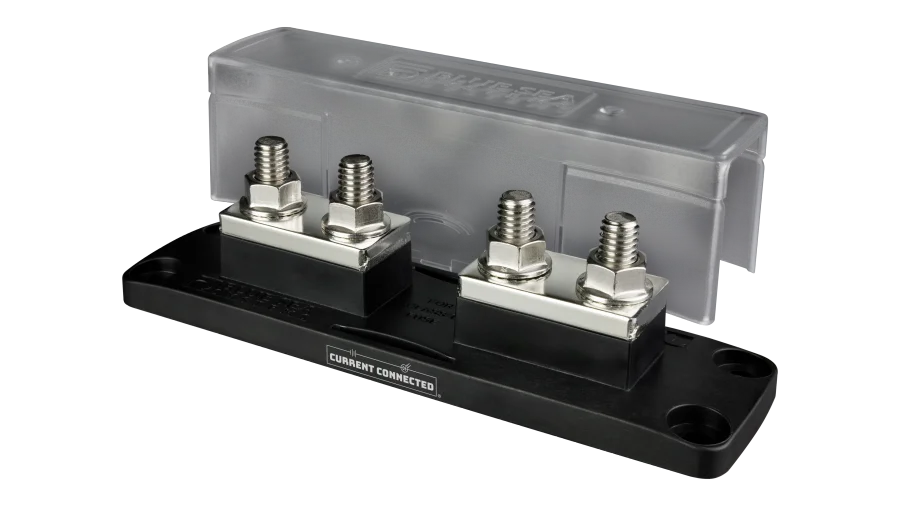
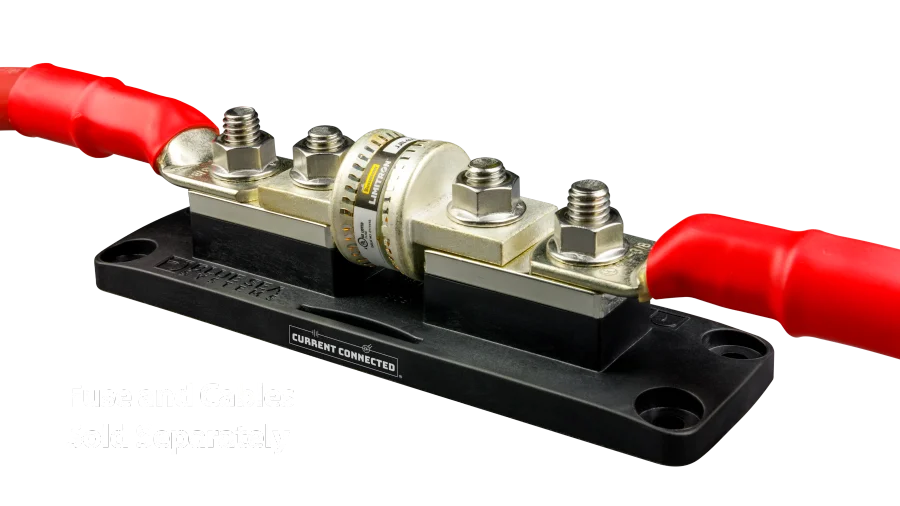
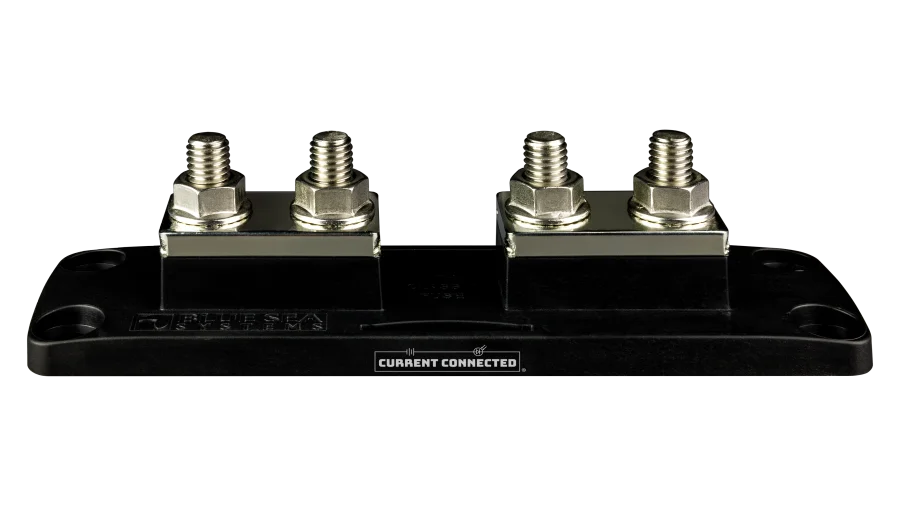
Blue Sea Systems Class-T Fuse Block, Fits 225A-400A Class-T Fuses, Up to 160Vdc, M10 Terminal Studs, for Residential or Mobile Energy Systems
A solid home for your 225A to 400A Class-T fuse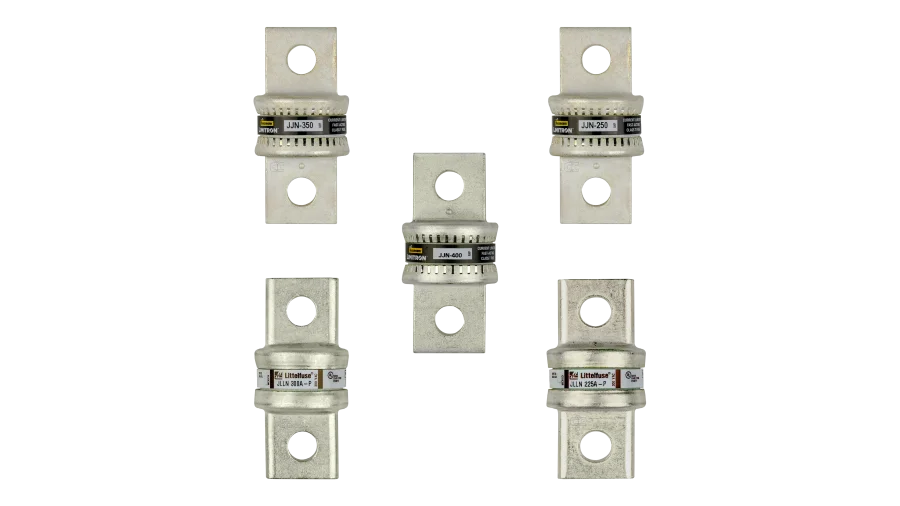
Class-T Fuse 225A-400A, Up to 125Vdc, 20kAIC for Residential or Mobile Energy Systems
The go-to fuse for large lithium battery banks, 20kAIC rated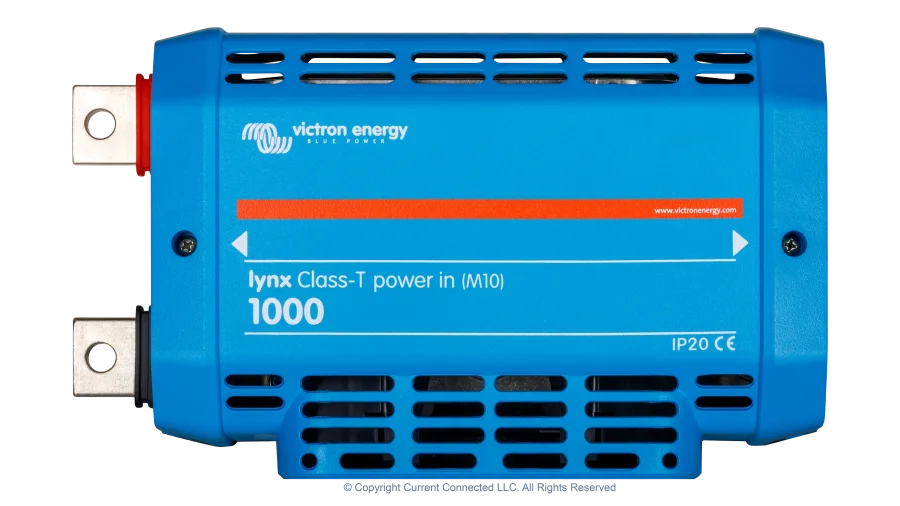
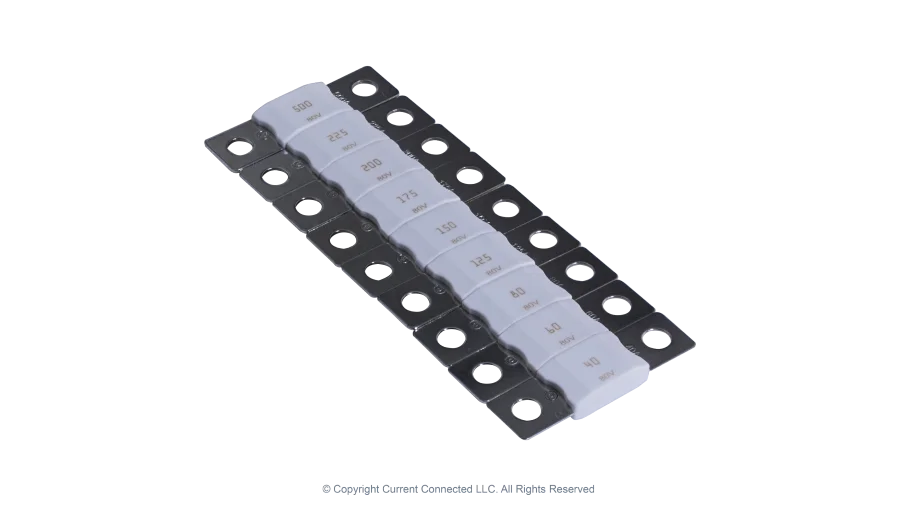
Victron Energy MEGA Fuse 60A-500A, 5 Pack, Works with 12V/24V/48Vdc Battery Systems, Fits MEGA Fuse Holders
Keep your system safe with this simple fusing option by Victron!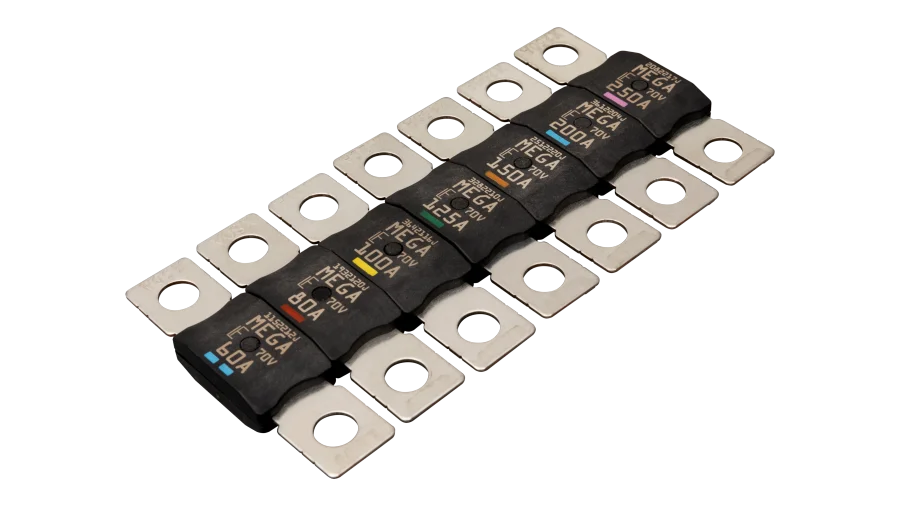
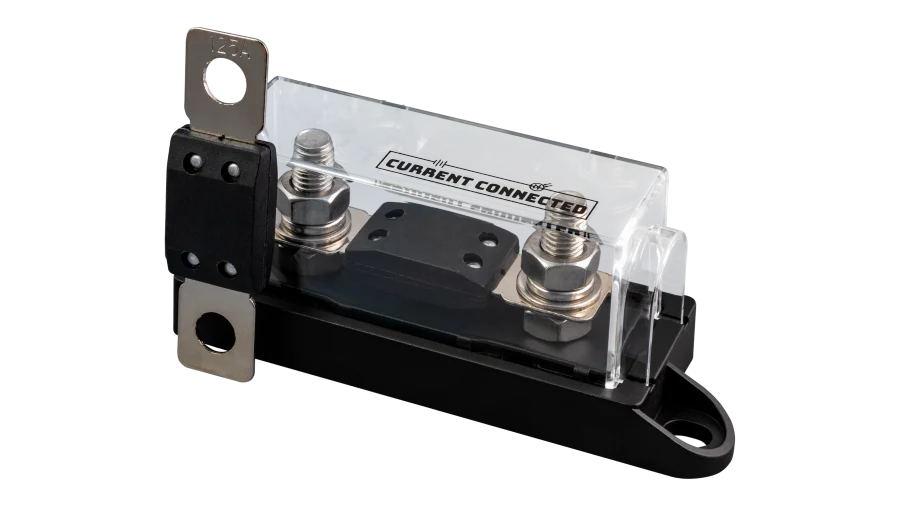
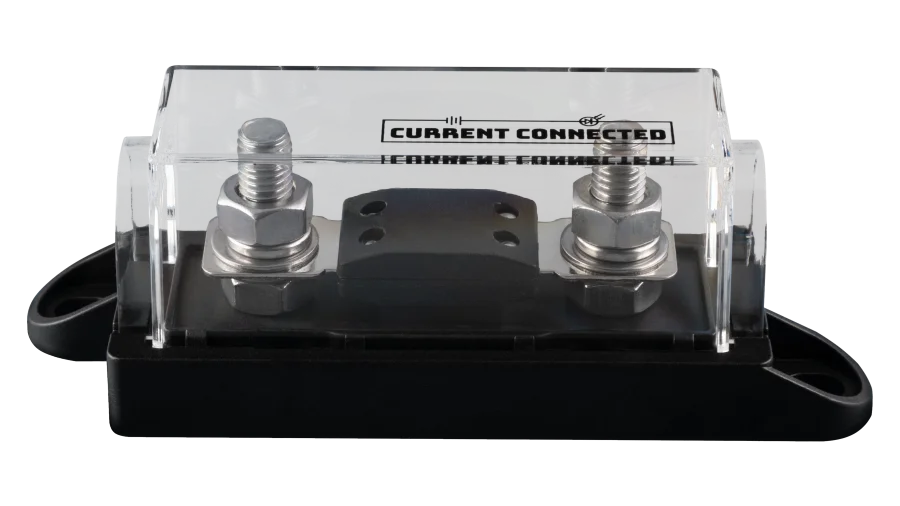
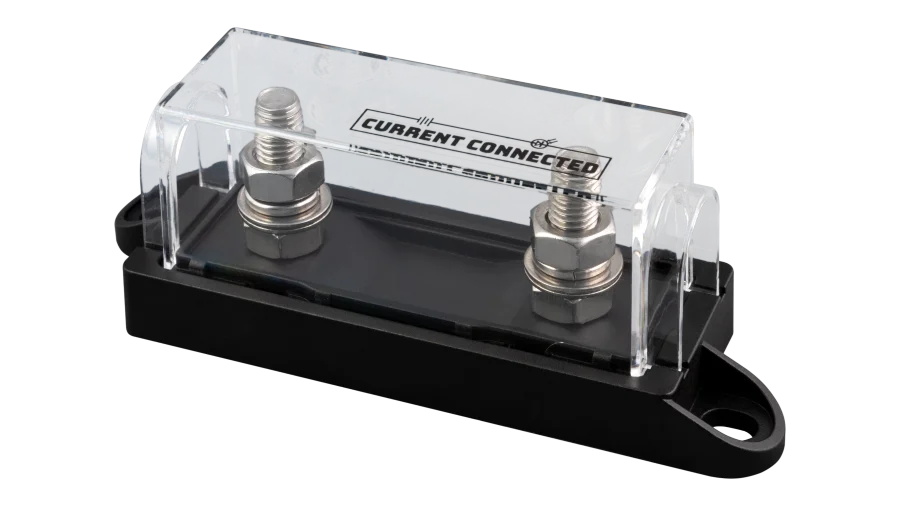
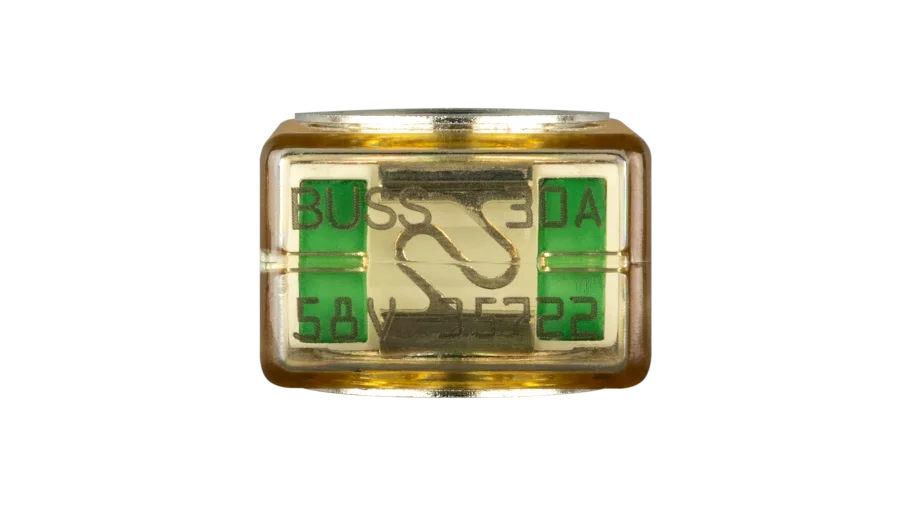
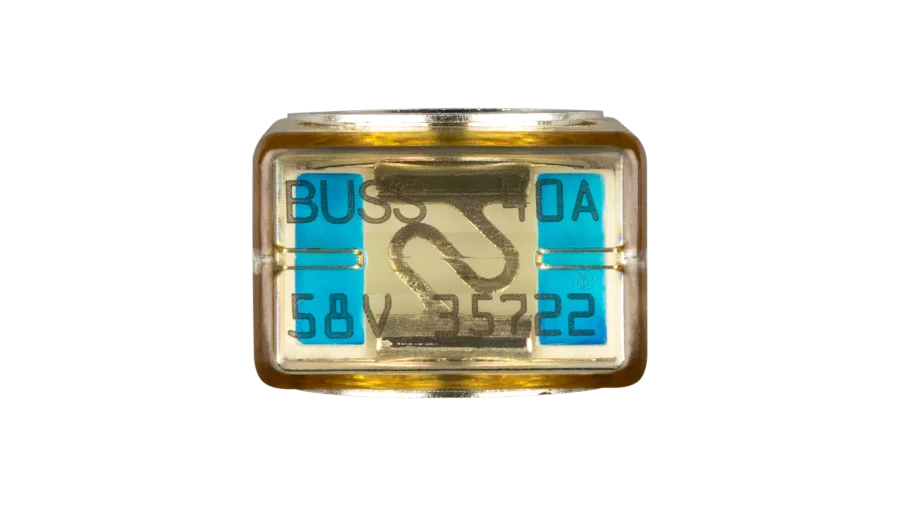
Class T vs MRBF vs MEGA: Which Battery Fuse Do You Need?
Amps we carry
225A to 400A
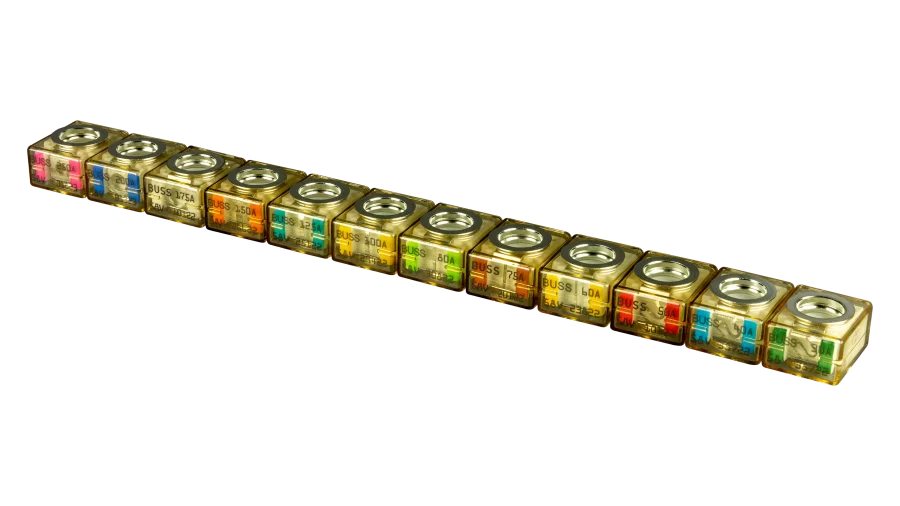
30A to 250A
40A to 500A
Max voltage
125V DC
58V DC
Up to 70V DC, varies by fuse
Interrupt rating
20,000A
10,000A at 14V DC
2,500A at 70V DC (Littelfuse)
Mounts in
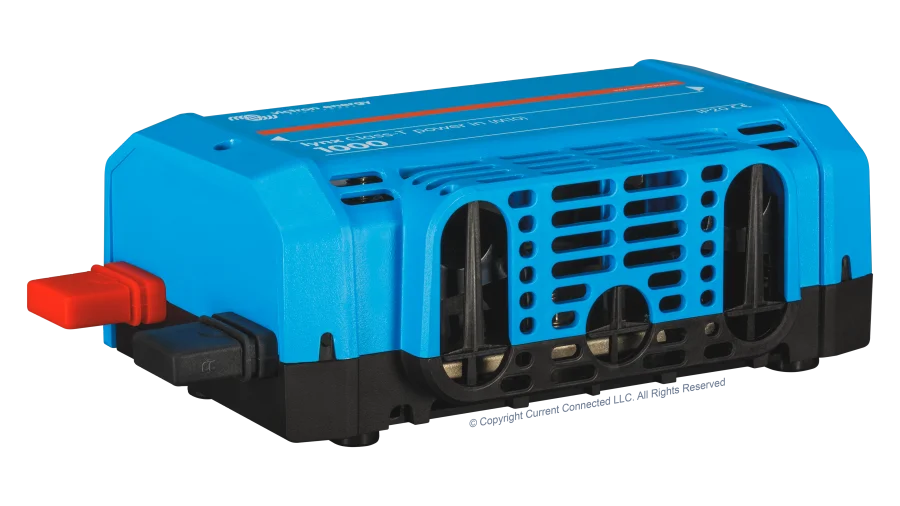
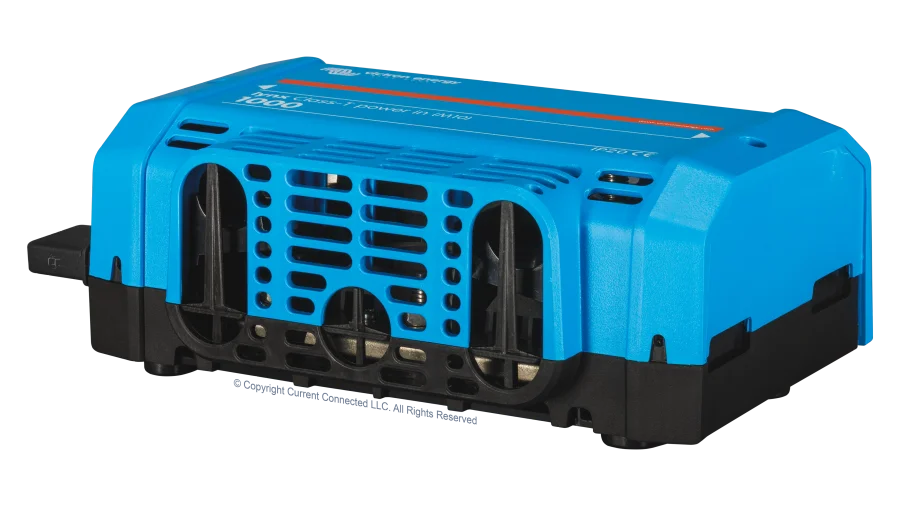
Class T fuse block or Victron Lynx Class-T Power In
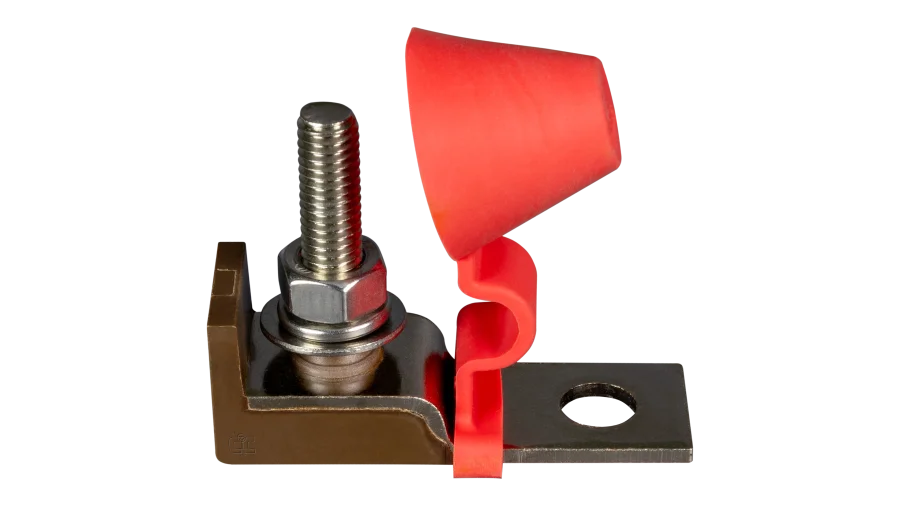
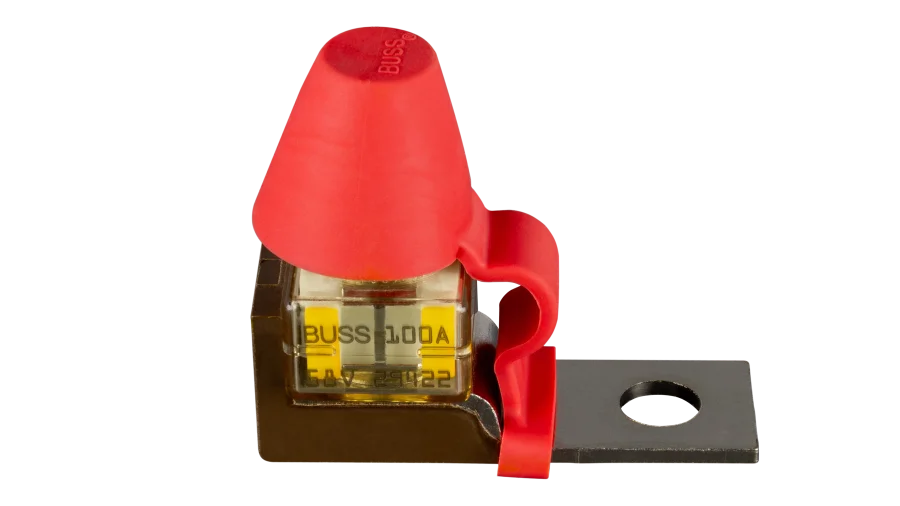
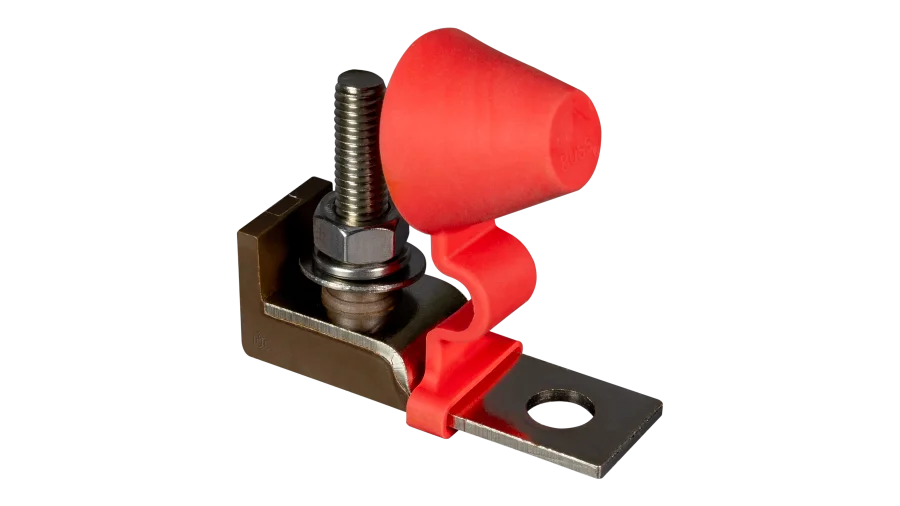
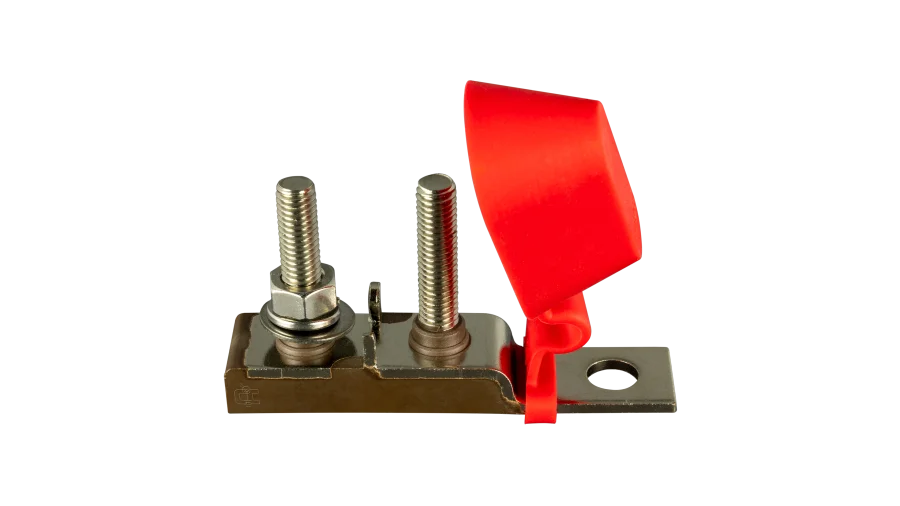
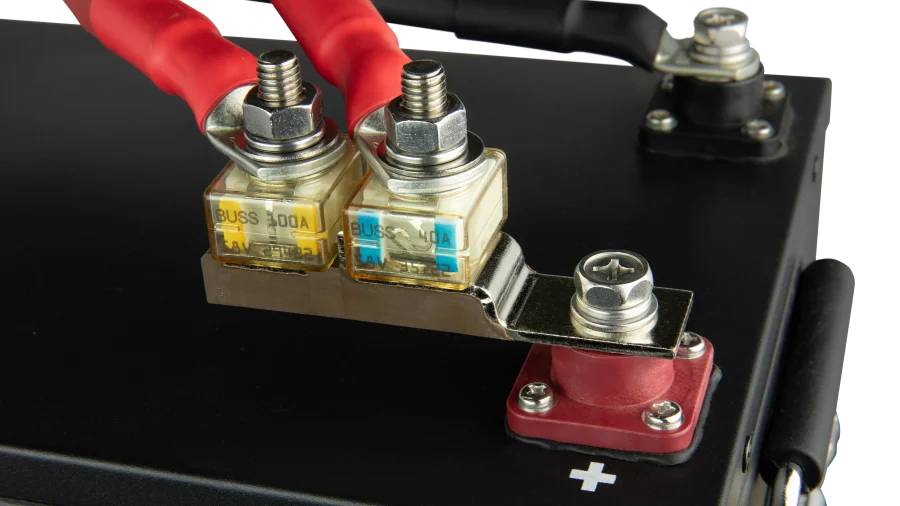
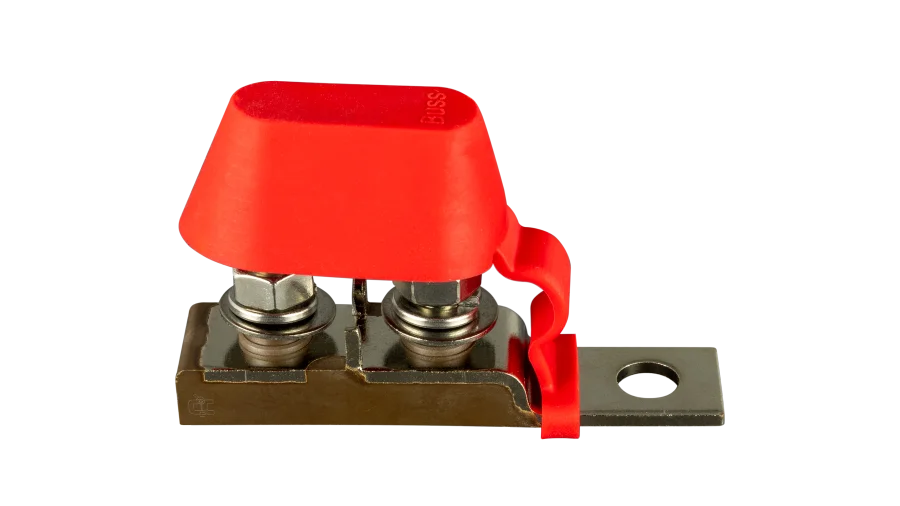
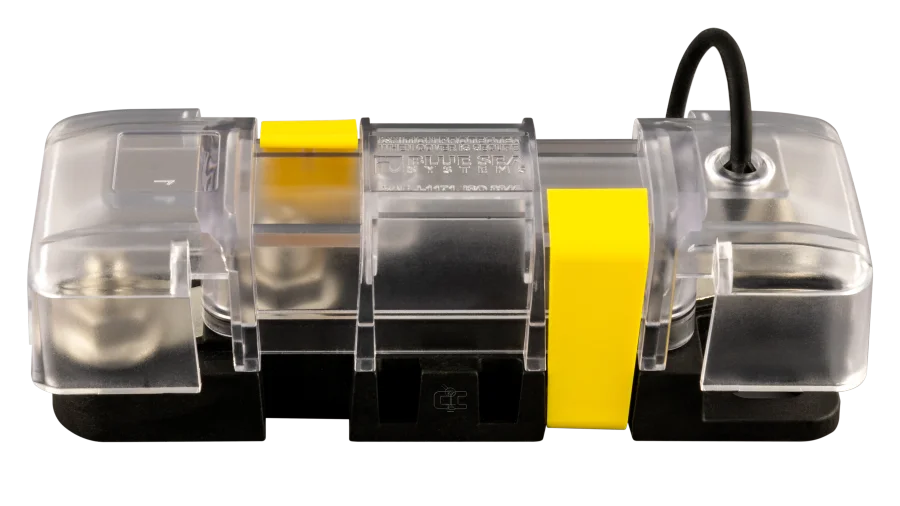
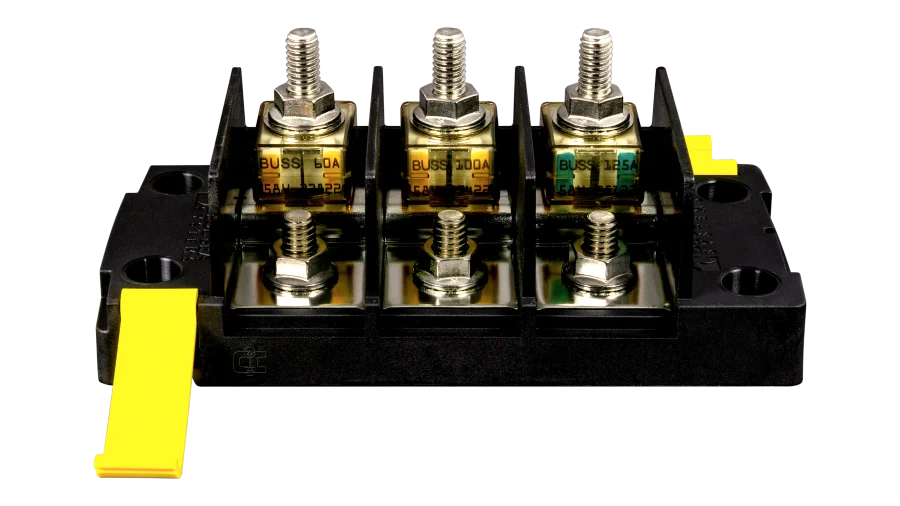
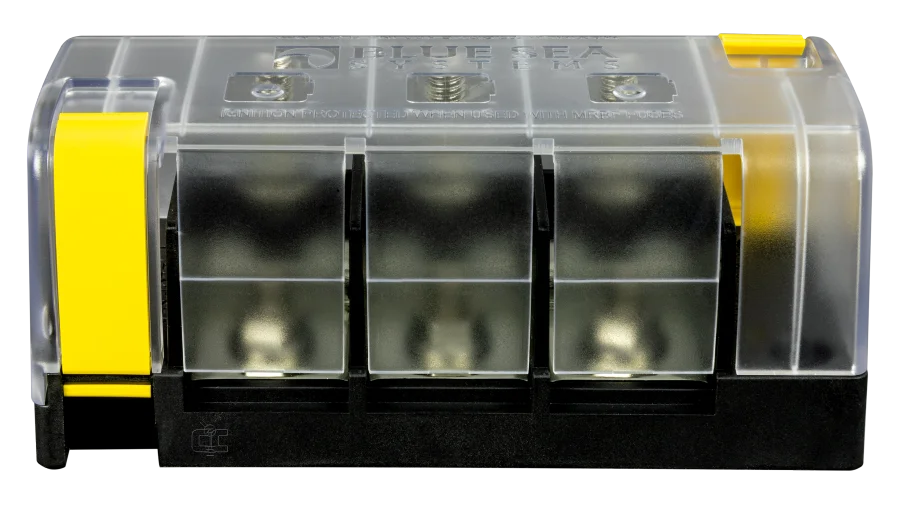
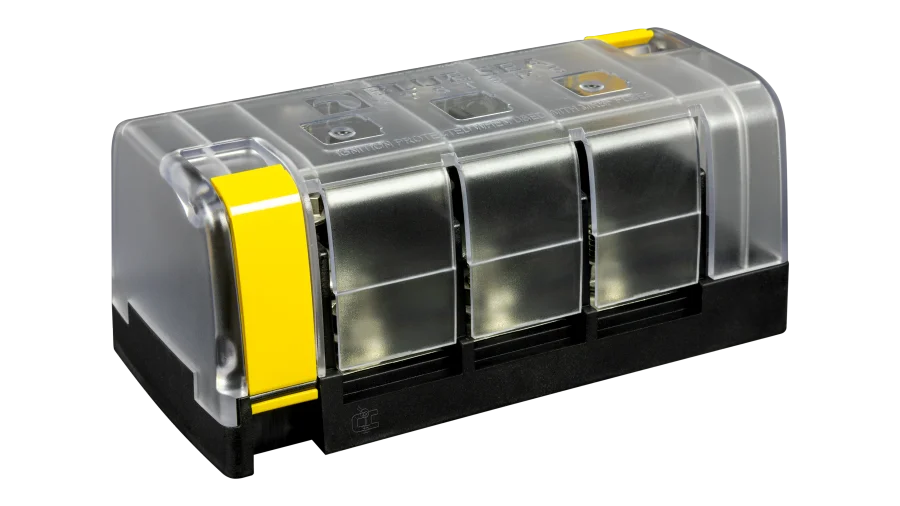
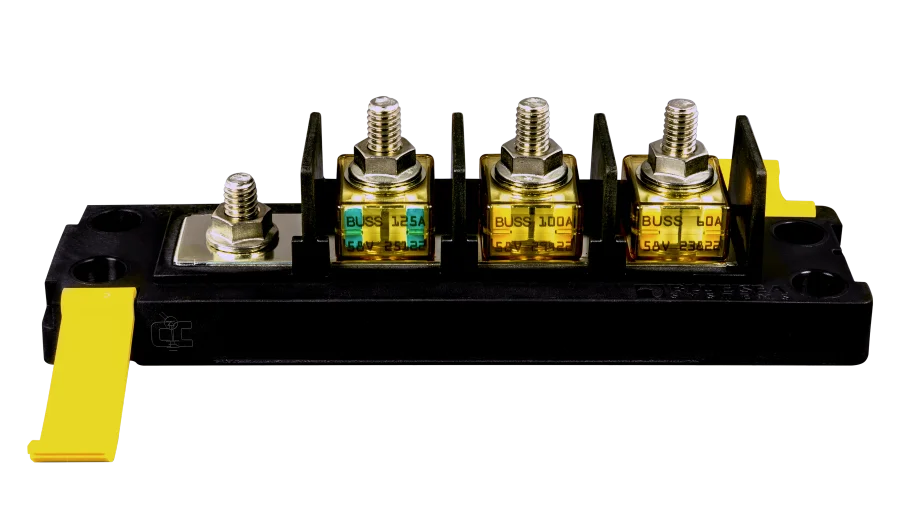
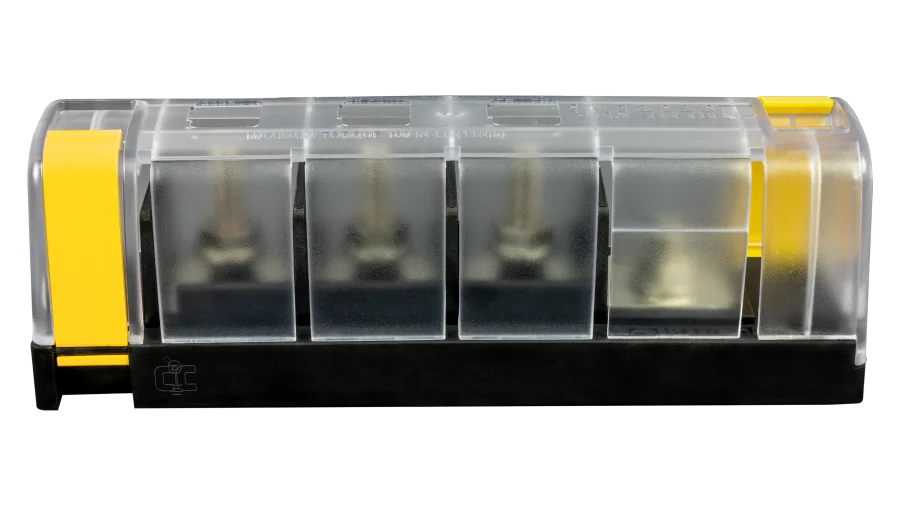
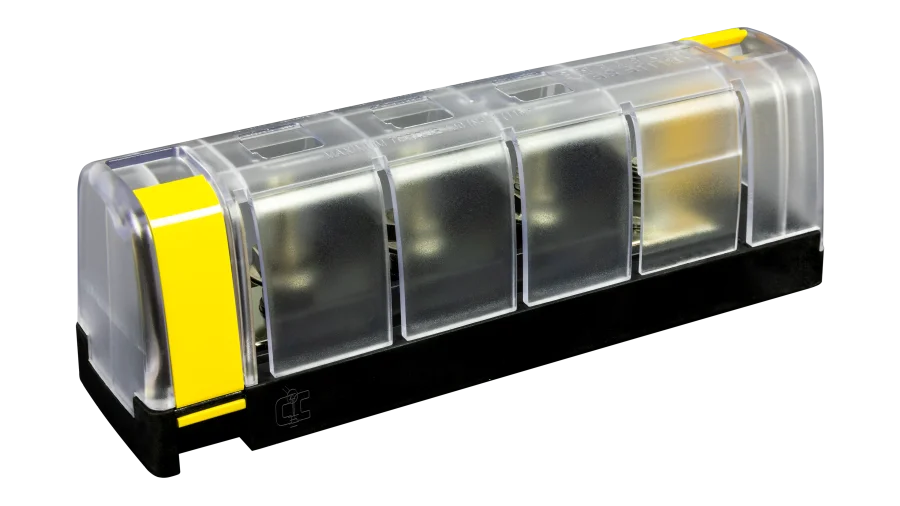
Terminal fuse block on the battery post, or a surface mount fuse block
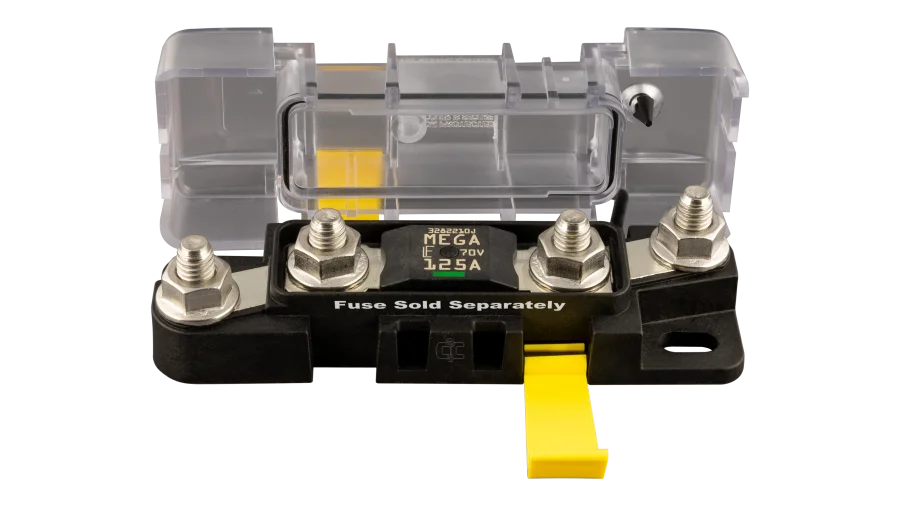
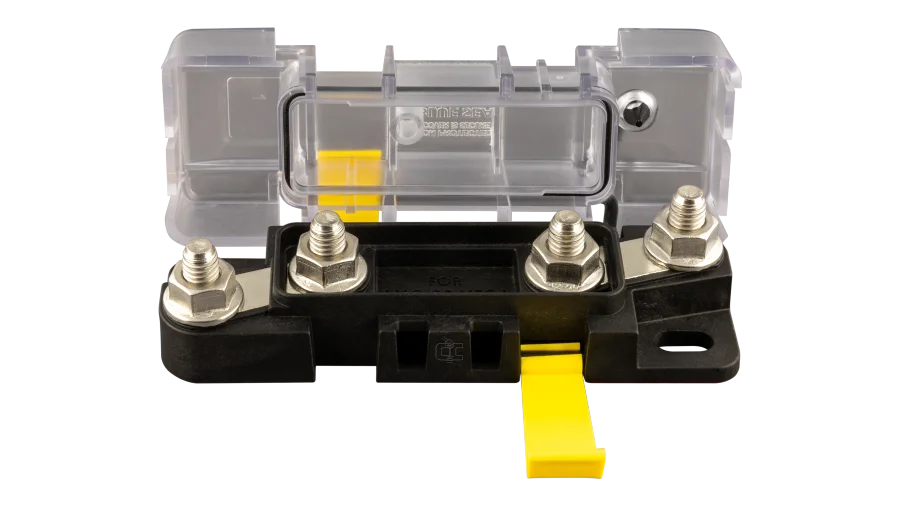
MEGA fuse holder, MEGA/AMG fuse block, or Victron Lynx
Best for
Main fuse on large LiFePO4 banks and 48V systems
Compact 12V and 24V banks in RVs, vans, and boats
Branch circuits like inverter, charger, and DC panel feeds
1. Start with interrupt rating
Interrupt rating (AIC) is the fault current a fuse can safely open. Large LiFePO4 banks and server rack systems can exceed what smaller fuses handle, which is why a Class T is the usual main fuse on those systems. MRBF fits smaller banks where it can bolt straight onto the battery post.
2. Size the amps to the cable
Size the fuse at about 125% of your maximum continuous current, then make sure the cable it protects is rated for at least that fuse size. Want a second set of eyes on your numbers? Contact our support team and we’ll help you size it.
3. Fuse the branches
Once the main fuse is in place, MEGA fuses are a compact way to protect each branch, like the inverter, charger, or DC panel feed, on a bus bar or Lynx Distributor.
Battery Fuse FAQ
Start with your inverter’s maximum continuous DC current. Most systems size the fuse at about 125% of that number, then confirm the battery cable is rated for at least the fuse size. Not sure on the math? Contact our support team and we’ll help you size it.
Yes. MRBF fuses are rated to 58V DC, so they work on 48V systems. Their 10,000A interrupt rating is stated at 14V DC, though, so on large 48V lithium banks a Class T is usually the better main fuse.
MEGA fuses have a much lower interrupt rating than Class T or MRBF, so they are best used on branch circuits. For the main fuse on a lithium bank, a Class T or MRBF at the battery is the safer pick.
Yes. Class T and MEGA fuses mount in a holder or fuse block that takes the cable lugs. MRBF fuses mount on a terminal fuse block that bolts straight onto the battery post. Victron Lynx users can use the Lynx Class-T Power In, and MEGA fuses fit the Lynx Distributor.
As close to the battery positive terminal as you can, so the whole cable run is protected. MRBF terminal blocks mount right on the post, and a Class T block should sit within a short cable run of the battery.