
Shop MC4 Crimpers, Torque Tools, and Insulated Tools for Solar Installs
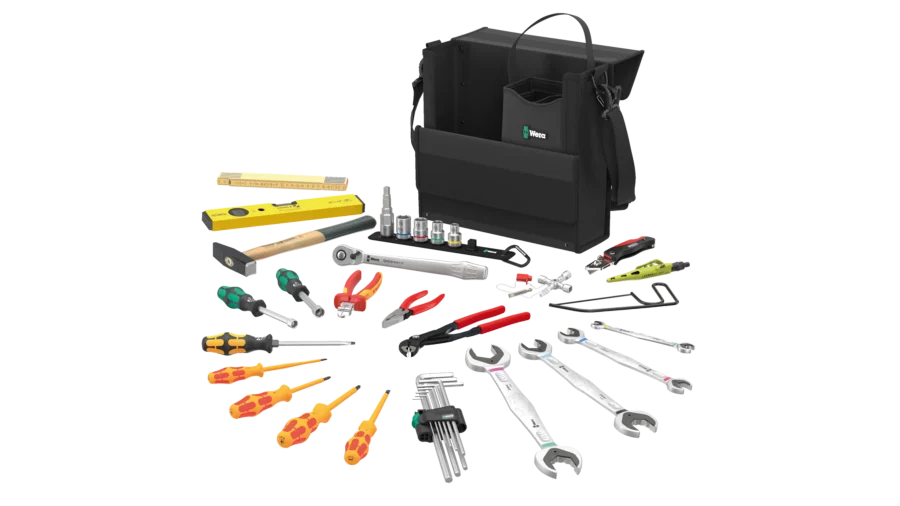
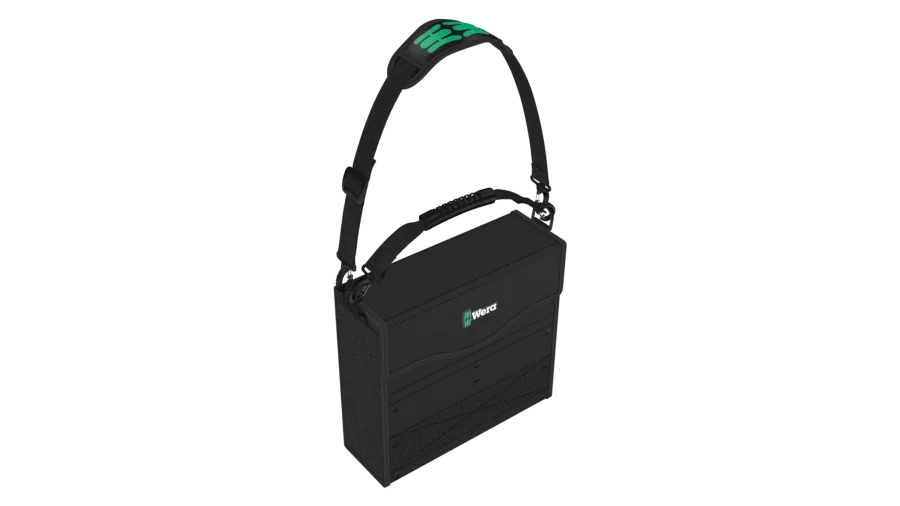
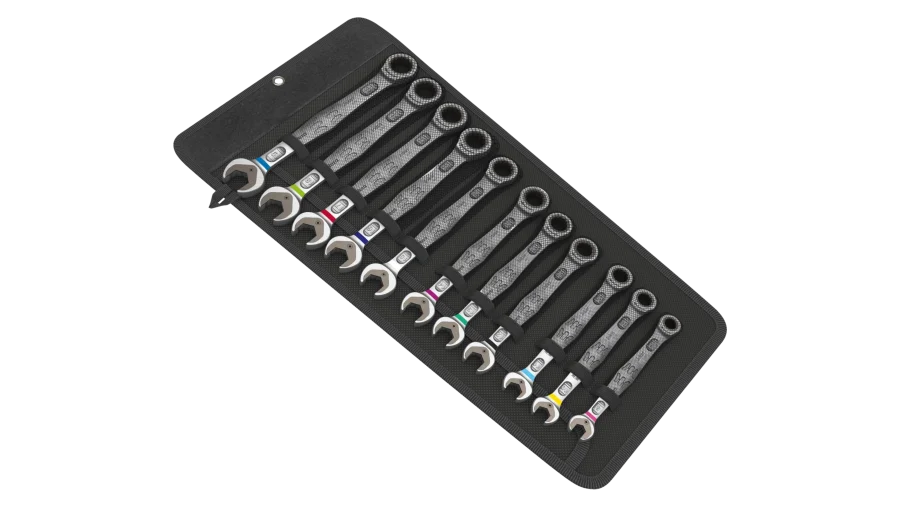
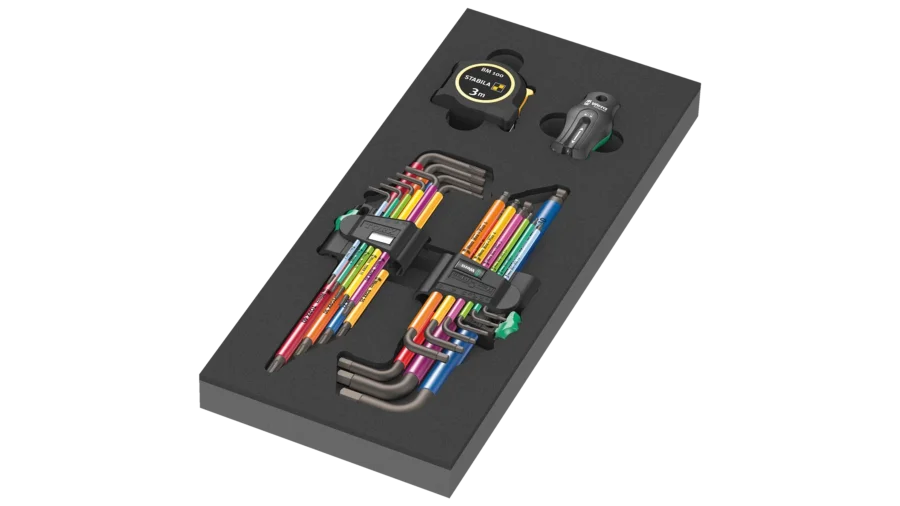
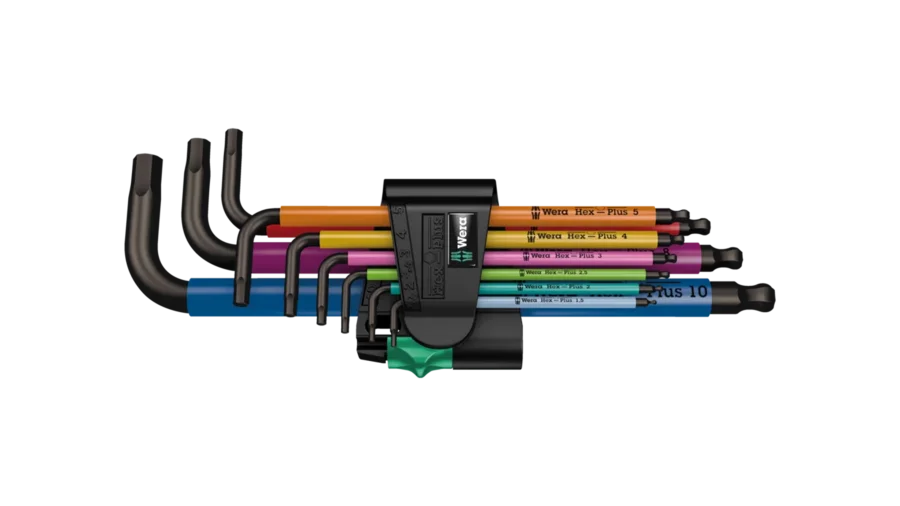
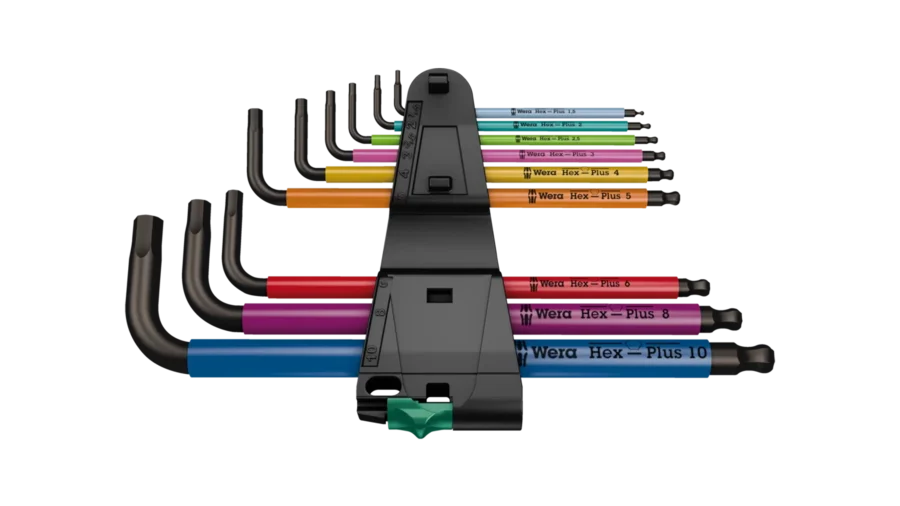
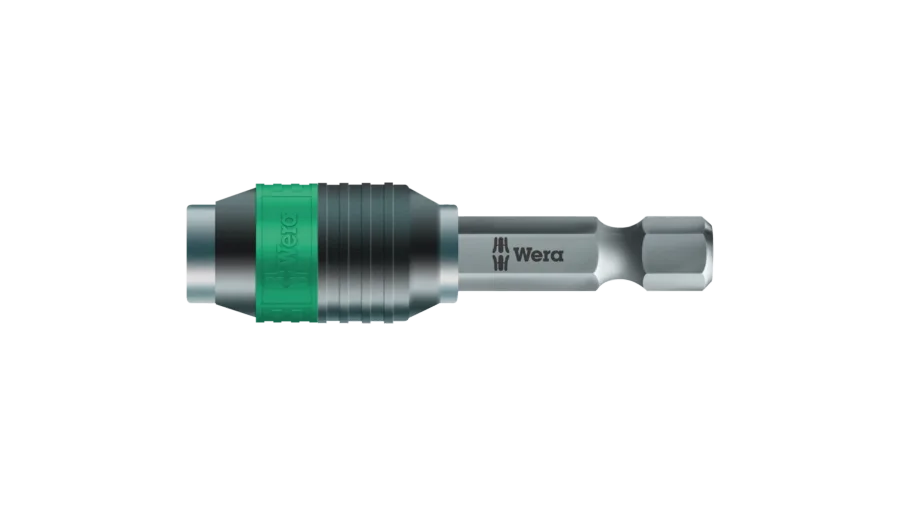
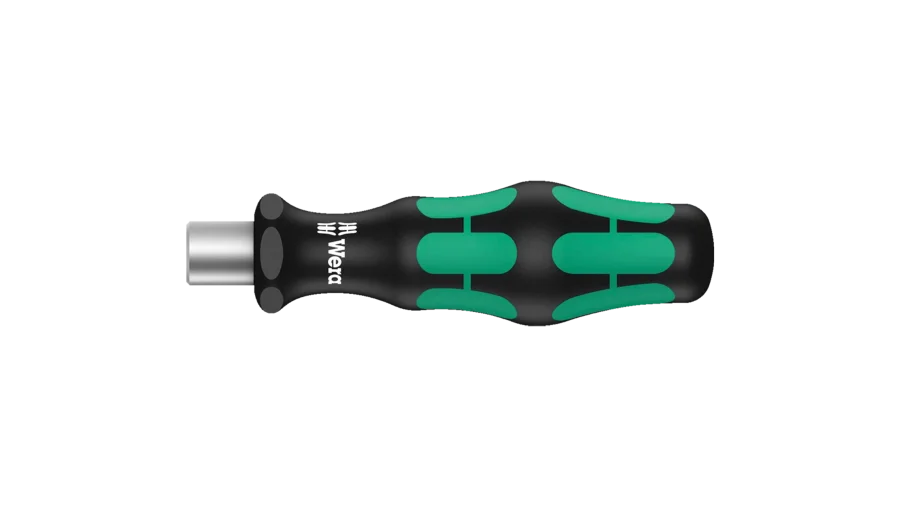
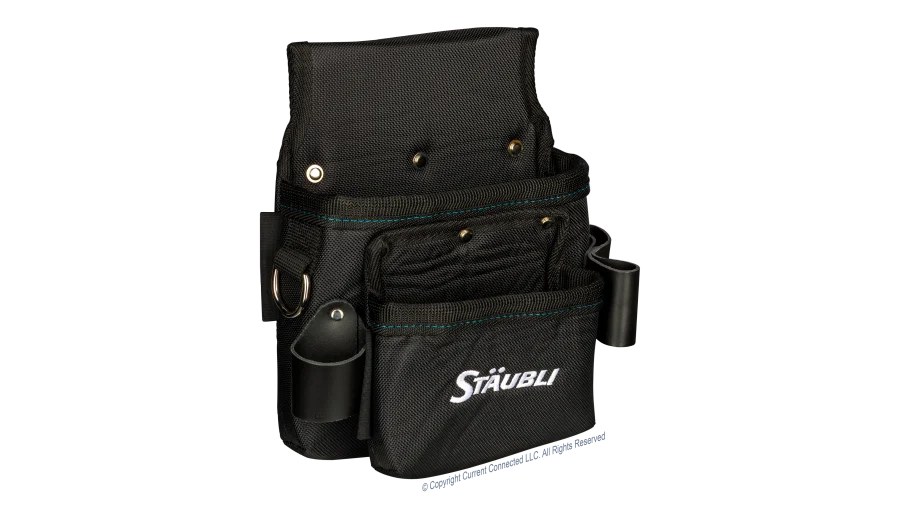
The right tools make every connection tight, safe, and done right the first time. We carry Stäubli MC4 crimpers and PV tools, Wera torque and insulated VDE tools, KPS clamp meters, and Aptos connector unlock tools.

How to Choose Solar Installation Tools
1. Start With the Job in Front of You
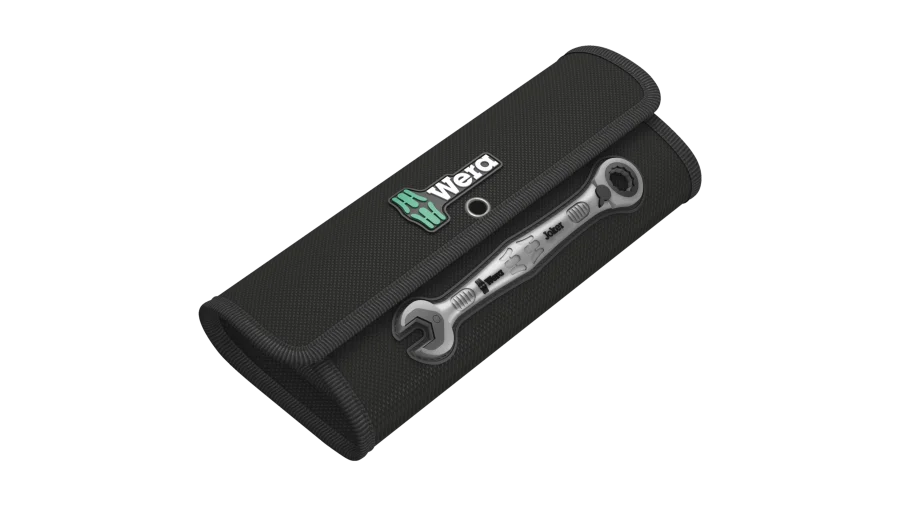
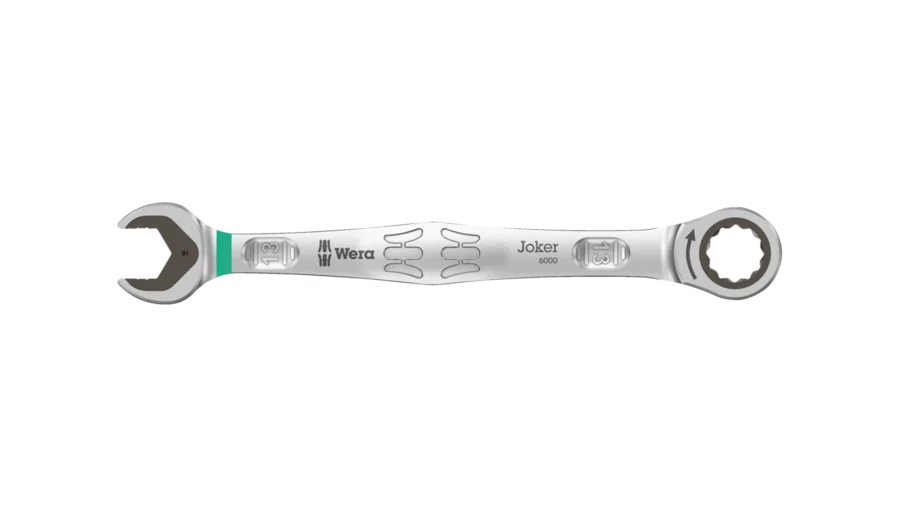
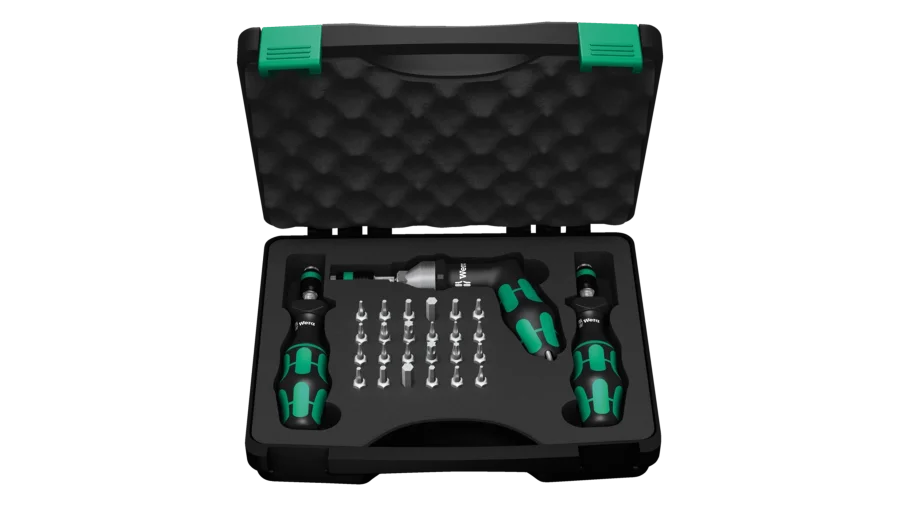
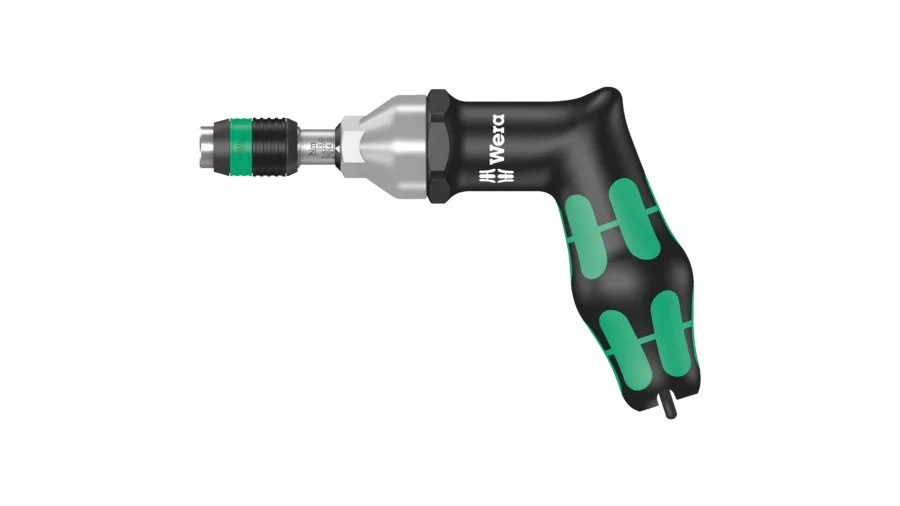
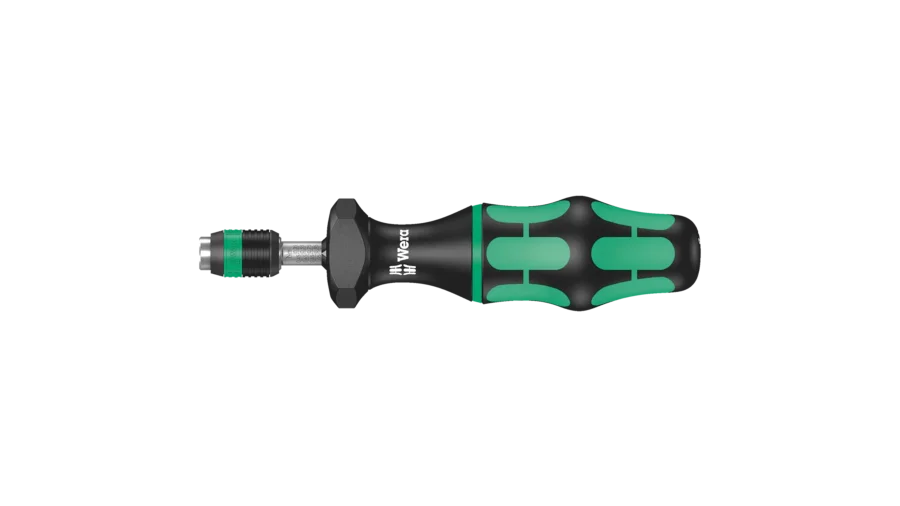
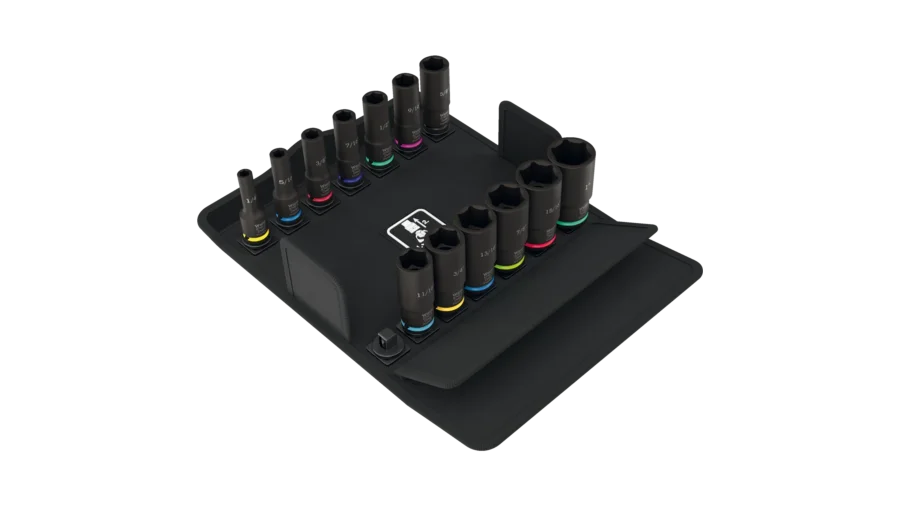
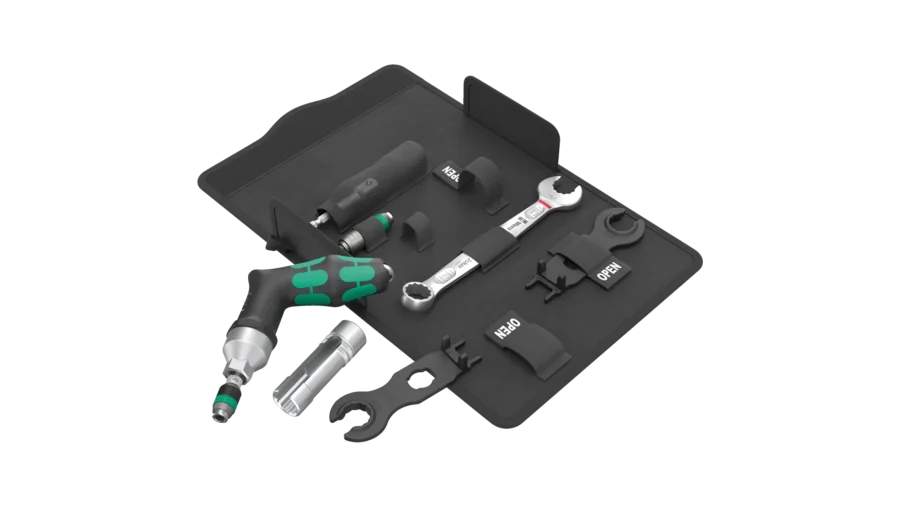
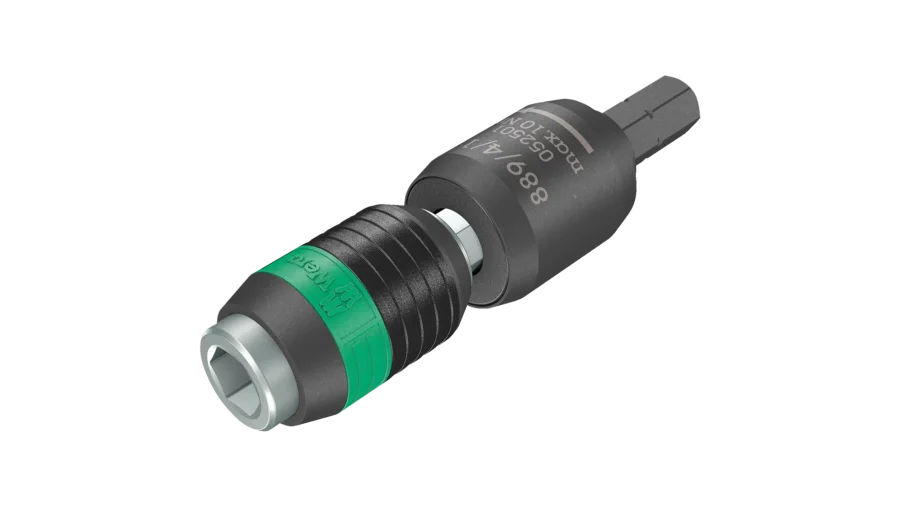
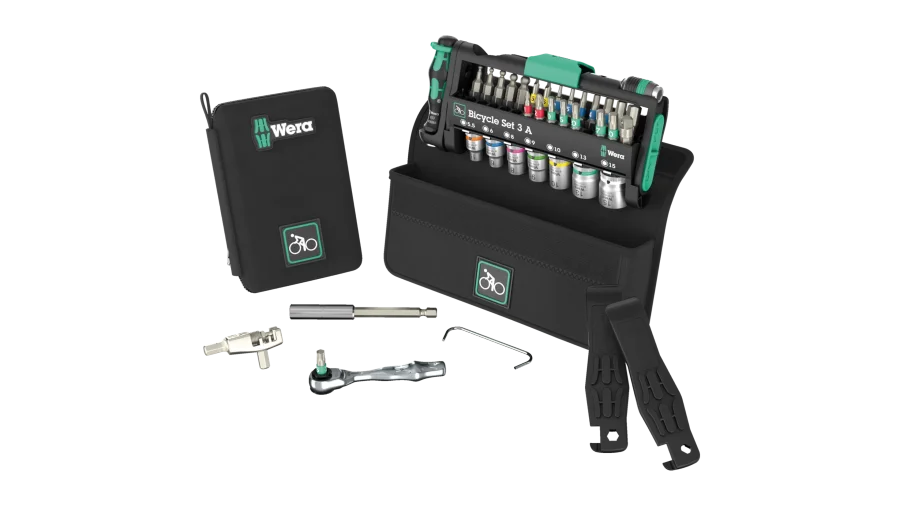
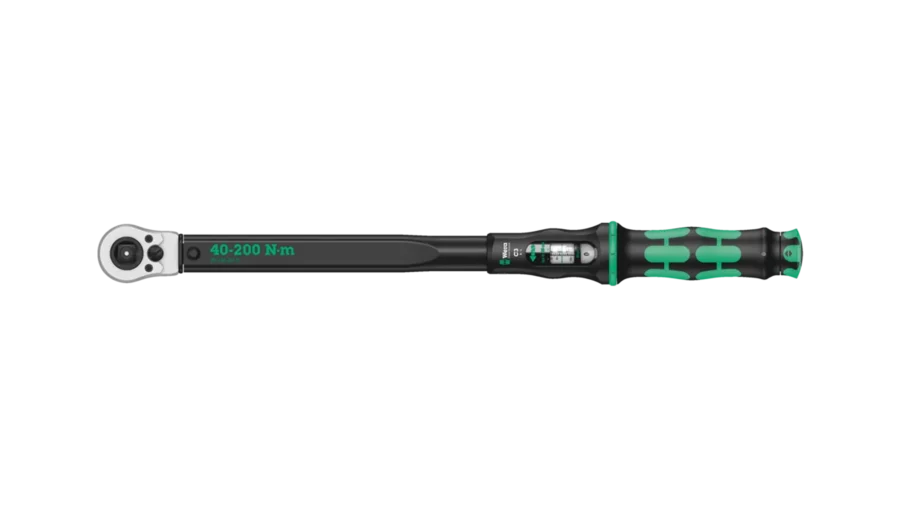
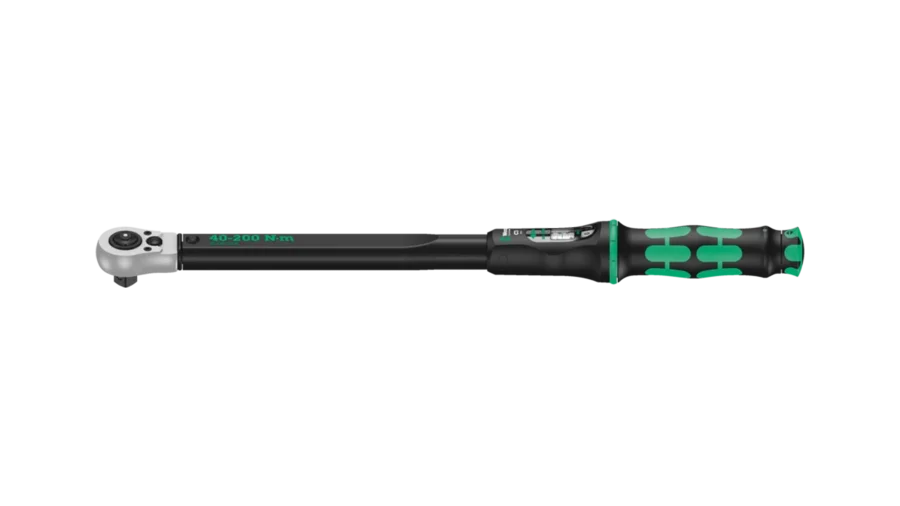
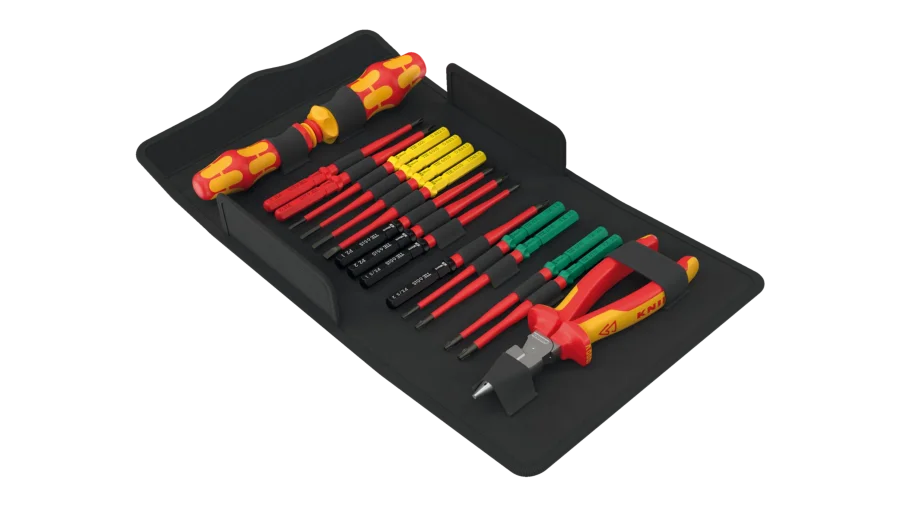
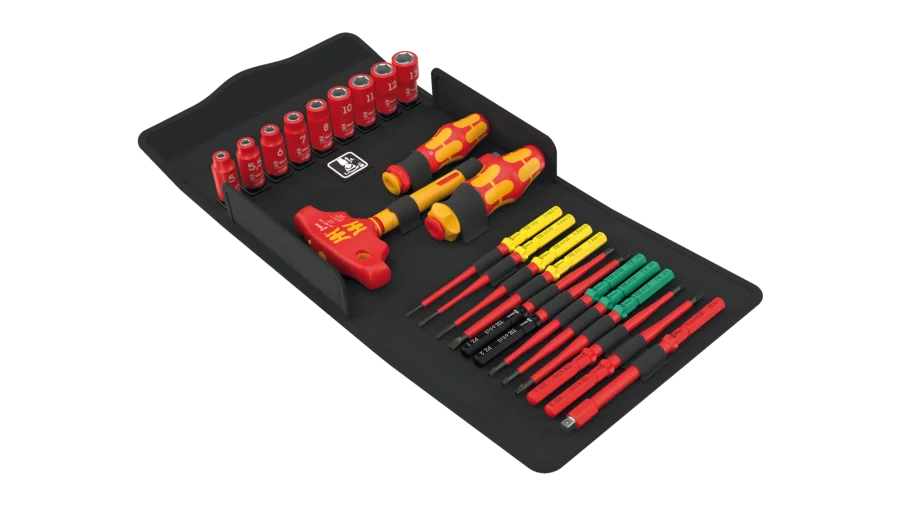
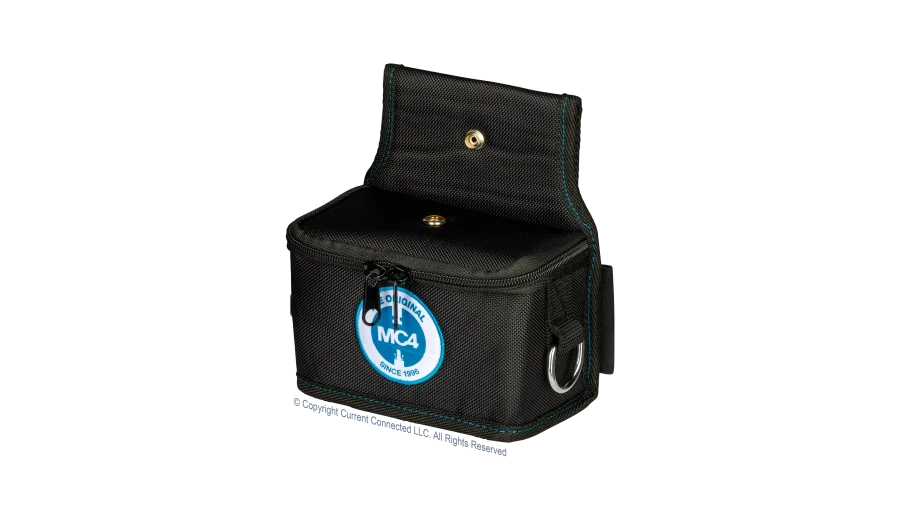
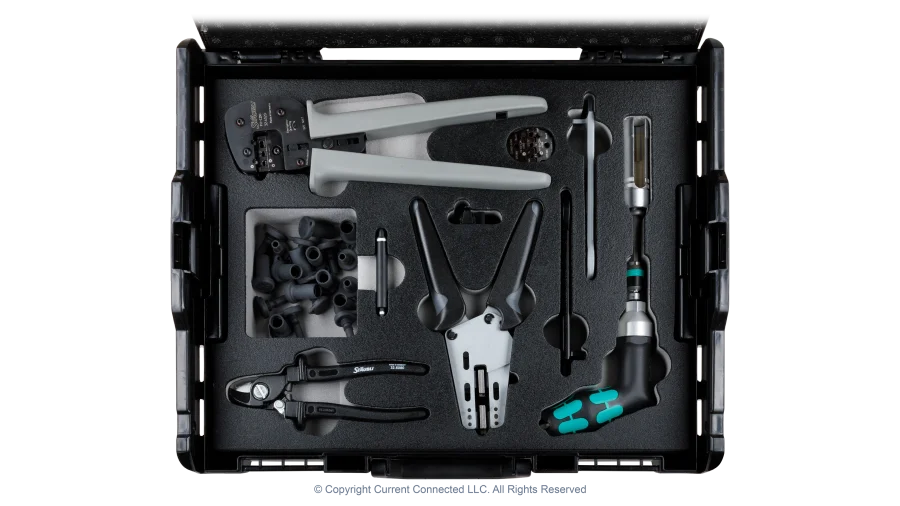
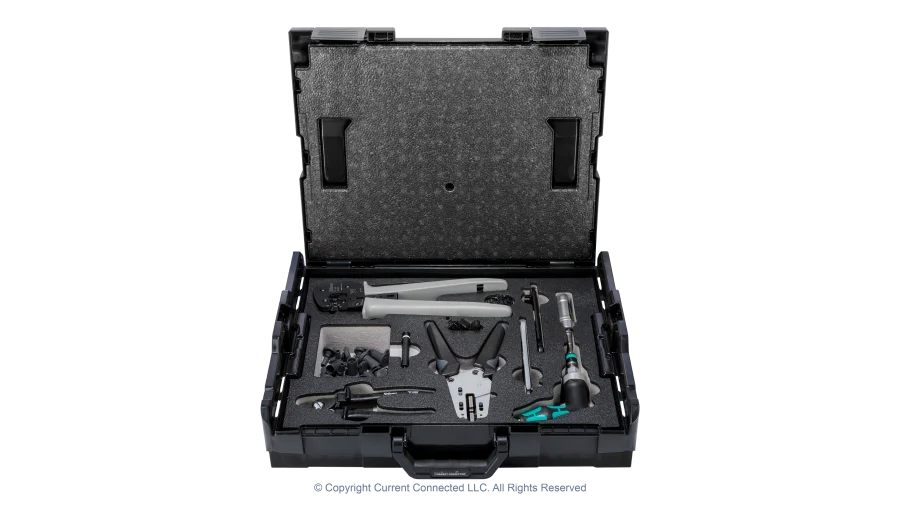
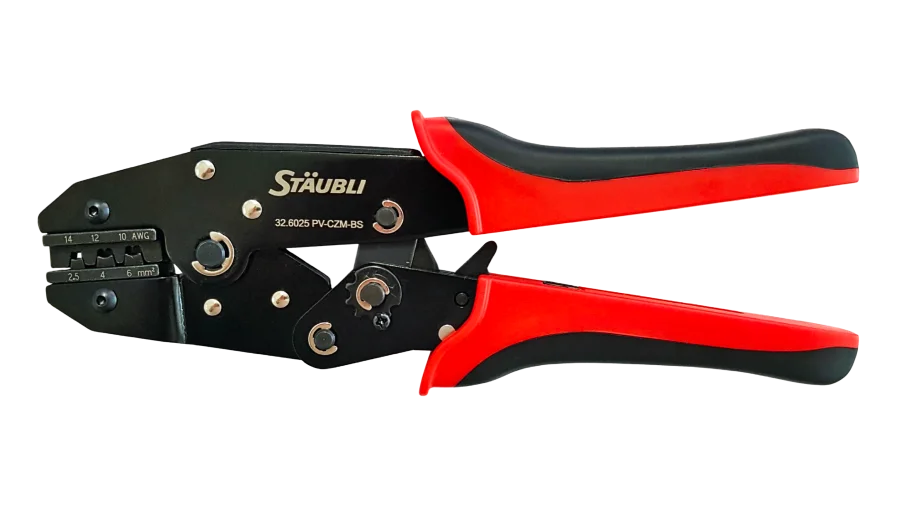
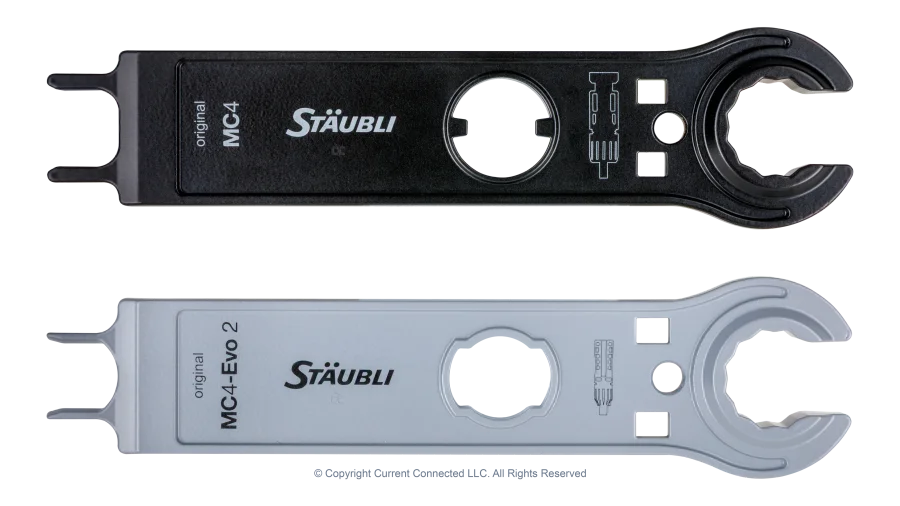
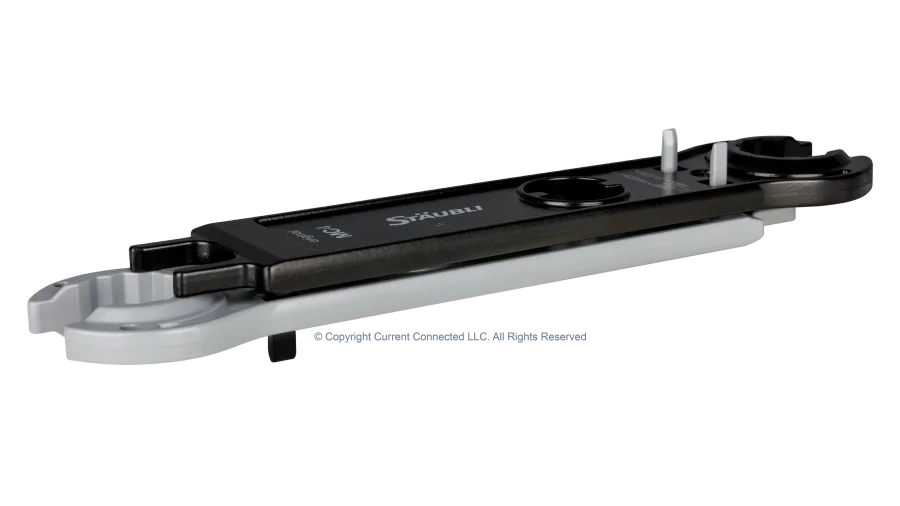
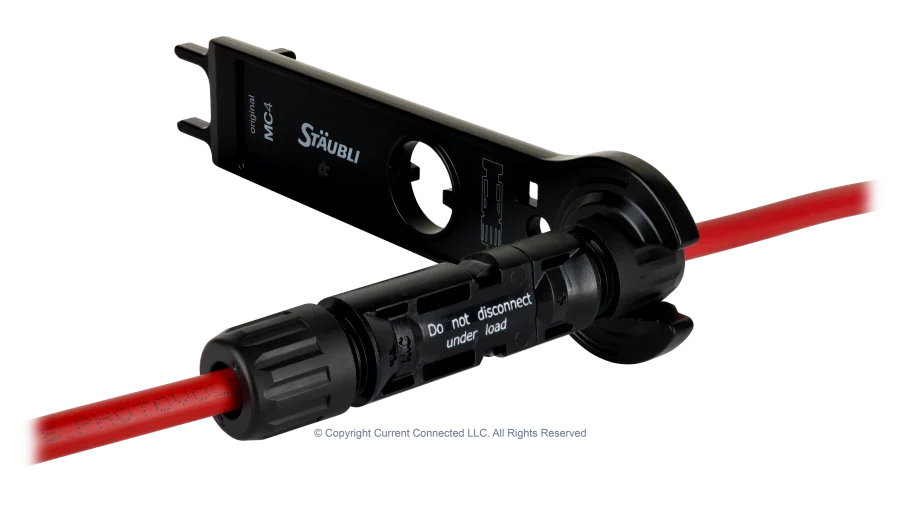
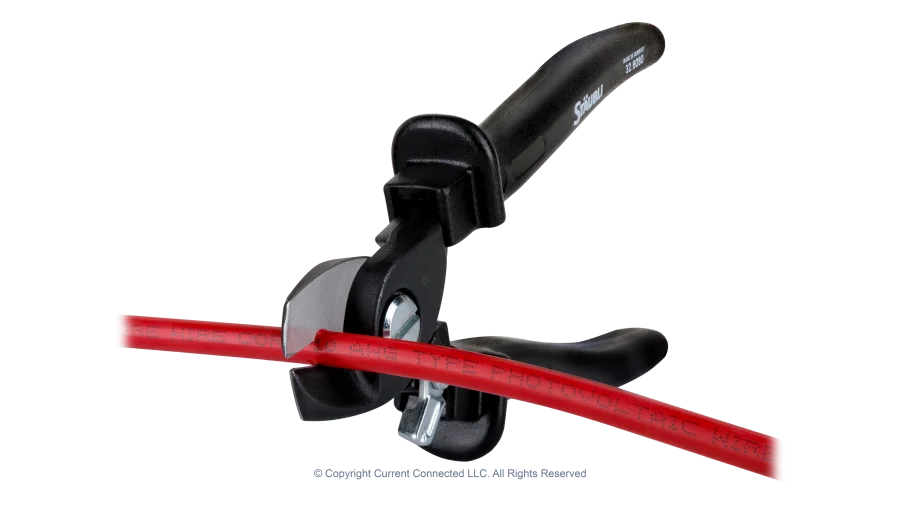
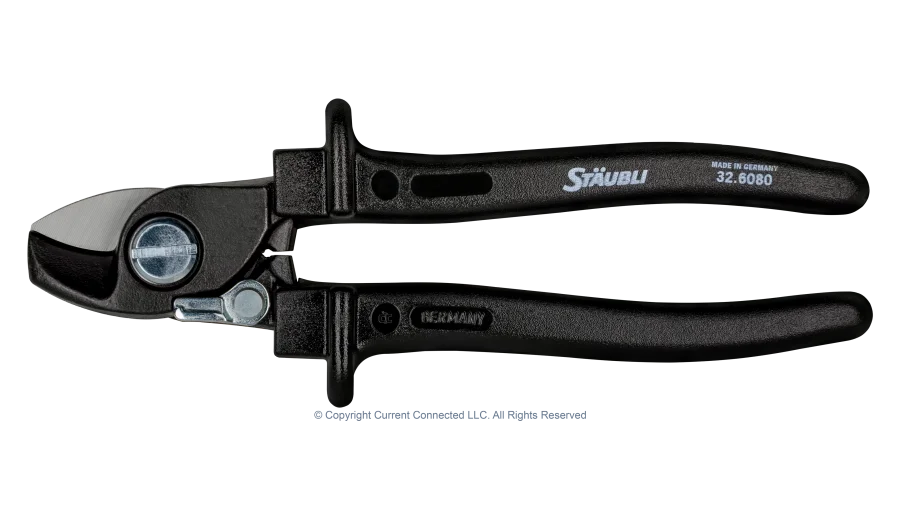
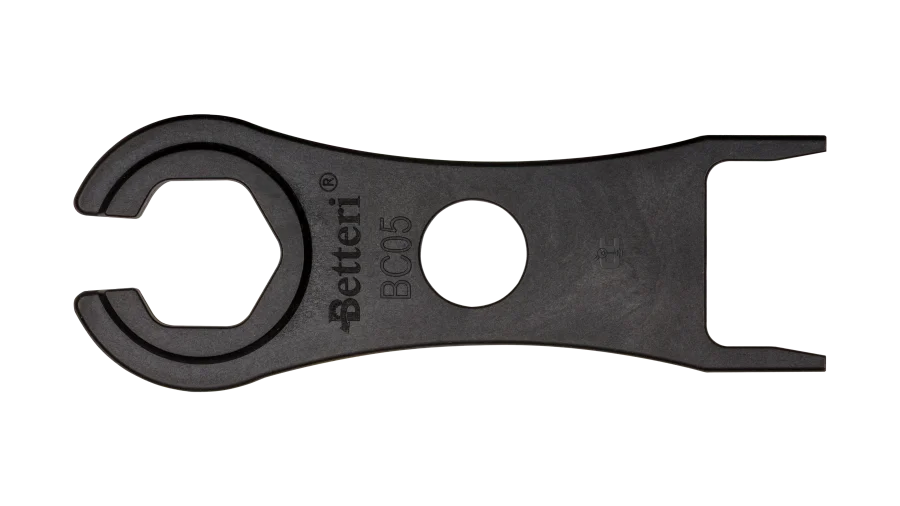
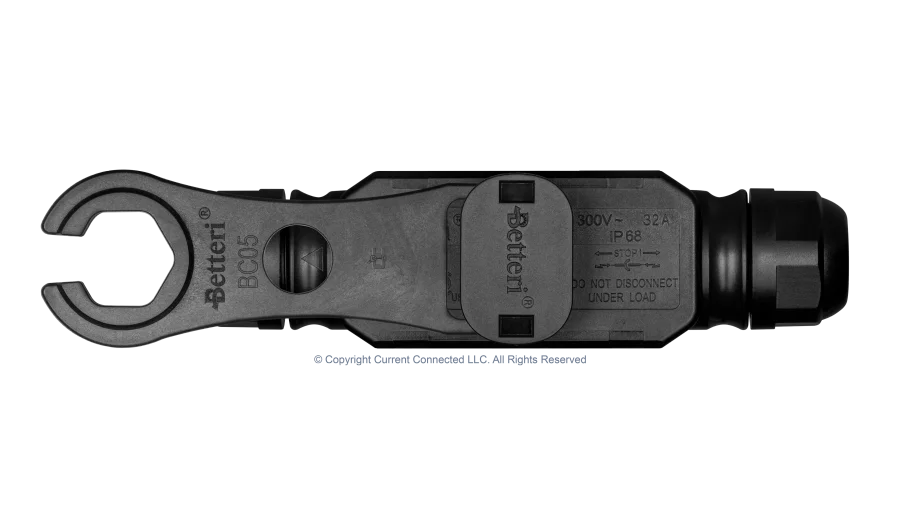
Building MC4 connections? You’ll want Stäubli crimping pliers, cable shears, and open-end spanners, or Aptos unlock tools for microinverter cables. Torquing battery lugs and breaker terminals calls for a torque screwdriver or wrench, and working near live parts calls for insulated VDE tools. The Type filter groups everything by job, from Solar Connector Tools to Test Meters.
2. Buy the Crimper Made for Your Connector
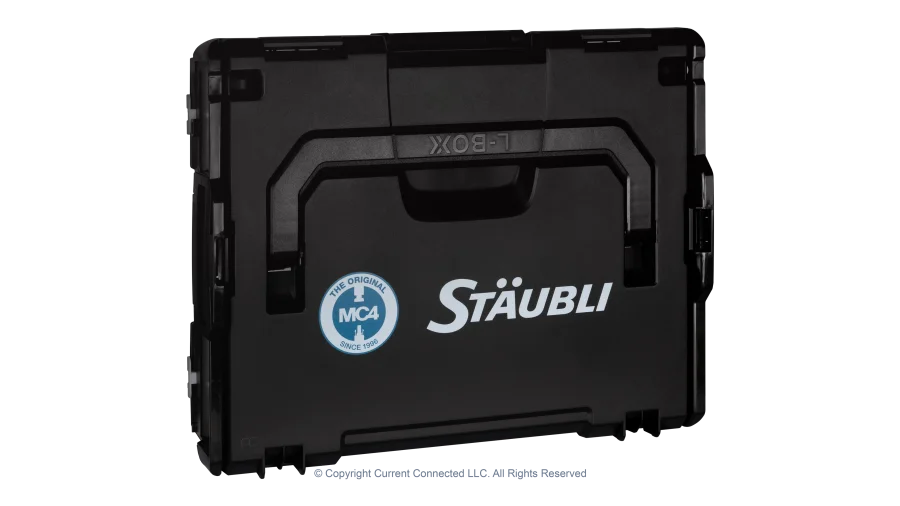
MC4 connectors are only as good as their crimp. Stäubli makes the original MC4 connector and the crimping pliers designed for its contacts, so match your tool to your connectors and PV wire. The Brand filter also covers Wera precision hand tools and KPS test meters.
3. Torque Every Connection
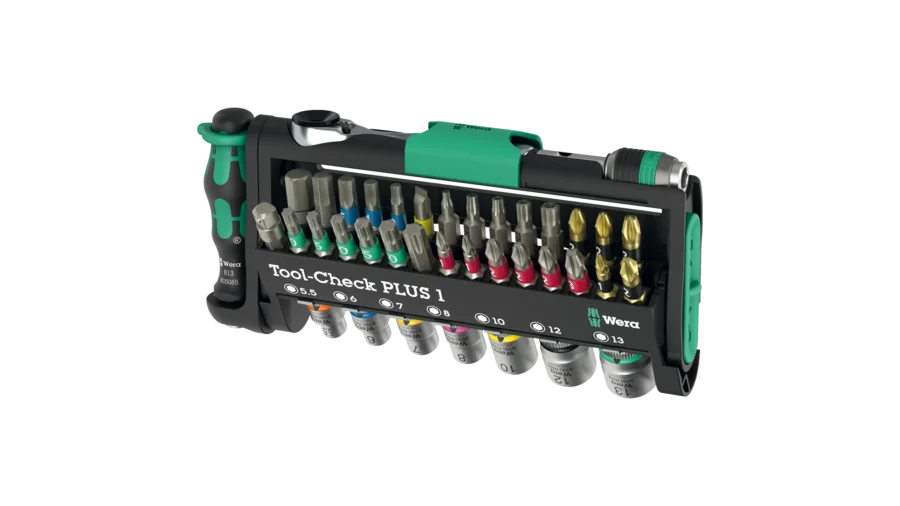
Loose terminals are a common cause of heat and failures in battery and inverter connections. A torque screwdriver or torque wrench lets you hit the manufacturer’s spec on lugs, busbars, and breaker terminals. Making your own battery cables? Our crimping guide shows the process start to finish.
Solar Tools FAQ
A proper MC4 crimp forms the contact around the wire with the right pressure and shape. Generic crimpers can leave a weak joint that heats up or pulls loose, and mixing connector brands or tools can void the connector’s listing.
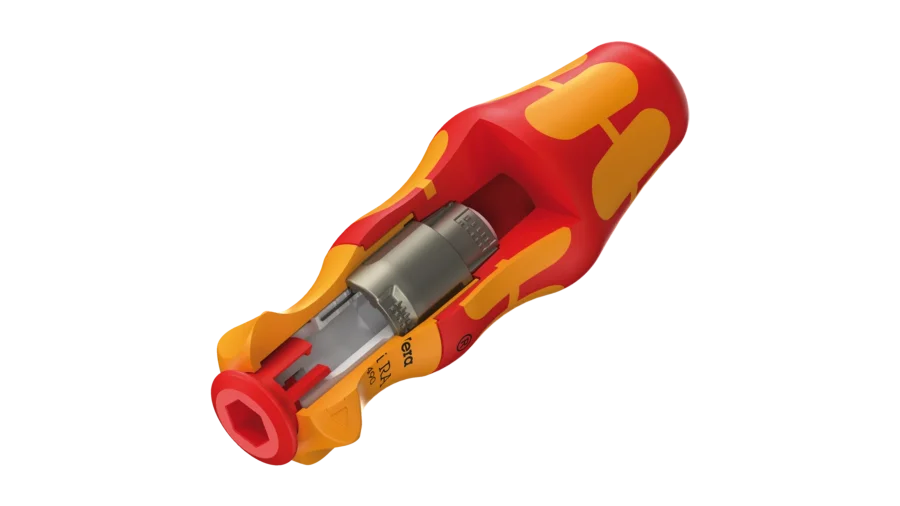
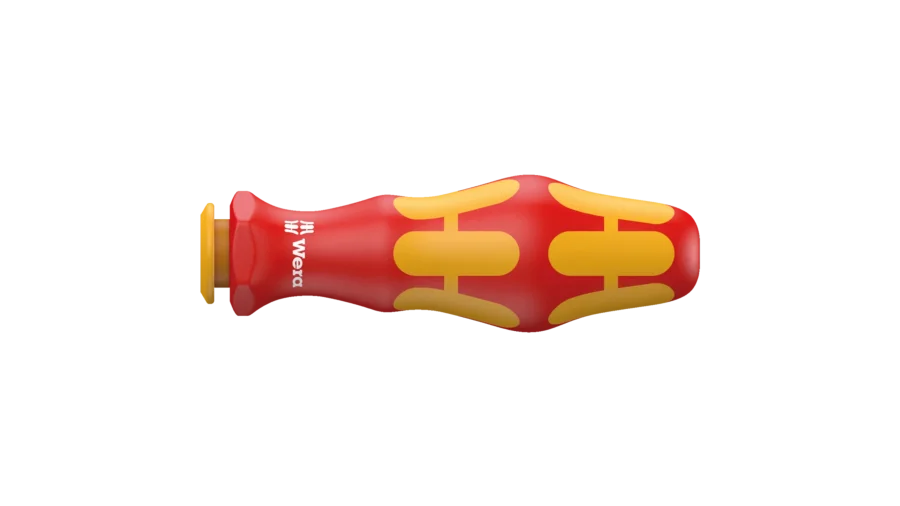
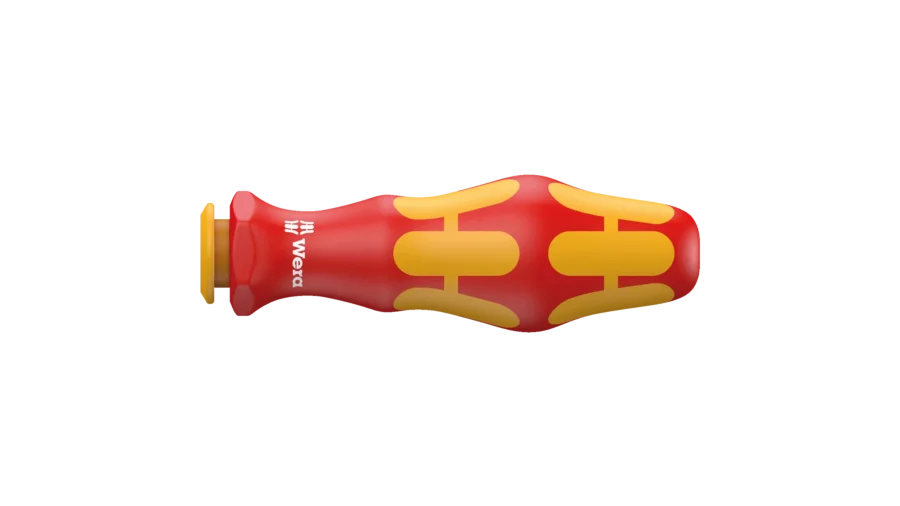
VDE tools are individually tested for work near live circuits up to 1,000V AC, and the insulation helps protect against accidental contact with energized parts. They’re a smart choice for battery and panel work, though the safest practice is still to de-energize first.
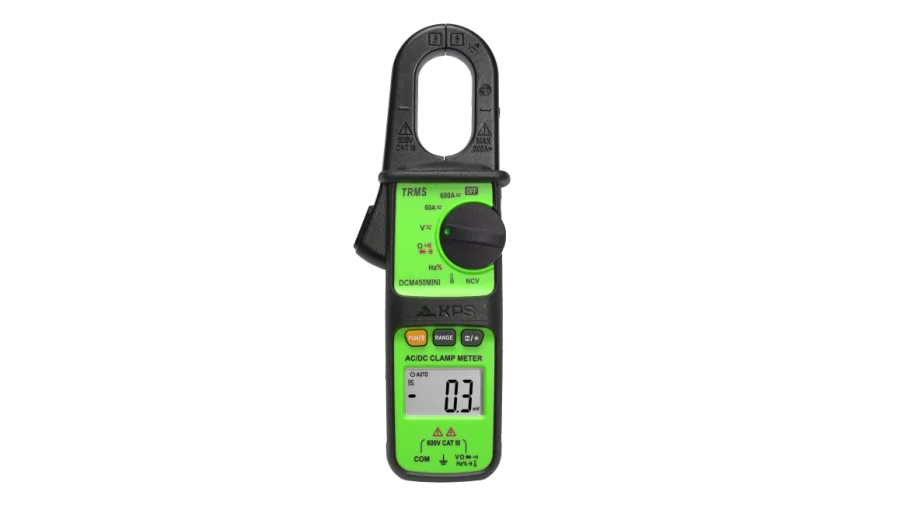
A DC-capable clamp meter, like the KPS DCM450MINI, measures current without breaking the circuit, which makes it easy to check string current, charge current, and battery draw. Make sure the meter reads DC amps, since many basic clamp meters only read AC.
Follow the battery and lug manufacturer’s specification, which is usually in the manual or printed near the terminal. Over-tightening can crack terminals or strip threads, and under-tightening causes heat, so a torque tool takes out the guesswork.