
High Frequency Inverters and All-in-One Hybrids
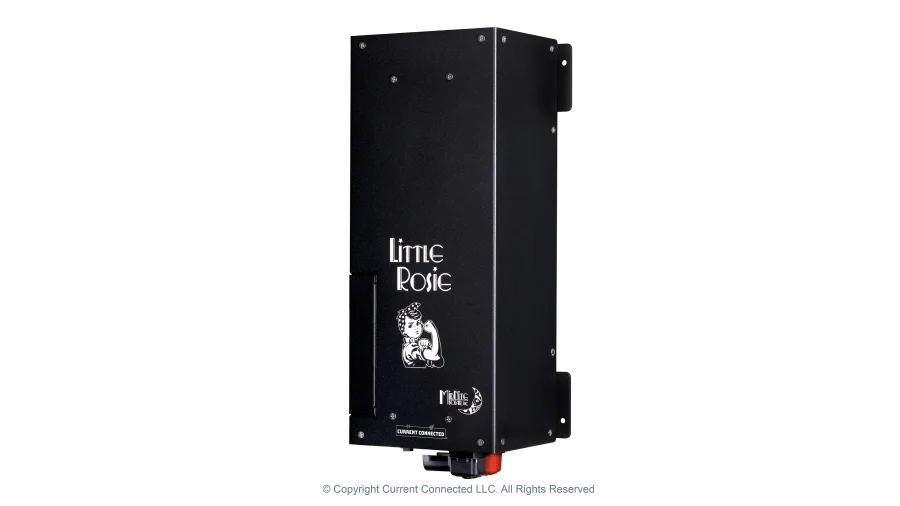
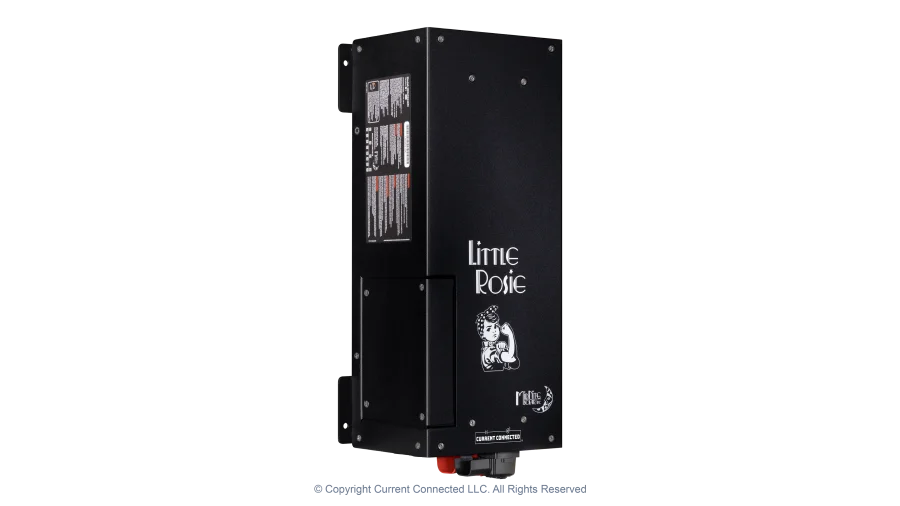
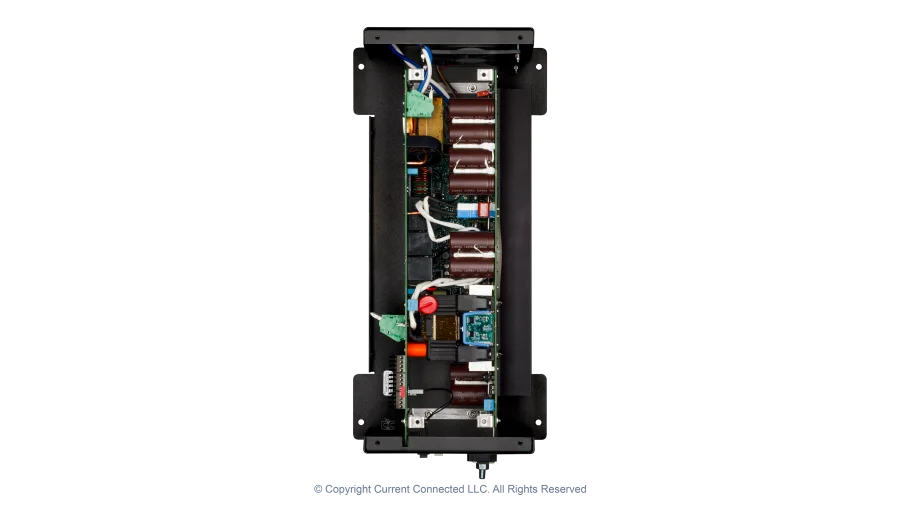
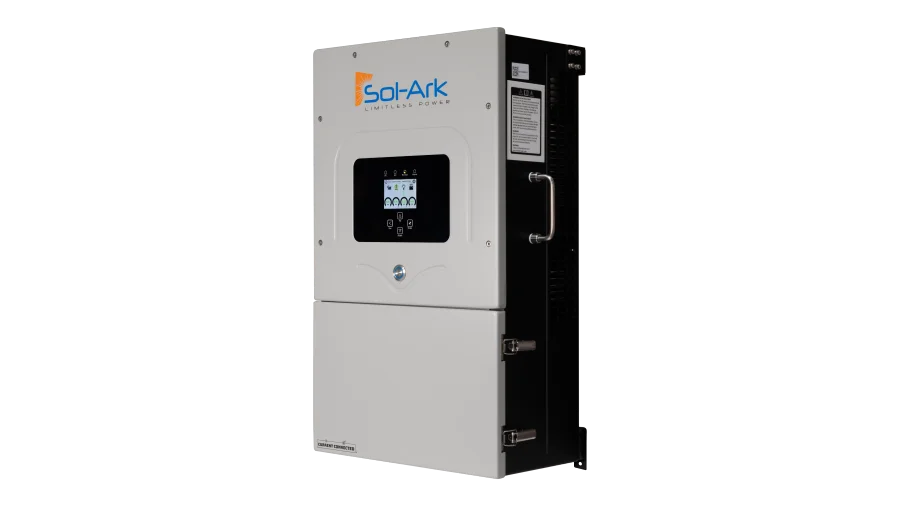
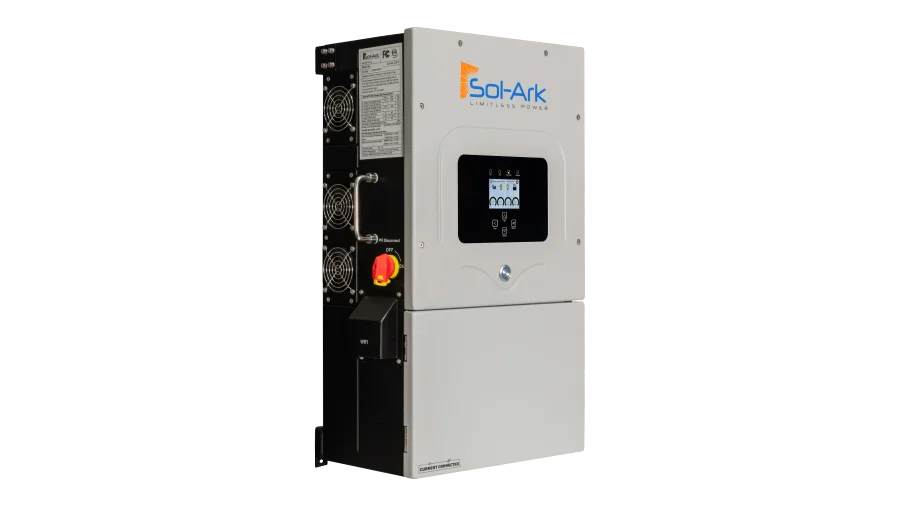
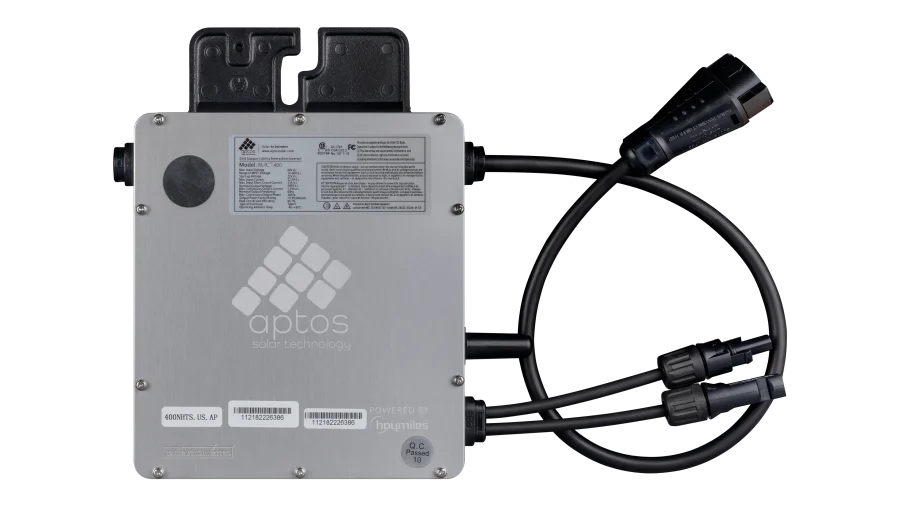
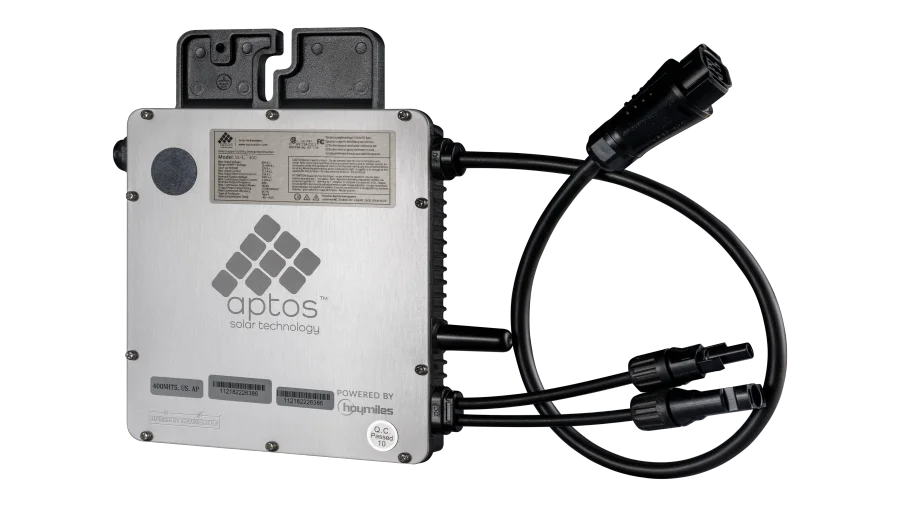
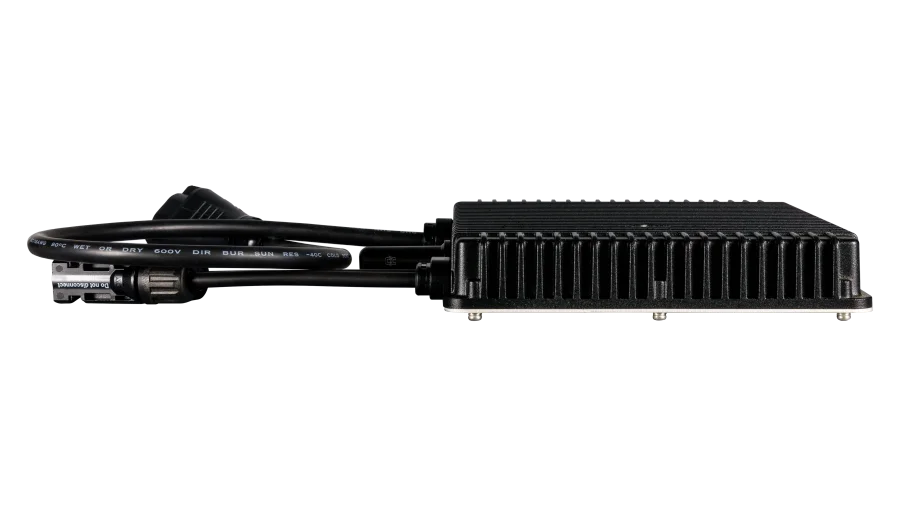
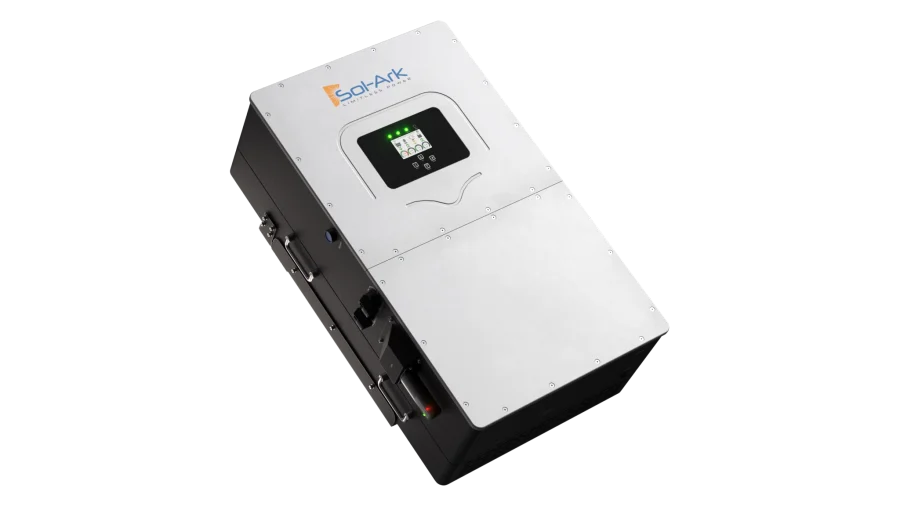
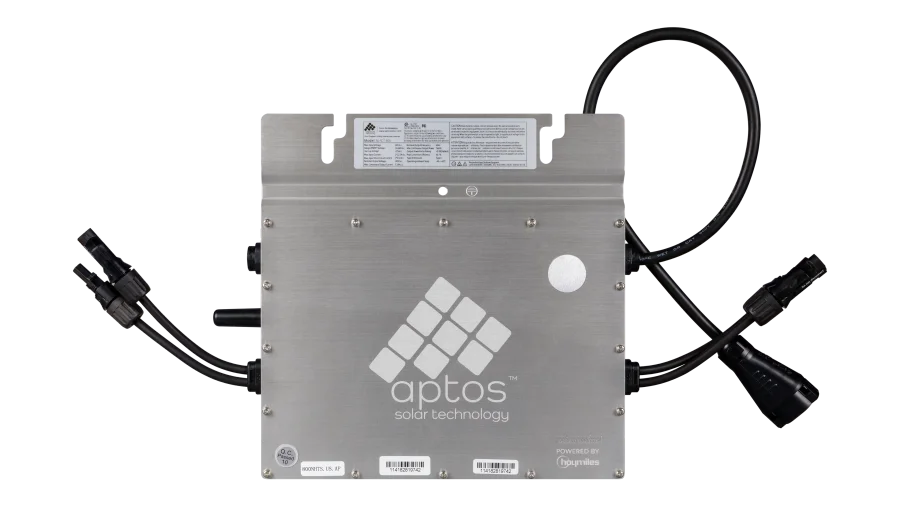
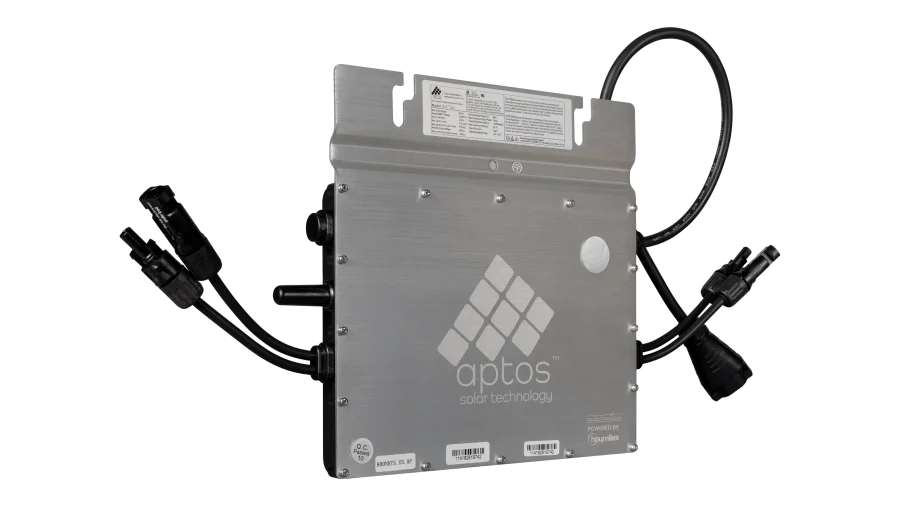
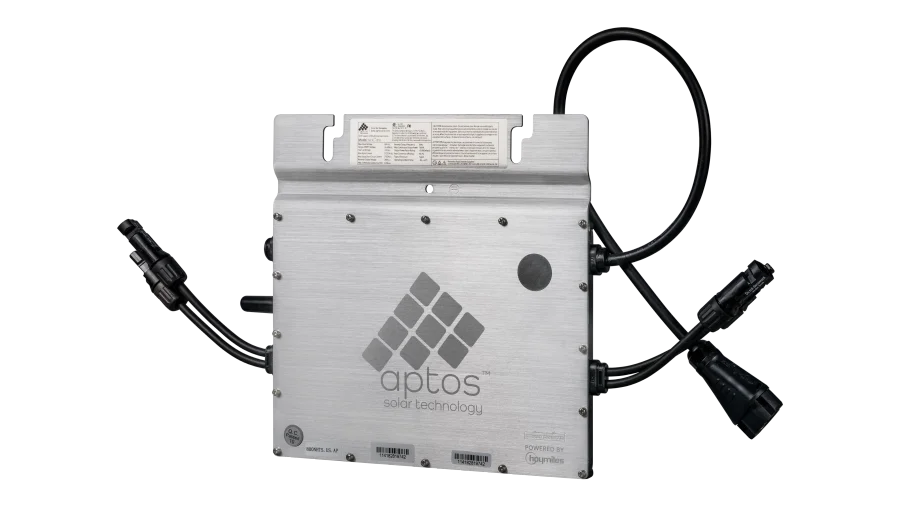
High frequency inverters boost battery voltage to high voltage DC and switch it into AC at high speed, skipping the heavy line-frequency transformer. That makes them lighter, more compact, and usually easier on idle power. Most all-in-one hybrids work this way, including models from EG4, Sol-Ark, Fortress Power, and MNP, along with MidNite Solar’s Rosie and Little Rosie and Aptos microinverters.
Surge is where designs differ most, so check the rated surge and how long it lasts. The comparison and our surge test below break it down.
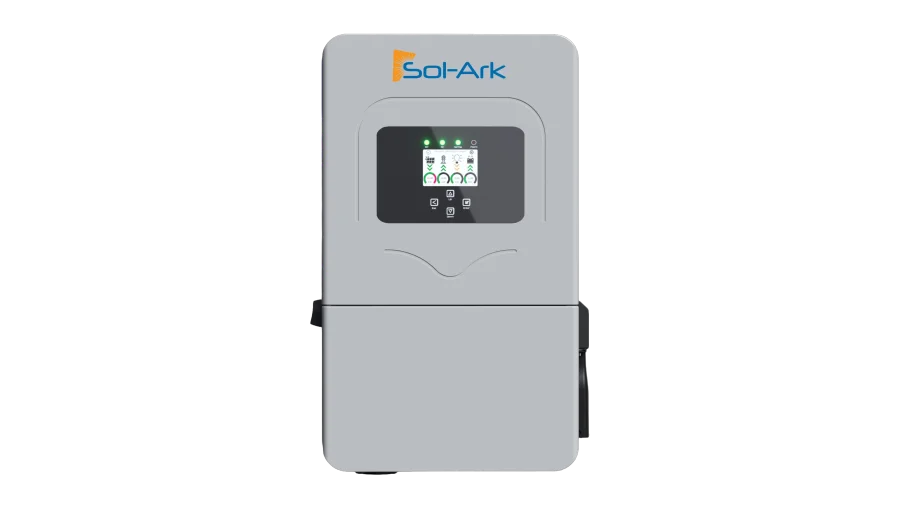
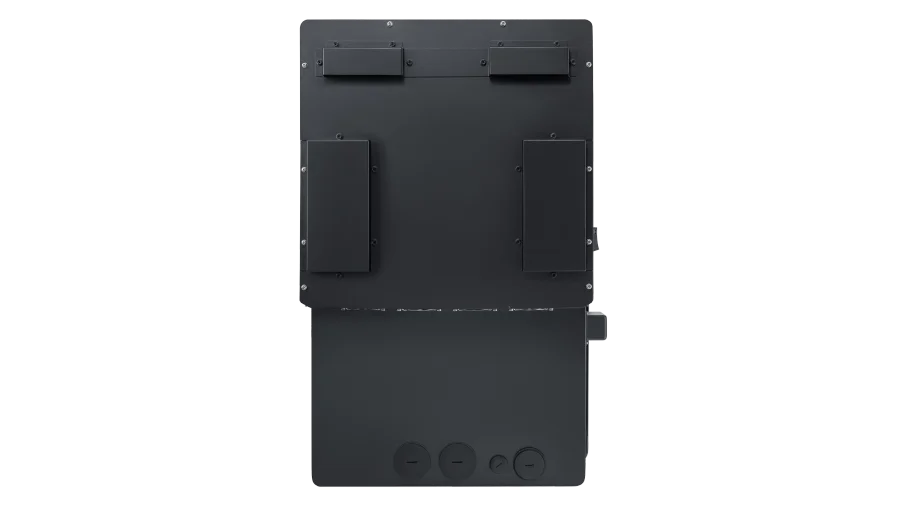
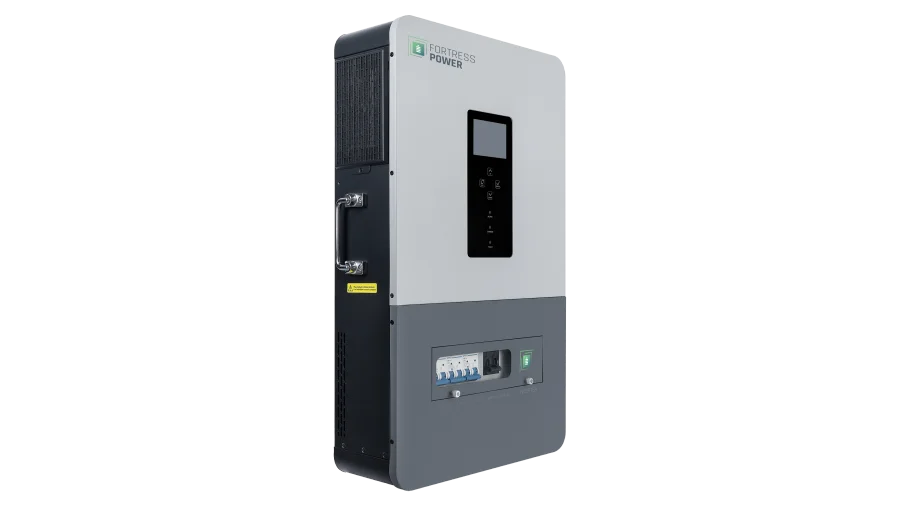
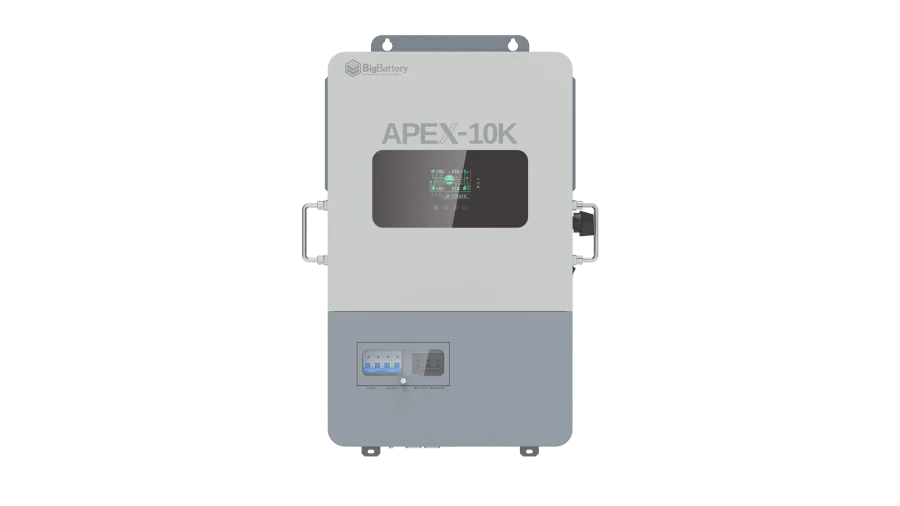
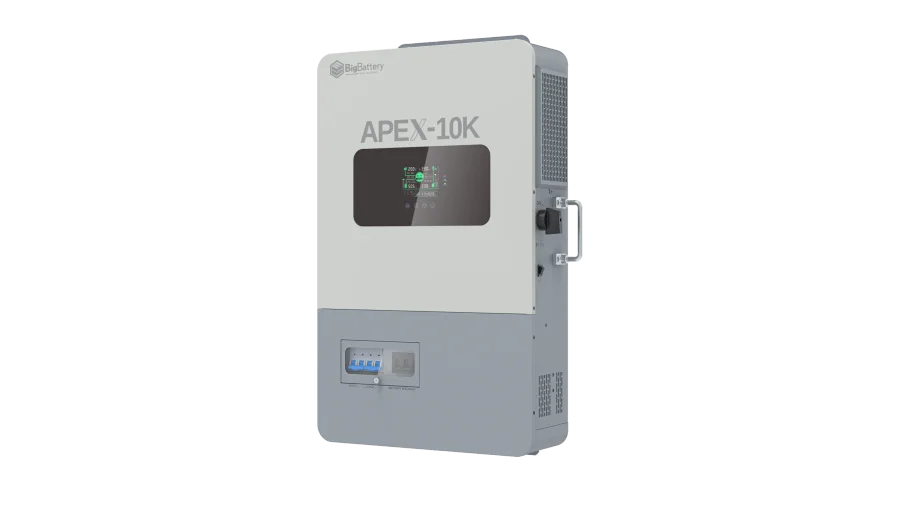
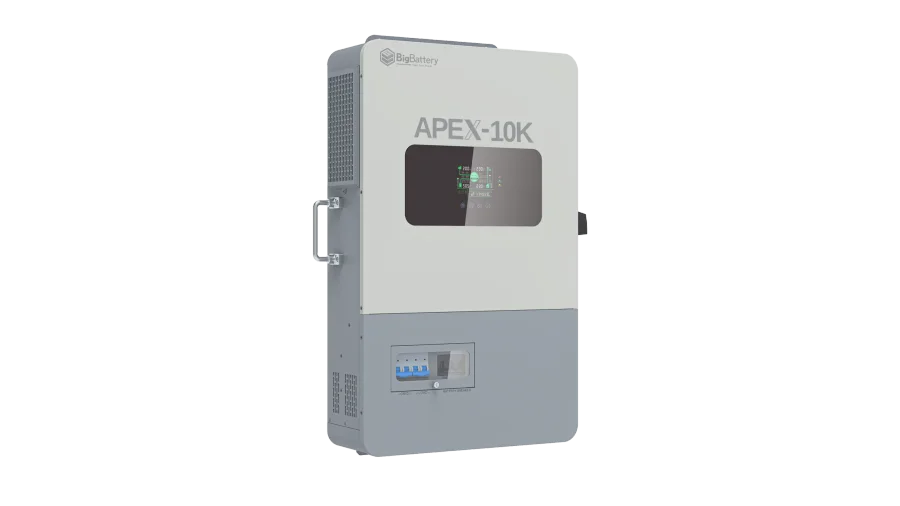
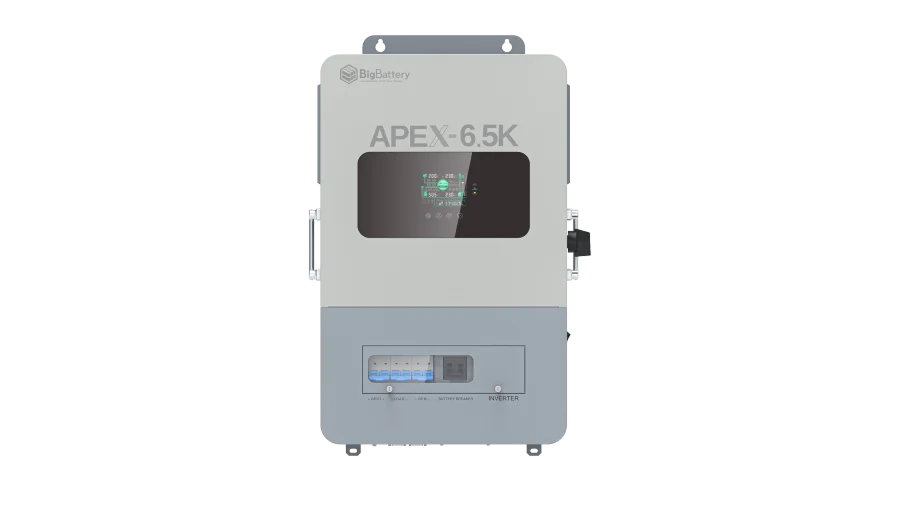
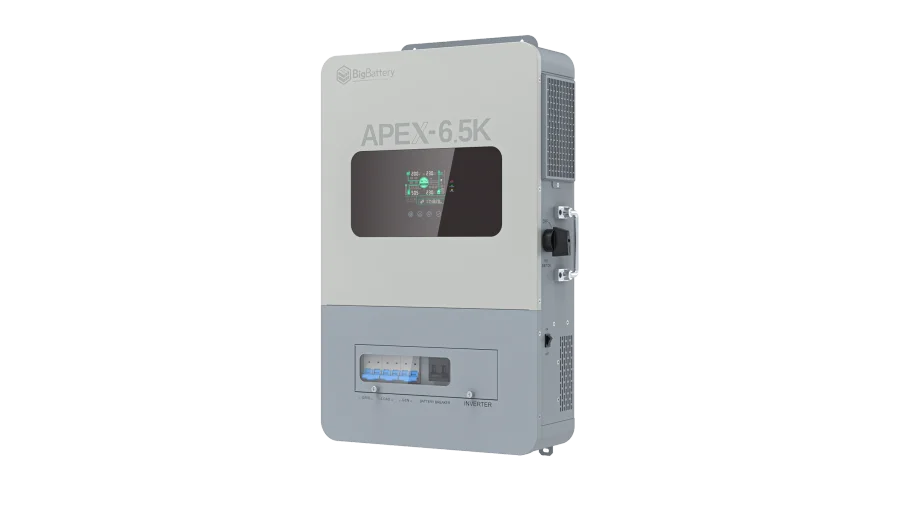
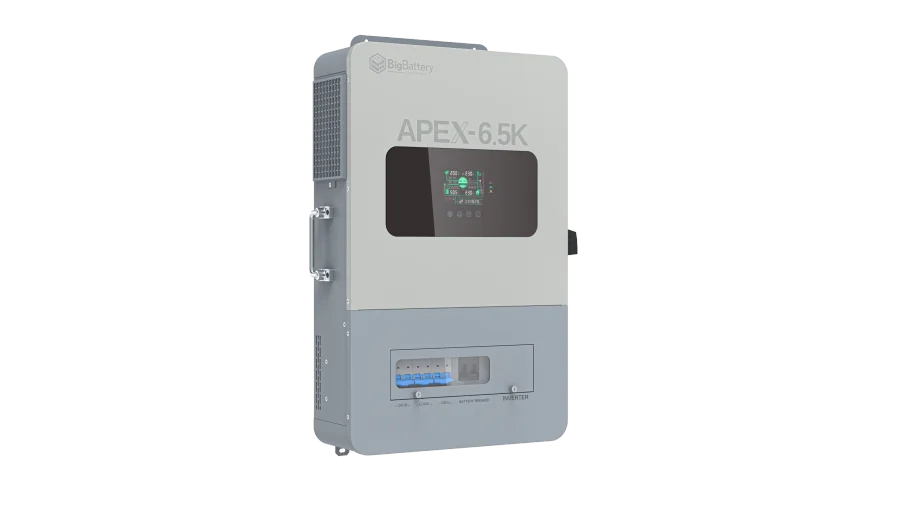
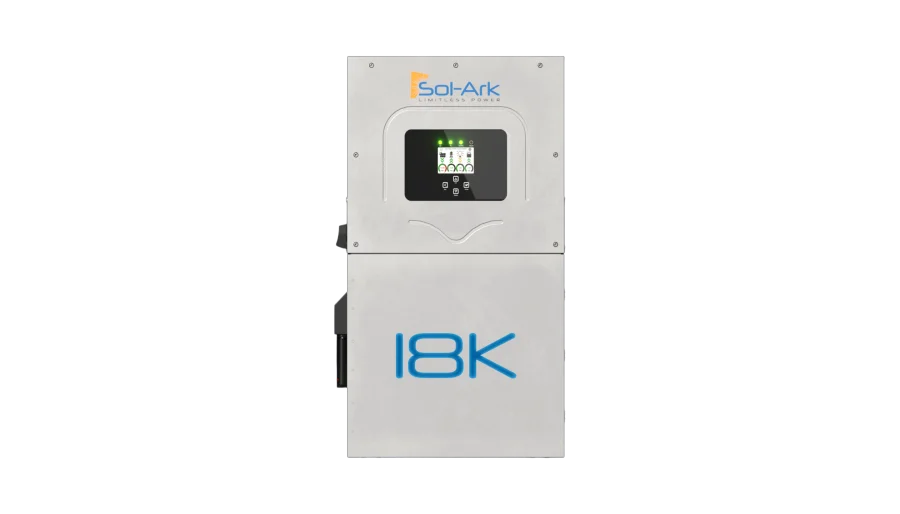
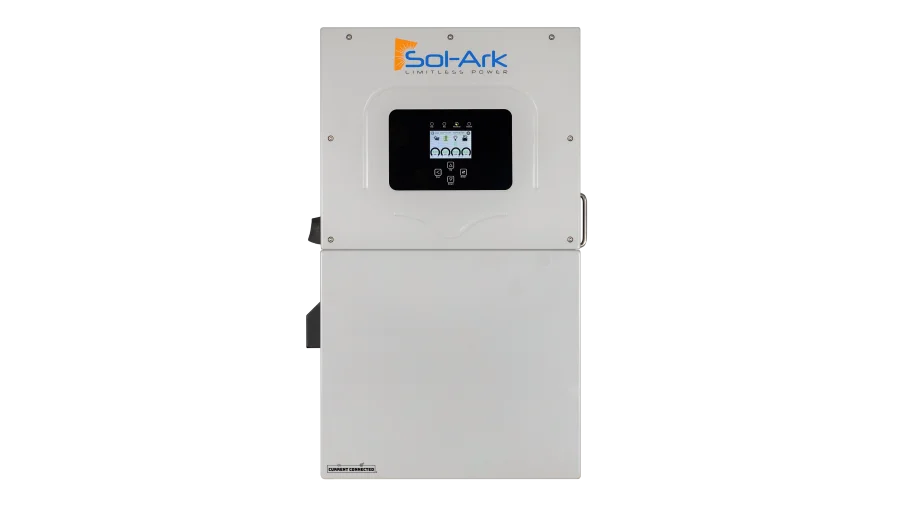
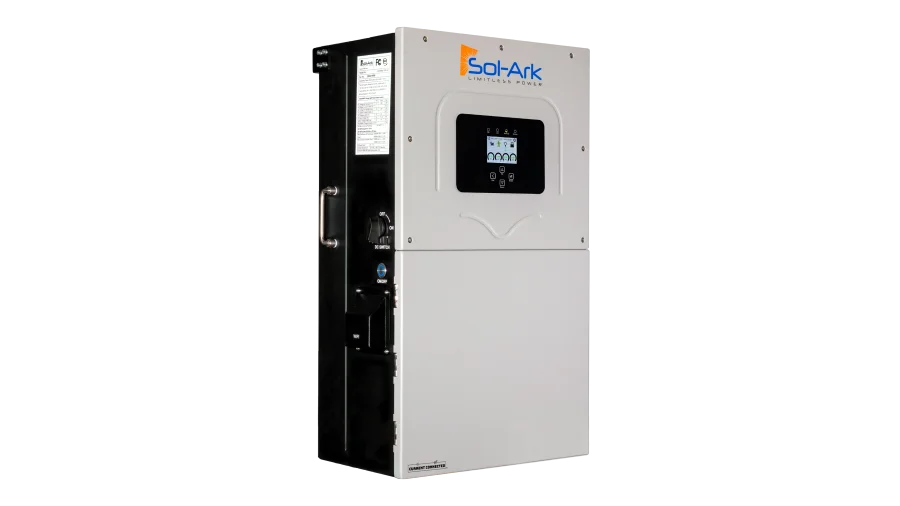
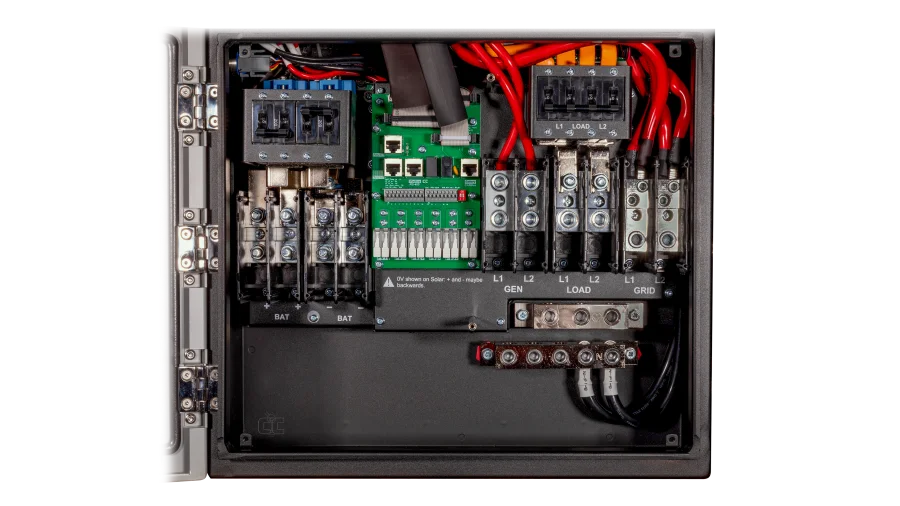
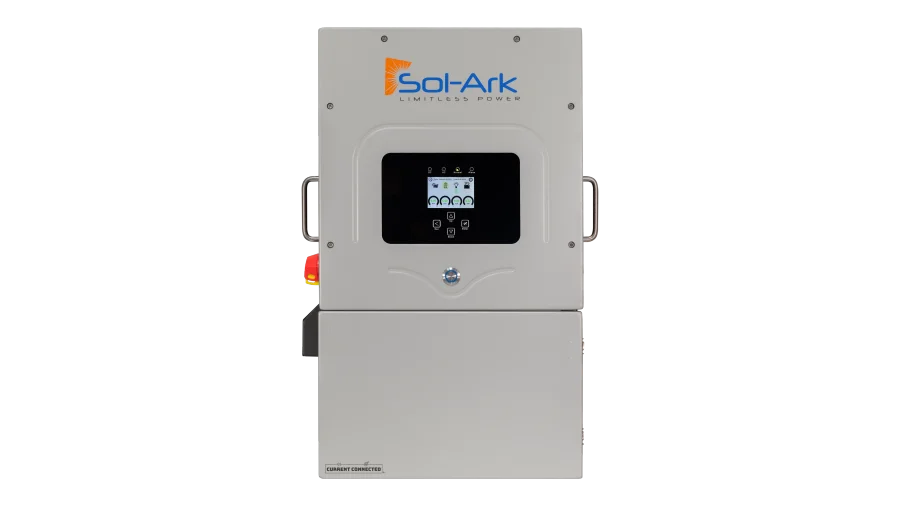
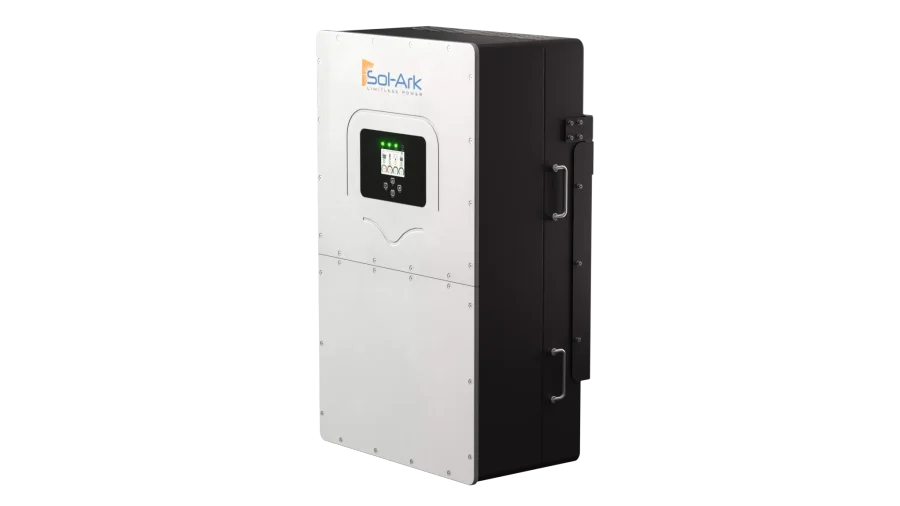
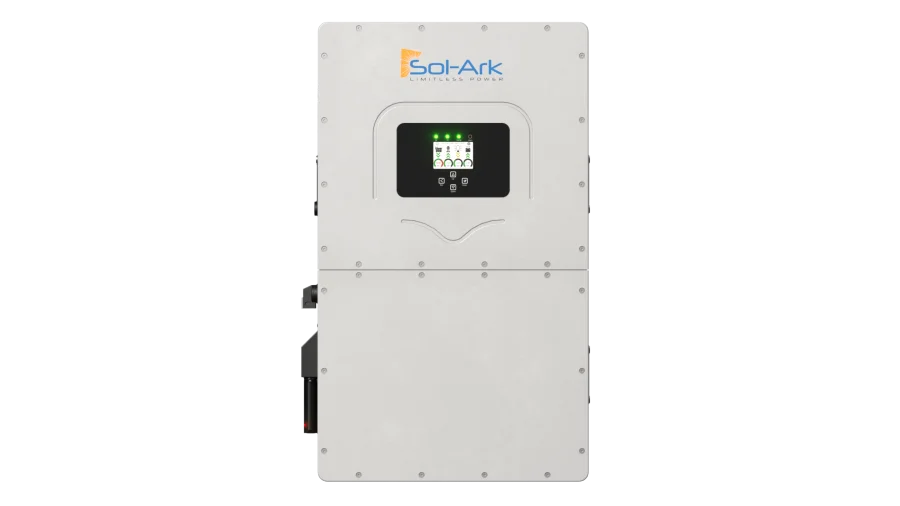
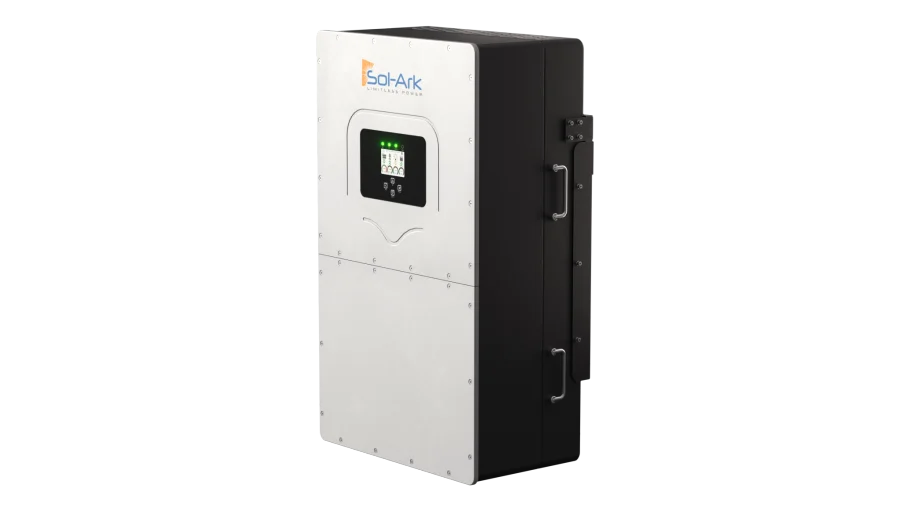
Sol-Ark 15K-2P 48V All-in-One Hybrid Inverter, 12kW-15kW AC Output, 19.5kW PV Input, UL 1741 & UL 9540 Lithium Battery Inverter
All-in-one 48V powerhouse, with EMP hardening if you want it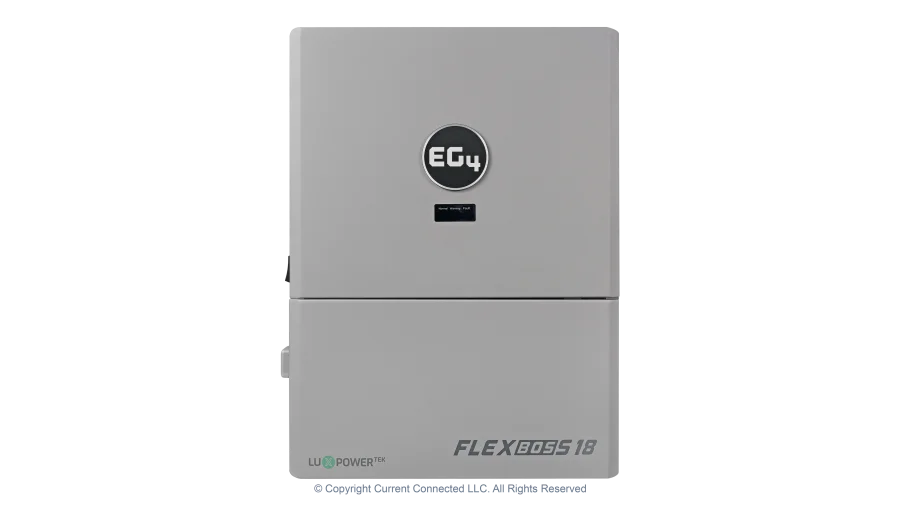
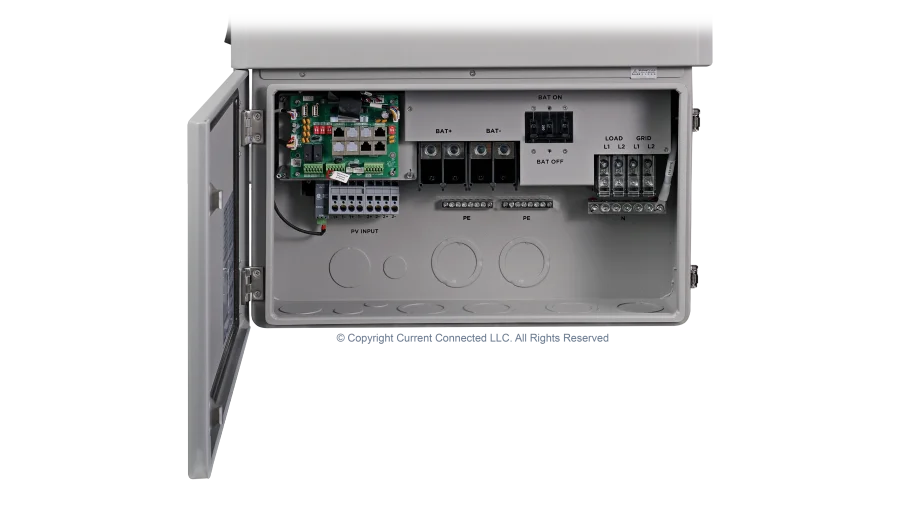
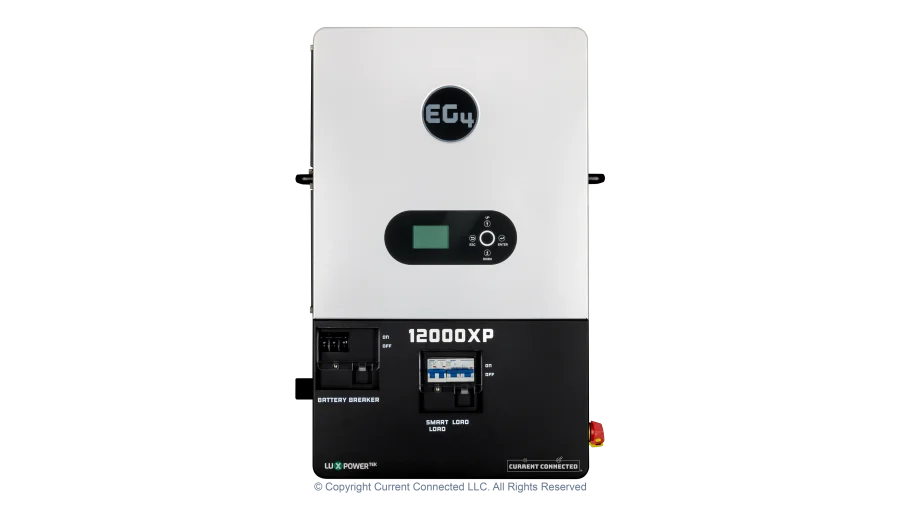
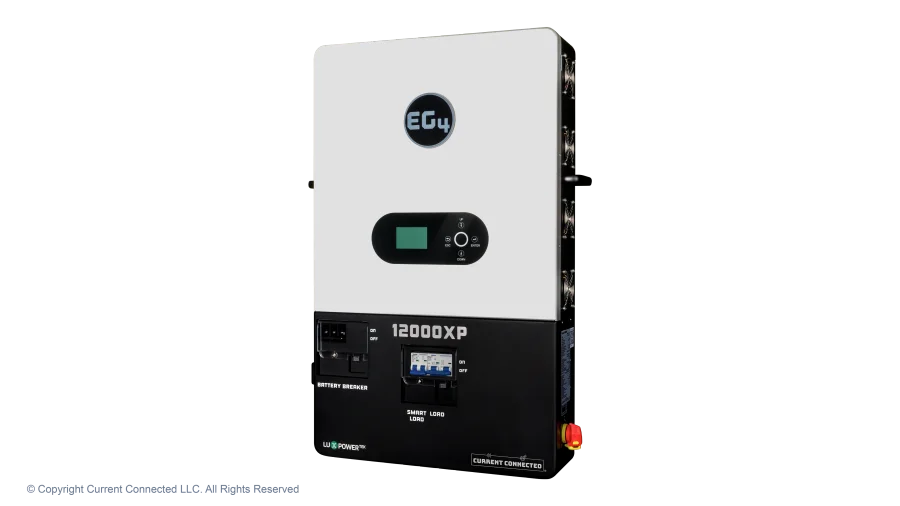
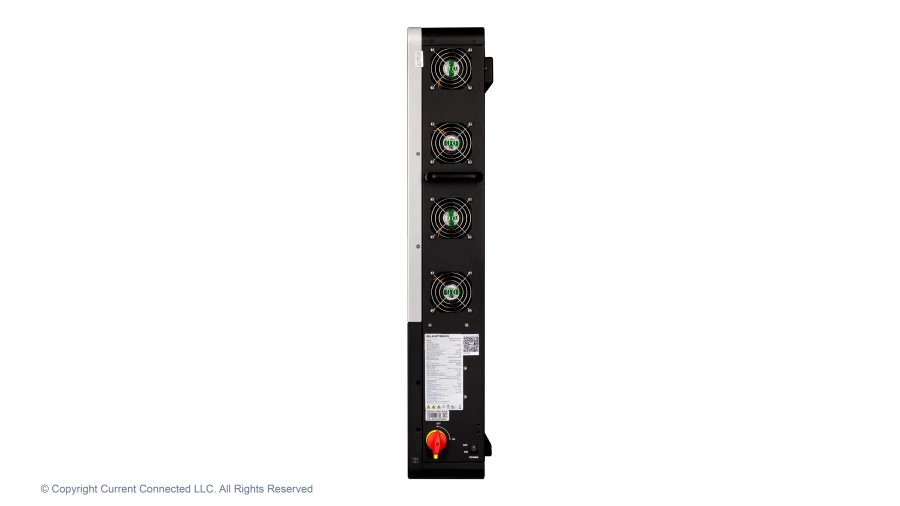
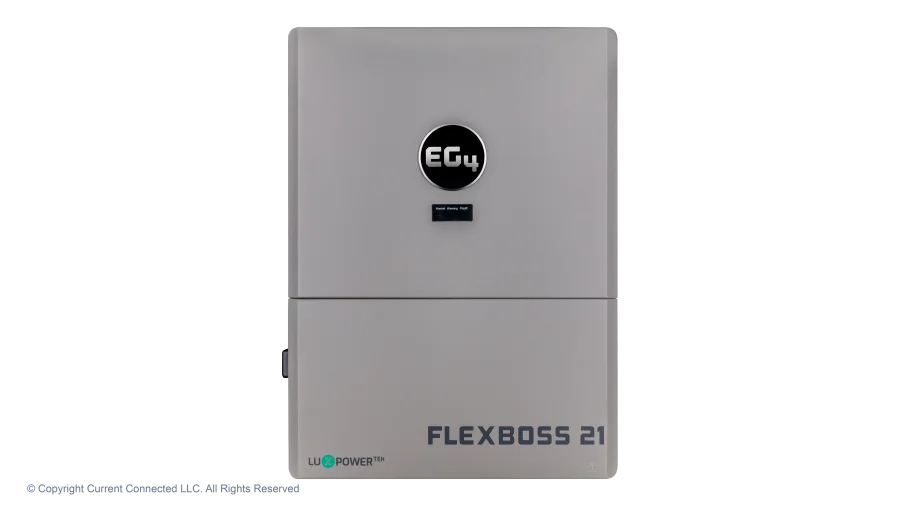
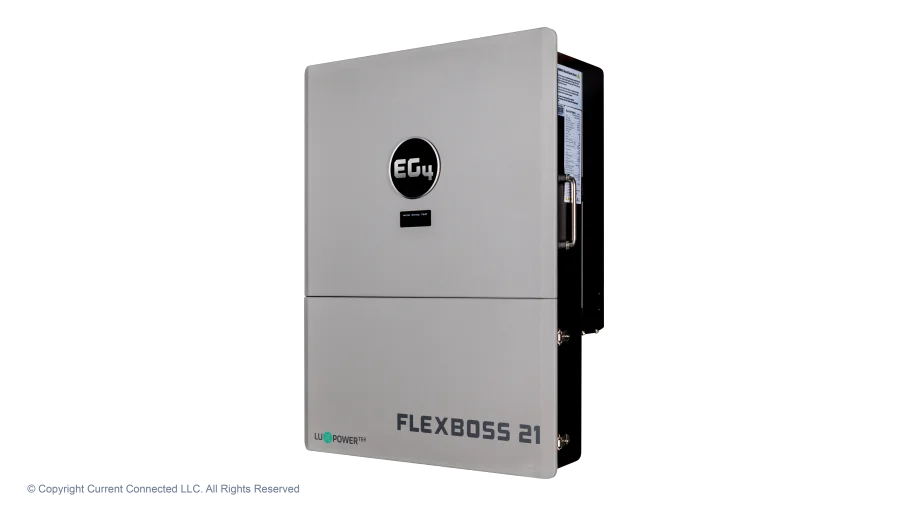
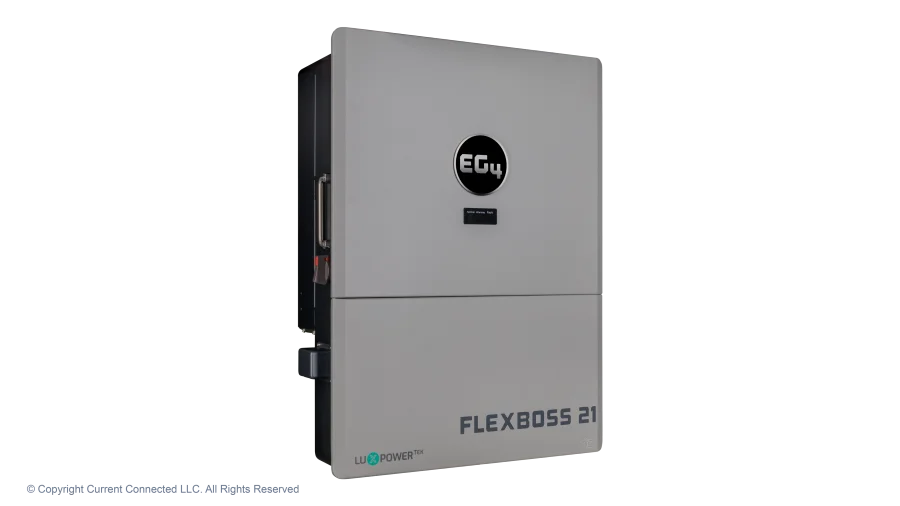

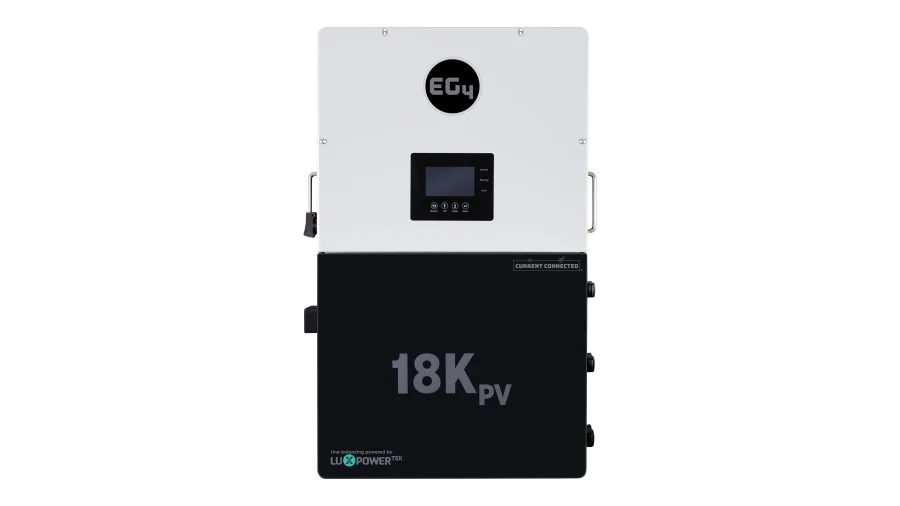
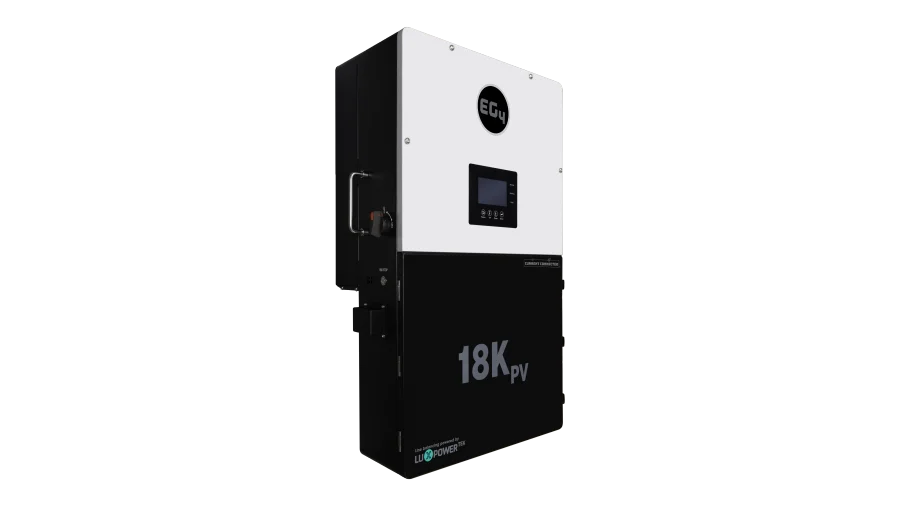
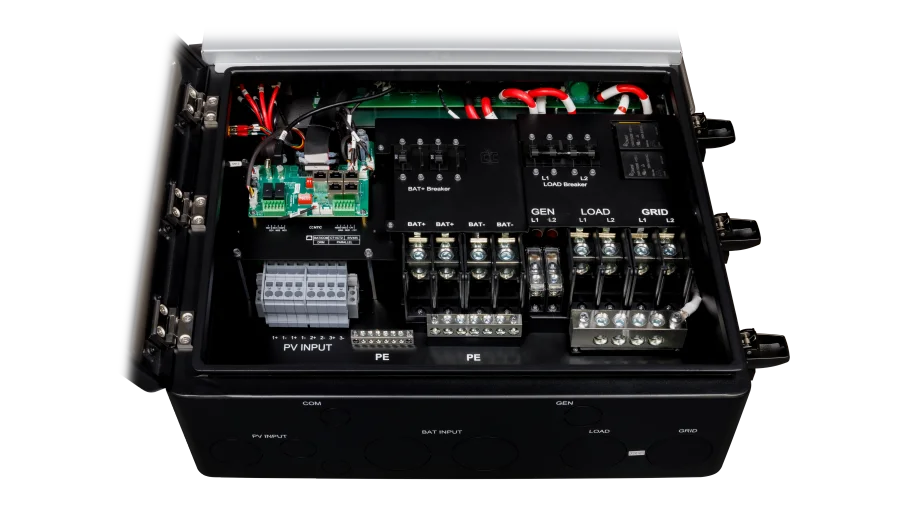
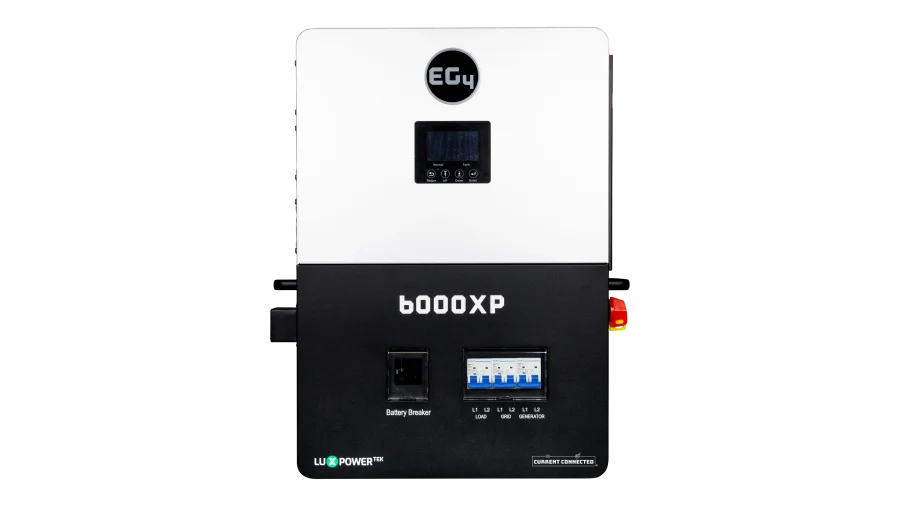
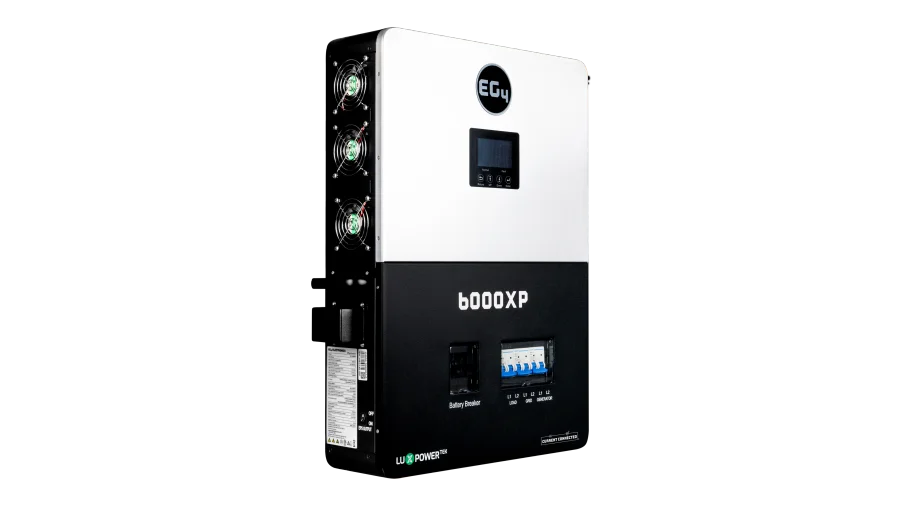
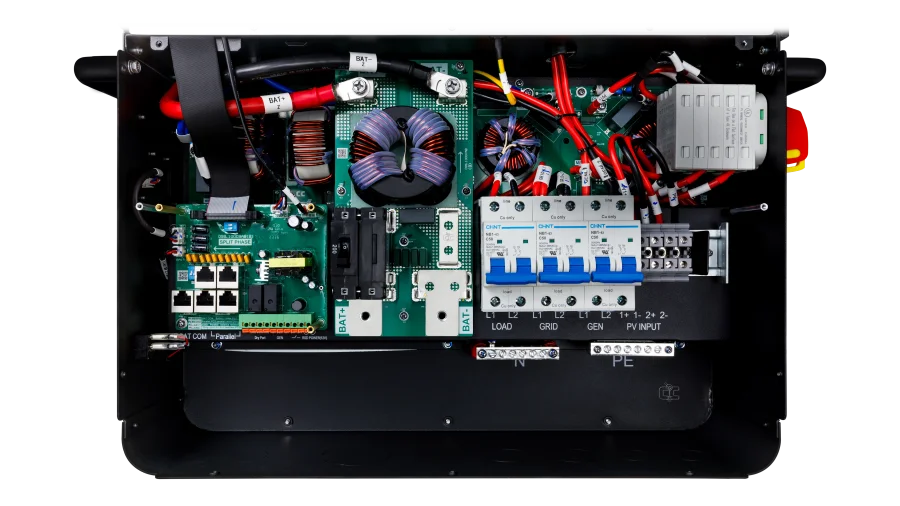
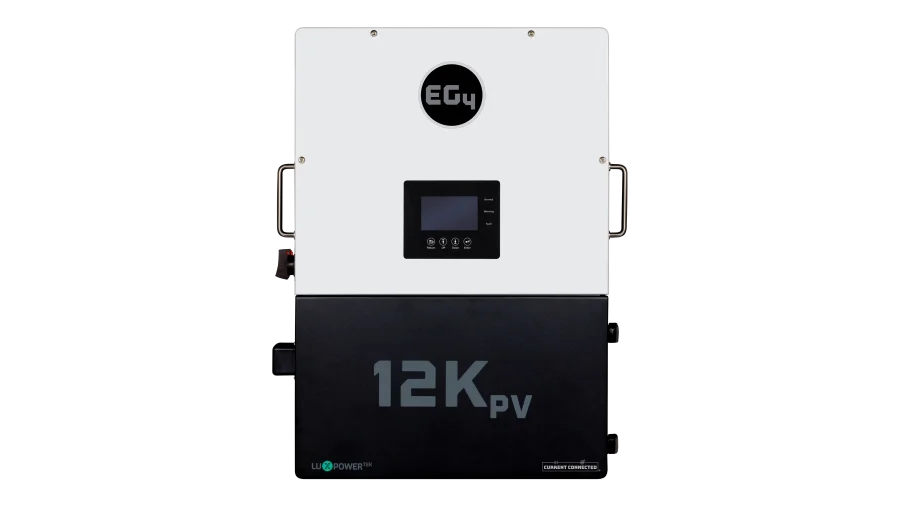
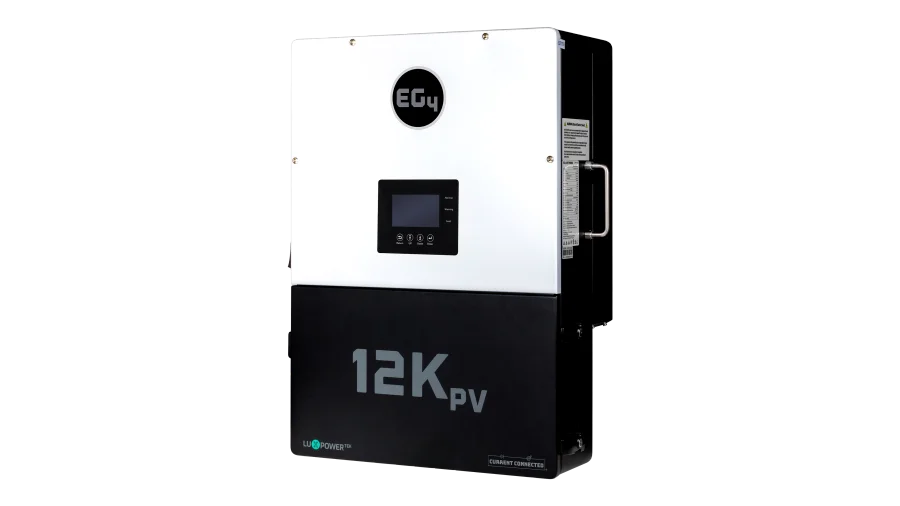
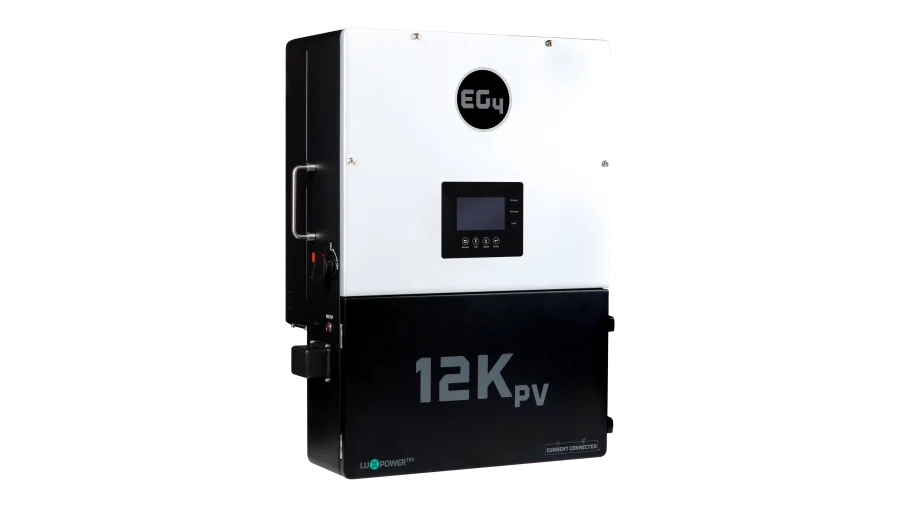
EG4 12kPV 48V 8kW Hybrid All-in-One Inverter, 12kW Solar Input, NEMA 4X, UL 1741 & UL 9540 Solar Inverter
EG4's compact hybrid, still packing 80A of passthroughAsk About This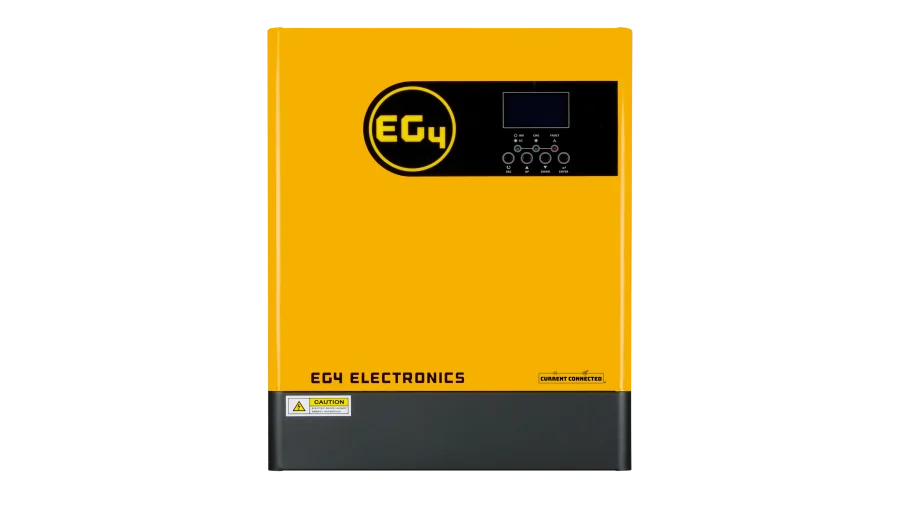
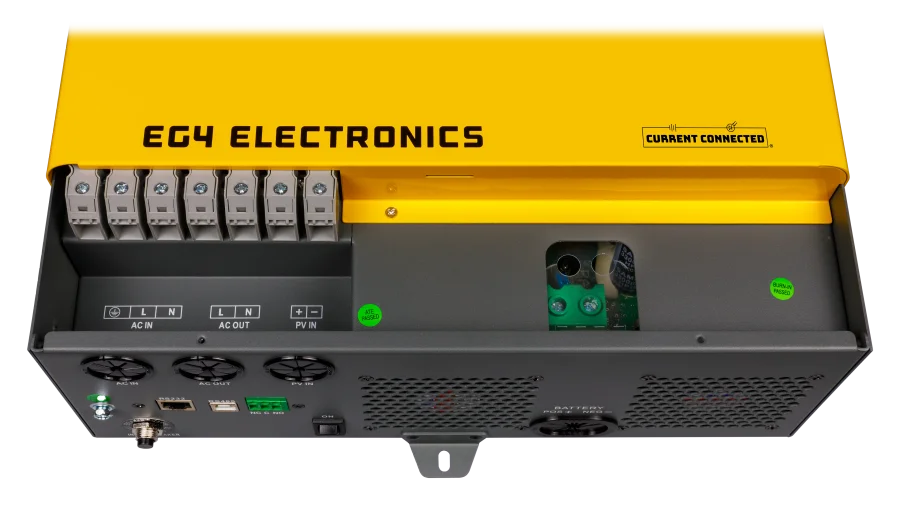
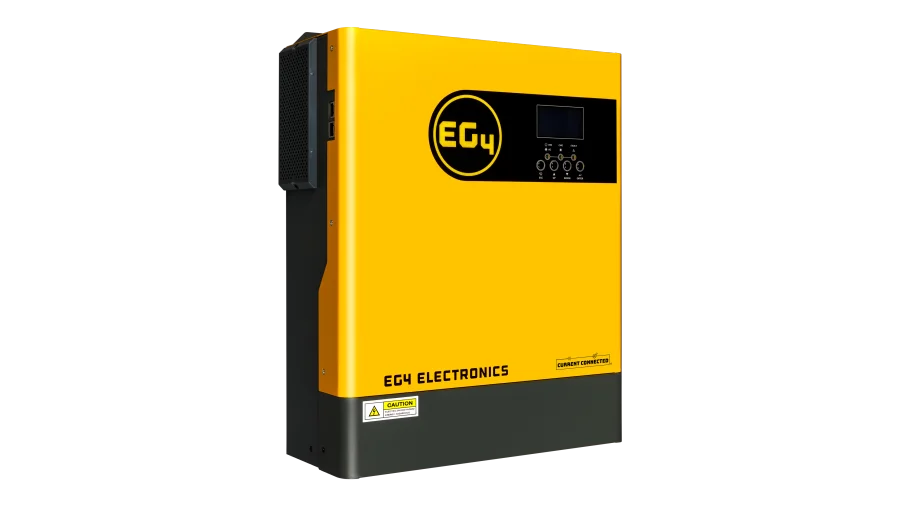
EG4 3000EHV 48V Off-Grid Inverter, Charger & 500V MPPT Controller, 3kW 120V AC Output, 5kW Solar Input
The smallest EG4 inverter, perfect for beginnersAsk About This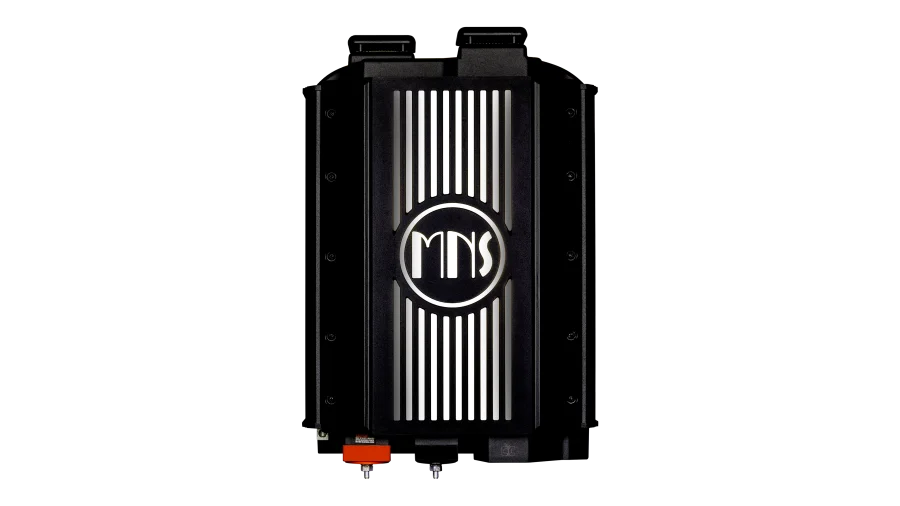
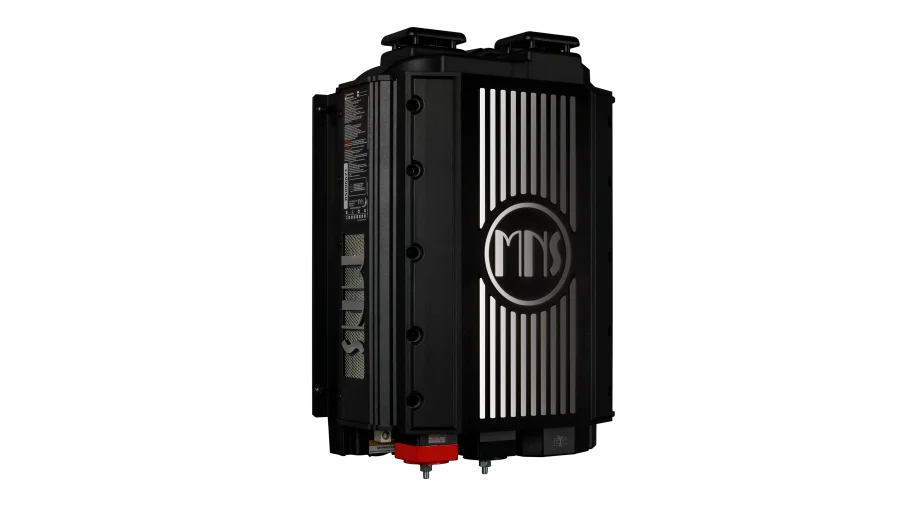
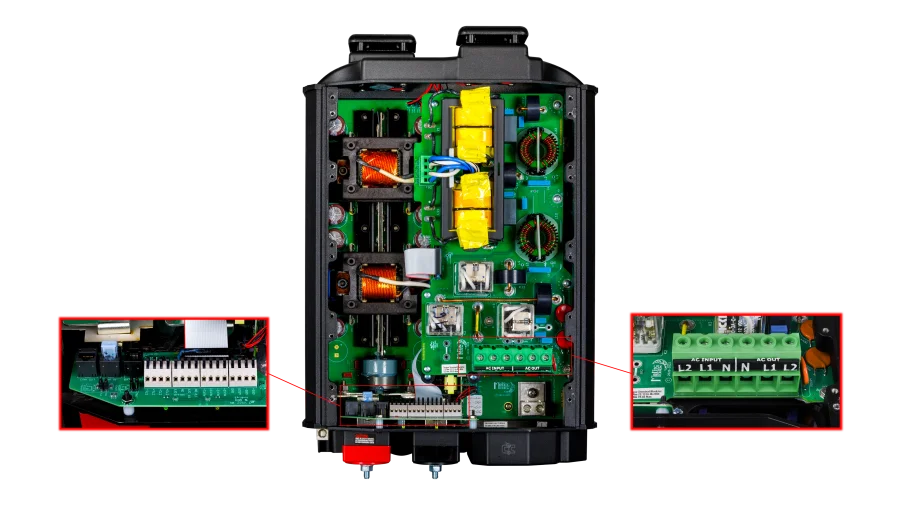
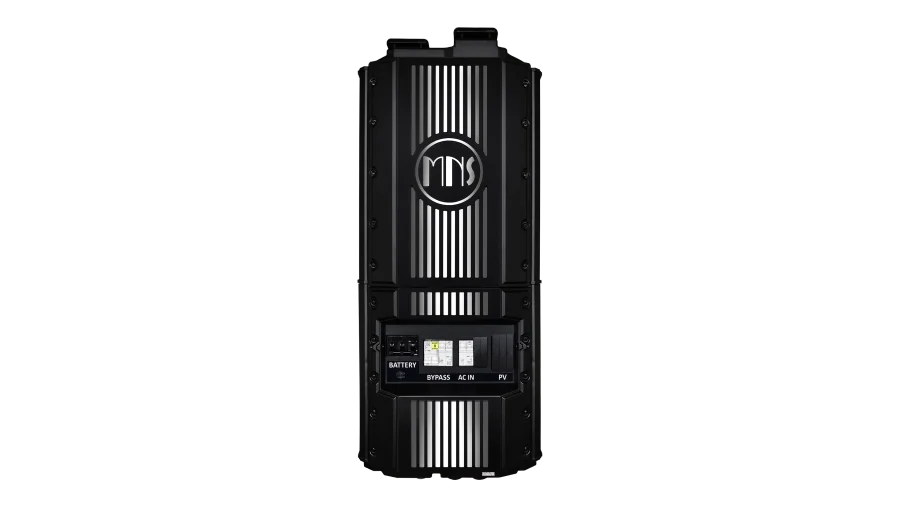
MidNite Solar Rosie 7048 48V 7kW Inverter 120A Charger, High Surge UL 458 Mobile and UL 1741 Residential Inverter-Charger
UL listed and built to surge through heavy loads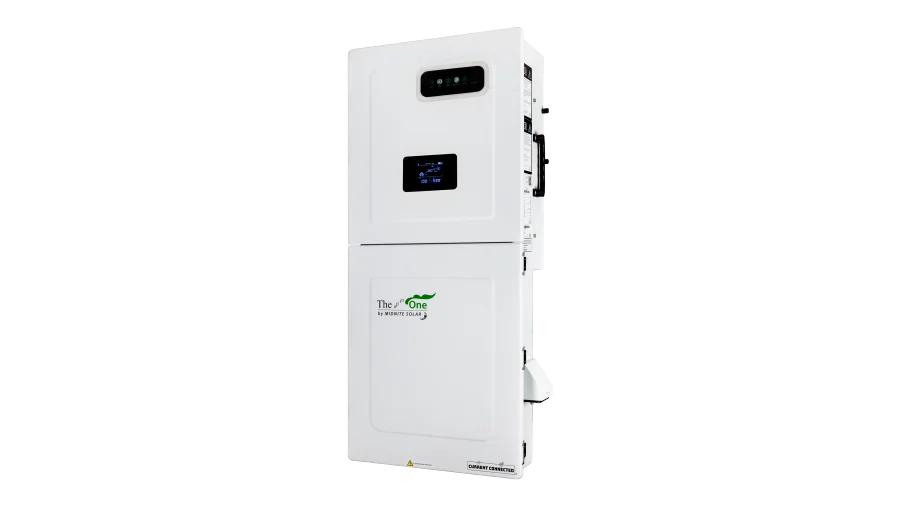
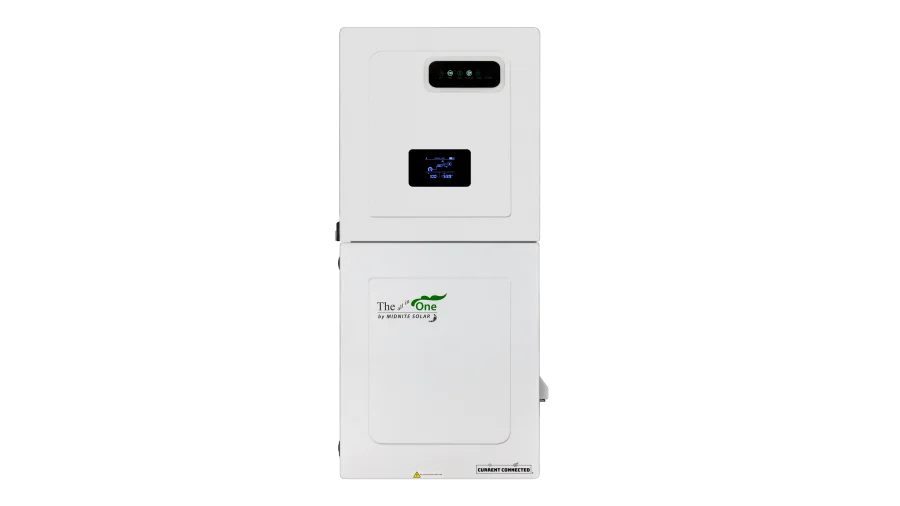
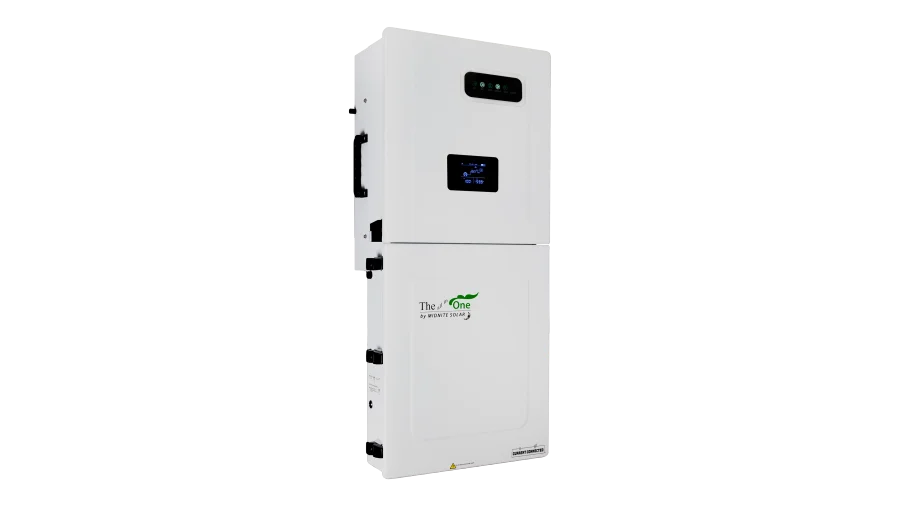
High Frequency vs Low Frequency Inverters
How it works
Boosts battery voltage to high voltage DC, then switches it into AC at high speed
Builds a low voltage AC wave and steps it up through a large 50/60Hz transformer
Weight
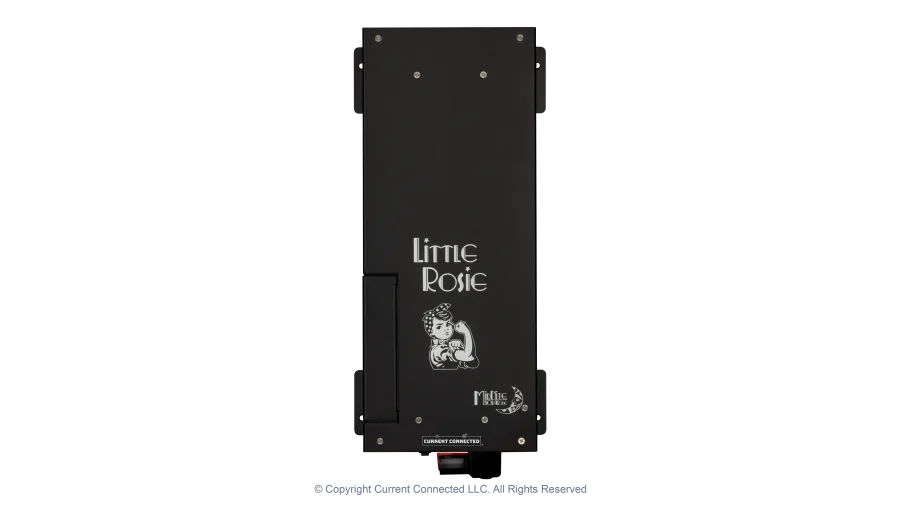
Light. The MidNite Little Rosie RE in the same test weighed 15 lb
Heavy. The Victron MultiPlus-II in our surge test weighed 71 lb
Surge
Varies widely by design, and the best hold up very well
Long track record with motor loads, varies by model
Idle draw
Usually lower
Usually higher, since the transformer draws power whenever the inverter is on
Common uses
All-in-one hybrid inverters with built-in solar charging, plus compact off-grid units
RV, marine, and Victron-based systems built around an inverter-charger
Examples we carry
EG4, Sol-Ark, Fortress Power, MNP, and MidNite Rosie and Little Rosie
Victron MultiPlus, MultiPlus-II, Quattro, and Phoenix
1. Start with your surge loads
List anything with a motor or compressor: well pumps, air conditioners, refrigerators, shop tools. Compare each inverter’s rated surge in watts and how many seconds it holds it, not just the continuous rating.
2. Count the idle draw
An off-grid inverter runs around the clock, and it draws power even when nothing is on. A few extra watts adds up over a winter, so compare no-load consumption on the spec sheet.
3. Match the voltage and features
Need 120/240V? Many high frequency all-in-ones output split phase from one unit, while 120V Victron units are usually paired or used with an autotransformer. All-in-ones also include MPPT solar charging, while a Victron system adds a separate SmartSolar controller. Want a second set of eyes on your load list? Contact our support team and we’ll help you size it.
Watch: Low Frequency vs High Frequency Surge Test
Dexter puts a 71 lb Victron MultiPlus-II 48V 5kVA and a 15 lb MidNite Little Rosie RE through bounce house blower starts and a heater load, measures voltage and current on a scope, then compares both against grid power. The result wasn’t what we expected.

Surge Capacity Test: Low Frequency Victron vs High Frequency MidNite
High Frequency Inverter FAQ
Many can. Surge capacity depends on the design, not the label, so compare rated surge in watts and seconds against your motor’s starting current. In our surge test, the high frequency MidNite Little Rosie RE held its voltage better than a low frequency Victron MultiPlus-II during blower motor starts. Contact our support team and we’ll help you size it.
An inverter, battery charger, and MPPT solar charge controller in one box, often with a transfer switch and generator input too. Most are high frequency designs, which keeps them light enough to wall mount.
Many all-in-ones do from a single unit, including the EG4 18kPV and 6000XP and the Sol-Ark 12K-2P and 15K-2P. Check each product page for its output voltage.
Microinverters convert DC to AC right at each solar panel using high frequency switching, so they belong in this category. They’re grid-tied and don’t run from batteries.