
Shop Ground, Roof, and Ballasted Solar Panel Racking
Good racking keeps your panels aimed at the sun and anchored through wind and snow for decades. We carry IntegraRack ground, flat roof, and tile roof systems, plus the anchors, clamps, and hardware to finish the job.
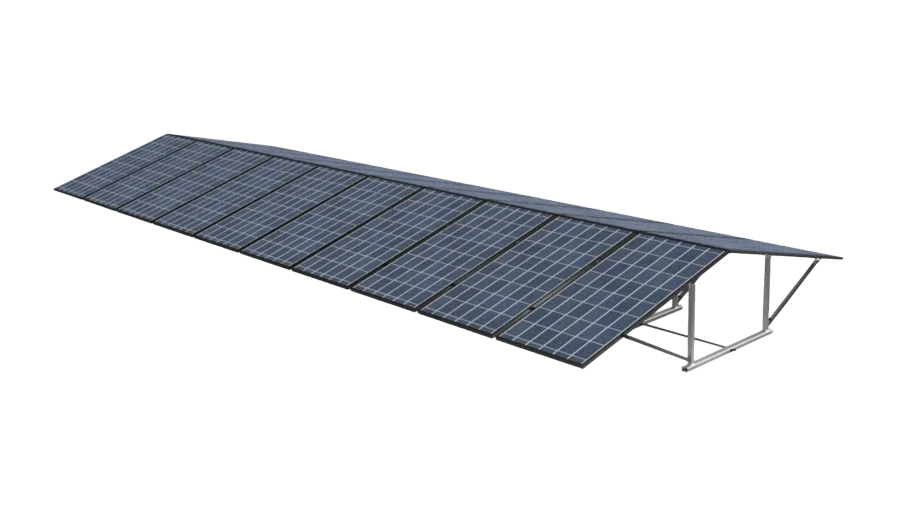
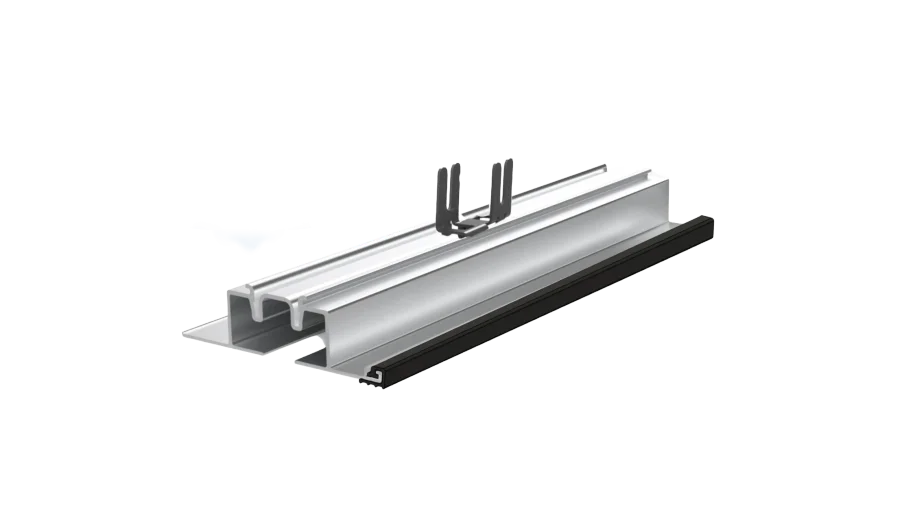
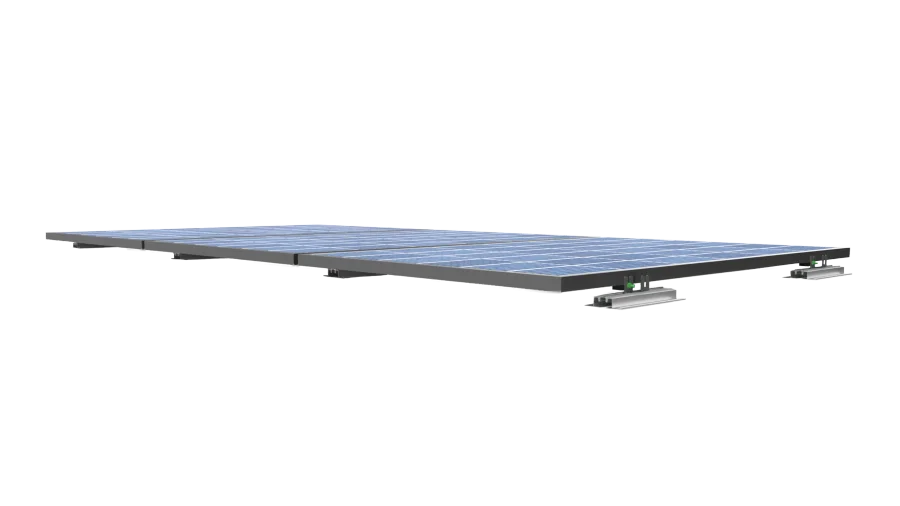

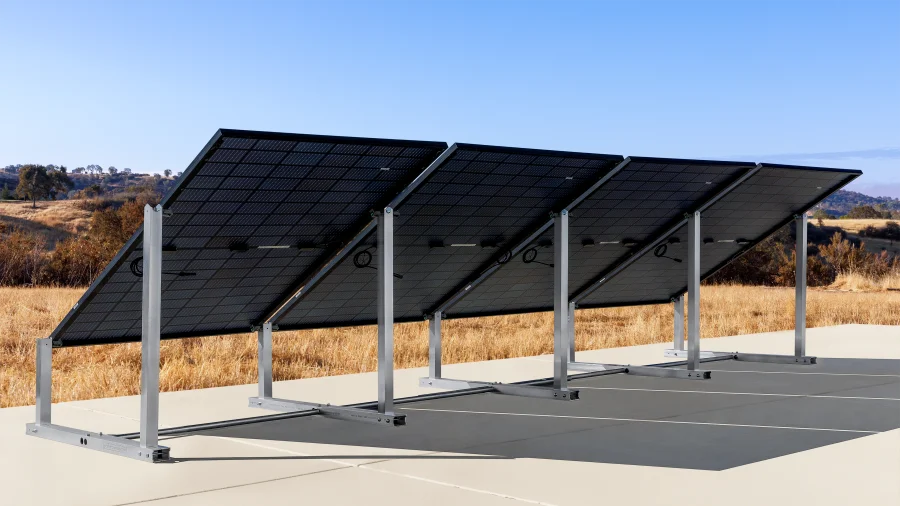
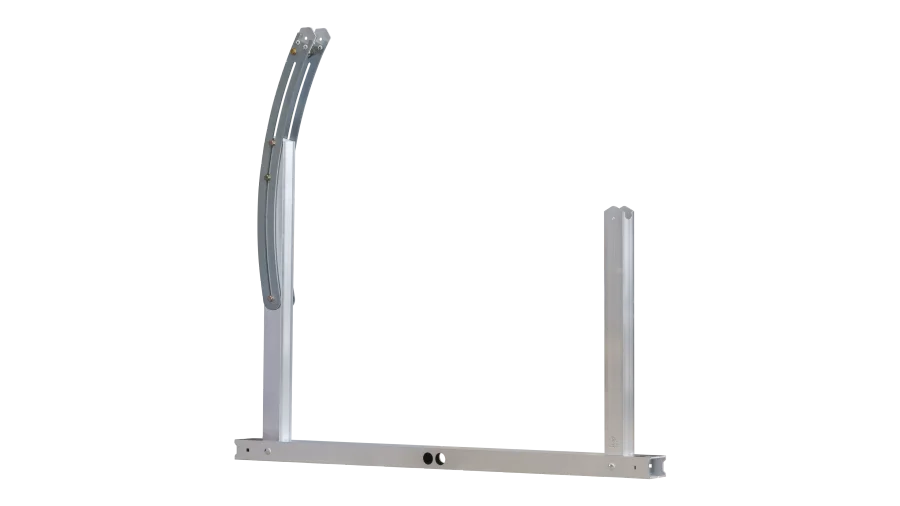
IntegraRack BallastRack IR-15, IR-30 Fixed Angle Solar Panel Ground Mount Frame, 15 or 30 Degree Fixed Angle PV Mounting Frame, Single Frame
Easy to assemble and install, rail-less, and durable at fixed 15° or 30° tilt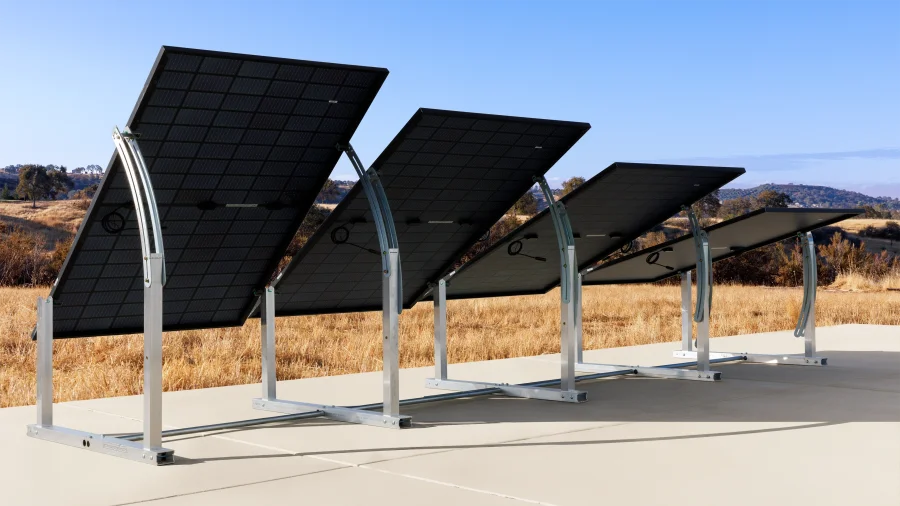
IntegraRack IR-45ASA BallastRack Solar Panel Ground Mount Frame, 15-45 Degree Freely Adjustable PV Ground Mount, Single Frame
Specialized to allow each panel to be independently adjusted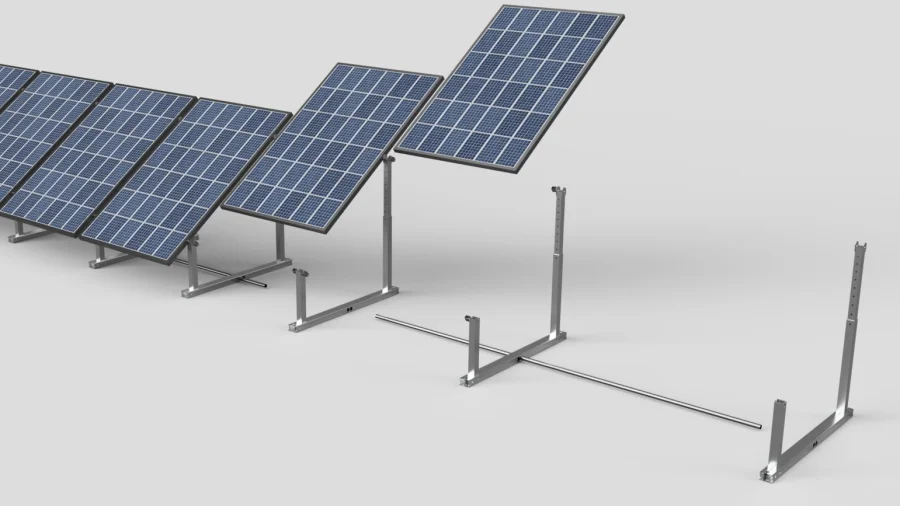
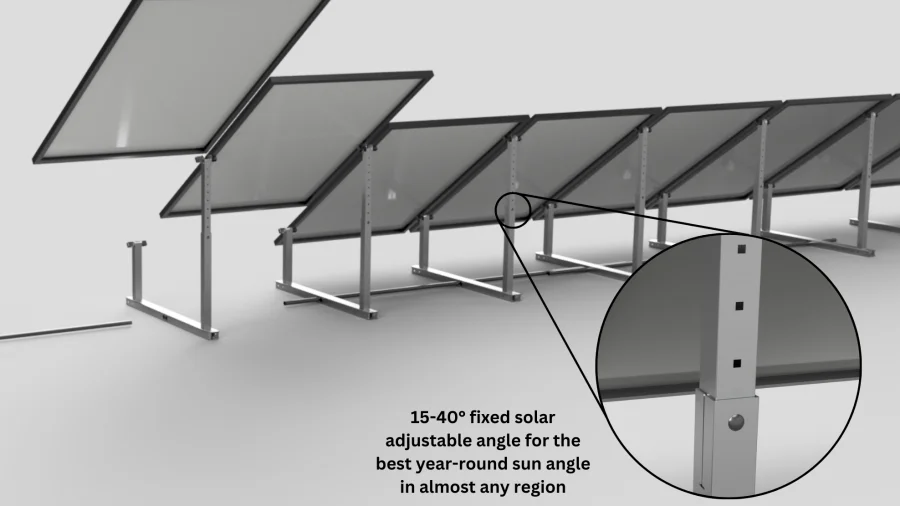
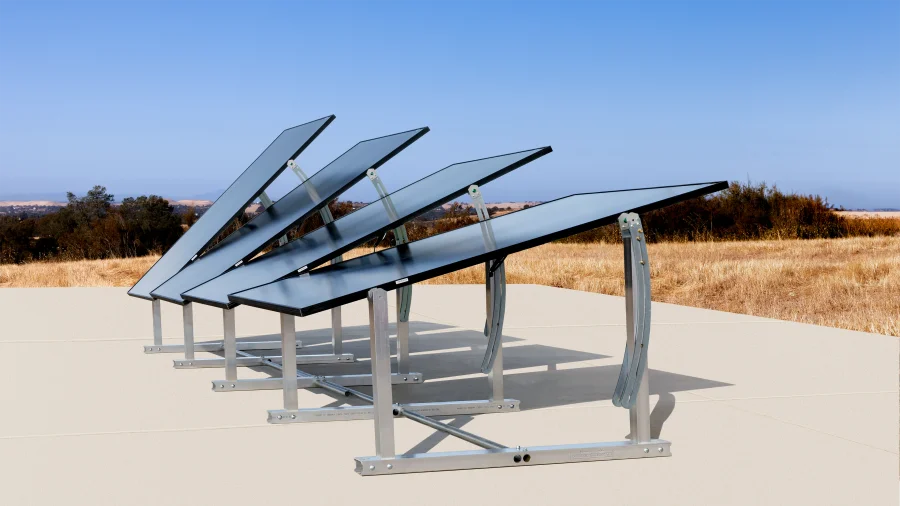
IntegraRack IR-40FSA BallastRack Adjustable Angle Solar Module Rack, 15-40 Degrees Fixed Angle Solar Panel Rack
Adjustable every 2.5° from 15° to 40° for optimal angles wherever you are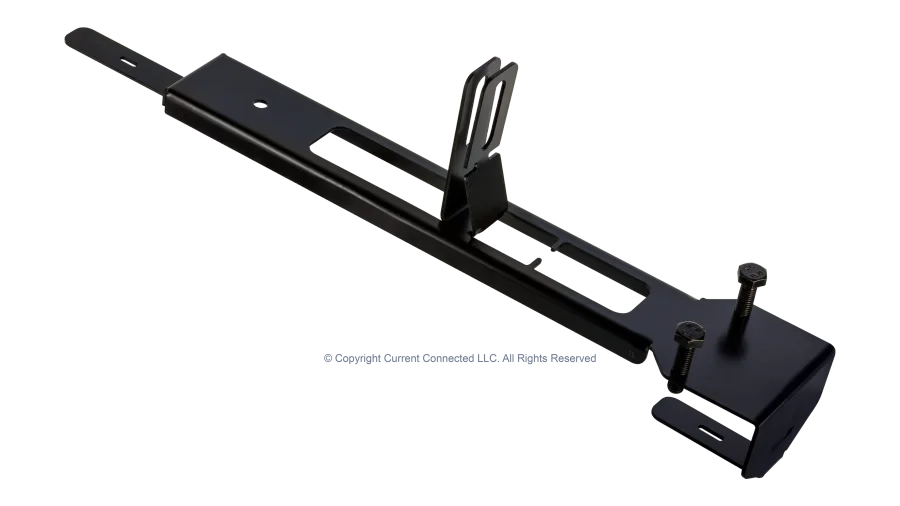
IntegraRack IR-T1 TileBallast Solar Panel Roof Mounting System, No Penetration Tile Roof Mounts for PV Modules
Non-penetrating solar mount for concrete tile roofs, no rafter screws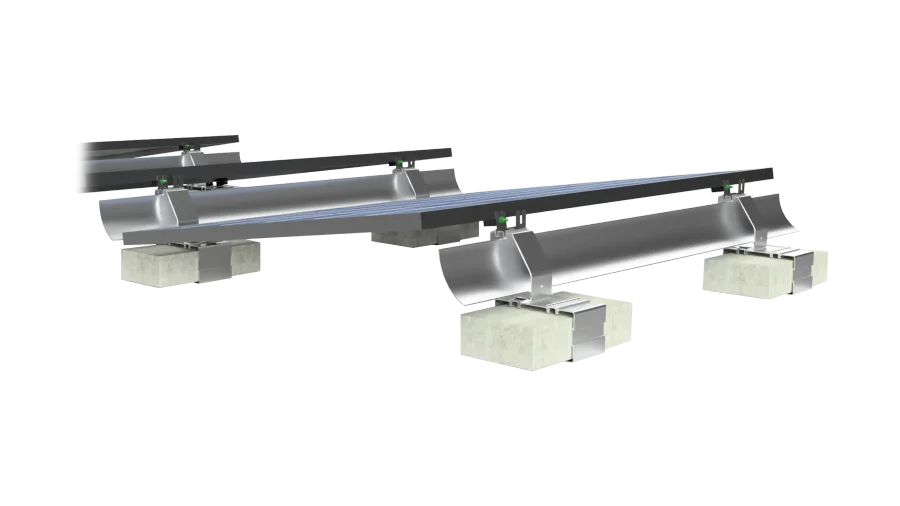
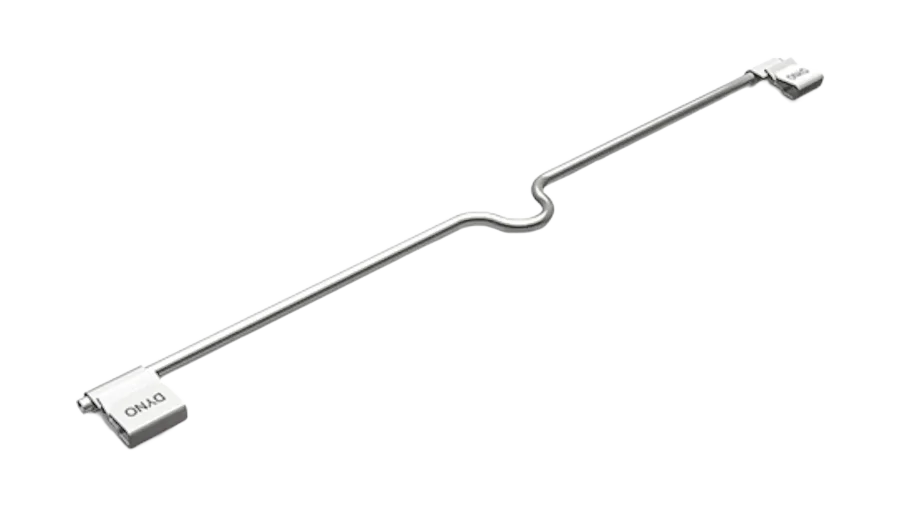
IntegraRack IR-B1 DynoRaxx DynoBond Bonding Jumper, 8-inch or 12-inch Jumper for Bonding Solar Panel Rows for UL 2703 Compliance
Bond panel rows together the UL 2703 way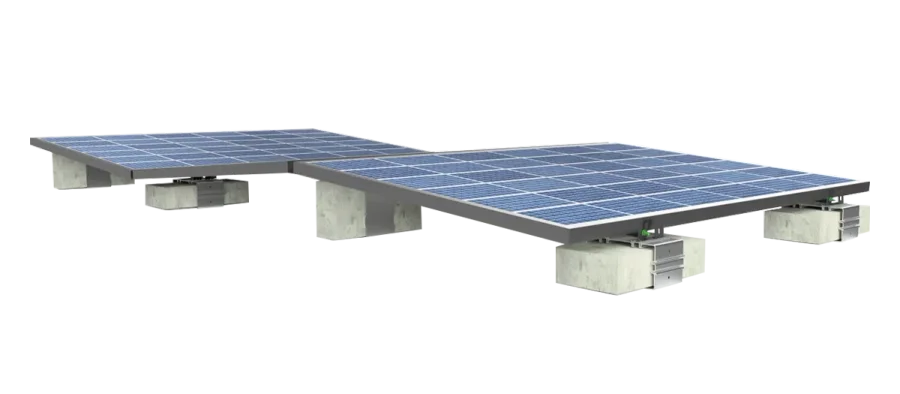
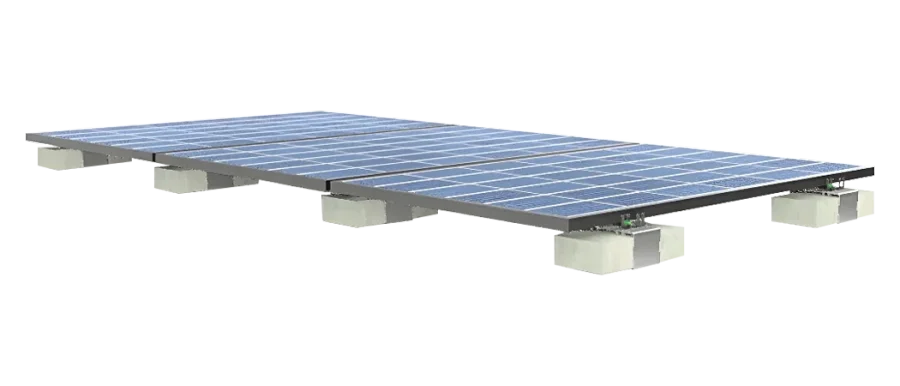




How to Choose Solar Panel Racking
1. Ground or Roof?
Ground mounts like IntegraRack BallastRack hold panels at a fixed or adjustable tilt in an open yard or field. Roof mounts like MultiBallast and TileBallast sit on flat or tile roofs, and many MultiBallast models work on flat ground too. The Type filter switches between them and also pulls up anchors, foundations, and mounting hardware.
2. Choose Your Tilt Angle
Fixed-angle racks are simple and strong. Adjustable racks let you steepen the tilt in winter and flatten it in summer. East/west racks hold panels at a low angle facing both directions, which fits more panels in a tight space and spreads production across the day.
3. Plan Your Foundation
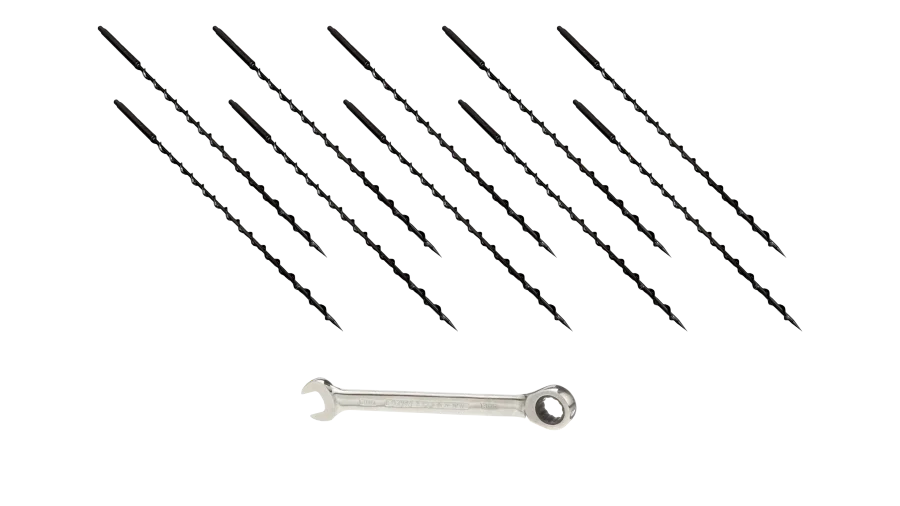
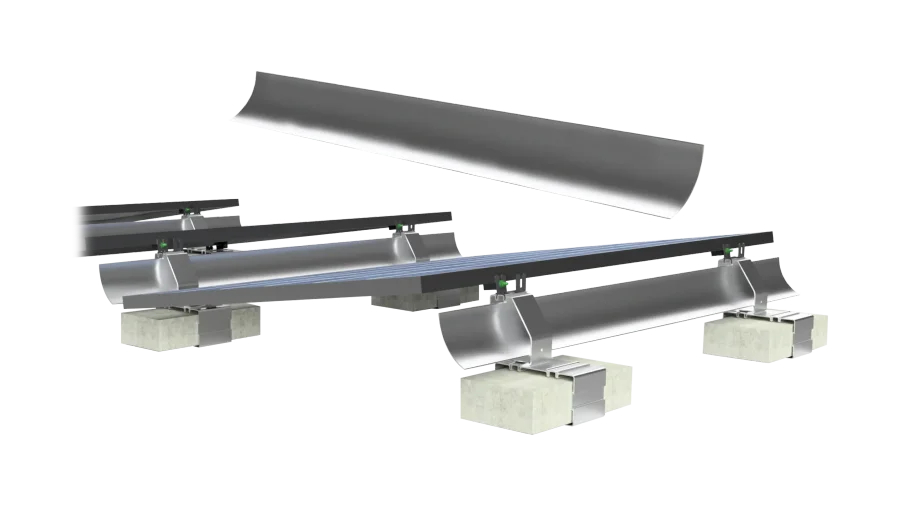
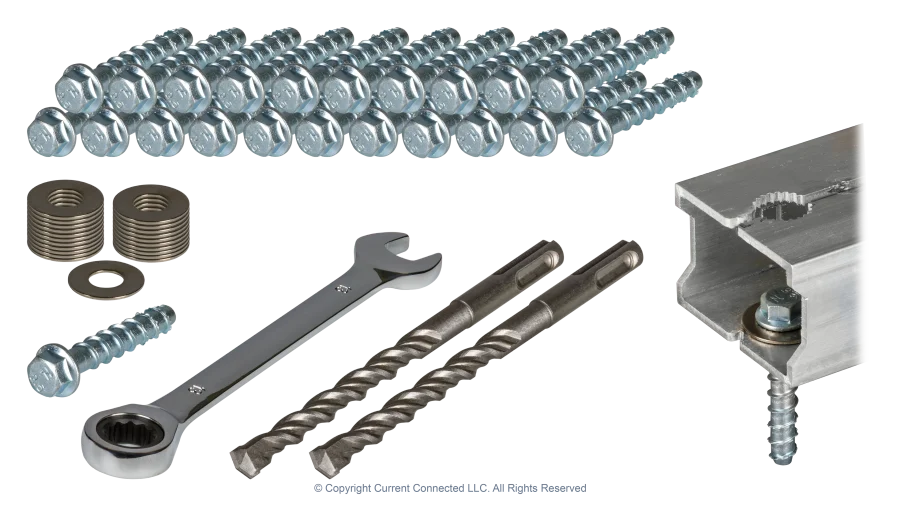
Ballasted systems use weight instead of digging, which is handy on rocky ground or on roofs you don’t want to penetrate. IntegraRack EarthScrew kits anchor into soil without concrete, and SlabBallast and EarthBallast kits give you options for slabs and open ground. Check the manufacturer’s load tables against your local wind and snow requirements.
4. Match Your Panels
Check the rack’s supported panel size and frame thickness against your solar panels, and pick up MC4 connectors and PV wire for the array wiring.
Solar Racking FAQ
A tilt close to your latitude gives the most energy over a full year. Steeper angles favor winter production and shed snow better, while flatter angles favor summer. Adjustable racks let you change the angle with the seasons.
Ballasted racks rely on weight, usually concrete blocks, to resist wind uplift. The amount depends on panel size, tilt, and local wind speed, so follow the manufacturer’s ballast tables for your site.
Yes. Ground mounts and tilted racks are the best place for bifacial panels, because the back of the panel can collect light reflected off the ground. Raising the panels higher and keeping the ground light-colored increases the gain.
Yes. Metal racking and panel frames need to be bonded and grounded under the National Electrical Code. Bonding jumpers and bonding clamps, like the IntegraRack DynoBond jumper and flange clamp bonding brackets, make that connection.