
Shop Solar Disconnect Switches for PV, Battery, and AC
A disconnect lets you safely shut off a power source for service, upgrades, or an emergency. We carry disconnects for every part of a solar system: IMO 600V DC rooftop isolators for the array, MidNite DC breakers for the battery, and AC isolators for the inverter output.
Not sure which one goes where? The guide below the products breaks it down.
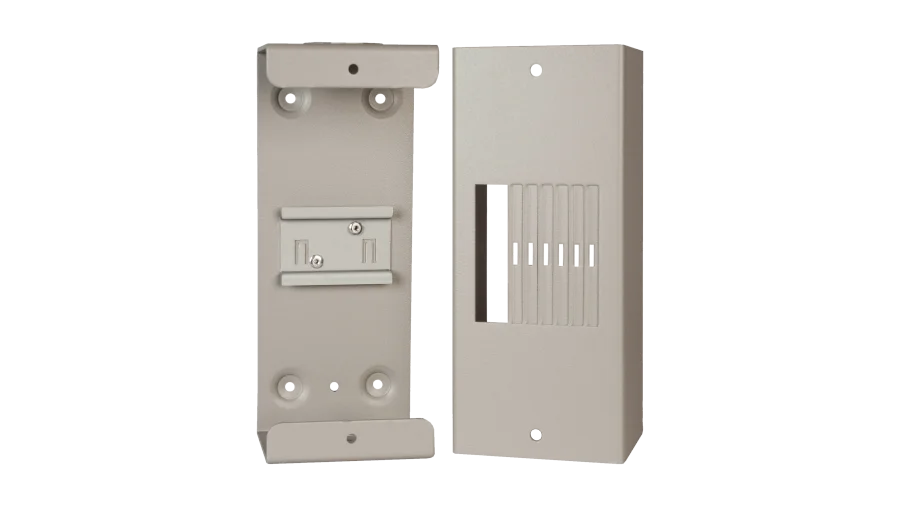
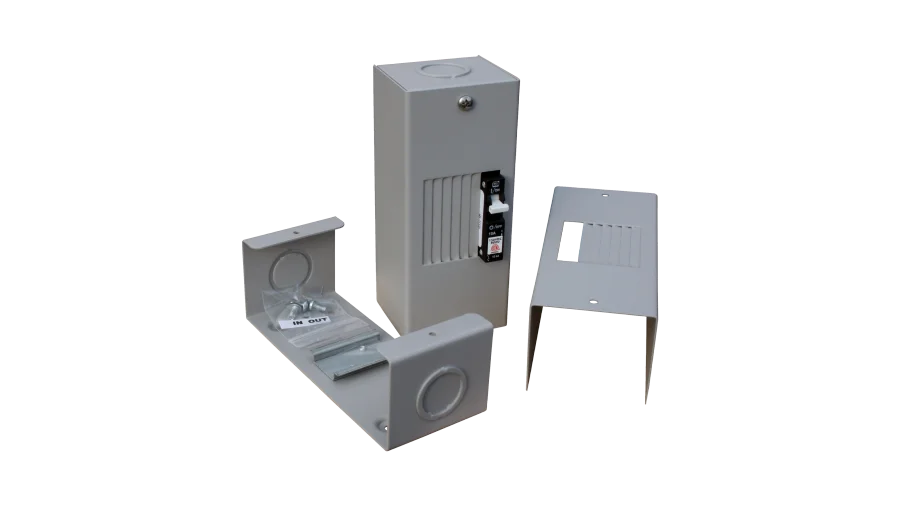
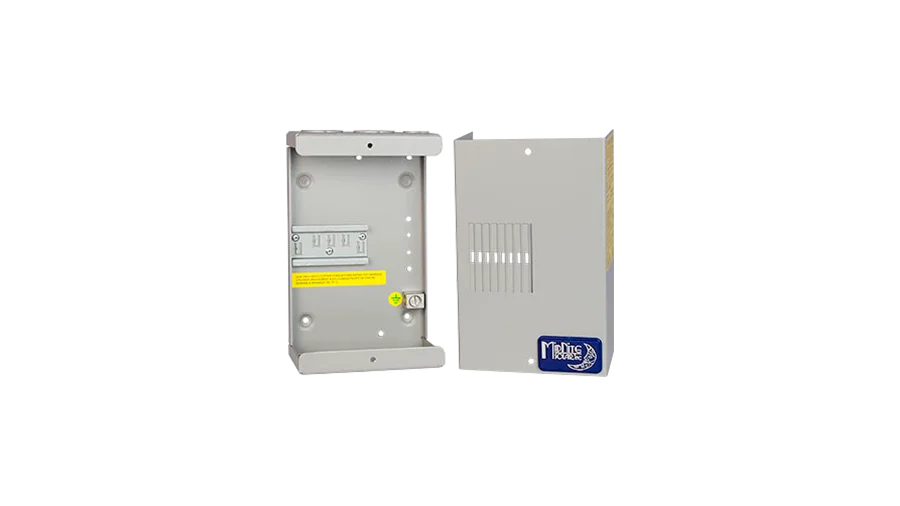
MidNite Solar Baby and Big Baby Breaker Boxes, AC or DC Distribution for Din Mount Disconnects or Breakers
Holds up to 4 DIN mount breakers rated up to 300Vdc or 277Vac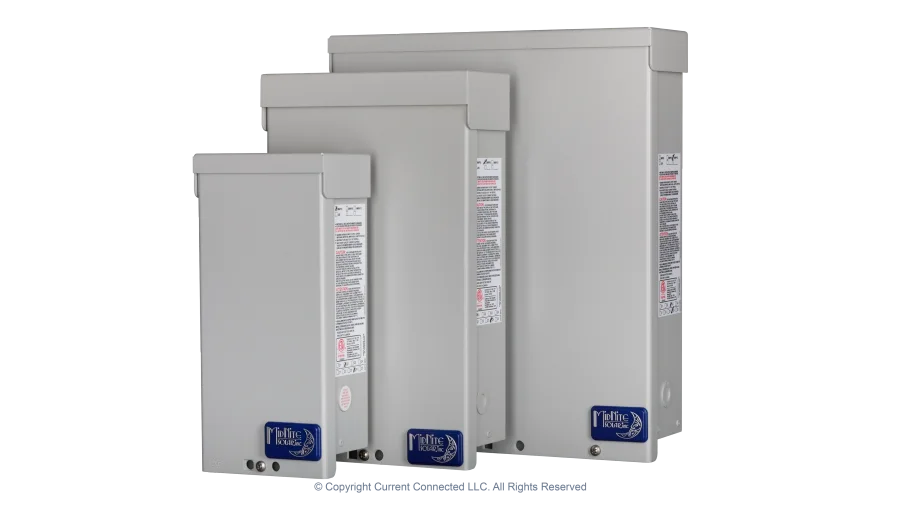
MidNite Solar MNPV3 / MNPV6 / MNPV12 Combiner Breaker Box
Conveniently protect and combine multiple solar array strings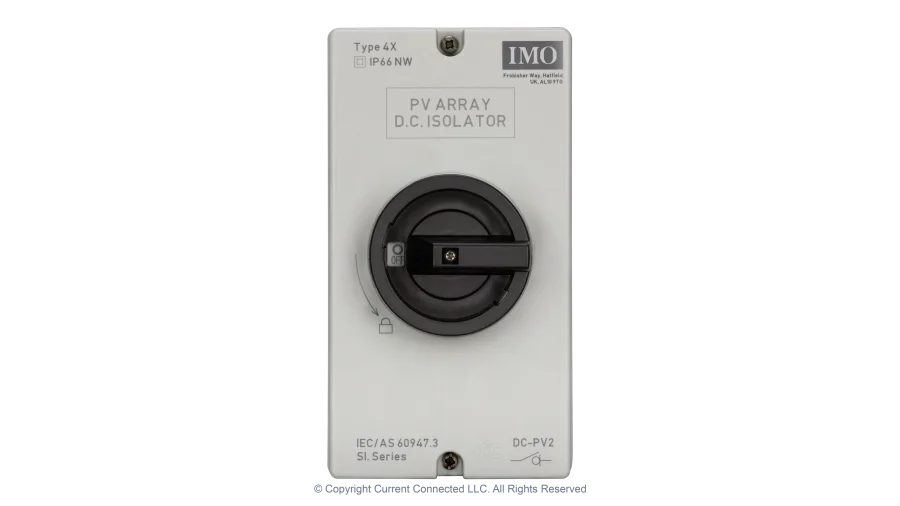
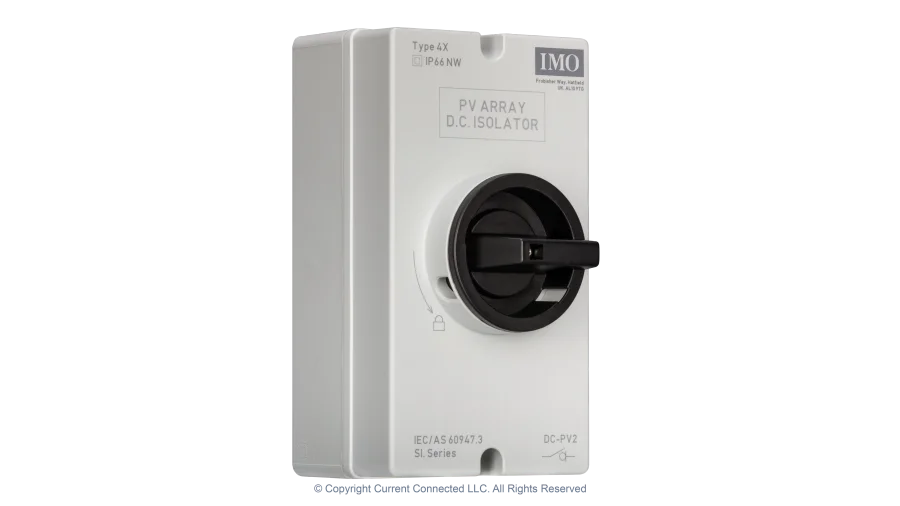
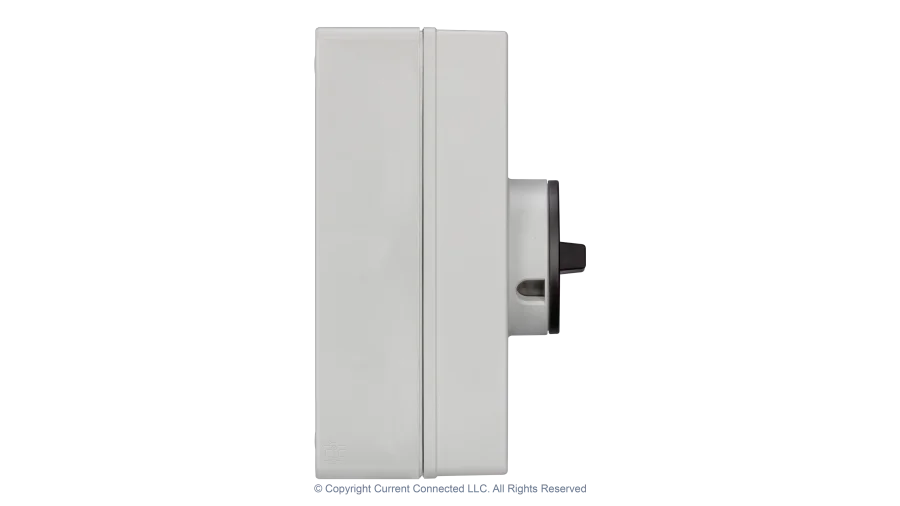
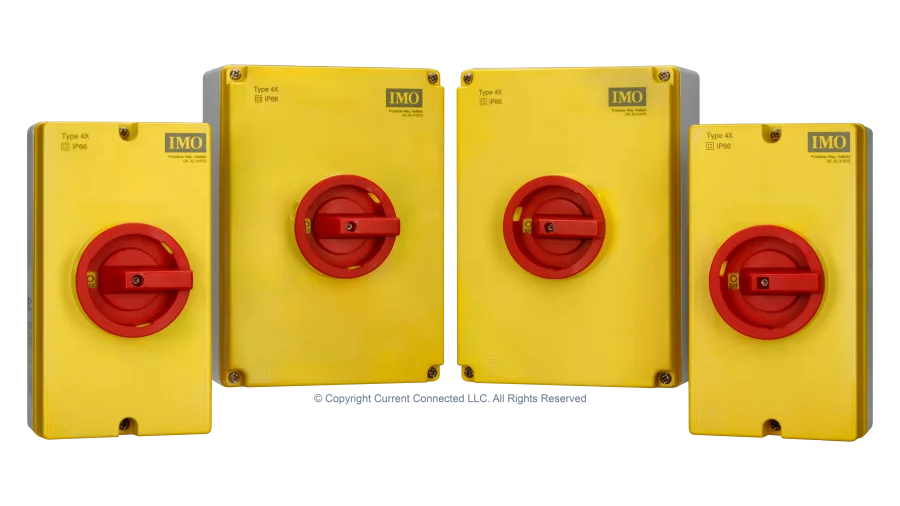
Solar DC Disconnect Switch, IMO 600V 32A Rooftop Isolator, 4, 6, or 8 Pole for 2 to 4 PV Strings, NEMA 4X
One twist isolates up to four solar strings, right at the array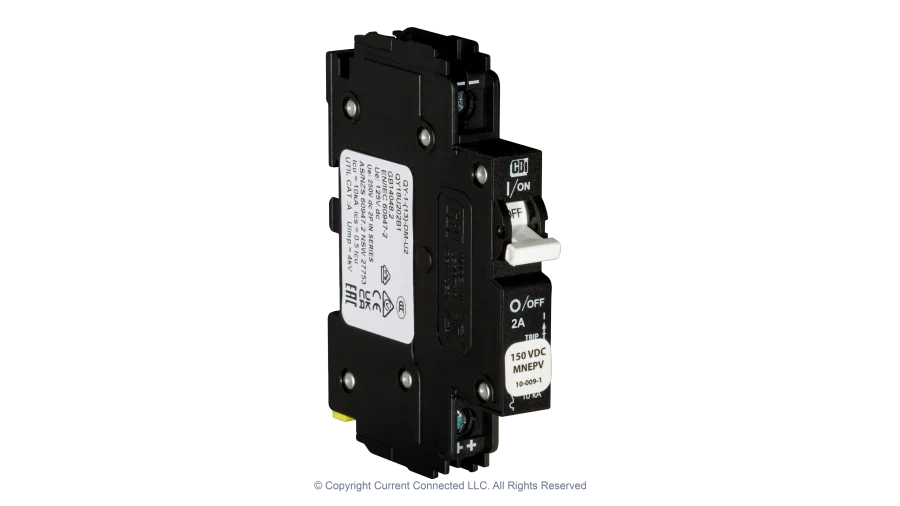
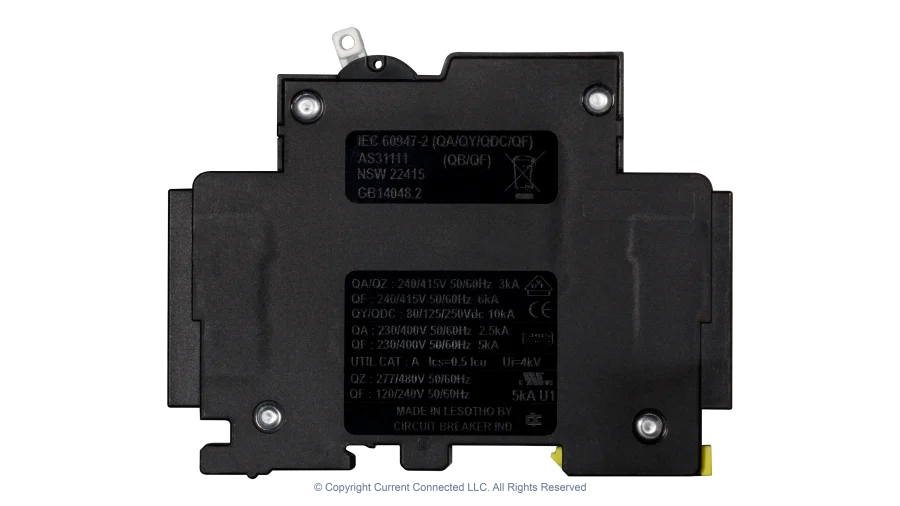
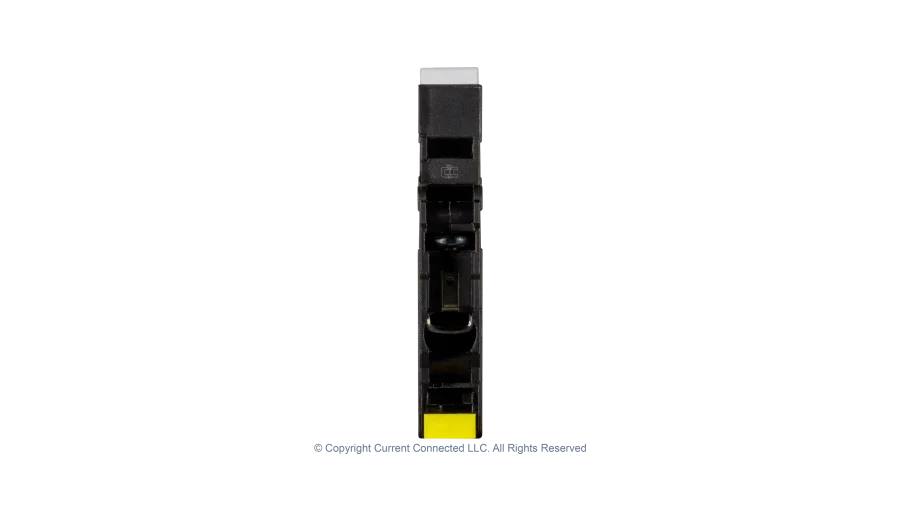
MidNite Solar MNEPV 2A-100A 150Vdc Din-Rail Mount Polarized Circuit Breaker for Batteries and Small Solar Arrays
Small DIN breakers for batteries and little arrays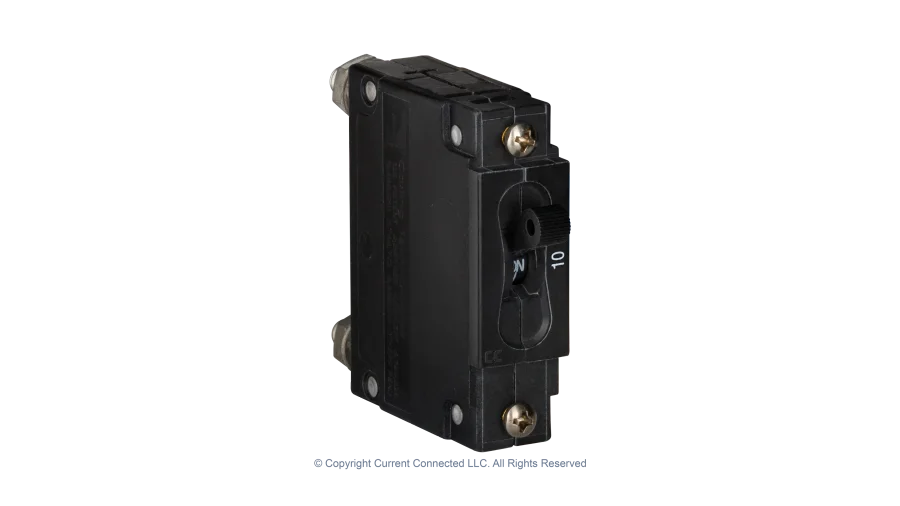
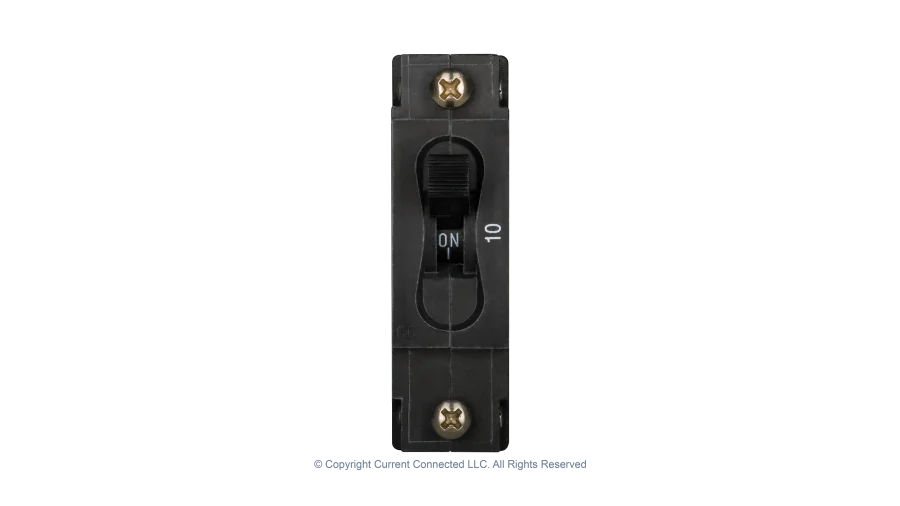
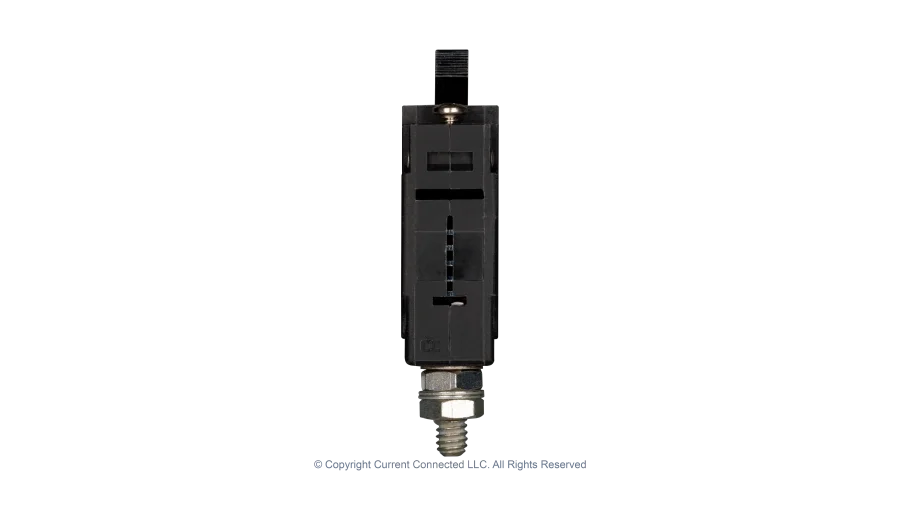
MidNite Solar MNEDC 5A-100A Breakers, Rated for 150Vdc/120Vac, Non-Polarized Panel Mount Breakers, 10kAIC
Panel-mount DC breakers that don't care about polarity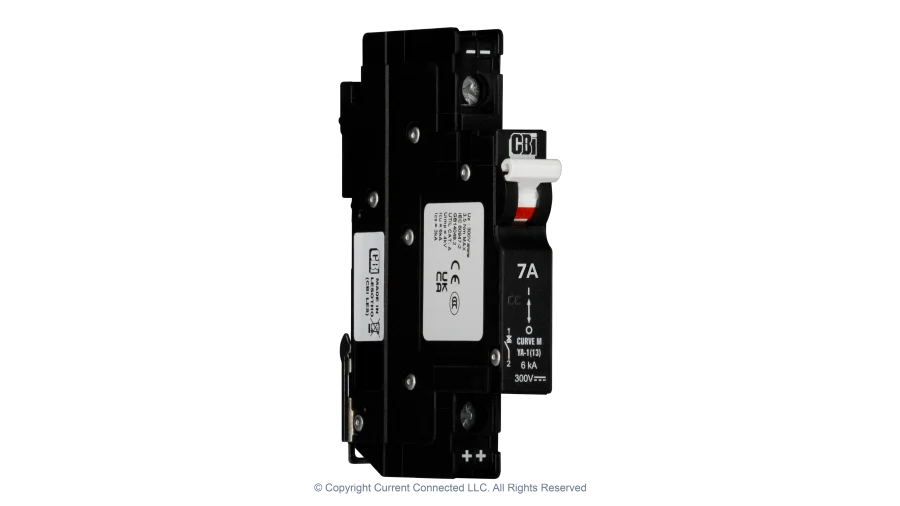
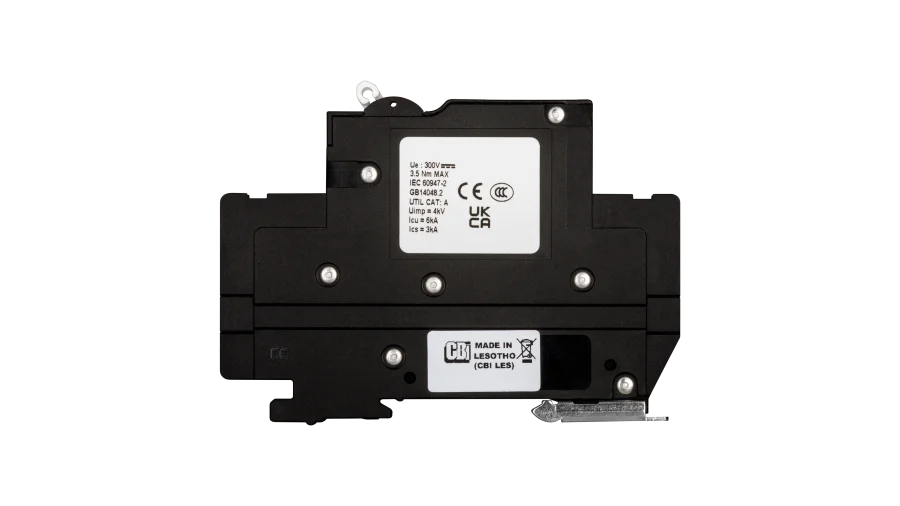
MidNite Solar MNEPV-300 7A-50A 300Vdc Din-Rail Mount Polarized Breakers, Single Pole, 10kAIC
MidNite Solar's Polarized Breaker for up to 300VDC!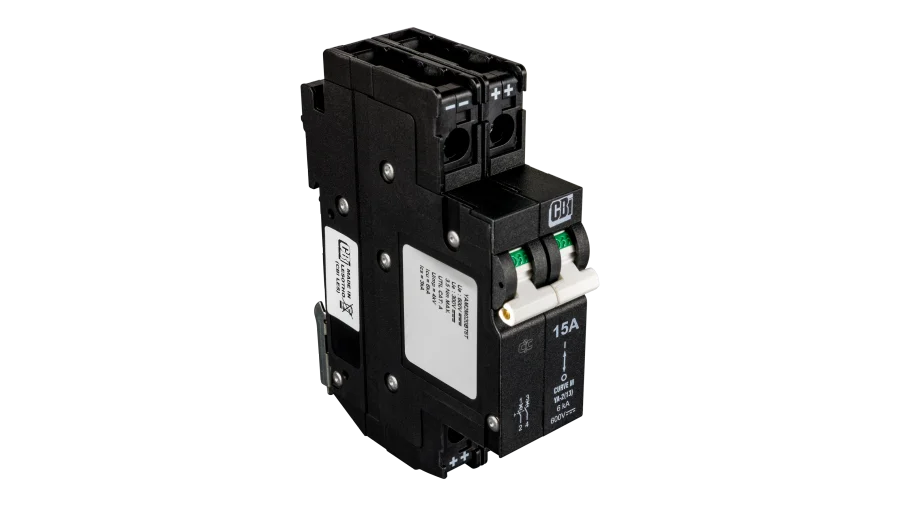
MidNite Solar MNEPV 15A-20A Circuit Breakers, 600Vdc Polarized Double Pole Breaker, DIN Rail Mount PV Breakers
Perfect for MNPV6 / MNPV12 Combiner boxes - Din rail mount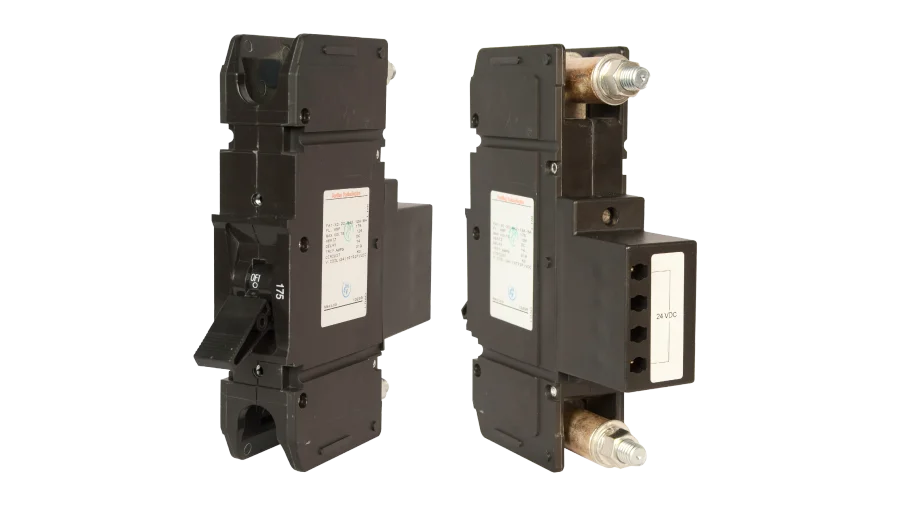
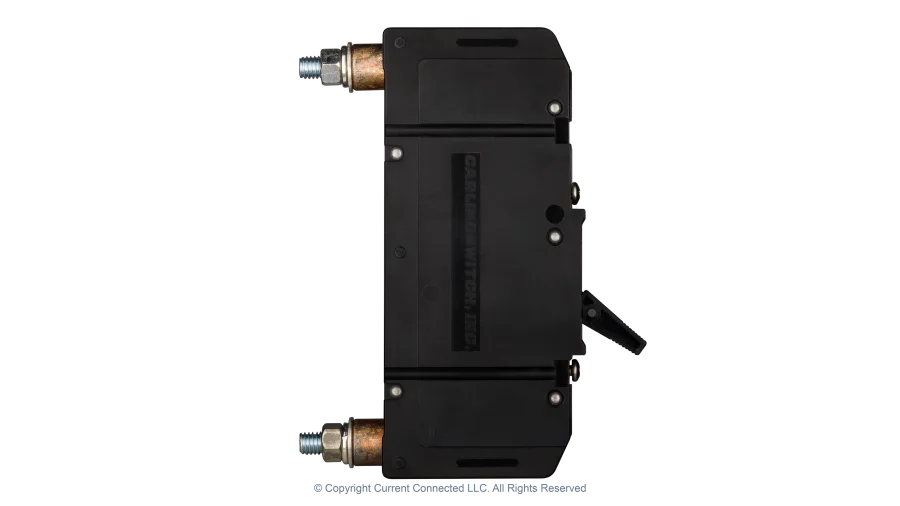
MidNite Solar MNEDC 125A/175A/250A Breakers, Non-Polarized Remote Trip Breaker, 50kAIC at 125Vdc
Remote-trip DC breakers with a stout 50kAIC rating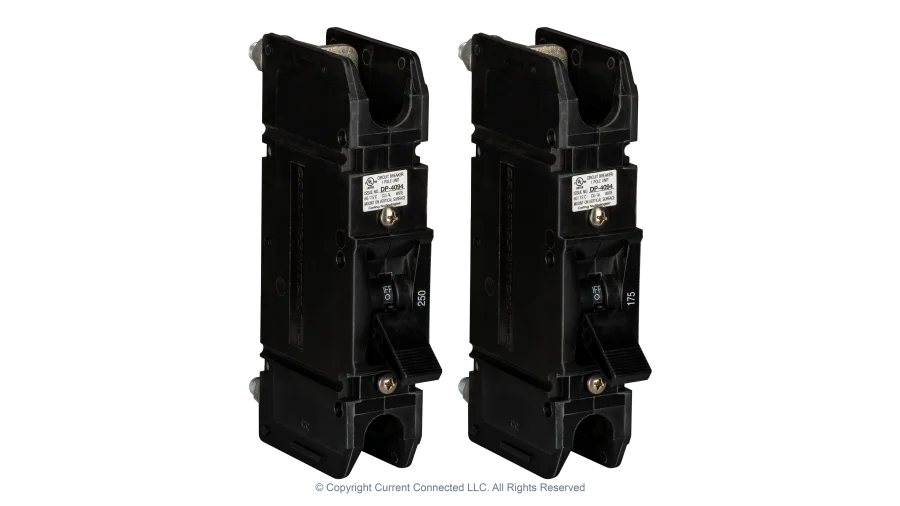
Which Disconnect Goes Where?
PV array
Shuts off DC from the panels before it reaches the charge controller or inverter
IMO DC rooftop isolators, MidNite MNEPV breakers, MNPV combiner boxes
Up to 600V DC
Battery
Isolates the battery bank from the inverter and DC loads
MidNite MNEDC breakers
Up to 250A
AC output
Shuts off AC between the inverter and your panel or loads
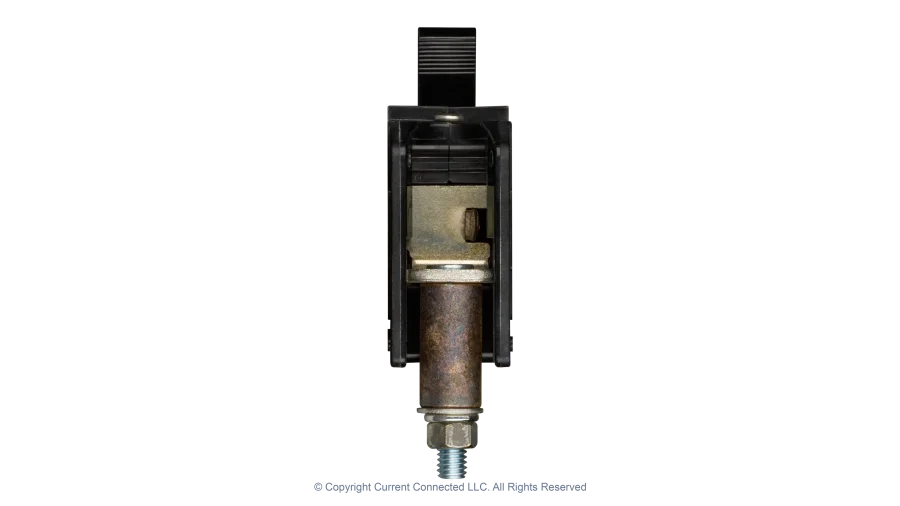
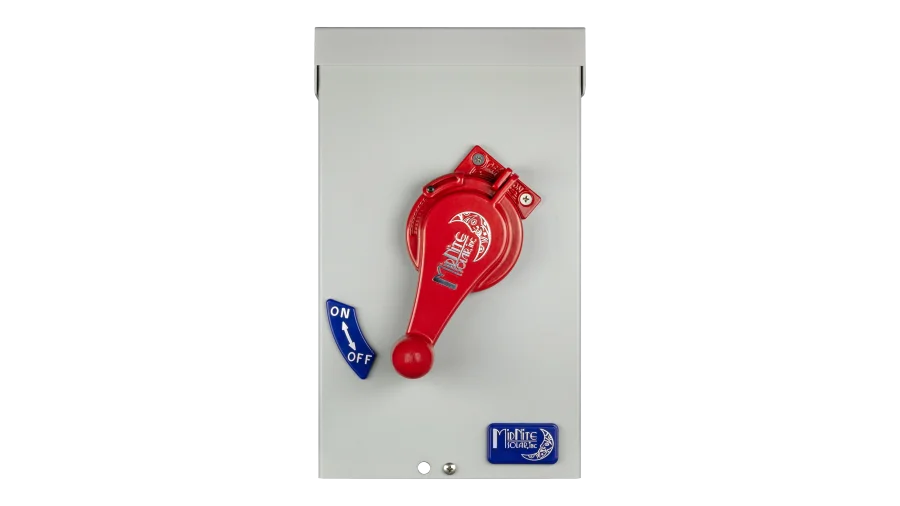
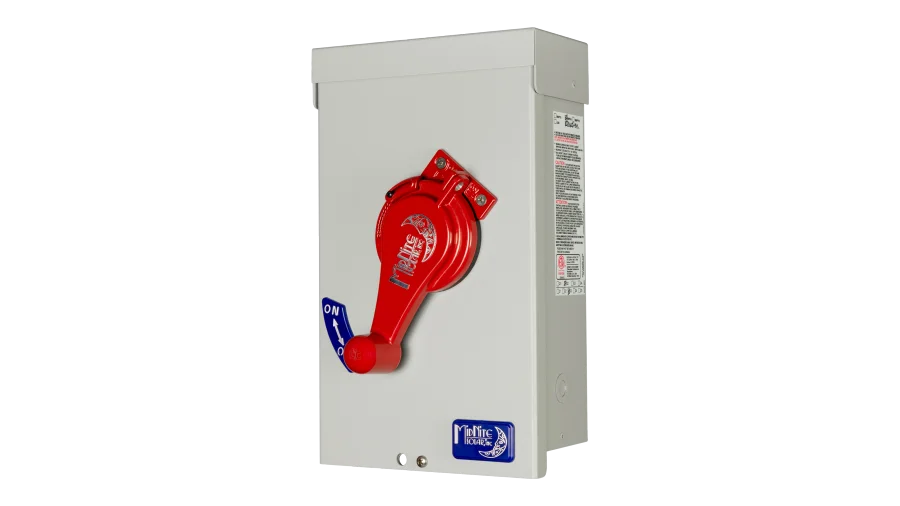
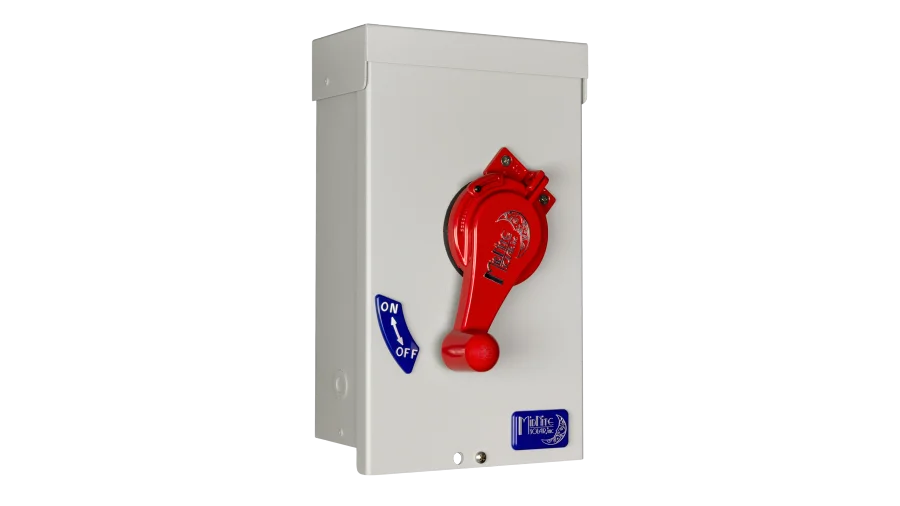
IMO 3 pole AC isolator, MidNite AC disconnect
20A to 125A (IMO)
Enclosures
Houses DIN rail breakers and disconnects
MidNite Baby and Big Baby boxes
AC or DC
1. Match the voltage
A PV disconnect sees the full open circuit voltage of your array, and that voltage climbs in cold weather. Pick a disconnect rated above your array’s cold weather open circuit voltage, like the IMO isolators rated to 600V DC.
2. Match the current
Size a battery disconnect for your inverter’s maximum DC current, and a PV disconnect for the short circuit current of the strings it switches. Want help running the numbers? Contact our support team.
3. Use DC rated gear on the DC side
DC arcs are harder to break than AC arcs, so anything on the PV or battery side needs a DC rating at your system voltage. Rules for where disconnects go vary by location, so check with your local building department before you install.
Solar Disconnect FAQ
In most systems, yes. A DC disconnect lets you isolate the array from the charge controller or inverter for service. Some inverters have one built in. If yours does not, a rooftop isolator or a PV breaker covers it.
A disconnect switch only opens the circuit when you turn it off. A breaker does that and also trips on its own during an overcurrent. Many off-grid systems use DC breakers like the MidNite MNEDC as both the battery disconnect and the overcurrent protection.
No. DC arcs are harder to break, so a DC circuit needs a switch or breaker rated for DC at your system voltage. Use AC isolators only on the AC output side of the inverter.
Two per string, one for positive and one for negative. The IMO rooftop isolator comes in 4, 6, and 8 pole versions for 2, 3, or 4 strings.
PV disconnects usually go near the array or where the DC wiring enters the building, and battery disconnects go close to the battery. Your local building department sets the exact rules, and our support team can help you pick the right hardware.