
Shop LiFePO4 Battery Chargers and DC-DC Converters
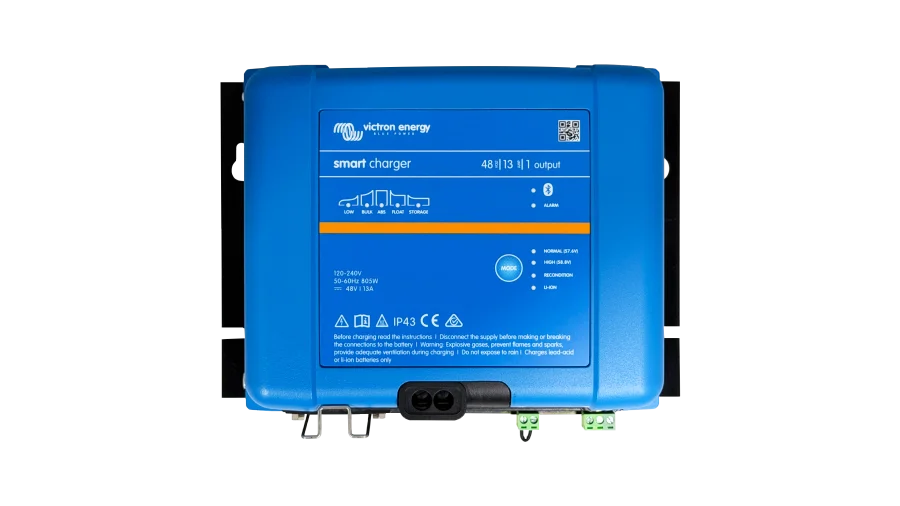
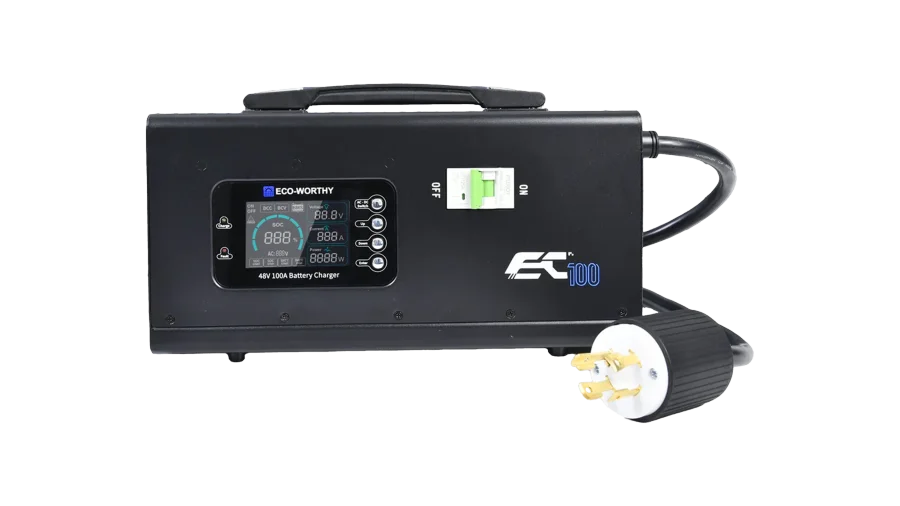
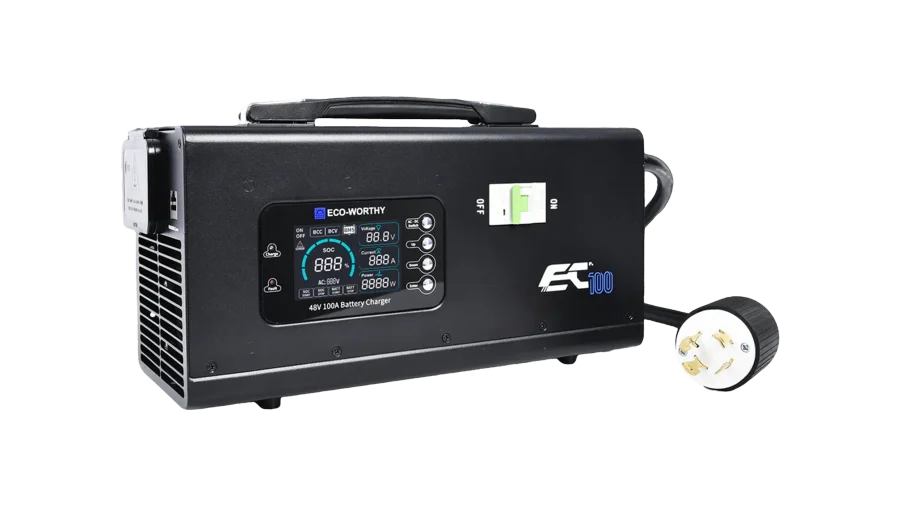
Keep your batteries topped up from shore power, a generator, or your vehicle’s alternator. We carry Victron Blue Smart and Smart IP43 chargers, Victron Orion DC-DC chargers, and high-output 48V chargers from EG4 and ECO-WORTHY.
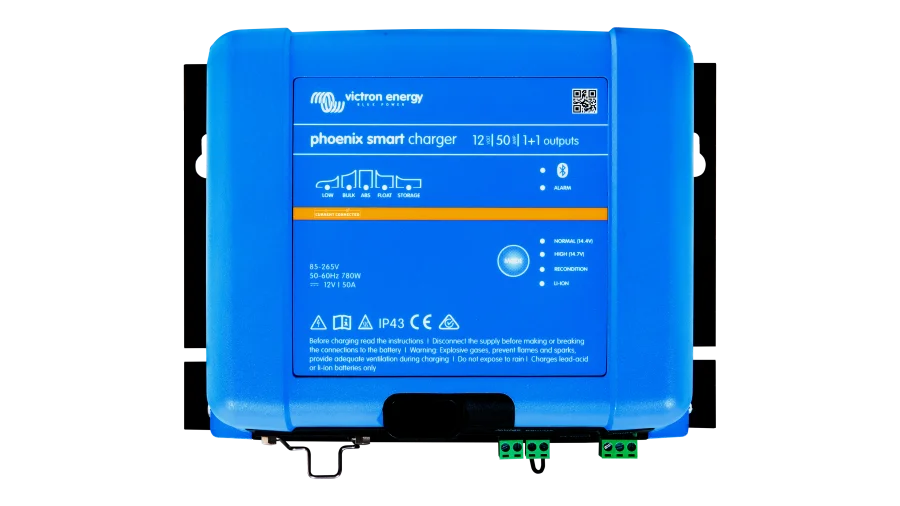
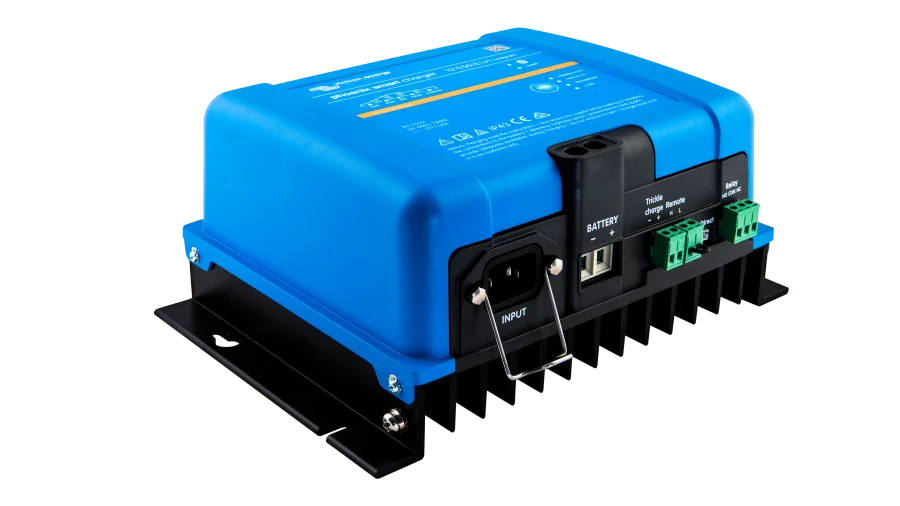
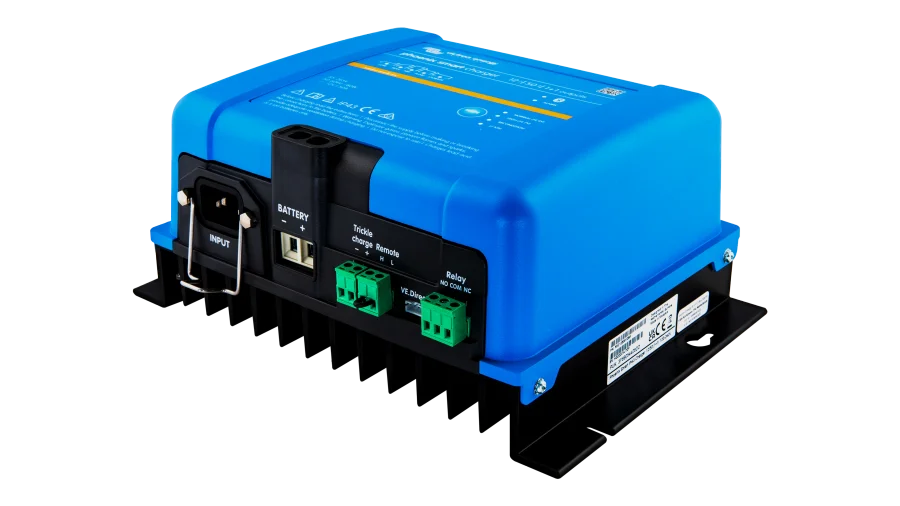
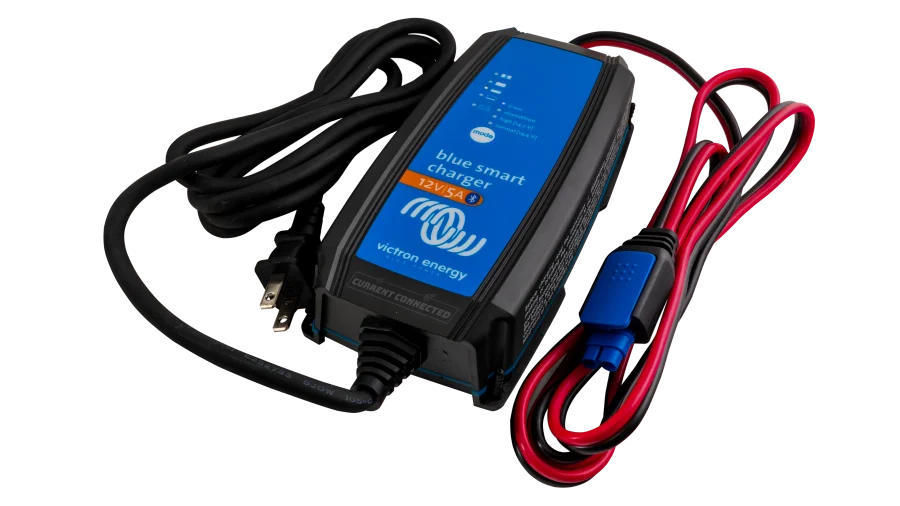
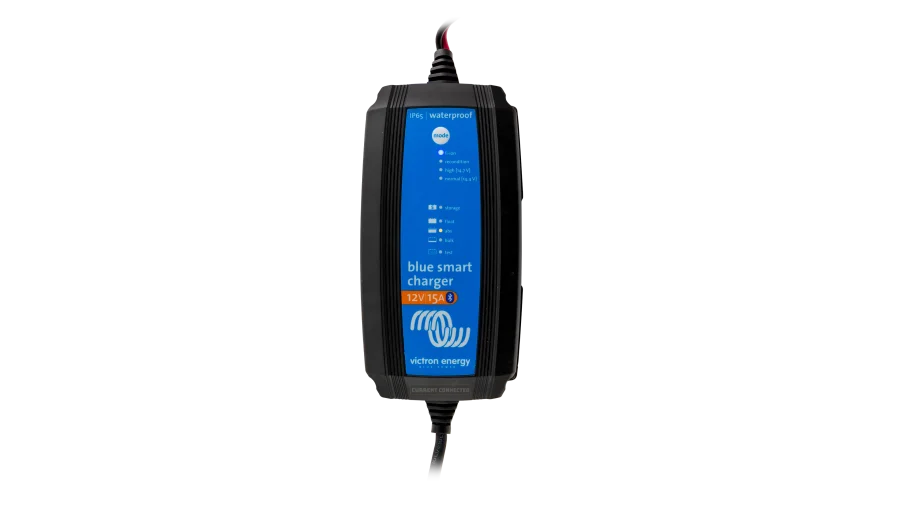
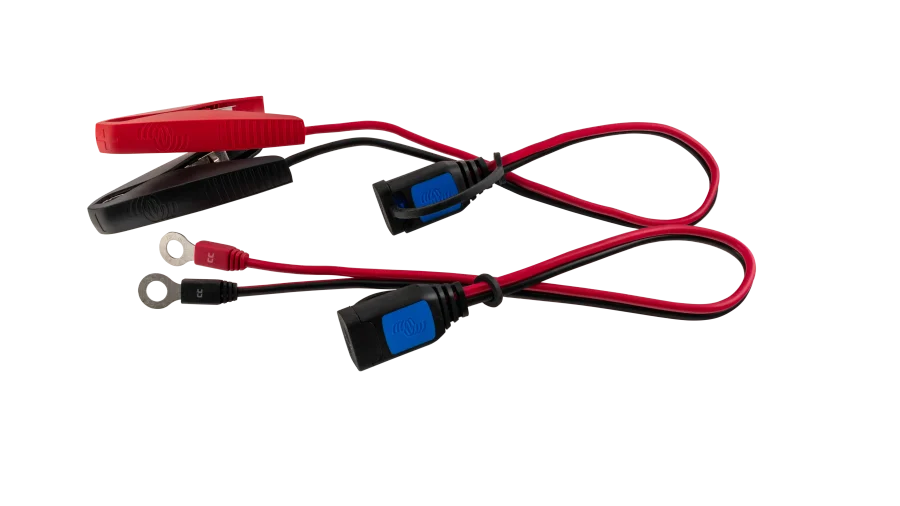
Victron Blue Smart IP65 Battery Charger for 12V Lithium and Lead-Acid Batteries, 120Vac Power Input with NEMA 1-15 Plug
Splash-proof IP65 charging you can take anywhere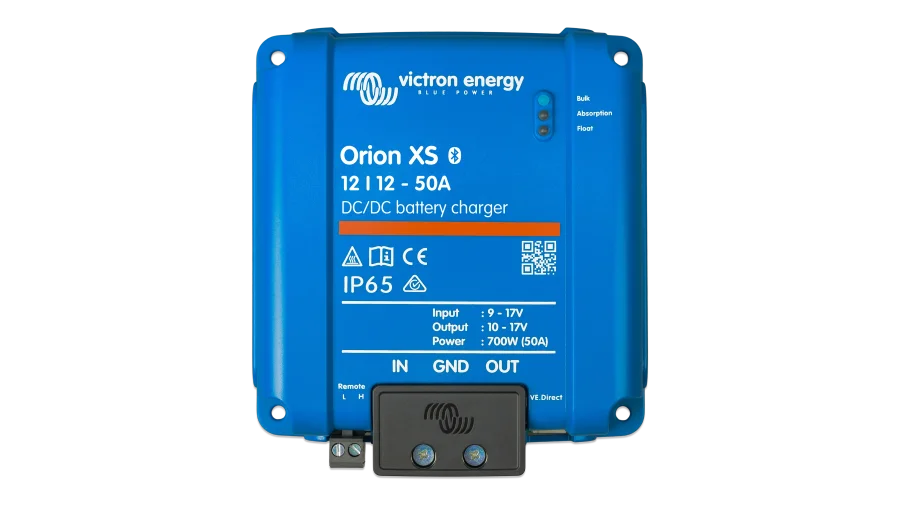
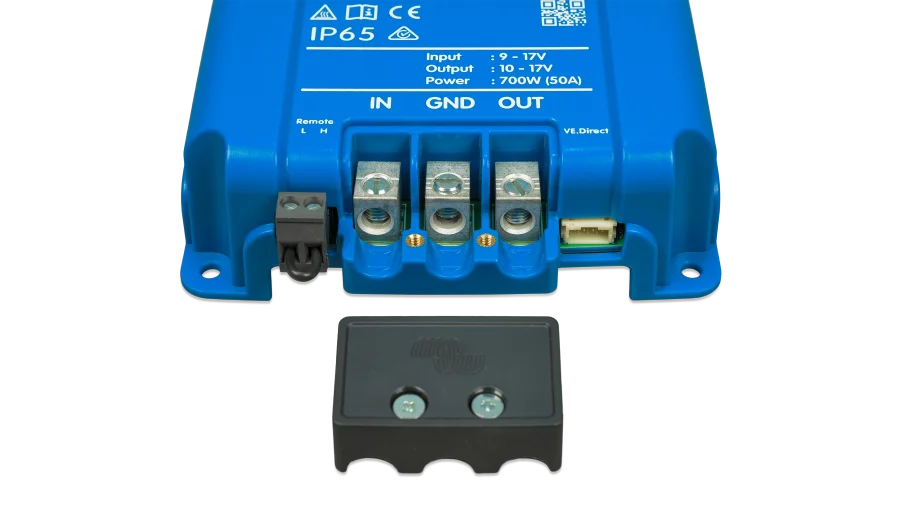
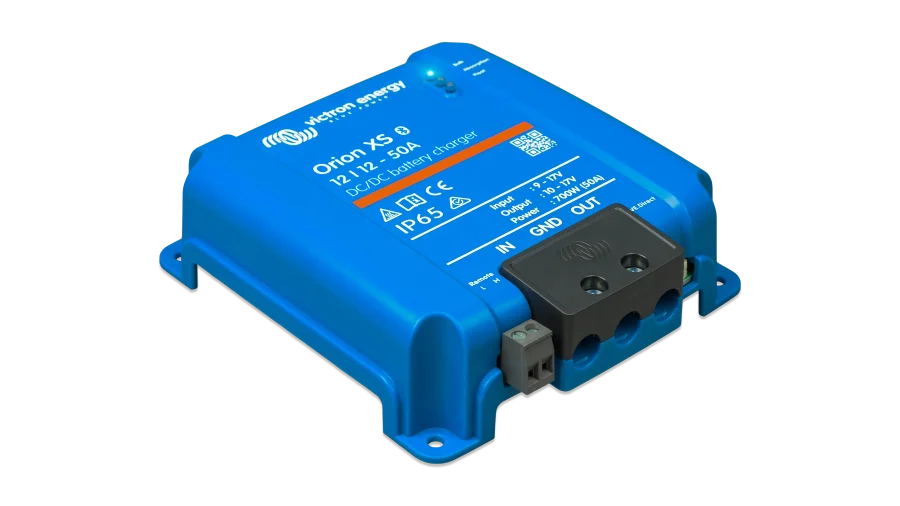
Victron Energy Orion XS DC-DC Battery Charger, XS 12/12-50A, XS 12/12-70A, and XS 1400 Options for 12V or 24V Batteries
Fanless DC-DC charger with smart alternator detection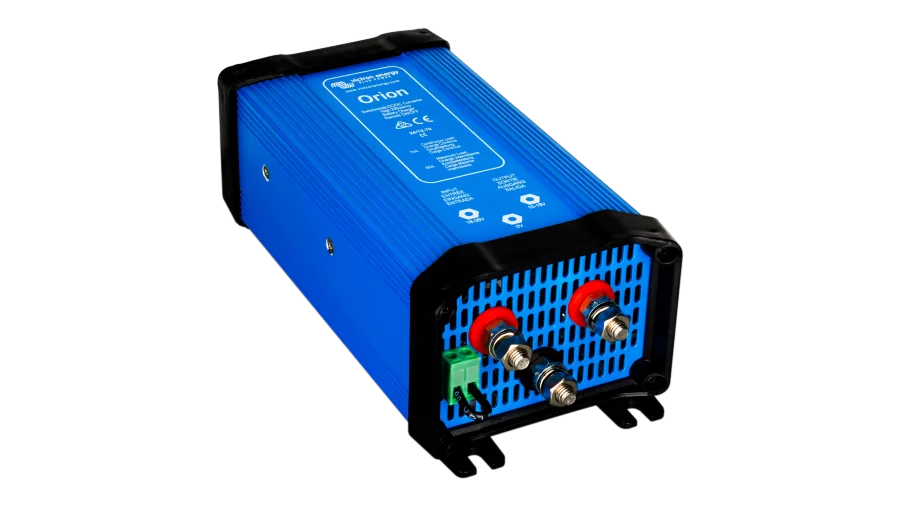
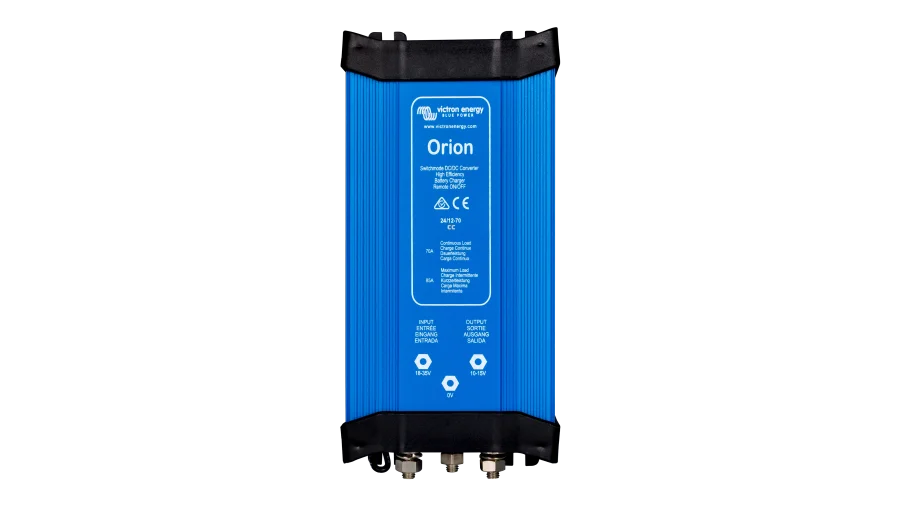
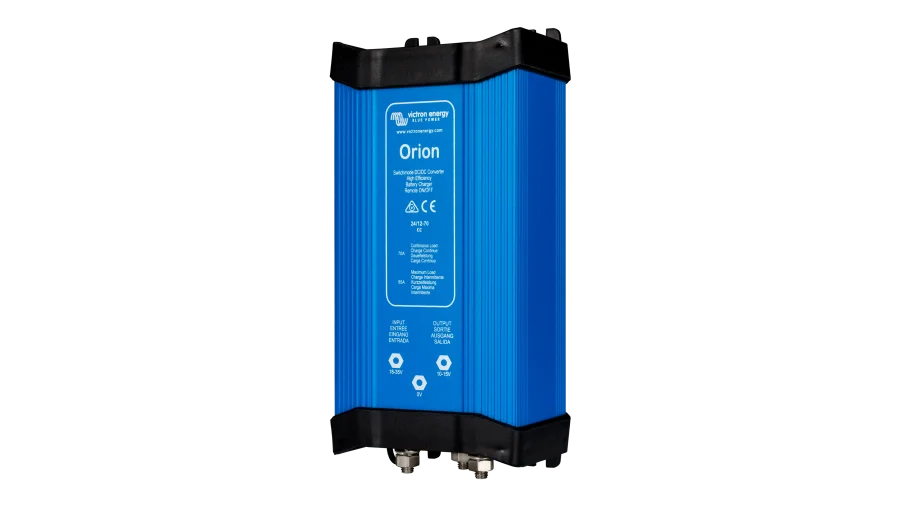
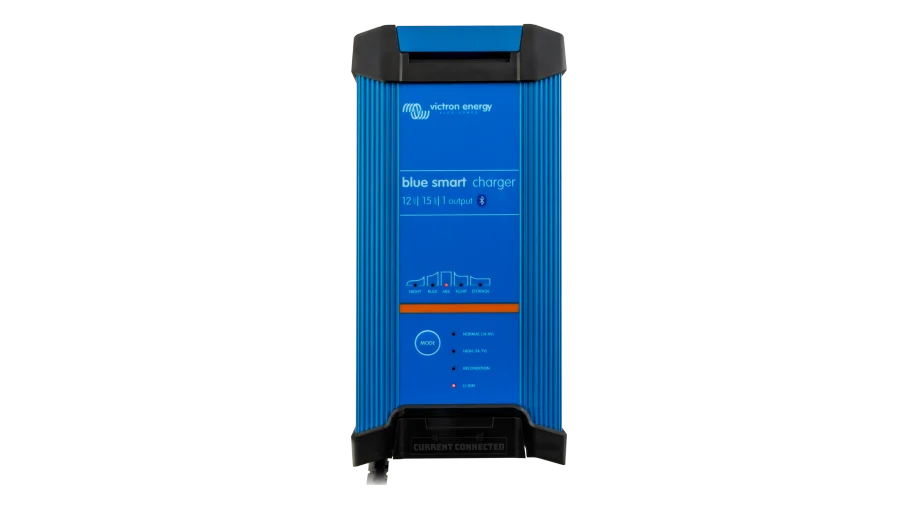
Victron Energy Blue Smart IP22 Battery Charger 12V, 15A and 30A Options, Bluetooth, LiFePO4 and Lead-Acid, 6-Stage Adaptive, NEMA 5-15 Plug (120VAC)
Smart 12V charging in 15A or 30A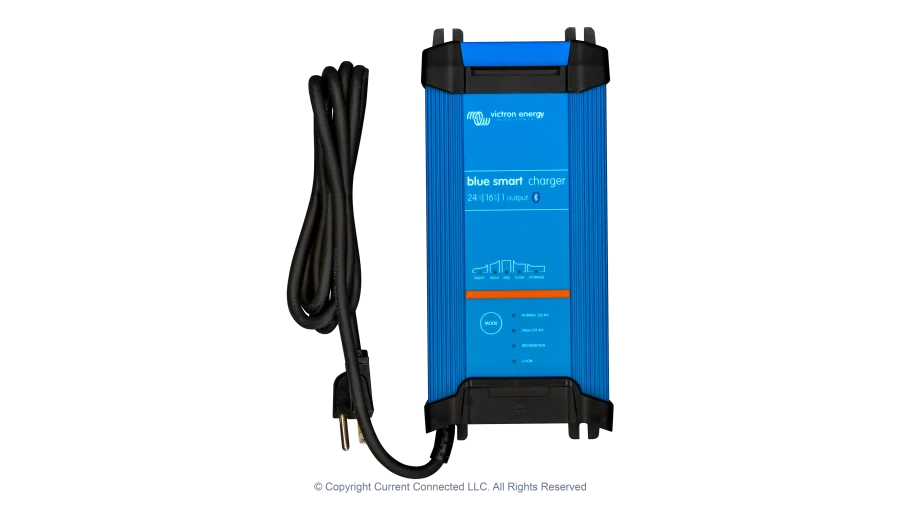
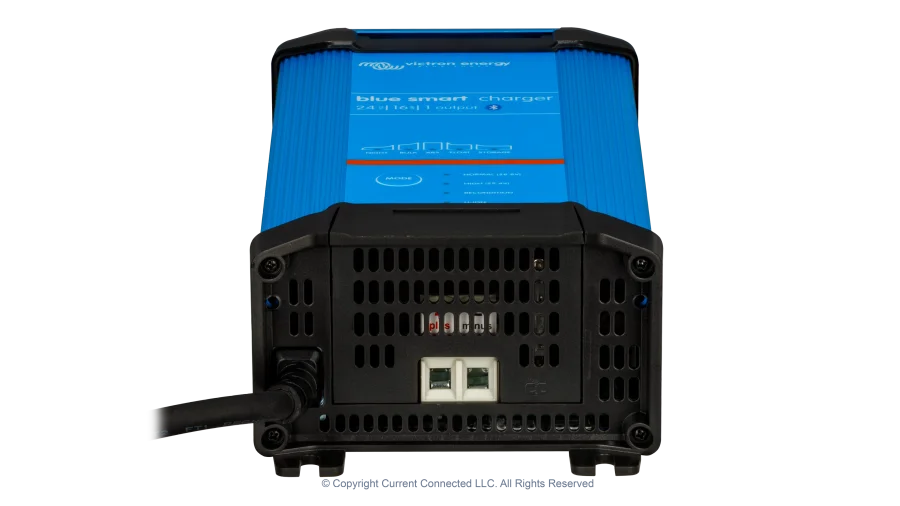
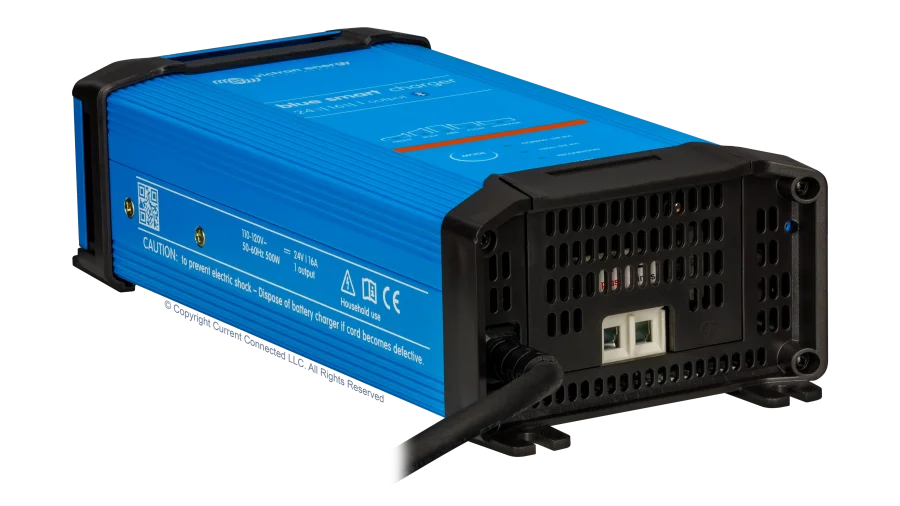
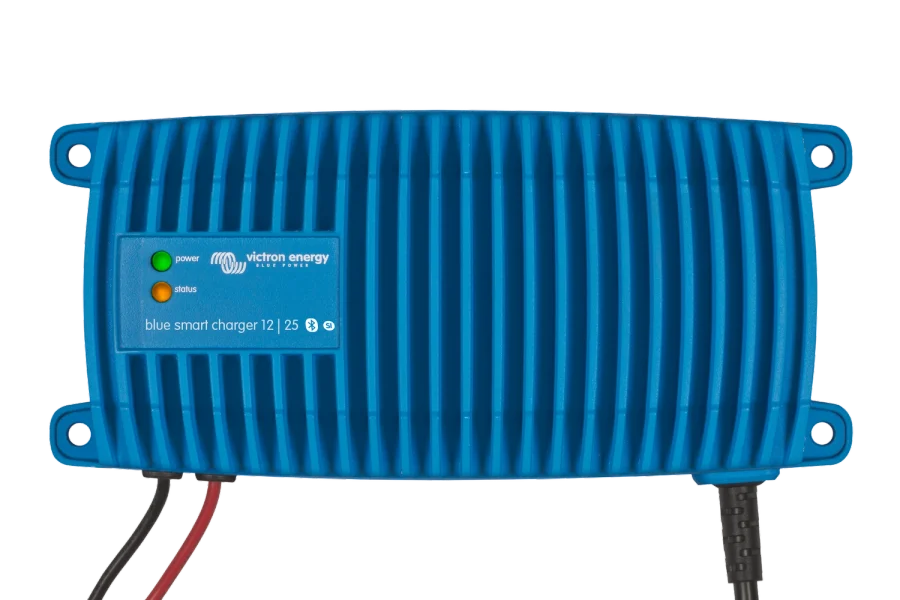
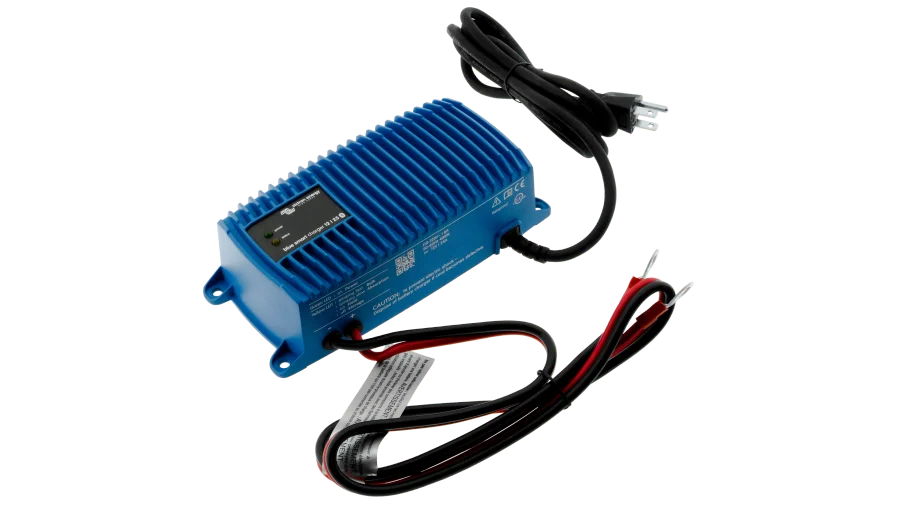
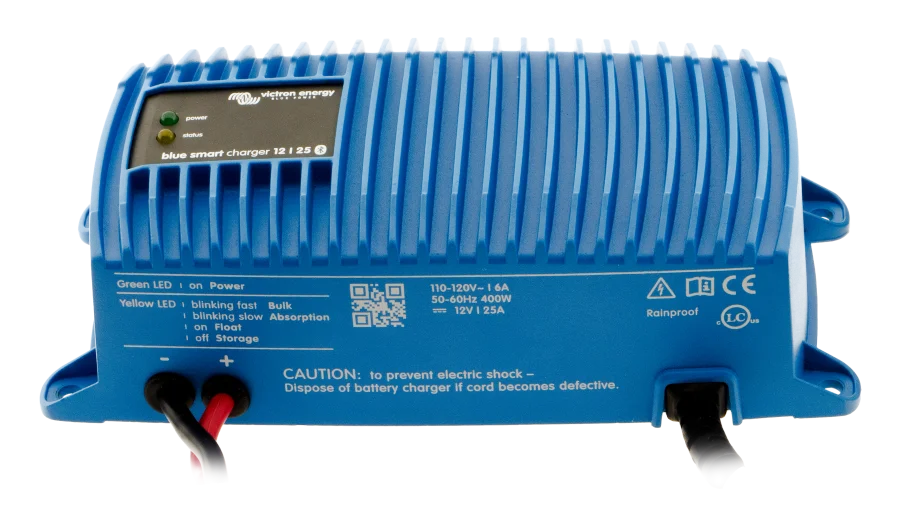
Victron Energy Blue Smart IP67 Charger, 12V and 24V Options, Lithium and Lead-Acid Battery Charger with NEMA 5-15 Plug
Potted aluminum enclosure rated to 100% humidity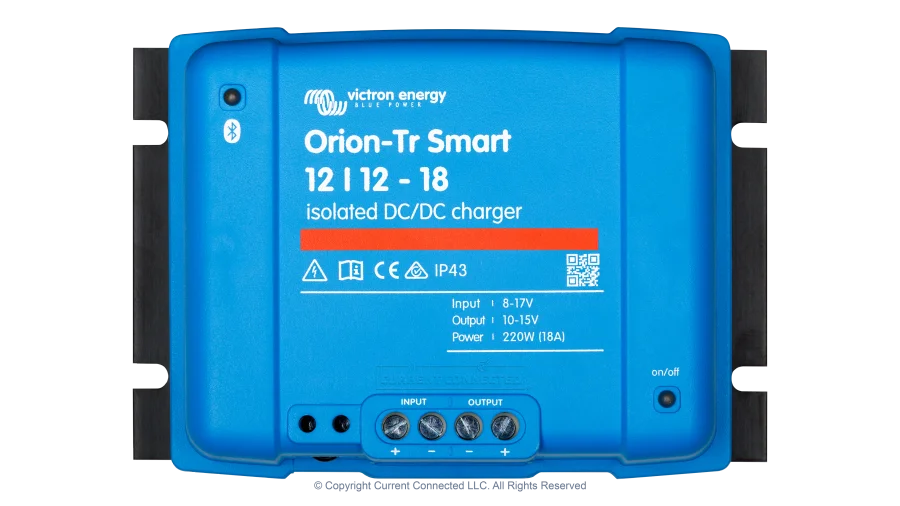
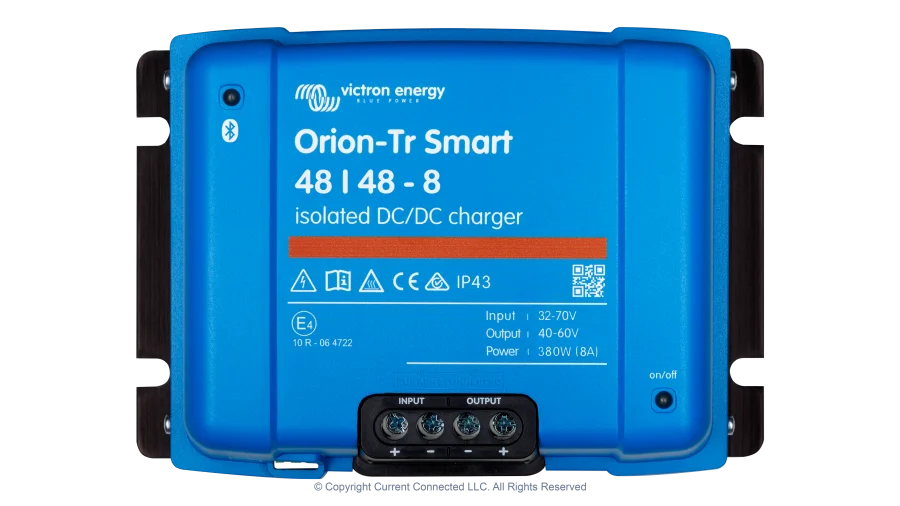
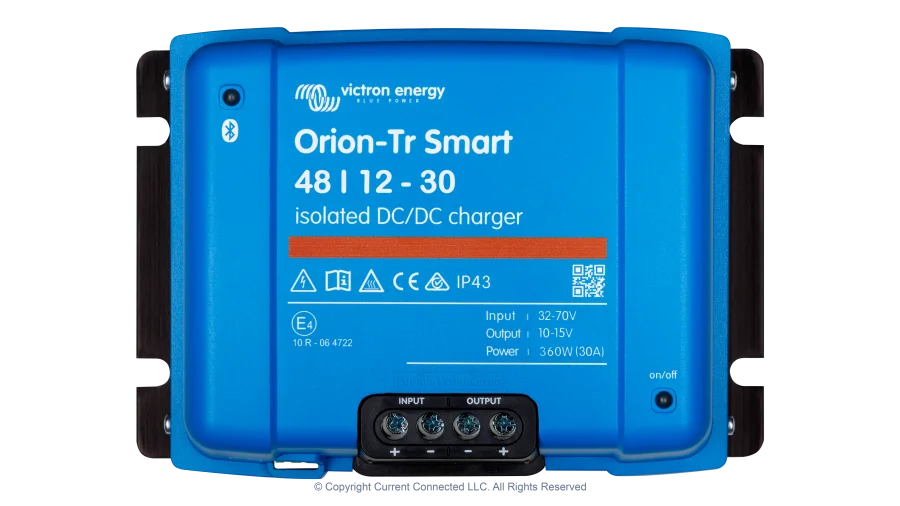
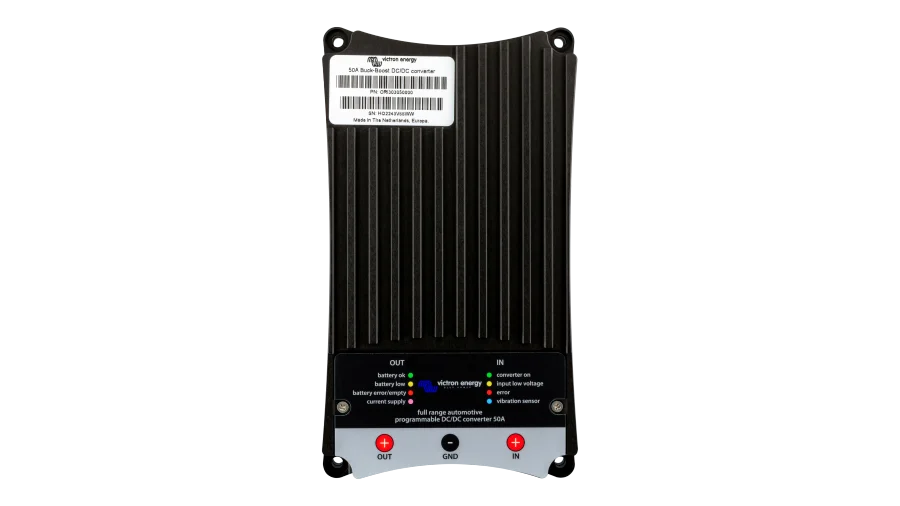
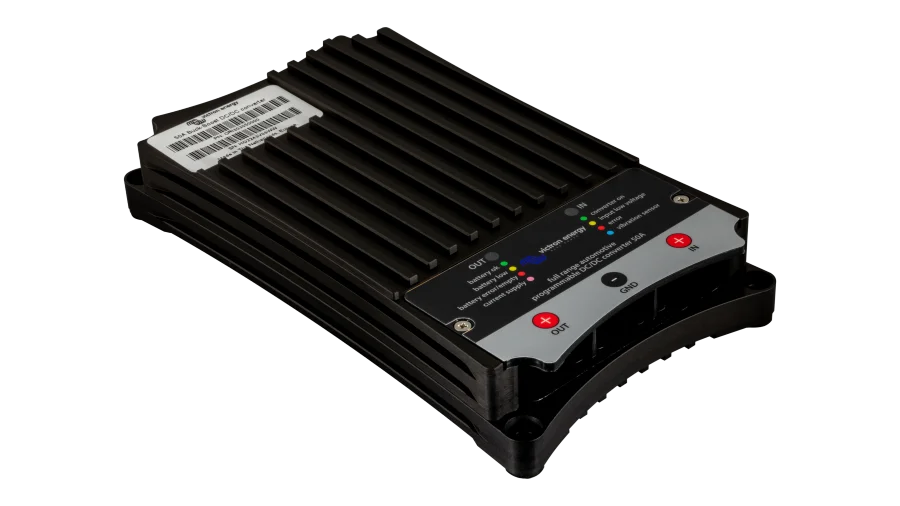
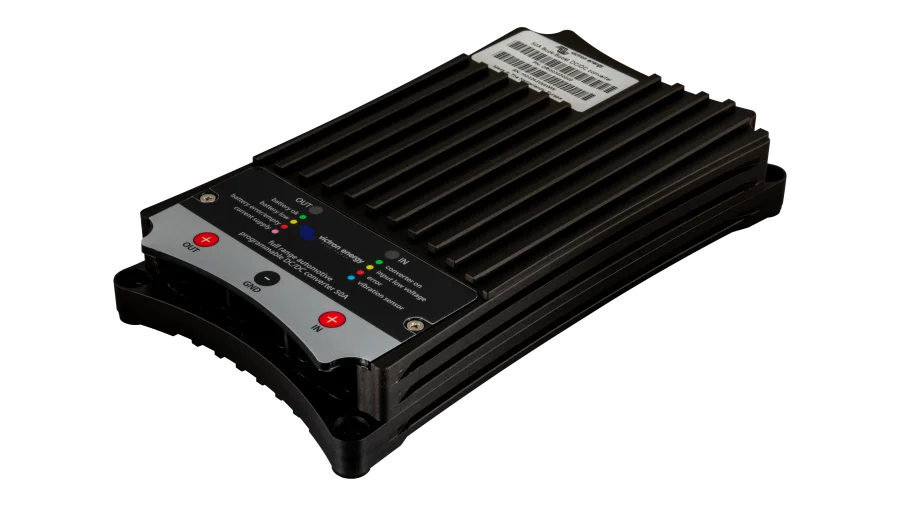
Victron Energy Orion-TR Smart DC-DC Battery Charger Isolated, 12V, 24V, and 48V Options for DC-DC Charging with Dual Battery Systems
Charge your house battery from the alternator the smart way
How to Choose a Battery Charger or DC-DC Converter
1. Decide Where Your Charging Power Comes From
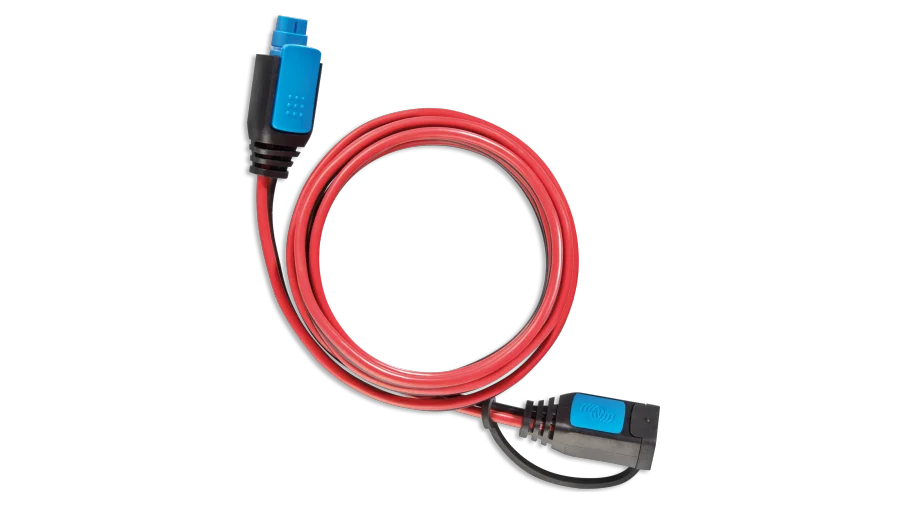
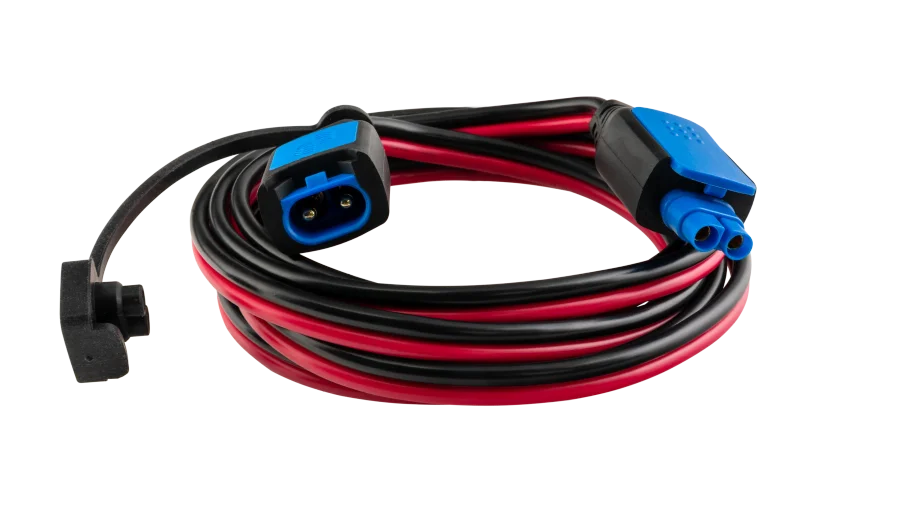
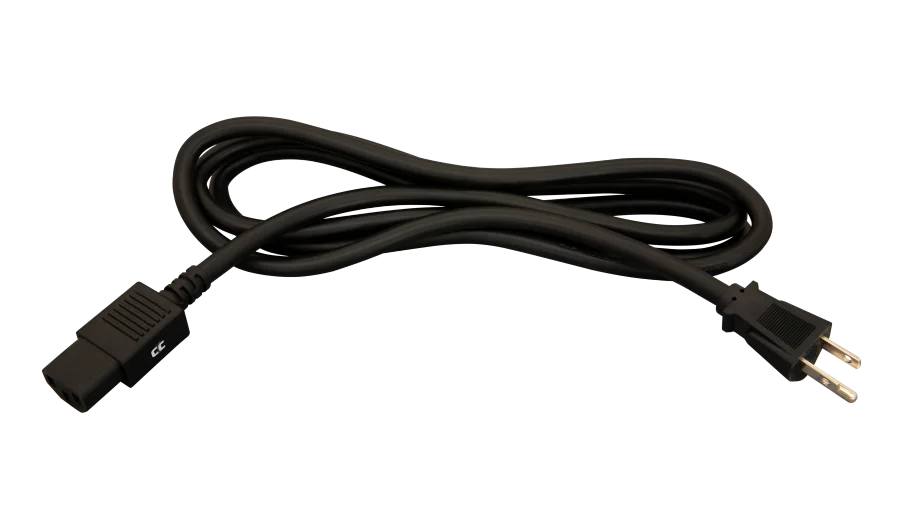
Plugging into shore power, the grid, or a generator? You want a battery charger. Charging a house battery from your vehicle’s alternator, or running 12V gear from a 24V bank? That’s a DC-DC converter. The Type filter splits the two, and keeps the power cords and adapter cables under Accessories.
2. Match Your Battery Voltage
The Battery Voltage filter matches chargers to your bank: 12V for RVs, boats, and vans, 24V for trucks and mid-size systems, and 48V for home and off-grid banks. DC-DC converters list both sides, so a 24V to 12V converter steps a 24V system down to run 12V gear.
3. Stay in Your Ecosystem
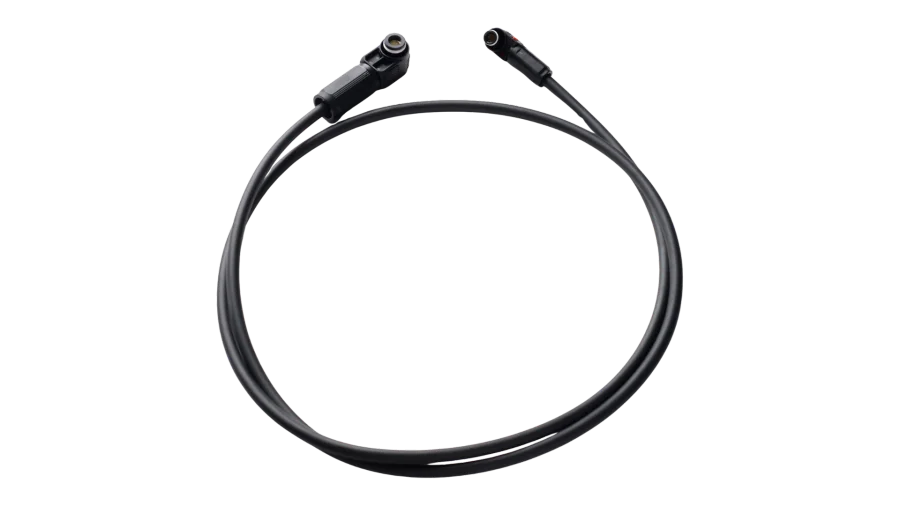
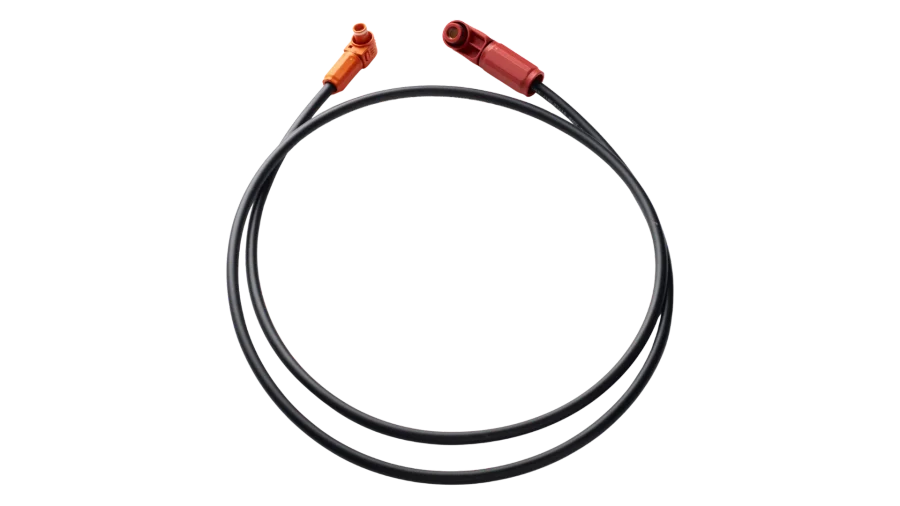
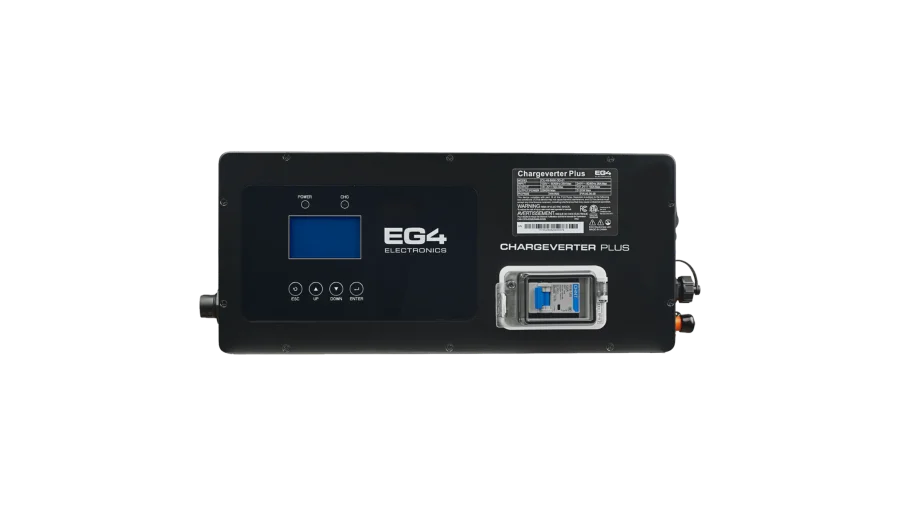
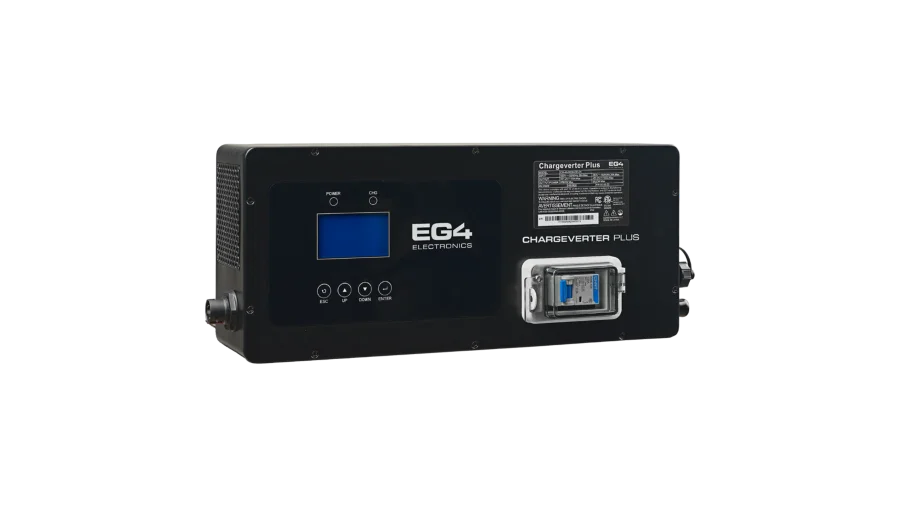
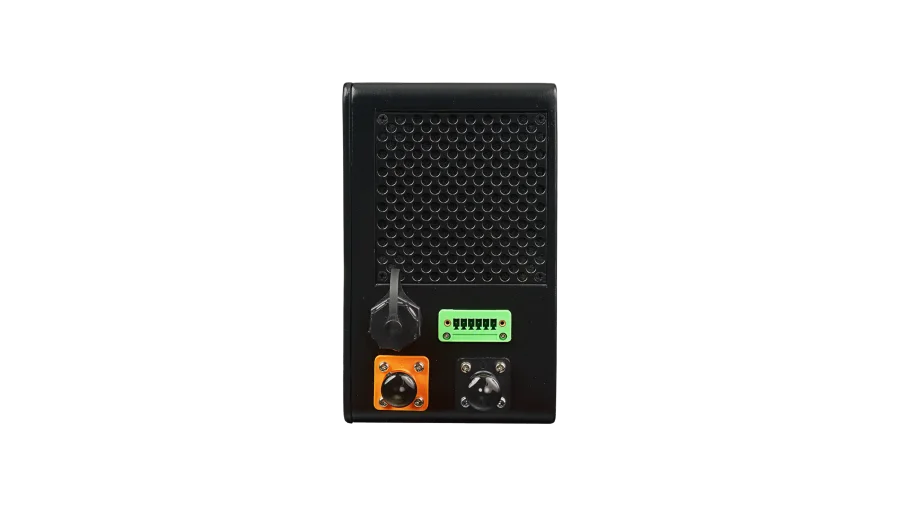
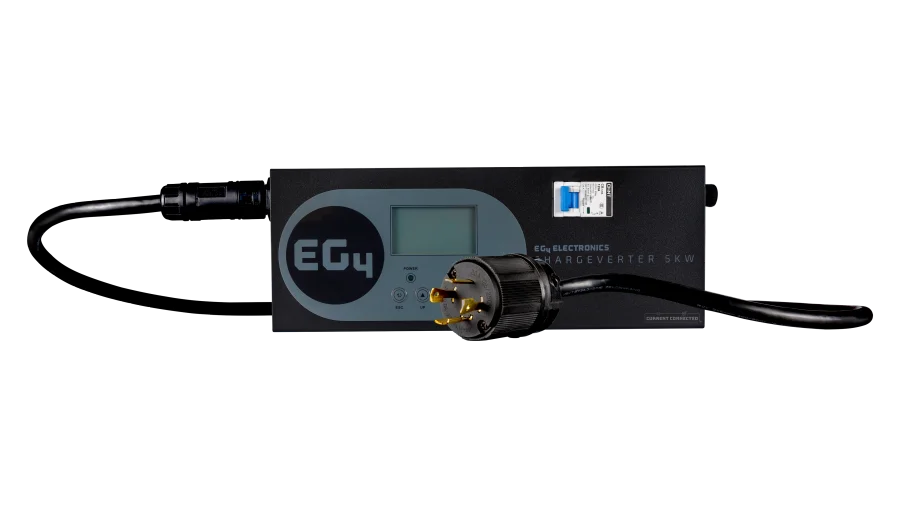
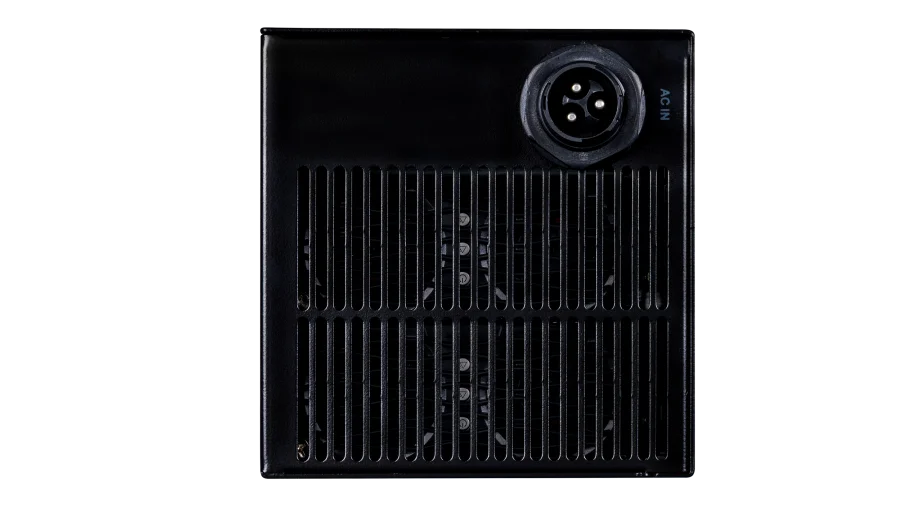
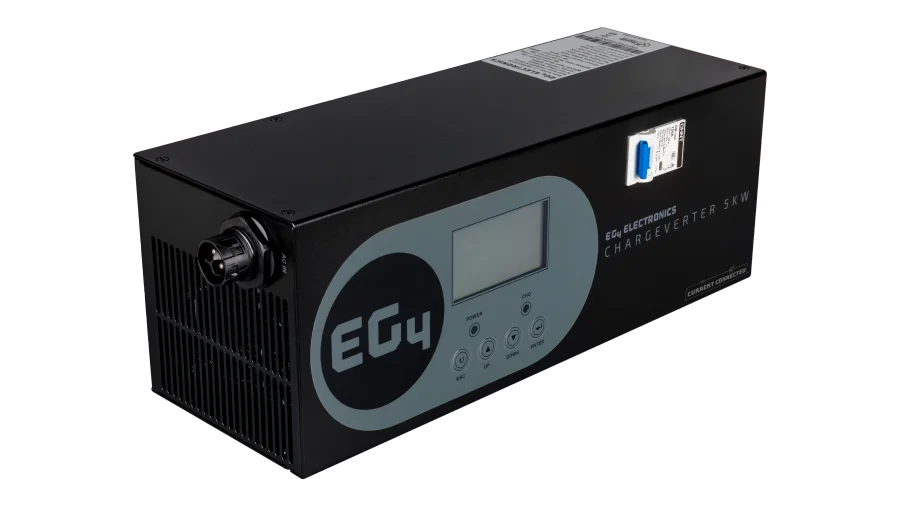
Victron chargers connect to the VictronConnect app over Bluetooth and can tie into a GX device. EG4 Chargeverters turn a generator or the grid into a high-output 48V charger for lithium banks, and ECO-WORTHY offers budget-friendly 48V chargers. The Brand filter keeps you in one family.
4. Fuse and Wire It Right
Fuse the charger’s DC output close to the battery, size the cable for the full charge current, and give the charger room to breathe. You’ll find fuses, busbars, and cable in our DC fuses, breakers, and battery cables.
Battery Charger FAQ
A common rule of thumb is a charger rated at 10 to 20 percent of your bank’s amp-hour capacity, so a 200Ah bank pairs well with a 20A to 40A charger. LiFePO4 batteries can often take more, so check your battery’s maximum charge current before going bigger.
Usually, yes. A DC-DC charger limits the current so the alternator doesn’t overheat, and it applies the right charge profile for LiFePO4. Smart alternators in newer vehicles can also drop their output voltage, and a buck-boost charger like the Victron Orion-Tr Smart raises it back to a proper charging voltage.
Yes. Every charger in this category has a lithium profile or adjustable charge voltages. Set the absorption and float voltages to your battery manufacturer’s specs. If a battery’s BMS has shut it off after a deep discharge, here’s how to wake a sleeping LiFePO4 battery.
An isolated converter keeps the input and output grounds separate, which prevents ground loops and is often preferred on boats and in systems with different ground references. Non-isolated converters share a common negative and cost less.
Yes. Plug-in chargers and EG4 Chargeverters run from generator power, which is a great way to recharge a battery bank during long cloudy stretches. Make sure the generator can supply the charger’s maximum AC input.