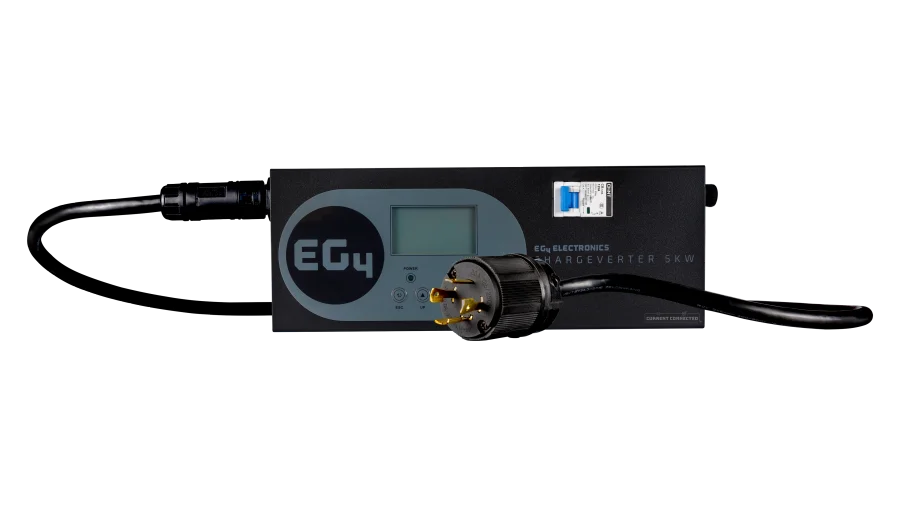
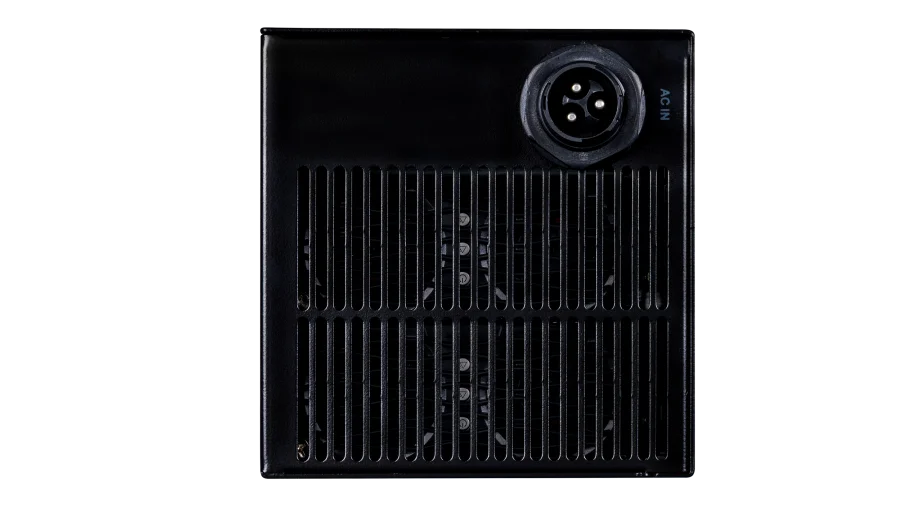
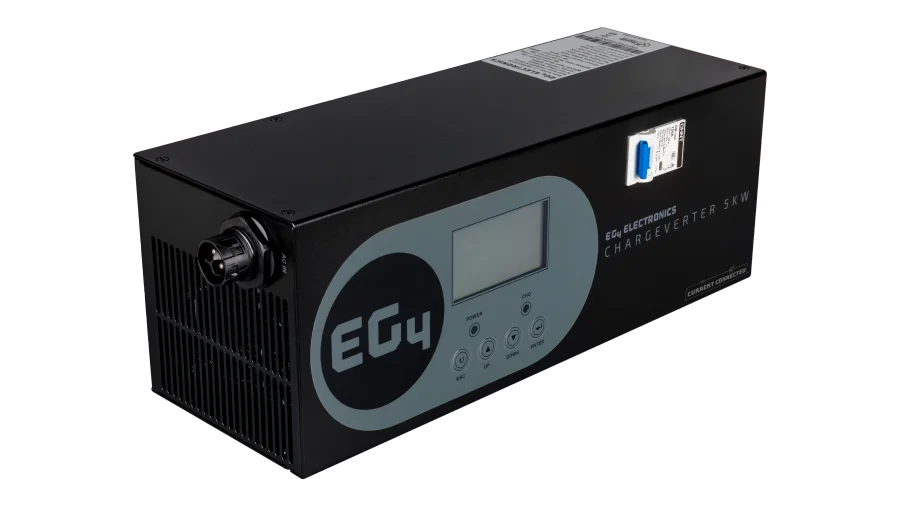
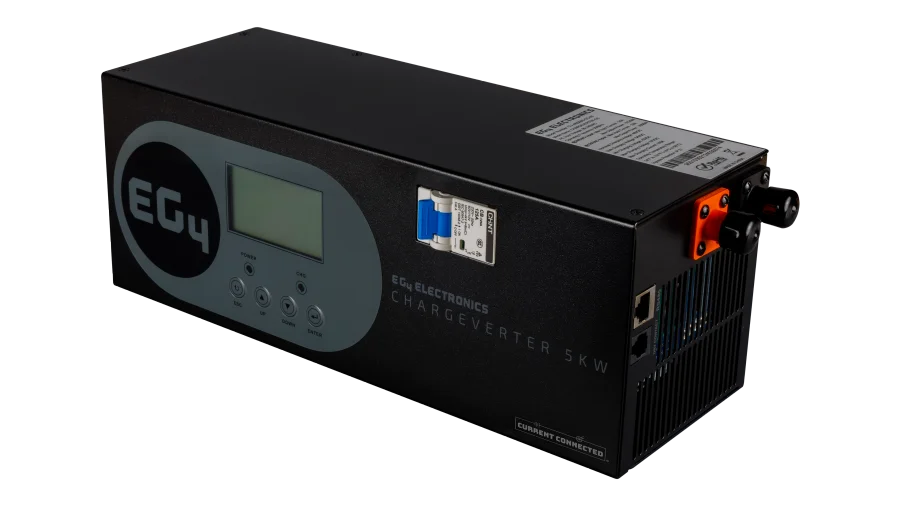
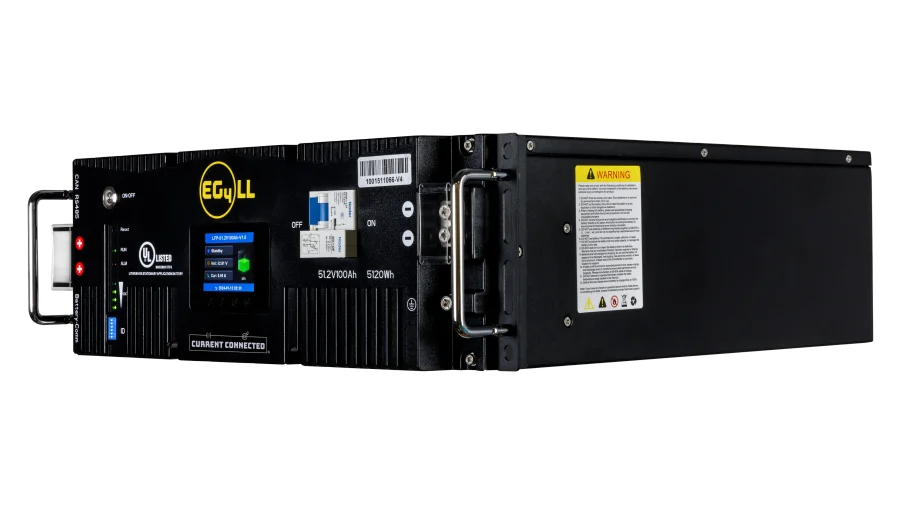
About the EG4 Chargeverter-GC
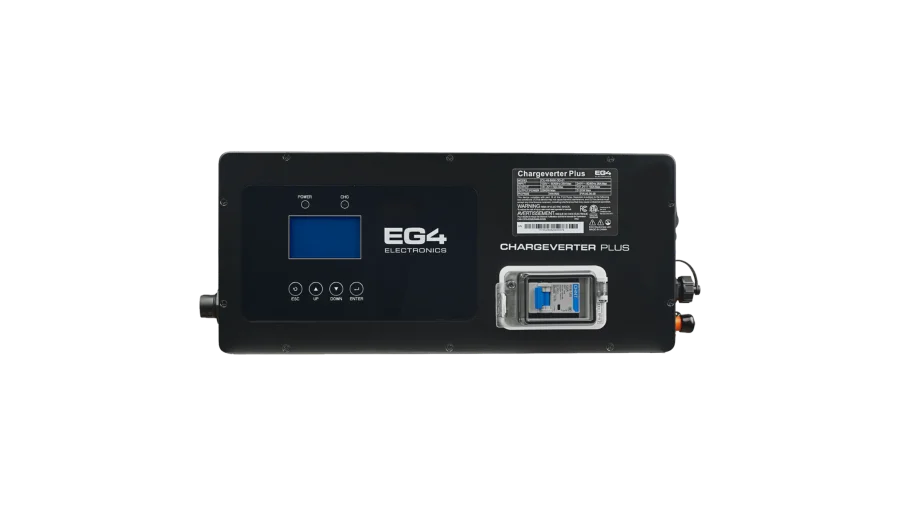
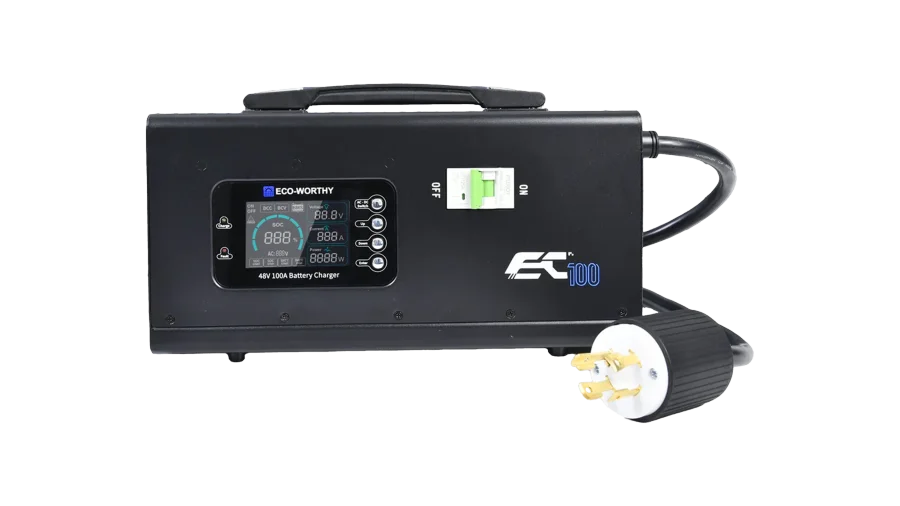
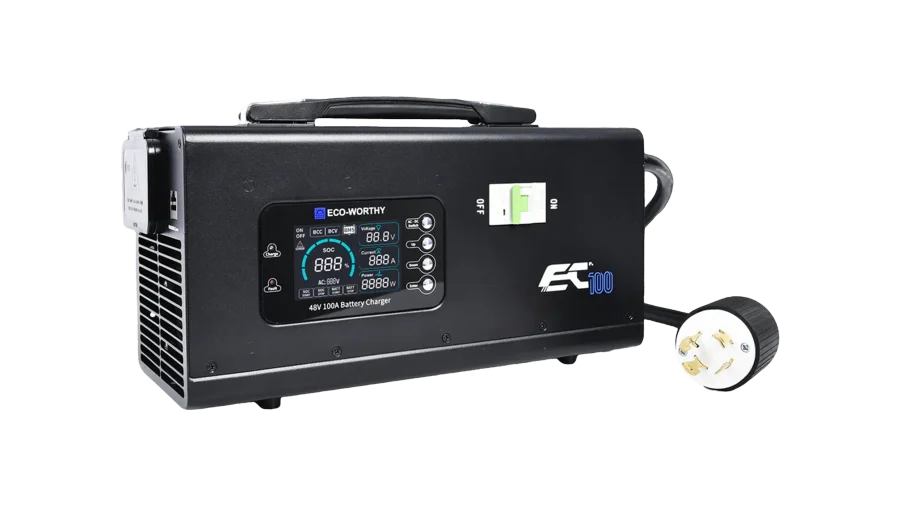
The Chargeverter-GC turns a generator into a 48V battery charger with up to 5,120W behind it. Plug the generator into the charger, land the charger's leads on your battery bank, and your inverter keeps running the house from the batteries while the generator refills them. EG4 built the GC to handle the rough power that budget generators put out, so the generator never has to feed your inverter directly.
One off-grid customer put the GC between his generator and his batteries so the house stays on inverter power, which let him plan around a far less expensive 240V generator instead of replacing his aging inverter generator. At full output he measured about 90A going into the batteries with the generator supplying roughly 5,600W.
The GC charges from the grid just as well, which makes it a fast way to top up a bank before a storm or after a run of cloudy days. At full output it refills a 5kWh server rack battery in about an hour. Stock of the GC is limited, which makes now the time to pick up a second unit or a spare for a system built around one.
Chargeverter-GC vs Chargeverter Plus: Matching the Unit on Your Wall
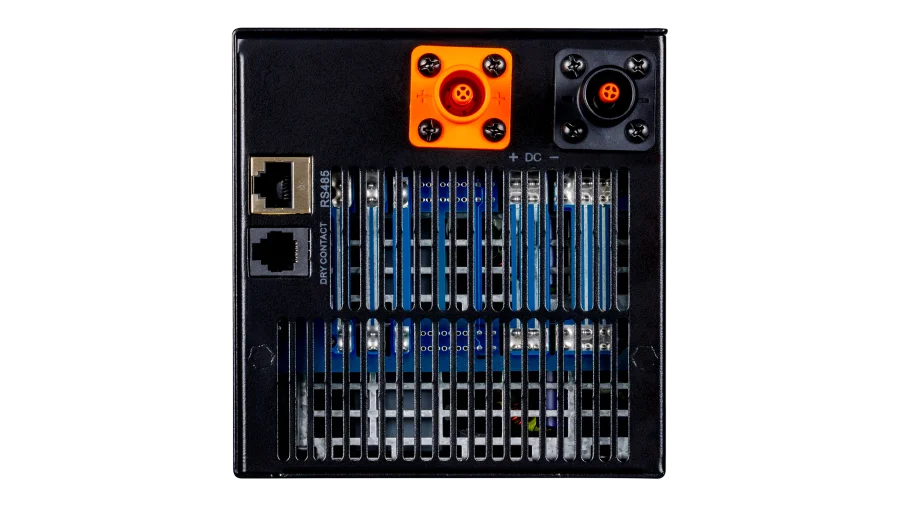
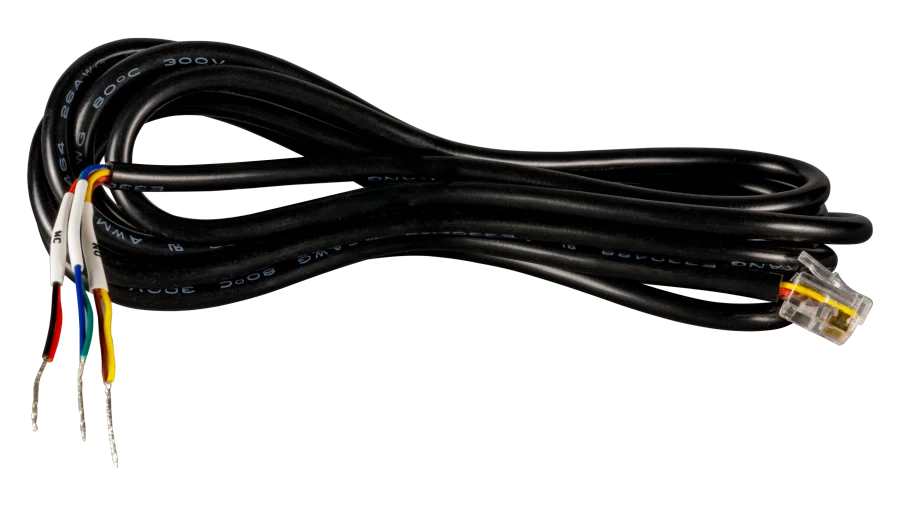
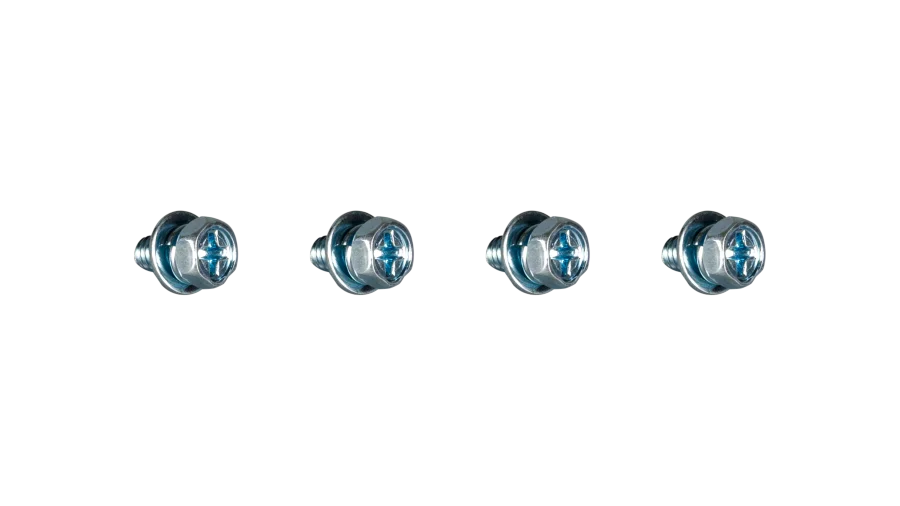
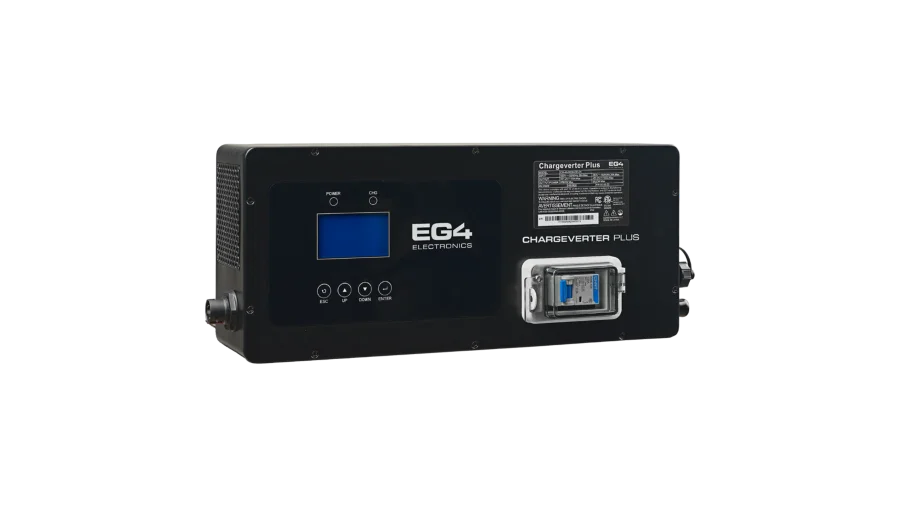
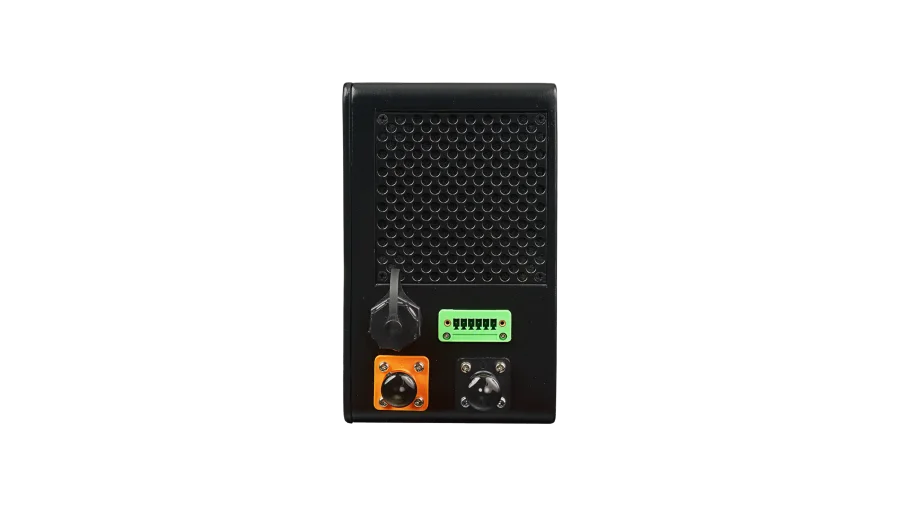
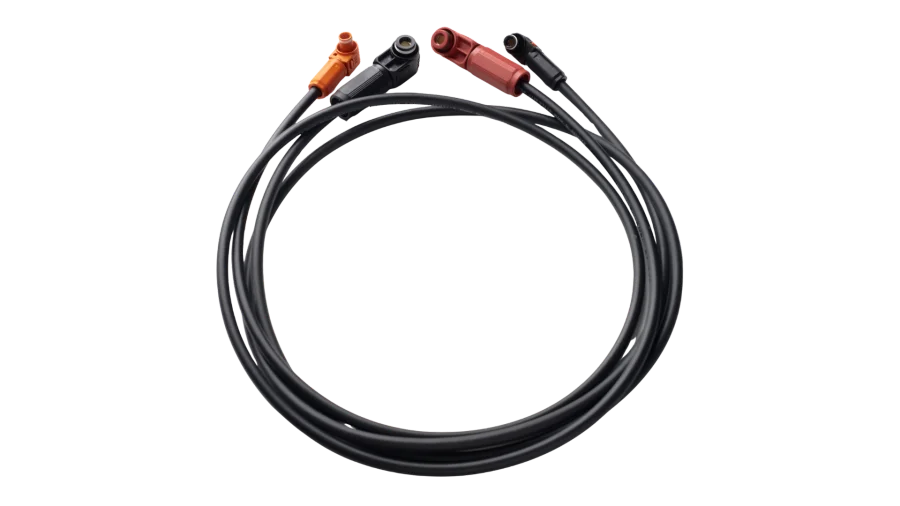
Both chargers put out 100A on 240V. If you already run a GC, a second one gives you the same menu, the same brackets and the same RS485 and dry contact cables, so you set it up exactly like the first. The Plus adds an IP54 enclosure and a cold rating down to -40°F, which suits an unheated garage.
A 48V Generator Charger With Auto Start
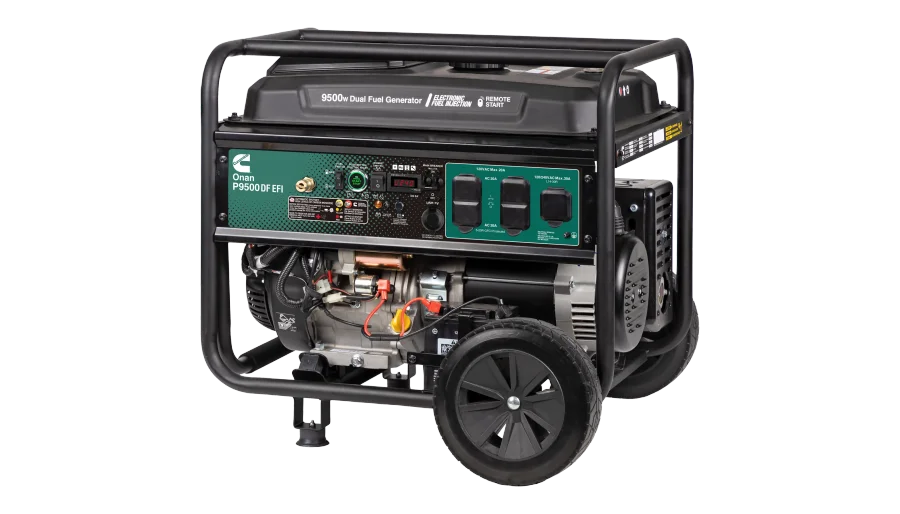
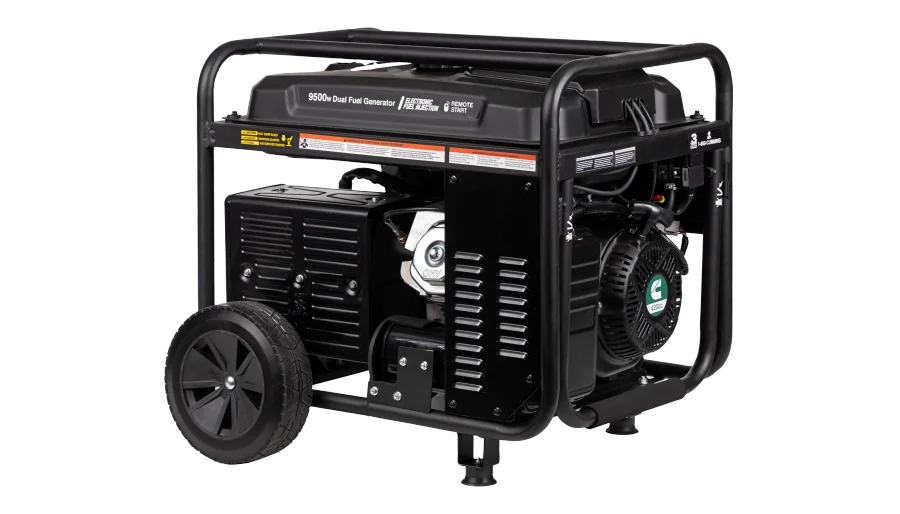
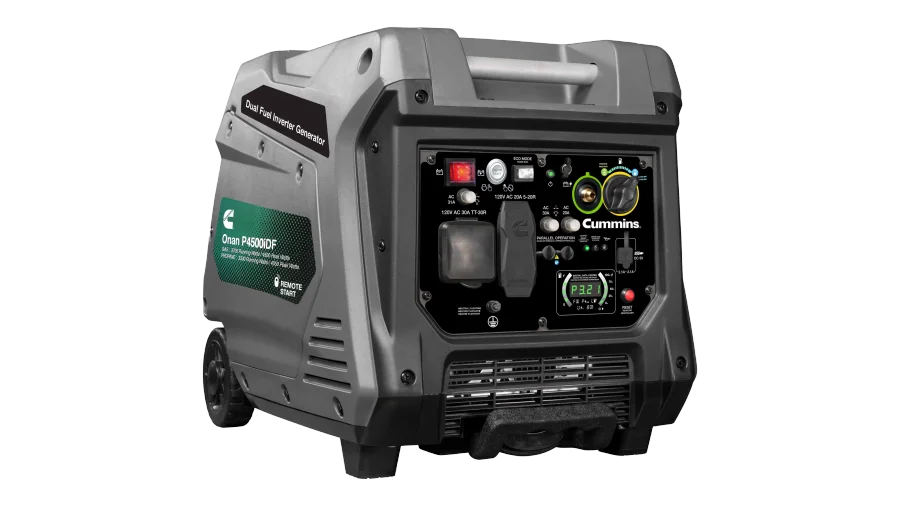
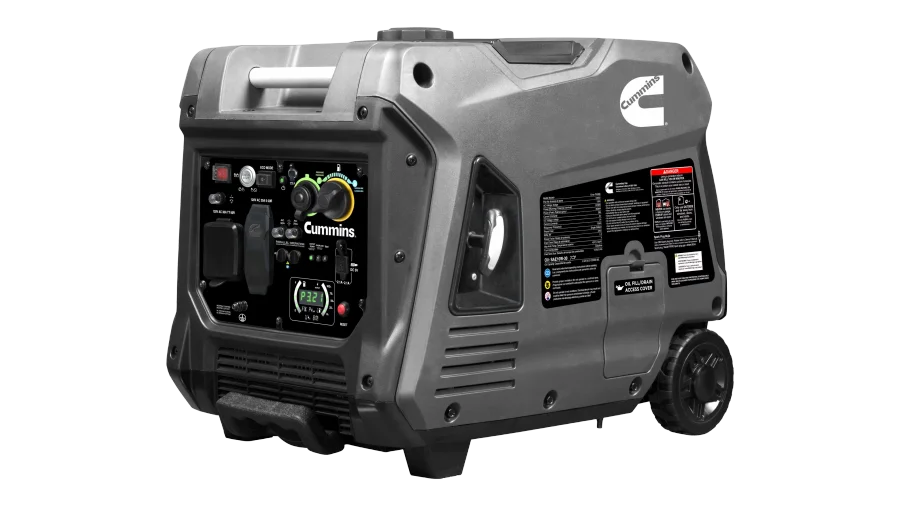
The GC's L14-30P plug goes straight into a generator's 240V twist-lock outlet. Full 100A output draws up to 26A at 240V, about 6.2kW, so a generator in the Cummins Onan P9500DF class runs it flat out. With a smaller generator, turn the charge current down in 1A steps until the generator carries the load comfortably.
Wire the dry contacts to your generator's auto start circuit and the GC starts it when the batteries reach your start point and shuts it off at your stop point, by voltage or by state of charge. Keep voltage start and stop settings at least 5V apart, and expect about two minutes of cooldown once the stop point is reached.
120V and 208V Charging From a Household Outlet
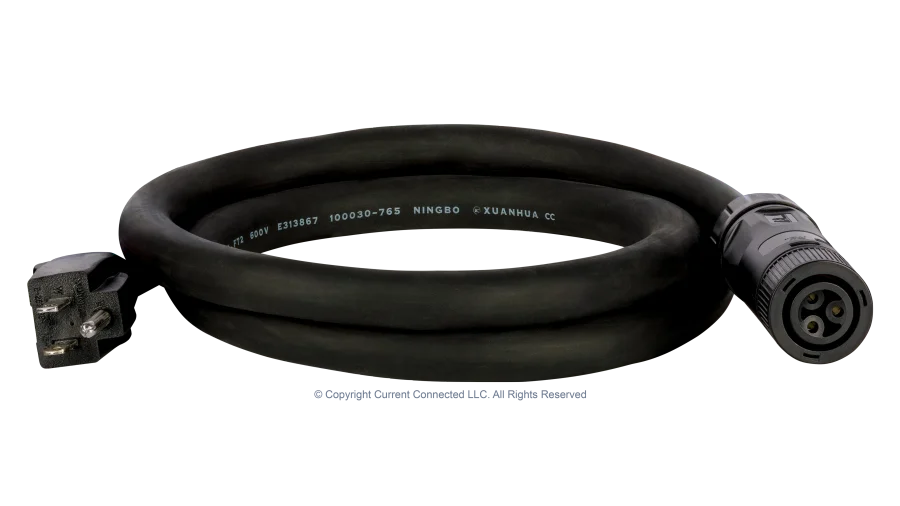
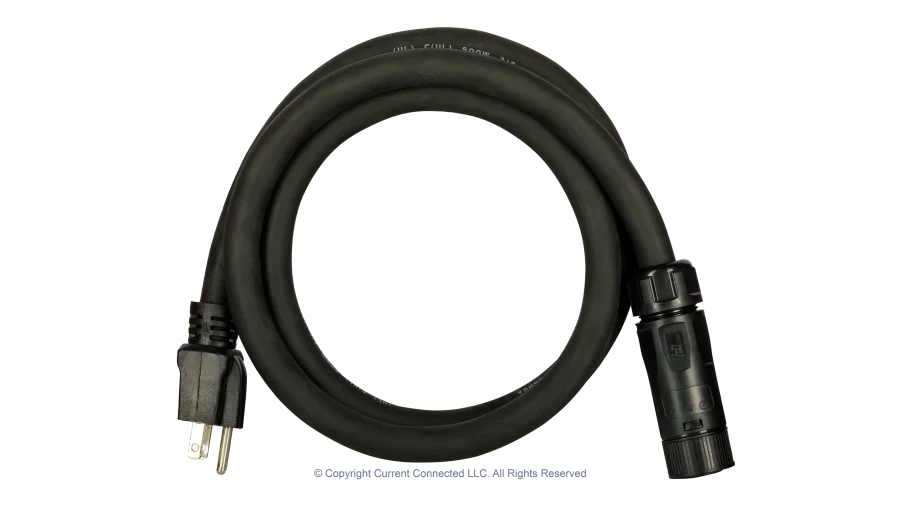
No 240V source? The GC also runs on 120V or 208V at reduced current. Swap in the EG4 120V Quick-Connect Power Cord and it plugs into a standard house outlet, with charge current set to 25.2A or less on a 15A outlet (31.5A on a 20A outlet).
A dedicated 120V 30A circuit raises the limit to 45A, and a 208V 30A circuit allows up to 50A.
Installing a 48V Battery Charger: Mounting, Heat and DC Fusing
EG4 calls for a vertical mount on concrete or another non-combustible surface, with the vents clear and the room between 32°F and 131°F, and rates the GC for use up to 4,921 ft (1,500 m). Plan for the heat: at full output the GC sheds a few hundred watts, and one customer spaced his unit off the wall on short standoffs to help it breathe. When it's wired to a building circuit, feed it from a dedicated 30A breaker.
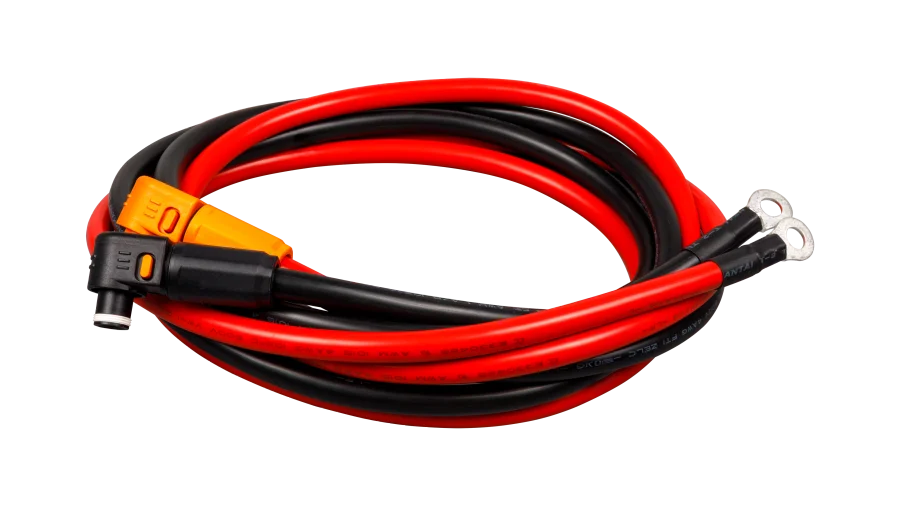
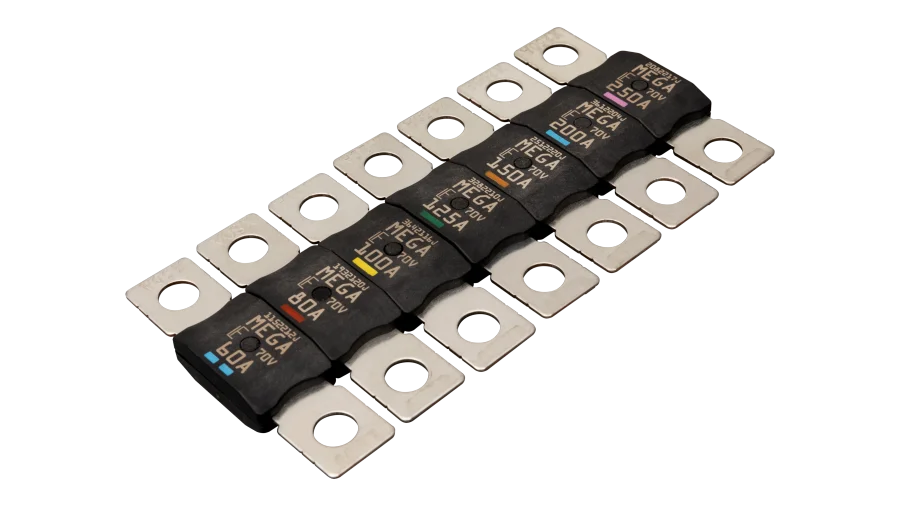
The 6 ft DC leads end in 5/16" ring terminals for your busbar or battery terminals, and EG4 requires overcurrent protection on the DC side. A genuine Littelfuse MEGA fuse on the positive lead protects this branch circuit well within its 70V rating, sized to the leads and the 100A output.
Not sure which fuse fits your bank? Our team is happy to help with sizing.