Epoch 12V 300Ah Pro Series Dual Purpose Lithium Battery DP12300H, Cranking and Deep Cycle, Group 8D, 1000A Peak, IP67, Heated, Bluetooth
SKU: DP12300H
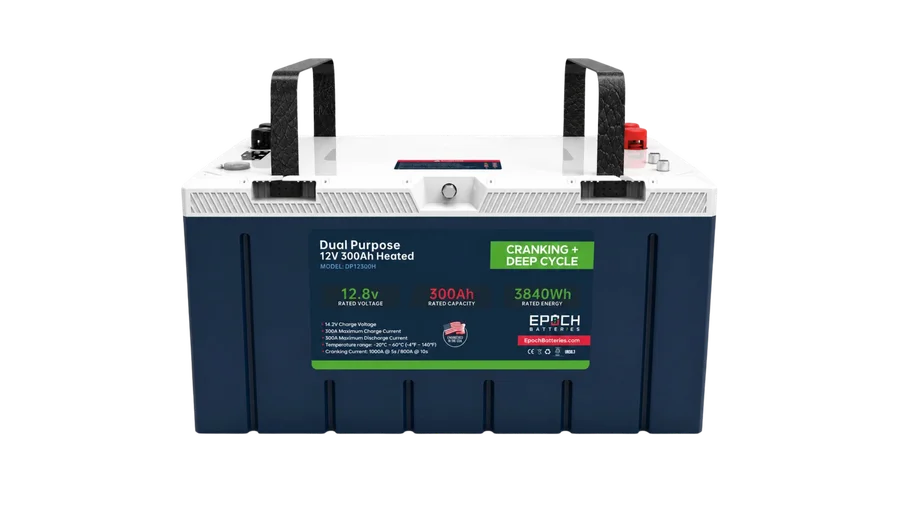
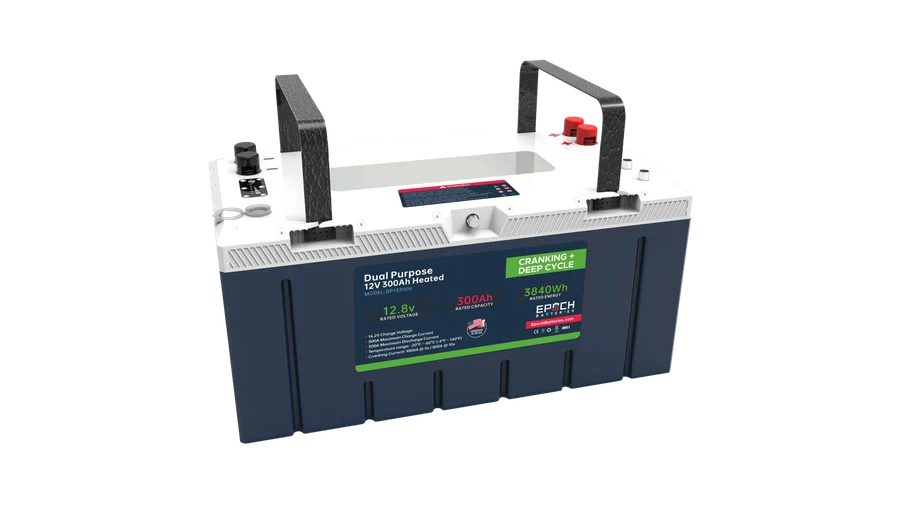
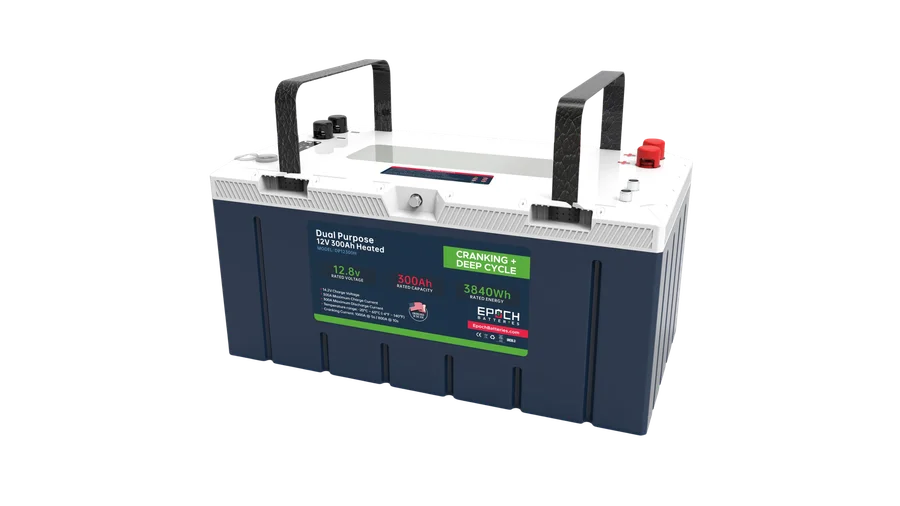
Log in to check member price and detailed stock information.
| Need more than what's available? Tell us what you need and we can source it for you. |
Product Summary
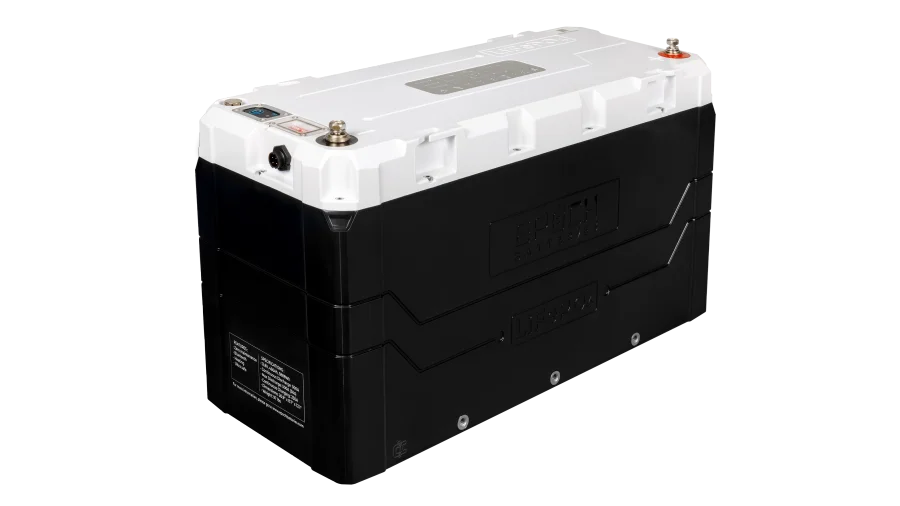
The DP12300H starts the engine and runs the house from one Group 8D battery, with 1,000A on tap for 5 seconds of cranking and 300Ah of deep-cycle capacity behind it. Its IP67 case, cold-weather heater and CAN networking suit boats, overland rigs and RVs where one battery has to do both jobs.
Specifications:
- 12.8V nominal, 300Ah, 3.84kWh (3,840Wh) of LiFePO4 storage, rated for 6,000+ cycles at 80% depth of discharge
- 1,000A for up to 5 seconds and 800A for up to 10 seconds for cranking, 300A continuous (150A recommended for daily use)
- Charges at up to 300A from all sources combined, 150A recommended
- Internal heater warms the pack to 50°F (10°C) before charging, for charging from -4°F to 131°F (-20°C to 55°C)
- IP67 case, dust-tight and protected against temporary immersion to 1 m for 30 minutes
- Bluetooth monitoring and firmware updates in the Epoch Pro app, CAN Link in and Link out ports for bank networking
- Up to 4 in series (48V class) or 16 in parallel at 12V, with 4S4P as the largest combined bank
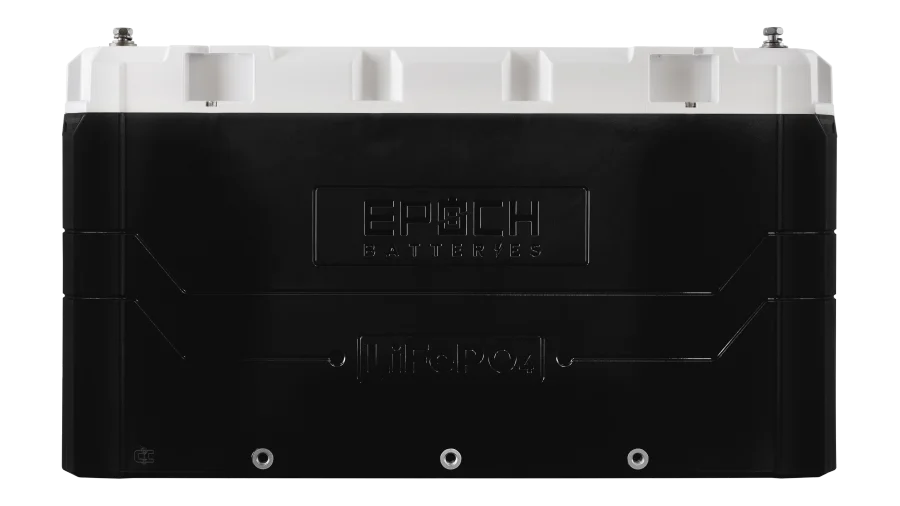
- Group 8D footprint at 9.75 × 10.5 × 19.7 in (H×W×D), 81 lb (36.7 kg), M8 terminals, UL 1973 battery certification, 11-year warranty


Current Connected is YOUR Epoch Battery product specialist
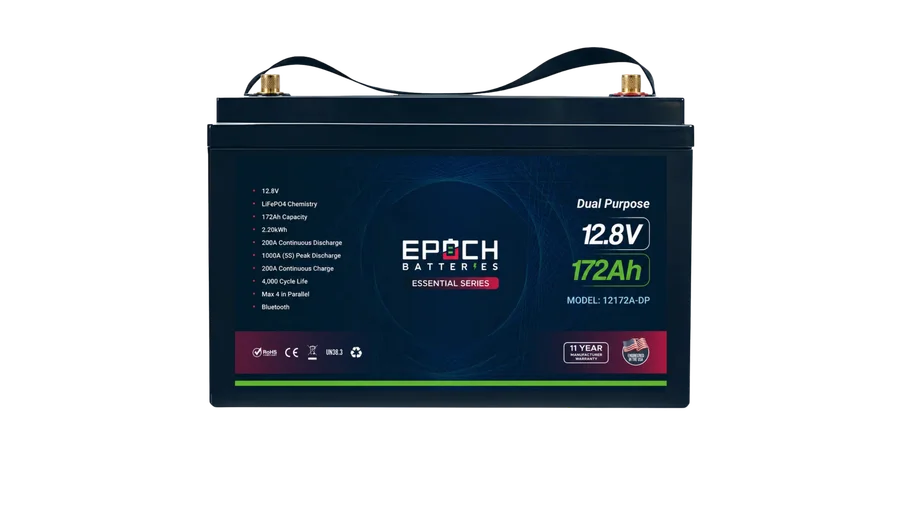
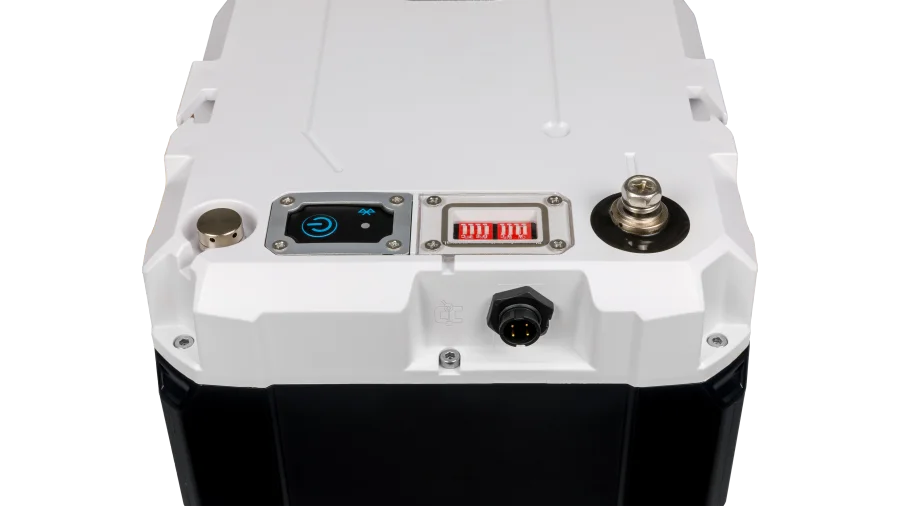
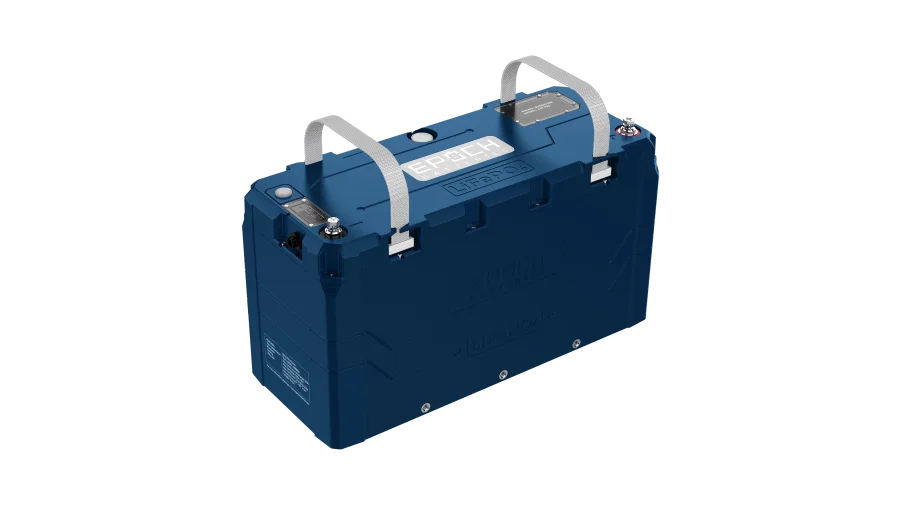
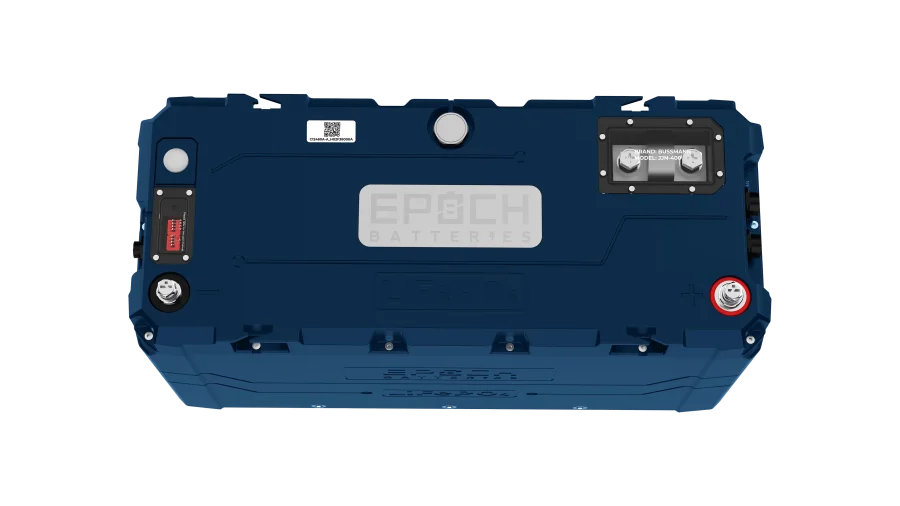
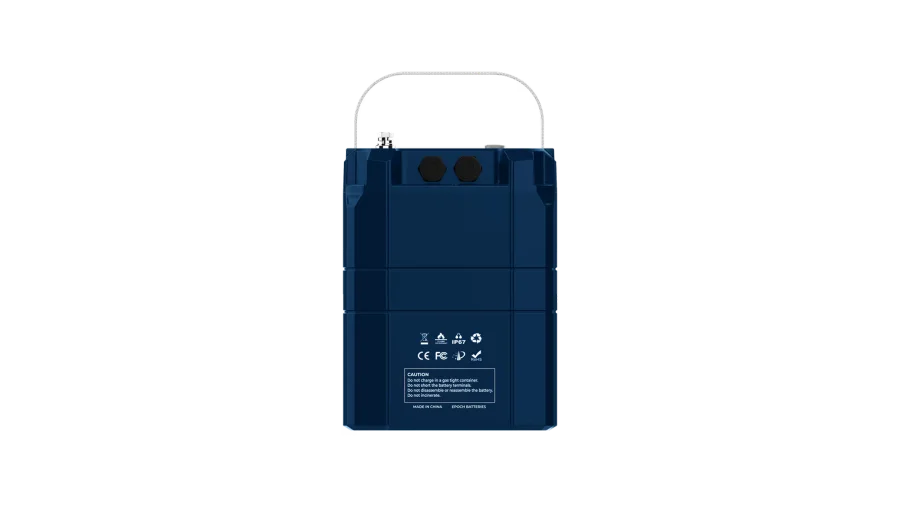
About the Epoch 12V 300Ah Pro Series Dual Purpose Battery
Many boats carry one battery to start the engine and another bank to run everything else. The DP12300H folds both jobs into a single dual purpose lithium battery. It turns the engine over with 1,000A for up to 5 seconds. Then 300Ah stands behind it for sonar, chartplotters, livewell pumps, lighting, audio and refrigeration. That's one Group 8D footprint, one charging profile and one app to check.
Pro Series hardware is built for life around water. The IP67 case is dust-tight and handles temporary immersion to 1 m for 30 minutes. The BMS cuts a short circuit at 1,200A within 500 microseconds. The cells are rated for 6,000+ cycles at 80% depth of discharge. On land, the same battery runs RV and overland house systems, plus inverter loads within its 300A continuous rating.
Lithium Cranking Battery Rated by Peak Current Instead of CCA
Epoch rates the DP12300H for starting by peak current and time. It's 1,000A for up to 5 seconds and 800A for up to 10 seconds, tested above 60% state of charge at 77°F (25°C). Epoch cites 250 hp outboards among compatible engines when the system is matched. First, though, Epoch asks you to check the engine maker's battery requirements. That means minimum CCA (Cold Cranking Amps), reserve capacity, charging voltage, alternator output and lithium compatibility.
Plan the day around your starting reserve. Don't let house loads pull the battery so low that starting power suffers. Follow Epoch's advice and keep a backup plan for critical starts. Frequent peak discharges shorten battery life, so save the peak rating for starting the engine. Keep sustained loads within 300A.
Alternator Charging for a Dual Purpose Lithium Battery
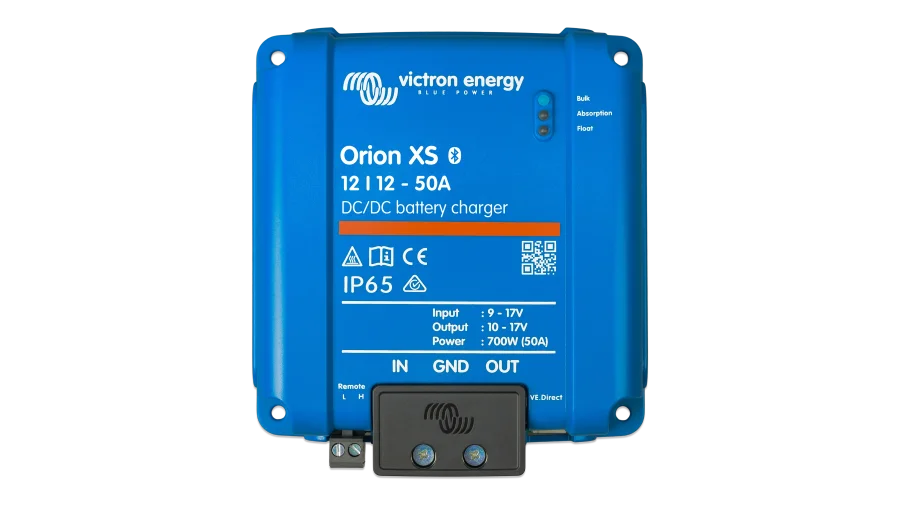
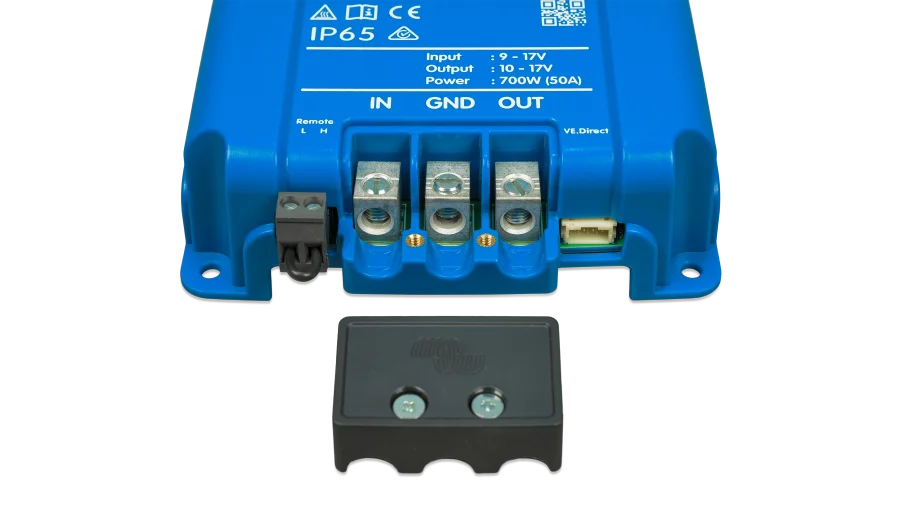
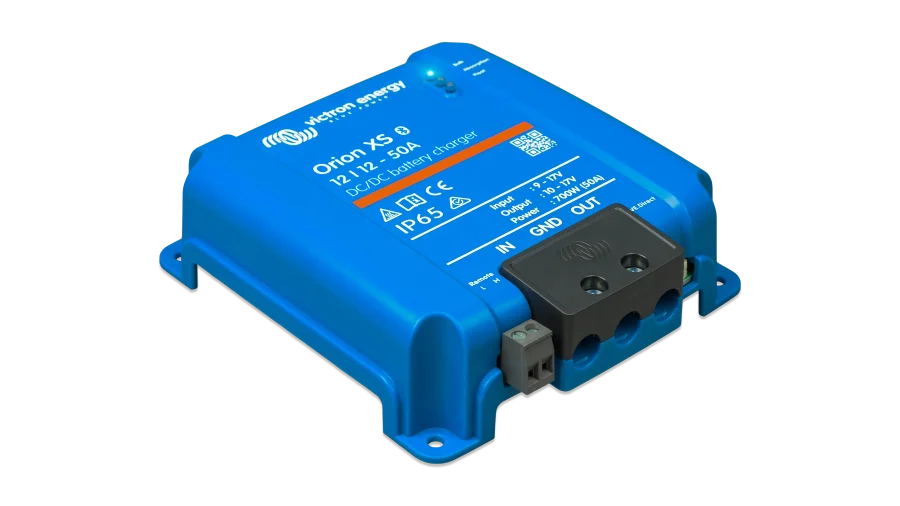
Some alternators aren't built for lithium. So before the engine charges this battery, Epoch calls for a lithium-compatible charging path. That can be a DC-DC charger, a lithium-ready regulator or an alternator protection device, wherever the engine maker allows it. Have an RV, tow vehicle or overland rig with a separate starting battery? The Victron Orion XS DC-DC charger charges the DP12300H from the alternator at a controlled rate.
Onboard and solar chargers need a LiFePO4 profile with equalization and temperature compensation turned off. In the cold, the heater warms the pack to 50°F (10°C) before charging starts. That can take up to 60 minutes, and the heater only runs while a charger is connected. It lets the battery take a charge down to -4°F (-20°C), and it discharges down to -4°F as well.
Fusing and Cabling a Group 8D Lithium Battery for Cranking and House Loads
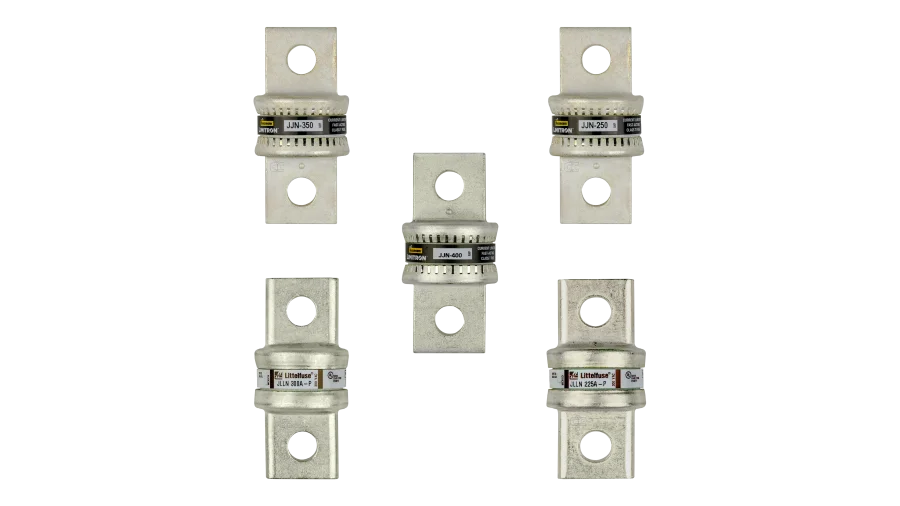
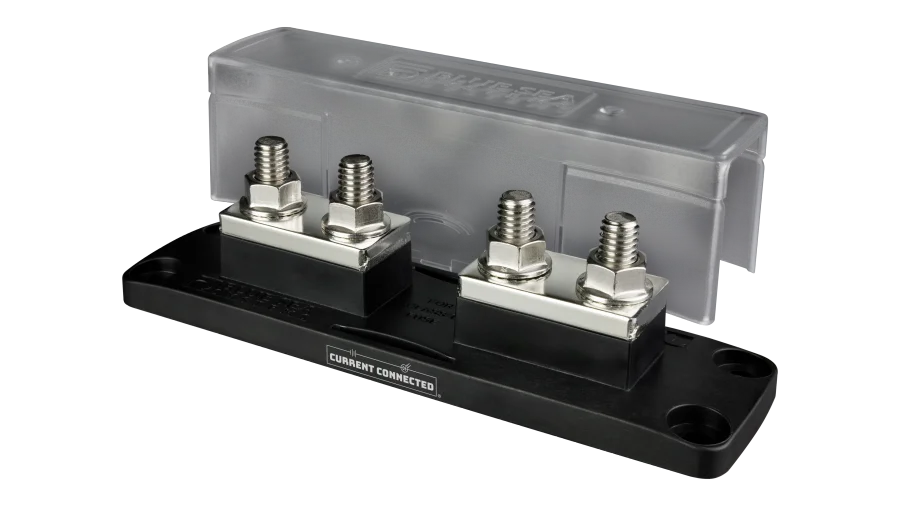
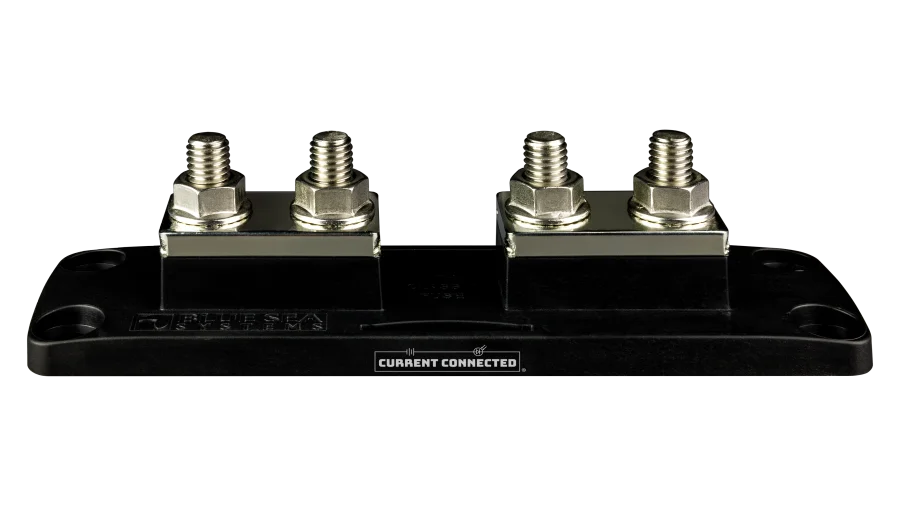
Epoch calls for a DC-rated fuse or breaker as close as practical to the positive terminal. It also calls for the main protection and battery switch to be sized for engine cranking current as well as house loads. Size the cranking cable for the starter's current and the length of the run. When several wires need one M8 terminal, use a busbar. The terminals torque to 8 to 10 Nm (71 to 89 in-lb).
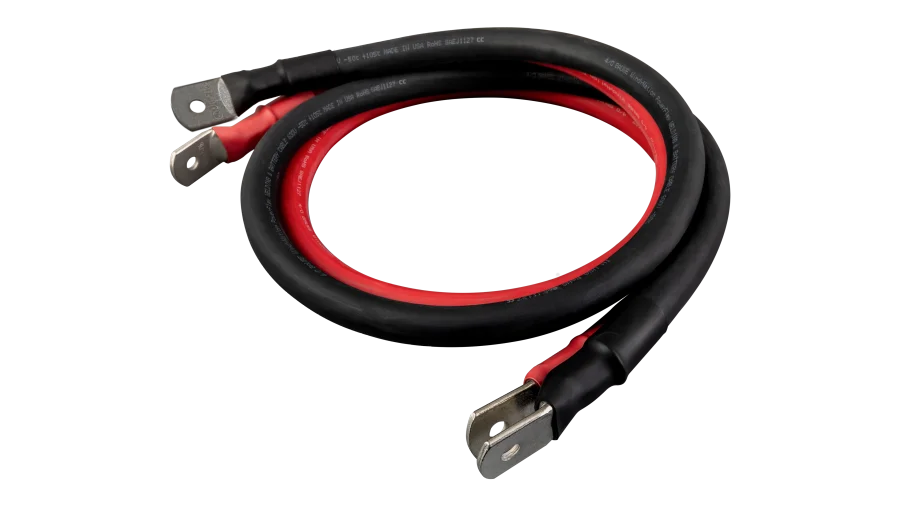
Our custom battery cables are made to order from 6 AWG to 4/0 AWG. The heavy run to the starter and the house feed arrive at the lengths your boat needs.
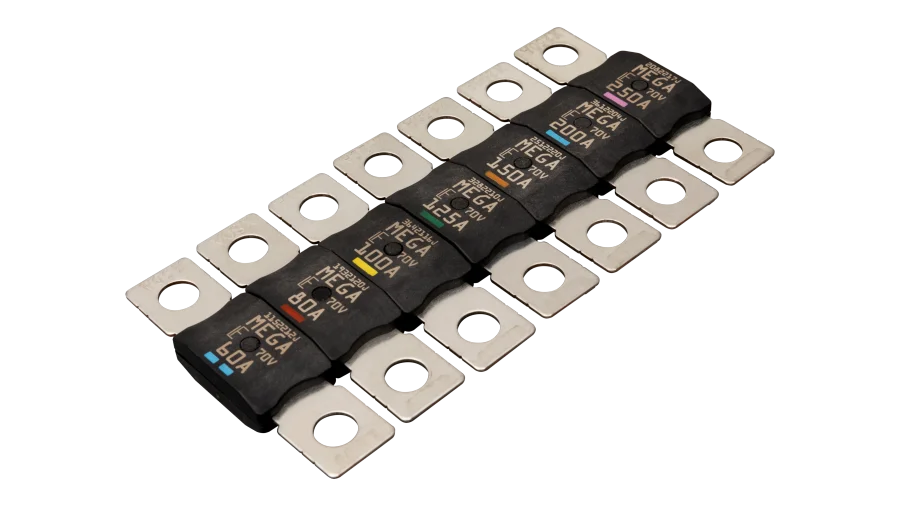
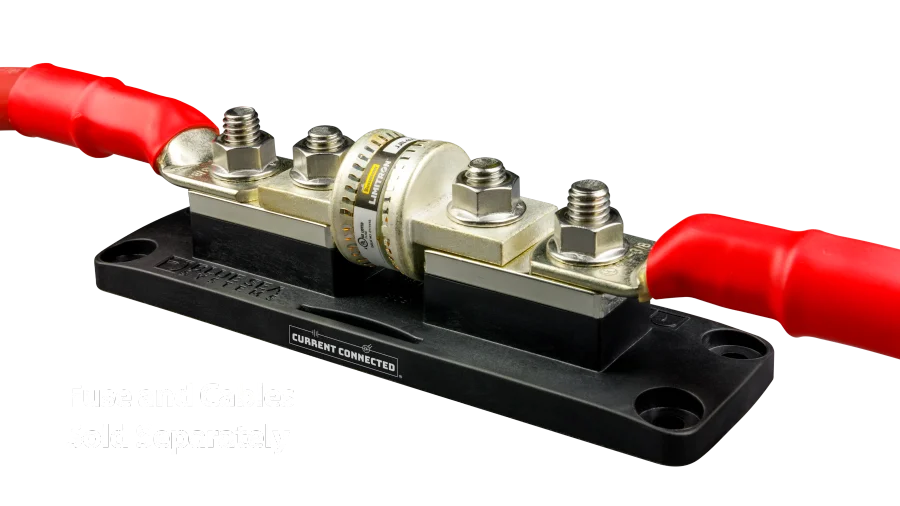
On the house side, each branch, like an inverter or windlass feed, gets a fuse sized to its wire. Genuine Littelfuse MEGA fuses cover 60A to 350A branch circuits at up to 70V.
Our team is happy to help with sizing the main fuse, switch and cables around your engine's cranking draw.
Networking a Bank and Connecting to Victron or NMEA 2000
CAN Link in and Link out ports chain batteries into a networked bank. The Epoch Pro app sets up the network and pushes firmware updates over Bluetooth. Up to 16 batteries run in parallel at 12V for 4,800Ah. You can also wire up to four in series for a 24V, 36V or 48V bank, with 4S4P as the ceiling. Every battery in a bank should be a matched DP12300H of the same age and state of charge. Get them within 0.5V of each other before connecting.
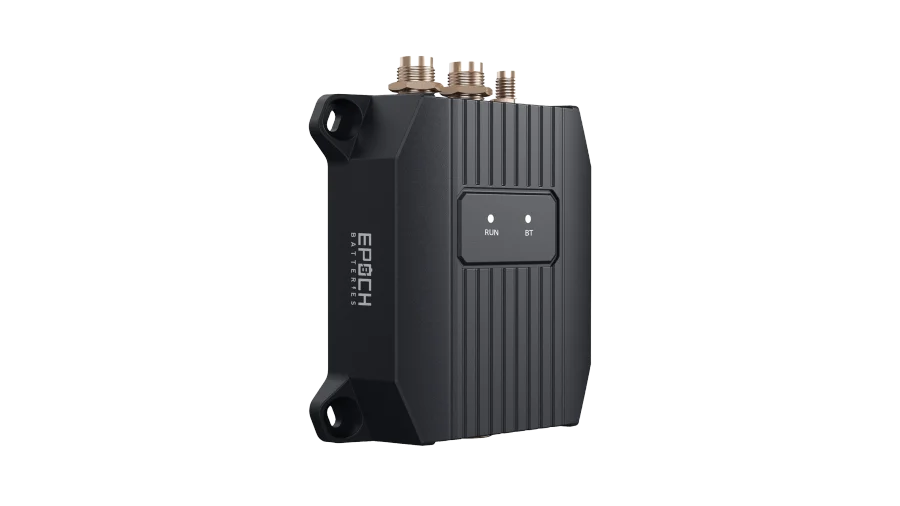
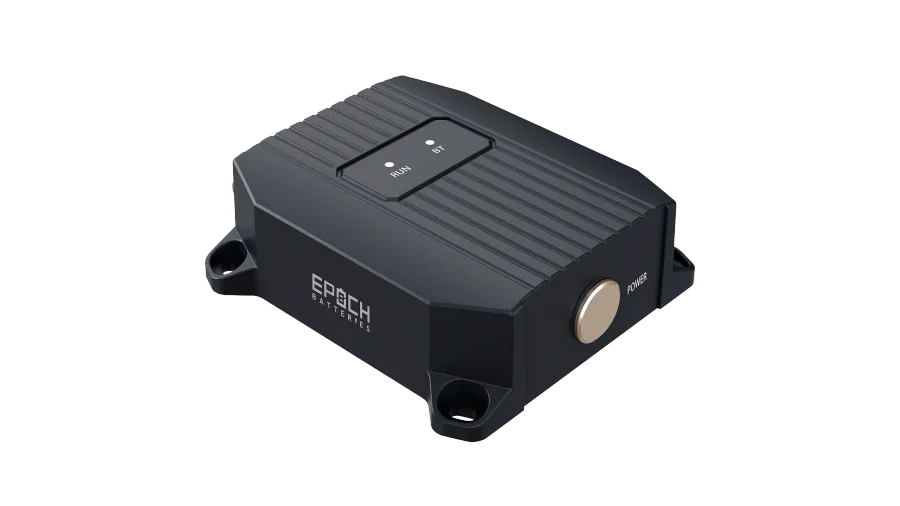
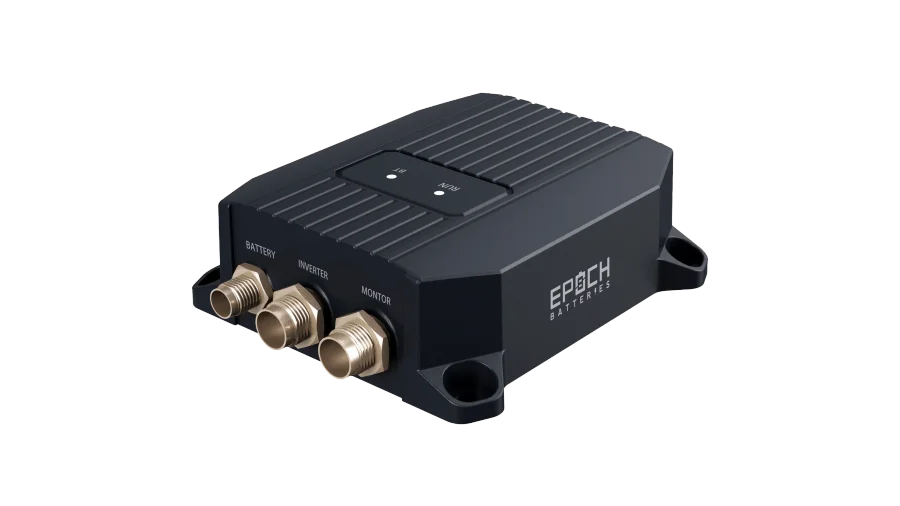
To bring the battery onto a Victron system or an NMEA 2000 network, Epoch offers the Epoch Pro Series Communications Box. Epoch helps with the setup, too.
Recommended Accessories
Frequently Asked Questions
Upright and face up, never on its side or upside down. Use the mounting bracket built into the case (Epoch recommends M6 stainless screws). Pick a clean, dry, ventilated compartment away from engine and exhaust heat. Keep the pressure-relief valve and heat-sink fins clear.
Stay out of the bilge and anywhere water can pool. The IP67 rating covers temporary immersion only, not water jets or pressure washing.
Epoch plans runtime on about 3,072Wh, which is 80% of the rated energy. For a new, fully charged battery at 77°F (25°C), that's roughly 31 hours at 100W or 6.1 hours at 500W. It's about 3.1 hours at 1,000W and 1.5 hours at 2,000W.
When you plan a day on house power, leave margin for the next engine start.
Use a 12V LiFePO4 profile. Set bulk and absorption at 14.2V (14.2 to 14.6V range). Set float at 13.8V (13.4 to 13.8V range), or off where the charger allows. Turn equalization off, and set temperature compensation at 0 mV/°C.
The recommended charge rate is up to 150A for one battery, and all sources combined stay at or below 300A. The 15.4V figure on the spec sheet is a listed maximum, not a charger target.
Epoch's 11-year manufacturer warranty covers the original purchaser and isn't transferable. Register within 90 days of purchase for full coverage. If you don't, coverage starts from the manufacturing date.
Exclusions include current draw above the rated discharge, undersized cables, loose terminals, incompatible chargers and water exposure. Cranking within the published peak ratings isn't on the exclusion list.
Charge it to about 50% or higher, switch it off and disconnect loads. Store it between 32°F and 95°F (0°C to 35°C). Check the state of charge every three months, and recharge as needed.
Epoch's warranty excludes storage above 140°F or below -40°F. It also excludes batteries left uncharged for more than three months.
Customer Reviews
No reviews yet. Be the first to review this product!