IntegraRack BallastRack IR-15, IR-30 Fixed Angle Solar Panel Ground Mount Frame, 15 or 30 Degree Fixed Angle PV Mounting Frame, Single Frame
SKU: IR-30RF1030
Product Summary
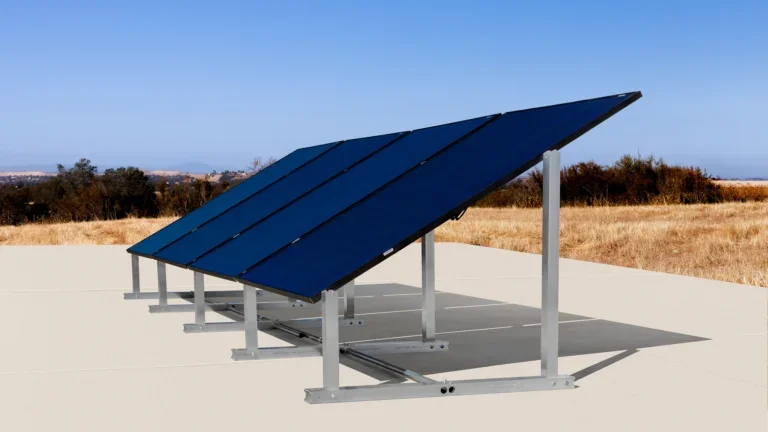
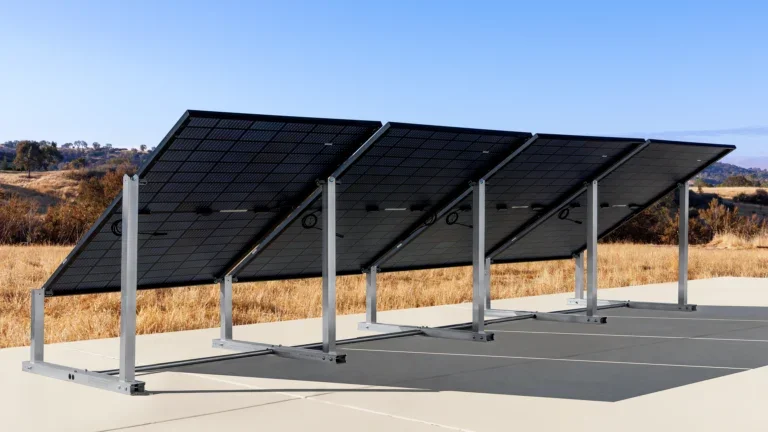
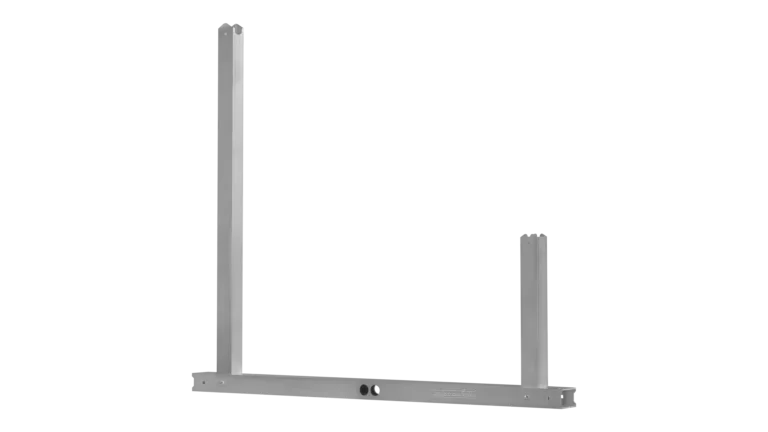
The IntegraRack IR-Series stands your solar array on almost any level surface without rails, augers, concrete footings, or driven posts. Each unit is a single aluminum frame set to a fixed 30° tilt that assembles in about two minutes and clamps your module with bonded flange brackets.
Specifications:
- Fixed 30° mounting angle
- Aircraft-grade aluminum frame, made in the USA, about 10 lbs and ships in a 48×5×5 in box
- Fits portrait-orientation solar modules up to 32 sqft
- Requires one frame per module, plus one extra to start each row
- Five rated mounting methods, three requiring no concrete; withstands up to 200 mph wind and 100 psf snow load depending on panel size, tilt, and mounting method
- Requires 1” EMT conduit for all mounting methods except the concrete lag bolt mount
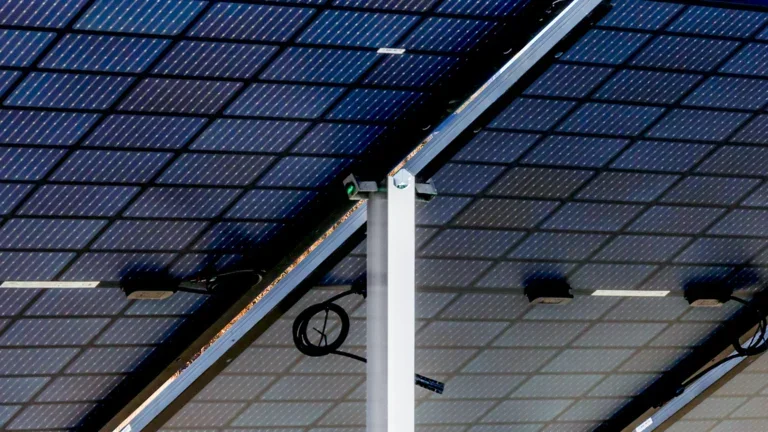
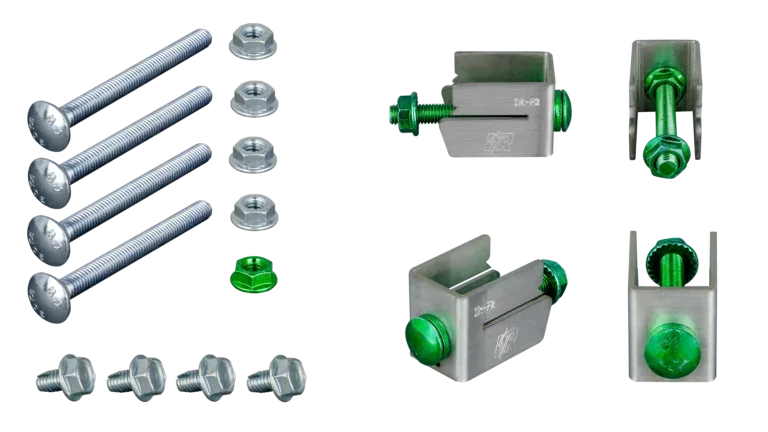
- Integrated bonding through four IR-F2 flange clamp brackets, to be grounded to NEC 250 and NEC 690 by a qualified professional; UL 2703 requires Bonding Jumpers to connect the solar panel frames
Log in to check member price and detailed stock information.
| Need more than what's available? Tell us what you need and we can source it for you. |


Current Connected is YOUR IntegraRack product specialist
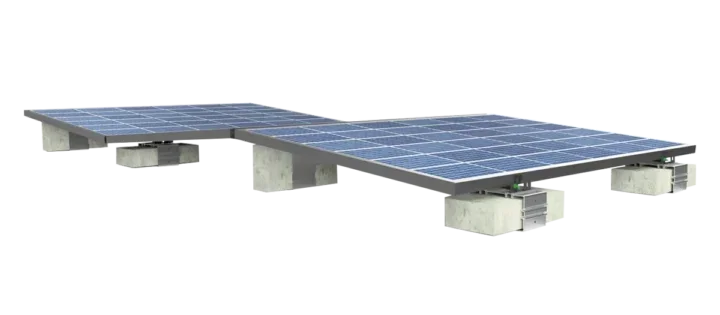
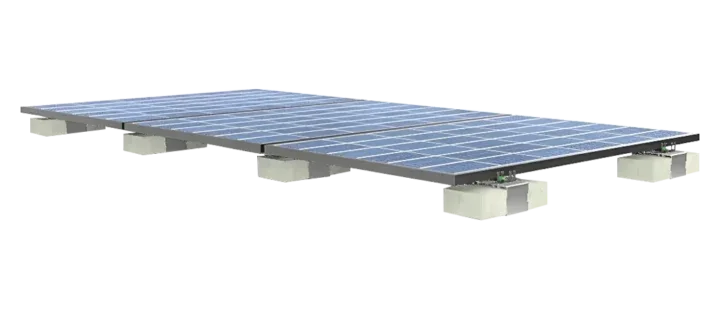
IntegraRack IR-15 and IR-30 Fixed-Angle Solar Panel Ground Mounts
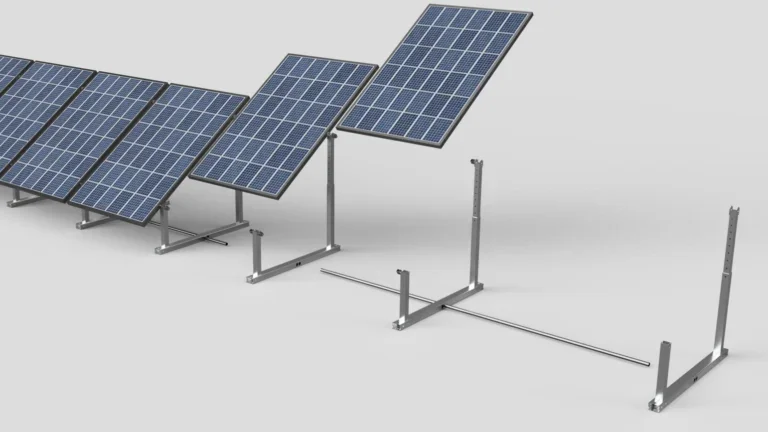
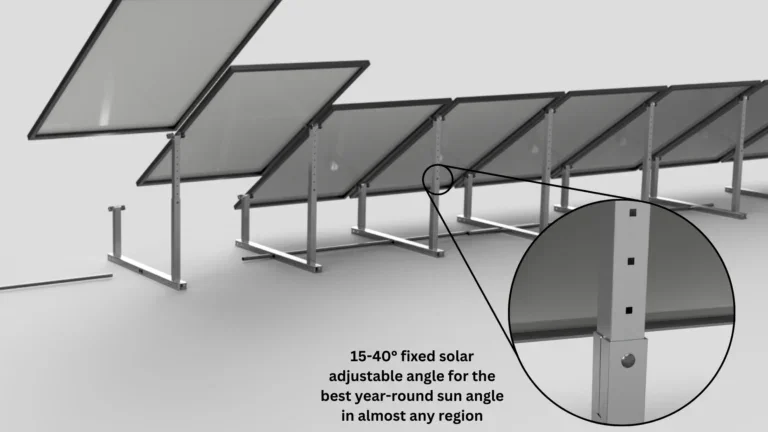
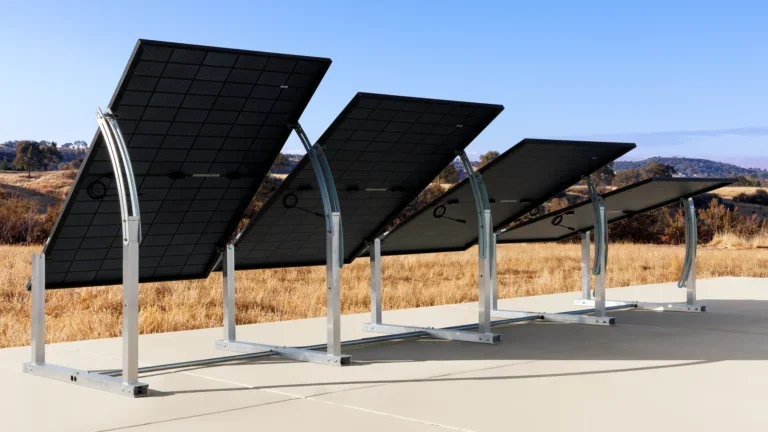
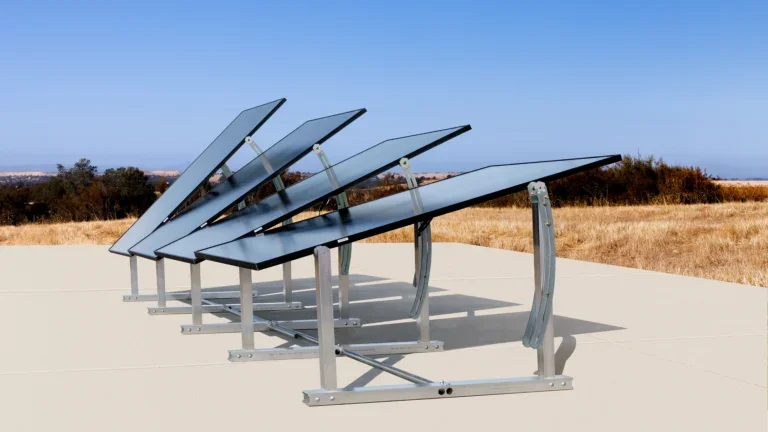
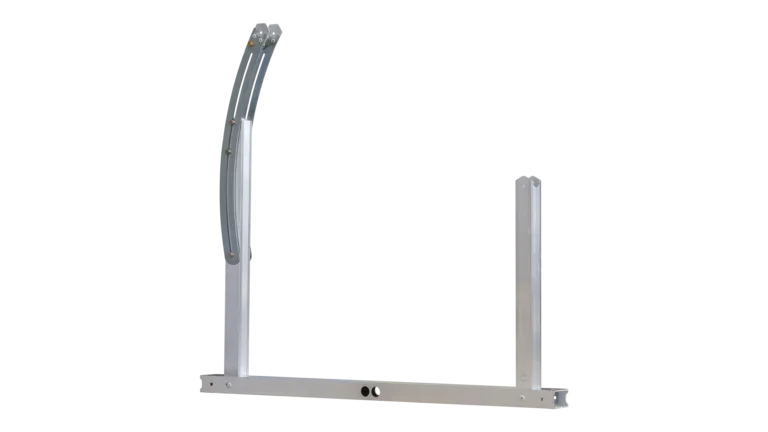
The IntegraRack IR-Series replaces the concrete piers, driven posts, and racking rails of a traditional ground mount with a single lightweight aluminum frame. Each unit sets your panel at a fixed 15° or 30° tilt, assembles in about two minutes with a screw gun and a wrench, and connects to the next frame along a length of 1” EMT conduit. The result is a durable ground array you can stand up on almost any level surface, with a full 10-panel row typically going up in around 100 minutes. Because frame spacing simply follows your module width, the IR-Series racks panels of essentially any size in portrait orientation up to 32 sqft, and a longer row makes the system more rigid.
IntegraRack IR-15 vs IR-30: Choosing Your Mounting Angle
Both tilts share the same frame platform, with the leg height setting the fixed angle.
- 30° favors higher latitudes across most of the contiguous USA, leans production toward the winter half of the year, and sheds snow more readily. It is the common choice for year-round output in the northern and central states.
- 15° suits lower latitudes and summer-weighted production, presents a lower profile to the wind, and needs less row-to-row spacing to avoid self-shading. This angle also provides an option for 0° angle for hurricanes and high wind currents.
If your latitude or seasonal goals fall between the two fixed angles, the freely adjustable IR-Series frames may fit better.
IR-40FSA for 15° to 40° positions, with 2.5° angle increments; not for seasonal adjustment.
IR-45ASA for freely and seasonally adjustable positions from 15° to 45° for year round angle optimization.
Multiple Mounting Methods Without Heavy Machinery
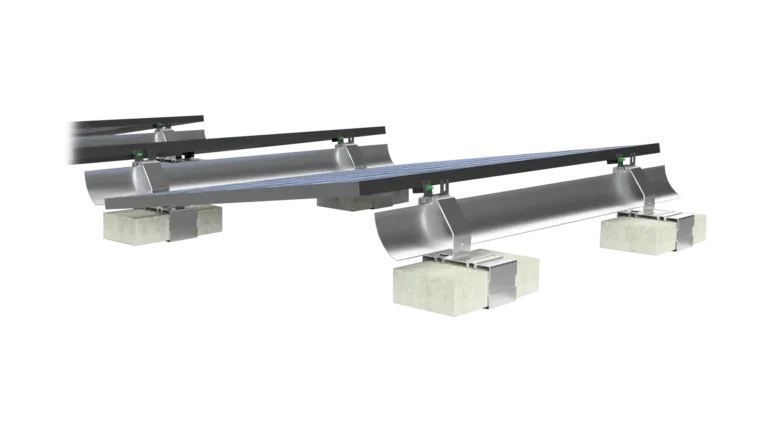
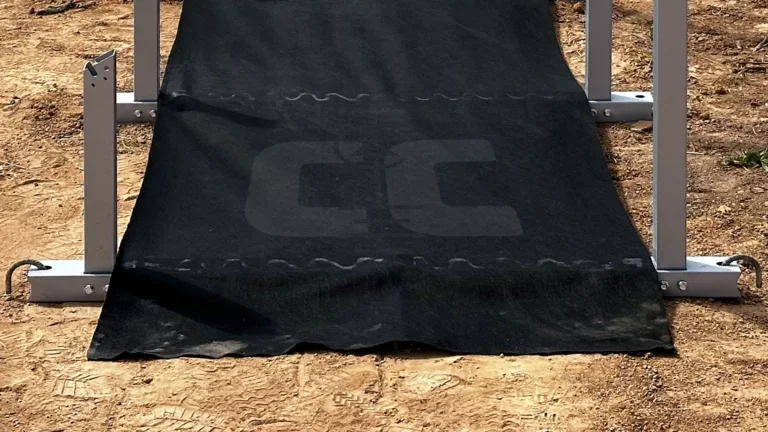
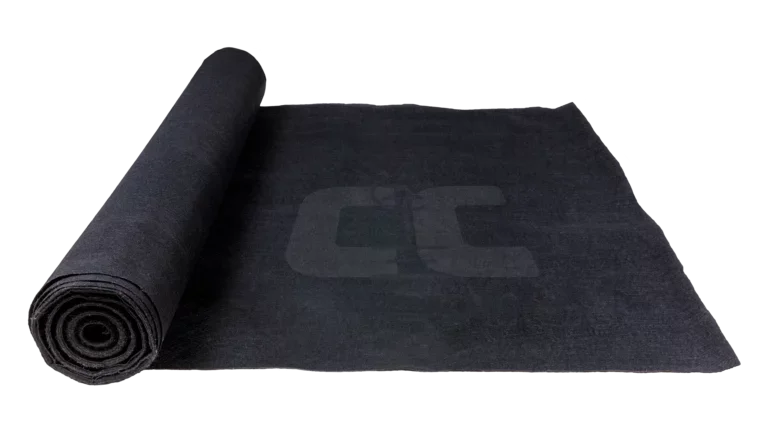
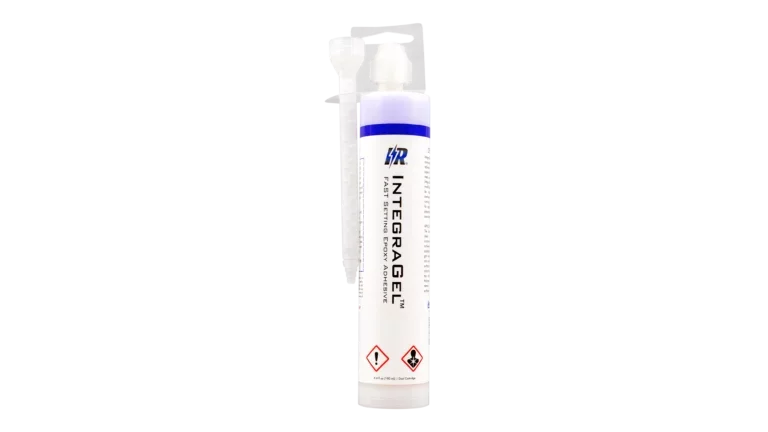
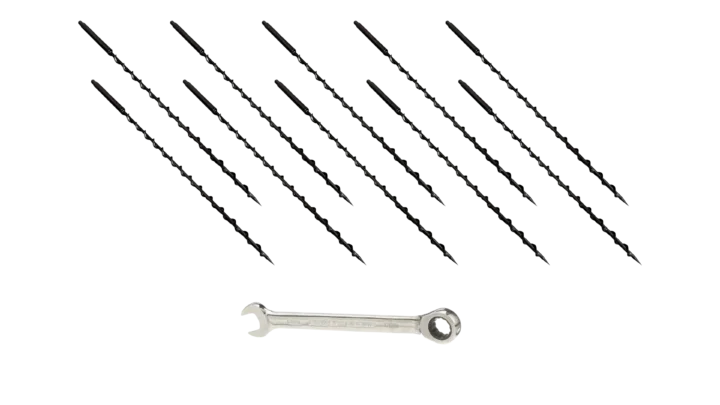
As a ground mount solar racking system, every IR-40FSA frame anchors to the ground, and the job skips rails, earth augers, and post pounding. IntegraRack's install manual describes five methods. The IR EarthBallast system epoxies a geotextile sheet across the base tubes, and you then pile soil over the sheet to hold the array in place. The IR AnchorSpike system taps barbed aluminum spikes into compacted soil and sets them with a two-part epoxy for sites with shallow frost depth. IntegraRack recommends testing a spike on site to confirm its hold, similar to the IR EarthScrew system which uses 30" screws that dig into dense soil. The Concrete Slab/Footing Anchor Bolt system fastens the base tubes to a slab or footing for a permanent hold. Base ballast rests concrete curb stops or a water tote across the base tubes for a movable setup, though 3/4" steel forming stakes at each base-tube are required.
IntegraRack IR-Series Grounding and Bonding
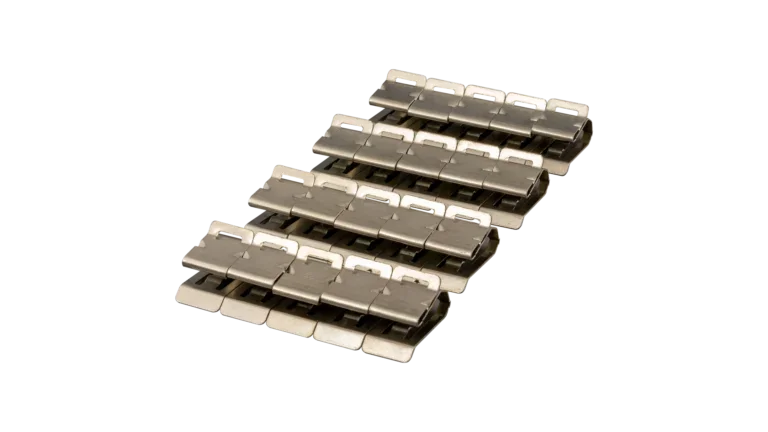
Each frame includes four IR-F2 flange clamp bonding brackets whose barbs bite into the module frame to establish the bonding path as panels are mounted. Electrical grounding and bonding should be completed to the latest National Electrical Code (NEC 250 and NEC 690) by a qualified professional. Keep bare copper grounding wire from contacting the aluminum and zinc-plated steel components to avoid galvanic corrosion. For full UL 2703 compliance, Bonding Jumpers should be used to connect the frames of the panels in each row.
IntegraRack IR-Series Installation Requirements
- 1” EMT conduit, cut to your row length (all methods except concrete lag)
- A 1/2" drive screw gun, level, and tape measure (do not use an impact gun on the thread-cutting bolts)
- Your chosen ballast or anchoring materials, and the matching IntegraRack mounting kit
Recommended Accessories
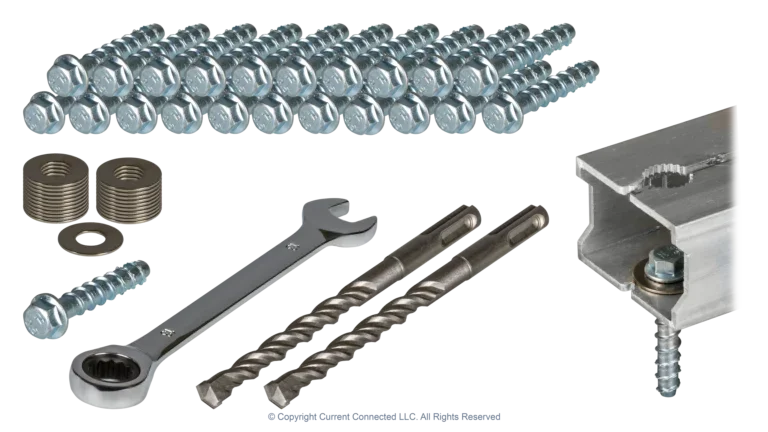
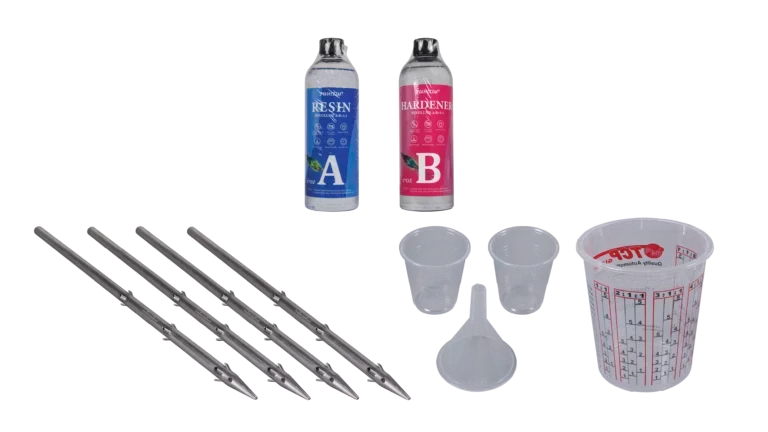

Frequently Asked Questions
You need one frame per solar panel, plus one additional frame to start each row. A single row of 12 panels needs 13 frames, and two rows of 6 panels each need 14 frames total.
Yes. Four of the five rated mounting methods use no concrete. The base ballast method holds the frames with concrete curb stops or a water tote (minimum 350 lbs per module), and the IR EarthBallast method uses soil weight over bonded geotextile, so you can mount a ground array without pouring footings or driving posts. The IR AnchorSpikes and IR EarthScrews require drilling into the earth with a screw gun but do not require any concrete.
The frames accept portrait-orientation modules up to 32 sqft. Frame spacing adjusts to your exact module width, so the system works with most residential and commercial panels.
Ratings depend on tilt, panel size, and mounting method. With 24 sqft panels on a concrete lag bolt mount, the system is rated up to 150 mph wind and 100 psf snow load. Larger 32 sqft panels and lighter ballast methods carry lower ratings, so match your mounting method to your local wind and snow zone.
A 30° tilt is the common pick for year-round production across most of the contiguous USA and sheds snow better, while a 15° tilt suits lower latitudes, summer-weighted output, and windier sites with its lower profile. To fine-tune the angle by season, consider the adjustable IR-Series frames instead.
Assembly needs only a 1/2" drive screw gun, a level, and a tape measure, and each frame goes together in about two minutes. Use a standard screw gun rather than an impact gun on the thread-cutting bolts. Electrical grounding and bonding should be handled by a qualified professional to the current National Electrical Code.
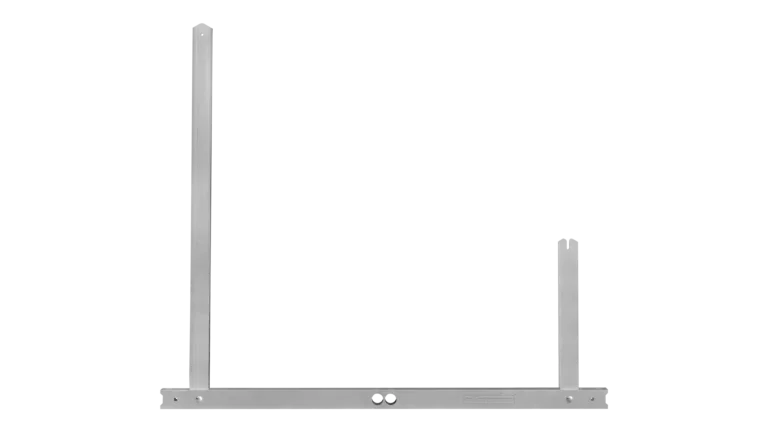
Each frame includes the base tube, long leg, short leg, four IR-F2 flange clamp bonding brackets, and all M8 assembly hardware.
Yes. The included IR-F2 flange clamp bonding brackets create the module bonding path as the panels are mounted. Final grounding must still be completed to NEC 250 and NEC 690.
Each frame assembles in roughly two minutes, and a typical 10-panel array takes about 100 minutes to stand up once your site is level and your ballast or anchors are ready.
Customer Photo Gallery
Customer Reviews
No reviews yet. Be the first to review this product!