
Shop PV Combiners, DC Disconnects, MC4 Connectors, and PV Wire
Wire your solar array safely from the panels to your charge controller or inverter. We carry MidNite Solar combiners and DC breakers, IMO DC disconnects, Stäubli MC4 connectors, PV wire, pre-crimped solar cables, and MidNite surge protection.
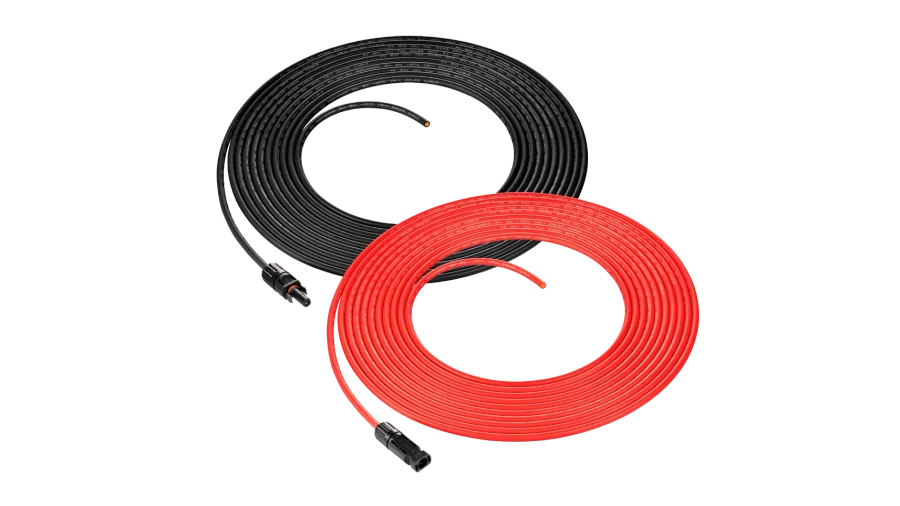
Custom Pre-Crimped Solar Panel PV Hook Up Cable - Made To Order - MC4 Classic & EVO-2 Connectors - MC4 Extension Cable
PV cables cut and crimped to your length with genuine Stäubli MC4s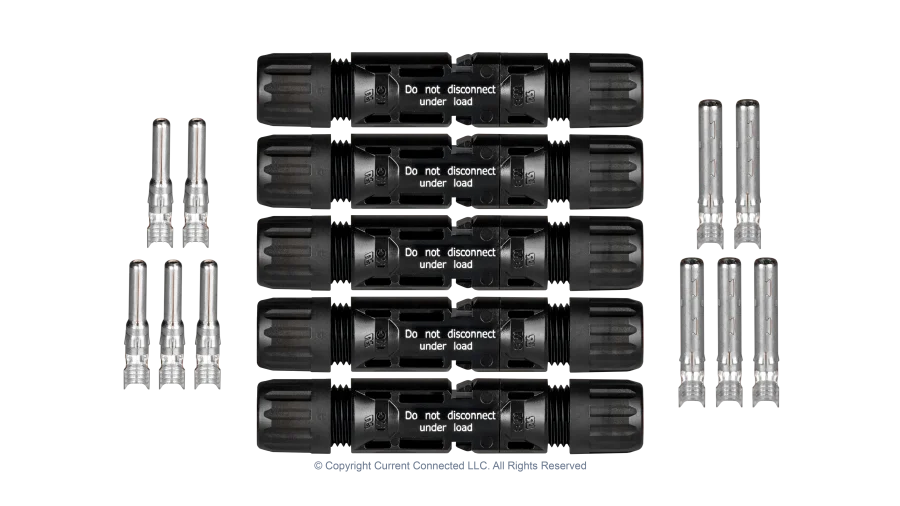
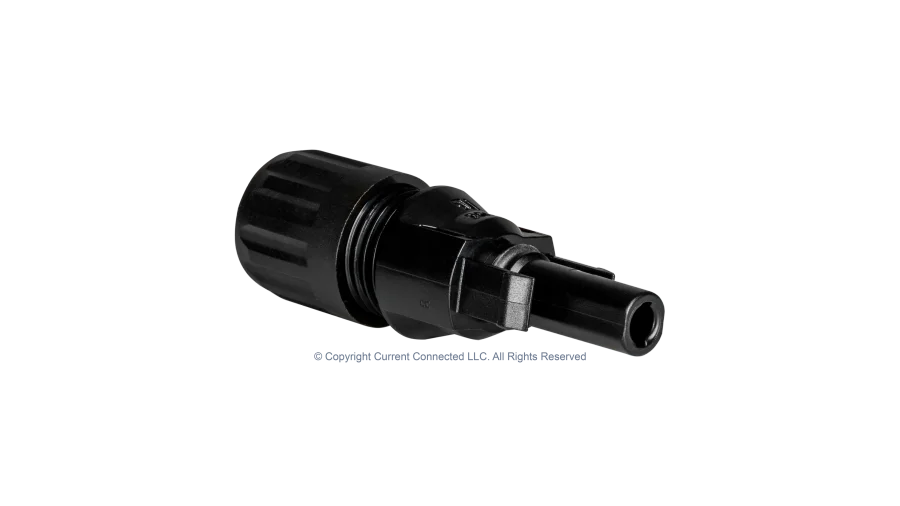
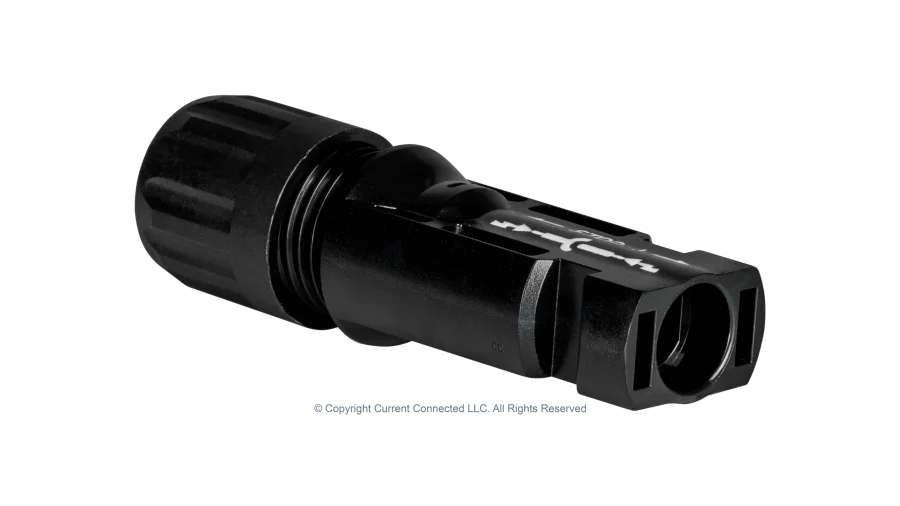
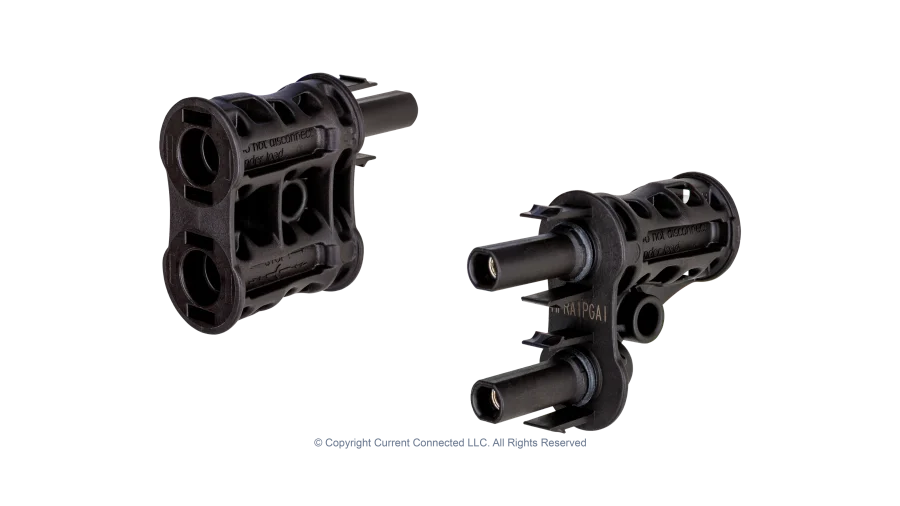
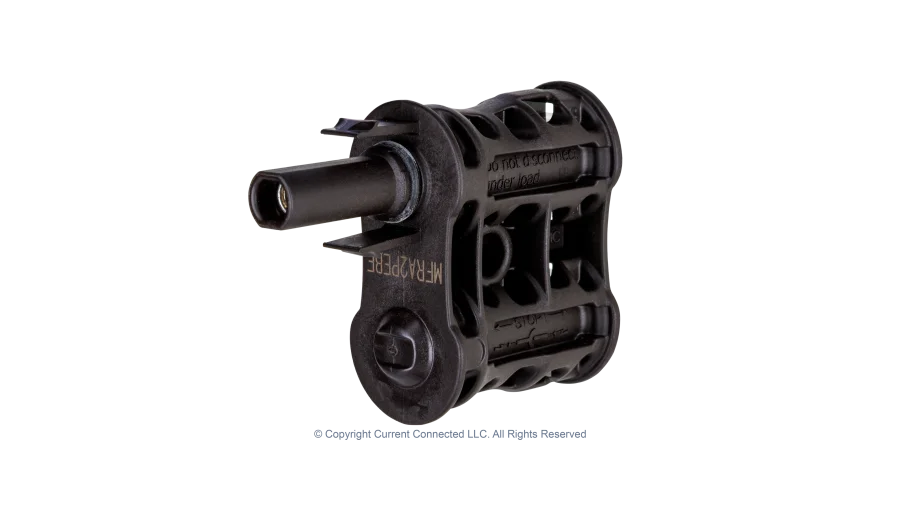
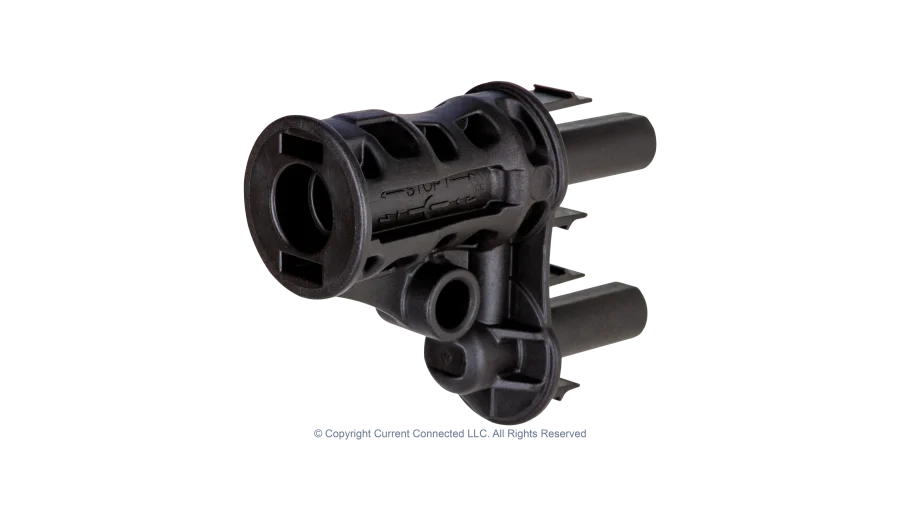
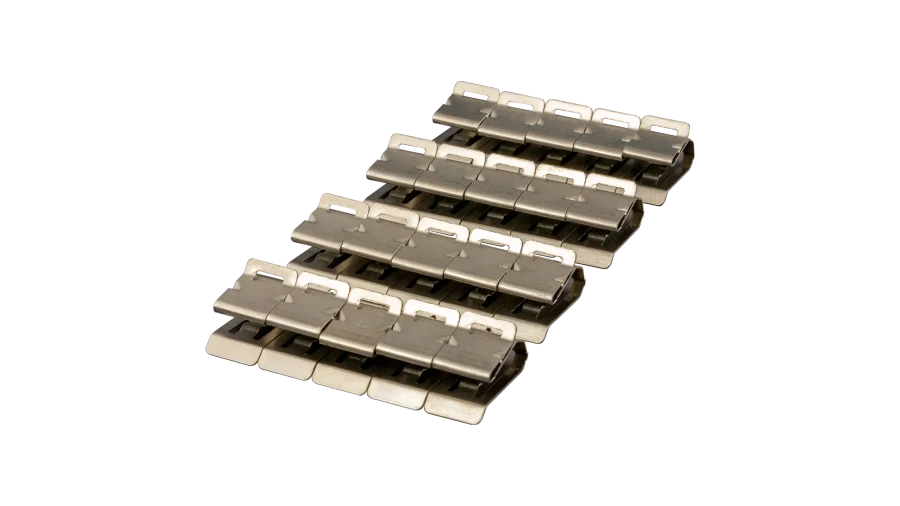
Stäubli Classic MC4 & MC4-Evo 2 Solar Panel Connector, 1100V/35A, 5 Pair Bundle, Options Support 4.7mm to 8.8mm Wire Jacket Diameter
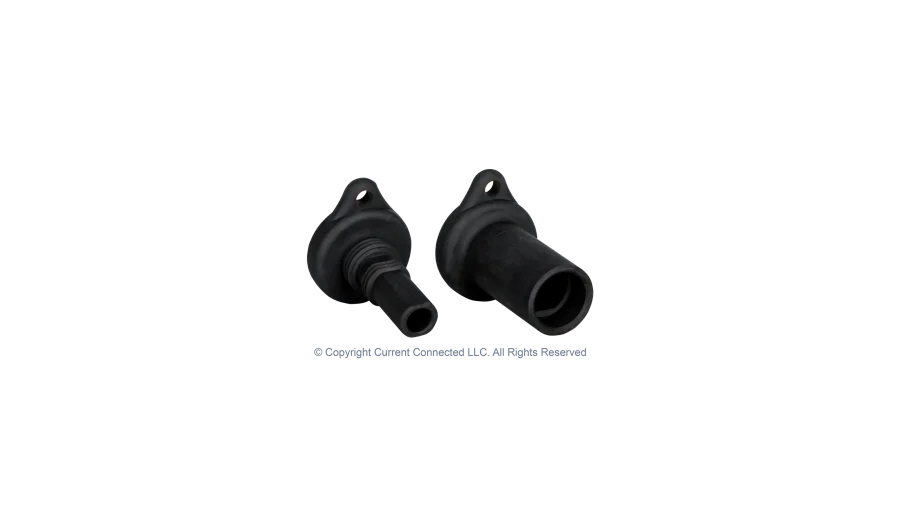
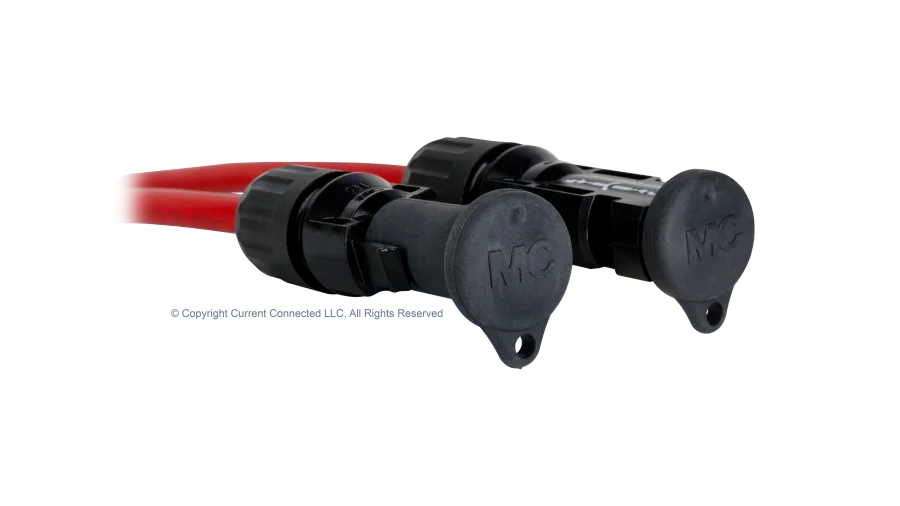
Genuine Stäubli MC4s in three sizes for a watertight fit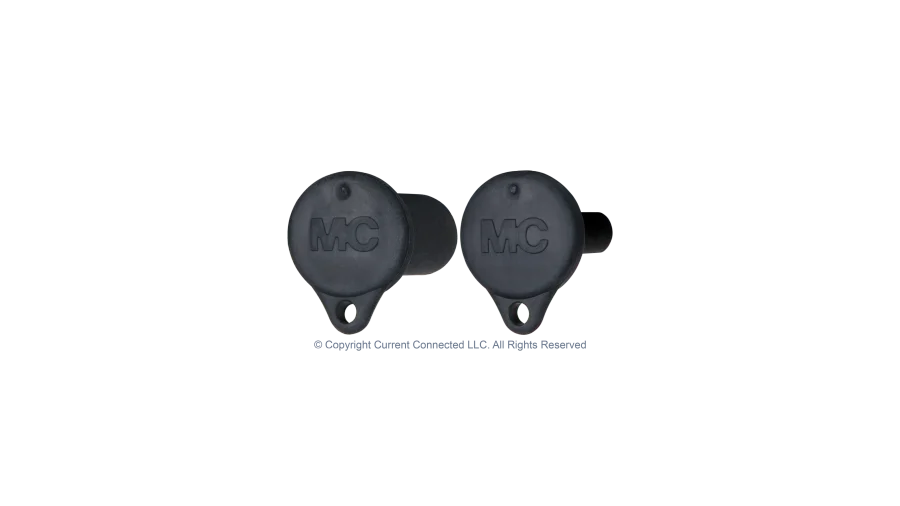
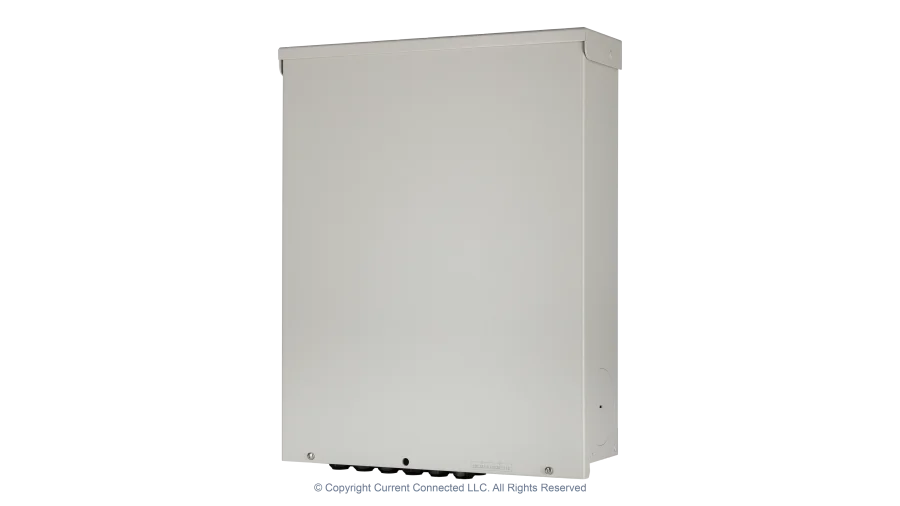
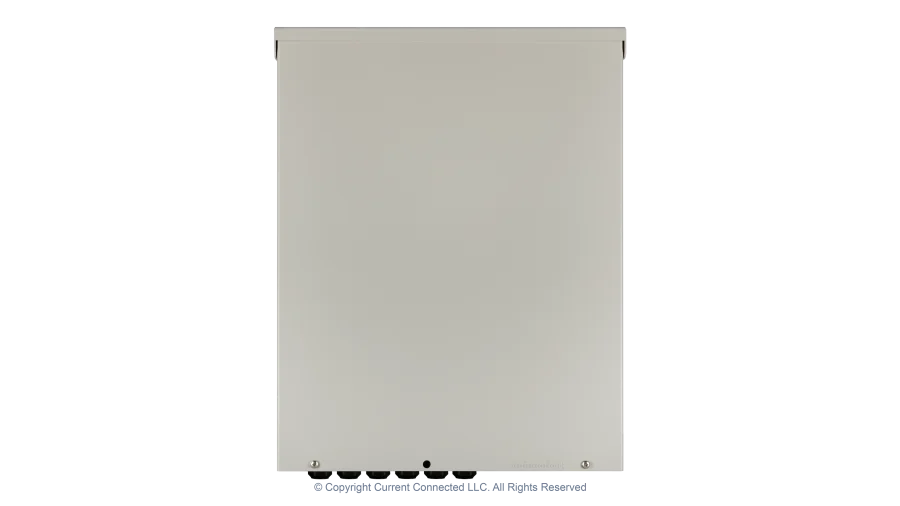
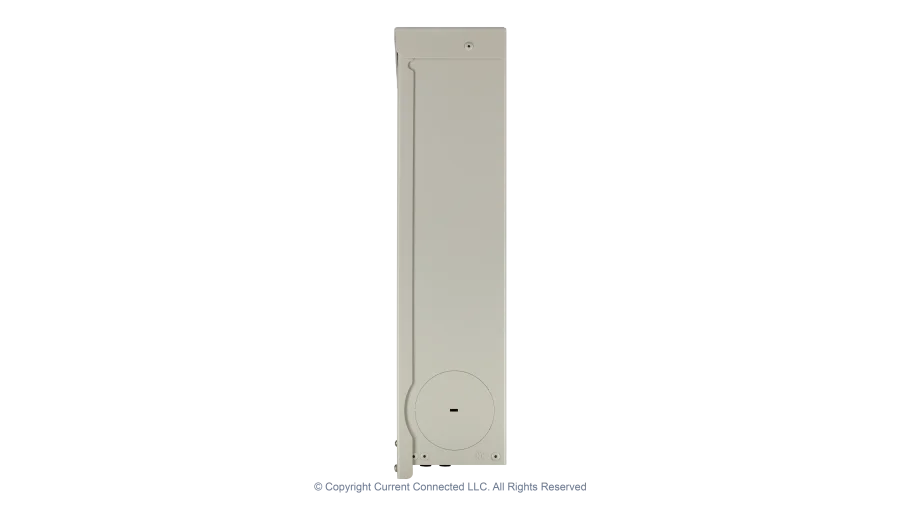
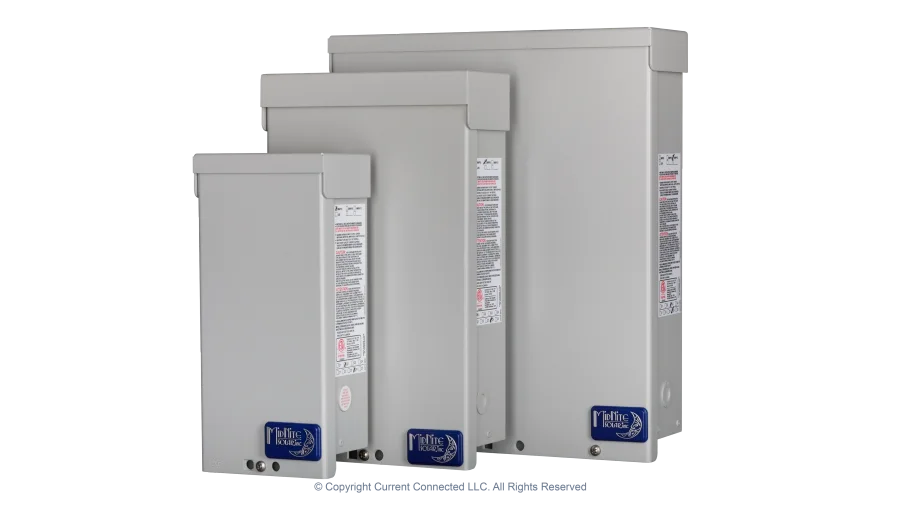
MidNite Solar MNPV3 / MNPV6 / MNPV12 Combiner Breaker Box
Conveniently protect and combine multiple solar array strings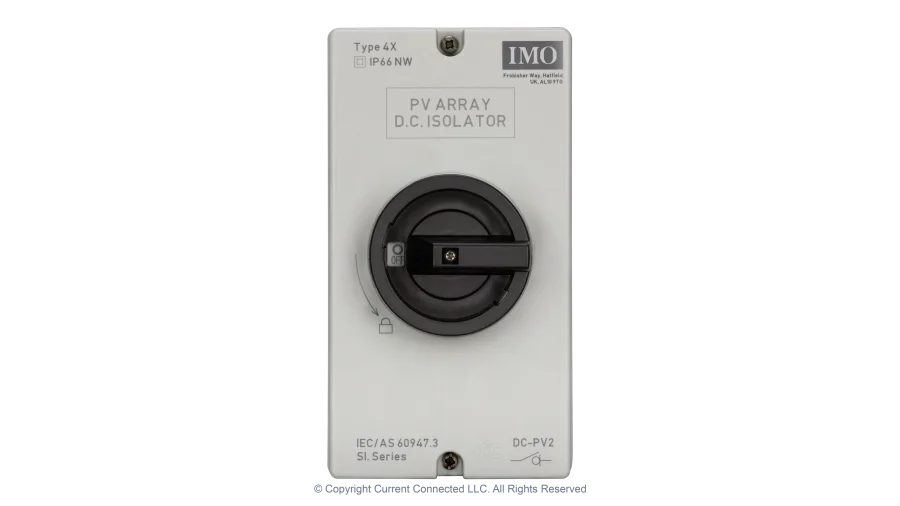
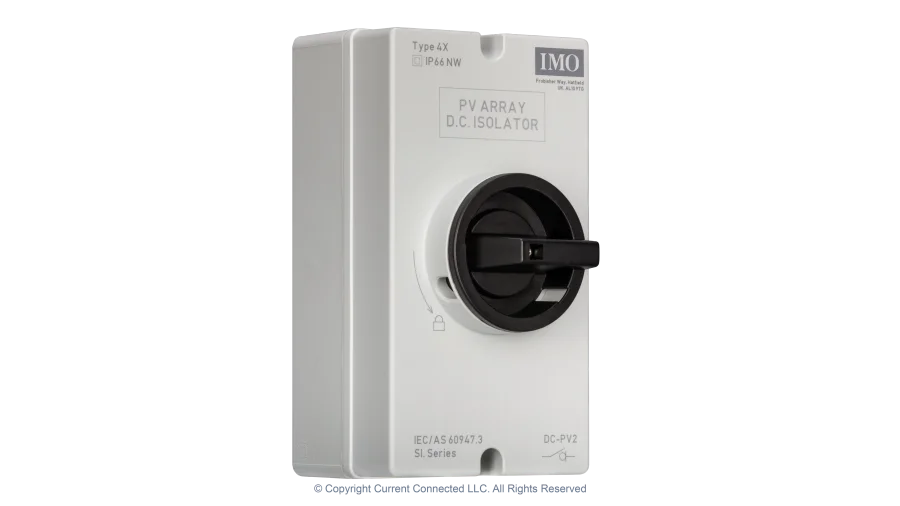
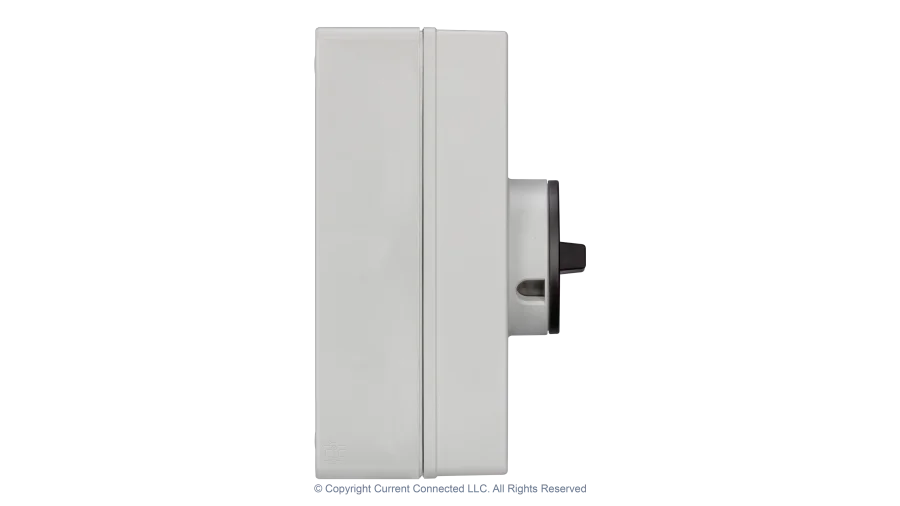
Solar DC Disconnect Switch, IMO 600V 32A Rooftop Isolator, 4, 6, or 8 Pole for 2 to 4 PV Strings, NEMA 4X
One twist isolates up to four solar strings, right at the array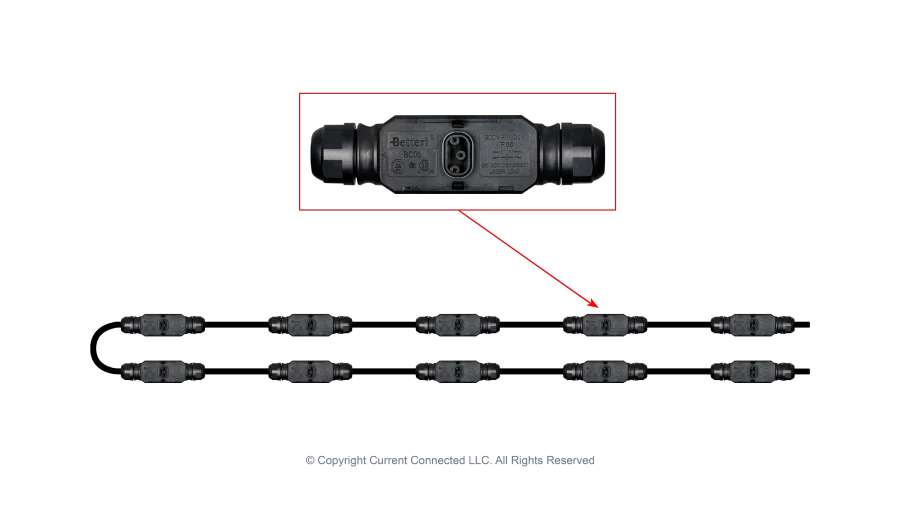
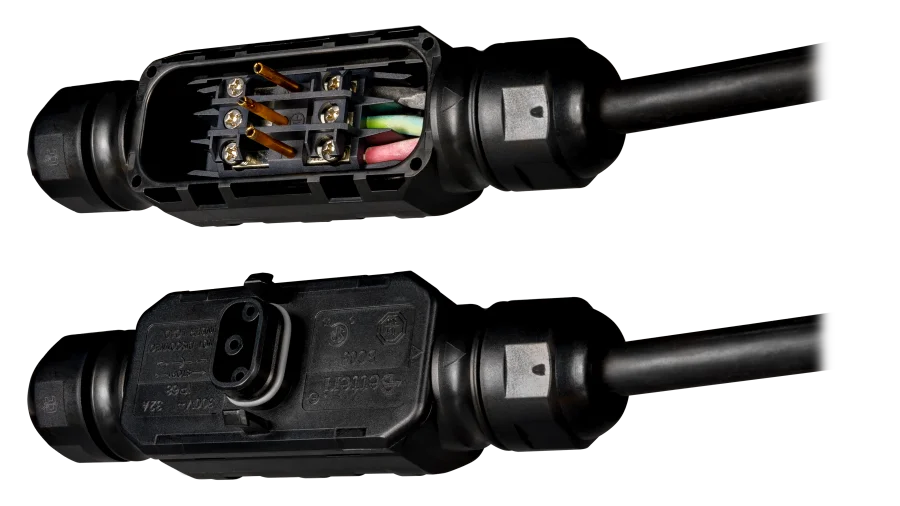
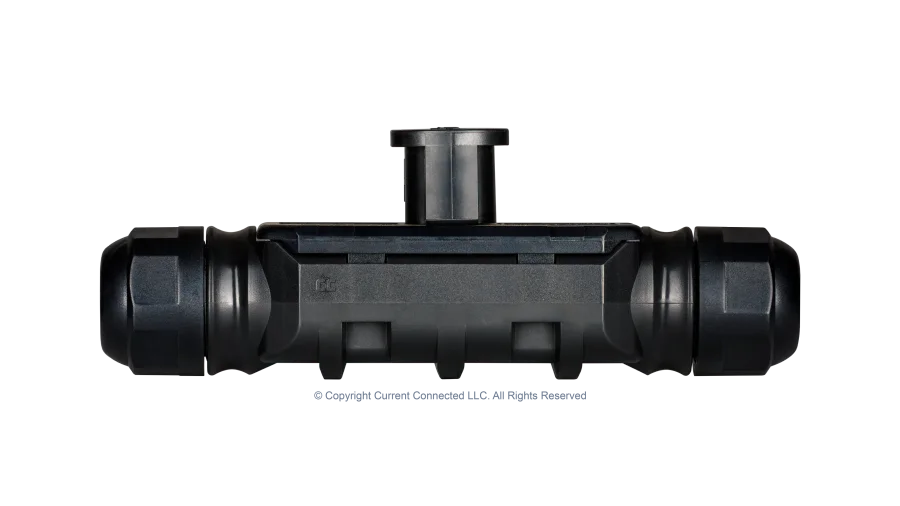
Aptos AC Bus Cable 2.2m-4.2m 12G AWG Cable for Aptos MAC-400 and MAC-800 Microinverters
The AC trunk cable that ties your Aptos micros together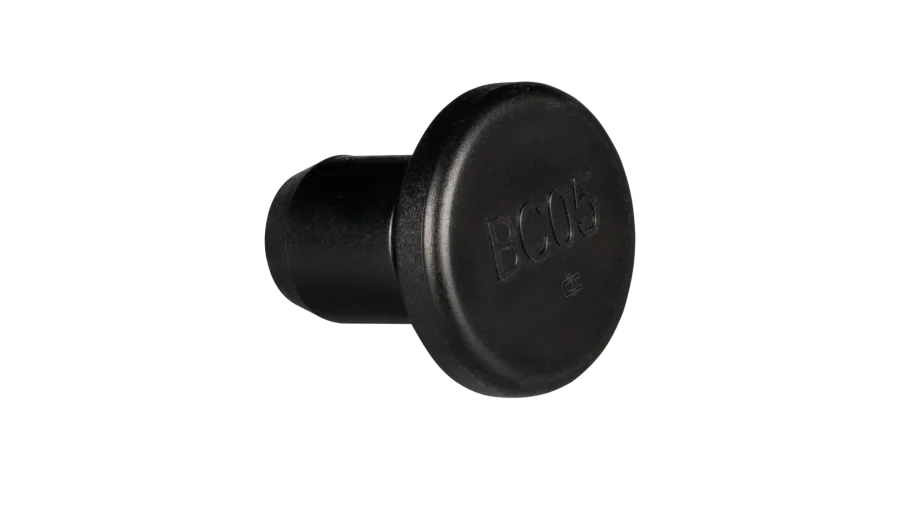
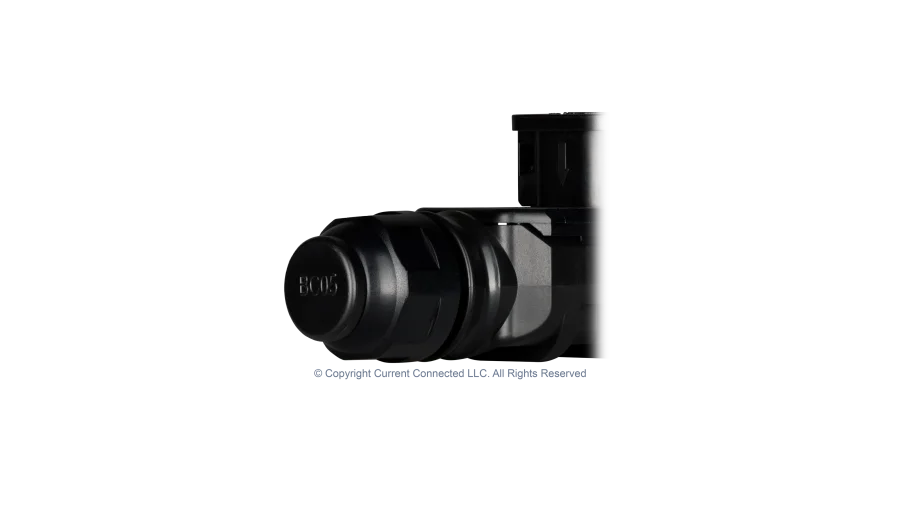
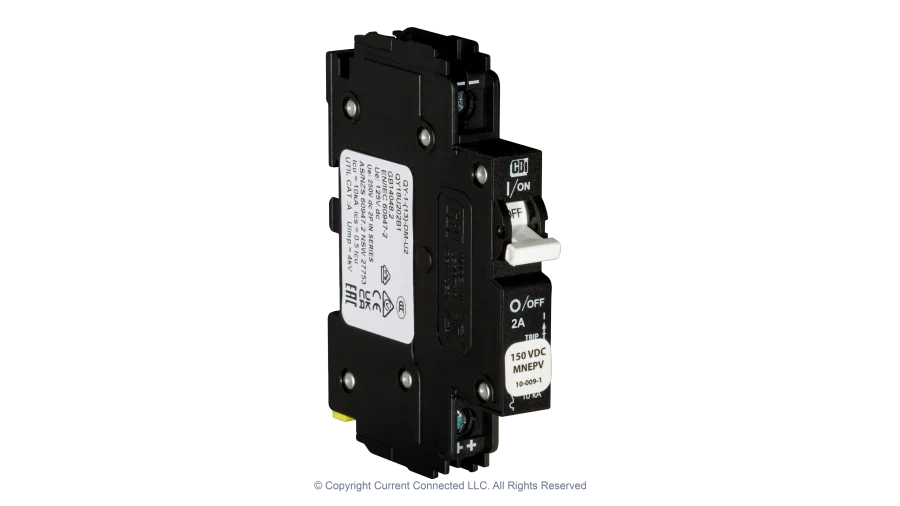
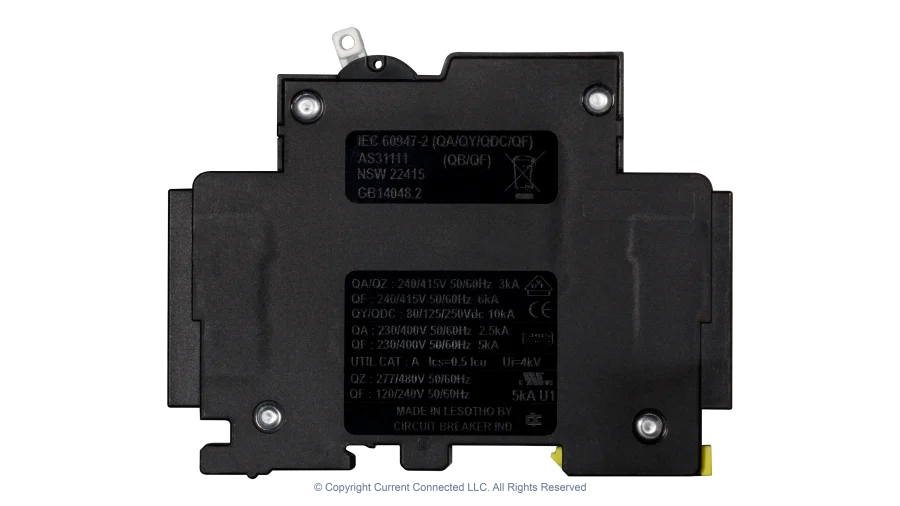
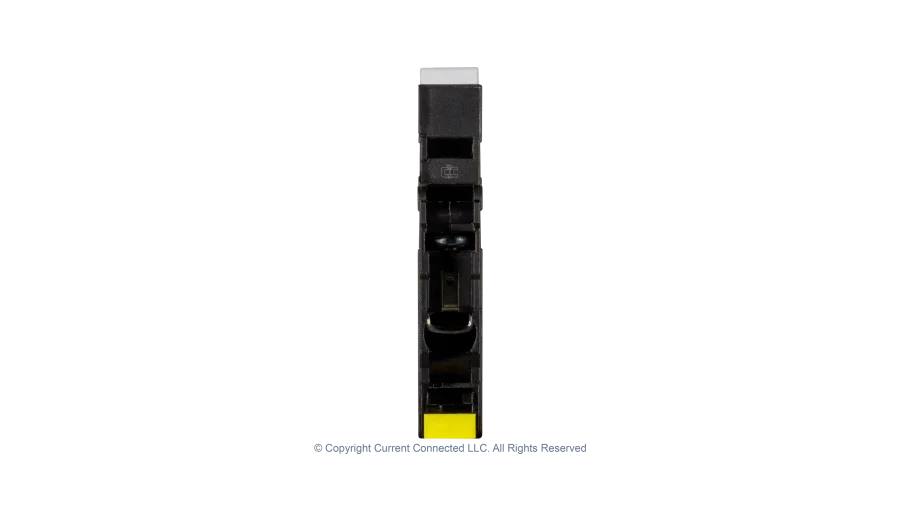
MidNite Solar MNEPV 2A-100A 150Vdc Din-Rail Mount Polarized Circuit Breaker for Batteries and Small Solar Arrays
Small DIN breakers for batteries and little arrays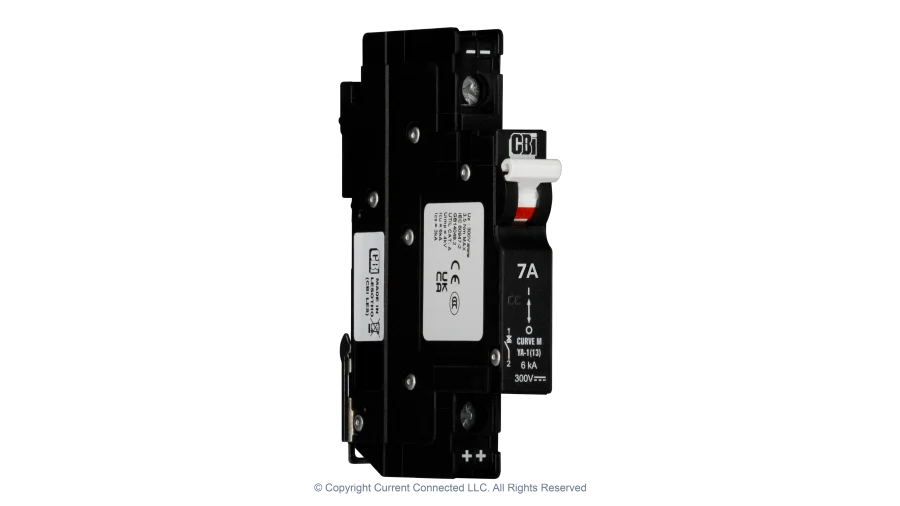
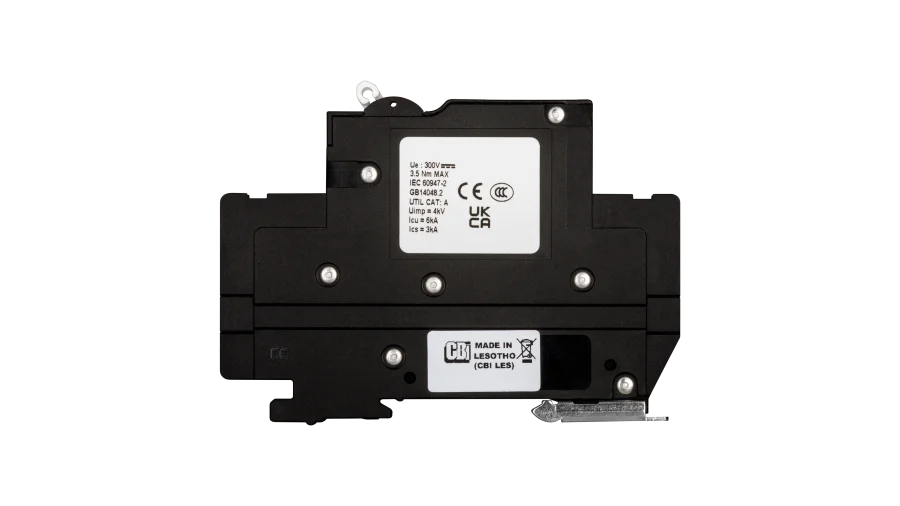
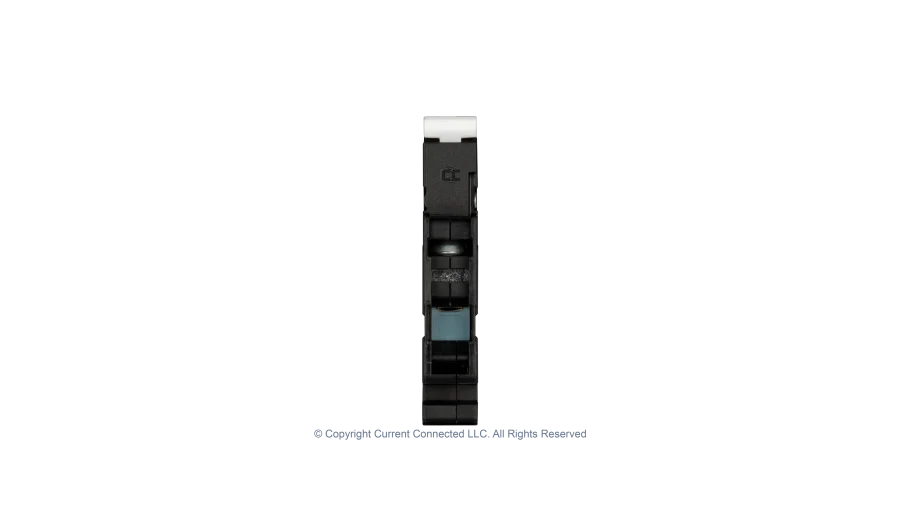
MidNite Solar MNEPV-300 7A-50A 300Vdc Din-Rail Mount Polarized Breakers, Single Pole, 10kAIC
MidNite Solar's Polarized Breaker for up to 300VDC!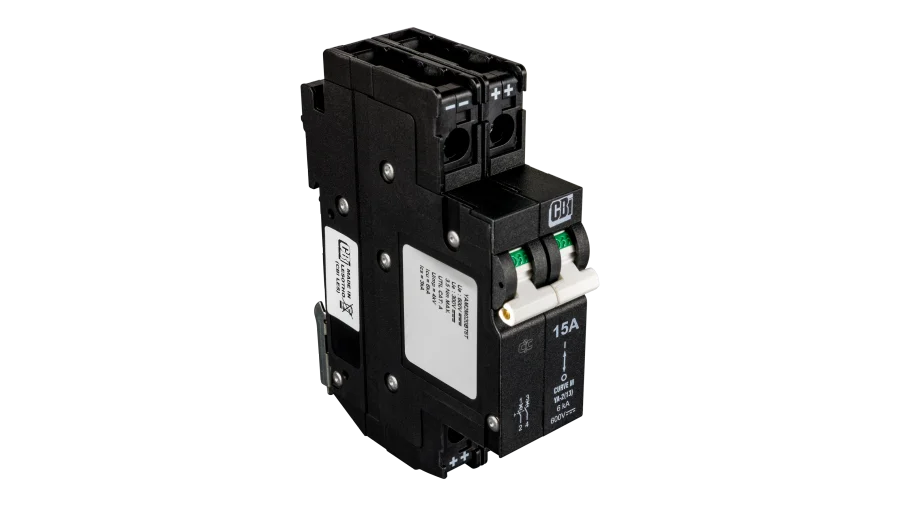
MidNite Solar MNEPV 15A-20A Circuit Breakers, 600Vdc Polarized Double Pole Breaker, DIN Rail Mount PV Breakers
Perfect for MNPV6 / MNPV12 Combiner boxes - Din rail mount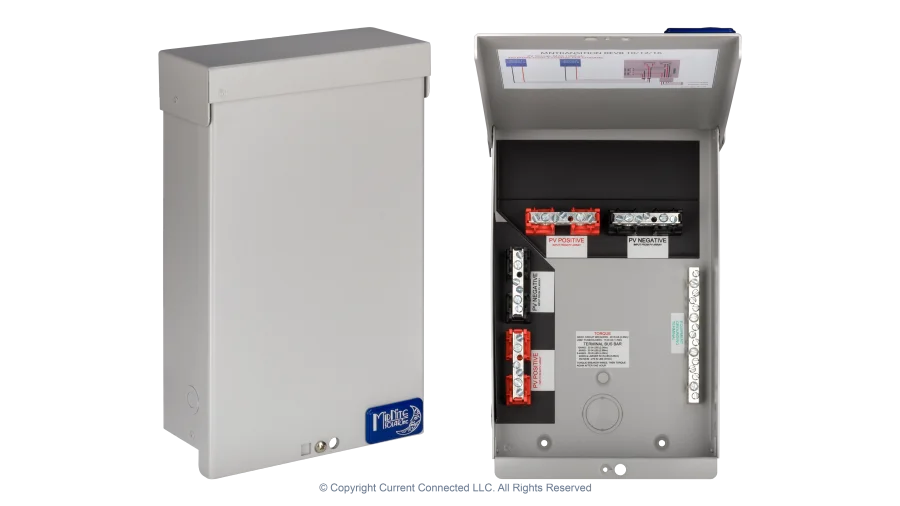
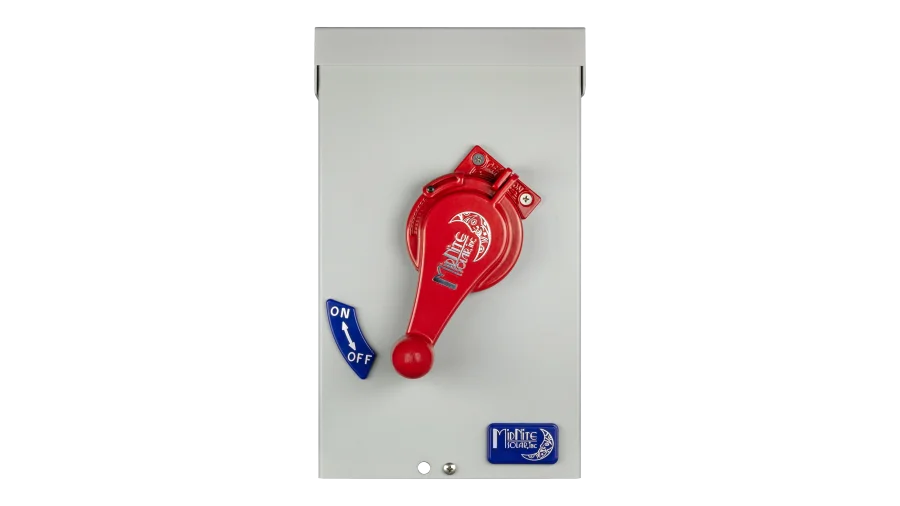
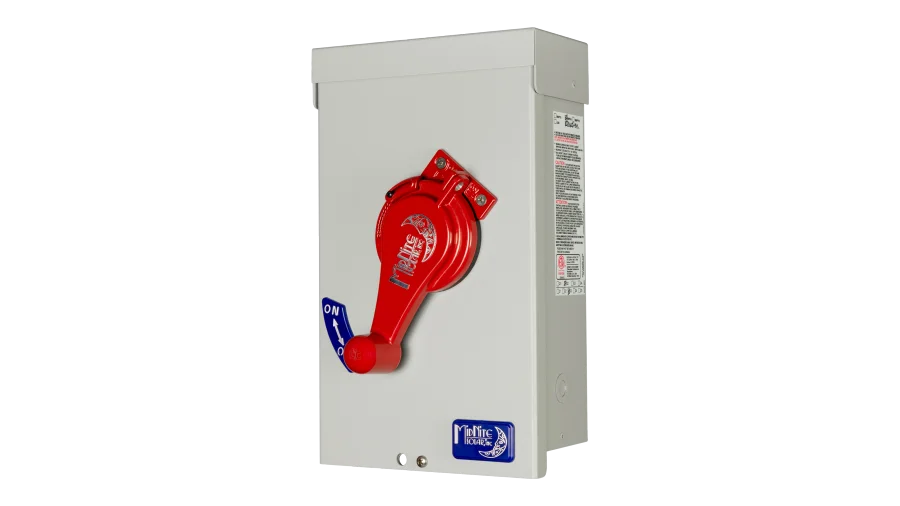
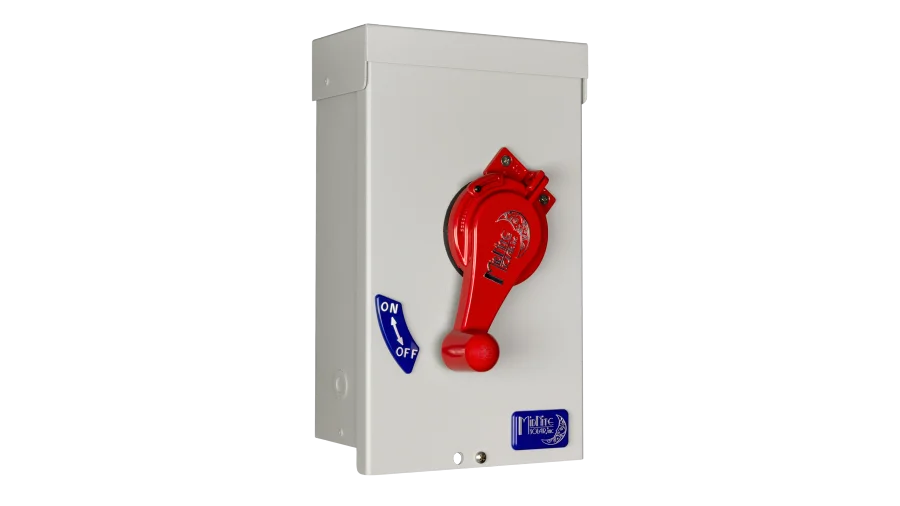
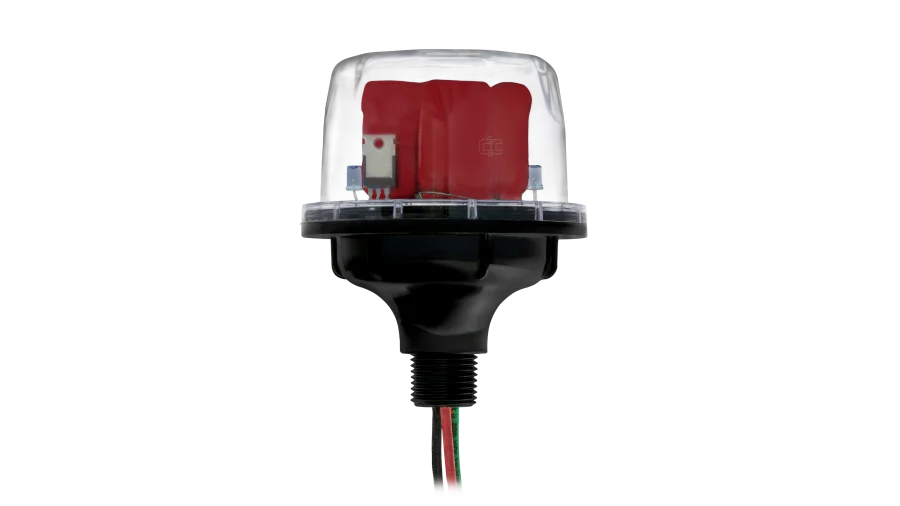
MidNite Solar AC/DC Surge Protection Devices, Up to 300Vac or 600Vdc SPD
Type 1 surge protection that guards your gear indoors or out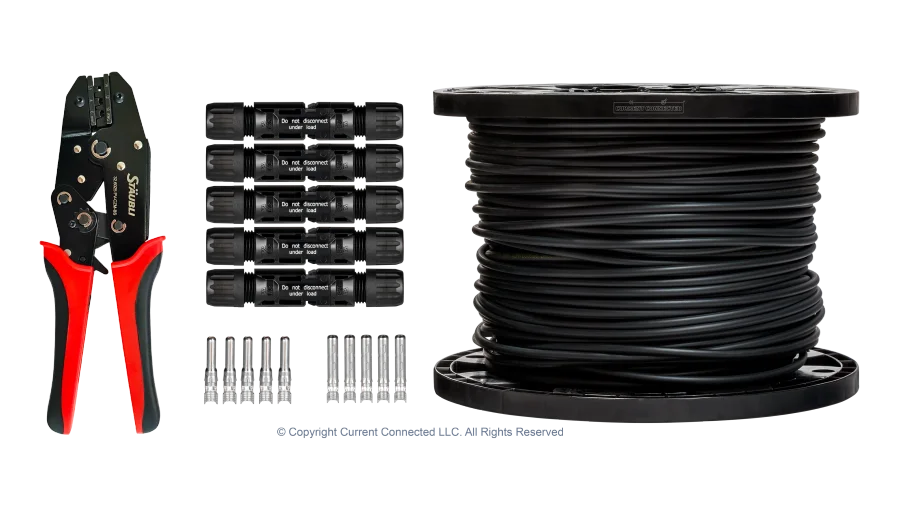
How to Choose PV Combiners, Disconnects, and Wiring
1. Check Voltage Ratings First
Every combiner, breaker, and disconnect has a maximum DC voltage. Add up your string’s open-circuit voltage (Voc), allow for cold weather, and choose parts rated above it, like 150V, 300V, or 600V breakers. Match the array to your charge controller or inverter input limits too. Our string sizing guide walks through the cold-weather Voc math.
2. Combine and Disconnect
Running three or more strings in parallel? A MidNite MNPV combiner gives each string its own breaker and sends one feeder to your controller. Every array also needs a way to disconnect, from MidNite MNEPV breakers to the IMO rooftop isolator. The Type filter splits Combiner Boxes from DC Disconnects and Breakers.
3. Use Matching Connectors and PV Wire
Mate MC4 connectors only with the same brand and type, and crimp them with the right tool. Stäubli connectors, PV wire, pre-crimped cables, and roof entry boxes are all here, and the Brand filter helps you stay matched.
4. Protect Against Lightning
Long PV runs pick up surges from nearby strikes. A MidNite Solar surge protective device on the array side clamps those spikes before they reach your electronics.
PV Wiring FAQ
With three or more strings in parallel, most designs need overcurrent protection on each string, and a combiner box gives you a clean place to do that. It also lets you run one larger feeder to your charge controller or inverter instead of several smaller ones.
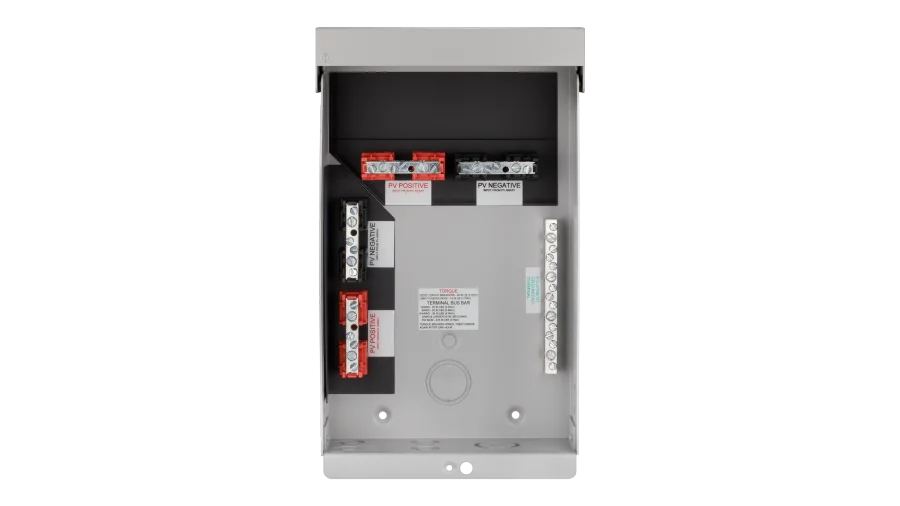
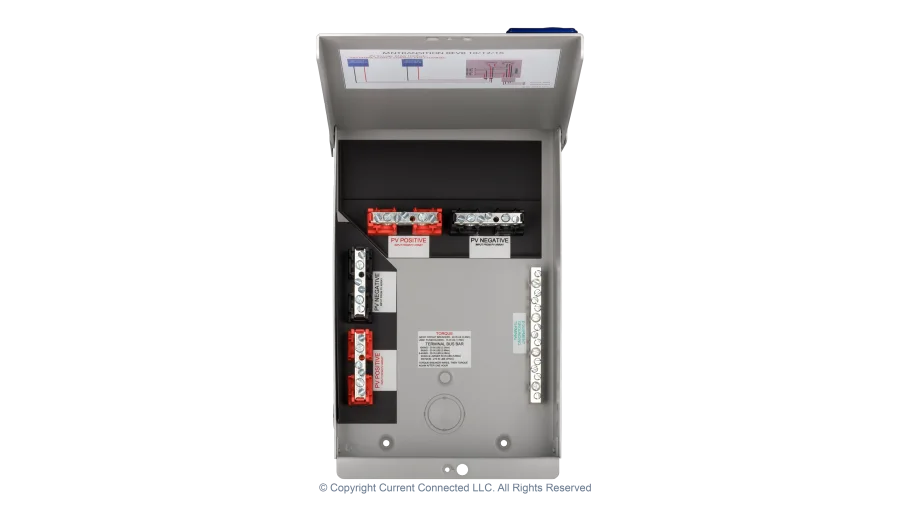
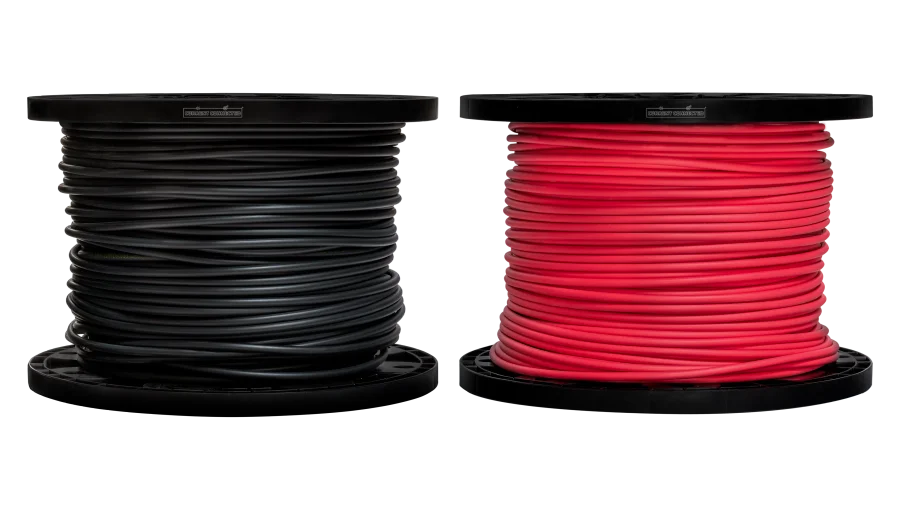
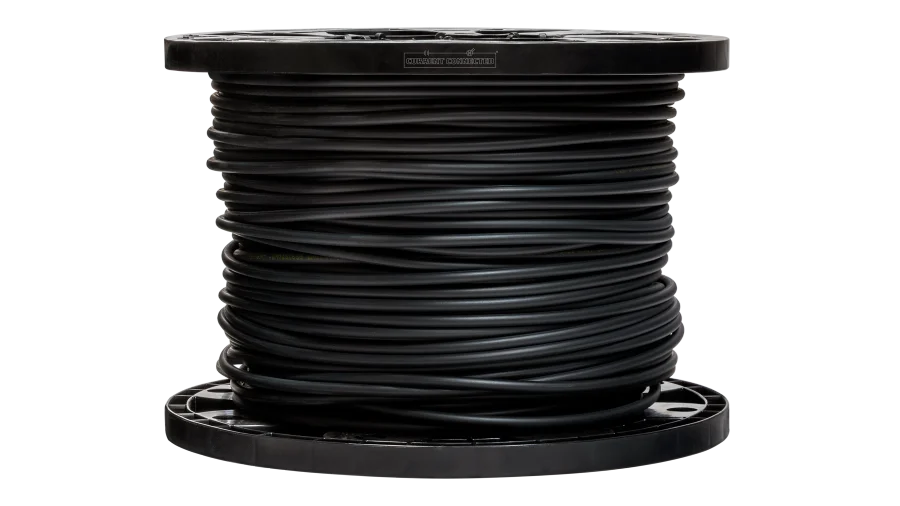
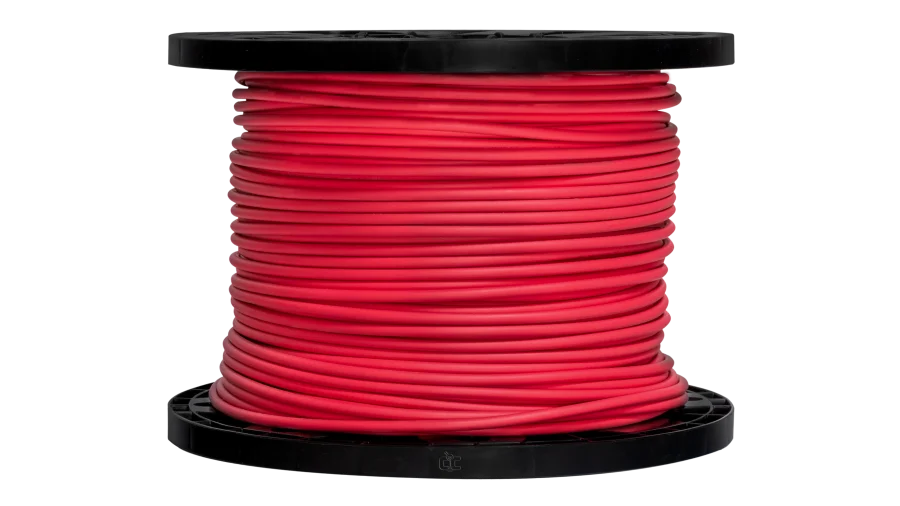
PV wire is rated for sunlight, heat, and the higher DC voltages in solar arrays, with thick, UV-resistant insulation. Standard building wire isn’t rated for exposed use on an array, which is why boxes like the MidNite MNTRANSITION box exist to switch from one to the other.
Yes. Code requires a way to disconnect the PV array from your charge controller or inverter for service and emergencies. Some inverters include one, but a separate disconnect or breaker is often needed, especially on rooftop and long-run installations.
Most residential strings run on 10 AWG PV wire, which comfortably handles the current of typical panels. Longer runs or parallel strings may need a larger gauge to keep voltage drop low, so check the wire’s ampacity against your string current.