
Shop Conduit Fittings, RV Inlets, and Weatherproof Receptacles
The small parts that finish a big job. We carry RV and shore power outlets, twist lock plugs, liquidtight and rigid conduit fittings, weatherproof boxes, GFCI receptacles, and cable glands for solar and backup power systems.
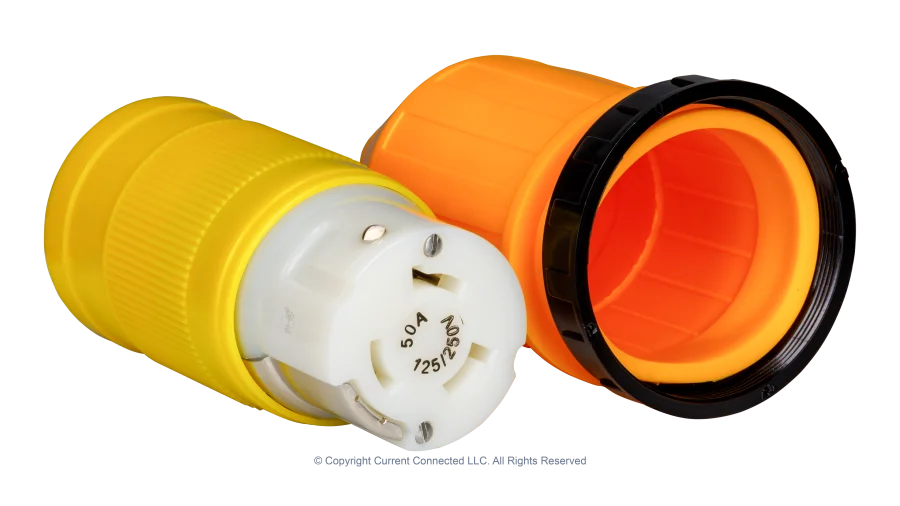
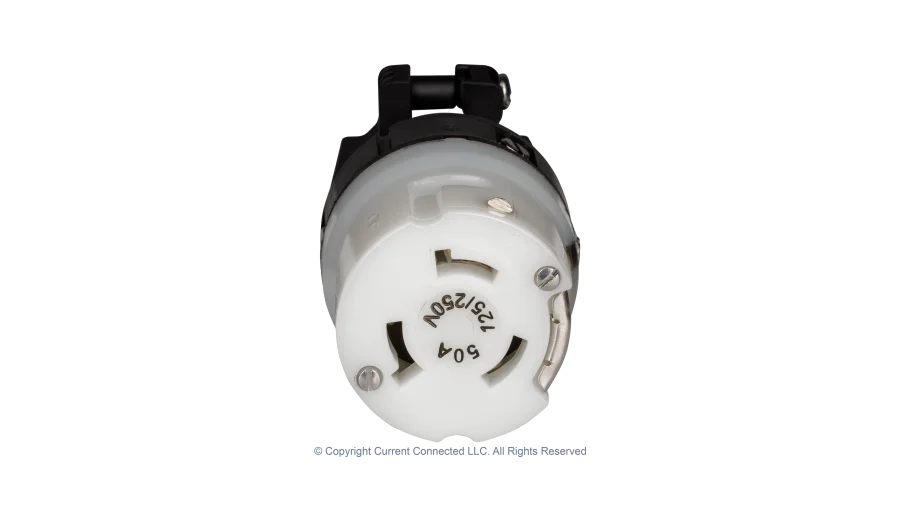
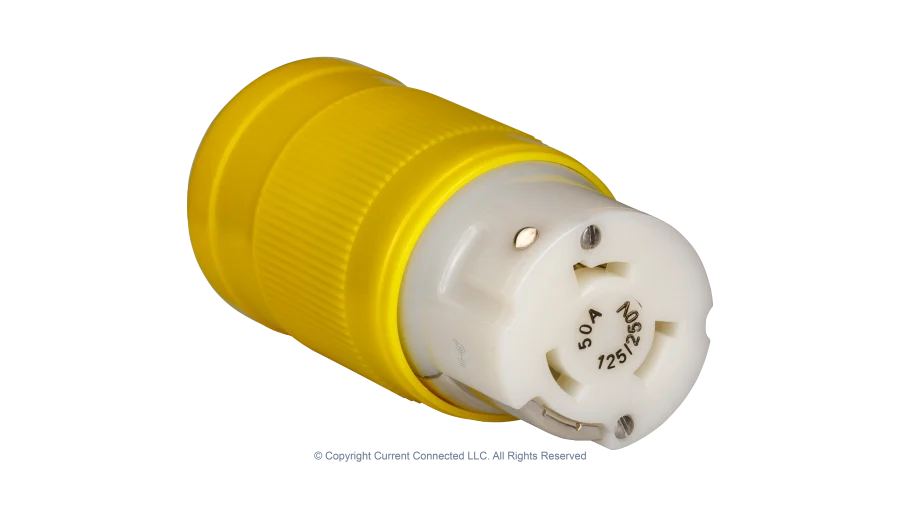
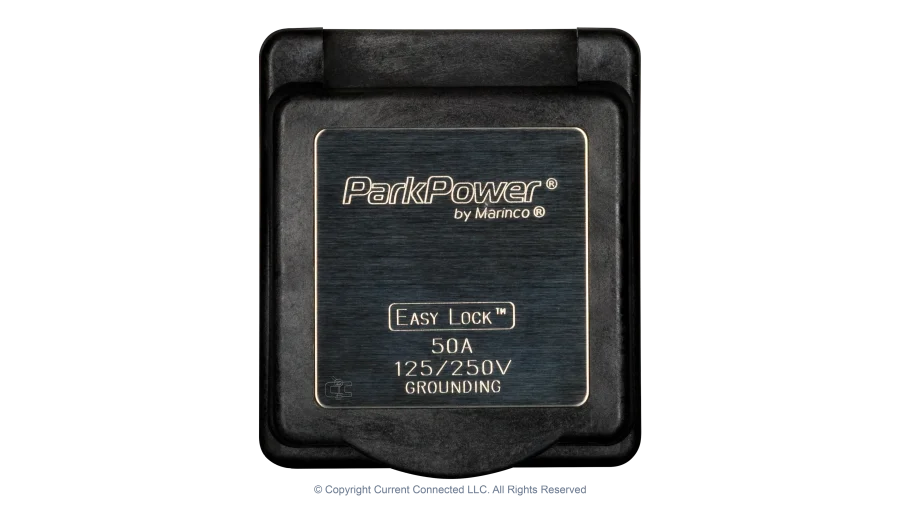
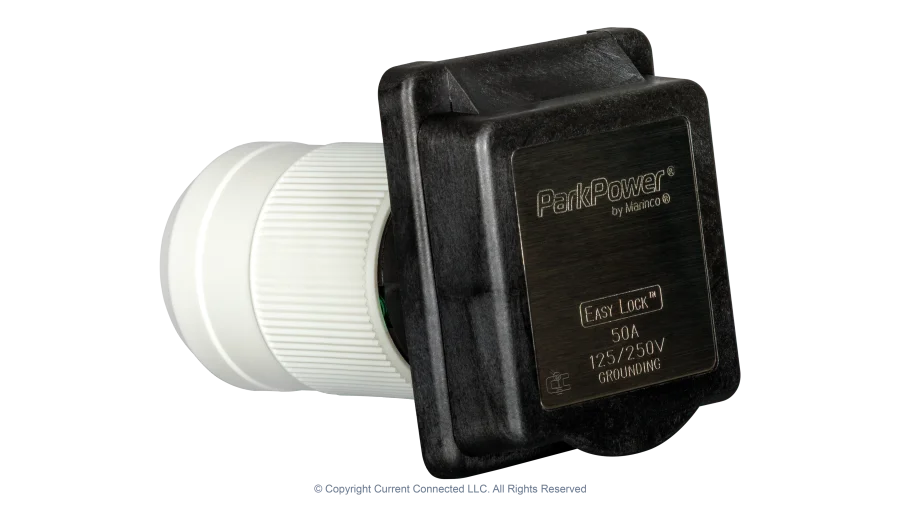
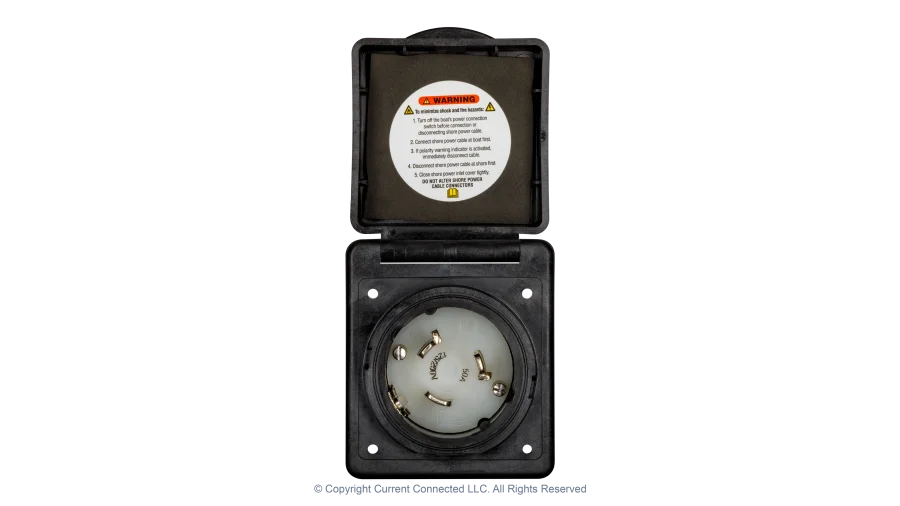
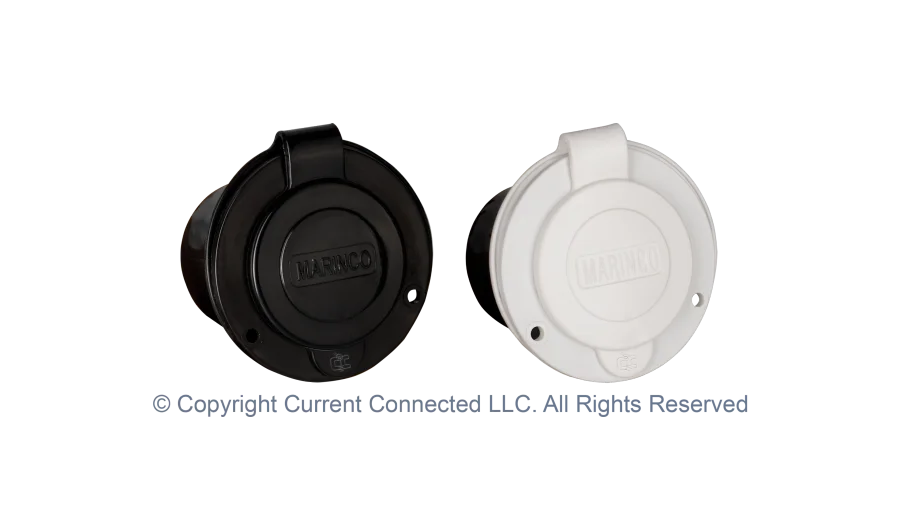
Marinco 15A 125V NEMA 5-15P Straight Blade Power Inlet, UV-Resistant Flanged Inlet for RVs, Boats, and Equipment Enclosures, Black or White
Permanent 15A power inlet for hardwiring a battery charger, inverter, or shore power connection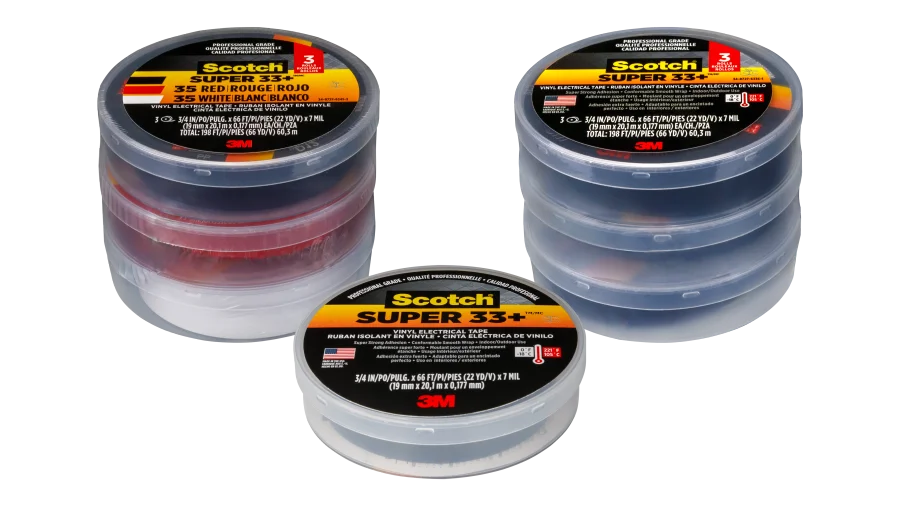
3M Super 33+ Electrical Tape, Choice of Multiple Colors or All Black Tape for Electrical Repairs
Pro-grade 3M tape in black or a whole range of colors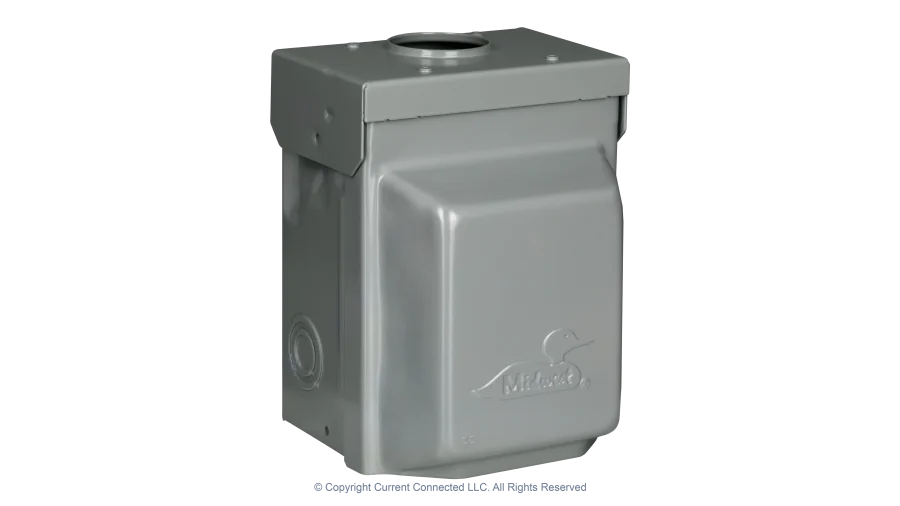
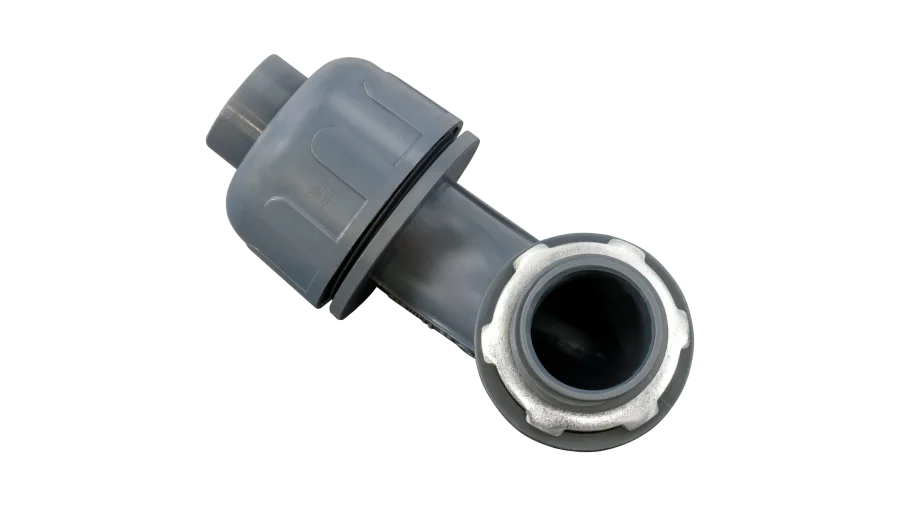
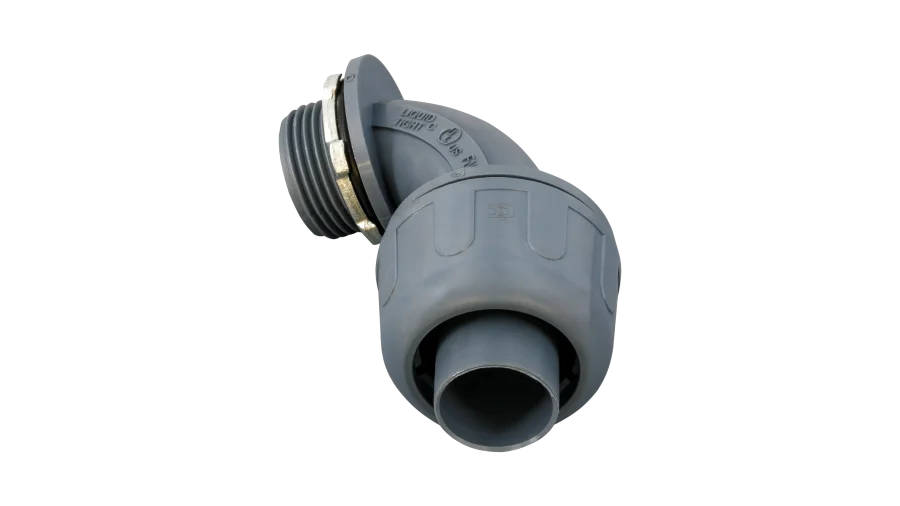
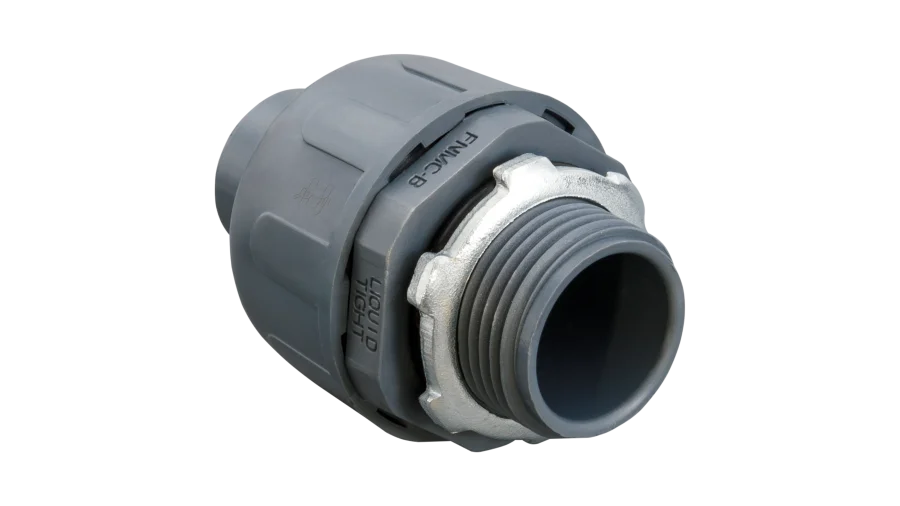
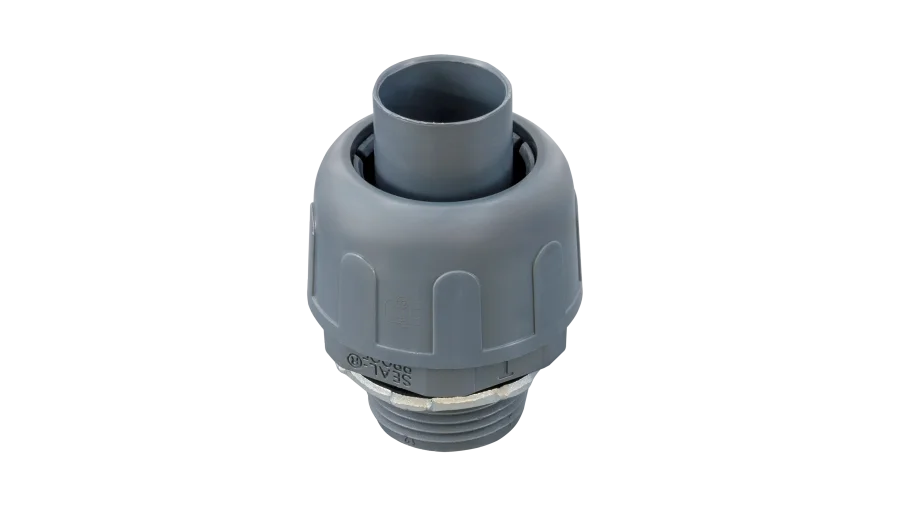
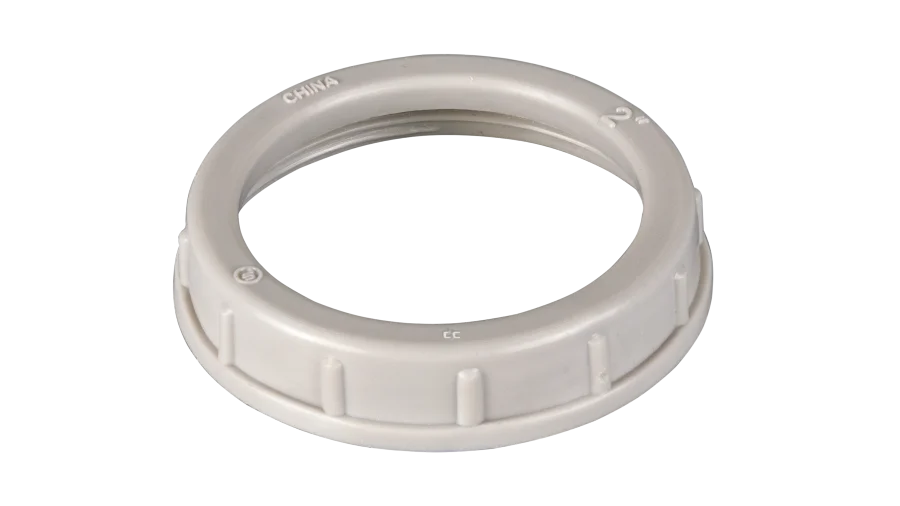
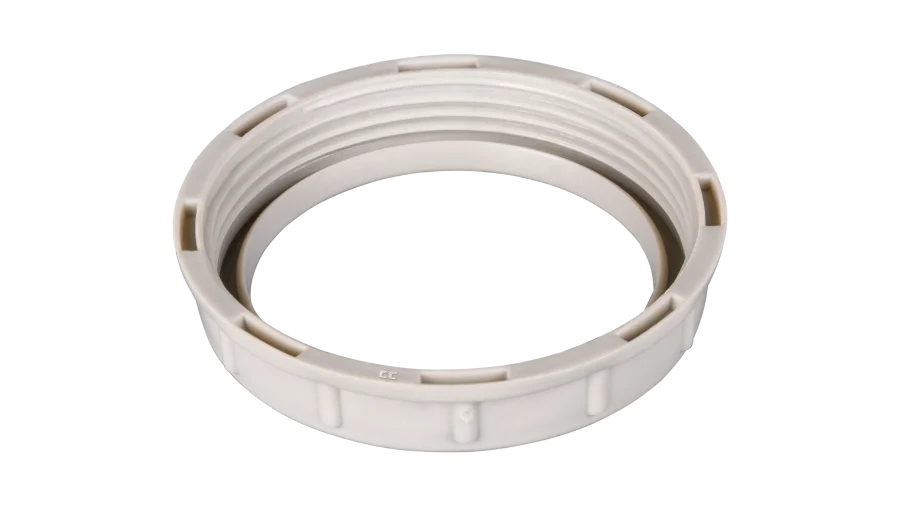
2" Rigid Plastic Insulated Bushing
A heat-tolerant thermoplastic 2-inch plastic bushing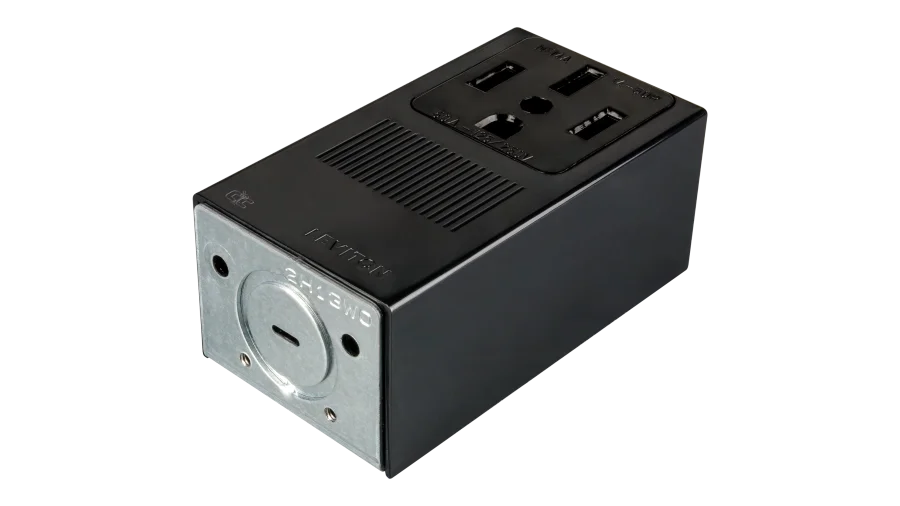
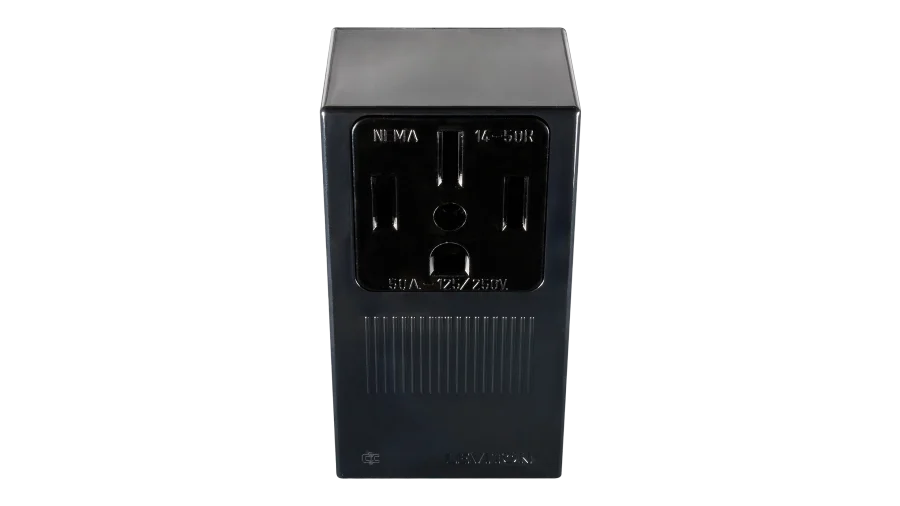
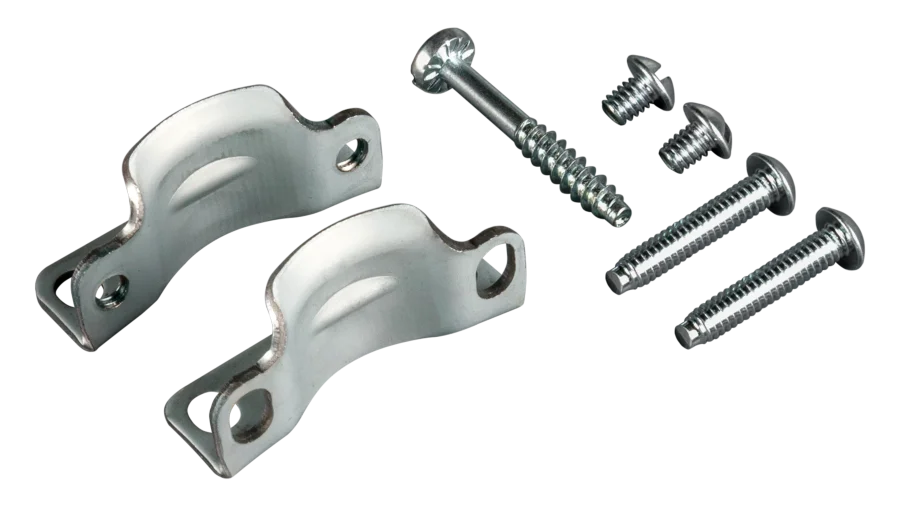
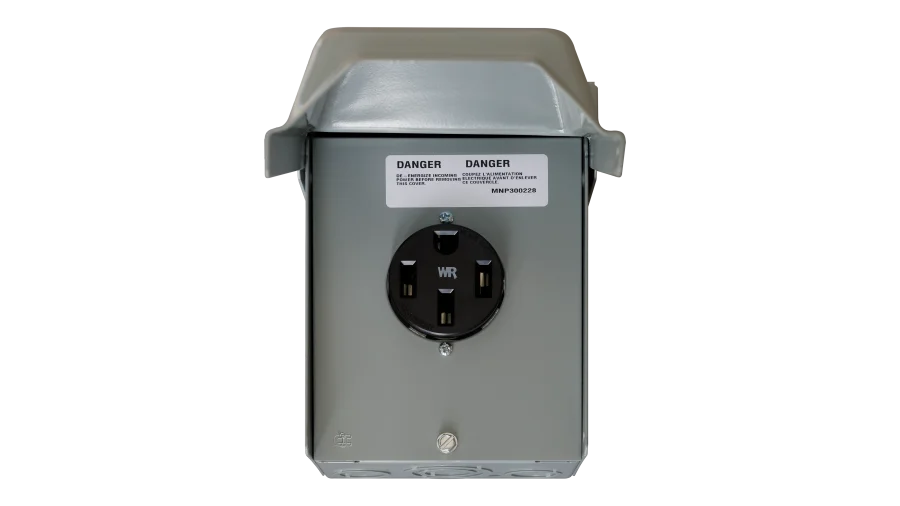
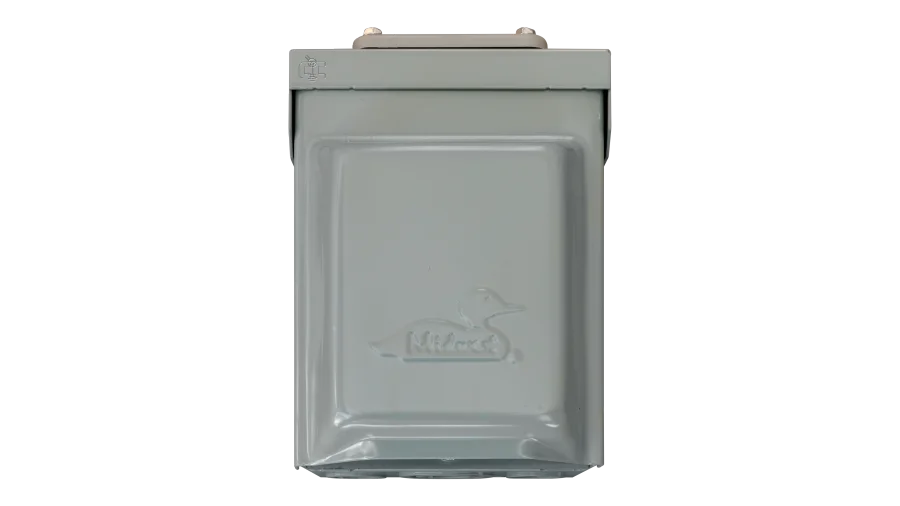
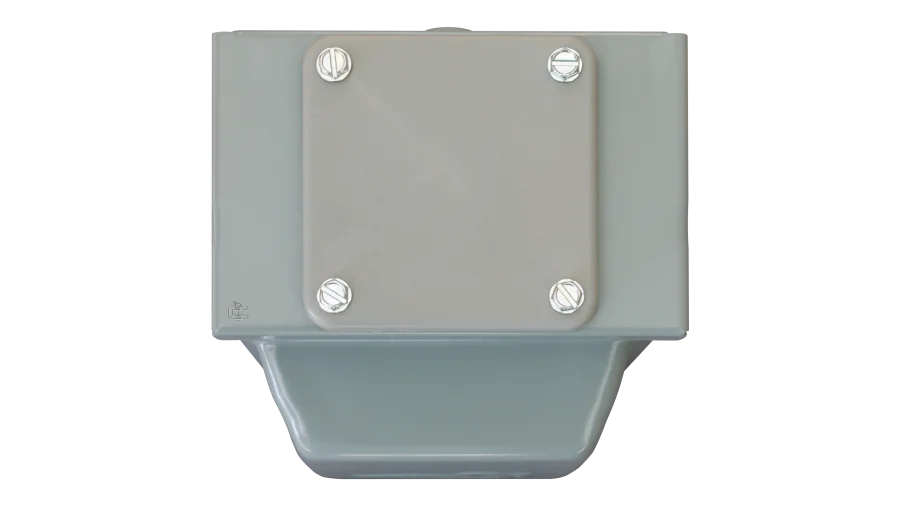
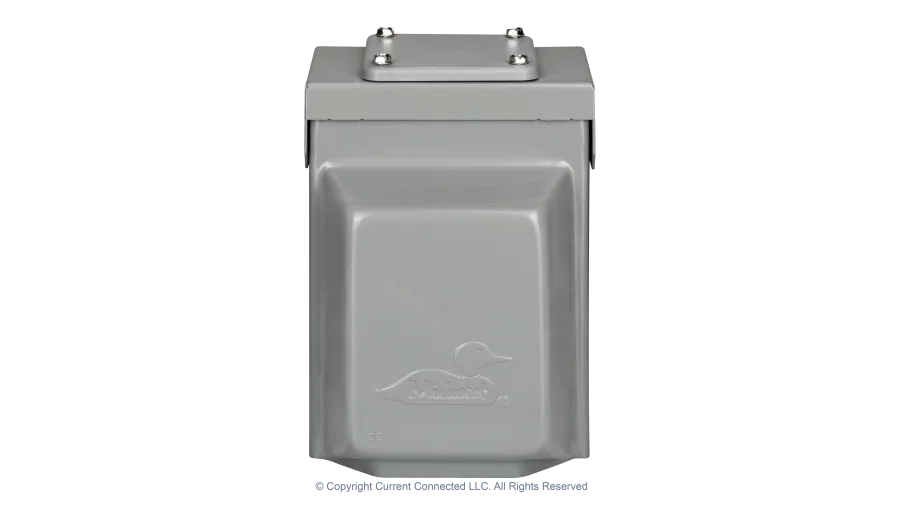
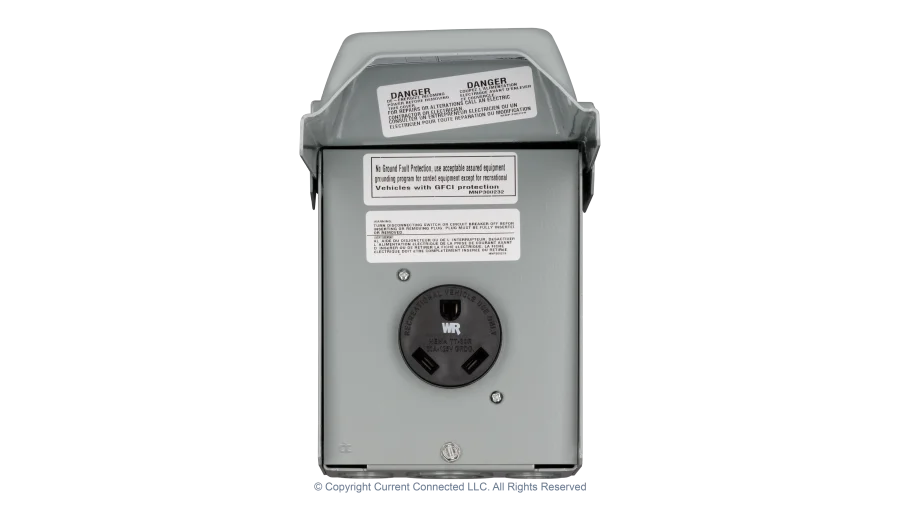
NEMA 14-50 RV Shore Power Outdoor Outlet
A 50A NEMA rated outdoor outlet for RVs and motorhomes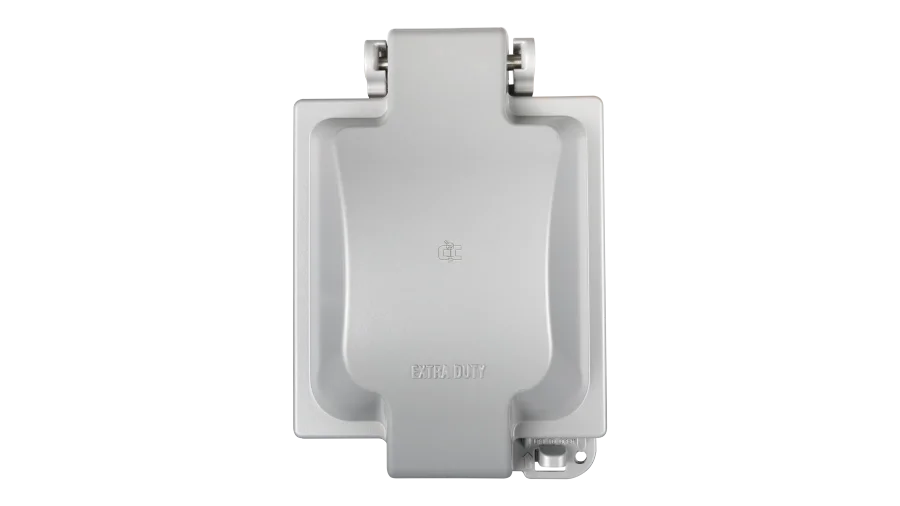
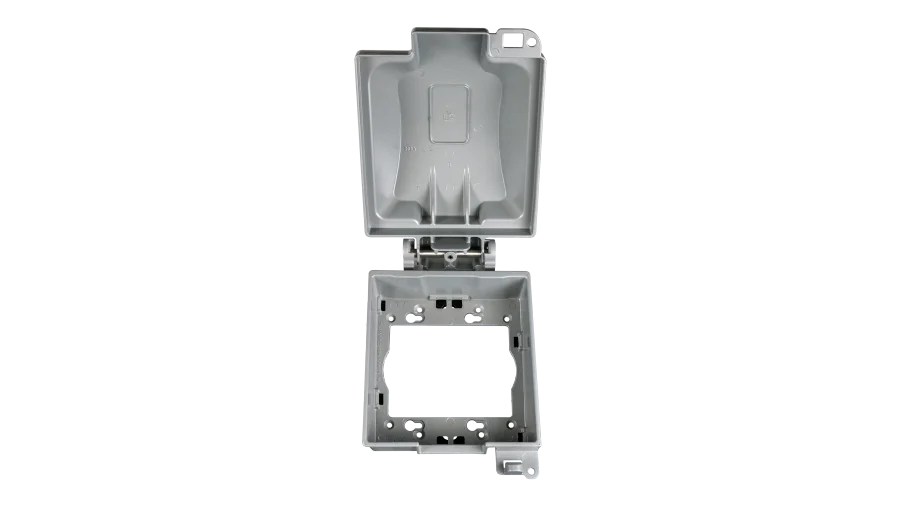
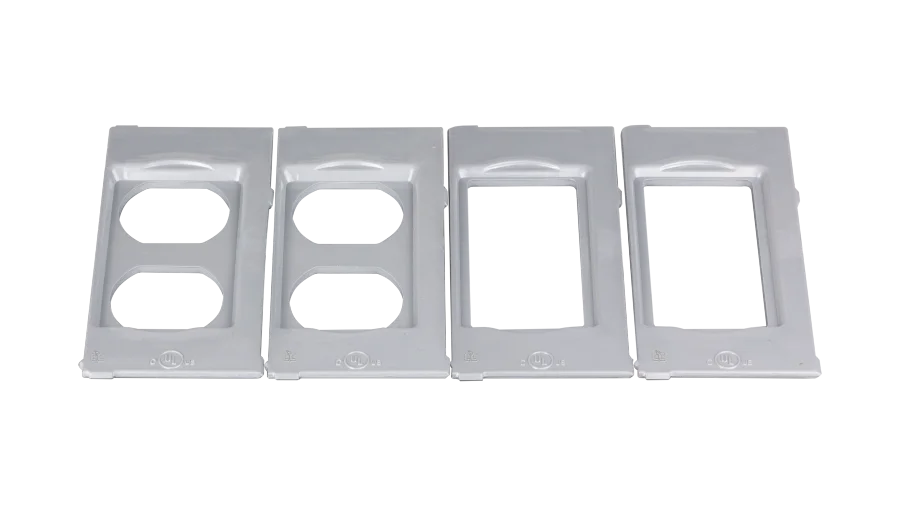
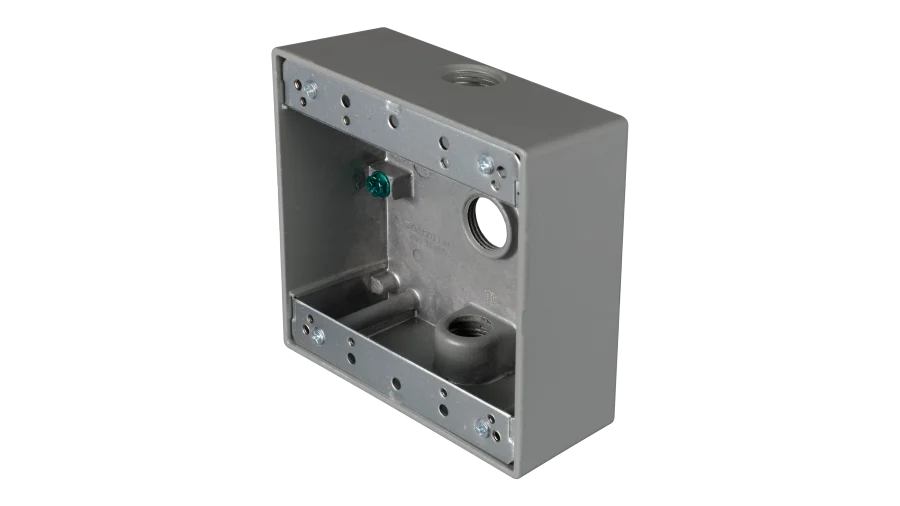
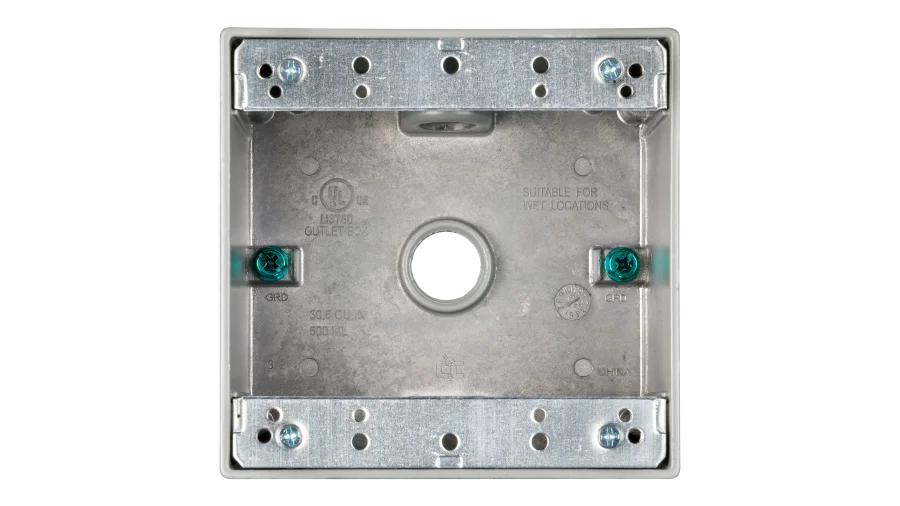
Outdoor Weatherproof Bell Box, Die-Cast Aluminum, 1-Gang and 2-Gang Options, 1/2" Threaded Conduit Outlets, NEMA 3R, Gray Powder Coat
For outdoor receptacles, switches, GFCIs, or junction use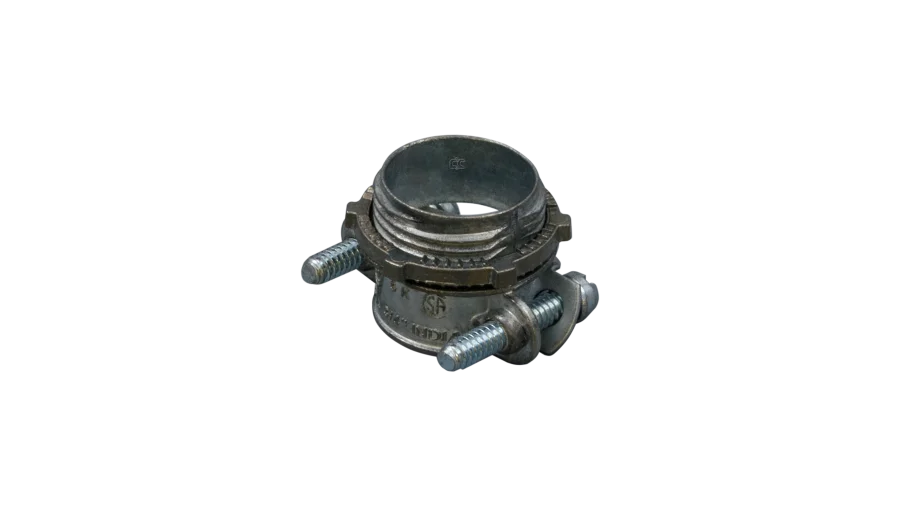
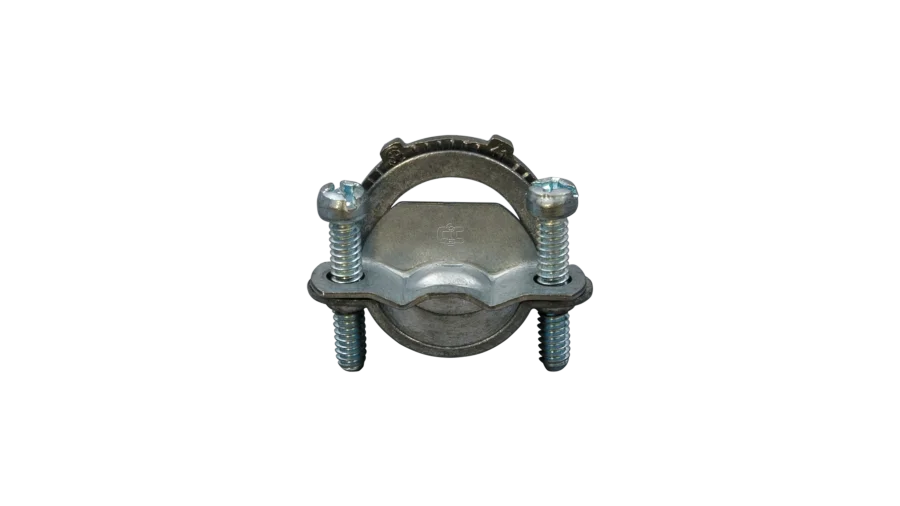
Twin-Screw Clamp Connector for Non-Metallic Cable, Zinc Alloy, Connects NM-B and Flexible Cord to Steel Enclosures
Secures Romex and flexible cord at steel box knockouts
How to Choose Electrical Fittings and Receptacles
1. Match Amps and Plug Style
Make sure the plug, receptacle, and cord all share the same amp rating and NEMA configuration. A 30A TT-30 RV plug won’t fit a 50A NEMA 14-50 outlet, and twist lock connectors lock in place for generators and shore power.
2. Go Weatherproof Outdoors
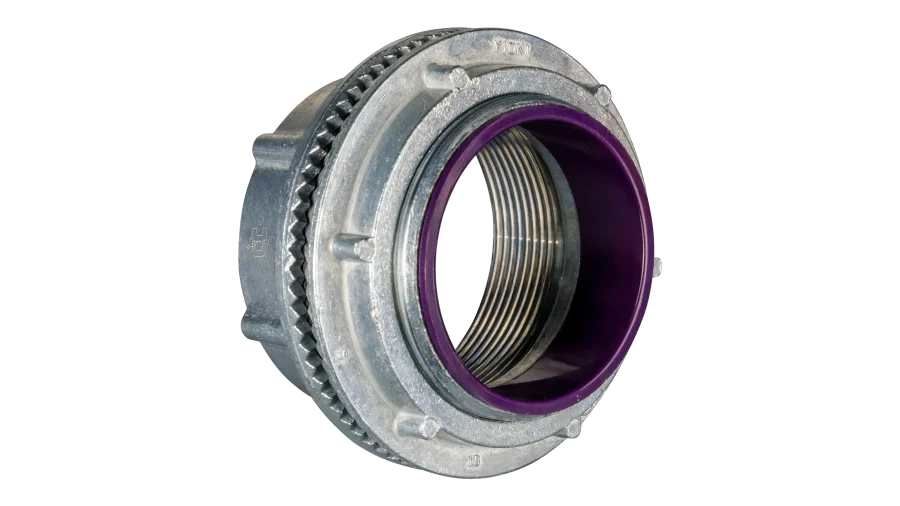
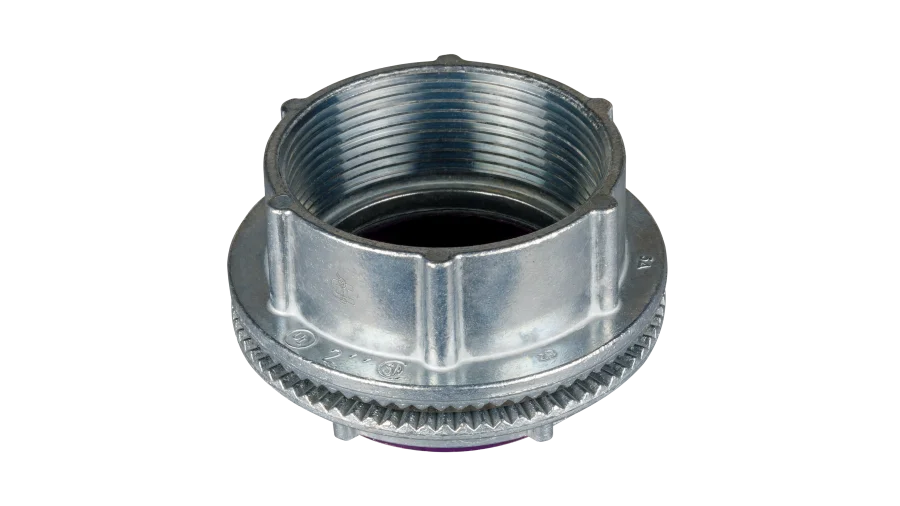
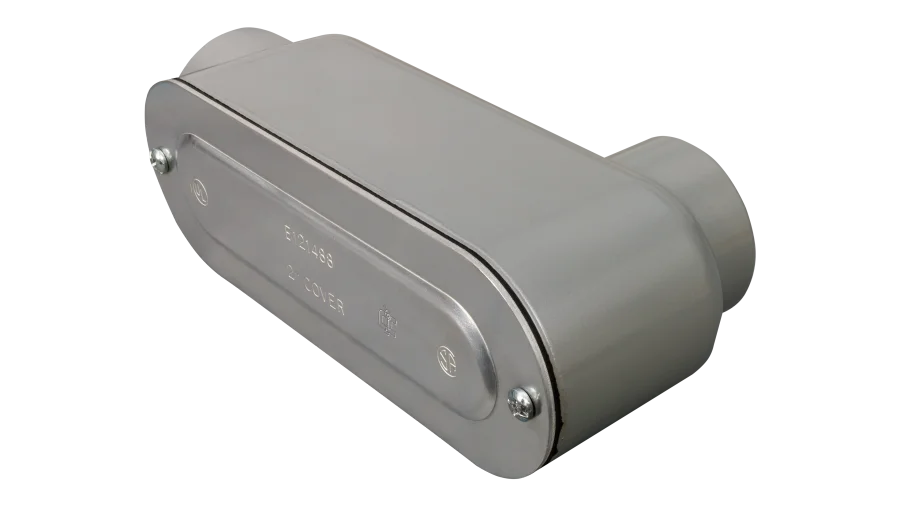
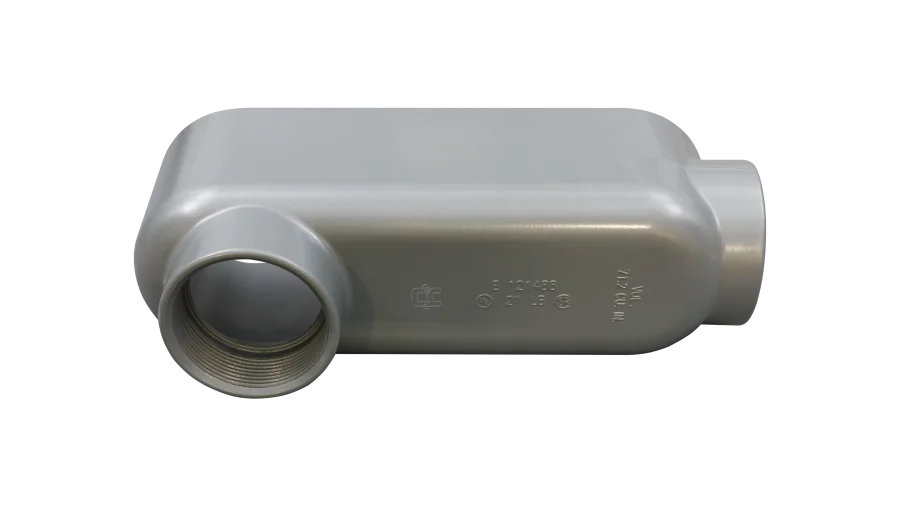
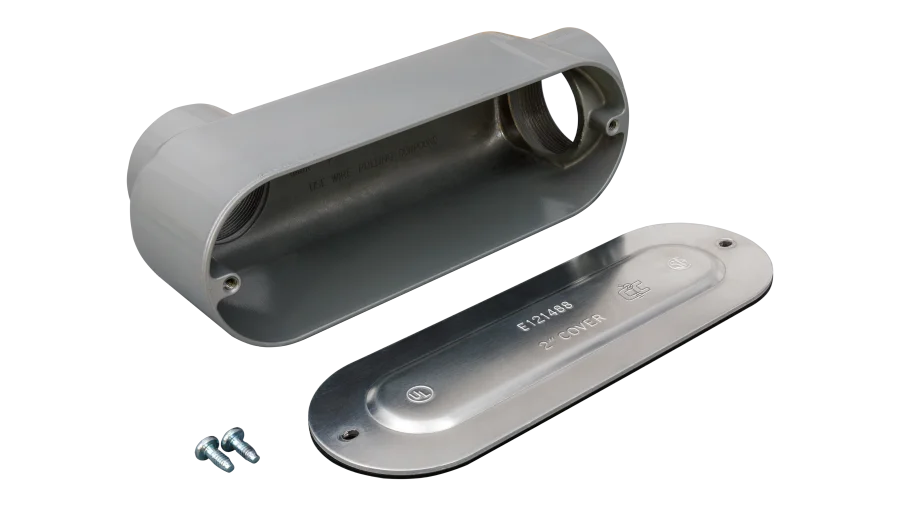
Outdoors, use weatherproof boxes, in-use covers, and liquidtight or rigid conduit fittings, and protect receptacles with GFCI where code requires it. The Type filter groups Boxes and Covers, Conduit and Fittings, and Plugs and Receptacles.
3. Finish the System
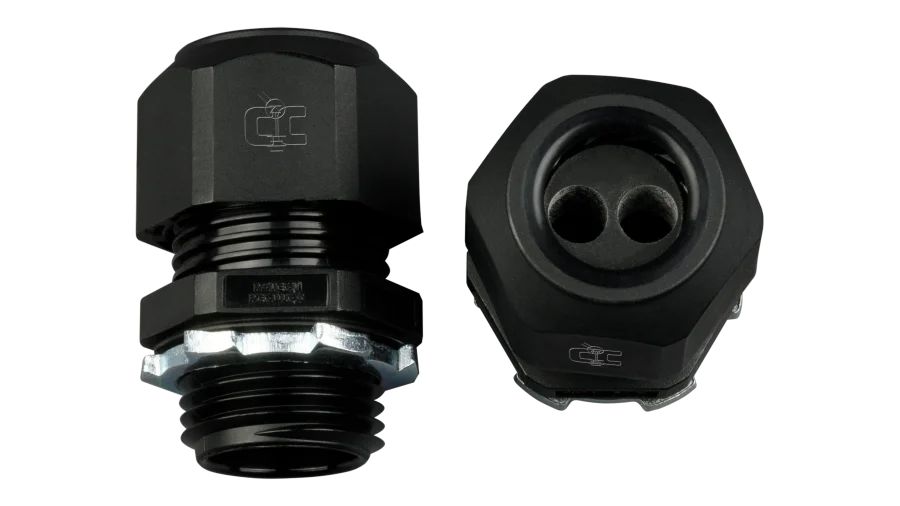
Pair your fittings with AC panels and breakers and PV wire and connectors, and keep good electrical tape and a few cable glands on hand for the finishing touches.
Electrical Fittings FAQ
A TT-30 is a 30A, 120V outlet used by many travel trailers. A NEMA 14-50 is a 50A, 120/240V outlet used by larger RVs and many EV chargers. Match the outlet to your RV’s power cord.
Code requires GFCI protection in wet and outdoor locations like bathrooms, kitchens, garages, and exterior outlets. A GFCI outlet cuts power in a fraction of a second if it detects current leaking to ground.
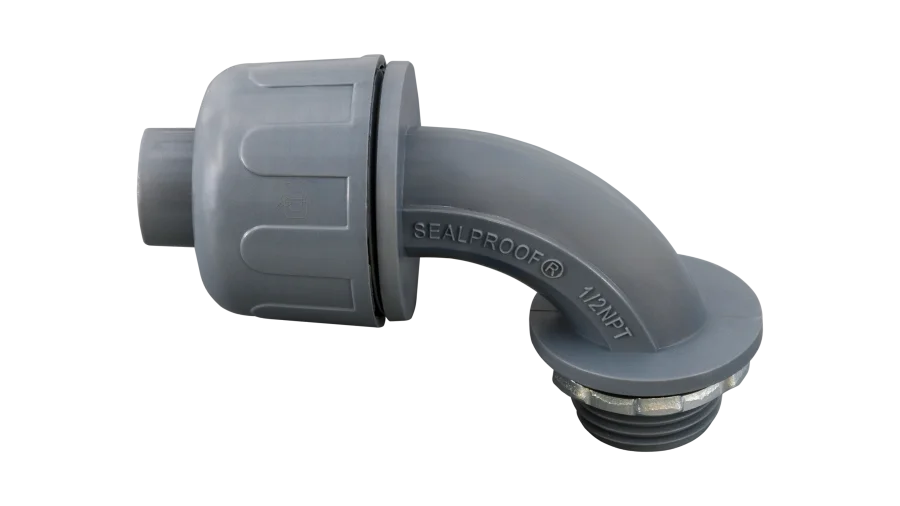
Liquidtight flexible conduit protects wiring in wet or outdoor locations where you need some flexibility, like connections to air conditioners, pumps, and inverters. Use liquidtight connectors made for your conduit type.