
Shop Solar-Ready Mini-Split Heat Pumps
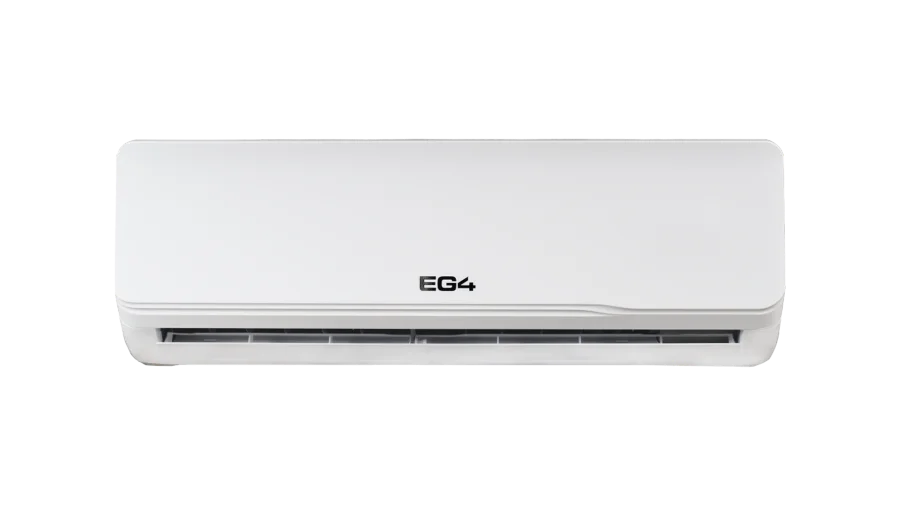
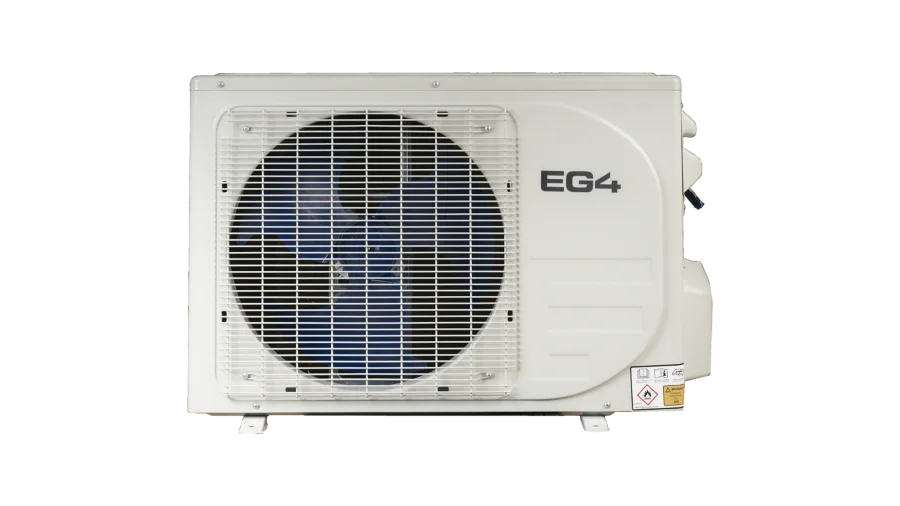
Heating and cooling are some of the biggest loads in any home, so an efficient heat pump makes a solar system go further. We carry EG4 mini-split heat pumps, including a hybrid AC/DC model that can run straight from solar panels.


EG4 BOSSBox Outdoor NEMA 3R Battery Enclosure, Weather Resistant Cabinet for EG4 WallMount Batteries
Get UL Certification and up to 48kWh in a single boxAsk About This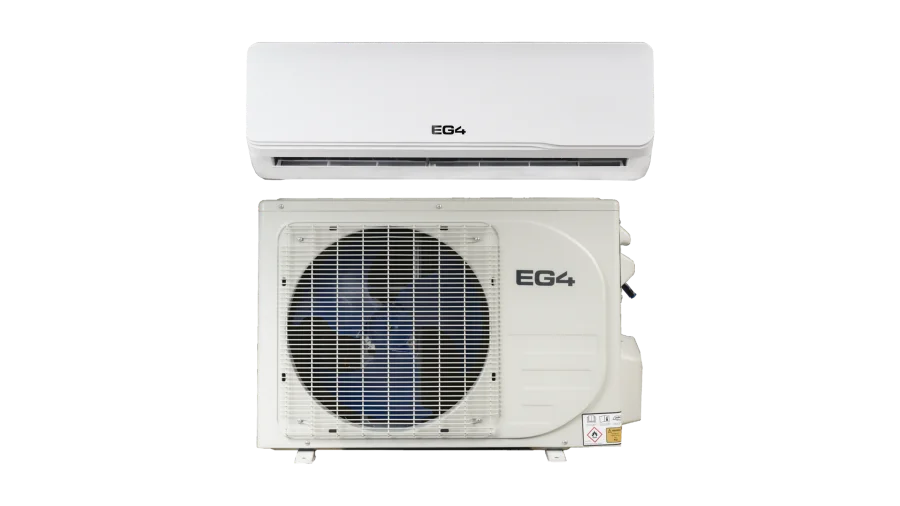
How to Choose a Solar-Ready Mini-Split
1. Choose AC or Hybrid AC/DC
The standard EG4 mini-split runs on AC power from the grid or your inverter. The hybrid AC/DC model also takes DC power directly from solar panels, so it can heat or cool during the day with less draw on your batteries and inverter.
2. Size by BTU
Mini-splits are rated in BTUs. A common starting point is about 20 BTU per square foot, adjusted up for high ceilings, big windows, or hot climates. For a more precise number, run a Manual J load calculation.
3. Plan the Installation
Mini-splits need a line set between the indoor and outdoor units, a dedicated circuit, and a condensate drain. Check the product page and manual for the line set length, electrical requirements, and tools you’ll need.
4. Power It With Solar
Pair your mini-split with solar panels, an inverter, and batteries sized for its running watts.
Mini-Split FAQ
Yes. Any mini-split can run from a solar-powered inverter sized for its load, and the EG4 hybrid AC/DC model can also take DC power straight from solar panels to cut down on battery and inverter use during the day.
Modern heat pumps keep heating well below freezing, though capacity drops as temperatures fall. Check the model’s rated operating range against your winter lows, and plan backup heat for the coldest climates.
It depends on size and conditions, but inverter-driven mini-splits ramp up and down instead of cycling on and off, so they often draw much less than their peak rating once a room is at temperature. Check the product page for rated watts and efficiency. Our appliance wattage tool shows how it fits with the rest of your loads.