
Shop MPPT Solar Charge Controllers for 12V, 24V, and 48V Batteries
Your charge controller decides how much of your solar harvest actually reaches the battery. We carry Victron SmartSolar and MidNite Solar MPPT controllers, from a 30A KID for an RV or cabin to 600V, 200A units built for 48V home systems.
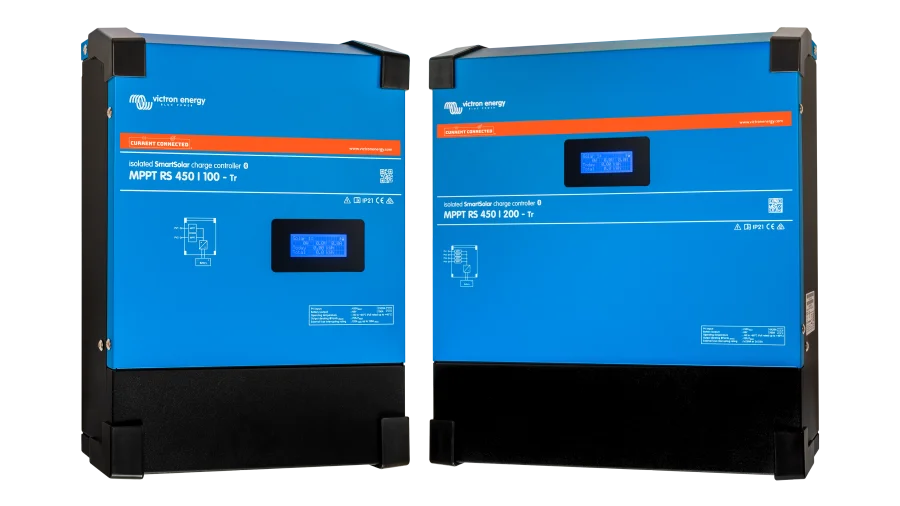
Victron Energy MPPT RS SmartSolar Charge Controller for 48V Lithium and Lead-Acid Batteries, 450V/100A, 450V/200A
Up to 11.52kW of solar with 450V of PV input headroom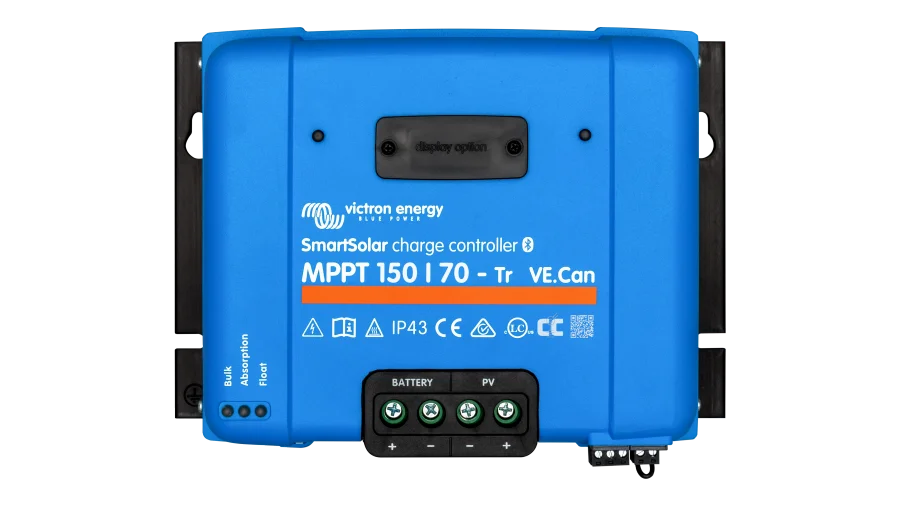
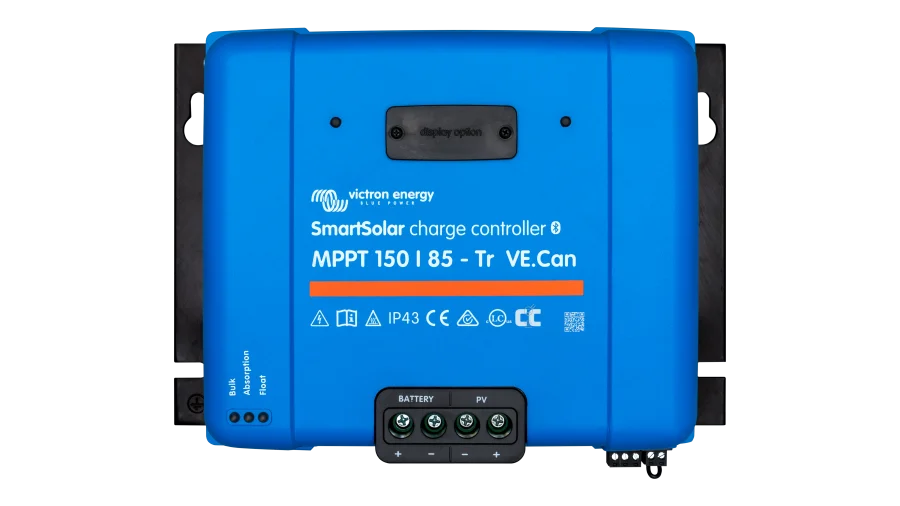
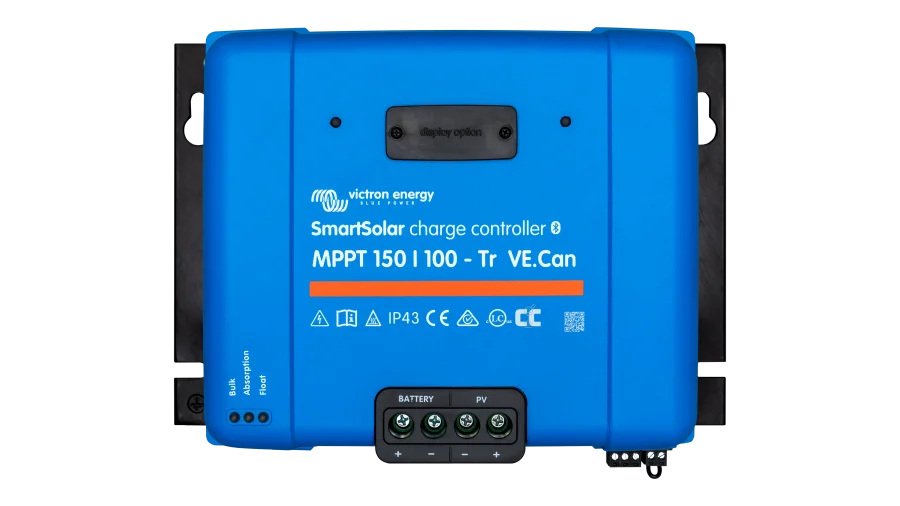
Victron Energy SmartSolar MPPT 150V, MPPT 250V TR VE.Can Charge Controller for Lithium and Lead-Acid Batteries
Big-array MPPT power for lead-acid, LiFePO4, and more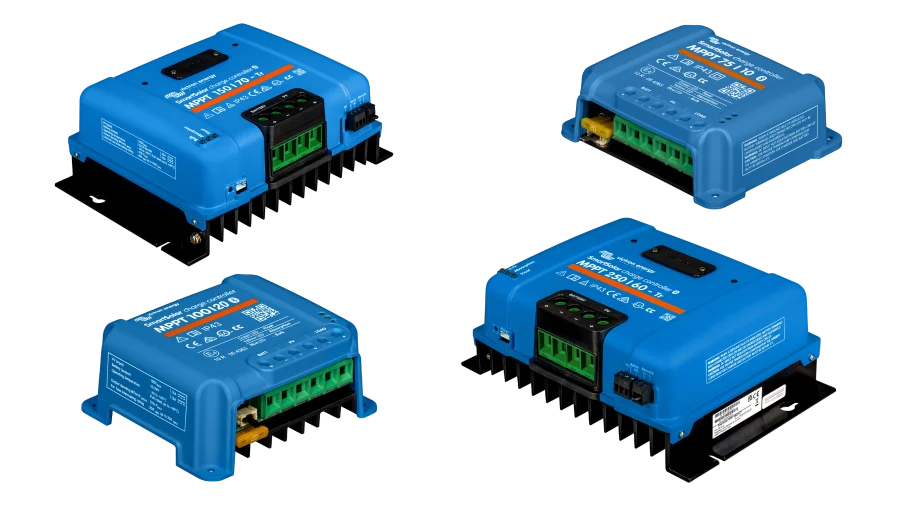
Victron Energy SmartSolar MPPT Charge Controller VE.Direct, 75V-250V Solar Input, 10A-70A Battery Charger
Squeezes every watt out of your panels and into your batteries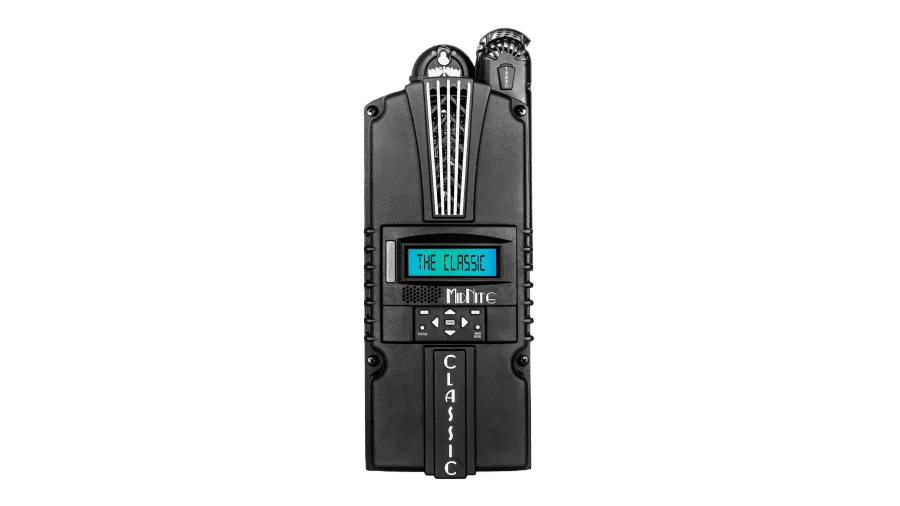
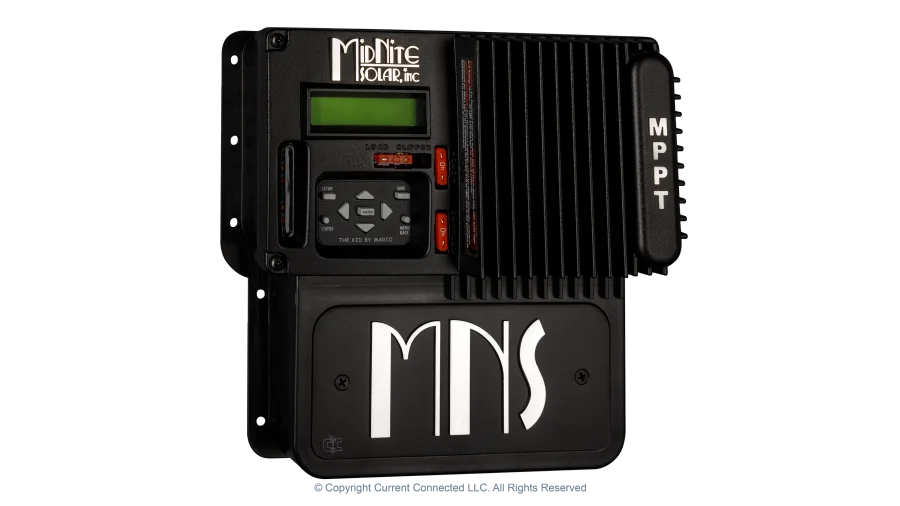
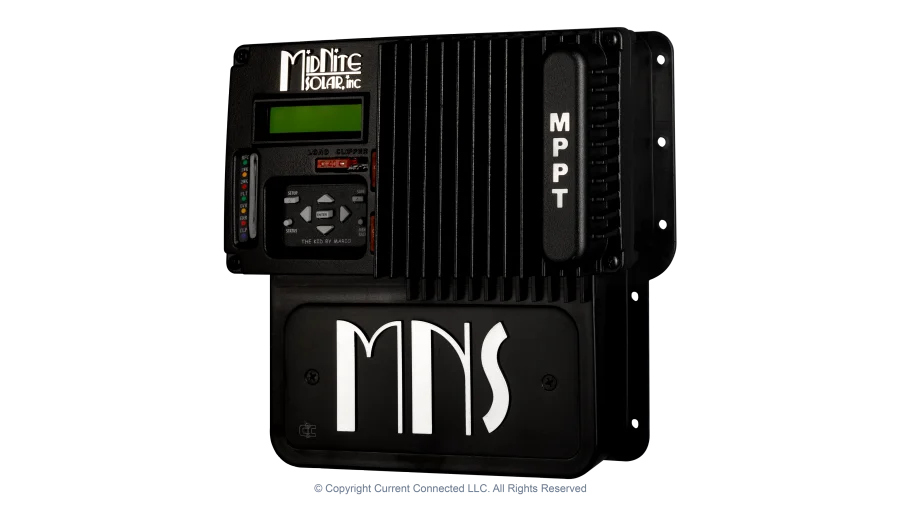
MidNite Solar Classic Charge Controller, Solar, Wind, and Hydro Input up to 150V-250V, Lithium and Lead-Acid Battery Charger
MidNite Solar's longest running charge controller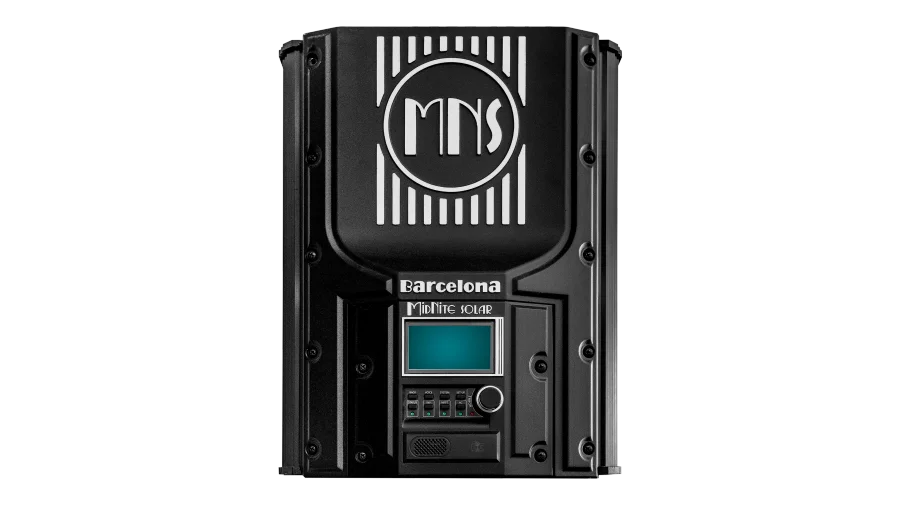
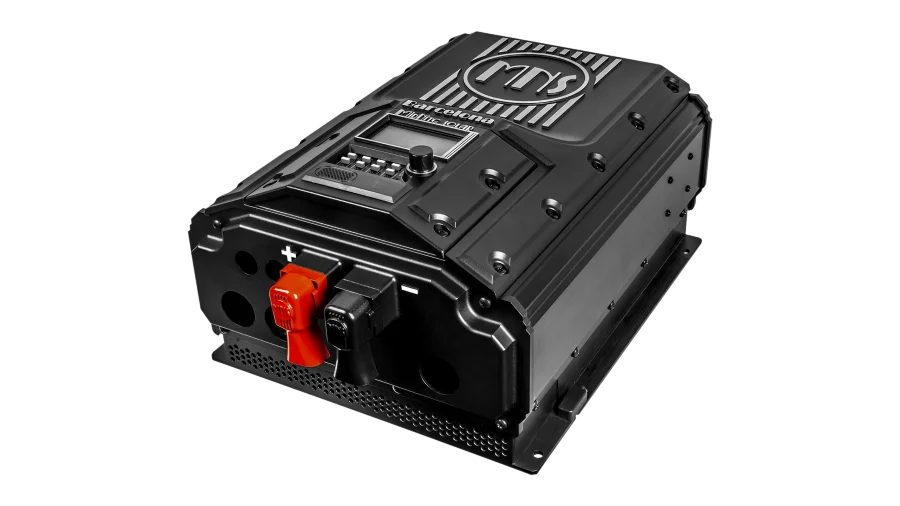
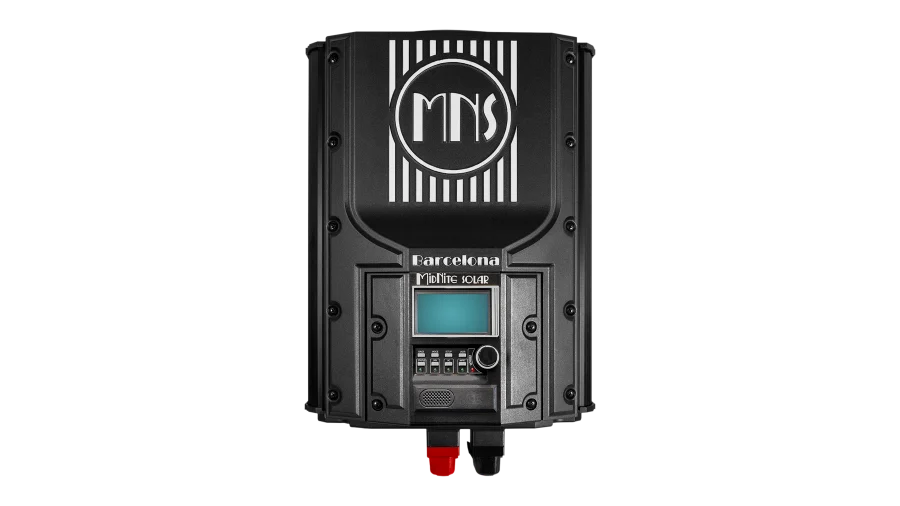
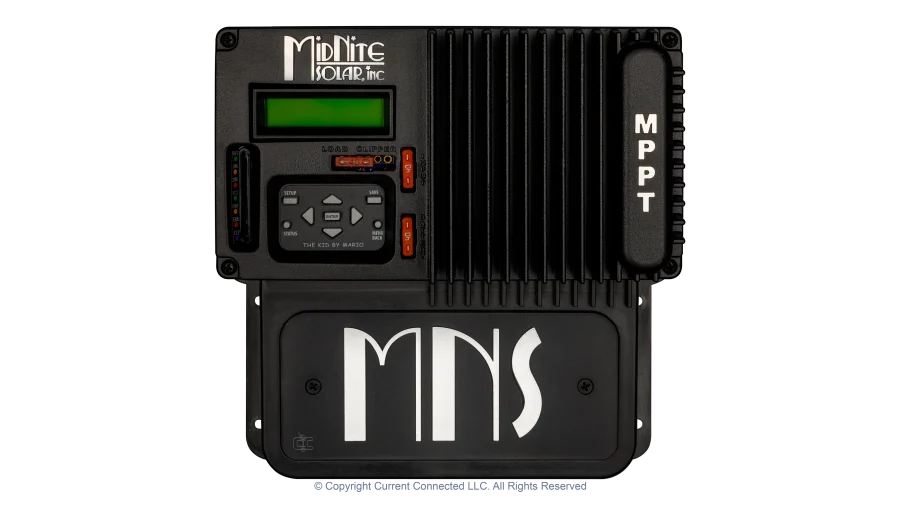
MidNite Solar Barcelona Solar Charge Controller, 200A Charge Controller for 48V Lithium and Lead-Acid Batteries, Pre-Wired or Standalone Components
A 185-500VDC charge controller, pairs great with the MidNite Rosie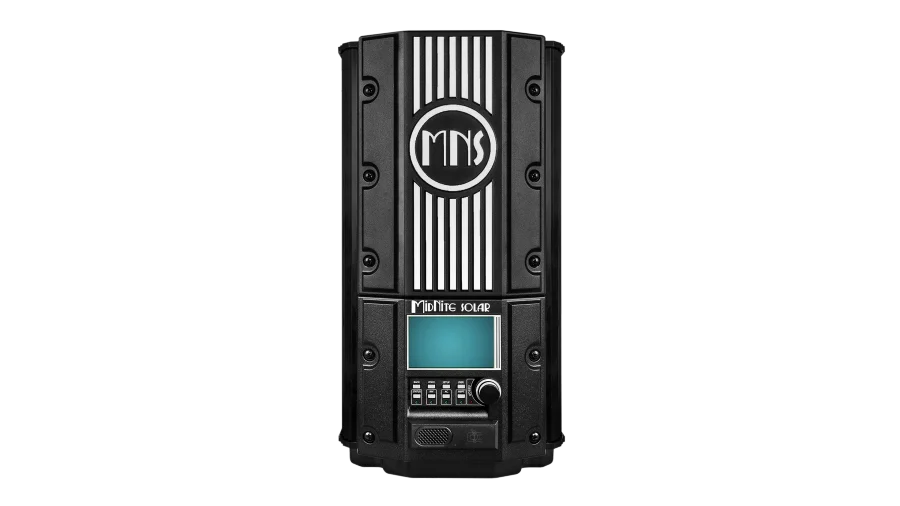
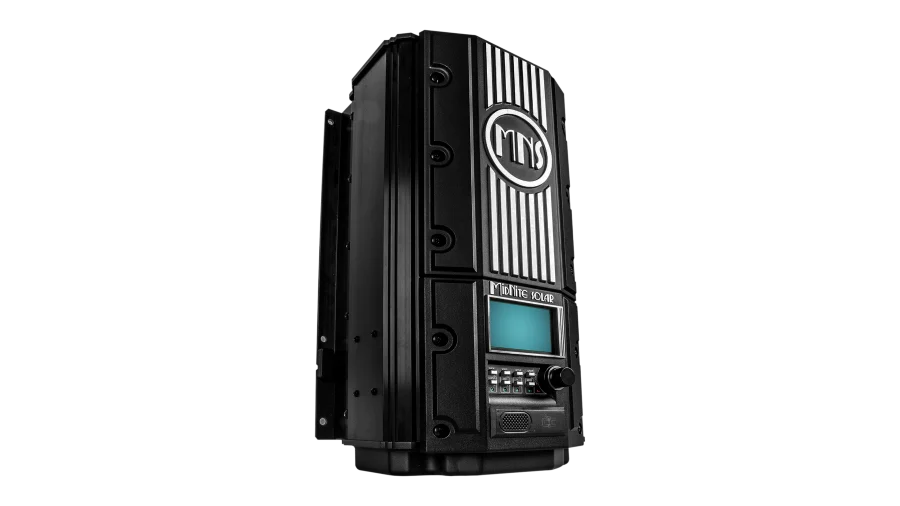
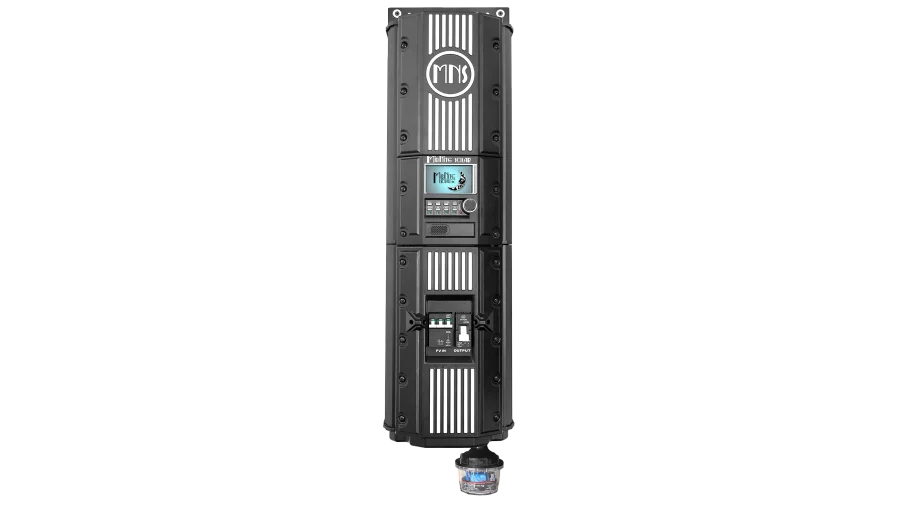
MidNite Solar Hawke's Bay Solar Charge Controller, 90A & 120A Charge Controller, Pre-Wired or Standalone
Up to 600VDC PV input, comes with battery overvoltage protection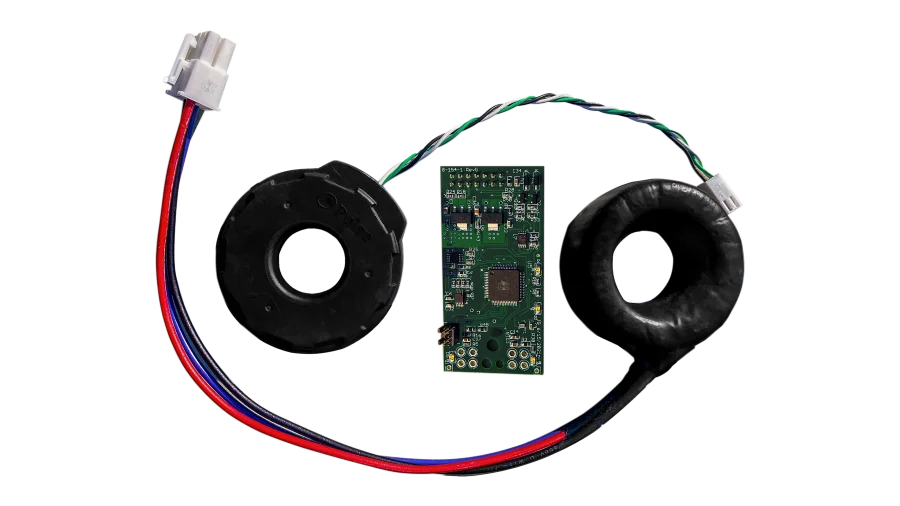
How to Choose an MPPT Charge Controller
1. Match Your Battery Voltage
Start with your battery bank and the Battery Voltage filter. The MidNite KID, MidNite Classic, and Victron SmartSolar 150V and 250V models work with 12V, 24V, 36V, and 48V systems. Most smaller SmartSolar 75V and 100V models are built for 12V and 24V. The Victron MPPT RS and the MidNite Barcelona and Hawke’s Bay are made for 48V banks like our LiFePO4 server rack and wall mount batteries.
2. Check Your Max PV Voltage (Voc)
The first number in a controller’s rating, like 150V or 250V, is its max PV voltage, and it’s what the Max PV Voltage (Voc) filter sorts by. Add up the open-circuit voltage (Voc) of the solar panels you plan to wire in series and leave headroom for cold mornings, because panel voltage rises as the temperature drops. Going over the limit can permanently damage the controller. Our guide to sizing a charge controller walks through the cold-weather math step by step.
Higher-voltage controllers, like the 450V Victron MPPT RS and the 600V MidNite Barcelona and Hawke’s Bay, let you run longer strings at lower current, which means smaller wire over longer distances.
3. Size Your Battery Charge Current
The second number, like 70A or 100A, is the most current the controller can push into the battery, and it’s listed in the Battery Charge Current filter. For a quick estimate, divide your array wattage by your battery voltage: 1,200W of panels on a 24V bank works out to about 50A. Bigger arrays can be split across multiple controllers charging the same bank. Still sizing your array? Here’s how many solar panels you need.
Victron and MidNite both offer free sizing calculators that check your array against each controller, and they’re worth a few minutes before you buy.
4. Pick a Brand for Monitoring
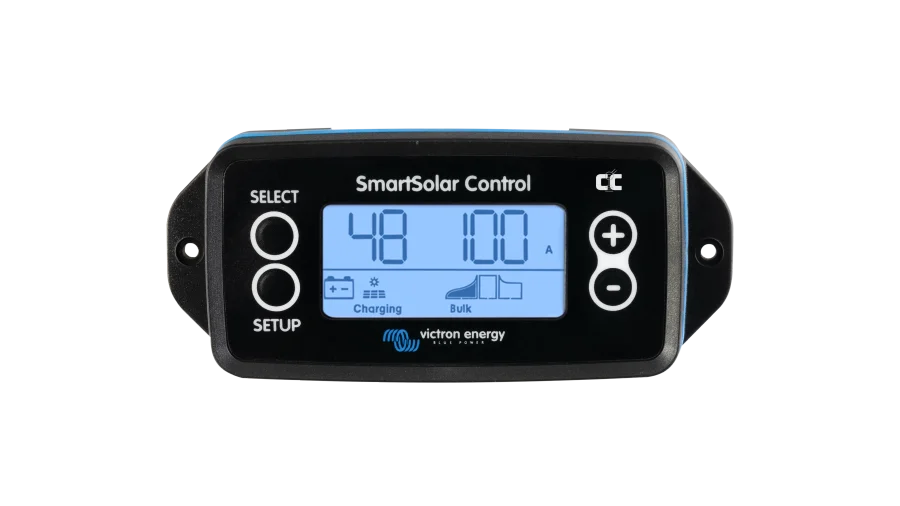
Use the Brand filter to stay in one ecosystem. Victron SmartSolar controllers have Bluetooth built in for the VictronConnect app, plus VE.Direct or VE.Can ports for a GX device and communication cables. The MidNite Classic has a built-in display, and the Barcelona and Hawke’s Bay include the MNGP2 display with CANBUS communication to other MidNite gear. Add a battery monitor if you want a state of charge reading you can trust.
5. Don’t Forget Protection
Every controller needs overcurrent protection and a way to disconnect it on both the PV side and the battery side. Shop PV combiners and DC disconnects and DC fuses and breakers to finish the system, and follow your local electrical code.
Lightning strikes and nearby surges can take out a charge controller in an instant. A MidNite Solar surge protective device (SPD) acts as a lightning arrestor, clamping voltage spikes on the PV input before they reach your controller. They’re made in the USA, rated Type 4X for outdoor mounting, and available for DC systems up to 600V and AC systems up to 300V.
MPPT Charge Controller FAQ
A PWM controller ties the array directly to the battery, so panel voltage gets pulled down to battery voltage and the extra is wasted. An MPPT controller converts that extra voltage into more charging current, which can mean up to 30 percent more harvest, especially on cold days or with higher-voltage panels. That’s why every controller we carry is MPPT.
Usually not. All-in-one and hybrid inverters from EG4 and Sol-Ark have MPPT chargers built in. A separate controller makes sense when you want more solar than the inverter’s PV input can handle, when you’re building a DC-coupled system around a Victron MultiPlus or Quattro, or when you’re charging a battery bank with no inverter at all.
Yes. Every controller here supports lithium and lead-acid charging. Set the charge voltages to your battery manufacturer’s specs. If your battery’s BMS can communicate with your controller through a GX device or a compatible bus, the battery can tell the controller exactly how to charge it.
Yes. Running several controllers on one bank is a common way to add panels on different roof faces or grow a system over time. Victron controllers coordinate through a GX device, and MidNite controllers can share information over their communication bus. Just size the battery wiring and overcurrent protection for the combined current of every controller.
The MidNite Classic is designed to accept solar, wind, and hydro input. Victron SmartSolar controllers are designed for solar panels only. Wind and hydro setups also need a way to shed excess power, like a diversion load, so plan for that before you connect a turbine.