
Pytes V16 vs. EG4 WallMount 314Ah AllWeather: Outdoor 16kWh Batteries Compared
Pytes V16 vs. EG4 314Ah AllWeather: two heated, outdoor-rated 16kWh LiFePO4 wall batteries compared on cold charging, mounting, UL 9540 and warranty terms.
The Pytes V16 and the EG4 WallMount 314Ah AllWeather are built for the same job: about 16kWh of 48V storage that can live outside. On paper they look like twins. Both are 51.2V, 314Ah, heated, sealed against weather and dust, and usually priced close to each other.
We carry both, and the real differences show up after installation: how each one handles a cold morning, how it mounts, which inverters it talks to, what listings it carries for your permit, and how the warranty is written. Here’s how they compare.
Pytes V16 vs. EG4 314Ah AllWeather at a Glance
Capacity
51.2V, 314Ah, 16.07kWh
51.2V, 314Ah, 16kWh
Weather rating
IP66, C4-M corrosion class
IP67
Max continuous charge
200A
157A
Max continuous discharge
200A
200A
Peak discharge
300A for 15 seconds
12.8kW for 3 seconds
Charging temperature
32 to 131°F
32 to 122°F
Discharging temperature
-4 to 131°F
-4 to 131°F
Heater
500W, on at 41°F, off at 59°F, runs on charge power
448W, on at 32°F, off at 37°F
Mounting
Hangs on a wall bracket; optional ground base
Stands on its feet with a wall bracket
Included battery cables
2/0 AWG, 78.7 in, lugged and ready to land
2/0 AWG, two 39.4 in sets, bare ends
Size (H x W x D)
27.6 x 27.1 x 10.2 in
34.6 x 21.7 x 9.3 in
Weight
288 lb
309 lb
Max in parallel
16 batteries (256kWh); more with the Pytes hub
32 batteries; 7 or more need an external busbar
Communication
CAN, RS485, RS232, dry contact; WiFi stick sold separately
CAN, RS485; WiFi and Bluetooth built in
Fire safety
Built-in aerosol fire suppression
Internal fire arrestors
Listings
UL 1973, UL 9540 Ed.3, UL 9540A, CEC, SGIP
UL 1973, UL 9540 Ed.3, UL 9540A
Rated cycle life
8,000 cycles at 90% DoD
10,000 cycles at 80% DoD
Warranty
10 years, 8,000 cycles or 98.34 MWh; 70% capacity guaranteed
10 years or 10,000 cycles; prorated credit
Cold-Weather Charging: How the Heaters Differ
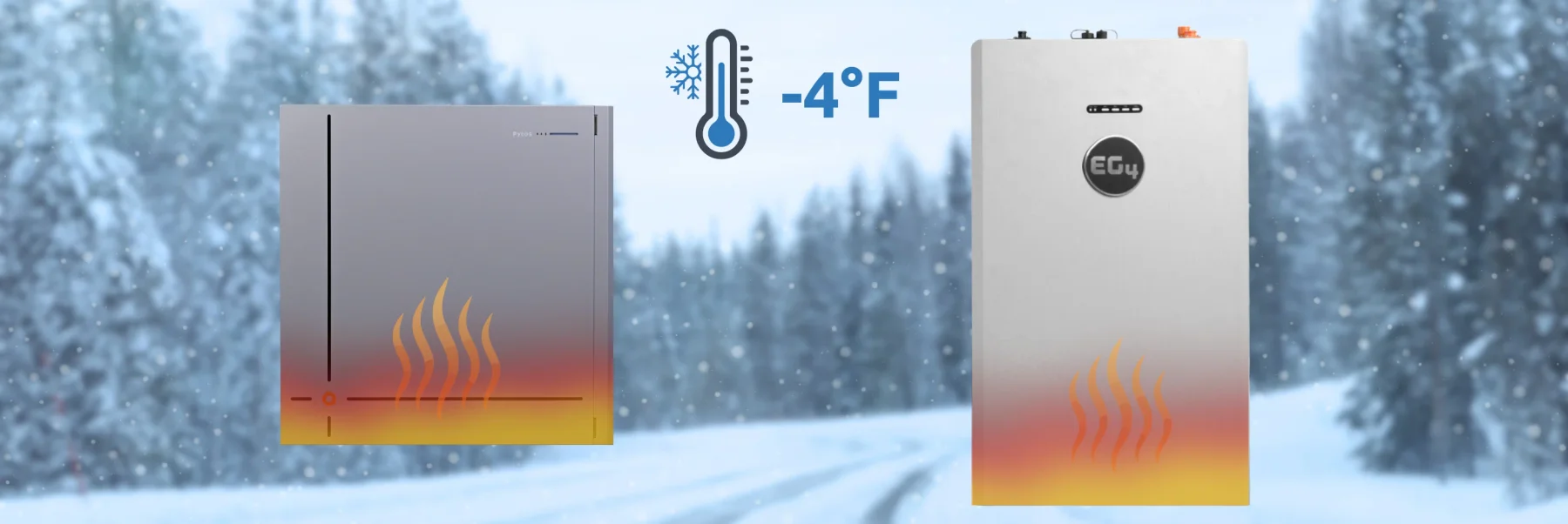
Lithium iron phosphate cells can’t take a charge below freezing, so both batteries block charging until the cells are above 32°F. Both keep powering your loads down to -4°F. The built-in heater is what gets the cells warm enough to charge again, and this is where the two batteries differ the most.
Pytes V16
The 500W heating film switches on at 41°F and runs until the pack reaches 59°F, so the cells get a buffer before they ever hit the charging limit. Pytes rates the heater for ambient temperatures as low as -0.4°F. It only runs while a charge source (solar, grid or a generator) is connected, so it won’t spend stored energy keeping itself warm overnight.
EG4 314Ah AllWeather
The 448W heater switches on at 32°F and shuts off at 37°F, holding the cells just above the charging limit. EG4’s documentation doesn’t say whether the heater draws from the battery itself or from incoming charge power.
Whichever you choose, the first part of a cold morning’s charge goes to warming the cells before it goes into storage. Installing the battery in a garage or shed instead of on an exposed wall cuts the time spent heating.
Heat matters too. The Pytes accepts a charge up to 131°F, while the EG4 stops charging at 122°F, which gives the Pytes more headroom on a hot wall in the desert Southwest. Pytes’ manual recommends a spot out of direct sun, rain and snow, and EG4 says to keep the battery where it won’t get wet, so a sheltered wall or an eave pays off with either one.
Mounting and Installation
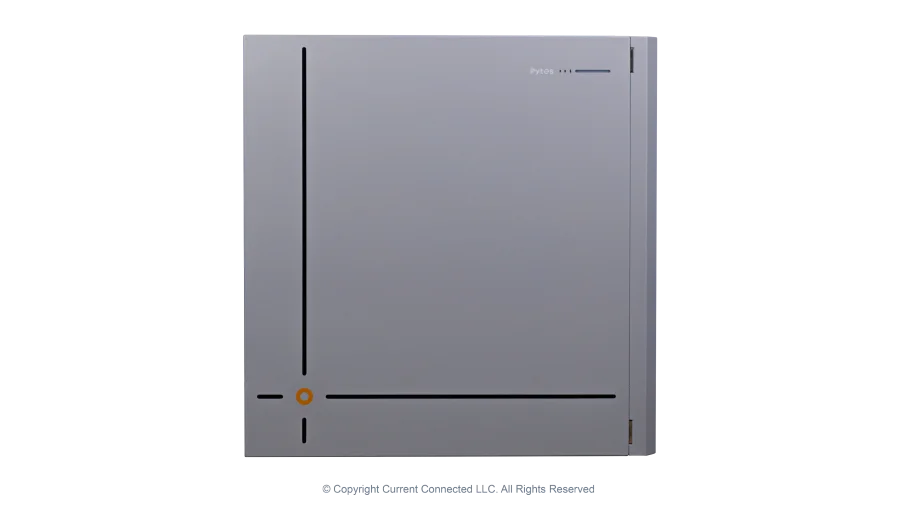
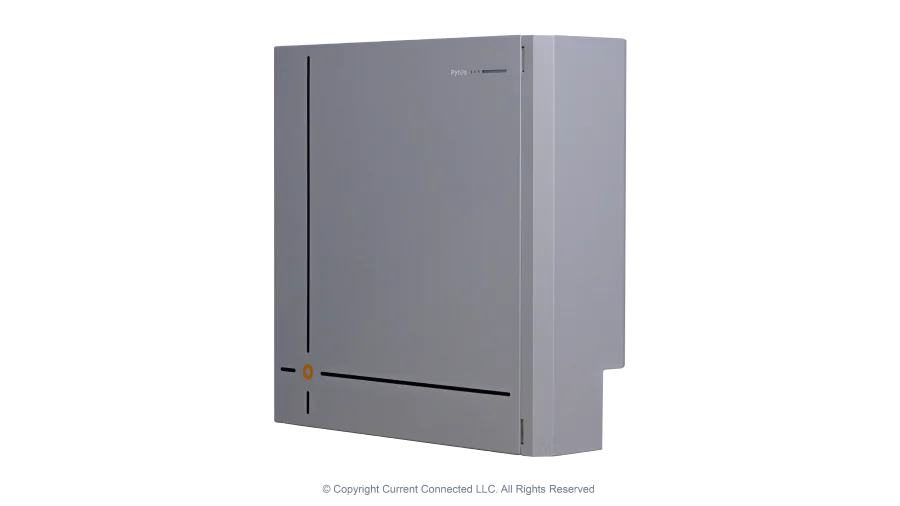
Pytes V16: hangs on the wall
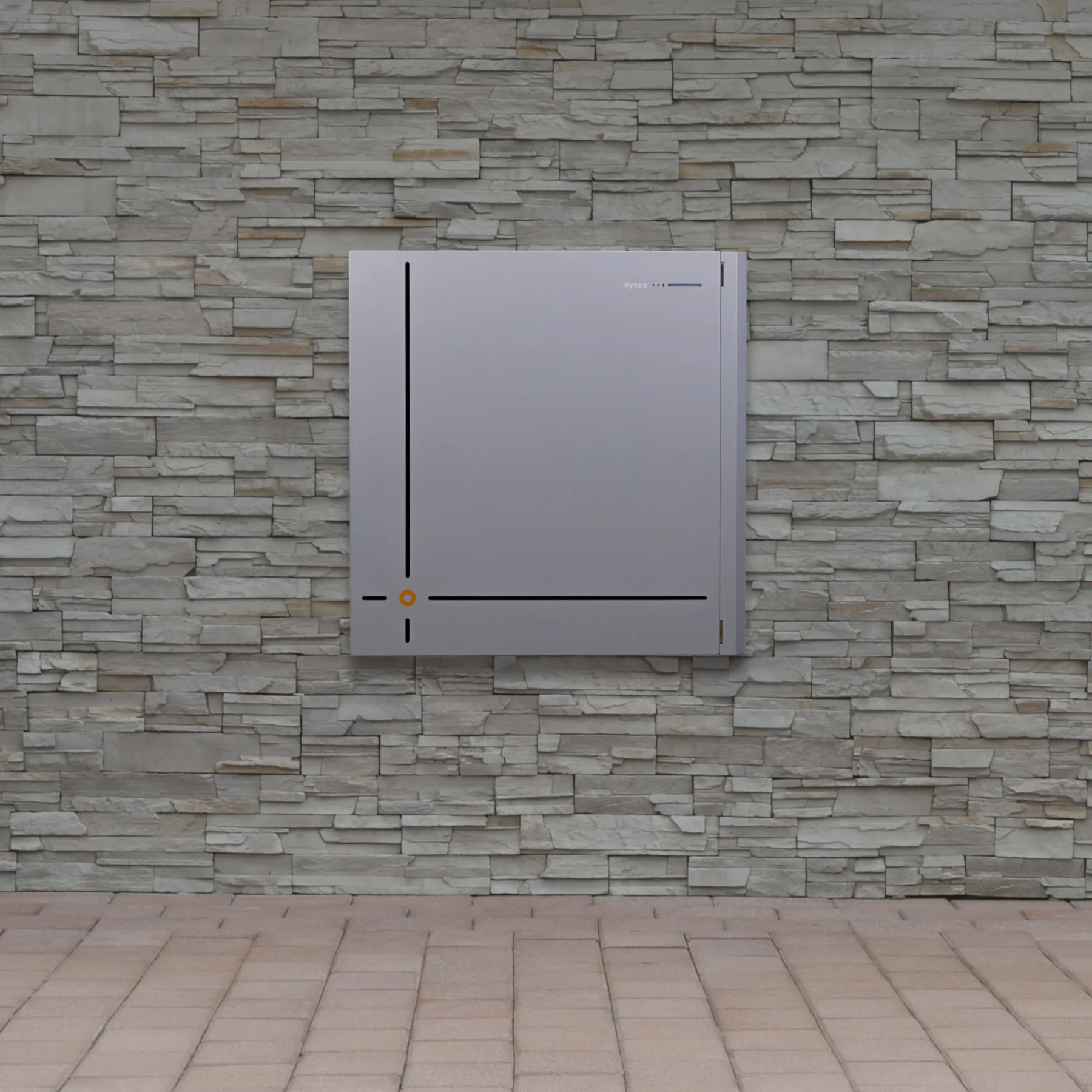
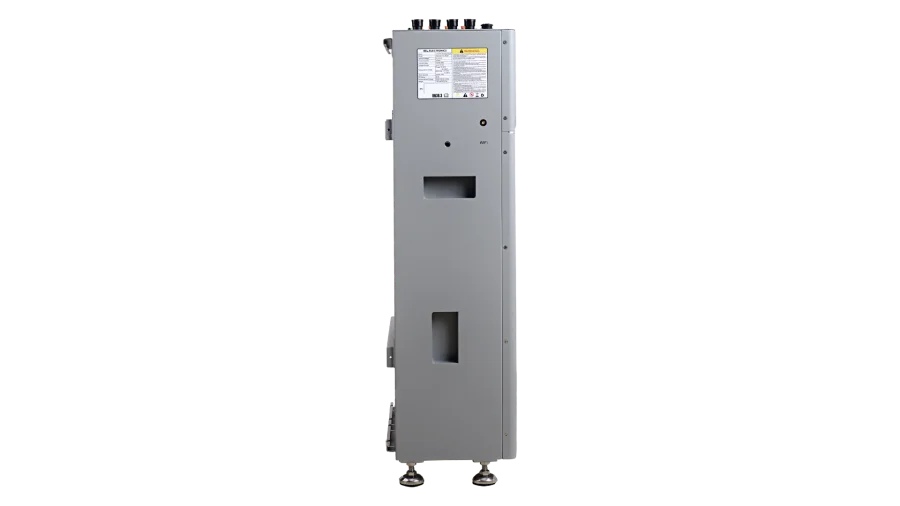
All 288 lb hang on a steel wall bracket held by eight M8 anchors, so the wall and its fasteners carry the full weight. If your wall can’t, Pytes sells a separate ground base that lets the V16 stand on the floor. The cabinet is wide and squat at 27.6 in tall, 27.1 in wide and 10.2 in deep. Pytes asks for about 20 in (0.5 m) between the battery and the inverter.
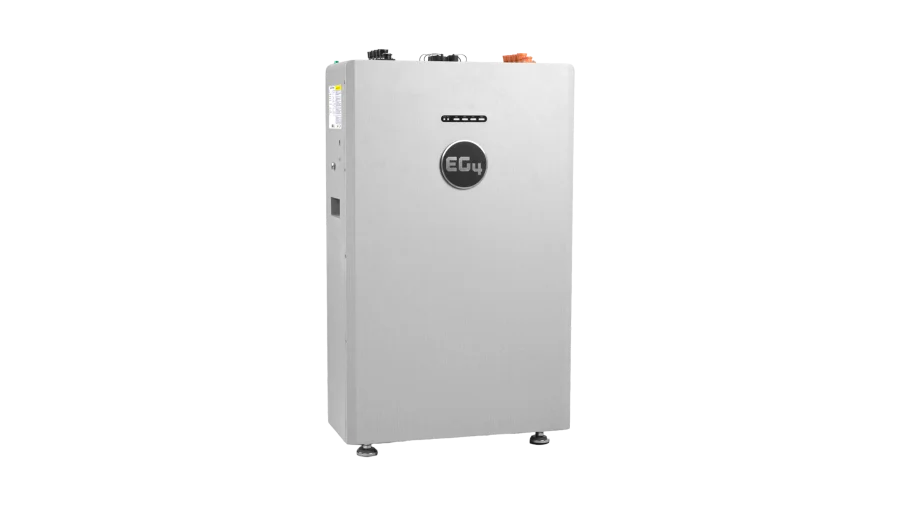
EG4 314Ah AllWeather: stands on its feet
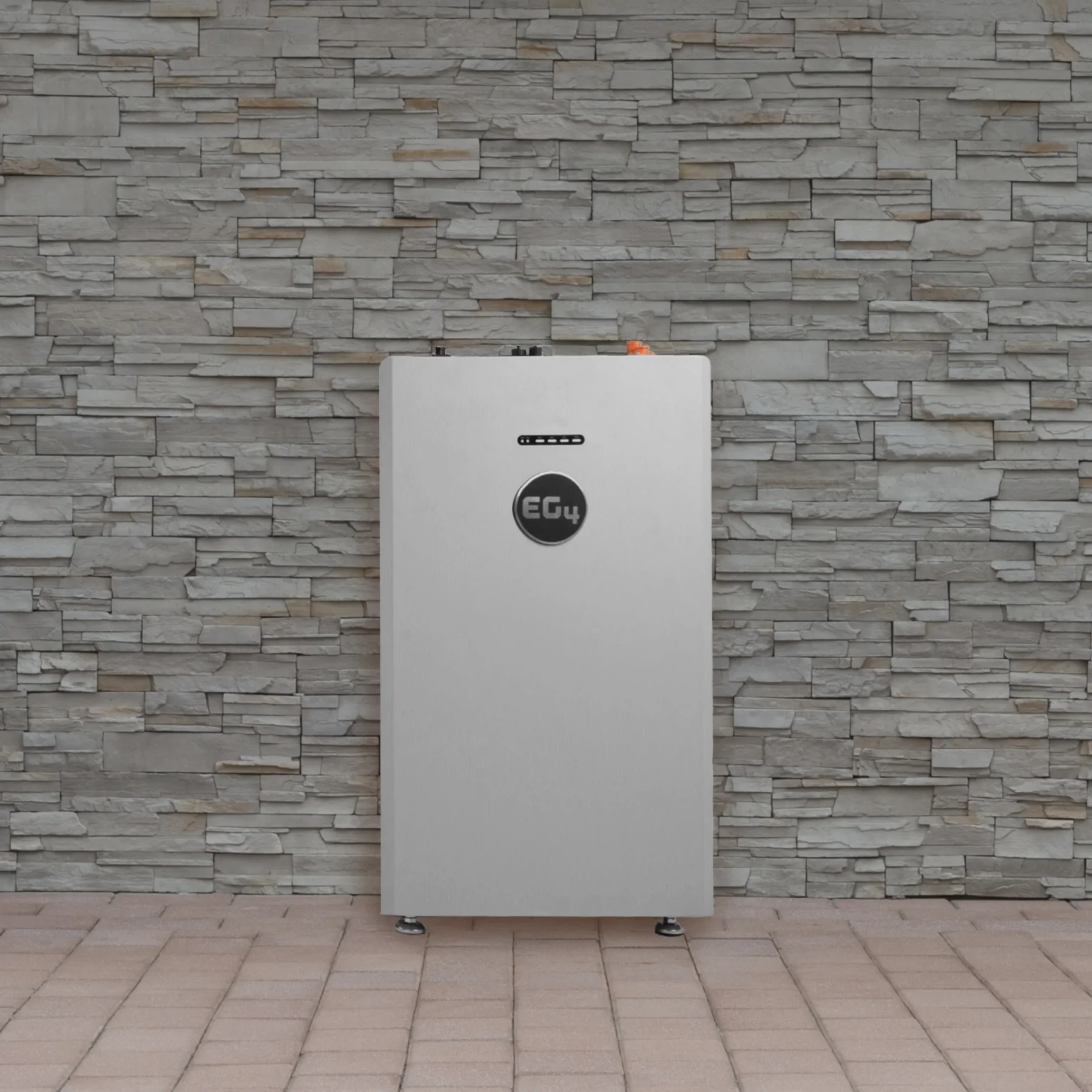
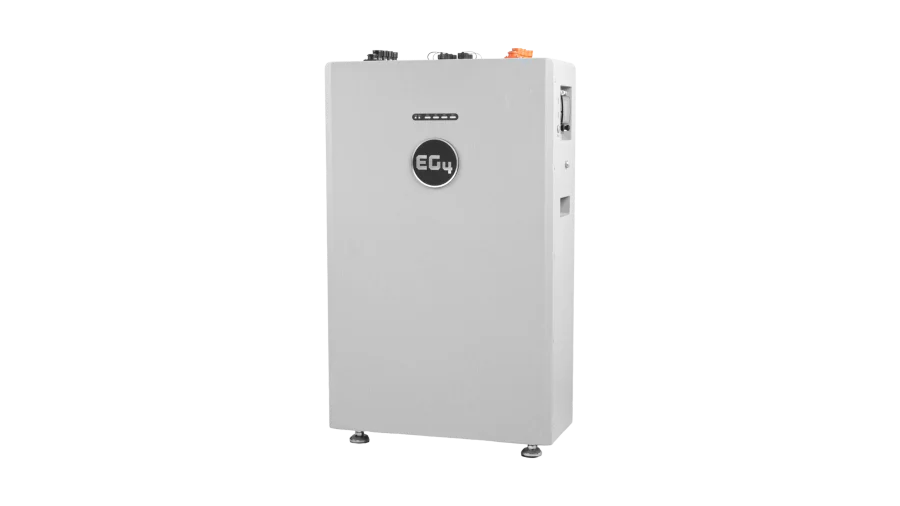
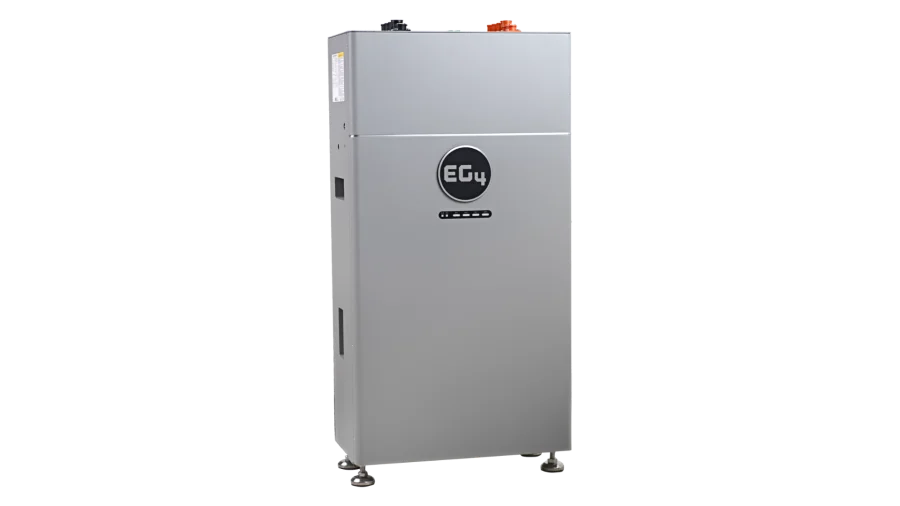
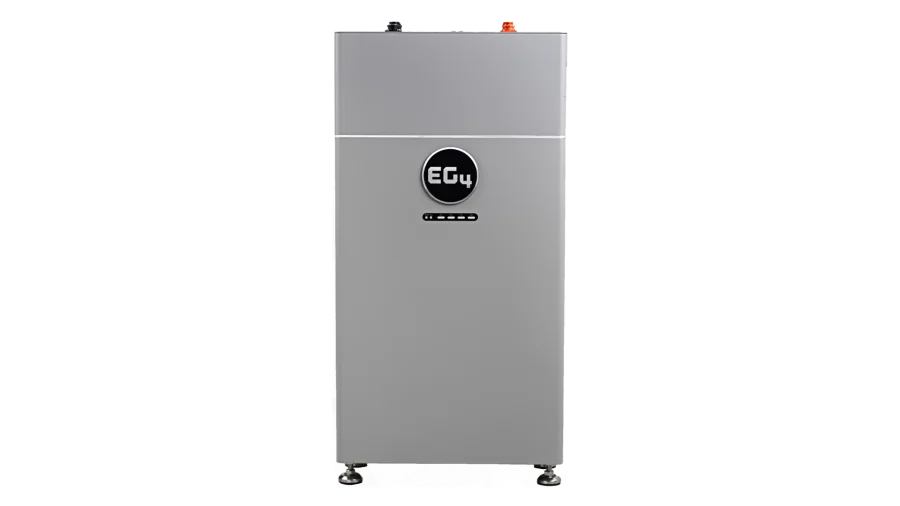
The 309 lb battery rests on its own feet, and the wall bracket keeps it upright, with the top of the bracket at least 28.8 in above the floor. It’s taller and narrower at 34.6 in tall, 21.7 in wide and 9.3 in deep, and EG4 includes lifting eyes for moving it into place. An included X-bracket lets you hang an EG4 18kPV, 12kPV or FlexBOSS inverter right above the battery. EG4 calls for 4 in between batteries and allows indoor installs in garages, sheds, utility closets and basements, but not in living spaces.
Battery cables
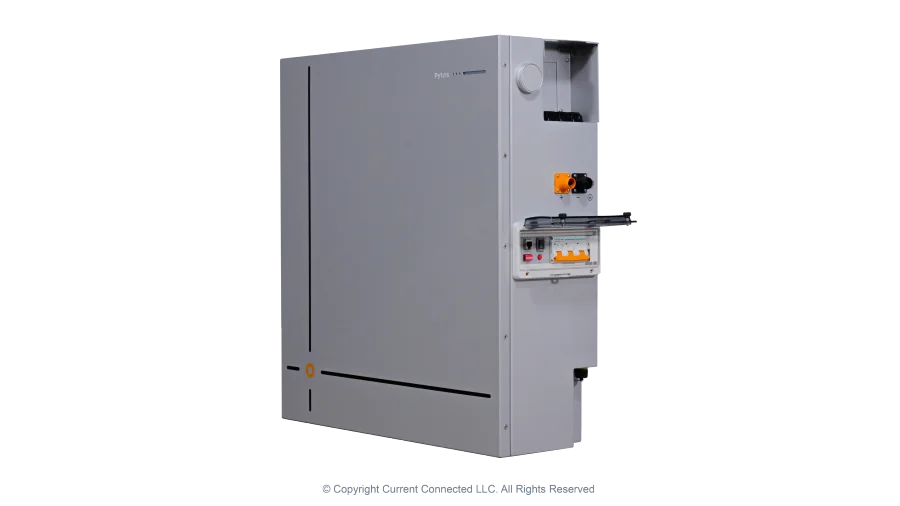
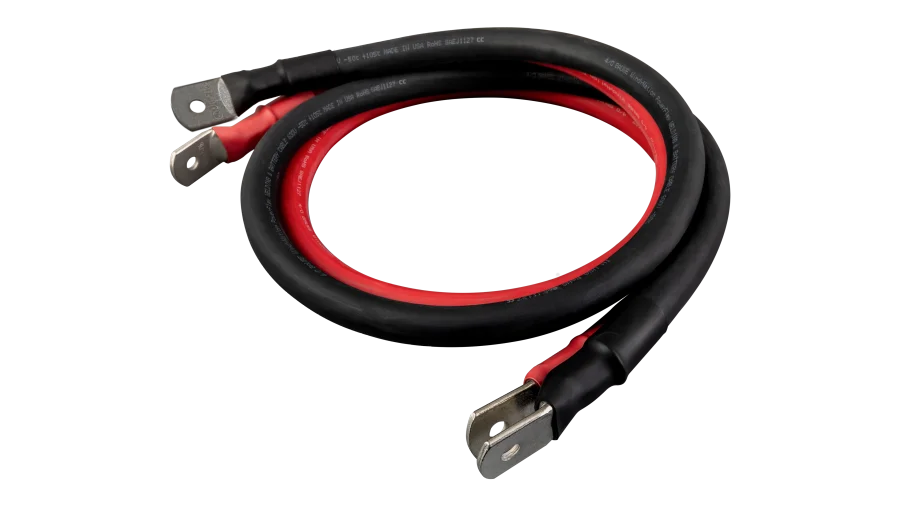
Both ship with 2/0 AWG battery cables, but they finish differently. Pytes includes a 2 m (78.7 in) set with a plug-in Phoenix connector at the battery and a lug already crimped on the far end, so it lands straight on your busbar or inverter. EG4 includes two 39.4 in sets with Degson connectors at the battery and bare ends on the other side, so you’ll need to crimp on a ring terminal before they can land on a busbar. Our How To Crimp Battery Cables guide walks through it, or skip the crimping and order custom battery and inverter cables built to length and lugged, 6 AWG through 4/0 AWG.
Inverter Communication and Paralleling
Closed-loop communication lets the battery tell the inverter exactly how much current it can accept, which protects the cells and keeps the state of charge accurate. It matters for warranty, too: EG4 excludes damage caused by open-loop setups.
Pytes V16
The V16 talks CAN, RS485 and RS232. You set a DIP switch on the master battery to match your inverter brand, and additional batteries cascade from it over Cat6 cable (one is included). Pytes’ published list covers Sol-Ark, Victron, SMA, Growatt, Deye, Sunsynk, Studer, Luxpower, Solis, Sungrow, Goodwe and more than a dozen others. The battery-to-inverter comm cable and the LSW-5 WiFi stick for remote monitoring are sold separately.
EG4 314Ah AllWeather
The AllWeather talks CAN and RS485 and addresses itself automatically: no DIP switches, and the first battery on the CAN line becomes the master. EG4 lists CAN support for EG4, Victron, SMA, Growatt, Deye, Luxpower, Solis and Megarevo inverters, and RS485 support for EG4, Growatt, Schneider and Voltronic. The battery-to-inverter comm cable is in the box, along with a WiFi and Bluetooth antenna for the EG4 Connect app. Parallel cables are a separate kit.
If you run a Sol-Ark, note that it’s on Pytes’ compatibility list but not on the list in EG4’s manual.
Building a bigger bank
Pytes supports up to 16 V16s (256kWh) on a single cascade with no extra hardware, with each battery wired to a common positive and negative busbar. Past 16, the Pytes Multi-Cluster Battery Communication Hub ties up to seven clusters together, each with its own master battery, and reports them to the inverter over CAN or RS485 as one bank. It’s a 1U rack-mount box powered from the battery bank or a separate 48V supply.
EG4 allows up to 32 AllWeathers with no hub. Up to six can share the batteries’ internal busbars; seven or more need an external fused positive busbar, with no more than a 250A fuse per battery.
Not sure how many batteries your loads call for? Start with How Many Batteries Do I Need?, and our team is happy to help with sizing.
UL 9540, Fire Safety and Permits
If your project needs a permit, the permitting office will typically ask for a UL 9540 listing for the energy storage system. Both batteries carry UL 1973, UL 9540 third edition (2023) and UL 9540A.
EG4 holds a battery-only UL 9540 listing that covers one to six AllWeather batteries, plus a second listing with its FlexBOSS18 and FlexBOSS21 inverters. Pytes adds UL 9540B, CEC and SGIP to its list. CEC and SGIP matter if you’re in California and plan to apply for state incentives.
For fire safety, the Pytes has a factory-installed aerosol fire suppression module and an emergency shutdown input you can wire to an external stop button. EG4 builds in internal fire arrestors and reinforced cell enclosures. Both manufacturers publish their certificates, so download them for your permit package.

Warranty and Rated Cycle Life
Both carry 10-year warranties, but they’re written differently.
Pytes V16
Pytes covers the V16 for 10 years, 8,000 cycles or 98.34 MWh of throughput, whichever comes first, and guarantees at least 70% of rated capacity at the end of that term. The clock starts on your invoice date, or six months after the battery was built if that comes first. The North American terms also ask that the battery be installed by a licensed professional installer, charged within 60 days of delivery, and charged at least every six months in storage.
EG4 314Ah AllWeather
EG4 covers the AllWeather for 10 years from purchase or 10,000 cycles, whichever comes first. EG4 may repair or replace the battery, or issue a prorated credit calculated at one tenth per year or per 1,000 cycles. The battery has to be registered within the first year, and EG4 excludes damage from open-loop setups, so connect the comm cable.
The cycle ratings are tested at different depths. Pytes rates 8,000 cycles at 90% depth of discharge, and EG4 rates 10,000 cycles at 80%; both count down to 70% of original capacity. The day-to-day recommendations follow the same split: EG4 suggests using 80% of the battery (12.86kWh), while Pytes recommends a 10% to 100% state of charge window, or about 14.5kWh.
Which One Fits Your System
Lean toward the Pytes V16 if:
- You run a Sol-Ark or another inverter on Pytes’ list that isn’t on EG4’s
- Winters are cold and you want the heater working before the cells reach freezing
- Summers are hot, since it keeps charging up to 131°F
- You want battery cables that come lugged and ready to land on a busbar
- You want up to 200A of charge current per battery
- You want built-in fire suppression, or CEC and SGIP listings for California incentives
Lean toward the EG4 314Ah AllWeather if:
- You run an EG4 FlexBOSS, 18kPV or 12kPV, which mounts right above it
- Your wall can’t carry 288 lb, or you’d rather the battery stand on its own feet
- You want WiFi, Bluetooth and the inverter comm cable in the box
- You plan to grow past 16 batteries, since it parallels up to 32 on its own
- You’d rather skip DIP switches
If the Battery Is Going Indoors
If the battery will live in a garage or utility room, you don’t need to pay for an outdoor enclosure. The EG4 WallMount 314Ah Indoor gives you the same 51.2V, 314Ah of storage in an indoor cabinet. Pytes also makes the V16 Lite, an IP20 indoor version with the heater and fire suppression as options; ask us about availability.
Frequently Asked Questions
Neither charges while its cells are below 32°F. Both have built-in heaters that warm the cells back up: the Pytes heater starts at 41°F and runs on incoming charge power, and the EG4 heater starts at 32°F. Both keep discharging down to -4°F.
We don’t recommend it. Each brand’s batteries talk to each other over their own protocol, and the inverter reads closed-loop data from one master battery, so batteries from the other brand would sit outside that communication. Stick with one model per bank.
No. Both are rated for outdoor installation, and both can go indoors. EG4’s manual limits indoor installs to garages, sheds, utility closets and basements. Check your local code for where battery storage is allowed in your home.
Both manufacturers list Victron on their CAN compatibility lists. On the Pytes, you set the DIP switch on the master battery; the EG4 handles addressing on its own.
Shop Pytes and EG4 16kWh Batteries
Compare more options in our batteries category.