Plug-In Solar: What It Is, Why It Matters, and How You Can Participate
Imagine a world where everyone could access clean energy. Current solar practices limit solar benefits to homeowners, and the price tag limits it to the wealthy. But what if everyone could participate?
This dream may sound far fetched, but the upcoming plug-in solar revolution is converting this dream into reality.
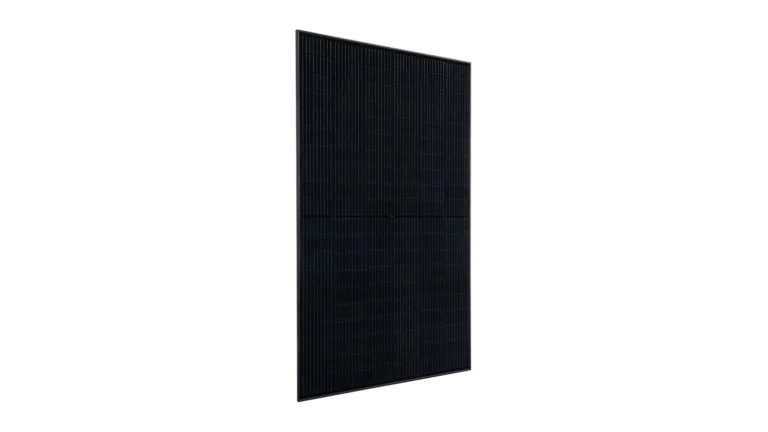
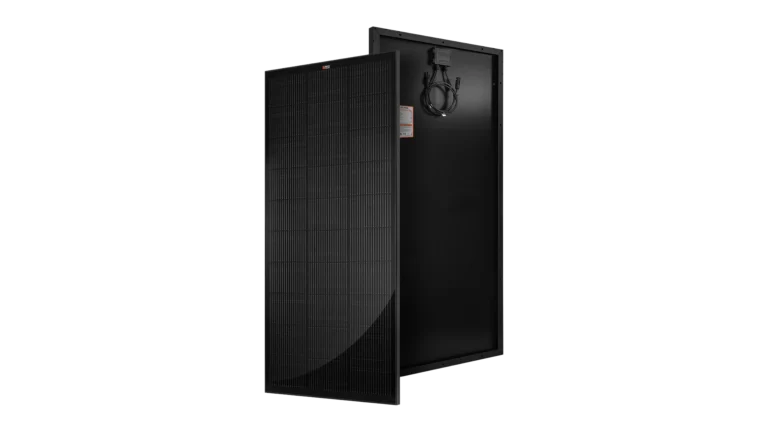
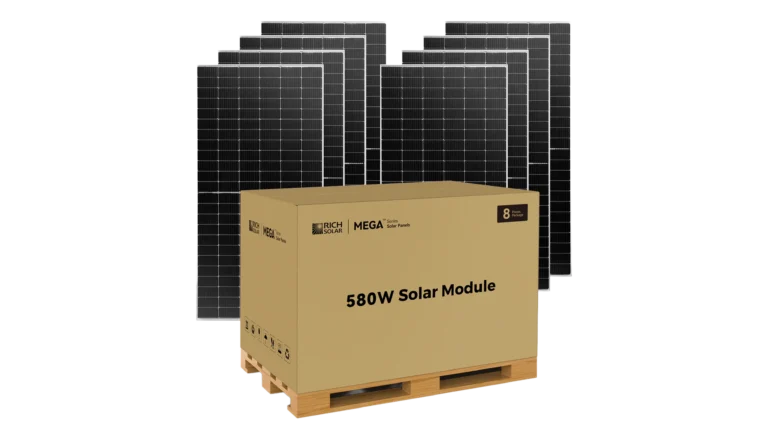
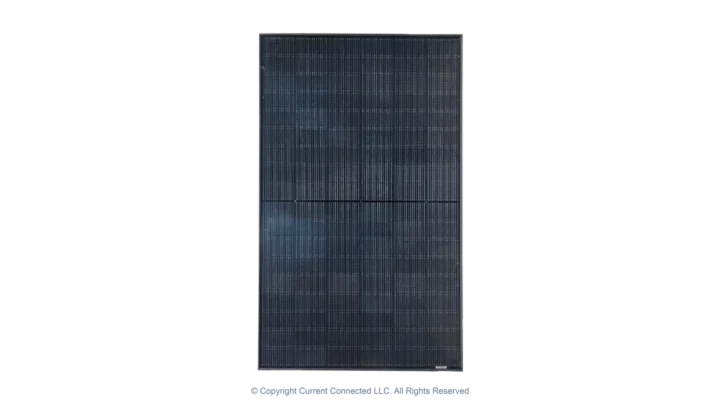
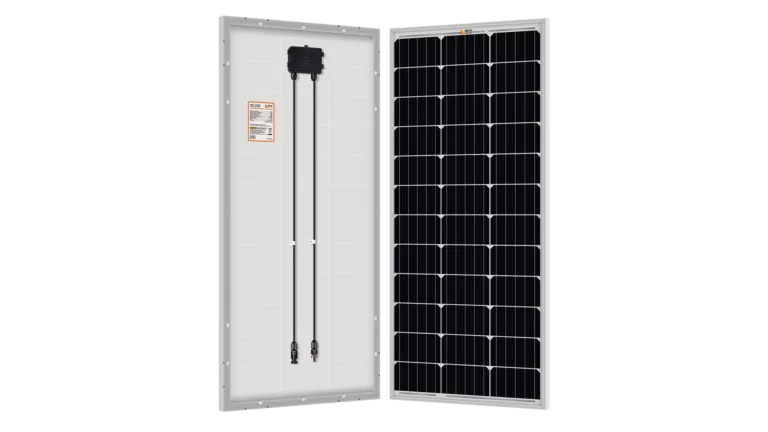
Check Out These Solar Panels!
What is Plug-In Solar?
It’s like plugging in an appliance, but instead of taking power out, it puts power back in.
Plug-in solar systems bypass the electrical panel and plug directly into a standard wall outlet. They typically include a few panels, microinverters for each panel, and a power cord designed for a typical outlet. Power flows from the solar panel, through a microinverter, and into your home. It’s like plugging in an appliance, but instead of taking power out, it puts power back in. While we always advise checking with your local AHJ (Authority Having Jurisdiction) and your utility company, many times a plug-in solar installation requires no electrical inspection or special permits. Just purchase the panels, set them up properly, and watch your monthly electrical bill shrink.
Why Does Plug-In Solar Matter?
Solar power provides a renewable energy source and reduces carbon emissions caused by fossil fuel. Traditionally, access to these benefits were limited to upper or middle class homeowners who can afford a large system, who have space for a large system, and who own a permanent home. This includes only part of the ⅔ of US homeowners and totally excludes any renters.
Plug-in solar changes this.
Since a plug-in solar system requires only a small footprint and costs $500-$2,000, many more people can afford it. Renters can place panels on a balcony, and their small size makes them easy to relocate.

Is Plug-In Solar Safe?
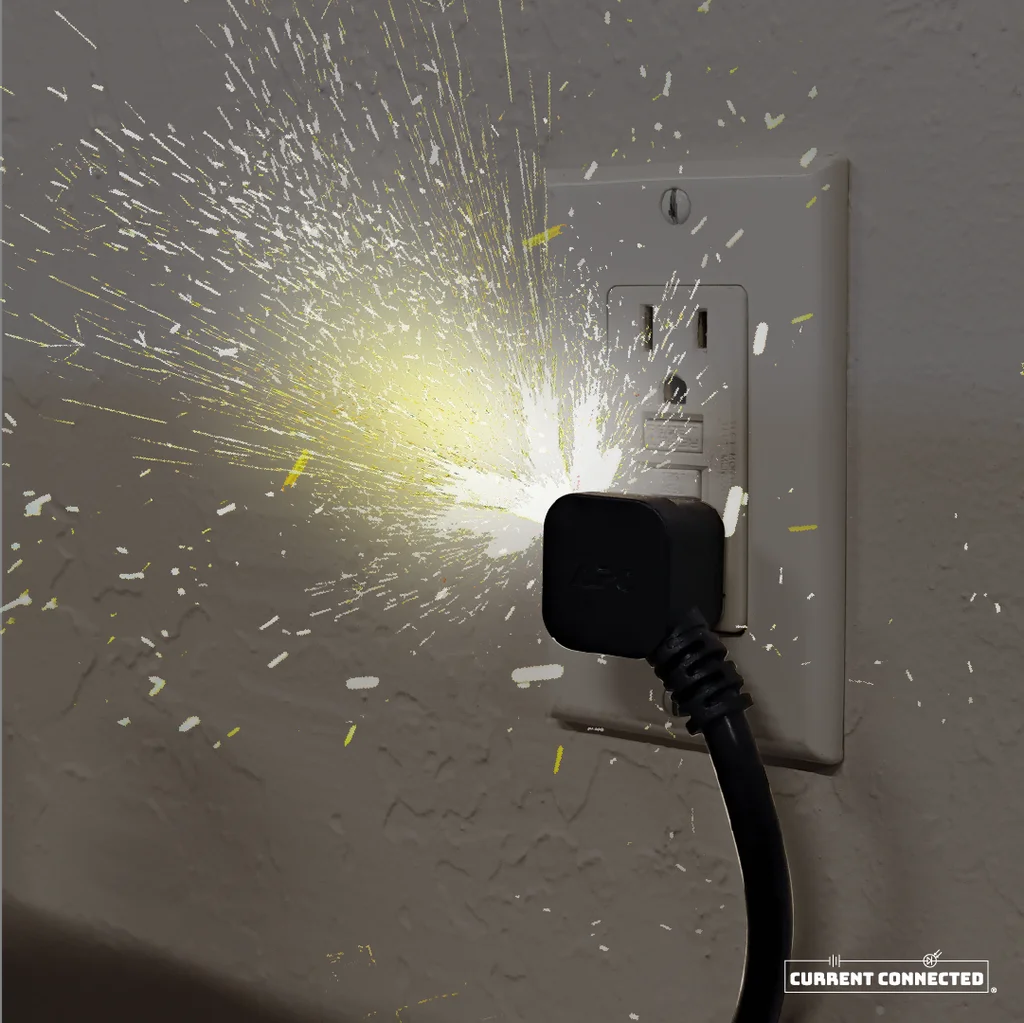
Several states have already passed laws allowing plug-in solar, but some have shut it down over safety concerns.
European countries have used plug-in solar for many years, and Germany has nearly 6 million solar units installed and few safety issues. But does this mean it’s safe for our American electrical codes? Let’s consider the top safety concerns.
1. Concern: “Plug-in solar continues during a power outage. It feeds from the solar panel, through the outlet, and into the electrical grid where it causes serious hazards for linemen working to restore power.”
Truth: Plug-in solar distributors design the included microinverters to shut down power at the solar panel when the grid disappears. This means power doesn’t pass into the grid during an outage.
2. Concern: “Solar power depends on the sun, so it’s unsafe to touch the prongs.”
Truth: As mentioned above, the microinverter shuts down power at the panel when it can’t see the grid. This means you can safely touch the prongs when it’s not plugged into an outlet.
3. Concern: “Current electrical wiring and GFCI (Ground Fault Circuit Interrupter) outlets can’t handle the additional and bi-directional current.”
Truth: UL Solutions, a global leader in safety standards, has already created UL 3700 to address these issues. Look for plug-in solar kits with the appropriate UL mark.
How Can You Participate in Plug-In Solar?
Legislation allowing plug-in solar already exists in Utah and Maine. Virginia and Colorado will soon follow, and many other states have legislation in progress. Since utility companies often stand opposed to plug-in solar, it’s important to help educate your community and policy makers on the benefits and safety of plug-in solar.
When you’re ready to install plug-in solar, check your electrical meter. Many plug-in solar kits can export up to 1200W to the grid, and it’s important that the meter knows if power is going into the grid or out of the grid. If you install plug-in solar with a single-direction meter, your utility company will charge you for all power going both directions. (Your bills will increase instead of decrease.)
Different locations may have different regulations, so check with your local AHJ and utility company for any additional information.
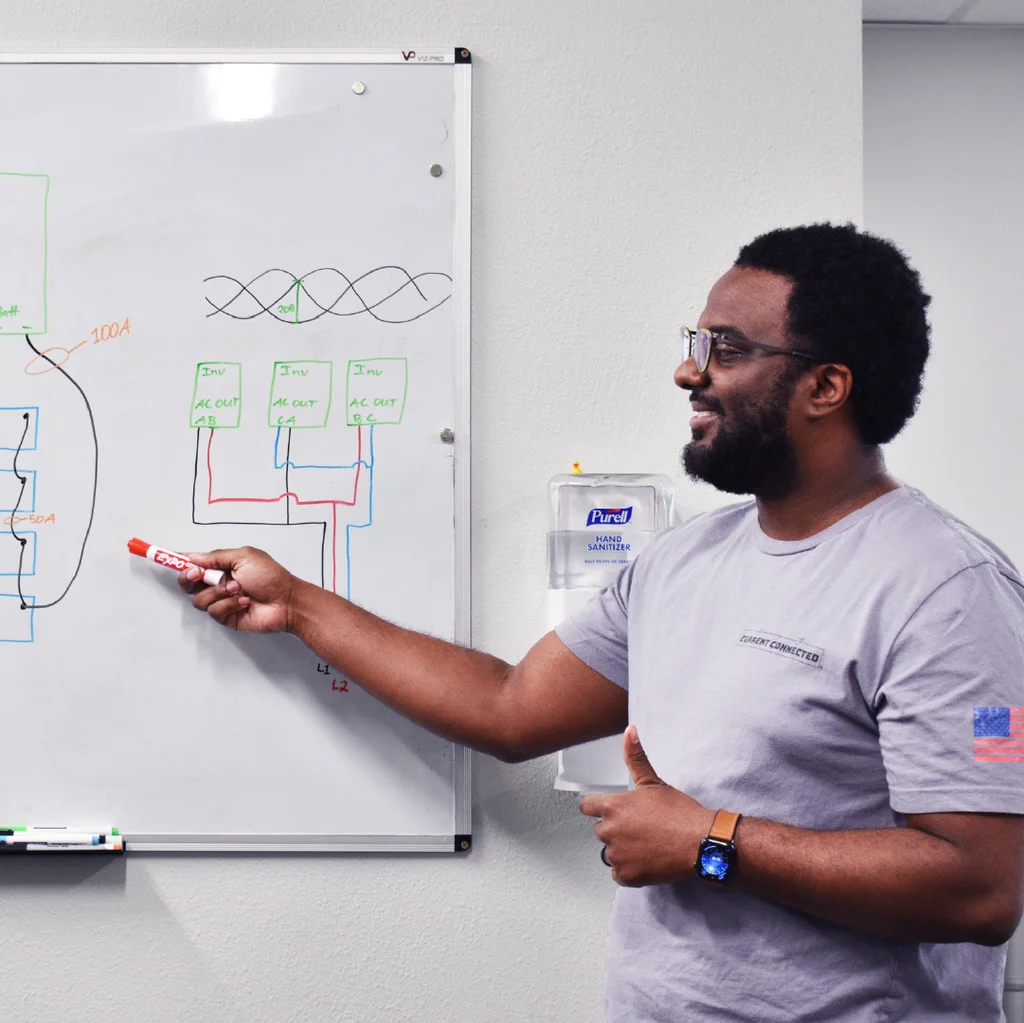
How to Get the Most From Plug-In Solar
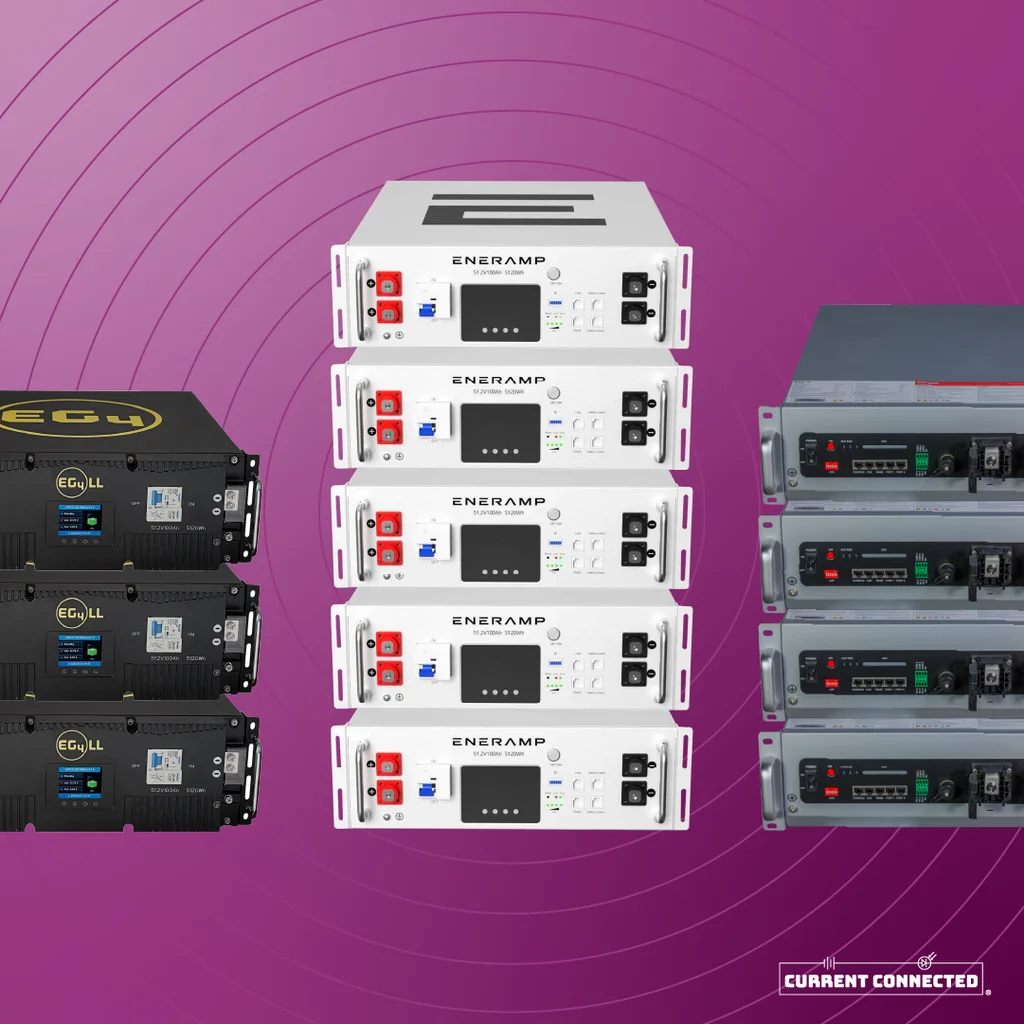
Plug-in solar can reduce your carbon footprint and your utility bill, but it’s only available with a live grid. When the grid goes down, you also experience a power outage.
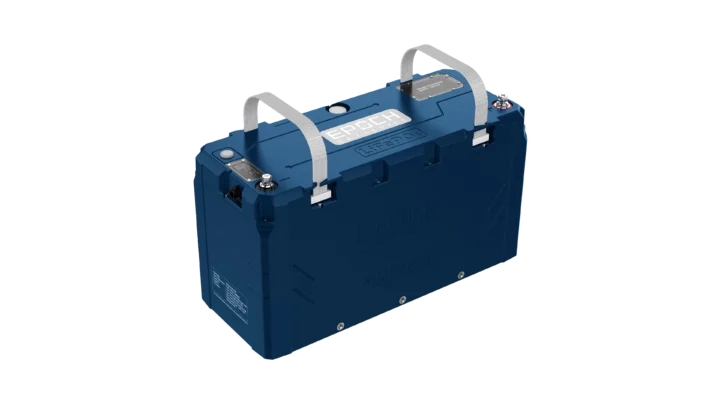
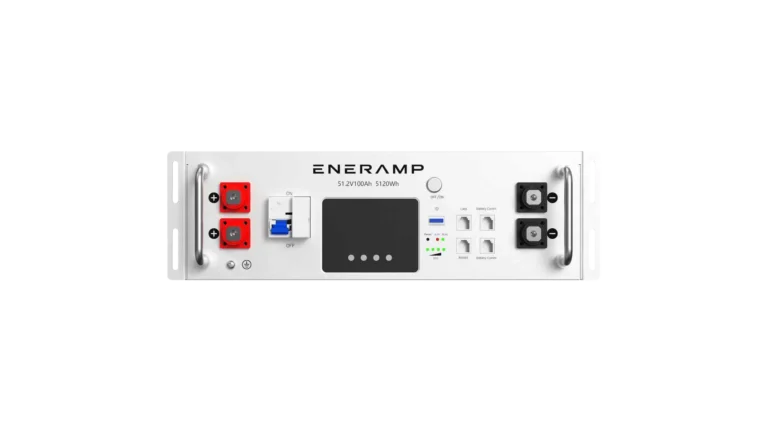
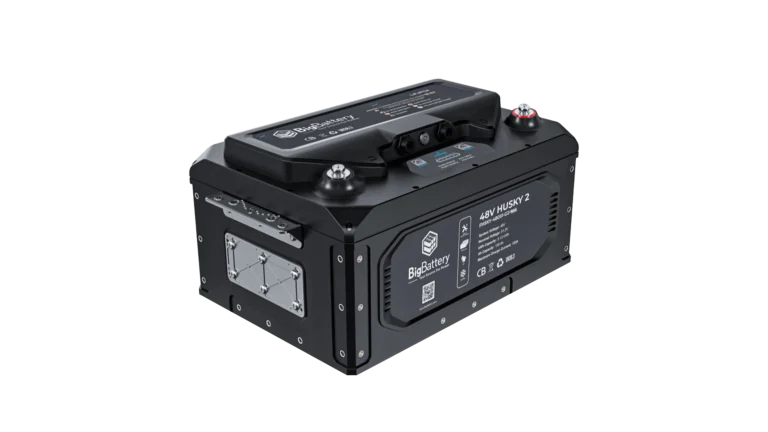
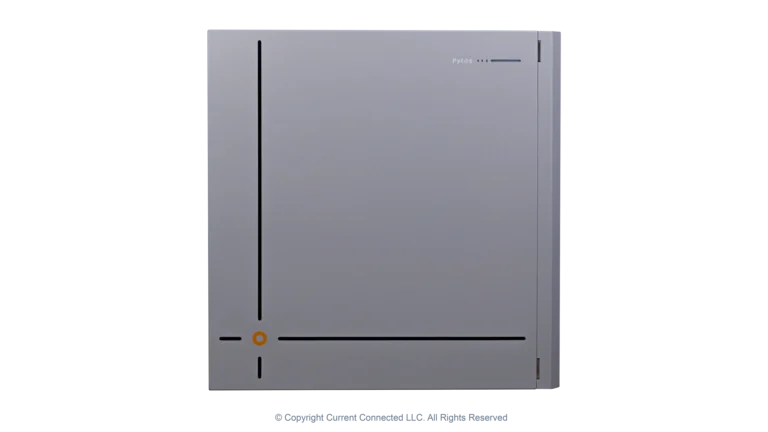
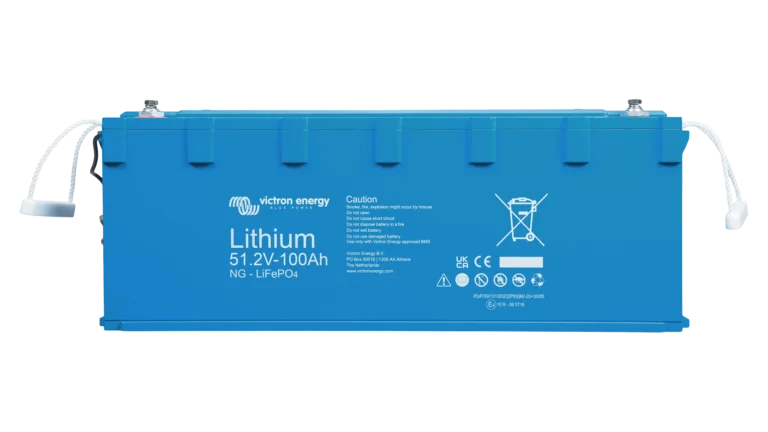
Here at Current Connected, we always recommend batteries with an alternative energy system. Batteries let you run your system from stored power during an outage, and peak shaving offers additional savings in locations with TOU (Time of Use) rates. You can charge your batteries from solar or from the grid during cheaper hours, and you can use that battery storage to power your home during more expensive hours.
Conclusion
Plug-in solar provides a simple way to access clean energy even if you’re a renter or live in a small footprint. It includes just a few solar panels, attached microinverters, and a cord which plugs into an existing outlet. The simple setup and low price tag make it accessible for nearly every home, and as more states continue approving of plug-in solar, it will soon be accessible in most of the US.
Want to talk about plug-in solar or other alternative energy systems? Contact us today! We’d love to help you get started.