Victron Energy 150A Bus Bar with Cover, Tin-Plated Copper, 4/6/10/20 Terminal Configurations, 70VDC Rated
SKU: Please select an option...
Product Summary
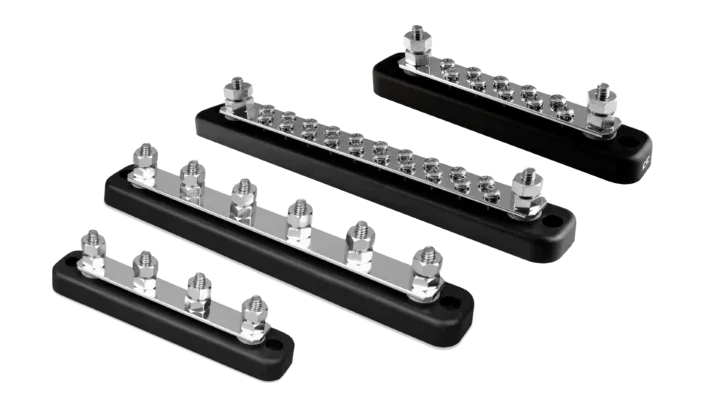
Victron 150A Bus Bars provide a clean, centralized distribution point for DC power in battery and solar systems. Each bus bar features tin-plated copper strips with stainless steel terminal studs, an ABS base, and a removable polycarbonate safety cover. Available in 4, 6, 10, and 20 terminal configurations to match systems of any size, from a small RV build to a full residential off-grid installation.
Specifications:
- 150A maximum current
- 70VDC maximum voltage
- Tin-plated copper bus bar strips
- Stainless steel terminal studs and nuts
- ABS base with polycarbonate cover
- Available in 4, 6, 10, and 20 terminal configurations
Log in to check member price and detailed stock information.
Please select all options above to add to cart.


Current Connected is YOUR Victron product specialist
About the Victron Energy 150A Bus Bar
Victron's 150A bus bars provide a centralized connection point for distributing DC power in battery and solar systems. Rather than stacking multiple lugs on a single battery terminal or running every wire back to the battery posts, a bus bar gives you a dedicated, rated distribution point that keeps your wiring organized and your connections solid. Every configuration in this lineup is rated for 150A continuous at up to 70VDC.
Construction and Materials
All four configurations share the same core construction. The bus bar strip is tin-plated copper, which maintains low electrical resistance and resists oxidation over time. Terminal studs and hardware are stainless steel for corrosion resistance in marine, outdoor, and engine bay environments. The base is ABS plastic (UL 94 V-0 rated), and each bus bar includes a removable clear polycarbonate safety cover. The 4 and 6 terminal versions use a 1.4 x 18mm copper strip, while the 10 and 20 terminal versions step up to a thicker 2.4 x 19mm strip.
Stud vs. Screw Terminal Configurations
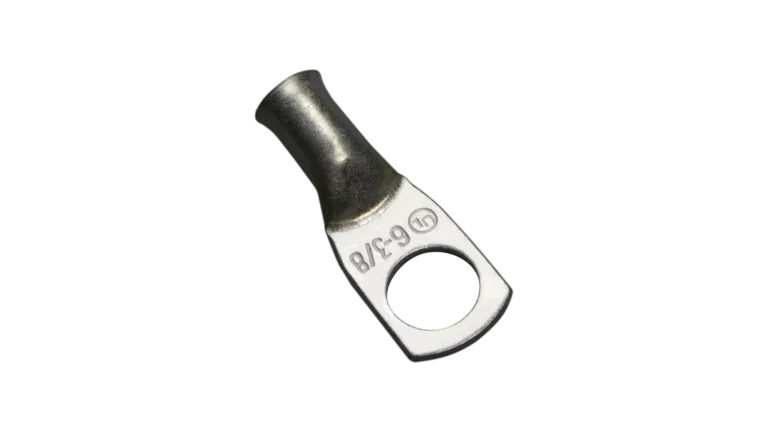
The 4 and 6 terminal versions use M8 (5/16") stainless steel studs with nuts. These accept standard 5/16" battery cable lugs, making them a natural fit for connecting larger gauge cables from batteries, inverters, and charge controllers.
The 10 and 20 terminal versions use a different design. They have two M8 (5/16") studs on the ends for your main feed connections, plus 10 or 20 smaller 8-32 stainless steel screw terminals along the length. This lets you bring your main battery or inverter cables in on the end studs and distribute out to individual circuits through the screw terminals using ring or fork terminals. It's a clean way to handle DC distribution in systems with a lot of branch circuits.
Choosing the Right Configuration
The 4 and 6 terminal versions are built for high-current connections. With M8 (5/16") studs accepting full-size battery cable lugs, these are where you connect your heavy hitters: batteries, inverters, charge controllers, alternators, and chassis grounds. The 4-terminal works well when you only have a few large components sharing a bus, and the 6-terminal gives you room for an extra circuit or two.
The 10 and 20 terminal versions serve a completely different purpose. With smaller 8-32 screw terminals along the length, these function as DC distribution bars for many low-current branch circuits. Think lights, horns, radios, USB outlets, fans, and other accessories. The M8 studs on the ends bring your main feed in from a battery or fuse panel, and the screw terminals distribute out to individual loads. A 150A bar split across 20 connections gives you roughly 7.5A per terminal, so these are sized for accessory circuits, not high-draw appliances. They're commonly found in RV, marine, and vehicle builds where you need an organized ground bar or accessory distribution point.
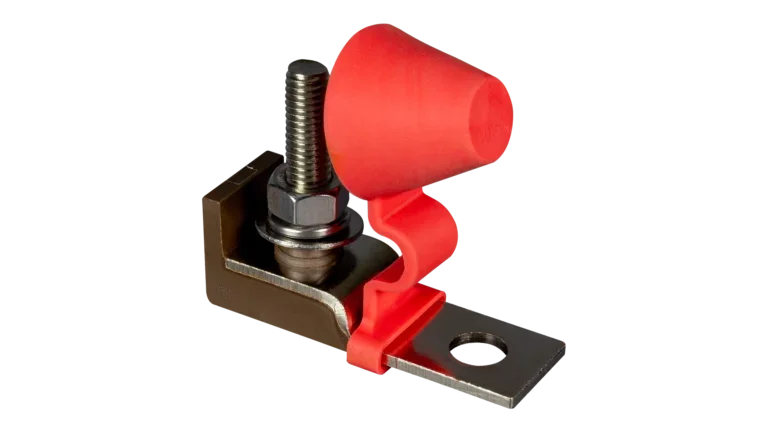
For simpler point-to-point connections where you only need two terminals, see the Victron 150A Dual Terminal Stud.
Common Applications
Bus bars are a standard component in nearly any properly wired DC power system. You'll find them in off-grid solar installations connecting battery banks to inverters, charge controllers, and DC loads. They're used in RV and marine builds to create organized distribution points that are easy to inspect and service. On the commercial side, they handle branch circuit distribution in telecom cabinets, industrial DC systems, and large-scale energy storage installations. Any time you need multiple components sharing a common positive or negative connection at up to 150A, a bus bar is the right way to do it.
Recommended Accessories
Frequently Asked Questions
The 4 and 6 terminal versions use M8 (5/16") studs with nuts, designed for high-current connections like batteries, inverters, and charge controllers using standard battery cable lugs. The 10 and 20 terminal versions have two M8 studs on the ends for main feeds, plus smaller 8-32 screw terminals along the length for distributing to many low-current branch circuits like lights, fans, and accessories.
It depends on what you're connecting. If you need a common bus for a few large components (battery, inverter, charge controller, alternator), the 4 or 6 terminal stud version is the right choice. If you need a ground bar or accessory distribution point for many smaller loads, the 10 or 20 screw terminal version is what you want.
Yes. This is one of the most common uses, especially for the 10 and 20 terminal versions. Run your main ground to one of the M8 end studs and distribute to individual circuits through the screw terminals.
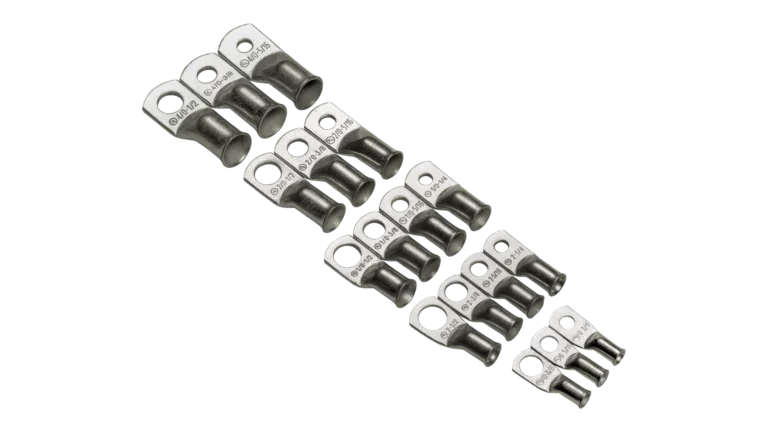
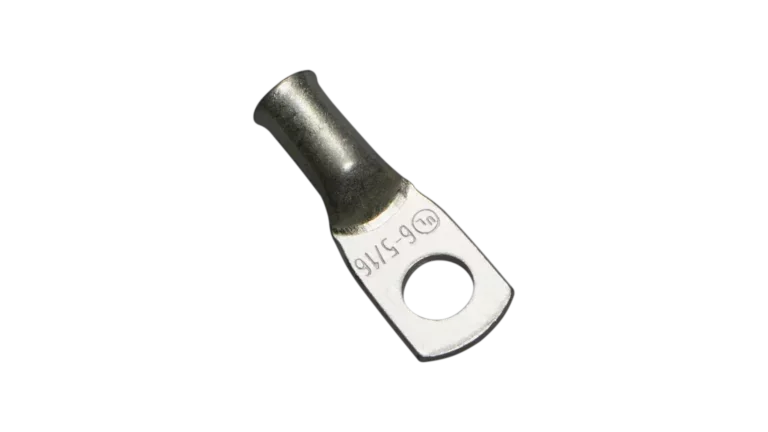
Any lug with a 5/16" stud hole. Match the lug barrel size to the wire gauge you're using.
Yes. The 70VDC maximum voltage rating covers 12V, 24V, and 48V battery systems regardless of chemistry.
Yes. The stainless steel terminals resist corrosion and the ABS base handles moisture and vibration. The included polycarbonate cover adds protection against accidental contact and debris.
The clear polycarbonate cover snaps over the terminals to prevent accidental short circuits and contact with live connections. It's removable for installation and servicing.
Most DC systems need both a positive and negative distribution point. The negative side is almost always a bus bar. The positive side can also be a bus bar, but in many installations a fused distribution panel is used instead so that each positive branch circuit is individually protected. In that case you'd use one bus bar for your negative/ground rail and a fuse panel for your positive distribution.
Customer Reviews
No reviews yet. Be the first to review this product!