About the IntegraRack IR-45ASA Adjustable Solar Panel Ground Mount
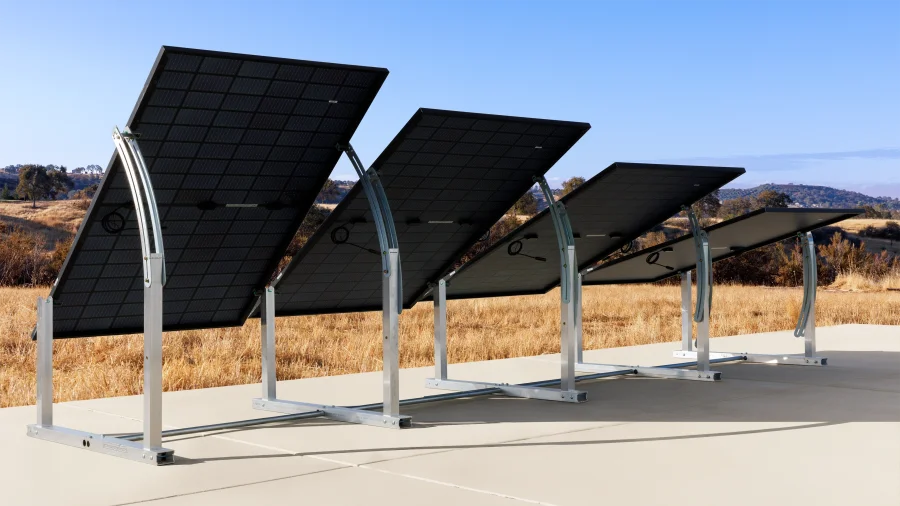
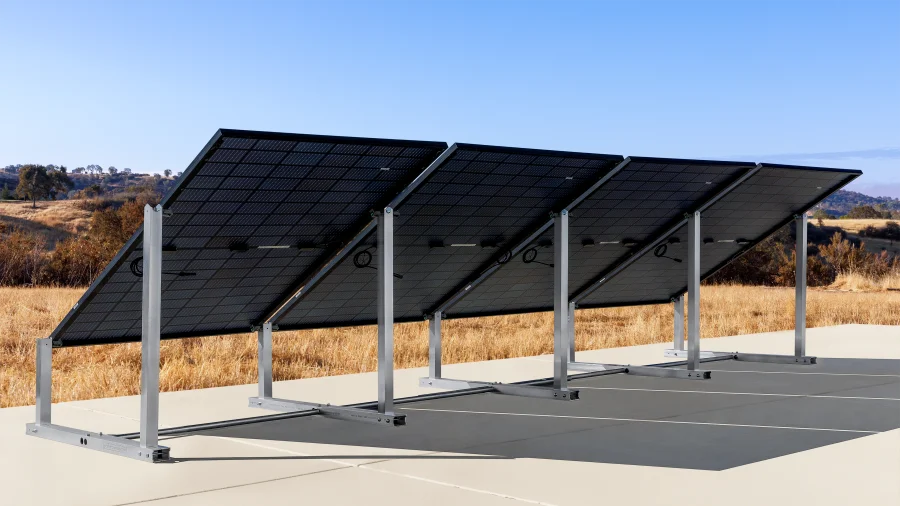
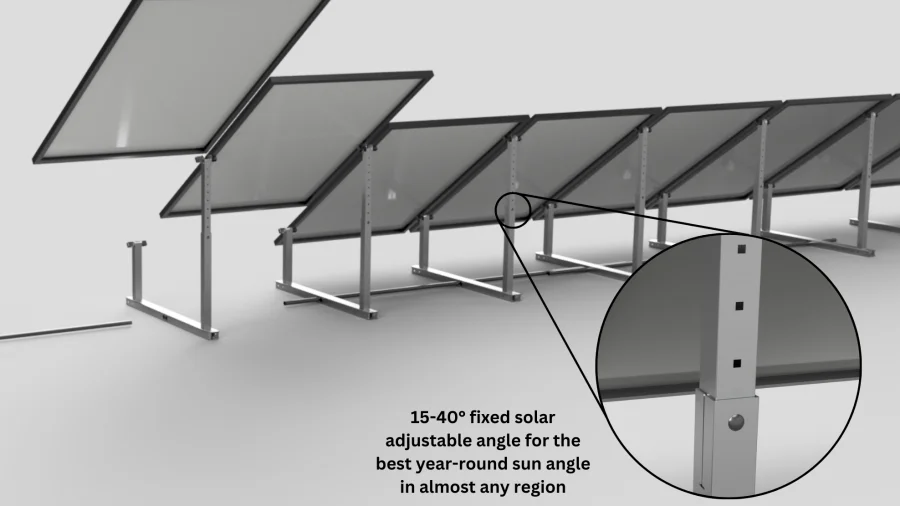
The IR-45ASA takes everything that makes IntegraRack's BallastRack line easy to work with and adds the feature off-grid and high-latitude owners ask for most: real seasonal adjustment. Each frame carries two sliding arms that lock at any angle from 15° to 45°, and because every panel adjusts on its own, you can tune the whole array to the sun as it moves through the year. It is one of the lowest cost-per-kW adjustable solar ground mounts on the market, it ships by ground parcel instead of freight, and it goes in without rails, earth augers, post pounding or heavy machinery.
Seasonal Tilt Adjustment From 15° to 45°
A fixed-angle rack is always a compromise between summer and winter, and the IR-45ASA removes it. Loosen two bolts, slide the arm to your target angle, and lock it back down. Flatter angles near 15° favor the high summer sun, while steeper angles toward 45° catch the low winter sun and shed snow. Because each panel runs independently, you can stagger angles across a site or adjust one row at a time. Leave a little wiring slack near the front legs so the panels can move each time you re-angle them.
The frame also sits 8 in higher than IntegraRack's fixed frames, which gives you more ground clearance under the panels.
Aircraft-Grade Aluminum or Black Zinc Steel Frame
Choose the aluminum IR-45ASAA at about 16 lb per frame, or the black zinc electroplated steel IR-45ASAB at about 24 lb. Both use the same IR-F2 flange clamps and carry IntegraRack's 25-year limited product warranty.
Rail-Free Mounting With Integrated Bonding
Instead of rails across the back of your panels, the IR-45ASA uses IntegraRack's IR-F2 flange clamps, which grip the module frame from below. With nothing spanning the rear of the panel, more light and air reach the back of the array, which helps keep panels cooler and suits bifacial modules. Two piercing barbs on each clamp bite through the anodized module frame to bond neighboring panels as you go, and the IR-F2 is a UL 2703 recognized component, so no separate bonding jumpers are needed between panels.
Ground Mount Anchoring Without Concrete Footings
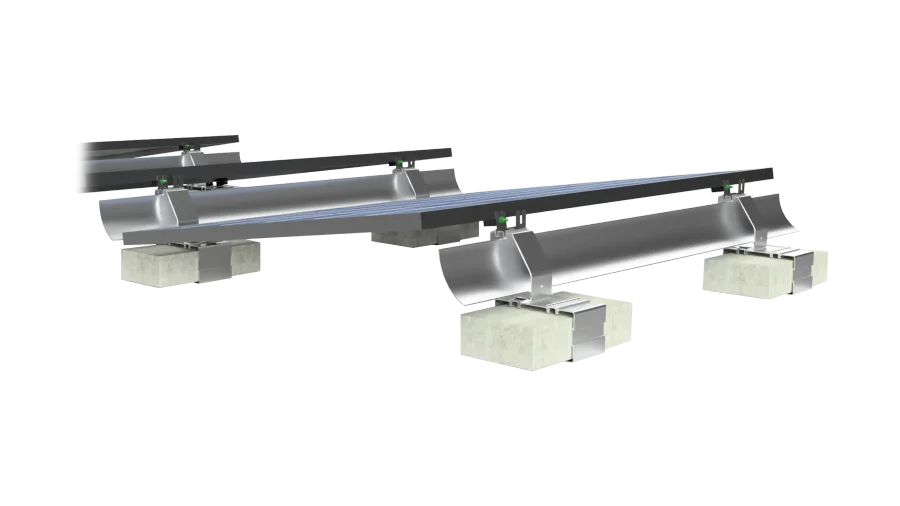
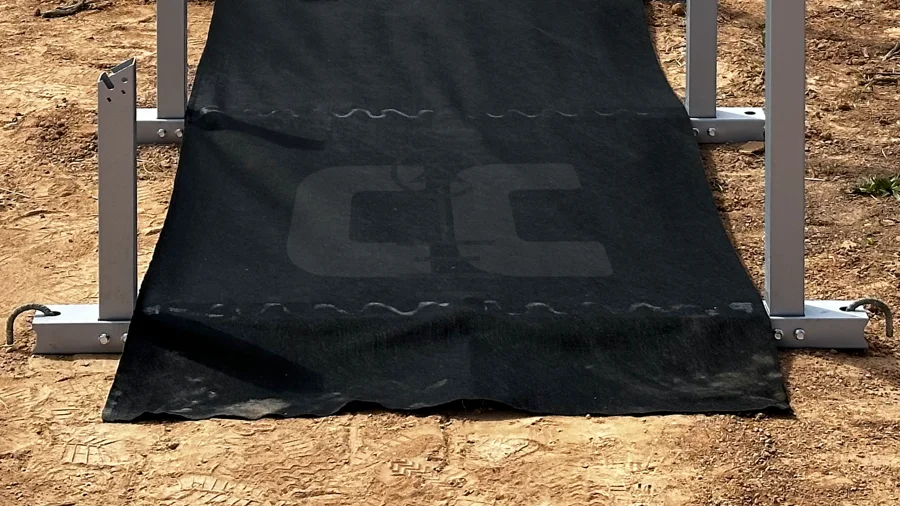
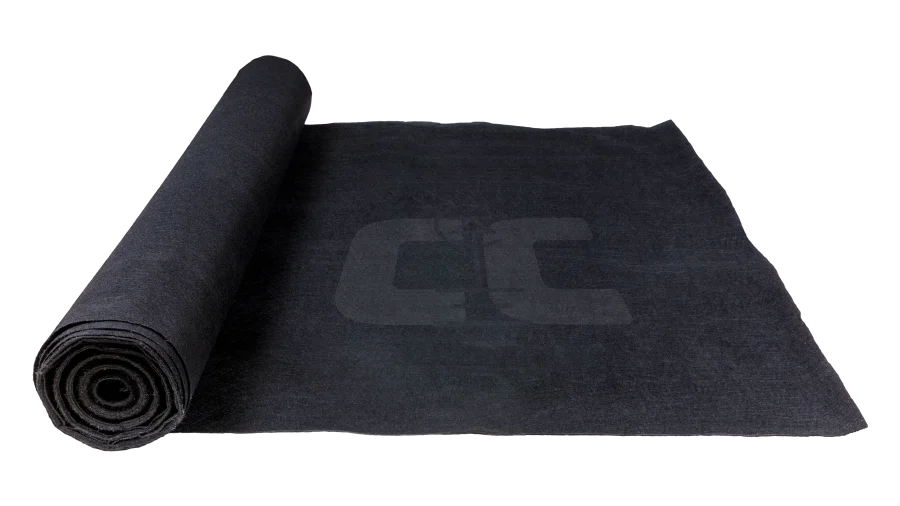
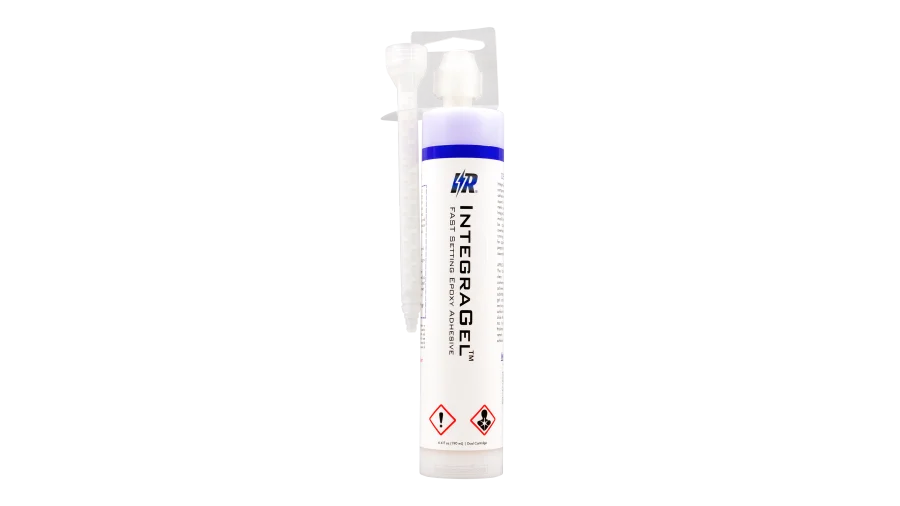
Each frame anchors in one of four ways, and three of them need no concrete. The IR EarthBallast system epoxies a geotextile sheet across the base tubes, and at least 1,000 lb of soil or crushed rock per panel piled on top holds the array down.
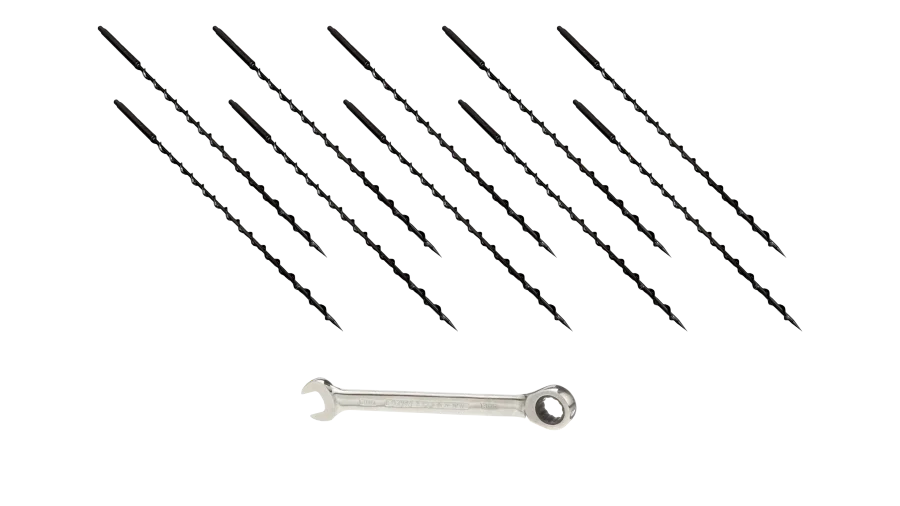
The IR EarthScrew kit drives 30 in screws into medium-to-high density compacted soil, and it isn't suited to sites where frost goes deeper than 20 in.
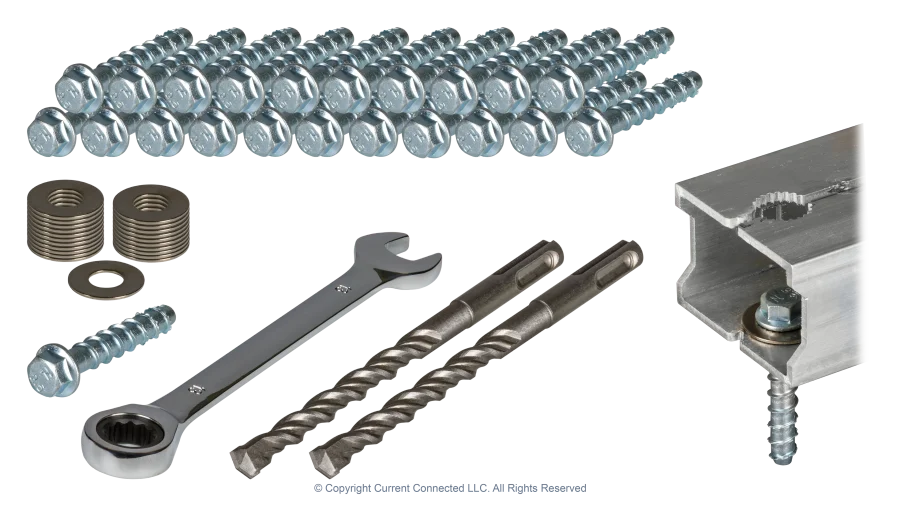
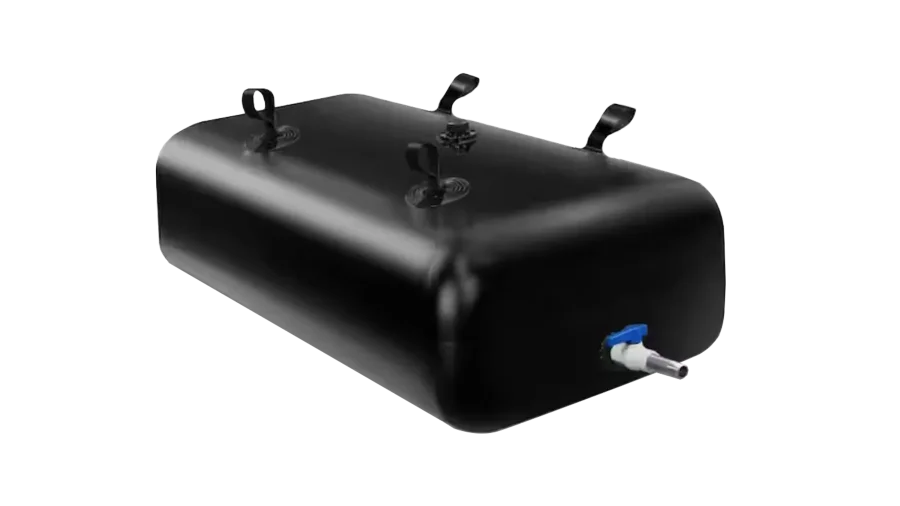
For the strongest hold, the SlabBallast kit bolts frames to a slab, footing, driveway or patio. Base ballast, such as concrete curb stops or a water tank set into the frame, suits temporary setups or sites where you can't dig or drill.
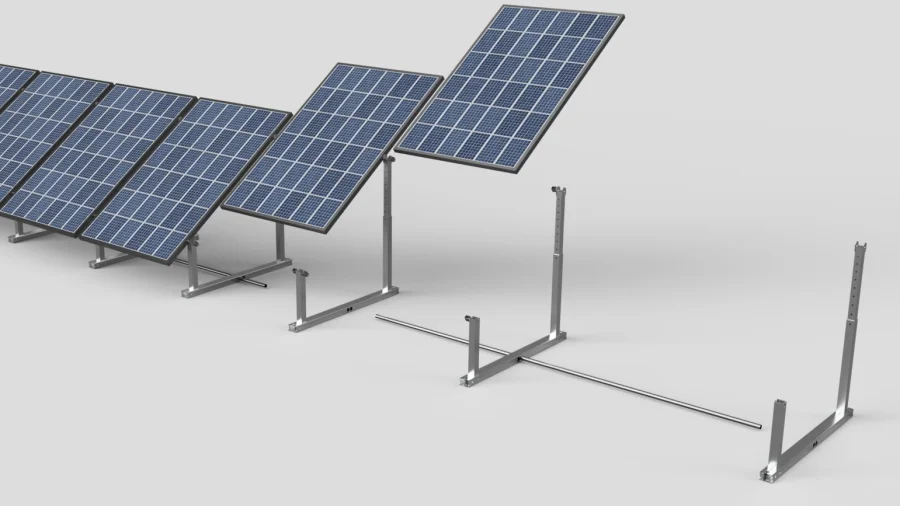
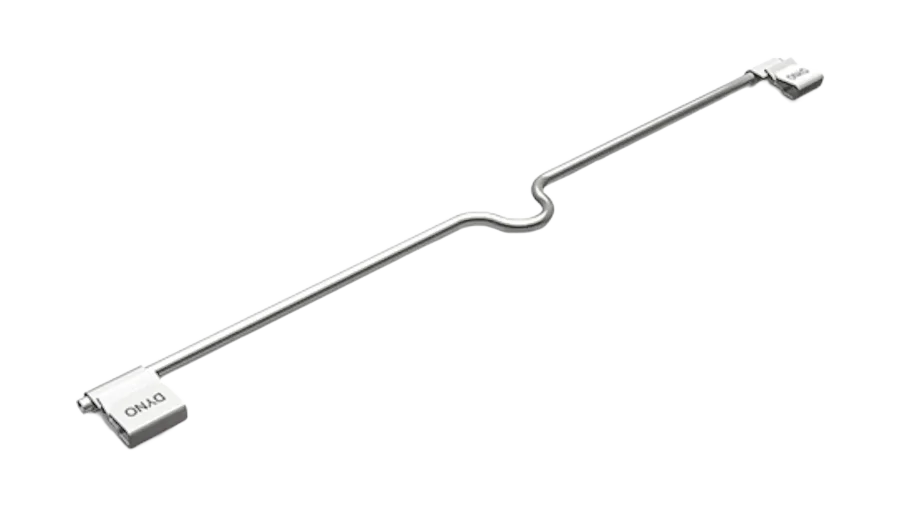
Every method except bolting to concrete links the frames with standard 1 in EMT conduit or IntegraRack composite base tubes.
IR-45ASA Wind and Snow Ratings
Ratings depend on tilt, panel size and anchoring. On IntegraRack's IR-45ASA datasheet (Rev B, July 2024), panels up to 24 sq ft rate 120 to 200 mph bolted to concrete, 120 to 180 mph on EarthBallast, and 80 to 110 mph on base ballast alone, with the highest numbers at 15° and the lowest at 45°. Panels up to 36 sq ft rate lower. Snow ratings reach 100 psf with panels up to 24 sq ft and 65 psf with panels up to 36 sq ft, at every angle.
Exposed perimeter rows that aren't sheltered by buildings or walls may need extra ballast to reach the top ratings. Our team is happy to help with sizing for your wind zone: contact us.
How Many Frames Do I Need?
Frames sit on both sides of each panel and are shared between neighbors, so plan on one frame per panel plus one to start each row. A row of 10 panels needs 11 frames. Assembly takes a screw gun with a 1/2 in socket (no impact gun), a level, a tape measure and a string line, and IntegraRack calls for grounding the array to NEC 250 and NEC 690 by a licensed electrician or solar contractor.