
Backup Generator vs. Extra Solar Panels: Which is Cheaper?
Do rising gas prices make a backup generator less economical than additional solar panels?
Should I Buy a Backup Generator or More Solar Panels?
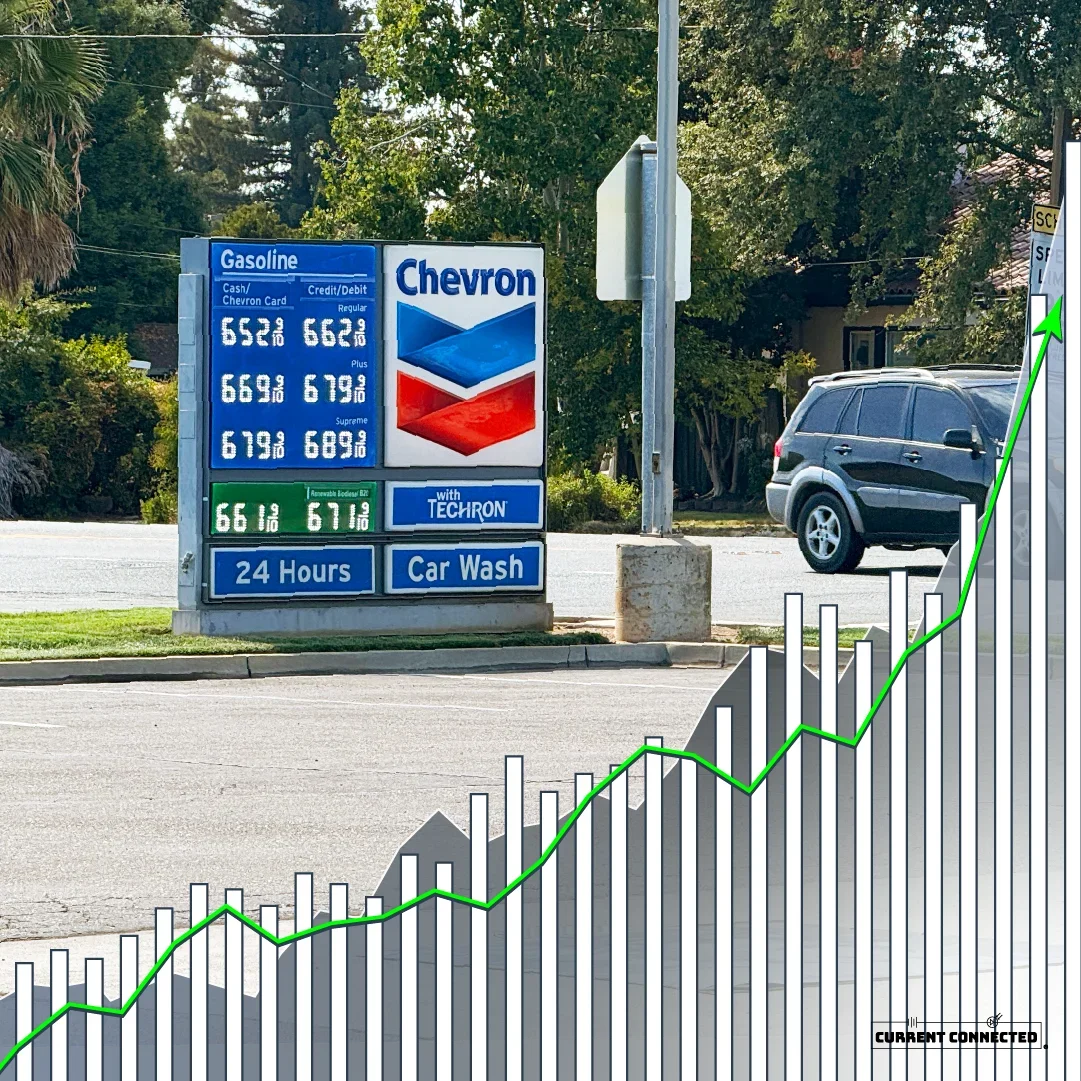
It sounds like a good deal to pay only $1,700 for a backup generator instead of $10,000 for additional solar panels. But how do gas prices affect this comparison?
It seems like every time I drive by the gas station, gas has risen another 10 cents. Gas prices may or may not continue rising, but at what point do gas prices make running a generator less economical than a few extra solar panels?
First, What Does a Backup Generator Do?
Solar panels can provide 100% of your home power every day of the year. It’s just a matter of having enough solar panels. How many panels depends on your expected energy usage, geographic location, and your energy goals, but most people use a backup generator to provide power during low sun days.
To evaluate the cost of converting from a backup generator to a fully solar system, we’ll use our Hayden, ID numbers from a previous post. Your numbers will differ, but feel free to contact us for help finding your unique numbers.
Average power consumption: 30kWh or 30,000Wh
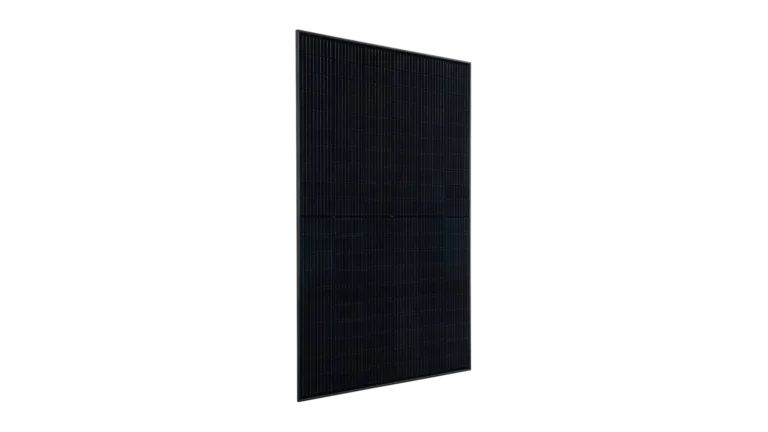
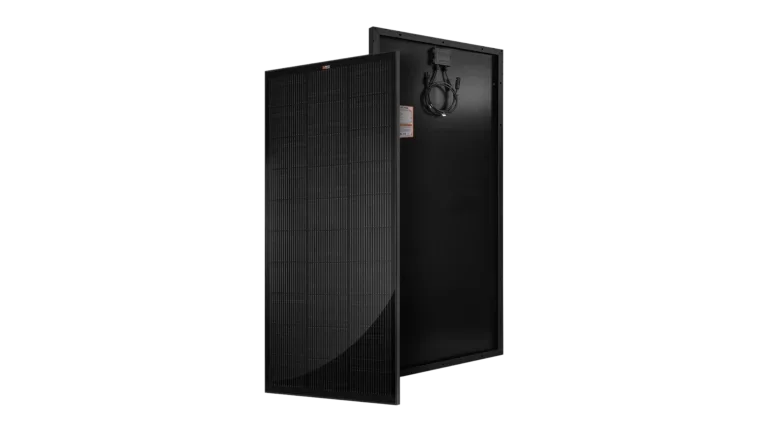
Number of existing solar panels: 23 Aptos DNA 410W panels
Solar panel output for one panel: 304W per hour

This system produces 30kWh on days with 4.41 peak sun hours. Here in Hayden, this happens from April to September, but in order to produce 30kWh the rest of the year, we need a backup generator.
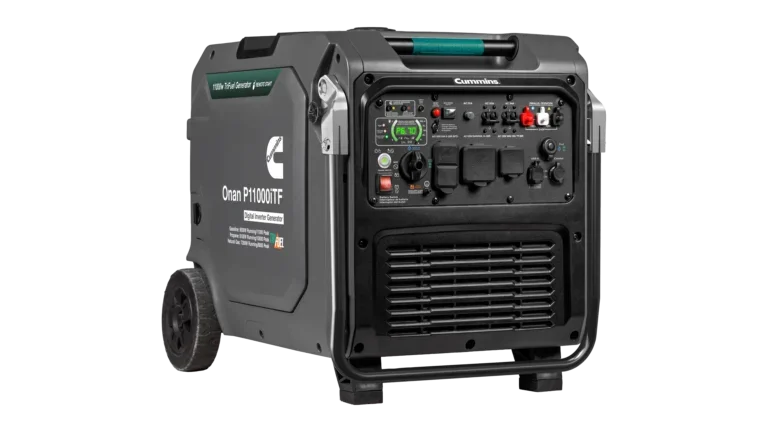
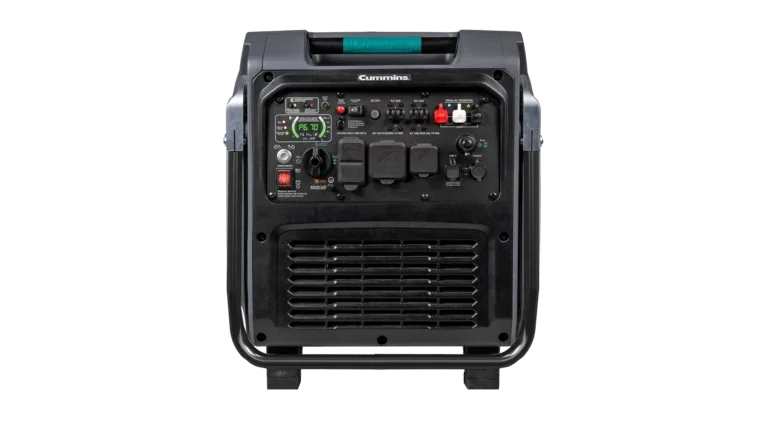
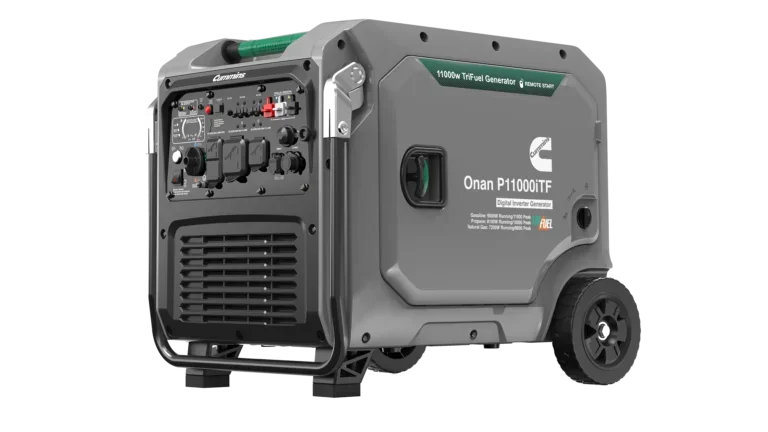
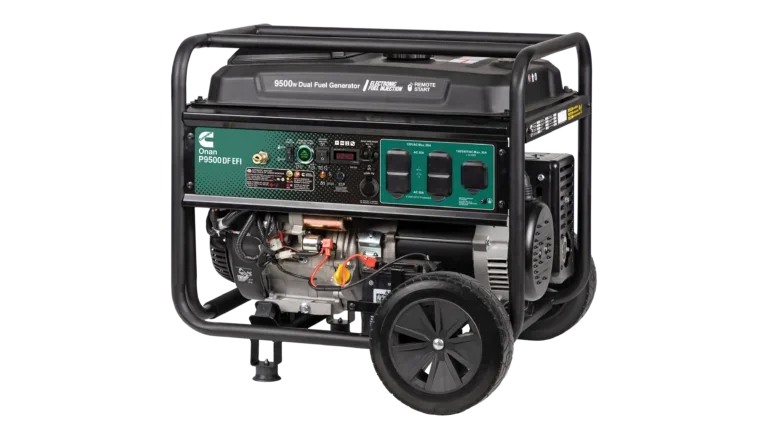
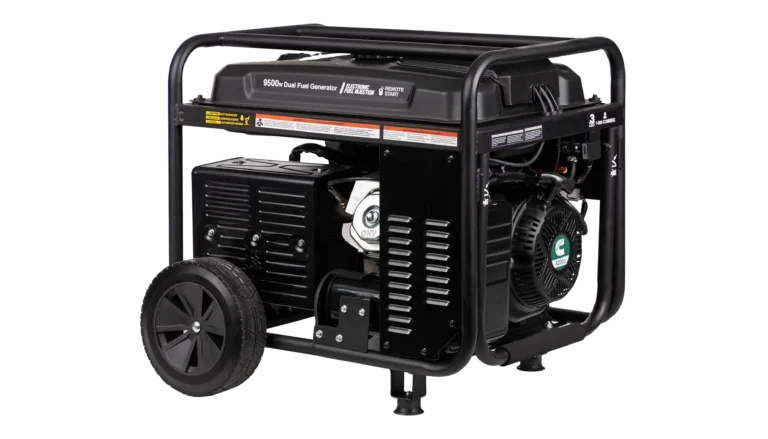
For the sake of this blog post, we’ll assume our office uses the Cummins P9500DF EFI generator. This generator can continuously output 7.5kW and peaks at 9.5kW. This is enough to charge batteries or run large appliances.
The gas tank holds 6.6 gallons and can run for 14.5 hours at 25% load (1.875kW). Of course, you may need to stop the generator periodically to check the oil levels, but we won’t factor any maintenance or cooling time into our calculations.
When you run these calculations for your own system, check your generator and solar panel specifications to determine exact power output.
How Much Generator Power Do I Actually Need?
The table and graph below show the same information in different formats. They show the average number of peak sun hours for each month in Hayden, ID, the number of watt hours produced with our Aptos DNA panels, and the number of watt hours either above or below our 30kWh target. As you can see, we’ll have our lowest production in December, with an average daily solar output of only 11.4kWh, leaving us needing an additional 18.6kWh from the generator.
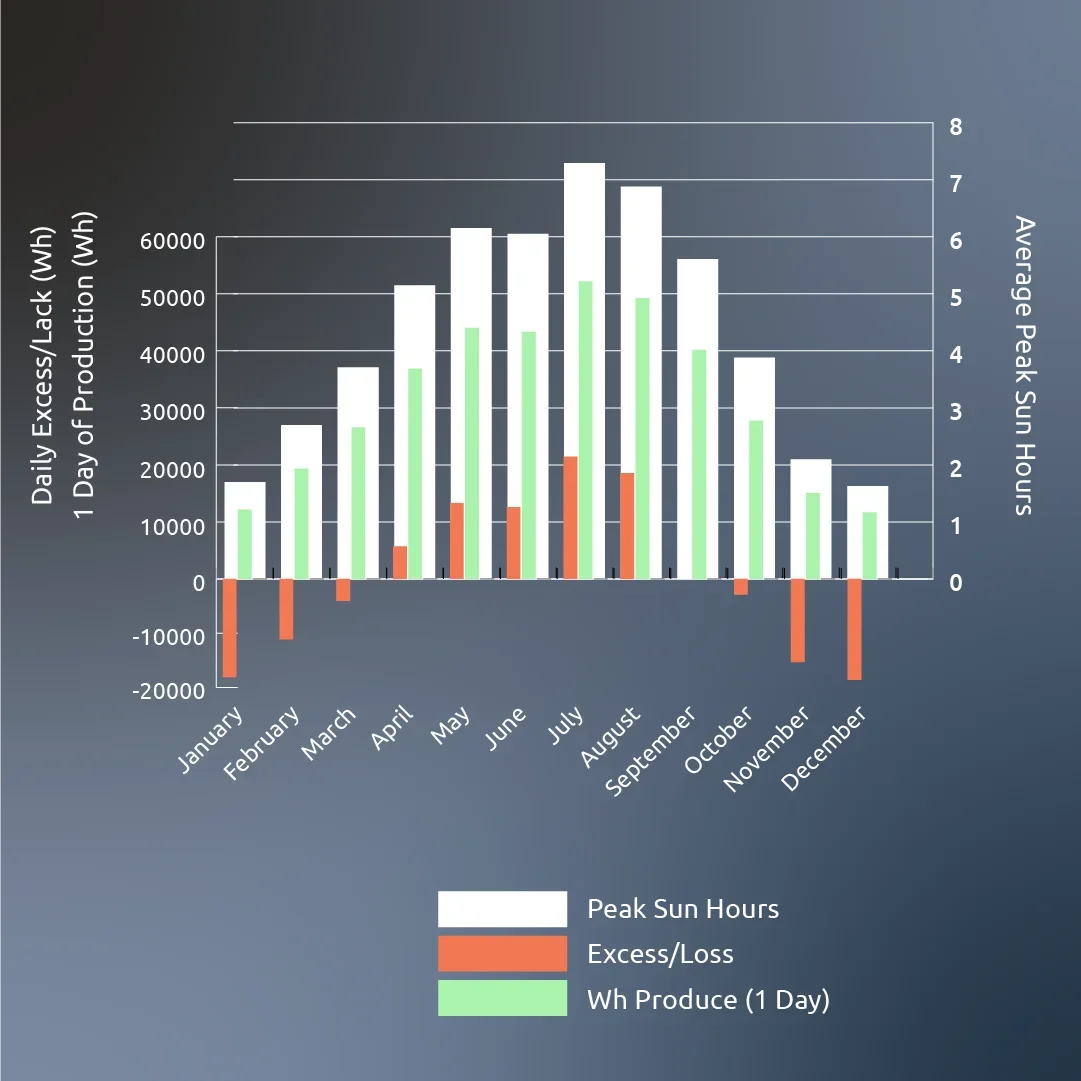
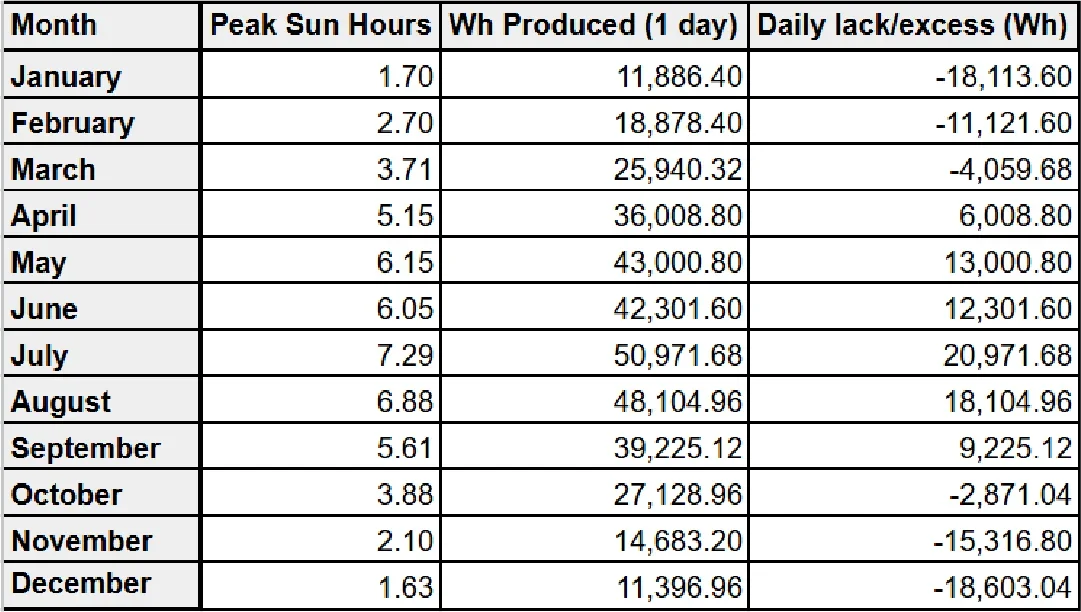
Wh produced in 1 day
Watt hours produced in one day = peak sun hours x panel output
Remember to use the NOCT panel rating or use 80% of the STC rating.
Daily lack/excess
Lack/excess power = daily production - target production
The lack shows how much power our generator must provide every day to reach our 30kWh target.
The True Cost of Generator Power
Gas prices change daily, but while I’m writing this blog, they just crested $4 per gallon in Hayden, ID. With the current world situation, these prices may rise as we saw in 2022, when they peaked at a national average of $5 per gallon, with some places close to $7 per gallon. I’ll use $5 per gallon in this post for the sake of example.
What does it cost to produce 1kWh with our generator?
Cost of 1kWh = (Tank size x cost per gallon) ÷ (generator power output x hours)
Cost of 1kWh = (6.6 gallons x $5) ÷ (1.875kW x 14.5 hours) = $1.214/kWh
If we add the needed power from October through March (remembering to multiply by the number of days each month), we have a total of 2,123.98kWh needed every year. At the rate of $5 per gallon, this will cost us $2,578.07 for one year ($1.214 x 2,123.98kWh).
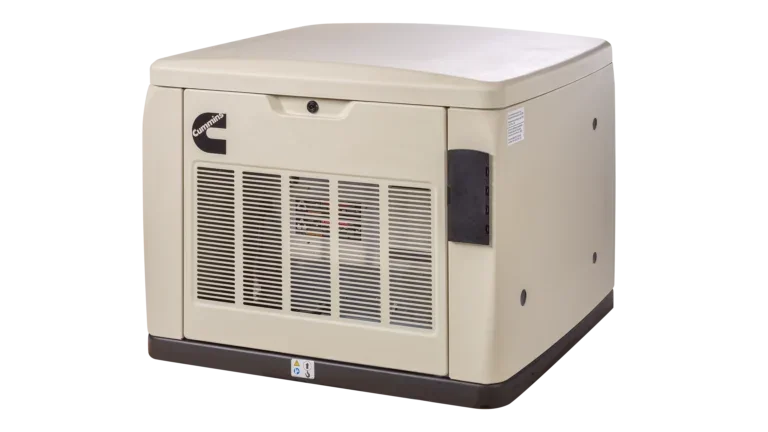
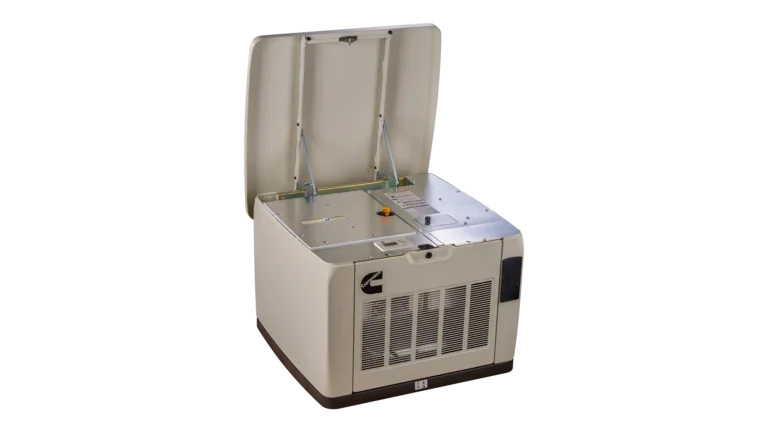
Check Out These Generators!



The Cost of Additional Solar Panels
To find the number of solar panels needed, we look only at the day with the lowest peak sun hours. If we can design a system to produce our target 30kWh on that day, we can know it will produce more than 30kWh every other day.
Daily power needed (Wh) ÷ peak sun hours ÷ panel output = # of panels needed
18,603Wh ÷ 1.63 peak sun hours ÷ 304W = 37.54 solar panels = 38 solar panels
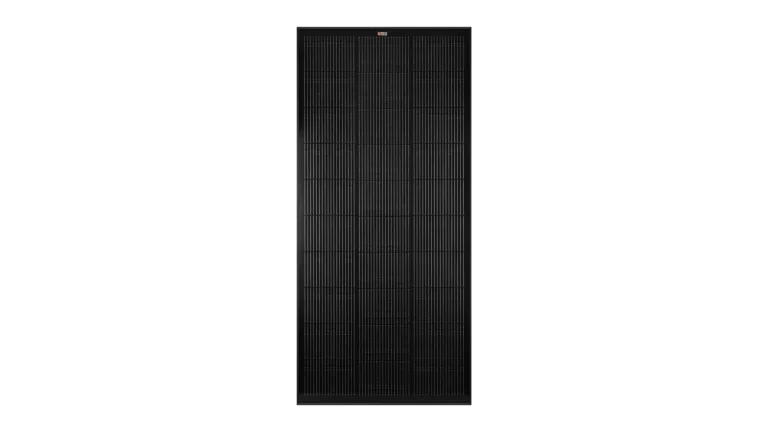
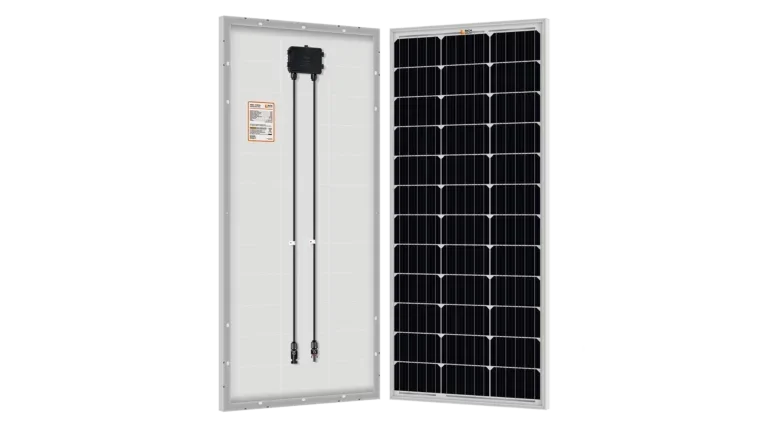
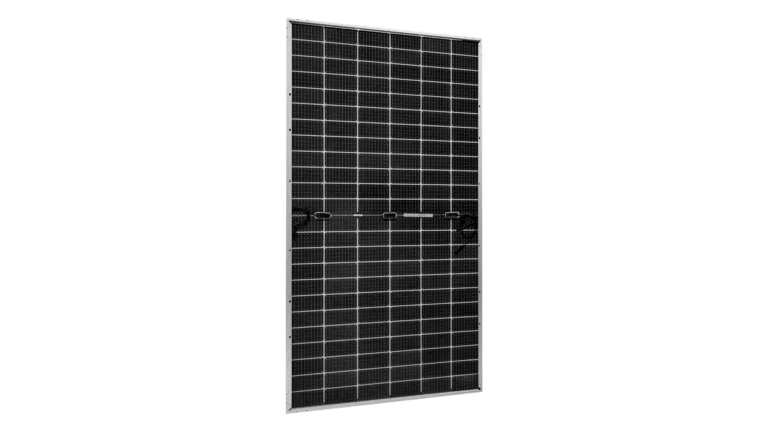
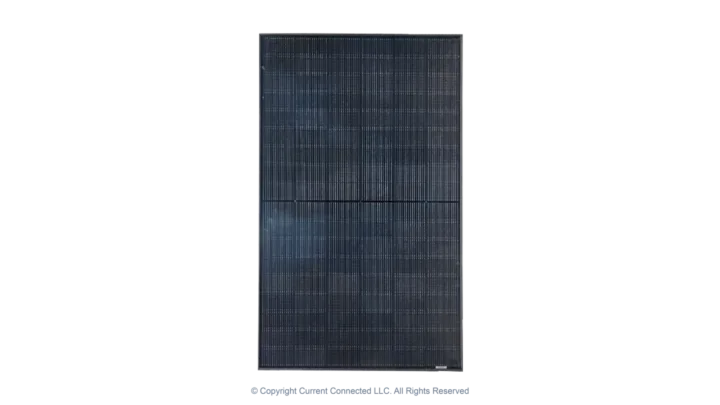
At $268.44 per panel, this is a total of $10,200.72.
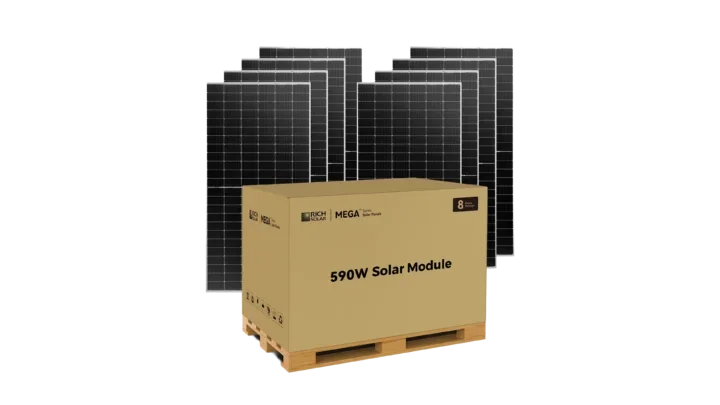
Check Out These Solar Panels!

Are Solar Panels Worth It?
Annual Cost of a Generator
At $5 per gallon, you will spend $2,578.07 for gas during one year.
One-Time Cost of Solar Panels
The additional solar panels needed at our Hayden, ID office to produce 30kWh every day is $10,200.72.
At first glance, you may think the $10,200.72 upfront cost far exceeds the $2,578.07 needed to run a generator. But you buy solar panels once and you buy gas every year, so the total cost of gas increases over time.
After running your generator for four years, you’ll have paid $10,312.27 in gas alone. This assumes consistent $5 gas prices during that time.
At today’s gas prices (March 30, 2026), the lowest gas prices in the nation are in Adair County in Oklahoma at $3.02. If gas prices stayed at $3.02, you would reach $10,900.07 to run a generator in year seven, but your solar panels would continue operating up to 25 years.
While solar panels cost more up front, you save $30,000-$55,000 in gas alone over the panels’ 25 year life span, and there are other considerations with a generator.
Other Considerations

The Environment
Generators emit harmful gasses like CO (carbon monoxide), CO2 (carbon dioxide), and nitrogen oxides (NOx). While it may be tempting to plant additional trees to offset the CO2 emissions, CO and nitrogen oxides can be poisonous for both humans and plants.
When researching this topic, I discovered that plants produce a small amount of N2O, also known as laughing gas. While the amount produced is not nearly enough to help you at the dentist, this is your reminder to get some fresh air!
Gas availability
As a non-renewable fuel, and with uncertain times ahead, we may find ourselves in a gas shortage. Solar panels provide consistent and reliable power after the initial cost, but non-renewable fuels may disappear.
Convenience
Generators require continual maintenance. All generators require periodic refilling, and you must stop portable generators like the P9500DF EFI every 6-8 hours to check the oil level. Solar panels, on the other hand, require little maintenance after the initial installation.
Mobility
For mobile lifestyles, food trucks, or similar situations, generators can be a better option. If you can’t fit 60 solar panels on your mobile footprint, a generator provides the power needed without a large installation space.
Other system components
This post focuses only on the gas and the solar panels. It’s good to also consider the initial cost of the generator, how often you need to replace and maintain the generator, and other components in a solar system.
If your system already has all the batteries needed, just make sure your charge controller, inverter, and other components can handle the additional solar power. A system with a large inverter and charge controller can absorb the extra power, but a smaller system may require upgrades.

Conclusion
Ultimately, the decision to buy solar panels or a generator rests with you, but we hope this article has helped you weigh the pros and cons.
Need help with your specific installation? Call our friendly and knowledgeable support staff for customized assistance.