
Shop Bifacial and Monocrystalline Solar Panels by the Panel or Pallet
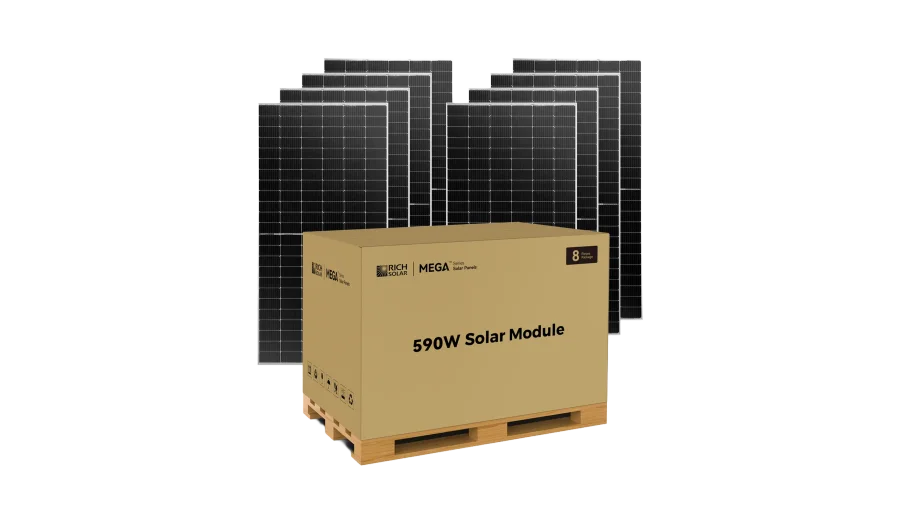
Every solar system starts here, so pick panels that fit your site and your budget. We stock bifacial and monocrystalline panels from Trina, Aptos, Rich Solar, Axitec, HD Hyundai, and more, sold by the panel or by the pallet for a better price per watt.
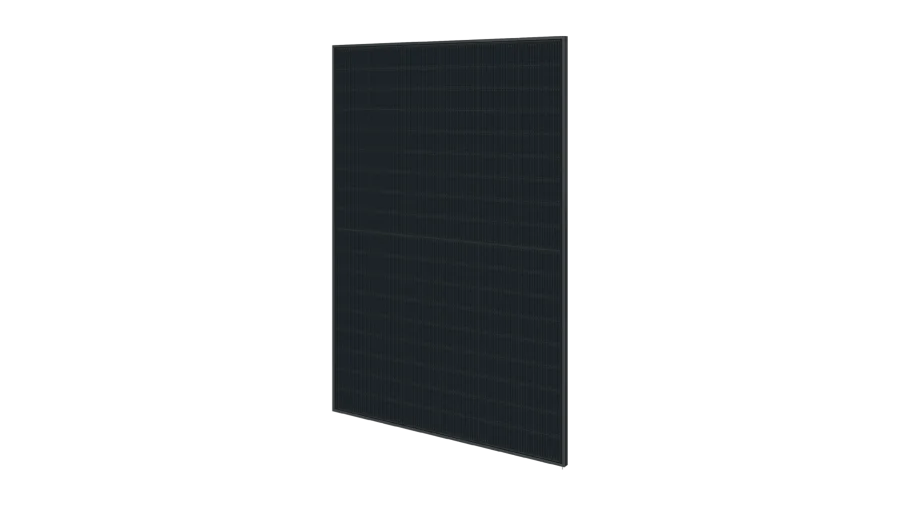
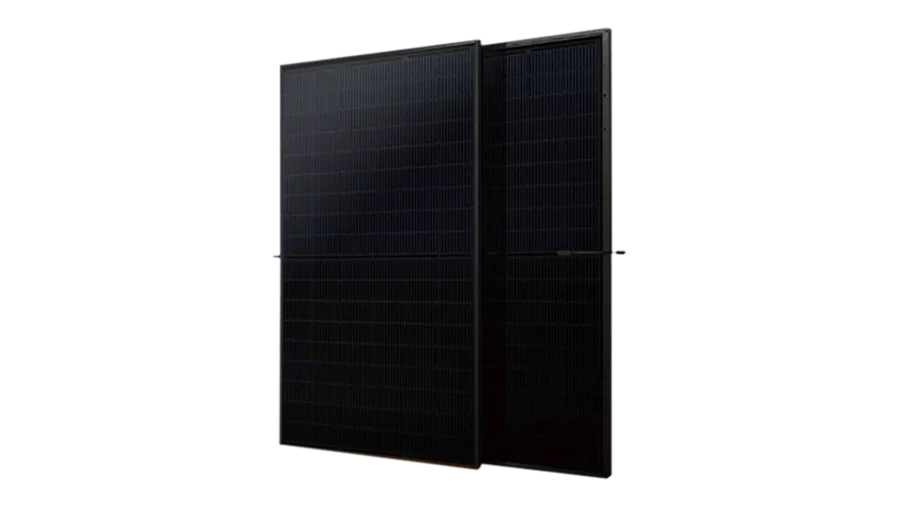
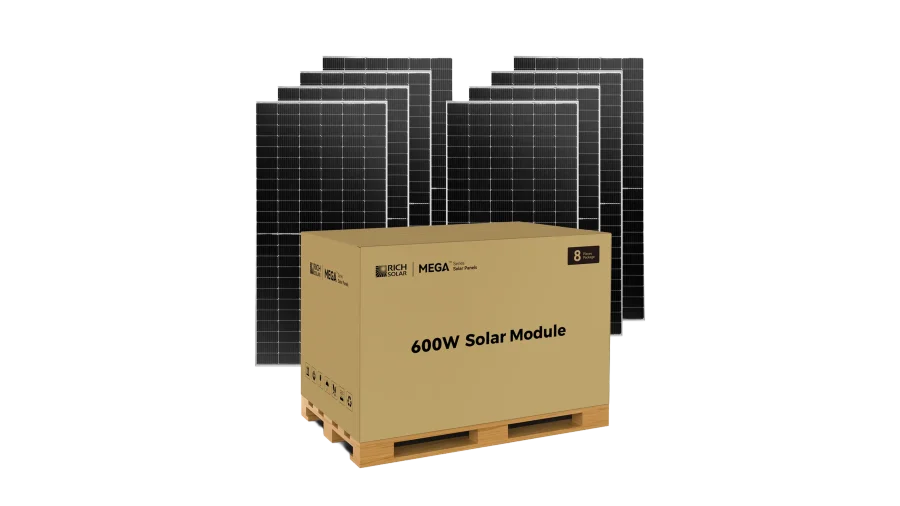
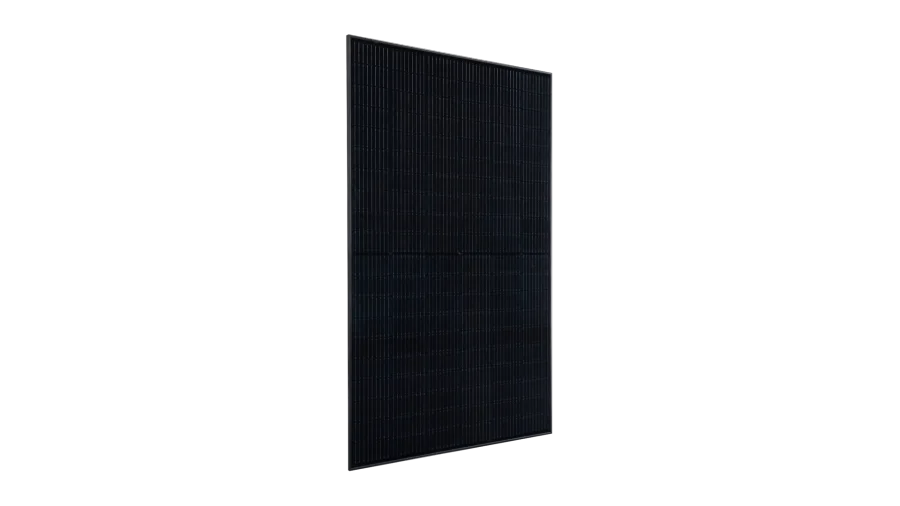
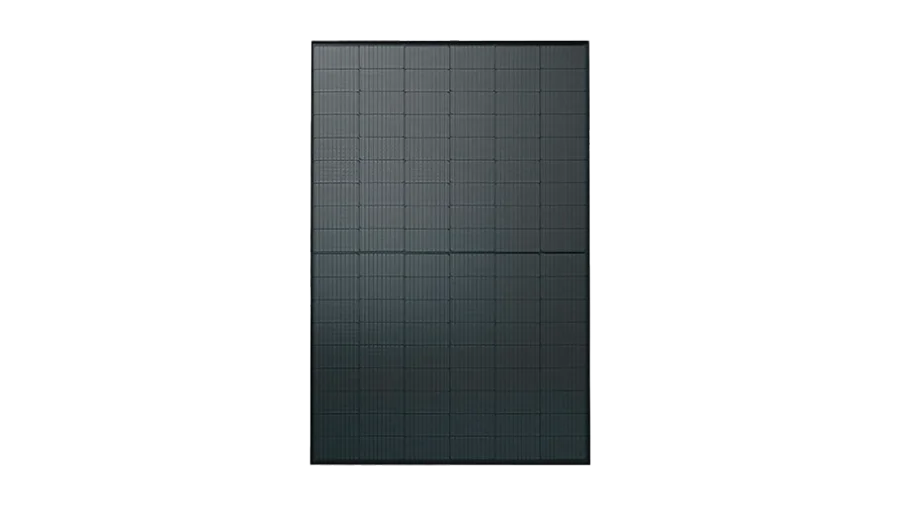
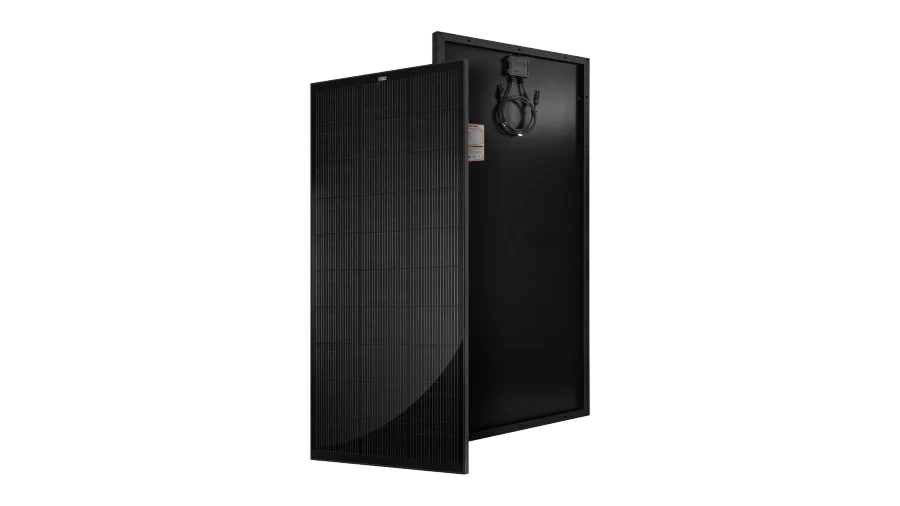
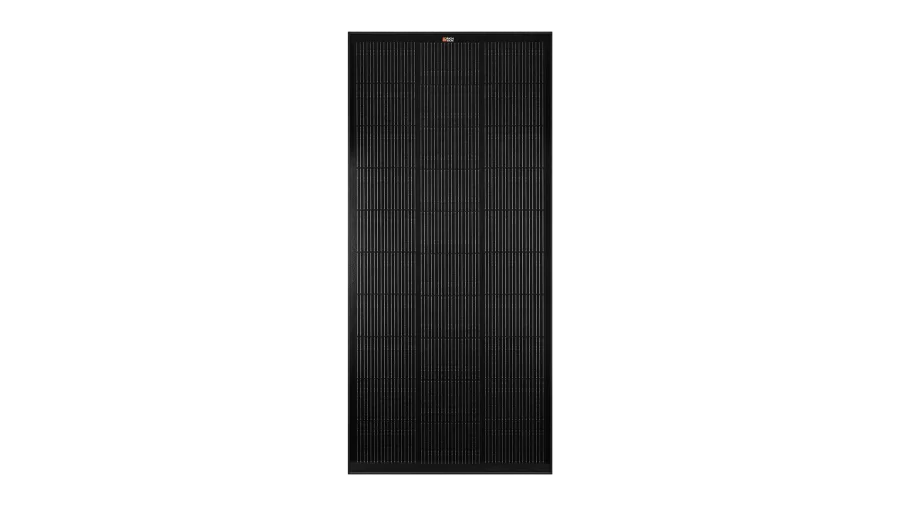
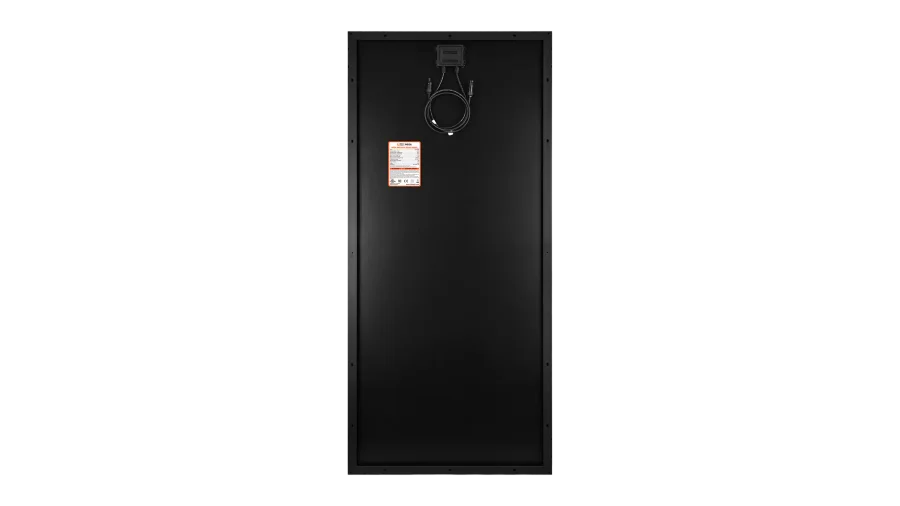
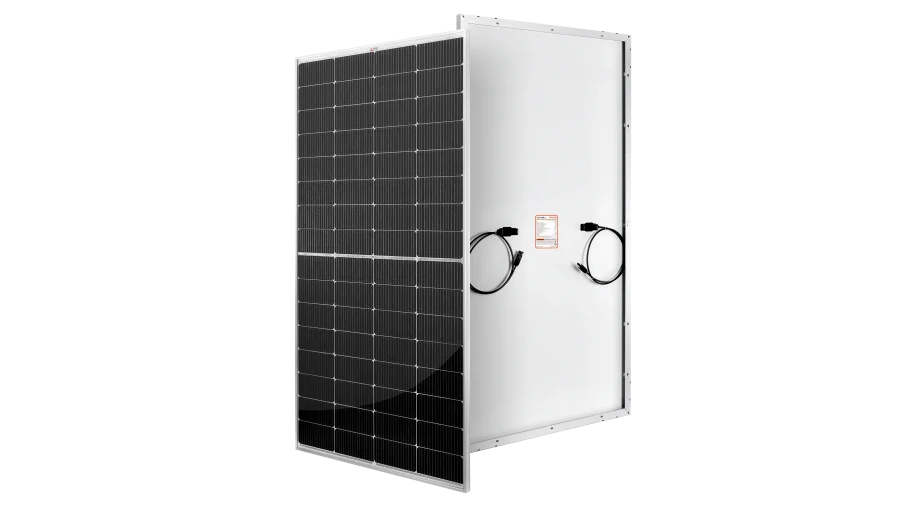
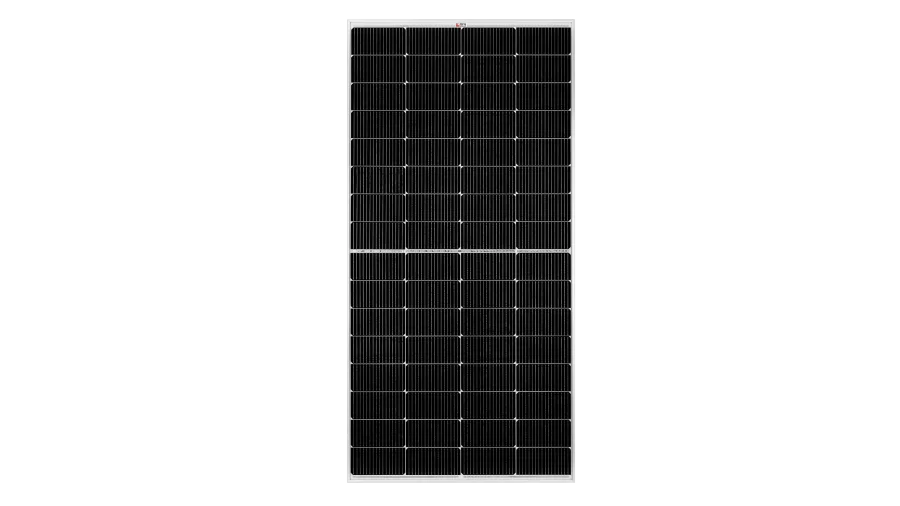
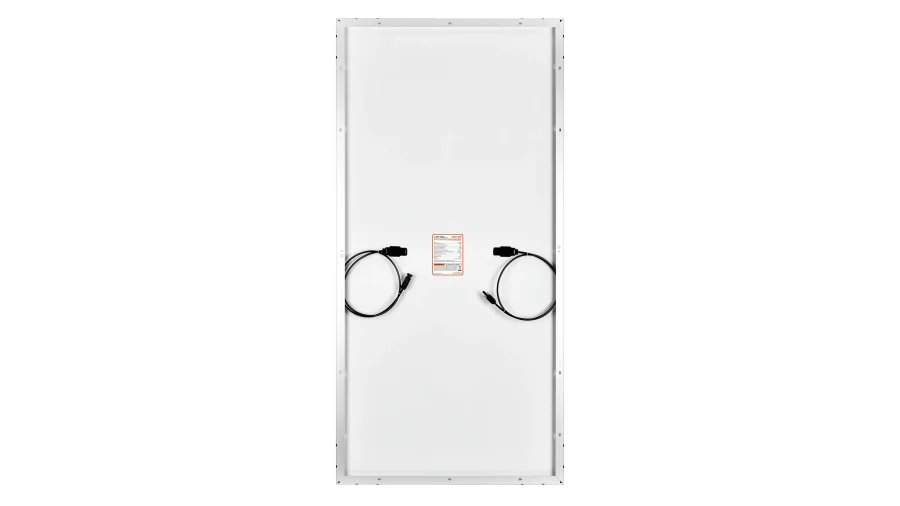
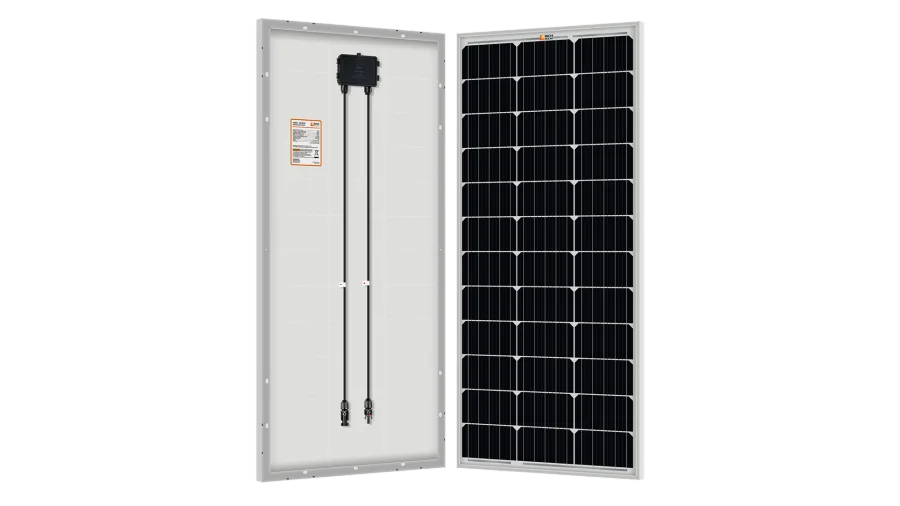
How to Choose Solar Panels
1. Pick Your Module Type
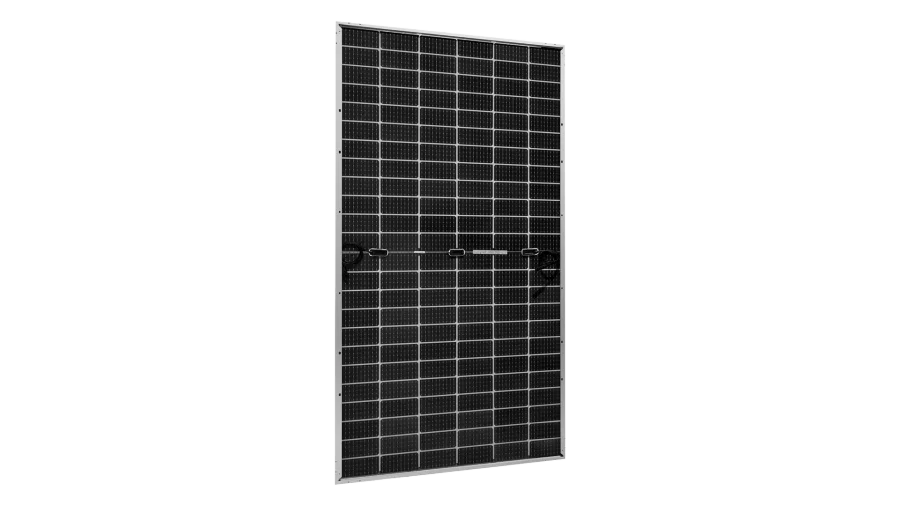
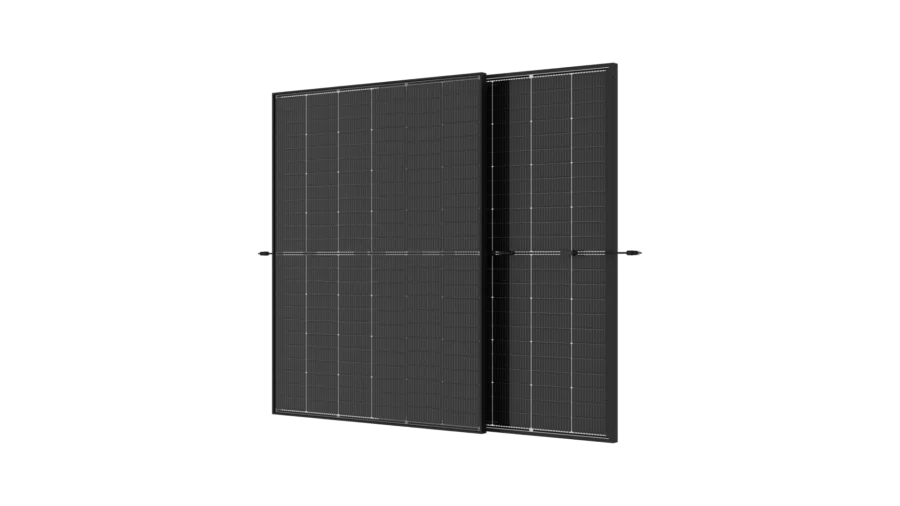
Use the Module Type filter to choose between bifacial and monofacial panels. Bifacial (double sided) panels have a glass back that collects light bouncing off the ground, so they make extra power on ground mounts, carports, and racks over light-colored surfaces or snow. Monofacial (single sided) panels have a solid backsheet and are a strong, budget-friendly pick for flush roof mounts, where the back of the panel never sees light.
2. Check the Cell Type
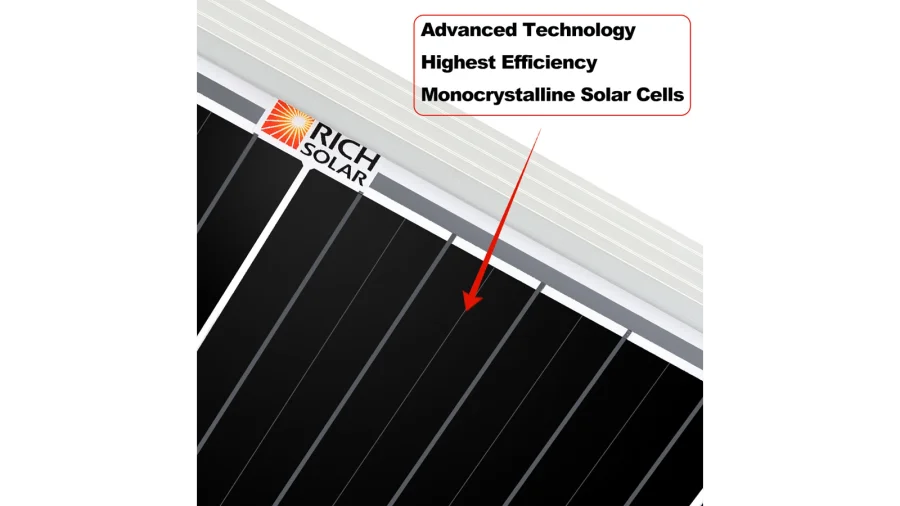
The Cell Type filter shows how each panel is built. Most of the panels we carry use half-cut monocrystalline cells, which split each cell in two to lower resistance and help the panel keep producing when part of it is shaded. Several models, like the HD Hyundai and Axitec panels, use N-type TOPCon cells for higher efficiency and better performance in the heat. Try our solar panel shading trainer to see how shade really affects an array.
3. Choose a Color
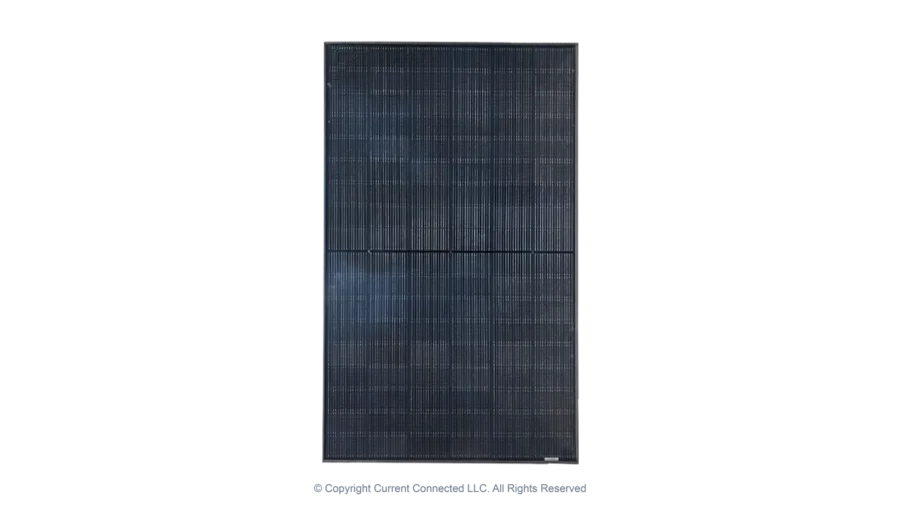
Use the Color filter to match the look you want. All-black panels have black frames and cells for a clean, low-profile look on a home. Silver-frame panels often cost a little less per watt and are a great fit for ground mounts, barns, and shops.
4. Compare Brands
The Brand filter lets you compare manufacturers side by side. Every panel we sell carries a manufacturer warranty on workmanship and power output, and each product page lists the exact terms.
5. Match Your Electronics, Then Buy by the Pallet
Before you order, check each panel’s open-circuit voltage (Voc) and current against the input limits of your inverter or charge controller, and remember that Voc climbs on cold mornings. Then plan your racking. Panels ship from the factory by the pallet, so ordering a full pallet usually brings your price per watt down. Our charge controller sizing guide shows how to work out cold-weather Voc and how many panels fit in a string.
Solar Panel FAQ
On a flush roof mount, the back of a bifacial panel sees very little light, so the extra gain is small. Bifacial panels shine on ground mounts, carports, pergolas, and tilted racks over light-colored ground or snow. On a typical roof, a monofacial panel can be the better value.
Start with your daily energy use in kWh and the peak sun hours where you live. As a rough example, fifteen 400W panels (6kW) in an area with 5 peak sun hours make about 30kWh on a clear day, before system losses. Your inverter or charge controller sets the upper limit on how many panels you can connect. Our solar panel sizing guide walks through the full calculation, and this utility bill guide shows how to find your daily kWh.
Panels in the same series string should match, because the weakest panel limits the current of the whole string. If you need to mix models, put each type on its own string or its own MPPT input.
Yes. Panels run more efficiently in the cold, though shorter winter days mean less total energy. Clouds cut output, but panels still produce some power on overcast days. Snow usually slides off tilted panels, and bifacial panels can even pick up extra light reflected off fresh snow.
Panels ship from the factory on pallets, so buying a full pallet usually lowers the price per panel and keeps the panels packed the way they were designed to travel. Several of our listings are sold as full pallets, and the product page shows how many panels and watts you get.