Maria Peña17 December 2025 Verified Purchase
Fácil de instalar

SKU: Please select an option...
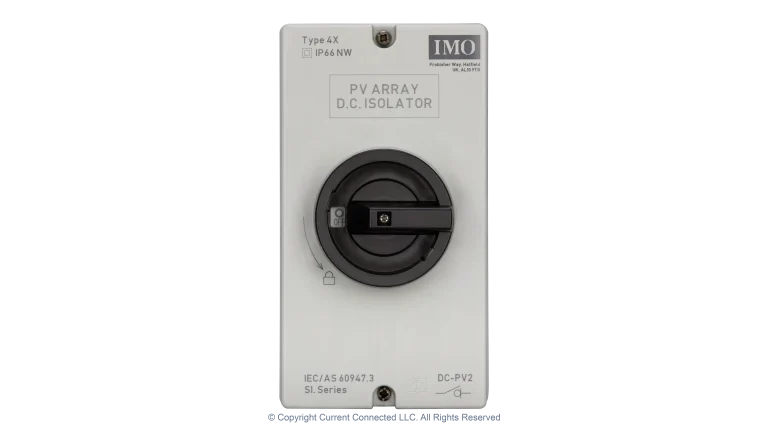
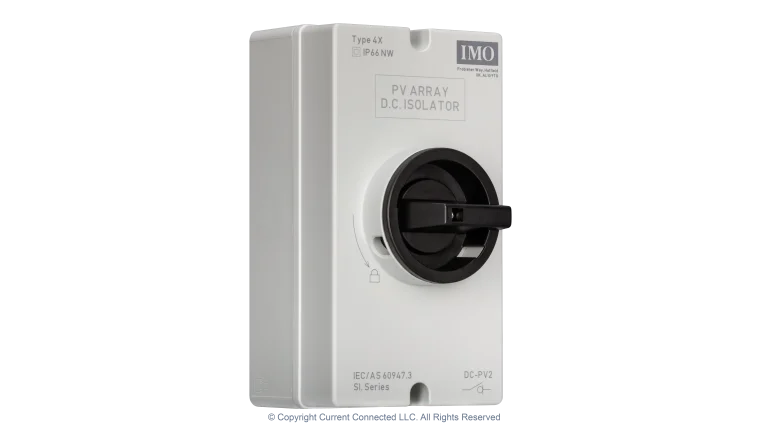
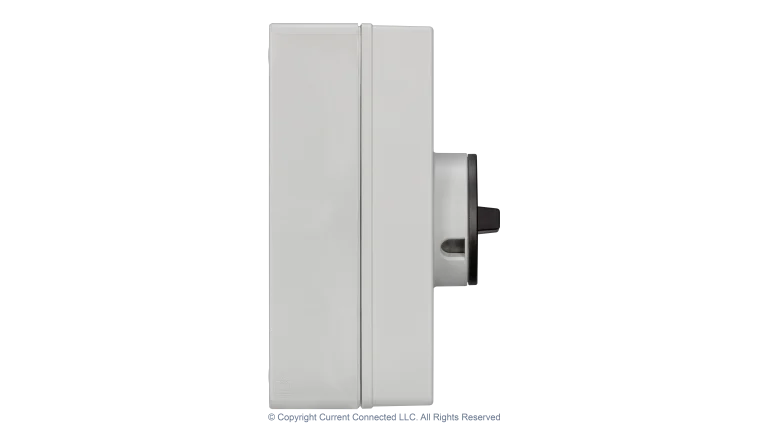
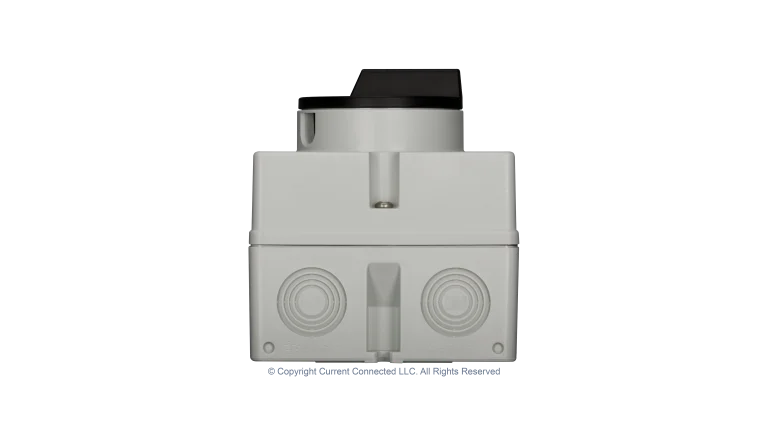
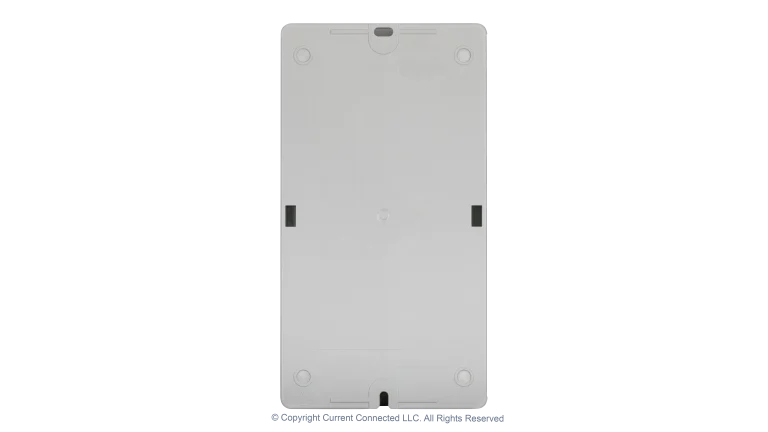
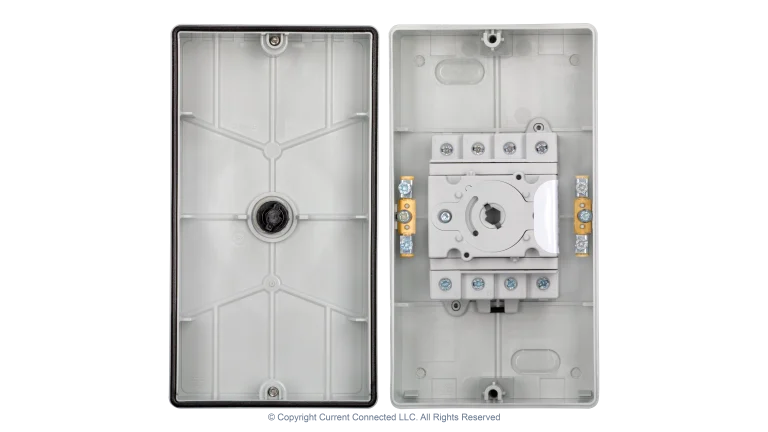
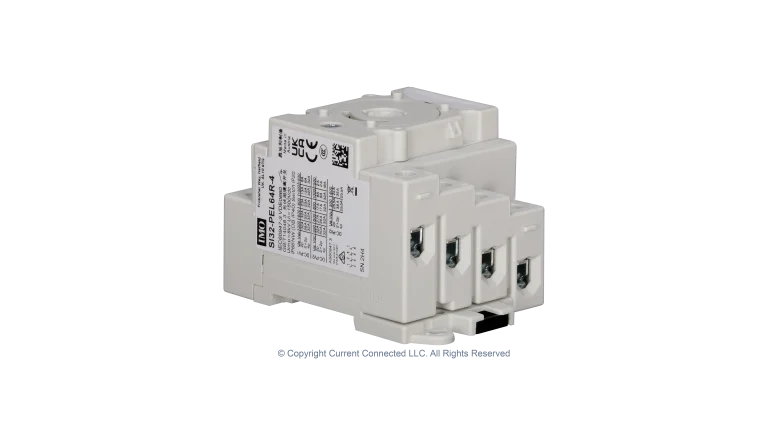
The IMO SI32-PEL64R-X is a 600VDC / 32A rooftop DC disconnect switch for safely isolating solar panel strings during installation and maintenance. NEMA 4X rated with UV-resistant plastic, guaranteed arc suppression in 3ms, and available in 4-pole (2 string), 6-pole (3 string), and 8-pole (4 string) configurations.
Log in to check member price and detailed stock information.
Please select all options above to add to cart.

Current Connected is YOUR IMO product specialist
The SI32-PEL64R-X from IMO Precision Controls is a switch for disconnecting PV circuits for safe installation and maintenance. This device safely disconnects positive and negative wires, extinguishing arcs caused by DC power from solar panels guaranteed within 3ms.
Turning the switch tensions the internal spring mechanism. As soon as enough tension is provided, the switching mechanism snaps the contacts into the ON or the OFF position. The spring activated action increases the speed at which the circuit is opened and closed. Opening and closing the contacts quickly is essential for preventing arcing that would otherwise destroy the switch.
This disconnect switch is polarity independent, meaning that there are no set positive or negative positions in the switch, and it is rated for up to 600VDC at up to 32A. With the high amperage rating, it is possible to create parallel connections within the switch.
The entire assembly is NEMA 4X rated, which means it is weatherproof. The plastic is also UV resistant and will not degrade due to sun exposure. It is suitable for installation in harsh conditions such as the direct sun and rain exposure on a rooftop. It is still suitable for indoor use however, if the environment is not as demanding.
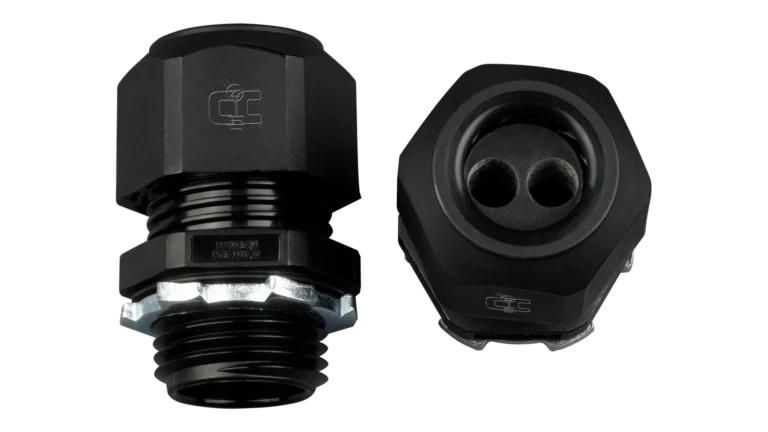
Pre-scored knockouts are available on the top and bottom that are easily punched out. Wire entry glands are used for PV wire entering, providing a water-tight seal when the device is exposed to the elements.
IMO's DC Disconnect Switch is certified for safety in multiple countries, including the US, Canada, and Australia. It includes knife edge contacts, arc cooling chambers and a self-extinguishing plastic enclosure, maintaining optimal safety, even in the event of system or wire failure.
Fácil de instalar
Each PV string requires two poles (one positive, one negative). The 4-pole version handles 2 strings, the 6-pole handles 3 strings, and the 8-pole handles 4 strings. Count the number of strings running through the disconnect point and match accordingly.
Yes. There are no dedicated positive or negative positions. Any pole can carry either polarity, which simplifies wiring.
Yes. The NEMA 4X rating means it's built for outdoor exposure, but it works fine indoors too. It's just overbuilt for the environment.
For outdoor installations, yes. The glands seal around the PV wire entering the enclosure to maintain the weatherproof rating. They're sold separately.
The switch accepts conductors from #14 to #6 AWG, which covers standard 10 AWG PV wire used in most residential and commercial solar installations.
Yes. The 32A per-pole rating allows parallel connections within the switch for configurations that require it.
On the rooftop near the solar array or at the point where PV wire transitions from the array to a conduit run down to the inverter. NEC requires a means of disconnect for PV circuits, and this switch satisfies that requirement. It's also used on ground mount arrays at the transition point between the array and the home run to the equipment.