
Shop Step-Down Transformers and Autotransformers for Split-Phase and 3-Phase Power
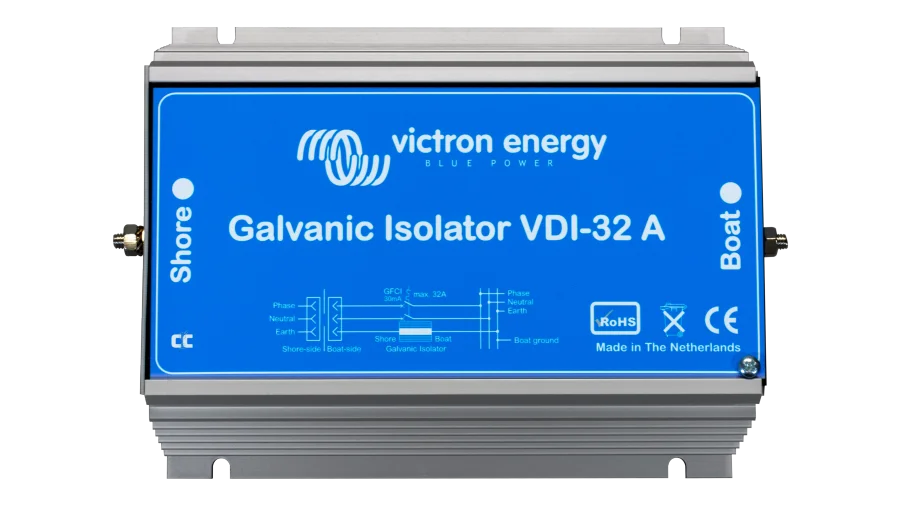
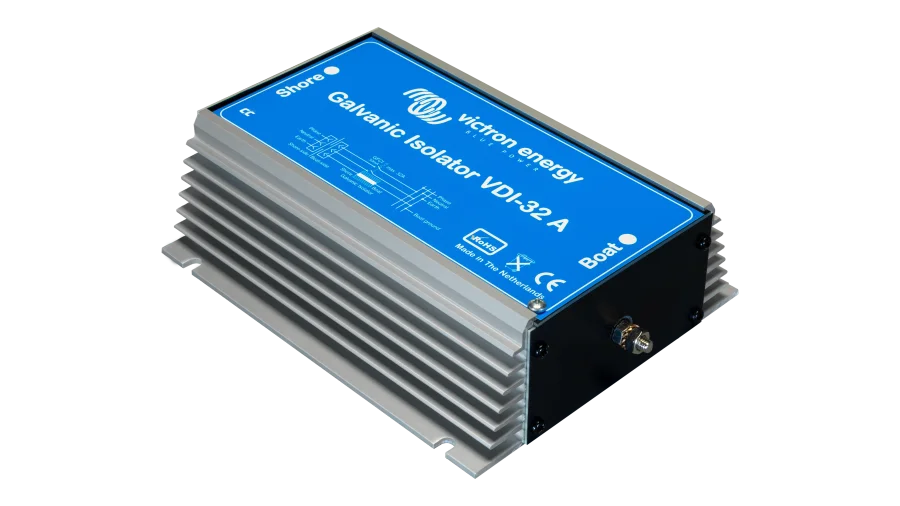
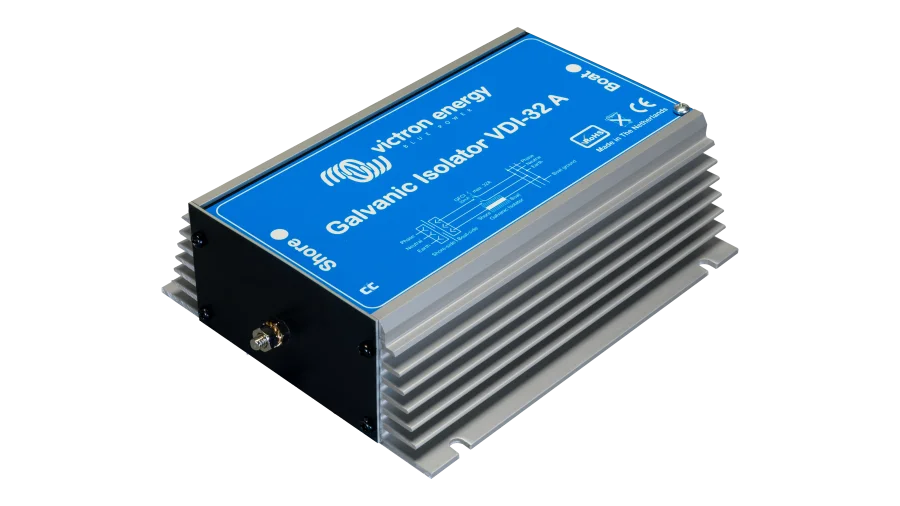
Transformers bridge the gap when your power source and your loads don’t run on the same voltage. We carry Victron autotransformers for split phase, Victron galvanic isolators for shore power, and dry-type step-down transformers for split phase and three phase power.
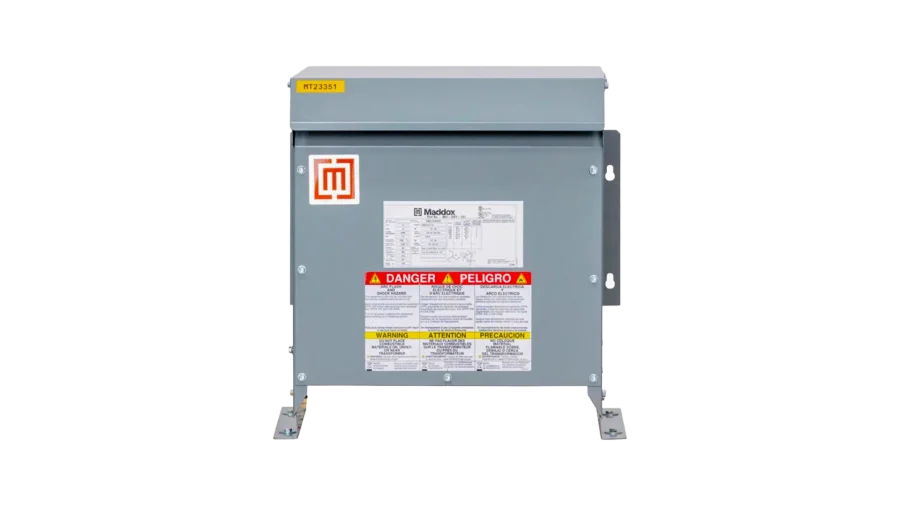
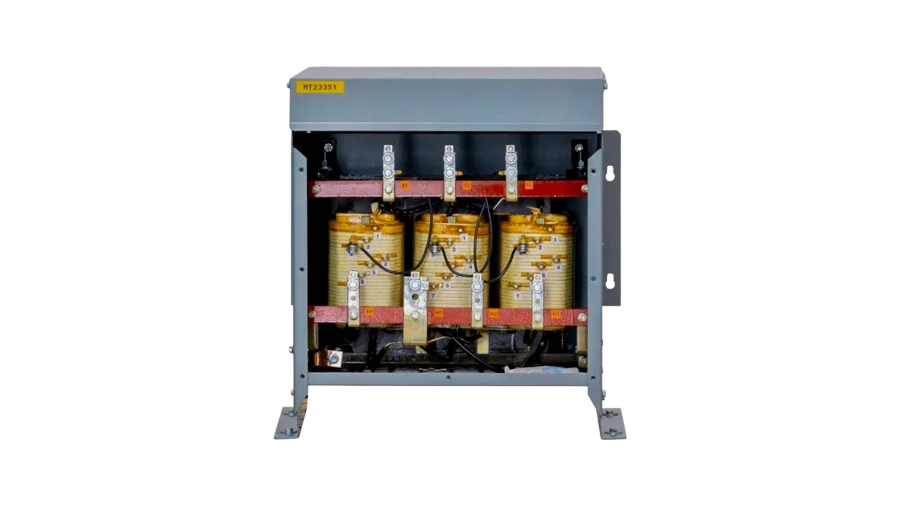
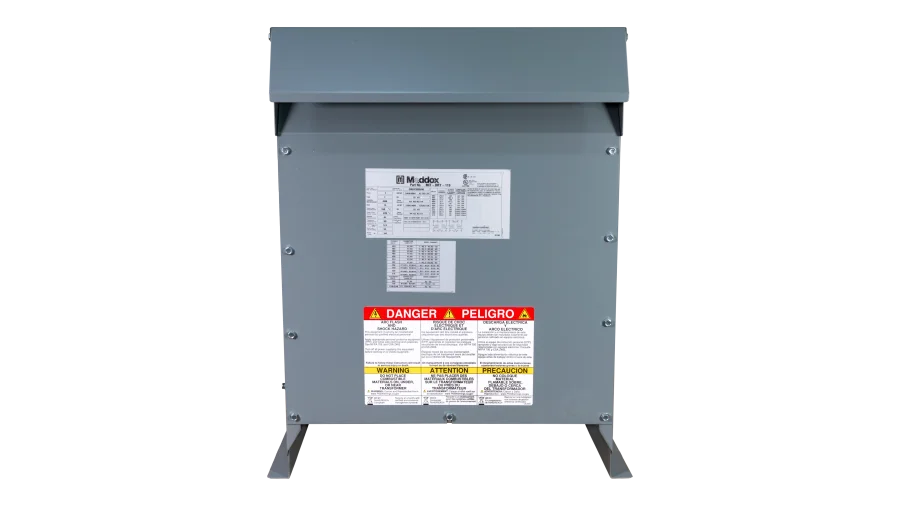
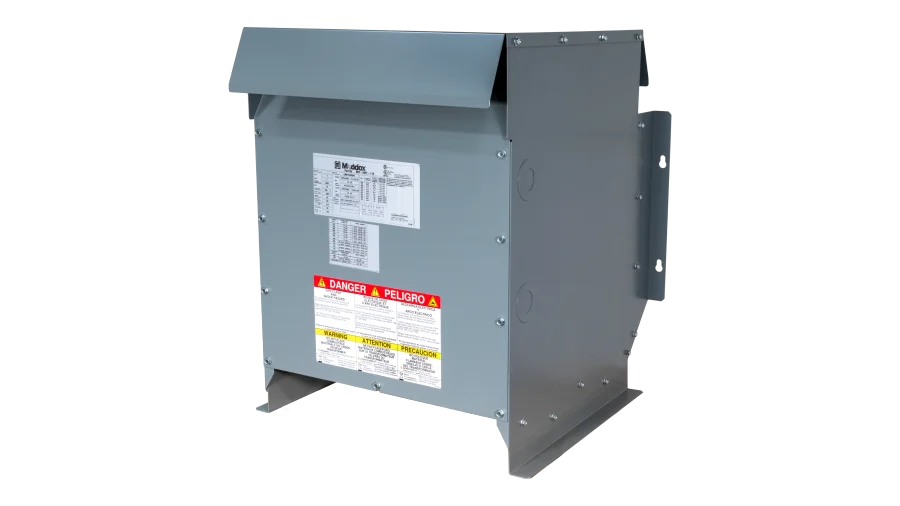
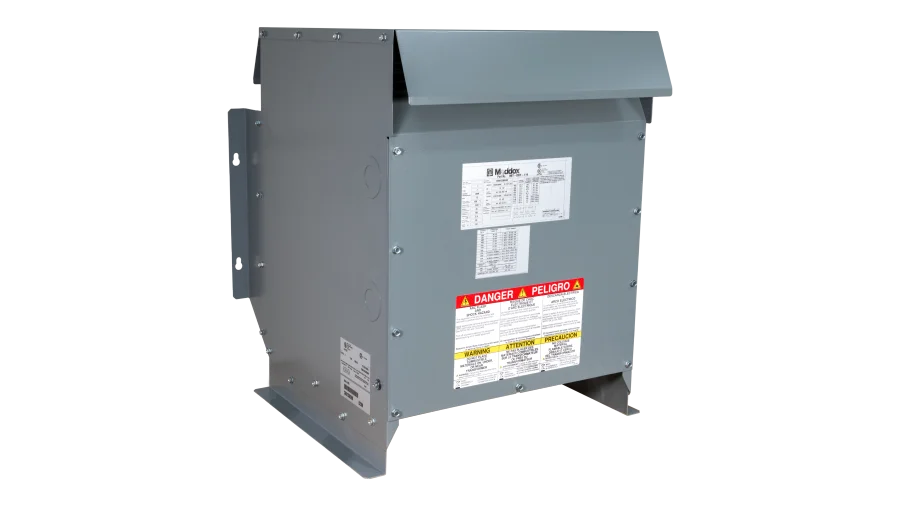
Maddox 3-Phase Indoor Dry-Type Step Down Transformer, 480 Delta V Primary Voltage and 208 Y 120 Secondary Voltage, 15-500kVA Options
Steps 480V delta down to 208Y/120 for your building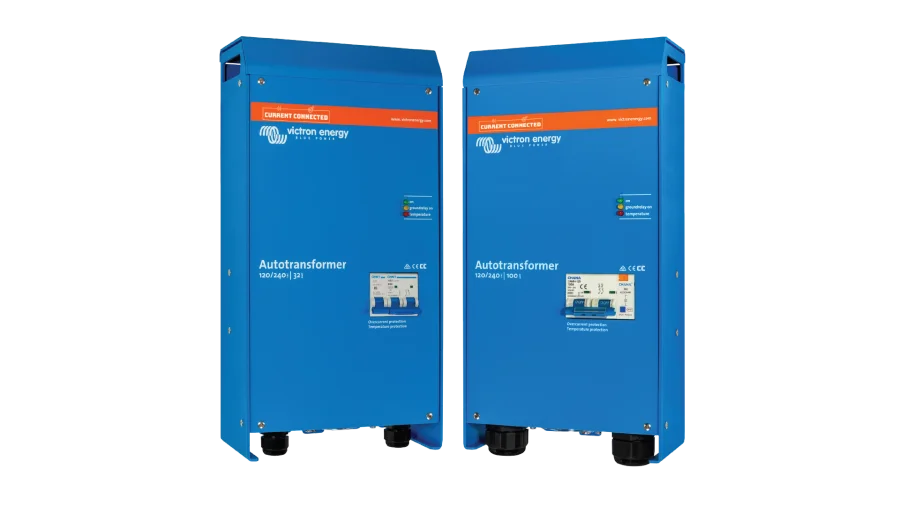
How to Choose a Transformer
1. Know What You’re Converting
Step-down transformers lower voltage from a higher service, like 480V commercial power, to the 120/240V split phase or 208Y/120V three phase your equipment needs. Victron autotransformers create a neutral and balance 120/240V split phase from a 240V source or inverter. Galvanic isolators block small DC currents on the shore power ground to protect boats from corrosion.
2. Size by kVA
Transformers are rated in kVA. Add up your loads, leave room for motor starting and future growth, and pick a unit rated above that number.
3. Plan the Installation
Dry-type transformers need ventilation clearance, overcurrent protection on the primary, and proper grounding on the secondary. Plan those into your layout, and shop AC panels and breakers for the distribution side.
Transformer FAQ
An isolation transformer has separate primary and secondary windings, so the output is electrically isolated from the input. An autotransformer shares one winding, which makes it smaller and lighter, and it’s ideal for jobs like creating a neutral or balancing split phase loads.
When a boat plugs into shore power, the shore ground connects it to every other boat on the dock. Small DC voltages can travel that path and corrode underwater metal. A galvanic isolator like the Victron VDI-32 blocks those small DC currents while still passing fault current for safety.
Yes. A Victron autotransformer can turn a 240V inverter output into 120/240V split phase. If your inverter only puts out 120V, look at split phase capable inverters or a pair of inverters set up for split phase.