
Ballasted Ground Mounts: Tub Mounts vs. IntegraRack
Ballasted ground mounts compared: gravel-filled tub mounts vs. IntegraRack frames with EarthBallast. Shipping, tilt, snow and wind, and which fits your site.

A ballasted ground mount holds your panels down with weight instead of concrete piers or driven posts. That makes it a great fit for rocky ground, rented or leased land, or anywhere you would rather not dig.
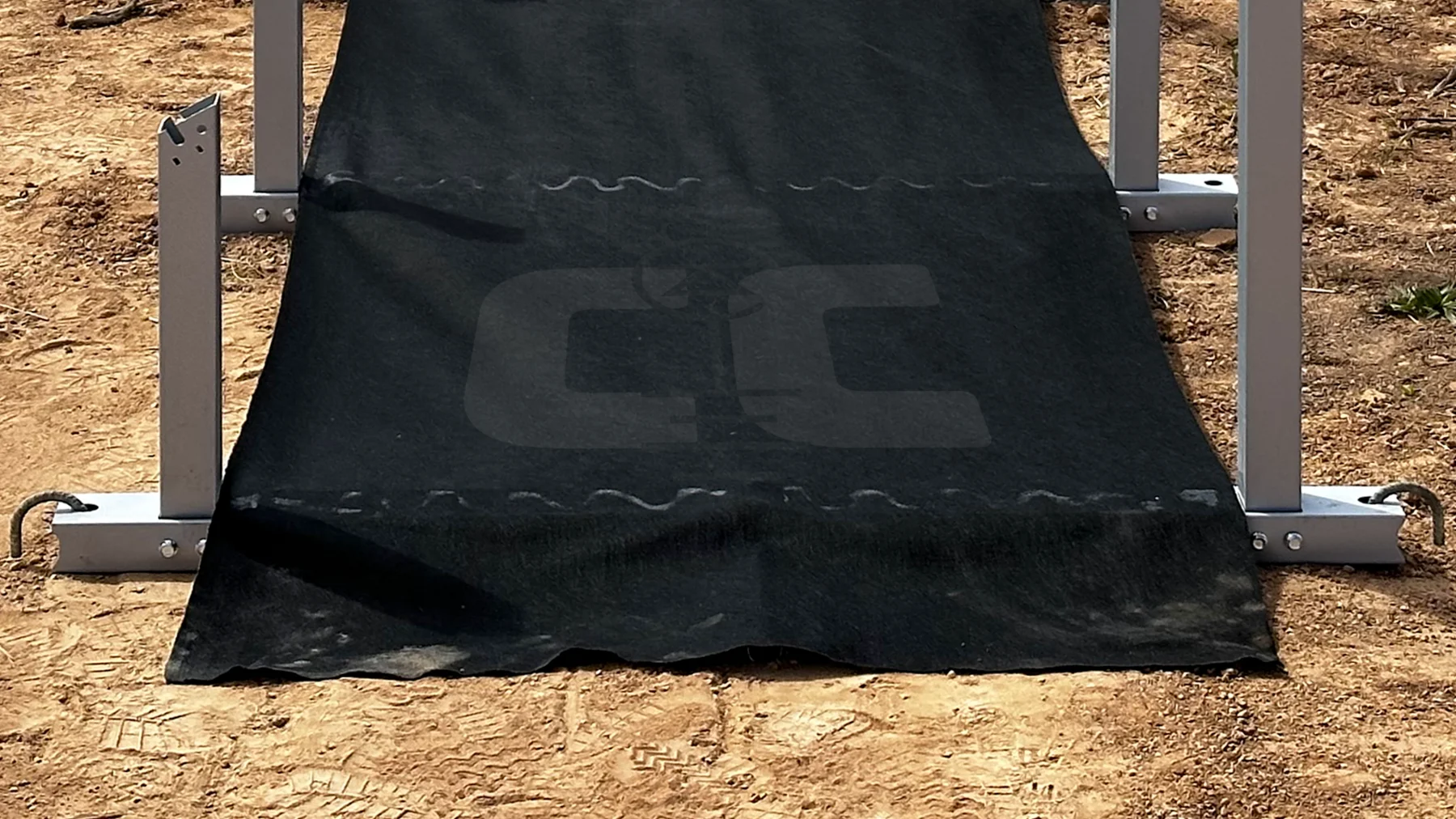
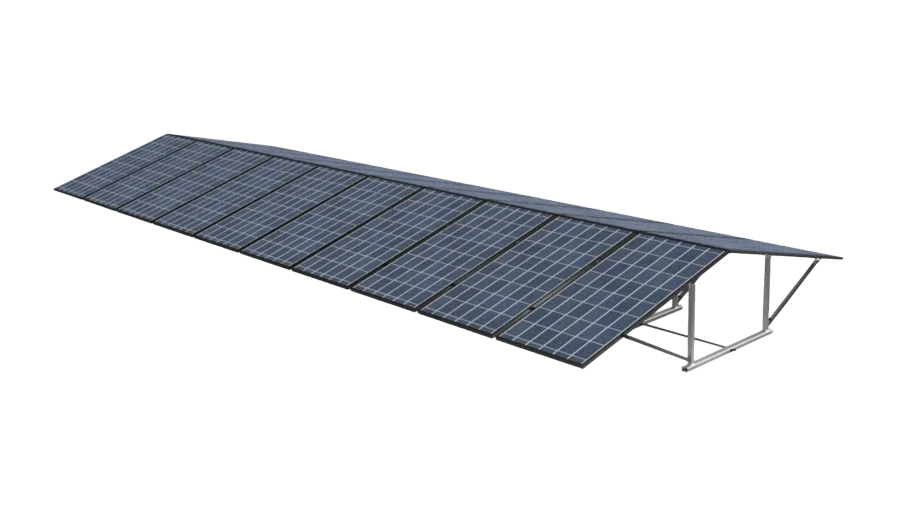
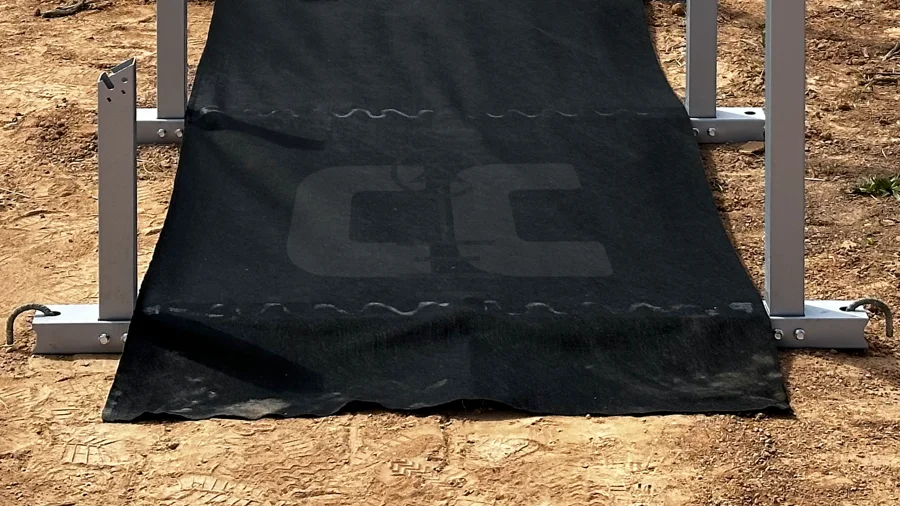
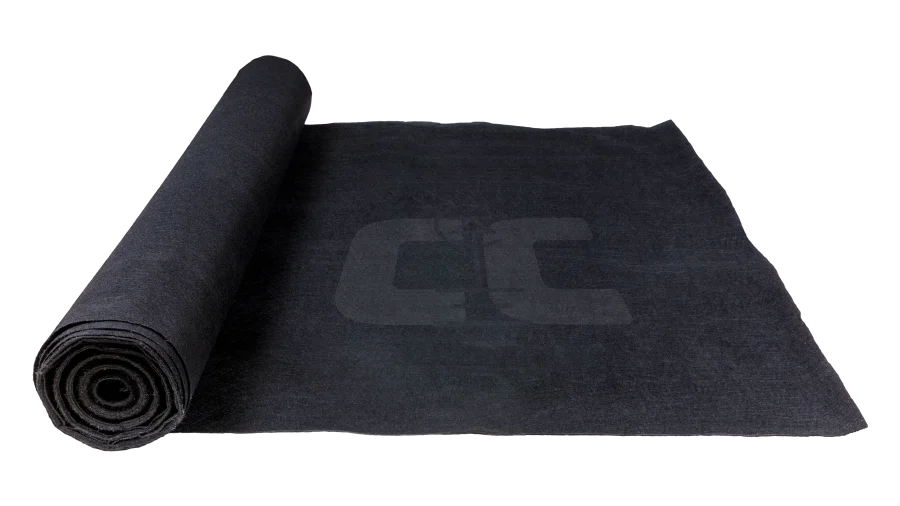
There are two common ways to do it: plastic tub mounts that you fill with gravel, and aluminum frames like IntegraRack’s BallastRack that you hold down with the EarthBallast kit: a fabric sheet across the frames with local dirt or rock piled on top. We used to carry tub mounts before switching to IntegraRack. Here’s how they compare, and why we made the switch.
Tub Mounts vs. IntegraRack at a Glance
Shipping
LTL freight, even for one tub
Ground parcel, 48 x 5 x 5 inch box
Frame
Molded plastic tray
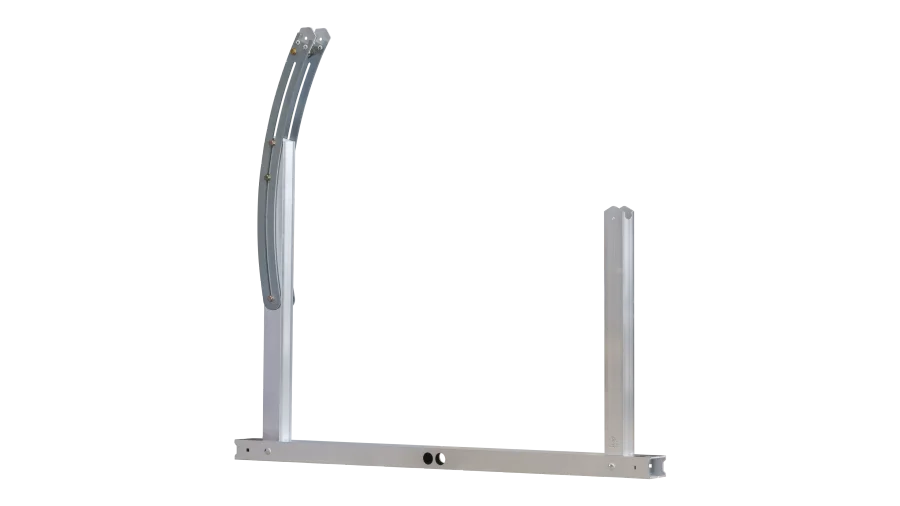
Aluminum frame, one per panel
Tilt
Fixed 18 degrees
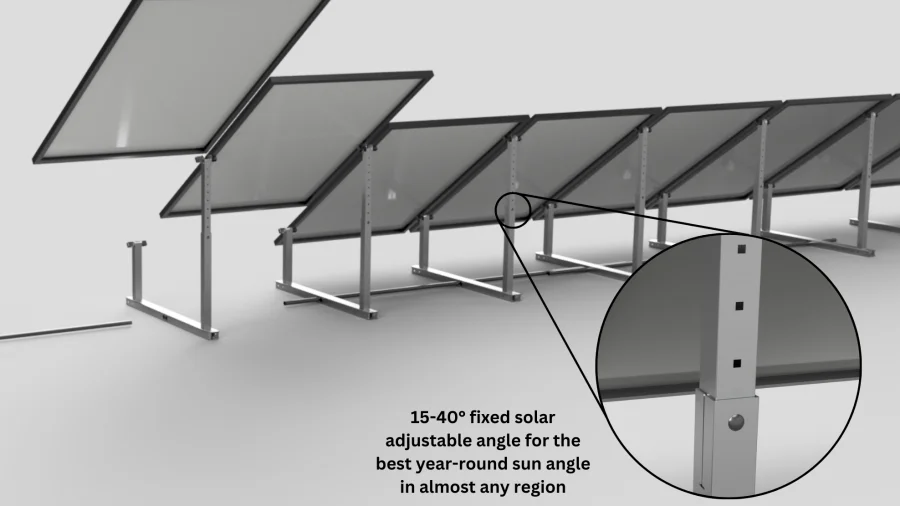
15 to 45 degrees, fixed or adjustable by model
Ballast per panel
About 5 cu ft of gravel, roughly 550 lb
575 to 1,200 lb of local fill
Assembly
None, set it and fill it
About 2 minutes per frame, joined with 1" EMT
Panel bonding
A listed lug and ground wire on every panel
IR-F2 clamps bond panel to panel as you tighten them
Other anchoring options
Gravel ballast only
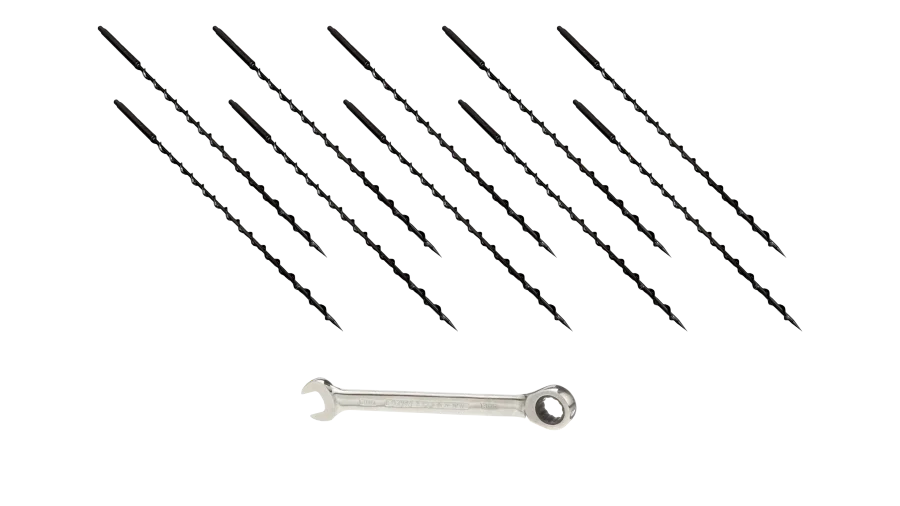
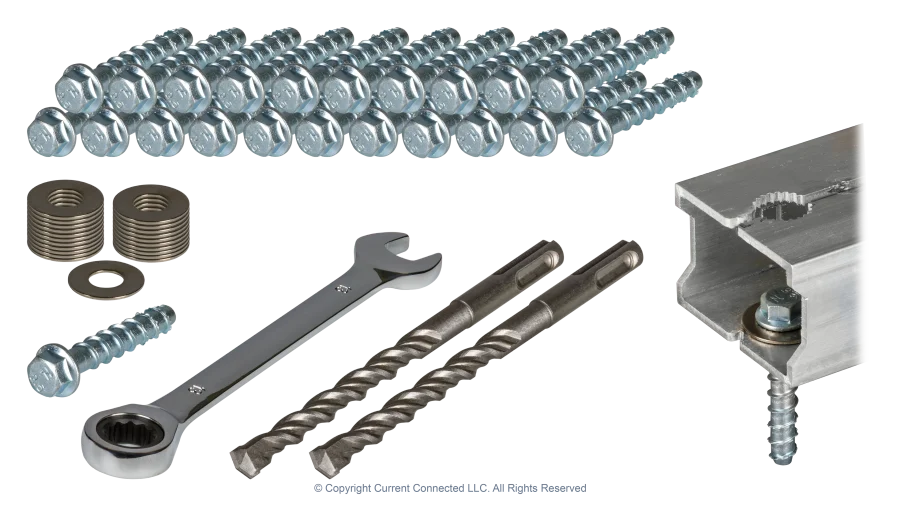
EarthScrew, BladderBallast, SlabBallast, lag bolt
How Each One Works
Tub mounts are molded plastic trays set at one fixed tilt. Each tub holds about 5 cubic feet of gravel or crushed rock, roughly 550 pounds, and the panel clips on top. A row needs one more tub than it has panels. The tray is plastic, so it can’t carry a bond: every panel frame needs its own listed grounding lug, tied together with ground wire.
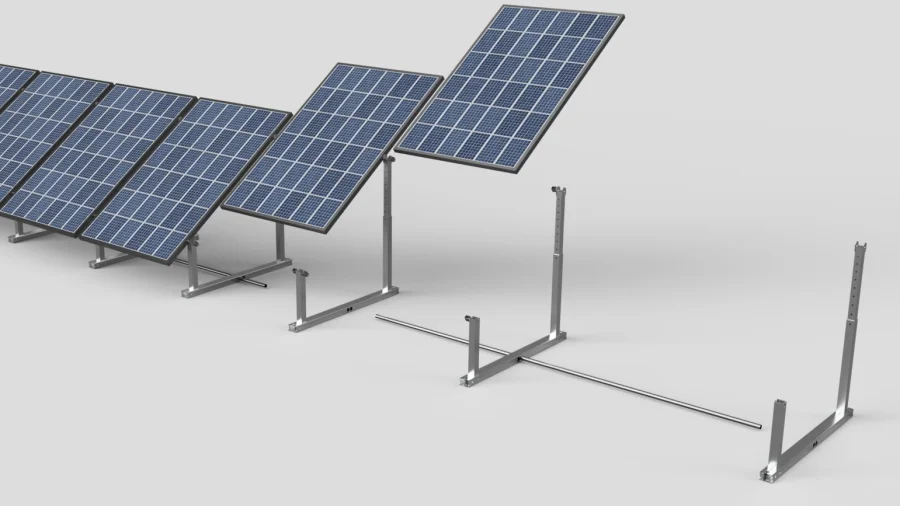
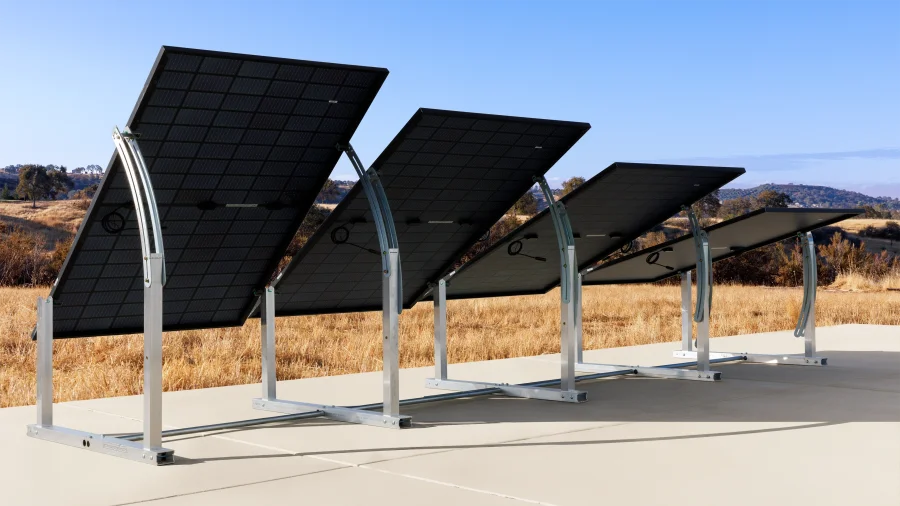
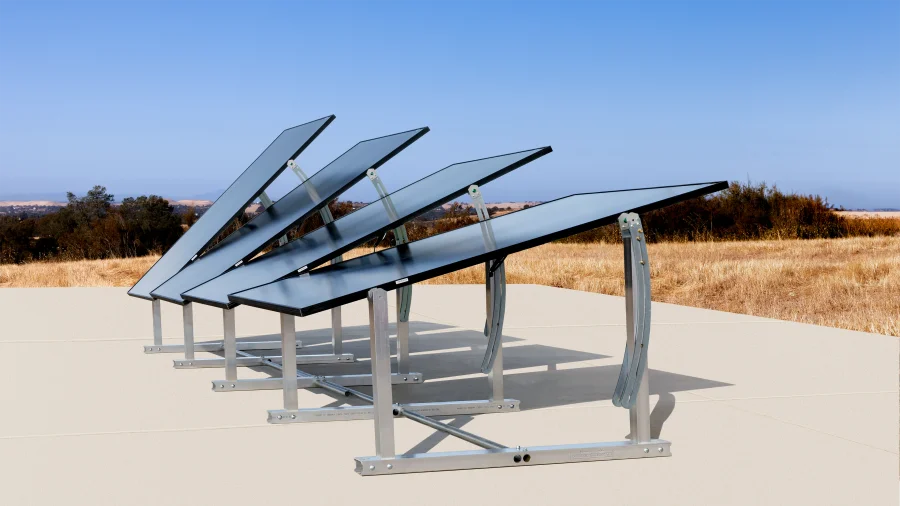
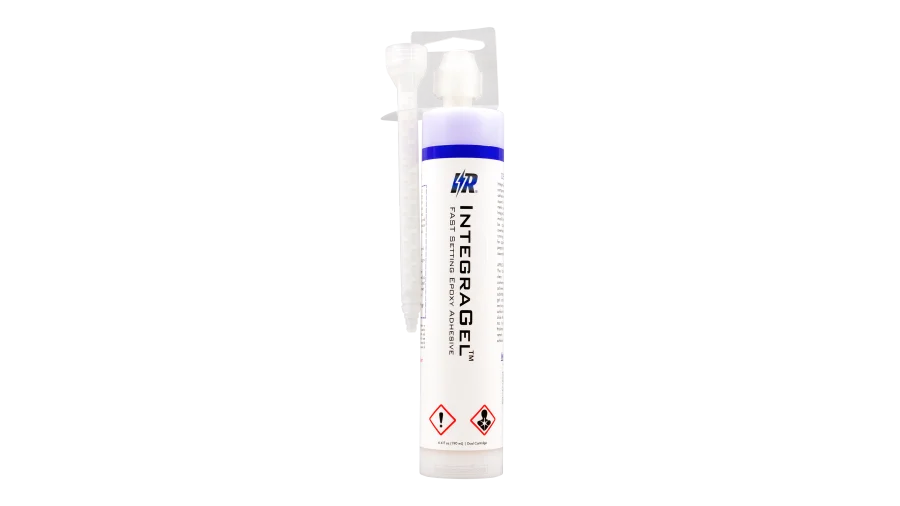
IntegraRack BallastRack with EarthBallast uses one aluminum frame per panel, plus one extra to start each row, joined by 1" EMT conduit. Each frame assembles in about two minutes with a screw gun and a wrench. You epoxy a geotextile sheet across the frames, then pile dirt, crushed rock or road base on top: about 575 pounds per section, and up to 1,200 pounds depending on your panels and site. One EarthBallast kit covers a row of 12 IR-30 frames. The IR-F2 flange clamps bite into each panel frame as you tighten them, bonding each panel to the next.
Shipping: The Biggest Difference
This is the reason we switched. Your ballast comes from your own site or a local landscape yard either way, so the real difference is what it costs to get the mount itself to your door.
Tub mounts: LTL freight
They ship empty, but they’re bulky molded plastic, so even a single tub had to go by freight: a flat freight charge, a scheduled delivery window and a pallet to unload. That freight charge is part of your total, and on a small array it can cost more than the mounts themselves.
IntegraRack: ground parcel
Frames ship by regular ground parcel in a 48 x 5 x 5 inch box, so you’re only paying to ship a few compact boxes of aluminum.
Tilt, Snow and Wind
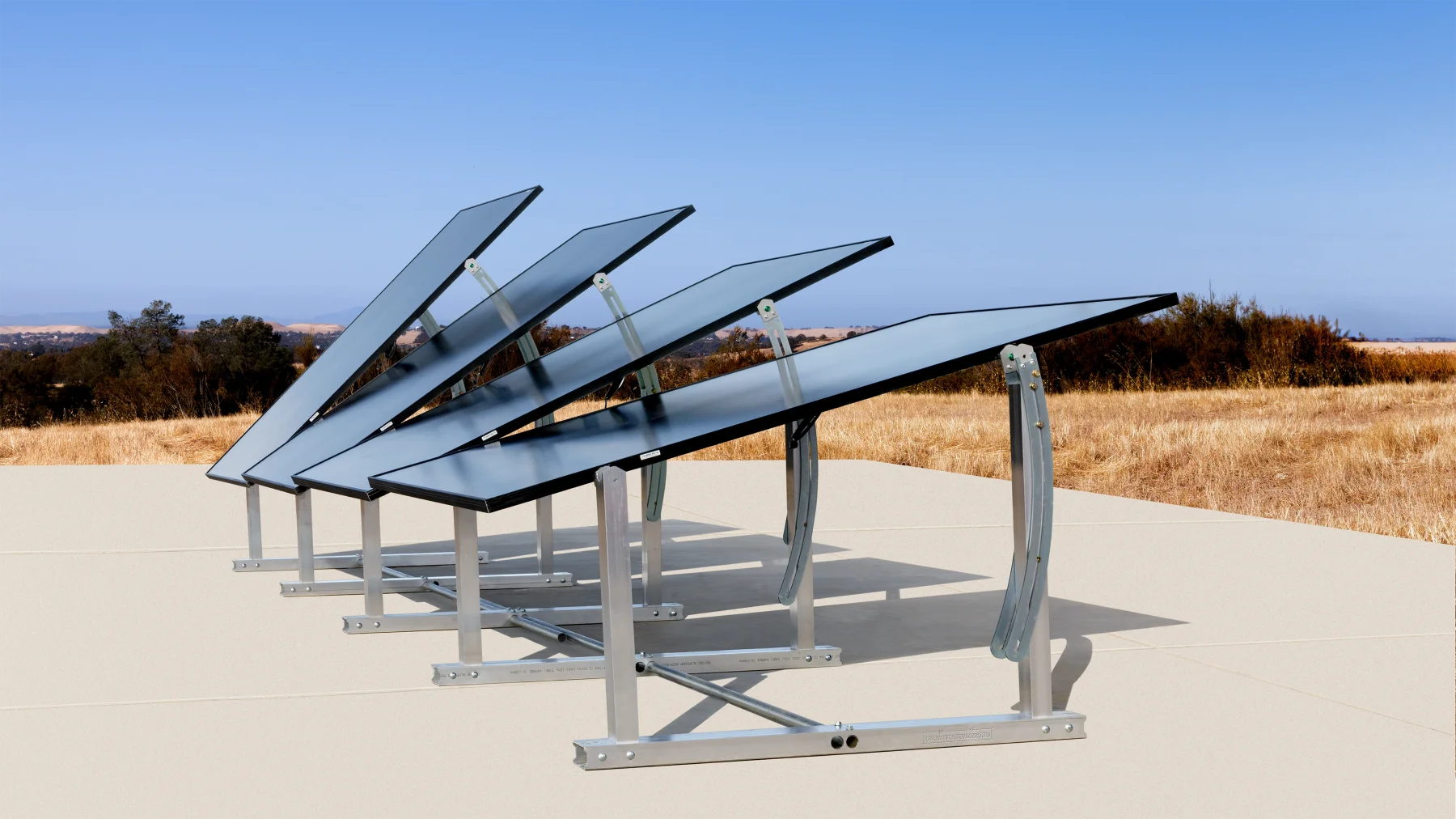
The tub mounts we carried sat at a fixed 18 degrees, which is too flat to shed much snow. IntegraRack gives you more choices:
- IR-15 and IR-30: fixed 15 or 30 degree tilt
- IR-40FSA: 15 to 40 degrees, locked in 2.5 degree notches
- IR-45ASA: 15 to 45 degrees, freely adjustable so you can change it with the seasons
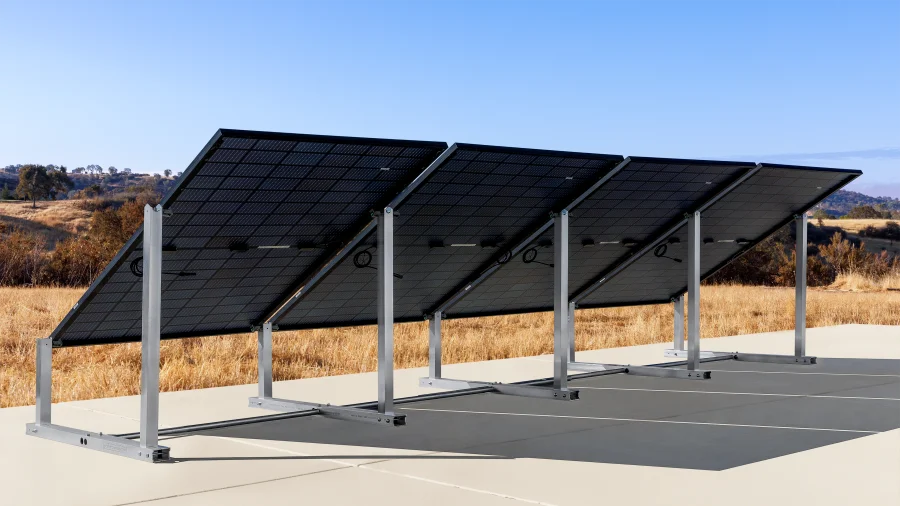
- IR-EW15: two panels back to back at 15 degrees, facing east and west. One frame carries two panels, so a 12-panel row takes 7 frames instead of 13.
IntegraRack rates its frames for up to 200 mph wind and 100 psf snow load, depending on panel size, tilt and mounting method. Check the load tables against your site before you order.
Five Ways to Anchor IntegraRack
EarthBallast is one of five rated mounting methods, and three of them need no concrete at all:
- EarthBallast: geotextile and local fill, for open ground
- EarthScrew: 30-inch screws for dense, compacted soil
- BladderBallast: a 105-gallon water bladder that adds about 850 pounds per section
- SlabBallast: for an existing concrete slab or pad
- Concrete lag bolt mount: for existing footings

When Tub Mounts Still Make Sense
Tub mounts are simple: there’s nothing to assemble and no conduit to cut, and the low profile can suit a spot with height limits. If you already own tubs, they’ll keep working.
For a new array, the shipping savings, the built-in panel bonding, the tilt choices and IntegraRack’s published wind and snow ratings are why we carry IntegraRack.
Planning Your IntegraRack Array

- One frame per panel, plus one extra to start each row
- 1" EMT conduit to connect the frames, available at any hardware store (needed for every method except the concrete lag bolt mount)
- Frames fit portrait-orientation panels up to 32 square feet
- Bonding runs panel to panel through four UL 2703 certified IR-F2 flange clamps per frame, so no separate bonding jumpers are needed. Grounding the array to NEC 250 and NEC 690 should be done by a qualified professional.
Not sure how many frames you need or which anchoring method fits your ground? Our team is happy to help with sizing.
Real IntegraRack Installs
Frequently Asked Questions
No. Tub mounts and IntegraRack’s EarthBallast method both use weight instead of concrete. IntegraRack also offers EarthScrews and water-filled BladderBallast when you’d rather not move fill.
About 5 cubic feet (roughly 550 pounds) of gravel per tub for the tub mounts we carried, versus 575 to 1,200 pounds of fill per section with IntegraRack EarthBallast. Your site’s wind and snow loads set the final number.
Some tub mounts can go on a flat roof, but the weight can exceed what the roof can carry, so check with a structural engineer first. For roofs, IntegraRack makes MultiBallast and TileBallast systems built for that job.
Freight. Even one tub had to ship on a pallet, while IntegraRack frames ship by ground parcel. Add the extra tilt options and IntegraRack’s published wind and snow ratings, and it was an easy switch.
Shop IntegraRack Ground Mounts

Shop all IntegraRack ground and roof mounts in our solar panel racking category.